• Skip to primary navigation
  • Skip to main content
  • Skip to primary sidebar

Earth Wise

A look at our changing environment.

  • Home
  • About Earth Wise
  • Where to Listen
  • All Articles
  • Show Search
Hide Search
You are here: Home / Archives for breed

breed

Climate Change And Infertility

March 8, 2019 By EarthWise Leave a Comment

Many of us are all too familiar with the effects of climate change.  Our changing climate, as a result of our actions, is leading to rising global temperatures, biodiversity loss, ocean acidification, wildfires, more weather extremes like floods and droughts. But a lesser known effect of climate change could lead to frightening consequences: infertility.

According to researchers at the University of Liverpool, rising temperatures could make some species sterile and lead them to succumb to the effects of climate change far earlier than currently thought. Their work was recently published in the journal Trends in Ecology and Evolution, and it was produced in collaboration with scientists from the University of Leeds, University of Melbourne, and Stockholm University.

Biologists and conservationists are trying to predict where species will be lost due to climate change so that suitable reserves can be established in other locations.  But the problem is that most data on when temperature will make an area unlivable for a species is based on its ‘critical thermal limit’ or CTL.  This is the temperature at which a species would collapse, stop moving, or die. 

The authors of the article fear that the impact of climate change on species survival is being underestimated.  Because rather than zeroing in on lethal temperatures, the scientists argue the focus should be on the temperatures at which organisms can no longer breed.  Extensive plant and animal data suggest organisms lose fertility at a lower temperature than their CTL.

The scientists have proposed a new fertility-based metric to gauge how organisms function as temperatures climb: Thermal Fertility Limit or TFL.  Understanding when a species will cease to reproduce will certainly help conservation measures. 

**********

Web Links

Climate change and infertility — a ticking time bomb?

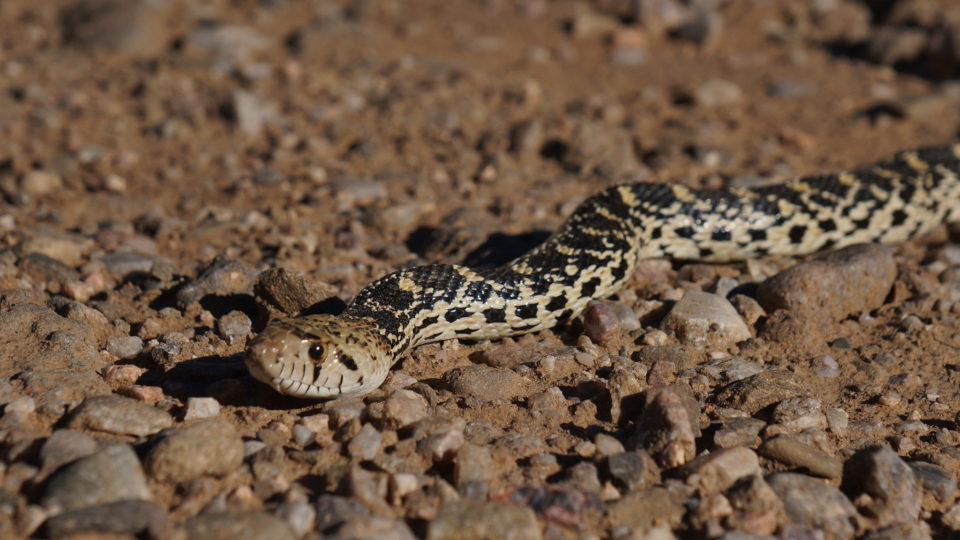
Photo, posted August 11, 2013, courtesy of Mike Lewinski via Flickr.

Earth Wise is a production of WAMC Northeast Public Radio.
Accelerating Sugarcane Growth

September 21, 2018 By EarthWise Leave a Comment

https://earthwiseradio.org/wp-content/uploads/2018/09/EW-09-21-18-Accelerating-Sugarcane-Growth.mp3

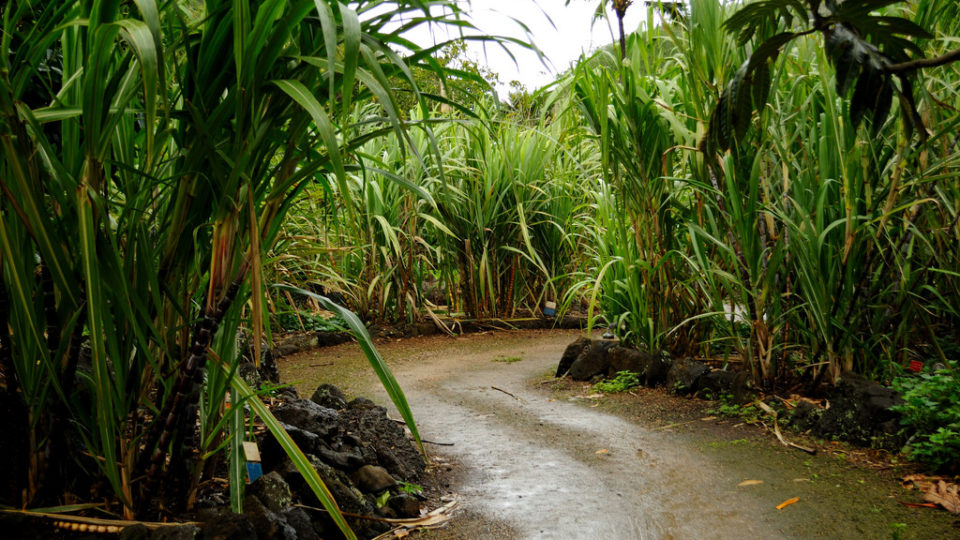
Brazil is the world’s second largest producer of ethanol fuel behind the United States.  More than that, it has the first sustainable biofuel economy, which is based on sugarcane ethanol, not corn ethanol.  It is sustainable because of Brazil’s advanced agri-industrial technology and its enormous amount of arable land.   Furthermore, producing sugarcane ethanol is far more energy-efficient than corn ethanol. It actually makes energy sense to produce it.

[Read more…] about Accelerating Sugarcane Growth

Looking For “Super Coral”

November 2, 2017 By EarthWise Leave a Comment

https://earthwiseradio.org/wp-content/uploads/2017/11/EW-11-02-17-Looking-for-Super-Coral.mp3

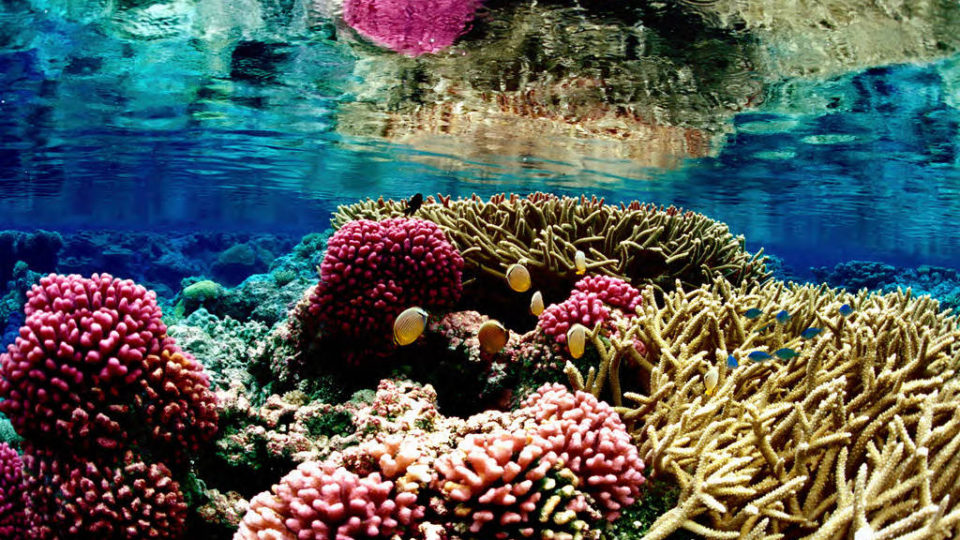
Coral reefs are essential for much of marine life and are the basis of many commercial fisheries.  In places from Florida to Australia, they are major tourist attractions.  Estimates are that the economic impact of coral reefs is more than $375 billion a year.  And apart from all of that, they are some of the most beautiful places on the planet.

[Read more…] about Looking For “Super Coral”

Save The Turtles

June 26, 2017 By EarthWise

https://earthwiseradio.org/wp-content/uploads/2017/06/EW-06-26-17-Save-the-Turtles.mp3

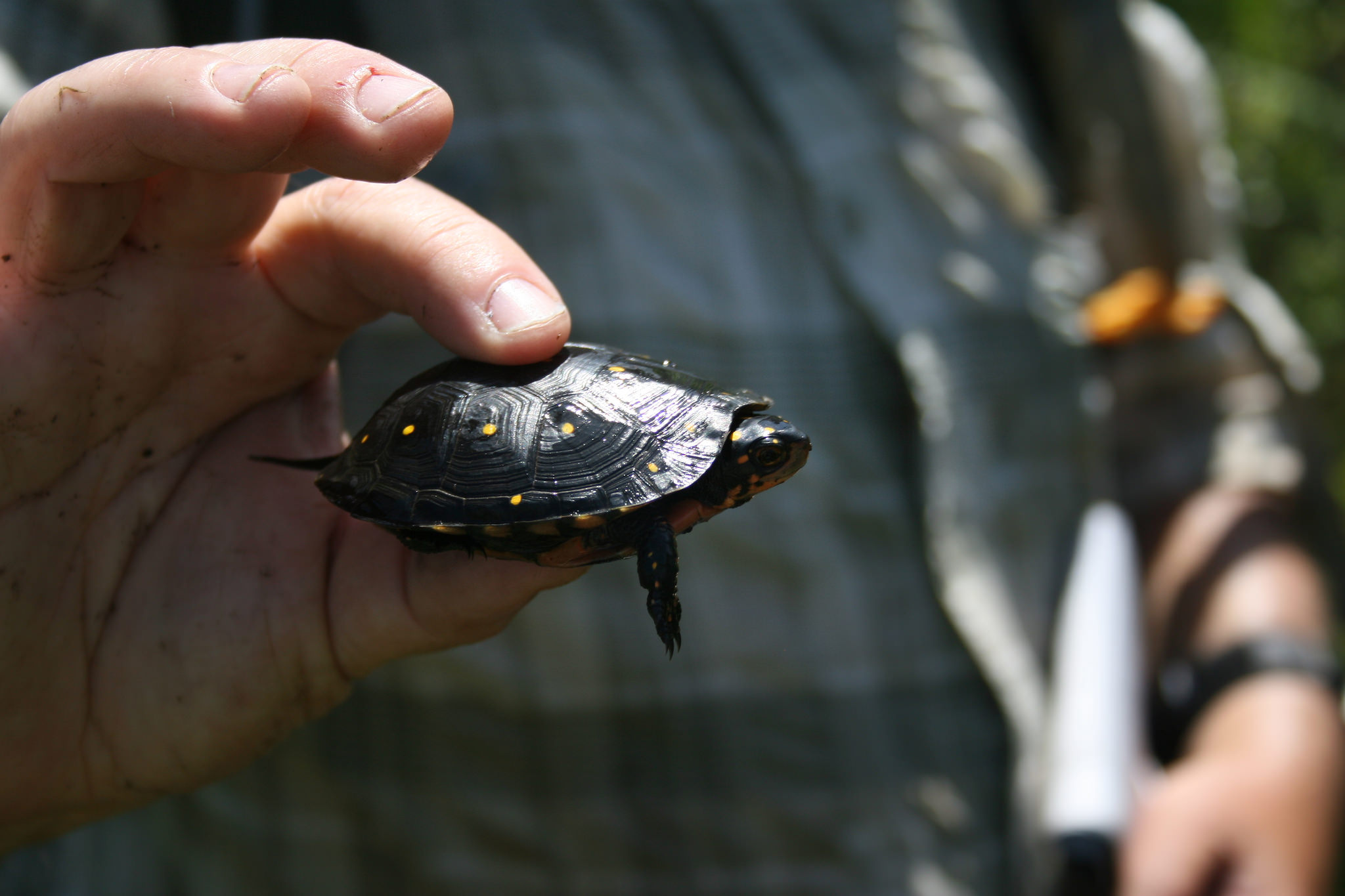
New York is home to 11 native species of land turtles.  Many of the species can’t breed until age 10 and then they lay just one small clutch of eggs each year by digging in a suitable patch of sandy soil.  As a result, breeding females are at a premium for the welfare of the species.  Overall, turtles are on decline in the Empire State.

[Read more…] about Save The Turtles

Vanishing Vaquitas

March 17, 2017 By EarthWise

https://earthwiseradio.org/wp-content/uploads/2017/03/EW-03-17-17-Vanishing-Vaquitas.mp3

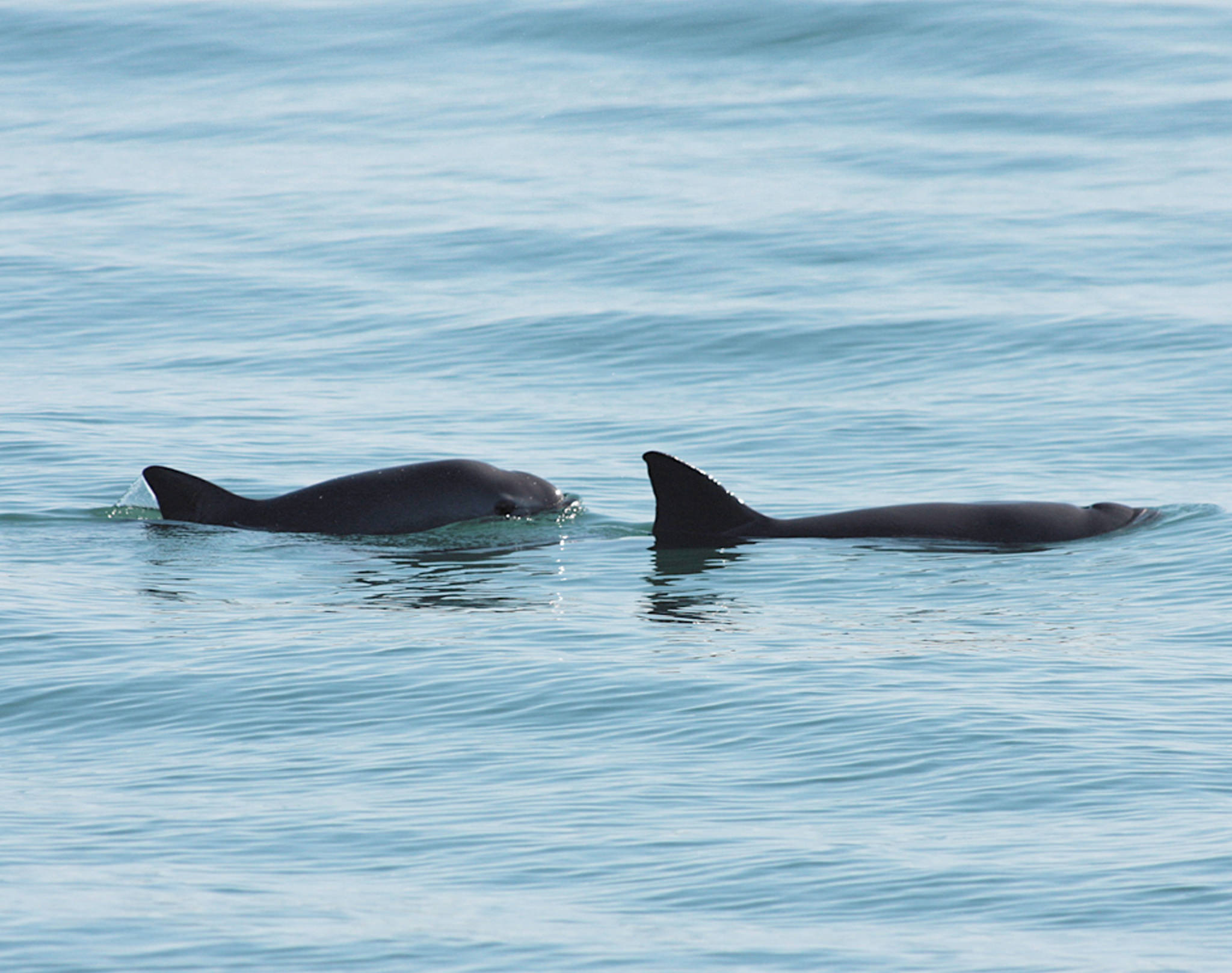
The world’s smallest porpoise – the vaquita – is in real trouble.  According to a recent report by the International Committee for the Recovery of the Vaquita (or CIRVA), the vaquita population has plummeted to just 30 individuals –a 90% plunge since 2011 – despite international conservation efforts.  The vaquita, which is found only in Mexico’s Upper Gulf of California, is the most endangered marine mammal on Earth and is on the doorstep of extinction.

[Read more…] about Vanishing Vaquitas

Social And Ecological Underpinnings Of Infectious Disease

April 1, 2016 By WAMC WEB

https://earthwiseradio.org/wp-content/uploads/2016/03/EW-04-01-16-Disease.mp3

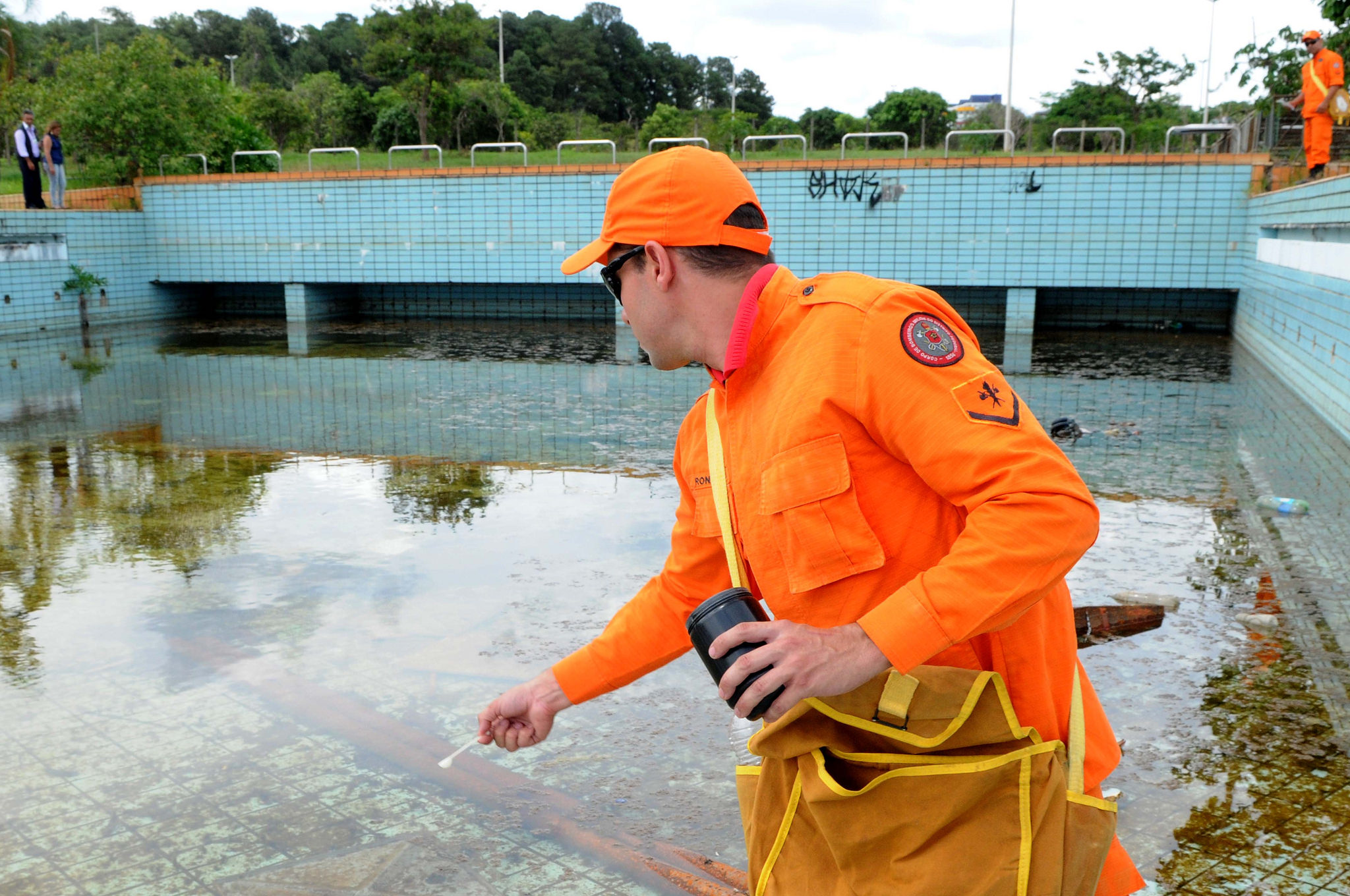
When it comes to addressing infectious disease, we have a short attention span. Forces are mobilized when we’ve crossed a tipping point, and demobilized when the immediate threat has passed. In the case of Zika, the World Health Organization declared a public health emergency based on a strong association between Zika infection and microcephaly in newborns and a spike in Guillain-Barré syndrome. 

[Read more…] about Social And Ecological Underpinnings Of Infectious Disease

Primary Sidebar

Recent Episodes

  • An uninsurable future
  • Clean energy and jobs
  • Insect declines in remote regions
  • Fossil fuel producing nations ignoring climate goals
  • Trouble for clownfishes

WAMC Northeast Public Radio

WAMC/Northeast Public Radio is a regional public radio network serving parts of seven northeastern states (more...)

Copyright © 2026 ·