• Skip to primary navigation
  • Skip to main content
  • Skip to primary sidebar

Earth Wise

A look at our changing environment.

  • Home
  • About Earth Wise
  • Where to Listen
  • All Articles
  • Show Search
Hide Search
You are here: Home / Archives for bison

bison

Too Many Bison | Earth Wise

September 21, 2023 By EarthWise Leave a Comment

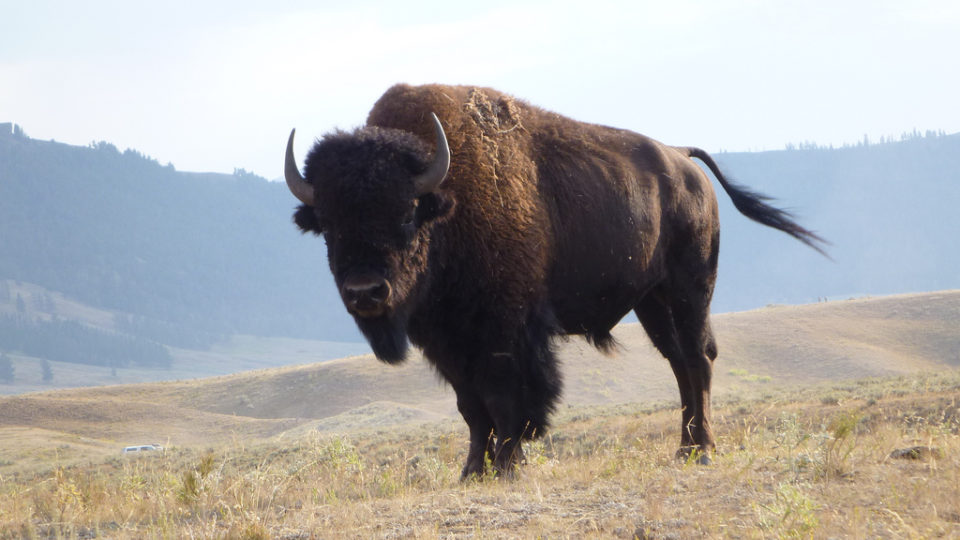
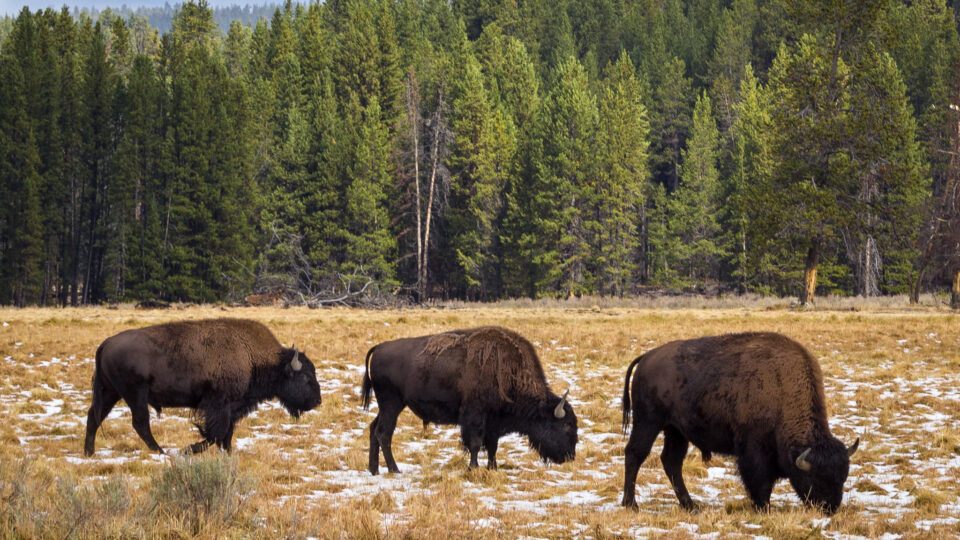
In the northern part of Yellowstone National Park, an historically large bison herd is hampering the comeback of quaking aspen trees, whose numbers were greatly diminished by decades of over-browsing by elk.  Restoring the balance of ecosystems at Yellowstone is proving to be a complicated matter.

Long ago, the bison population in the Great Plains was as much as 30 million.  The population sharply decreased in the 1800s.  By the 1830s, there were no bison east of the Mississippi River.  Fifty years later, the Plains bison was nearly extinct.  Several small herds lived near Yellowstone Park when it was established in 1872, but poachers killed off nearly of them by the turn of the century.  Protective measures were taken and by 1925, Yellowstone’s Lamar Valley herd had grown to more than 750.  After that, occasional culling took place for over 40 years. 

When gray wolves and cougars were removed from the park, elk populations boomed, and the elk gradually decimated the growth of quaking aspen, cottonwood, willow, and berry-producing shrubs.  Both elk and bison were regularly culled until 1968 when public and congressional outcry intervened.

The return of wolves and cougars to the park made some progress in restoring ecosystem balance, particularly with respect to the elk population which has dropped from 20,000 to 5,000.  But bison numbers have grown to over 4,000 over past 20 years and the damage once caused by elk is now continuing from bison.

Park administrators are faced with complex management decisions about how to best preserve the ecosystems at Yellowstone National Park.

**********

Web Links

Bison in northern Yellowstone proving to be too much of a good thing

Photo, posted October 6, 2016, courtesy of Christian Collins via Flickr.

Earth Wise is a production of WAMC Northeast Public Radio
Humanity Weighs On The World | Earth Wise

April 6, 2023 By EarthWise Leave a Comment

There are countless ways in which humankind has had disproportionate effects on our planet and most of those effects have been negative.  A recent study led by the Weizmann Institute of Science in Israel looked at the total combined weight of various groups of mammals on Earth.  The results are that human beings and our domesticated mammals are the overwhelming majority of the total mass of mammals.

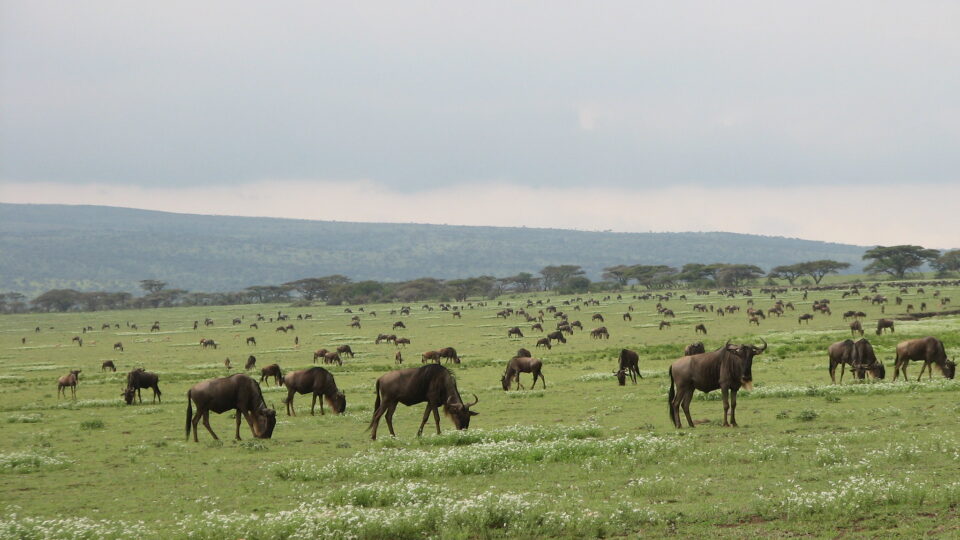
We think of large land mammals – elephants, bears, bison, wildebeests, and so on – as adding up to a massive amount of animal matter.  The study determined that all wild land mammals put together add up to about 22 million metric tons. Wild marine mammals – such as dolphins and whales – add up to about 40 million tons in total.  These sound like pretty big numbers until we look at the human and human-created side of the equation.

The study found that humans weigh about 390 million metric tons, while domesticated mammals – like sheep, cows, and pigs as well as dogs and cats – weigh about 630 million metric tons combined.

All told, wild mammals account for only 6% of all mammals by weight.   People and their domesticated animals make up the other 94%.  This enormous imbalance is an indication of how profoundly humans have reshaped life on Earth.  House cats total twice the weight of African elephants and pigs add up to twice the weight of all wild land animals combined.

The conclusion to draw from the big picture here is that wild animals on Earth are not doing very well.  We already knew this from many other perspectives, but this census by weight presents a stark picture of the extent to which we have taken over the planet and its ecosystems.

**********

Web Links

Total Weight of Wild Land Mammals Less Than One-Tenth Weight of All Humans

Photo, posted December 27, 2006, courtesy of Nigel Hoult via Flickr.

Earth Wise is a production of WAMC Northeast Public Radio
Coping With Climate Change | Earth Wise

October 11, 2022 By EarthWise Leave a Comment

Animals will cope with climate change differently

Extreme weather events including prolonged drought and heavy rainfall are becoming more common and more severe as global temperatures rise.  As the climate continues to change in the coming decades, how will animals respond? 

Researchers from the University of Southern Denmark have examined how different mammals react to climate change. They analyzed data on population fluctuations from 157 mammal species around the world.  They compared these fluctuations with weather and climate data from the same time period.  The research team had 10 or more years of data for each species studied. 

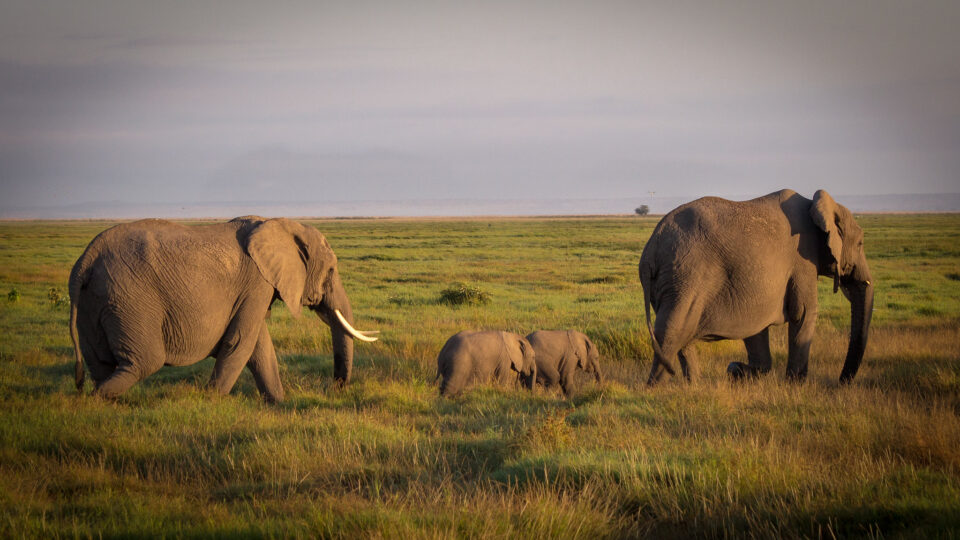
The researchers found that mammals that live for a long time and/or produce less offspring –  like llamas, elephants, bears, and bison – are more climate resilient than small mammals with short lives — like mice, possums, lemmings, and rare marsupials. 

For example, large, long-lived mammals can invest their energy into one offspring, or simply wait for better times if conditions become challenging.  On the other hand, small, short-lived mammals like rodents have more extreme population changes in the short term. In the event of a prolonged drought, large portions of their food base may rapidly disappear, and they are left to starve because they have limited fat reserves.

However, the research team notes that the ability of a species to withstand climate change must not be the only factor when assessing a species’ vulnerability.  In fact, in many cases, habitat destruction, poaching, pollution, and invasive species pose a larger threat to animal species than climate change. 

While the study only examined 157 species, the findings enable researchers to also predict how animals they know less about will react to climate change.

********** 

Web Links

Which animals can best withstand climate change?

Photo, posted July 8, 2018, courtesy of Ray via Flickr.

Earth Wise is a production of WAMC Northeast Public Radio
Bringing Back Bison | Earth Wise

August 23, 2022 By EarthWise Leave a Comment

Over the past few decades, research has identified the importance of large mammals like bison as ecosystem engineers.  These animals shape and maintain various natural processes and, in the process, are responsible for the sequestering of large amounts of carbon.  But large mammals – both herbivores and predators – have seen their numbers dwindle over time.  At this point, nearly two-thirds of large carnivores are threatened with extinction.   Overall, less than 6% of worldwide ecosystems have the extensive, intact large-mammal communities that were dominant 500 years ago.

Conservationists around the world have embarked on programs of “rewilding”- reintroducing large mammals into ecosystems.  Some of the animals involved in these programs include brown bears, wild horses, jaguars, reindeer, Eurasian beavers, elk, moose, wolverines, tigers, hippos, and bison.

A group of bison raised in South Dakota have recently been transplanted to the Chihuhuan Desert at the US-Mexico border across Arizona, New Mexico, and Texas.  There used to be huge bison herds in that region, but it has been largely bison-free for 150 years.

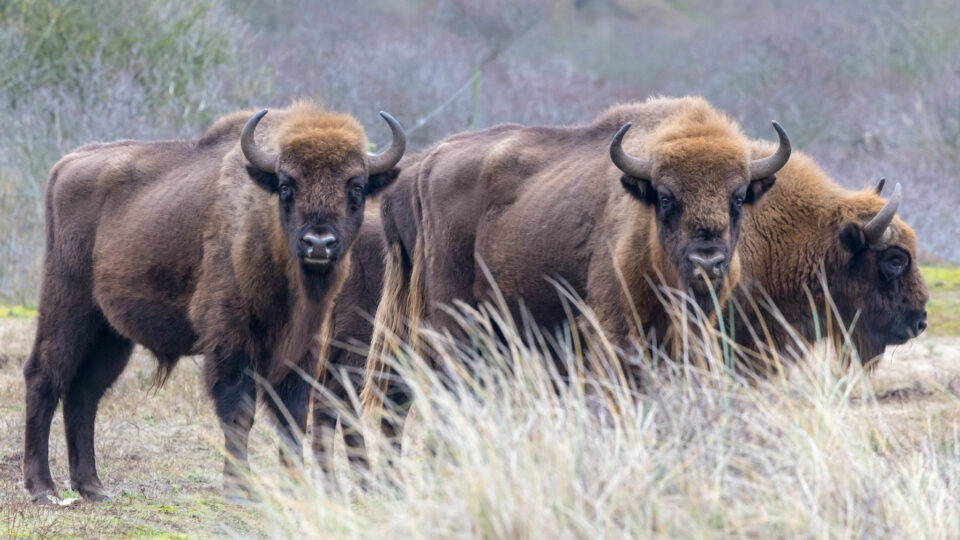
Perhaps more remarkably, wild bison are also being reintroduced into a forest near Canterbury, England.  There haven’t been bison in the United Kingdom for thousands of years.  But conservationists are introducing European bison into the British forest to knock down trees, trample shrubs, and create space for a greater diversity of flora and fauna. 

Apart from the ecosystem goals of the British project, people in the UK, for the first time in over a thousand years, will be able to experience bison in the wild.

**********

Web Links

Gone for Thousands of Years, Wild Bison Return to the UK

Photo, posted December 31, 2018, courtesy of Marco Verch via Flickr.

Earth Wise is a production of WAMC Northeast Public Radio.

Large Mammals And Climate Change | Earth Wise         

April 14, 2022 By EarthWise Leave a Comment

The natural world has an important part to play in mitigating the effects of climate change.  We mostly think about the role of plant life which absorbs carbon in trees, grasses, and other flora.  However, a new study published by Oxford University looks at the role of large wild animals in restoring ecosystems and reducing the effects of climate change.

According to the study, there are three important ways in which large animals such as elephants, rhinos, giraffes, whales, bison, and moose can potentially mitigate the effects of climate change:  carbon stocks, albedo, and fire regimes.

When large herbivores graze, they disperse seeds, clear vegetation, and fertilize soil.  All of these things build more complex and resilient ecosystems which helps to maintain and increase carbon stocks in the soil and in plant tissues thereby helping to reduce CO2 in the atmosphere.

Grazing large animals trample vegetation which opens up areas of dense vegetation to create open mixes of grass and shrubs and can reveal snow-covered ground in cold regions.  Such open habitats are lighter in color (higher in albedo) and reflect more solar radiation into the atmosphere, cooling the Earth’s surface rather than heating it up.

Large grazing animals can lessen wildfire risk by browsing on woody vegetation that would otherwise fuel the fires and also by creating paths that act as firebreaks.

In marine ecosystems, whales and other large animals fertilize phytoplankton, which capture some 37 billion tons of CO2 each year.

Overall, large animals are an important part of the natural world’s ability to reduce the effects of the changing climate by helping with localized adaptation to the changes taking place in ecosystems.

**********

Web Links

Large mammals can help climate change mitigation and adaptation

Photo, posted August 20, 2017, courtesy of Jon Niola via Flickr.

Earth Wise is a production of WAMC Northeast Public Radio.

Too Many Bison | Earth Wise

May 8, 2020 By EarthWise Leave a Comment

Bison in Yellowstone

The population of large herbivores in Yellowstone National Park has undergone many dramatic changes over the course of time.  The numbers of both the iconic Rocky Mountain elk and bison have gone up and down as a result of human interactions.

Bison, of course, once were a dominant species from east of the Appalachians to west of the Rocky Mountains, with most of an estimated 30 million living on the Great Plains.  As the west was settled, bison populations plummeted and by the late 1800s, they were nearly extinct.

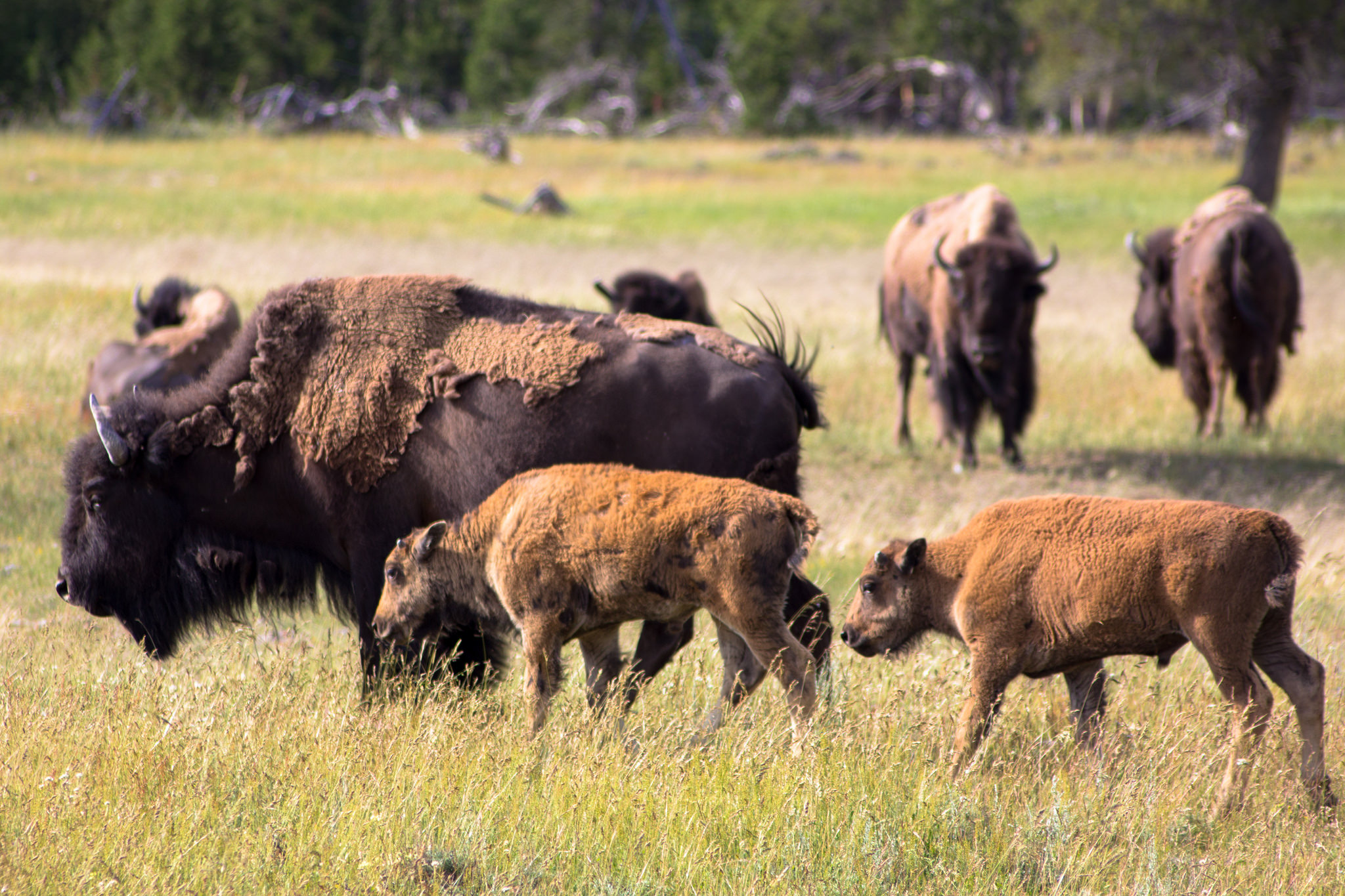
When Yellowstone was established, there were exactly 22 bison in the park.  By 1925, there were more than 750 in the park and culling of the herd in the park’s Lamar Valley was practiced for the next four decades.

The elimination of predators like grey wolves and cougars in the early 1900s caused both elk and bison populations to mushroom and both underwent culling.  When culling was ended in 1968, there were 4,000 elk and 100 bison.  Within 20 years, those numbers were 20,000 and 1,000.   Reintroducing wolves and cougars reduced the elk population to about 5,000, but bison numbers have continued to grow, now reaching about 4,000.

While the long-term recovery of the Yellowstone bison herd is a major conservation success story, the fact is that bison are powerful ecosystem engineers.  Large numbers of them disrupt species distribution across scrub steppe and grasslands because of what they eat, trample, and rub their horns and bodies on.  They have a tremendous capacity to limit the structure and composition of ecosystems.

Park administrators have complicated management decisions to make to take into account the often wide range of ecological effects that abundant large herbivores can have on ecosystems.

**********

Web Links

Bison in northern Yellowstone proving to be too much of a good thing

Photo, posted August 10, 2016, courtesy of Brian Gratwicke via Flickr.

Earth Wise is a production of WAMC Northeast Public Radio.

Saving The Arctic Permafrost | Earth Wise

April 17, 2020 By EarthWise Leave a Comment

Permafrost is frozen ground – a combination of soil, rock, sand, and ice – that remains at or below freezing for at least two consecutive years.  Approximately 25% of the land in the Northern Hemisphere meets this criterion, the majority of which can be found in northern Russia, Canada, Alaska, Iceland, and Scandinavia.

But as a result of the changing climate, these permafrost soils in the Arctic are beginning to thaw.  As they thaw, large quantities of greenhouse gases could be released, further accelerating climate change.  

A new study recently published in the journal Scientific Reports explores an unconventional countermeasure: resettling massive herds of large herbivores.  According to researchers from the University of Hamburg in Germany, herds of horses, bison, and reindeer could be used to significantly slow the loss of permafrost soils. 

During Arctic winters, the air temperature is often much colder than the permafrost.  Thick layers of snow can insulate the ground from the frigid air, keeping the permafrost warm (relatively speaking). But when the snow cover is scattered and compressed by the hooves of grazing animals, the insulating effect is reduced, which intensifies the freezing of the permafrost.

If climate change continues unchecked, the research team expects permafrost temperatures to rise 3.8-degrees Celsius.  This would result in half of the world’s permafrost thawing by the year 2100.  But in contrast, researchers found that the permafrost would only warm by 2.1 degrees Celsius with the resettled animals.  This 44% reduction in permafrost temperature would preserve 80% of the existing permafrost by 2100.

Natural manipulations of ecosystems could have tremendous results. 

**********

Web Links

How horses can save the permafrost

Photo, posted July 17, 2012, courtesy of Kitty Terwolbeck via Flickr.

Earth Wise is a production of WAMC Northeast Public Radio.

Why Save Endangered Species?

December 9, 2019 By EarthWise Leave a Comment

One often hears the argument that humans need to save the world’s endangered species in order to save ourselves.  Carl Safina, a marine ecologist and award-winning environmental writer, has written a thought-provoking essay that offers the viewpoint that we don’t actually need the wild species of the world but that they need us.

The truth is that human beings have thrived by destroying nature.  We have exploited other species when they were useful to us and simply pushed them aside when they weren’t.  We drove America’s most abundant bird – the passenger pigeon – to extinction.  The most abundant large mammal – the bison – was driven to functional extinction.

In today’s world, people live at high densities in places devoid of wild species and natural beauty.  And while we express concern for elephants, gorillas, sperm whales, tigers, and various other species, how would the lives of most of us be affected at all should they vanish entirely?  The unfortunate truth is that it would make little difference to our lives.

The only species that are really essential to modern living are actually microbes of decay, a few insect pollinators, and the ocean’s photosynthesizing plankton.  Life would go on little changed without most other co-inhabitants of our planet.

Safina argues that our obligation to protect endangered species does not come from our dependence upon them but rather on a moral obligation.  Humans consider ourselves to be the most moral species and, as such, we have moral obligations.  In this case, it is to protect the beauty and wonder of our world, which is not trivial but in fact is the most profound thing on earth.

Safina has much more to say about this and I strongly recommend reading his essay.  You can find the link here.

**********

Web Links

The Real Case for Saving Species: We Don’t Need Them, But They Need Us

Photo, posted December 9, 2014, courtesy of Gerry Zambonini via Flickr.

Earth Wise is a production of WAMC Northeast Public Radio.

Your Children’s Yellowstone

January 25, 2019 By EarthWise Leave a Comment

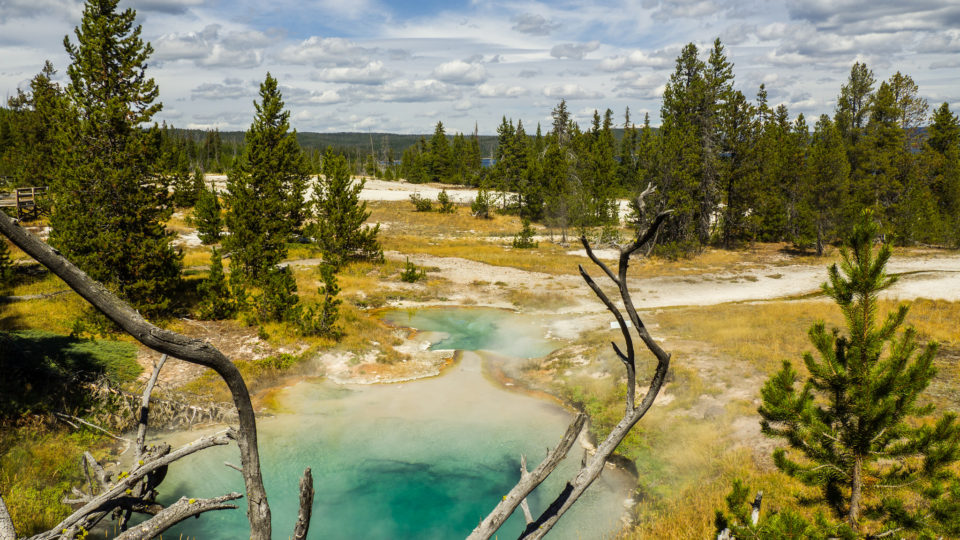
Yellowstone National Park was the first national park in the US and according to some sources, the first in the world.  It is the home of charismatic megafauna and stunning geysers that attract over four million visitors a year.  It is the only place in the United States where bison and wolves can be seen in great numbers.  And it is changing.

Over the next few decades of climate change, Yellowstone will quite likely see increased fire, less forest, expanding grasslands, shallower, warmer waterways, and more invasive plants.  All these things will alter how and how many animals move through the landscape.   Ecosystems are always changing, but climate change is transforming habitats so quickly that many plants and animals may not be able to make the transition at all.

Since 1948, the average annual temperature in the Greater Yellowstone ecosystem has gone up by 2 degrees Fahrenheit.  On balance, winter is 10 days shorter and less cold.  The Northern Rockies snowpack has fallen to its lowest level in eight centuries. Summers in the park are warmer, drier, and increasingly prone to fire.

Non-nutritious invasive plants like cheatgrass and desert madwort have replaced nutritious native plants.  When plants like these take over, they suck moisture out of the ground early so that bison and elk cannot be sustained throughout the summer.

The behavior of elk and other animals is already changing, with many staying outside the park to nibble lawns and alfalfa fields.  In turn, wolves go where the elk go.   Forests and waterways are changing as well.

The rapid changes going on at Yellowstone mean that the park that our children and grandchildren will visit in the future is likely to be a very different one from the Yellowstone we remember.

**********

Web Links

In Yellowstone National Park, warming has brought rapid changes.

Photo, posted September 7, 2016, courtesy of Mike Yang via Flickr.  

Earth Wise is a production of WAMC Northeast Public Radio.

The Return Of The Bison

September 28, 2018 By EarthWise Leave a Comment

https://earthwiseradio.org/wp-content/uploads/2018/09/EW-09-28-18-The-Return-of-the-Bison.mp3

At one time there were 20 to 30 million bison in North America, dominating the landscape from the Appalachians to the Rockies, and from the Gulf Coast to Alaska.   A combination of habitat loss and totally unregulated hunting of the huge animals reduced the population to just over 1,000 in 1889.  

[Read more…] about The Return Of The Bison

Should We Rescue Distressed Animals?

June 27, 2016 By WAMC WEB

https://earthwiseradio.org/wp-content/uploads/2016/06/EW-06-27-16-Rescuing-Distressed-Animals-2.mp3

From time to time, we encounter wild animals in distress.   A baby robin falls out of its nest.  A fawn is orphaned when its mother is hit by a car.  A bald eagle staggers on the ground, unable to fly.

[Read more…] about Should We Rescue Distressed Animals?

The Incredible Shrinking Bison

April 18, 2016 By WAMC WEB

https://earthwiseradio.org/wp-content/uploads/2016/04/EW-04-18-16-Incredible-Shrinking-Bison.mp3

As the climate warms, all sorts of things are happening in the environment.   We know about shrinking ice caps, retreating glaciers, strange winter weather, and so forth.  But there are other things that may happen that are unexpected and puzzling.

[Read more…] about The Incredible Shrinking Bison

Primary Sidebar

Recent Episodes

  • An uninsurable future
  • Clean energy and jobs
  • Insect declines in remote regions
  • Fossil fuel producing nations ignoring climate goals
  • Trouble for clownfishes

WAMC Northeast Public Radio

WAMC/Northeast Public Radio is a regional public radio network serving parts of seven northeastern states (more...)

Copyright © 2026 ·