• Skip to primary navigation
  • Skip to main content
  • Skip to primary sidebar

Earth Wise

A look at our changing environment.

  • Home
  • About Earth Wise
  • Where to Listen
  • All Articles
  • Show Search
Hide Search
You are here: Home / Archives for algal bloom

algal bloom

Toxic algae and West Coast marine life

June 5, 2025 By EarthWise Leave a Comment

Over the first several months of this year, hundreds of sea lions, dolphins, and seabirds have fallen ill or died after eating sardines or anchovies that had been feeding on an algal bloom along the California coast since winter.  The biotoxin in the algae accumulates in the feeder fish.

Two cases of whales dying from the biotoxin have been confirmed by two nonprofit organizations tasked with testing dead mammals.  These were a humpback that washed ashore in Huntington Beach in January and a minke whale found dead in Long Beach in April.

This is the fourth year a row that California has experienced major algal blooms.  Warmer waters are causing blooms to be bigger and more damaging than they have been before.  They enter into new areas and contaminate the food web for longer.  The warmer waters accelerate algae growth that is further fueled by nutrients that rise to the surface from deeper colder waters driven by winds that blow parallel to the coast.  This year’s algae event started earlier than usual and is lasting longer than normal.

More than a dozen animal rescue and rehabilitation groups that form NOAA’s West Coast Marine Mammal Stranding Network are providing resources to try to respond to the situation.  At the Marine Mammal Care Center in Los Angeles, more than 80 sea lions and seals were being treated for domoic acid poisoning, the result of ingesting algae neurotoxin.  Since February, it has cared for more than 300 poisoned animals.

Marine mammals are sentinel species for humans who also consume seafood.  The West Coast ocean ecosystem is currently filled with toxins.

**********

Web Links

California Toxic Algal Bloom Blamed for Months-long Marine Life Poisoning

Photo, posted March 26, 2025, courtesy of Marnee Jill via Flickr.

Earth Wise is a production of WAMC Northeast Public Radio
The World’s Largest Harmful Algal Bloom | Earth Wise

July 1, 2021 By EarthWise Leave a Comment

Increase in nitrogen is leading to an explosion of brown sargassum seaweed

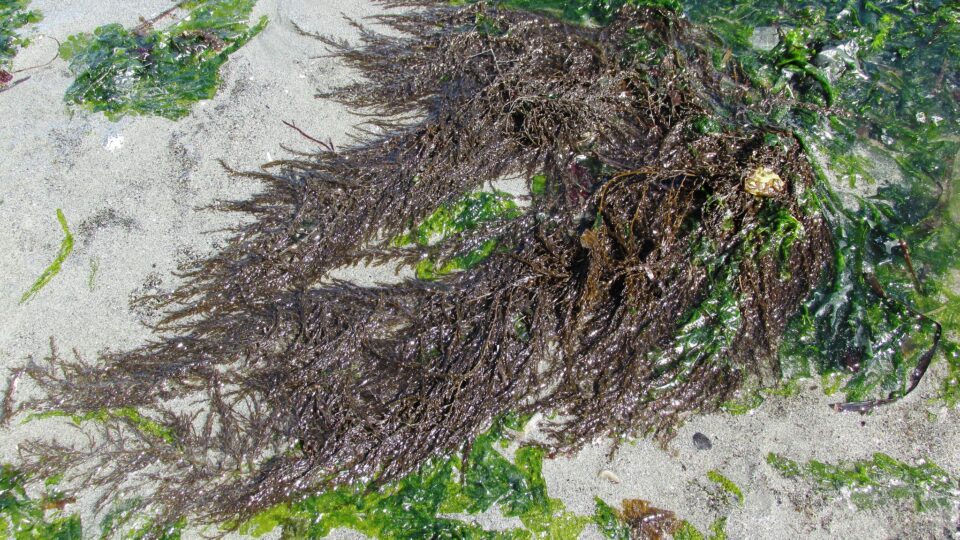
Brown sargassum seaweed floats in surface water in a bloom that stretches all the way from West Africa to the Gulf of Mexico.  Sargassum provides habitat for turtles, crabs, fish, and birds.

The stuff carpets beaches along the tropical Atlantic, the Caribbean Sea, the Gulf of Mexico, and the east coast of Florida disrupting tourism.  Florida’s Miami-Dade County alone spends $45 million a year cleaning up sargassum.  Annual Caribbean clean-up is in excess of $120 million.

A study by Florida Atlantic University has discovered dramatic changes in the chemistry and composition of sargassum which has transformed the so-called Great Atlantic Sargassum Belt into a toxic dead zone.

The findings of the study suggest that increased nitrogen availability from both natural and human-generated sources, including sewage, is supporting blooms of sargassum and turning a critical marine nursery habitat into harmful algal blooms with catastrophic impacts on coastal ecosystems, economies, and human health.

The study found that today’s sargassum tissues compared with those of the 1980s have 35% more nitrogen content and 42% less phosphorus.  Much of the nitrogen increase is a result of agricultural and industrial runoff from the Congo, Amazon, and Mississippi Rivers. 

The fact that the bloom itself has expanded so tremendously was already suspected to be the result of significant changes in the ocean’s chemistry.  Given the negative effect that the Great Atlantic Sargassum Belt is having on the coastal communities, additional research is essential to guide mitigation and adaptation efforts.

**********

Web Links

Sargassum now world’s largest harmful algal bloom due to nitrogen

Photo, posted June 5, 2016, courtesy of J Brew via Flickr.

Earth Wise is a production of WAMC Northeast Public Radio.

High-Tide Flooding And Pollution

April 30, 2019 By EarthWise Leave a Comment

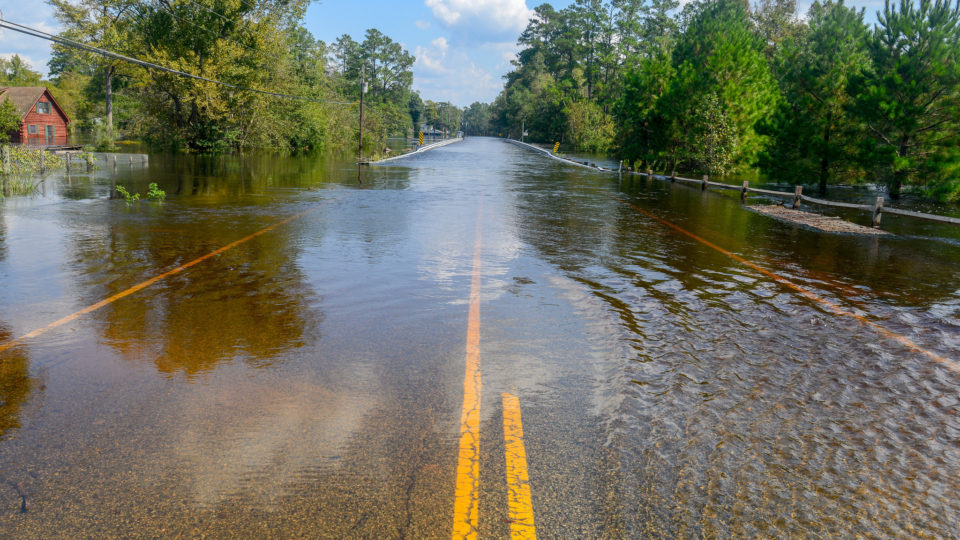
Global sea levels are steadily rising.  They are up 8 inches in the past century and now increasing at an average of 1.3 inches per decade.  As a result, the incidence of high-tide “sunny day” flooding is on the rise, especially along the U.S. East Coast.

Norfolk Virginia experienced fewer than 2 days of high-tide flooding a year in the 1960s; it had 14 in 2017.  Up and down the East Coast, flood days have increased by factors of 5 and more.

This has led to a form of pollution that hasn’t gathered much attention in the past:  when these floodwaters recede, they can carry debris, toxic pollutants and excess nutrients into rivers, bays, and oceans.

In the aftermath of high-tide flooding in Norfolk, Chesapeake Bay was littered with tipped-over garbage cans, tossed-away hamburgers, oil, dirty diapers, pet waste and all manner of other things.  Water that comes up on the landscape takes everything back into the river or ocean with it.

Analysis of tidal flooding along the Lafayette River in Norfolk indicated that just one morning of tidal flooding poured nearly the entire EPA annual allocation of nitrogen runoff for the river – nearly 2,000 pounds – into Chesapeake Bay.  The effects of excess nitrogen in the water are well-known and responsible for the toxic algal blooms that endanger aquatic life as well as human health.

According to the National Oceanic and Atmospheric Administration, high-tide flooding frequency along the southeastern coast of the U.S. rose 160% since 2000.  With the expected continuing rises in sea level, NOAA projects that as many as 85 days of high-tide flooding will occur along the coast by the year 2050.  It’s a big problem.

**********

Web Links

As High-Tide Flooding Worsens, More Pollution Is Washing to the Sea

Photo, posted September 20, 2018, courtesy of SC National Guard via Flickr.

Earth Wise is a production of WAMC Northeast Public Radio.

Small Grains In Corn Country

January 31, 2018 By EarthWise Leave a Comment

https://earthwiseradio.org/wp-content/uploads/2017/12/EW-01-31-18-Small-Grains-in-Corn-Country.mp3

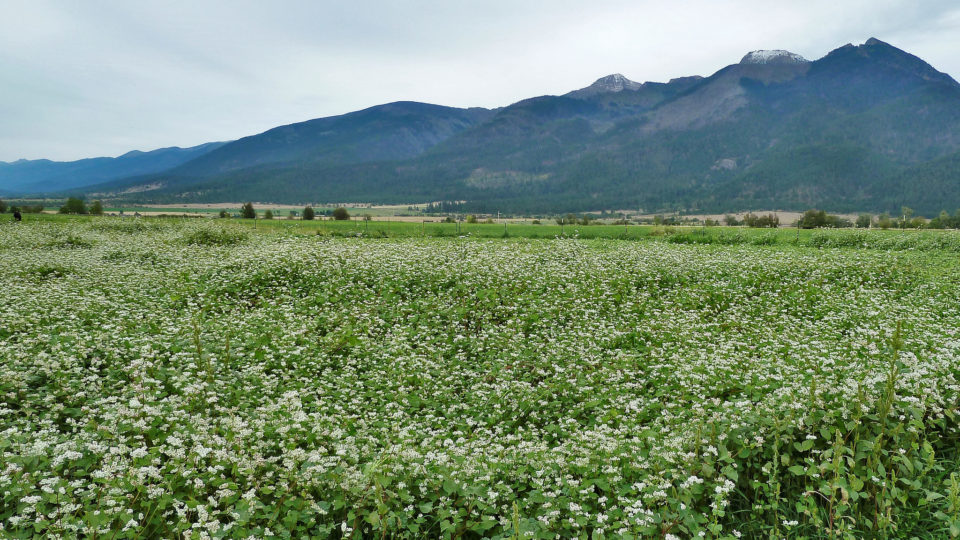
Large portions of the Midwest are called the Corn Belt and for good reason.  Overall, about 90 million acres or 140,000 square miles of the United States are planted with corn and about half of that is in Iowa, Illinois, Nebraska and Minnesota.  In most of the Corn Belt, the corn is planted in rotation with soybeans.  Both are warm weather crops and the soil is left barren for nearly half of the year when the two crops are out of season.

[Read more…] about Small Grains In Corn Country

Lake Baikal

January 4, 2017 By EarthWise

https://earthwiseradio.org/wp-content/uploads/2016/12/EW-01-04-17-Lake-Baikal.mp3

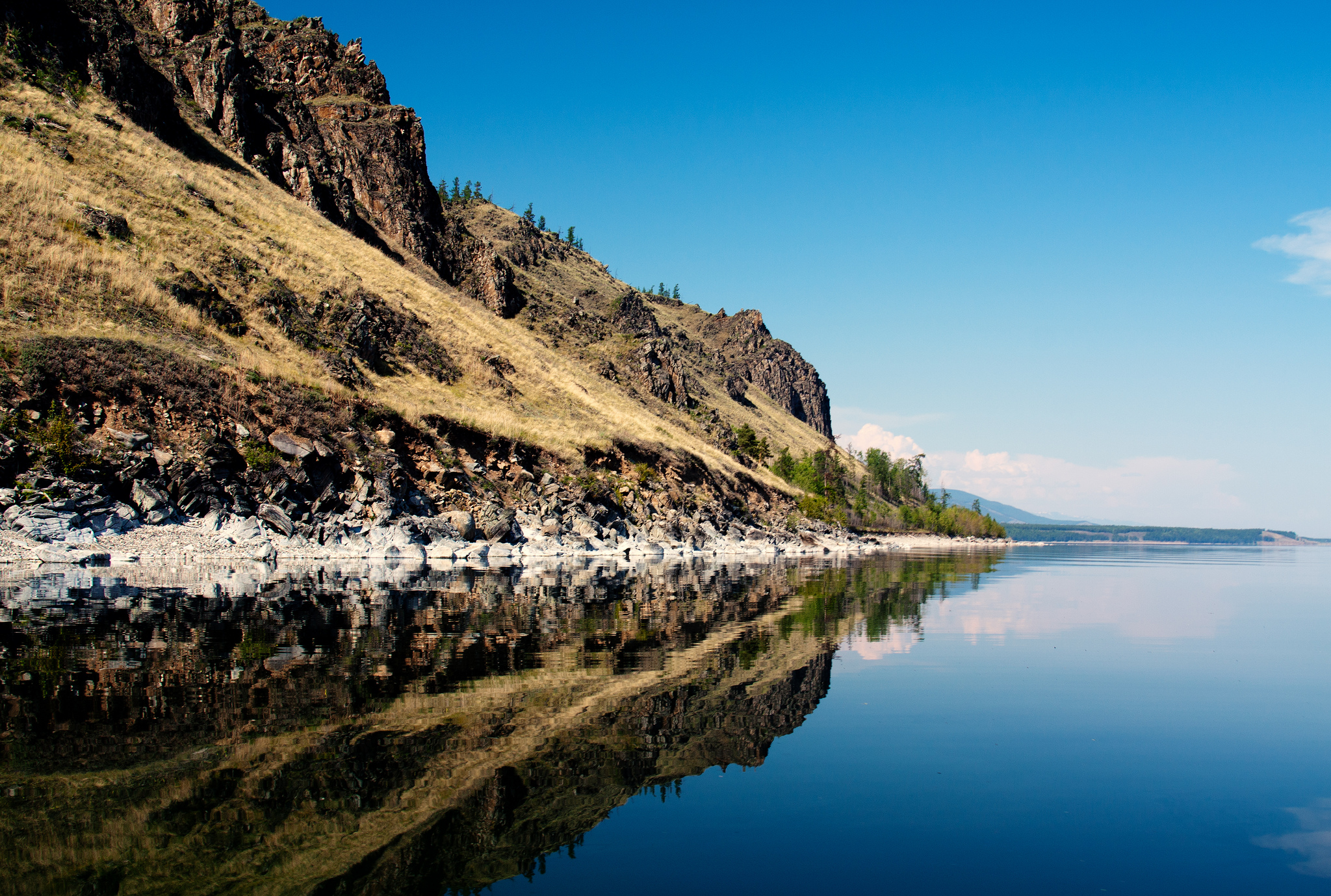
Lake Baikal is an ancient and massive body of freshwater found in the mountainous Russian region of Siberia.  Deep and voluminous, Lake Baikal holds 20% of the planet’s unfrozen freshwater.  And it’s often been described as the world’s cleanest and most pristine lake. 

[Read more…] about Lake Baikal

Beware The Blob

February 1, 2016 By WAMC WEB

https://earthwiseradio.org/wp-content/uploads/2016/01/EW-02-01-16-Beware-the-Blob.mp3

There has been plenty of discussion of El Niño, the periodic weather phenomenon in which prevailing easterly winds in the Pacific Ocean weaken, allowing warm water to move eastward and wreak havoc with the weather in North and South America.  The current El Niño is a particularly strong one; some say it may be one of the strongest ever and are calling it the “Godzilla El Niño.”

[Read more…] about Beware The Blob

Primary Sidebar

Recent Episodes

  • An uninsurable future
  • Clean energy and jobs
  • Insect declines in remote regions
  • Fossil fuel producing nations ignoring climate goals
  • Trouble for clownfishes

WAMC Northeast Public Radio

WAMC/Northeast Public Radio is a regional public radio network serving parts of seven northeastern states (more...)

Copyright © 2026 ·