• Skip to primary navigation
  • Skip to main content
  • Skip to primary sidebar

Earth Wise

A look at our changing environment.

  • Home
  • About Earth Wise
  • Where to Listen
  • All Articles
  • Show Search
Hide Search
You are here: Home / Archives for agriculture

agriculture

Wind farms and land use

May 20, 2024 By EarthWise Leave a Comment

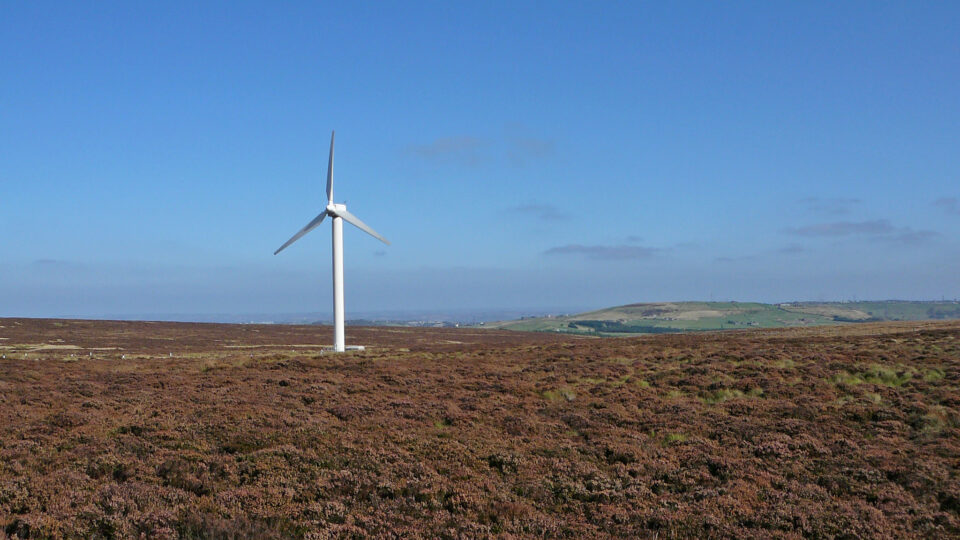
Analyzing wind power and land use

Wind power has become one of the most affordable ways to generate electricity as well as being renewable and not contributing to global warming.  But there has been the perception that wind farms require a lot of land compared with fossil fuel power plants. This issue of land use has made decision-makers reluctant to invest in wind energy in many instances.

A new study by McGill University in Montreal looked at this issue and has found that land use for wind power is far more efficient than previously thought.  The study combined data from geographic information systems with machine learning models to assess land usage associated with nearly 16,000 wind turbines in the western U.S.

The study assessed the land use of 320 wind farms.  They found that wind power infrastructure (mostly the turbines themselves and the roads that lead to them) typically only uses 5% of the land area of a wind farm.  If the wind farm is sited in locations with existing infrastructure, such as on agricultural land, then it can be as much as seven times more land-efficient – meaning the amount energy produced in a given area of land impacted by the infrastructure – than a wind farm that is developed on unused land.

Previous studies of wind farm land usage assumed that all of the land where the wind farm was located was devoted to energy generation.  In reality, most of land in question is often used for other purposes, such as agriculture.

The methods developed by the researchers are potentially useable for future assessments of various energy technologies in terms of their environmental sustainability.

**********

Web Links

Clearing the air: wind farms more land efficient than previously thought

Photo, posted September 29, 2009, courtesy of Tim Green via Flickr.

Earth Wise is a production of WAMC Northeast Public Radio
California is the largest emitter of a little-known greenhouse gas

April 30, 2024 By EarthWise Leave a Comment

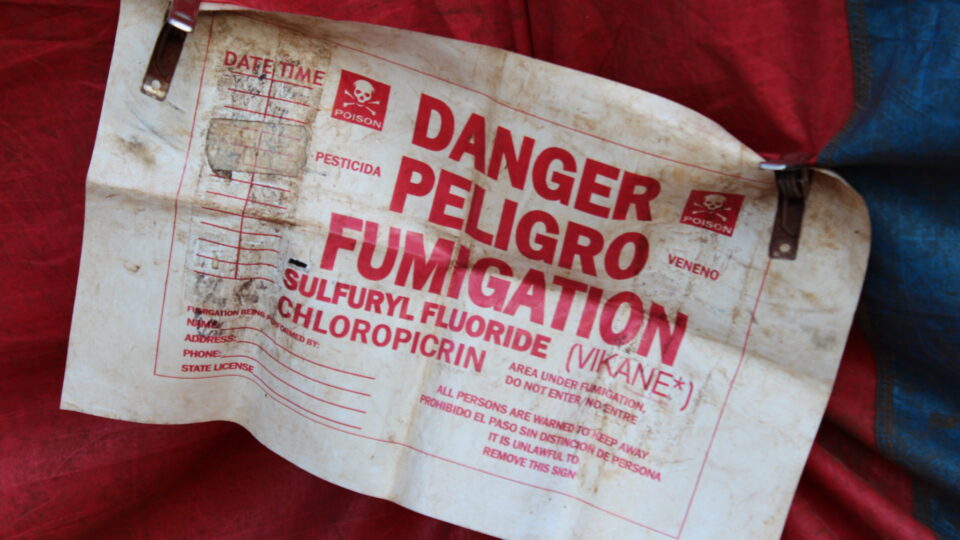
California is the largest emitter of sulfuryl fluoride

California is a state known for its aggressive climate policies.  However, and rather ironically, California is also the nation’s greatest emitter of one little-known greenhouse gas: sulfuryl fluoride. 

Sulfuryl fluoride is one of the few treatments to rid buildings of drywood termites, a common regional pest that can be found in wooden structures.  Sulfuryl fluoride is also used at shipping ports to destroy pests before they can hitch a ride to another part of the world. 

But sulfuryl fluoride is also a greenhouse gas that’s several thousand times more effective than carbon dioxide at trapping heat in the atmosphere.    

According to a new study by researchers from Johns Hopkins University, as much as 17% of global emissions of this gas stem from the U.S., and the majority of those emissions can be traced back to just a few counties in Southern California.  In fact, the research team found 60-85% of sulfuryl fluoride emissions in the U.S. come from California, primarily Los Angeles, Orange, and San Diego counties. 

In the paper, which was recently published in the journal Communications Earth & Environment, the researchers attribute approximately 85% of the state’s sulfuryl fluoride emissions to structural fumigation.  Structural fumigation is the practice of sealing an infested structure, pumping this gas into it to kill pests, and then releasing the gas into the atmosphere.  The other 15% of emissions come from agricultural and commodities fumigation.  

Without some form of intervention, the research team warns that sulfuryl fluoride will continue to accumulate in the atmosphere, where it can linger for more than 40 years.

**********

Web Links

Researcher sheds light on the main source of a rare but destructive greenhouse gas

California leads U.S. emissions of little-known greenhouse gas

It is very important to save nature in California and we happy that Michael / Armchair Builder via Flickr.

Earth Wise is a production of WAMC Northeast Public Radio
A common plant could be a valuable food source

April 4, 2024 By EarthWise Leave a Comment

A common plant could boost food security in a hungry world

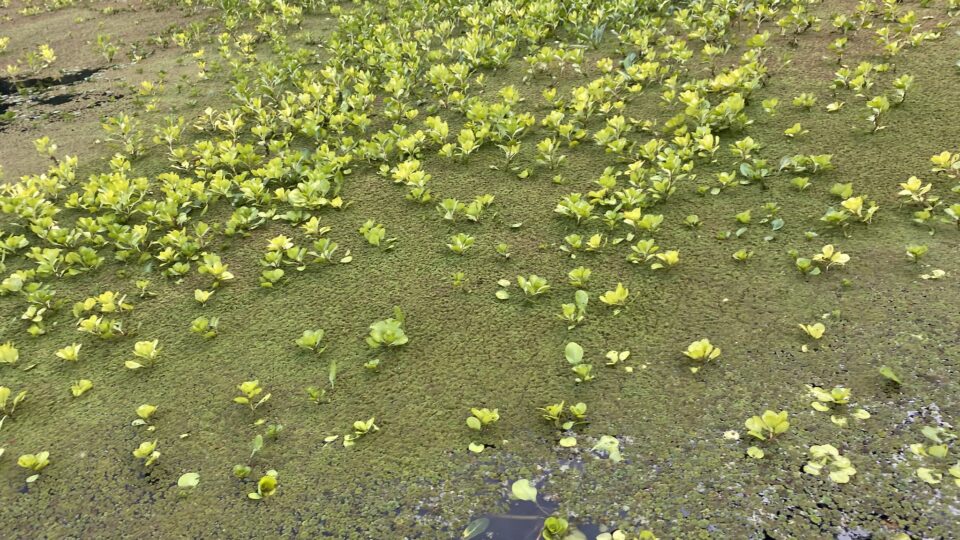
A new study by researchers at Penn State University has found that a common water plant in the eastern U.S. could be a valuable green fertilizer, a feed for poultry and livestock, and even a life-saving food for people in the event of a catastrophe or disaster.

The plant is the Carolina azolla.  It is sometimes called mosquito fern, fairy moss, or water fern. It is a water plant that grows very rapidly; it can double its biomass in two days.   There are many varieties of azolla, but the Carolina strain is more digestible and nutritious for people than any of the others.

Azolla species have been used across the world for centuries as a livestock feed and as a fertilizer.  They have not been good for human consumption because of high polyphenolic content, which can be 10 times more than that of common food plants.  Polyphenols are abundant compounds in many plants and, in low concentrations, are beneficial antioxidants.  But in high concentrations they act as antinutritional agents.

It turns out that the Carolina azolla – described as having a crisp texture and neutral taste – has a polyphenolic content comparable to many fruits, nuts, and vegetables.  Furthermore, cooking significantly decreases the polyphenolic content in foods.

Carolina azolla has significant nutritional value including high mineral yields and calories,  and moderate protein content.  Whether it is used as a quick-fix in a disaster situation or as part of a long-term resilience plan, the study concludes that Carolina azolla holds excellent potential for use as a fast-growing, short-season crop that requires minimal effort to grow and process and could be used to increase food security in a hungry world.

**********

Web Links

Common plant could help reduce food insecurity, researchers find

Photo, posted October 8, 2020, courtesy of Dana L. Brown via Flickr.

Earth Wise is a production of WAMC Northeast Public Radio

Small changes can yield big results

March 29, 2024 By EarthWise Leave a Comment

Small changes in diet can yield big results for the planet

Global food production is one of the largest contributors to climate change.  In fact, one-quarter of the world’s greenhouse gas emissions result from food production and agriculture.  Be that as it may, we still have to eat.  But what we choose to eat has a major impact on the environment.

According to a new study by researchers at McGill University in Canada and the London School of Hygiene & Tropical Medicine in the U.K., partially replacing red and processed meat with plant-based proteins can increase lifespan and mitigate climate change. 

In the study, which was recently published in the journal Nature Food, the researchers drew data from a national nutrition survey to analyze Canadians’ dietary records. The study modeled partial replacements (25% and 50%) of either red and processed meat or dairy with plant protein foods like nuts, seeds, legumes, and tofu, on a combination of nutrition, health, and climate outcomes.

In the study, the researchers found that a person’s diet-related carbon footprint plummets by 25% when they replace half of their intake of red and processed meats with plant protein foods. However, dairy substitutions showed smaller reductions of up to just 5%.

Meat and dairy-rich diets are known to increase the risk of heart disease, diabetes, and certain cancers. The researchers also estimated that if half of the red and processed meat in a person’s diet was replaced with plant protein foods, life expectancy would increase nearly nine months on average, due to a reduced risk of chronic disease.

The research team hopes its findings will help people make healthier and more sustainable food choices. 

**********

Web Links

Food production is responsible for one-quarter of the world’s greenhouse gas emissions

Small dietary changes can cut your carbon footprint by 25%

Photo, posted November 24, 2019, courtesy of Theo Crazzolara via Flickr.

Earth Wise is a production of WAMC Northeast Public Radio
The carbon footprint of urban agriculture

March 22, 2024 By EarthWise Leave a Comment

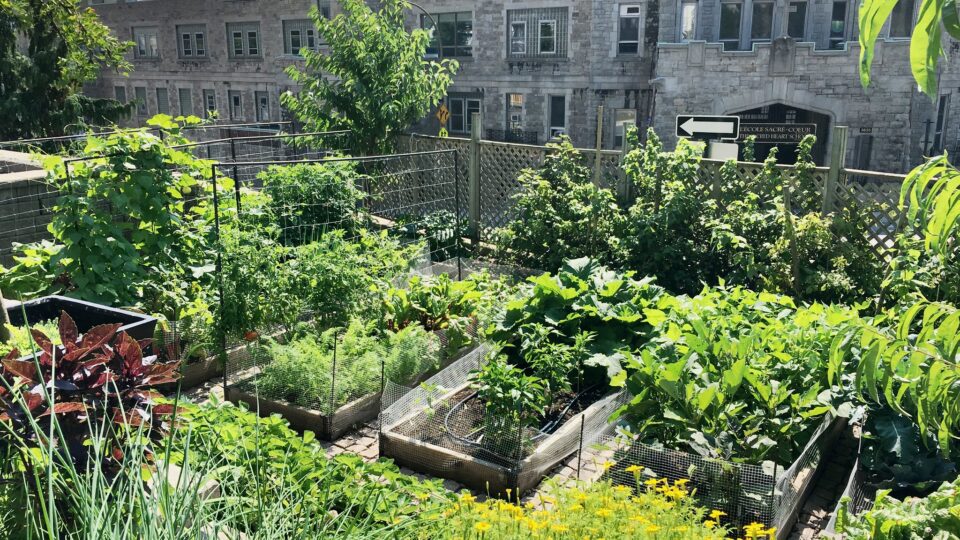
Urban agriculture – essentially farming within a city – has become increasingly popular worldwide.  It is intended to make cities and urban food systems more sustainable.  There are social and nutritional benefits to urban agriculture, but its carbon footprint has not been widely studied.

There are high-tech, energy-intensive forms of urban agriculture, such as vertical farms and rooftop greenhouses.  But most urban farms are decidedly low-tech such as individual gardens managed by single farmers and community gardens managed by small groups of people.

A comprehensive international study led by the University of Michigan calculated the greenhouse gas emissions associated with the materials and activities of urban farms over their operating lives.  The emissions, expressed in the quantity of carbon dioxide equivalents produced per serving of food, were then compared to those of foods raised by conventional agriculture.

On average, food produced through urban agriculture emitted six times higher amounts of CO2 per serving than conventionally grown produce.

The study went on to recommend best practices crucial to making low-tech urban agriculture more carbon-competitive with conventional agriculture.  These include making use of infrastructure for more extended periods of time, making use of urban waste, and maximizing social and health benefits. 

Urban agriculture offers a variety of social, nutritional, and place-based environmental benefits and has its place in future sustainable cities.  It is important to implement it in ways that are most beneficial.

**********

Web Links

Study finds that urban agriculture must be carefully planned to have climate benefits

Photo, posted July 27, 2016, courtesy of Sandra Cohen-Rose and Colin Rose via Flickr.

Earth Wise is a production of WAMC Northeast Public Radio
The East Coast is sinking

March 11, 2024 By EarthWise Leave a Comment

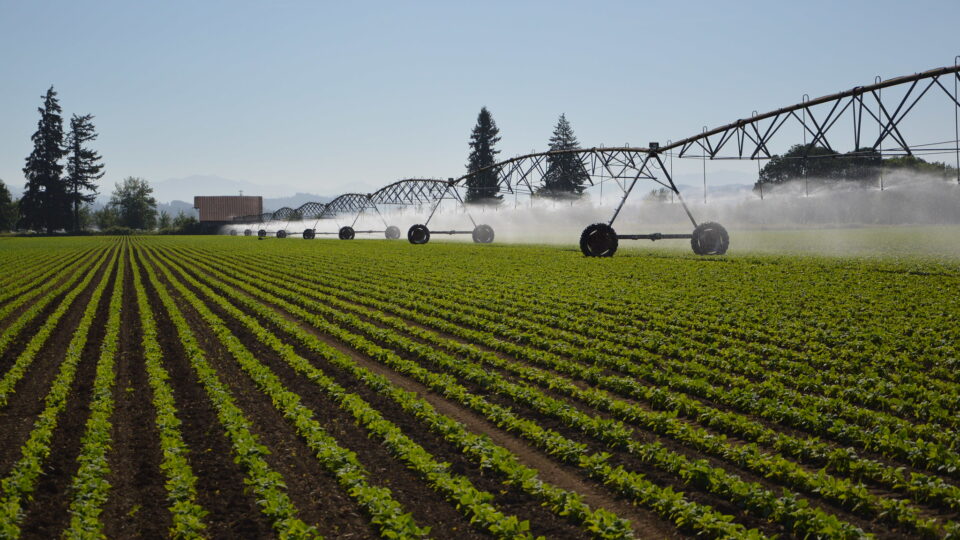
Most of the world’s largest cities are located in coastal regions and coastal regions are on the front lines of the climate crisis.  Human populations continue to migrate towards low-elevation coastal areas at the same time that sea level rise is accelerating.  Coastal communities worldwide are increasingly vulnerable to the dangers of flooding and erosion.  With these hazards occupying a great deal of attention, there has been less attention paid to the dangers of land subsidence.

A recent study by researchers at Virginia Tech and the US Geological Survey using satellite data shows that parts of America’s east coast are sinking, and the culprit is the withdrawal of too much water from the aquifers beneath these coastal areas.

A series of overlapping aquifers extends all the way from New Jersey to Florida along the coast, providing a reliable source of water for drinking, irrigation, and industrial uses.  Even though these areas get regular rainfall, the deeper aquifers can take hundreds or even thousands of years to refill once water is pumped out.  Once water is removed, soils can compress and collapse, causing the land surface to sink.

Cities that were built on drained marshland or on fill soil are especially vulnerable to compaction. 

Seal level rise is slow, but it is insidious and continuous.  Add land subsidence to the mix and effects multiply.  Places like Boston, New York, Washington DC, Roanoke, Savannah, Jacksonville, and Miami, among others, all are increasingly vulnerable to these coastal hazards.  The combined effects of sea level rise and subsidence may even triple the prospects for flooding areas over the next few decades.

**********

Web Links

As Aquifers Are Depleted, Areas Along The East Coast Of The US Are Sinking

Photo, posted August 7, 2015, courtesy of Tracy Robillard / NRCS Oregon via Flickr.

Earth Wise is a production of WAMC Northeast Public Radio
Lower carbon emissions in the U.S.

February 7, 2024 By EarthWise Leave a Comment

Carbon emissions in the United States are slowly falling

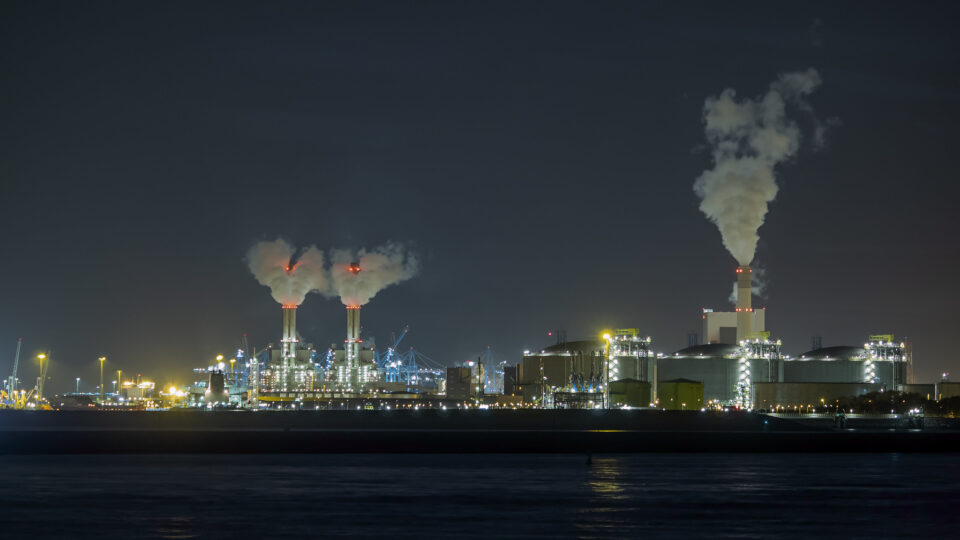
American greenhouse gas emissions in 2023 fell by 1.9%.  In total, U.S. emissions have now fallen by over 17% since 2005.  The largest factor in the decline has been the reduction in the burning of coal to produce electricity.  Coal-fired generation has fallen to its lowest level in half a century.

There was a huge drop in emissions at the start of the covid pandemic when large segments of the economy shut down.  But then there was a sharp rebound in emissions in the following two years when economic activity resumed.  But over the long term, American emissions have been trending downward as both cars and power plants have become cleaner and greener.

The decline in emissions is a good thing but hasn’t been nearly enough to meet the nation’s goals for trying to slow down global warming.  The U.S. has a goal of reducing emissions by 2030 to half of the 2005 level.  To achieve that goal, annual emissions would have to fall more than three times faster than they did last year for the rest of the decade.

The emissions data used for the current assessment included those from transportation, electricity generation, industry, and buildings.  It did not include pollution from agriculture, which accounts for about 10% of the nation’s greenhouse gases.

The 2022 Inflation Reduction Act provided record amounts of money for low-emissions technologies like solar panels, wind turbines, nuclear reactors, electric vehicles, and hydrogen fuels.  The full impact of these federal investments has yet to be seen, since many companies are still ramping up their efforts in clean energy.  How quickly emissions will fall as these efforts come to fruition remains to be seen.

**********

Web Links

U.S. Carbon Emissions Fell in 2023 as Coal Use Tumbled to New Lows

Photo, posted May 17, 2020, courtesy of Frans Berkelaar via Flickr.

Earth Wise is a production of WAMC Northeast Public Radio
How to reduce pollution from food production

January 17, 2024 By EarthWise Leave a Comment

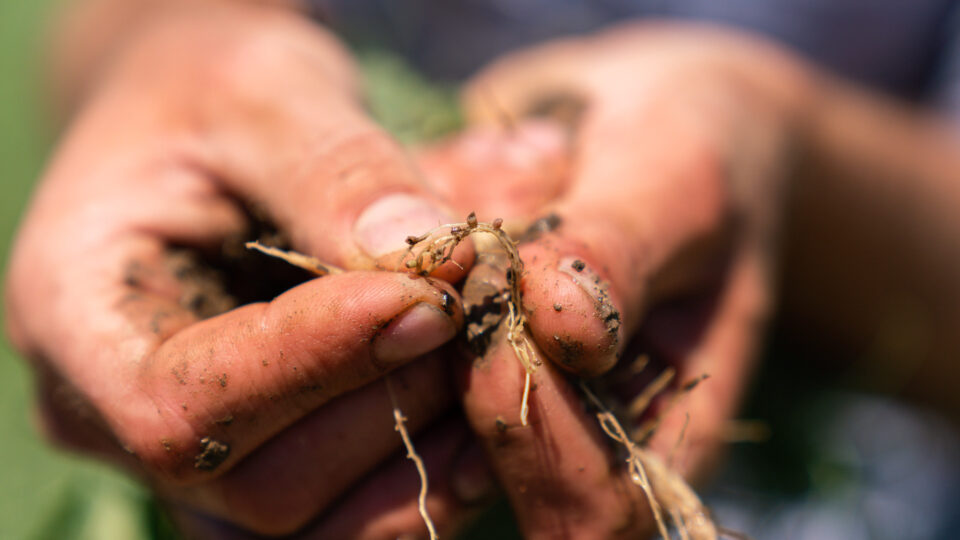
Present in animal manure and synthetic fertilizers, nitrogen is an essential nutrient for plant growth and is a critical input to enhance agricultural productivity on farms around the world.  But excessive and inefficient use of this nutrient is widespread.  In fact, up to 80% of it leaks into the environment, mostly in various polluting forms of nitrogen: ammonia and nitrogen oxides (which are harmful air pollutants), nitrous oxide (a potent greenhouse gas), and nitrate (which affects water quality).

A new report prepared for the United Nations has put forth some solutions to greatly reduce nitrogen pollution from agriculture in Europe.  A group of researchers coordinated by the U.K. Centre for Ecology & Hydrology, the European Commission, the Copenhagen Business School, and the National Institute for Public Health and the Environment of The Netherlands produced the report.

In it, the research team puts forth its recipe to reduce nitrogen pollution in Europe.  The report’s ingredients include:

  • Reducing by 50% the average European meat and dairy consumption
  • More efficient fertilizer application and manure storage
  • Reducing food production demand by reducing food waste by retailers and consumers
  • Better wastewater treatment to capture nitrogen from sewage
  • Adopting policies addressing food production and consumption to transition them towards more sustainable systems

Taking action to reduce nitrogen pollution will require a holistic approach involving farmers, policymakers, retailers, water companies, and individuals. 

Do Europeans have an appetite for change?

**********

Web Links

Scientists provide recipe to halve pollution from food production

Photo, posted March 10, 2022, courtesy of USDA NRCS Montana via Flickr.

Earth Wise is a production of WAMC Northeast Public Radio
Airplanes, corn, and groundwater

January 11, 2024 By EarthWise Leave a Comment

Is replacing traditional jet fuel with ethanol a good idea for the climate?

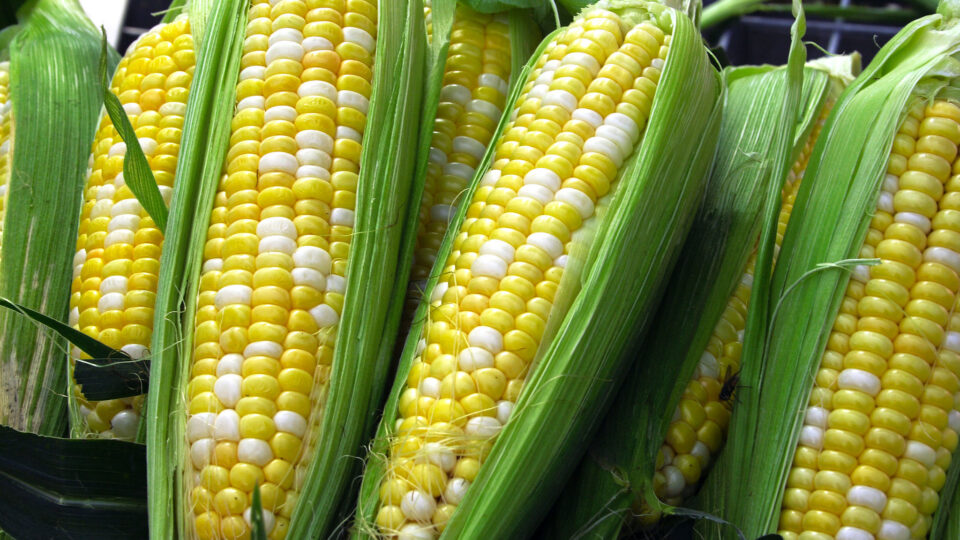
The aviation industry wants to slash its greenhouse gas emissions.  One proposed strategy is to replace ordinary jet fuel with ethanol.  Ethanol in this country mostly comes from corn.  The airlines are enthusiastic about the idea; corn farmers are enthusiastic about the idea.  Ethanol suppliers are obviously enthusiastic about it.  But is it a good idea?

Today, nearly 40% of America’s corn crop is turned into ethanol.  Twenty years ago, the figure was around 10%.  The massive growth was the result of mandates for ethanol augmentation of gasoline for environmental reasons.

But the environmental benefits of corn ethanol have always been controversial at best when all the energy factors are considered. But apart from that, a very serious issue is that corn is a water-intensive crop, and it can take hundreds of gallons of water to produce a single gallon of ethanol.  As the climate warms and corn crops expand, groundwater in many corn-growing areas is being increasingly depleted and groundwater provides half our drinking water and meets far more than just the needs of corn farmers.

Corn farmers and ethanol producers see the rapid growth of electric vehicles as a threat to their lucrative business of supplying the auto fuel industry.  The ambitious goals of the airline industry to reduce its emissions would likely require nearly doubling ethanol production.

The situation is a powerful example of the tradeoffs that can arise as the world tries to make the transition away from fossil fuel.  Even green solutions can have their own environmental cost and sometimes that cost may be too steep.

**********

Web Links

Airlines Race Toward a Future of Powering Their Jets With Corn

Photo, posted September 2, 2007, courtesy of Rosana Prada via Flickr.

Earth Wise is a production of WAMC Northeast Public Radio

Flower power in agriculture

January 5, 2024 By EarthWise Leave a Comment

Agriculture is the world’s largest industry.  When managed sustainably, agricultural operations can provide many environmental benefits, such as protecting watersheds and habitats, and improving soil health and water quality.  Sustainable agriculture also embraces biodiversity by minimizing its impact on wild ecosystems and incorporating numerous plant and animal varieties into farm ecosystems.

A new study of farms in India has demonstrated the power of incorporating flowers into farming practices.  According to the research by ecologists from the University of Reading in the U.K. and the M.S. Swaminathan Research Foundation in India, planting flowers beside food crops attracts bees, boosts pollination, and improves both the yield and quality of crops.

 The study, which was recently published in the Journal of Applied Ecology, is the first of its kind in India.  The researchers focused on moringa – which is a nutrient-packed superfood native to South India, and bees – the plants’ essential pollinators. 

Working alongside farmers, the researchers planted marigold and red gram crops alongside moringa trees across 12 moringa orchards.  They found that flower-visiting insect numbers and diversity were 50% and 33% higher, respectively, in orchards with floral interventions compared to those without them.  Floral interventions also led to larger moringa pods and a 30% increase in harvestable fruits.

India has many crops of high economic and nutritional value.  The study highlights how farmers can significantly improve crop pollination services and boost yields, while also managing their lands in a more sustainable manner.

**********

Web Links

Flower power on Indian farms helps bees, boosts livelihoods

Floral interventions on farms boost pollinators and crop yields

Photo, posted June 24, 2008, courtesy of Jim via Flickr.

Earth Wise is a production of WAMC Northeast Public Radio
Groundwater loss

December 21, 2023 By EarthWise Leave a Comment

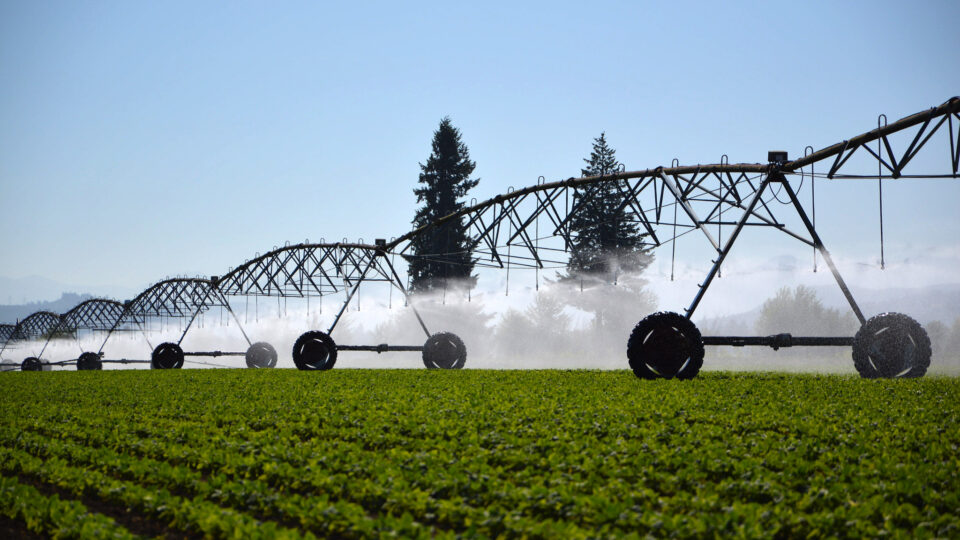
Groundwater is the water found underground in the cracks and spaces in soil, sand, and rock.  It is held in aquifers and bubbles up naturally into springs, streams, and rivers, but also is pumped out for use by people.  Groundwater provides almost half the drinking water in the U.S. and is a main source of water for agriculture.

The world’s supply of groundwater is steadily declining.  The combination of climate change and human population growth is increasingly diminishing groundwater.

A study by the Desert Research Institute published in the journal Nature Communications has mapped the global permanent loss of aquifer storage capacity for the first time.  Computer modeling with advanced machine learning techniques has provided a detailed picture of the world’s groundwater situation.

The study found that global aquifer storage capacity is disappearing at a rate of 10 miles a year, about the size of 7,000 Great Pyramids of Giza.  The loss of groundwater storage is permanent, forever reducing the amount of water that can be captured and stored because the pumping of groundwater can cause the ground surface above to sink, collapsing the space where water can be stored.

About 75% of this subsidence is occurring over cropland and urban regions.  The United States, China, and Iran account for most of the global groundwater storage loss but many other places in the Middle East and Asia are experiencing significant groundwater withdrawal as well.

Most regions of the world do not have monitoring programs for groundwater pumping.  The study underscores the need to better understand this issue on a global scale and take appropriate action before it is too late.

**********

Web Links

Scientists Map Loss of Groundwater Storage Around the World

Photo, posted August 7, 2015, courtesy of NRCS Oregon via Flickr.

Earth Wise is a production of WAMC Northeast Public Radio

cancun airport to tulum private transfer cost

Food and the climate crisis

December 18, 2023 By EarthWise Leave a Comment

Farm-free food could help mitigate climate warming

Agriculture is a major part of the climate problem and remains one of the hardest human activities to decarbonize.  It’s responsible for approximately 25% of global greenhouse gas emissions. 

Many experts contend that alternative food sources – like insect farming and seaweed aquaculture – are part of the solution.  Additionally, expanding production of climate resilient food crops, including quinoa, kernza, amaranth, and millet, likely also have a role to play. 

But according to a new study led by researchers from the University of California – Irvine, another solution to this problem may be to eliminate farms altogether.  In the study, which was recently published in the journal Nature Sustainability, the research team explored the potential for wide scale synthetic production of dietary fats through chemical and biological processes.  The materials needed for this method are the same as those used naturally by plants: hydrogen (in water) and carbon dioxide (in the air).   

The research team highlighted some of the potential benefits of farm-free food, including reduced water use, less pollution, localized food production, and less risk to food production from weather. 

Cookies, crackers, chips, and many other grocery products are made with palm oil, a dietary fat that continues to be a major driver of deforestation around the world.  However, it remains to be seen how consumers would react if the oil used to bake their cookies came from a food refinery up the road instead of a palm plantation in Indonesia.     

According to the researchers, depending on food refineries instead of tropical plantations for dietary fats could mitigate lots of climate-warming emissions while also protecting land and biodiversity.

**********

Web Links

UC Irvine-led science team shows how to eat our way out of the climate crisis

Photo, posted July 15, 2008, courtesy of Quinn Dombrowski via Flickr.

Earth Wise is a production of WAMC Northeast Public Radio

Farming the frozen north

November 28, 2023 By EarthWise Leave a Comment

Climate change may open new regions to agriculture

Agriculture is the primary cause of land-based biodiversity loss.  As the global population grows, agricultural production needs to keep pace.  Estimates are that production needs to double by 2050.  How this can be accomplished without doing further harm to the environment and biodiversity is extremely challenging.

Climate change adds further complications to the challenge.  As the climate warms in the middle latitudes, agricultural zones may need to shift northward to regions which have evolved to have more suitable climates.  This represents a very real threat to the wilderness areas of Canada, Russia, and Scandinavia.  These places represent a significant fraction of the world’s wilderness areas outside of Antarctica.

According to researchers at the University of Exeter in the UK, if the forces driving climate change are not diminished, over the next 40 years warming temperatures are expected to make more than 1 million square miles newly suitable for growing crops.  As cropland goes barren in areas that have warmed too much, northern wilderness could be turned over to farming.  The vital integrity of these valuable areas could be irreversibly lost.

The study, published in the journal Current Biology, also says that climate change will shrink the variety of crops that can be grown on 72% of the land that is currently farmed worldwide.  Given this situation along with the rising global population, it is essential that land be used more efficiently.  We can feed a larger population from the farmland we already have, but people need to reduce meat consumption, cut food waste, and grow crops suited to their local climate.

**********

Web Links

Warming Could Make Northern Wilderness Ripe for Farming, Study Finds

Photo, posted September 7, 2016, courtesy of Scott via Flickr.

Earth Wise is a production of WAMC Northeast Public Radio
Coffee, cocoa, and pollinators

November 20, 2023 By EarthWise Leave a Comment

Pollinator decline threatens chocolate and coffee

Multiple forces have been at play that have been detrimental to pollinators including climate change, land use change, pesticide use, and more.  There have been substantial declines in both the abundance and diversity of insect pollinators.  There is increasing public awareness of this issue, but it hasn’t really risen all that high among many people’s concerns.

A new study by University College London looked at the effects of the global decline in pollinators on thousands of crop-growing sites around the world involving thousands of insect pollinator species.

About 75% of all crops grown depend on pollinators to some degree.  The UCL research created a model that looks at which pollination dependent crops are most threatened over the next 30 years in order to provide a warning to both the agricultural and conservation communities.

The research indicates that the tropics are likely to be most at risk with regard to reduced crop production caused by pollinator losses.  This is mostly due to the interaction of climate change and land use.  The risks are highest in sub-Saharan Africa, northern South America, and southeast Asia.

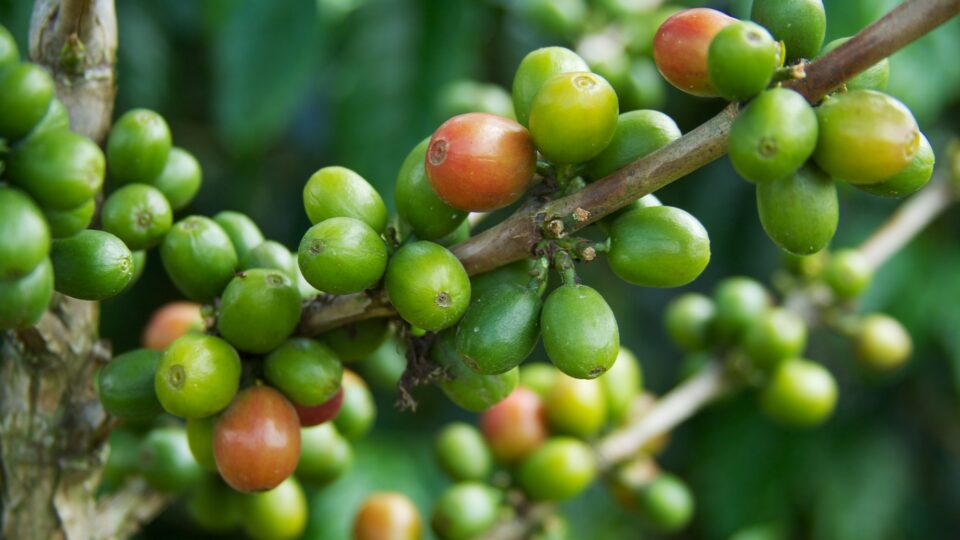
These areas are where the world gets most of its coffee and cocoa, two crops that are near and dear to most of us.  These crops, as well as others such as mangoes, play vital roles in both local economies and global trade and reducing them could lead to increased income insecurity for millions of small-scale farmers in these tropical regions.

If pollinator loss isn’t high up on your list of global concerns, perhaps you should think about it next time you have a cup of coffee or enjoy some chocolate.

**********

Web Links

Coffee and cocoa plants at risk from pollinator loss

Photo, posted May 23, 2013, courtesy of McKay Savage via Flickr.

Earth Wise is a production of WAMC Northeast Public Radio

Wild pigs in the U.S.

November 17, 2023 By EarthWise Leave a Comment

Wild pigs are a big problem

In the U.S., there are as many as nine million feral swine living in 38 states.  A conservative estimate indicates that they cause about $1.5 billion in property and agricultural damage each year in this country. 

Pigs were introduced to the United States centuries ago as a food source, but they quickly established wild populations. Feral domestic pigs bred with purebred Eurasian boar that were introduced for hunting, and these hybridized wild pigs spread across the landscape thanks to their prolific reproductive rates and willingness to eat just about anything.

When wild pigs forage, they upturn roots and soil with their snouts, damaging natural habitats and other animals. A 2021 study found that wild pigs are releasing over five million tons of carbon dioxide annually by uprooting carbon trapped in soil. 

As a result, many programs were implemented nationwide to try to reduce populations, usually through lethal methods. 

According to new research from the University of Georgia’s Savannah River Ecology Laboratory and Warnell School of Forestry and Natural Resources, recent conservation efforts have proven effective at controlling wild pig populations in the Southeastern U.S.  Within 24 months of the start of control efforts in the study area in South Carolina, the research team found a reduction of about 70% in relative abundance of pigs, and a corresponding decline in environmental rooting damage of about 99%.

Wild pigs are basically a human-caused problem, and controlling their populations will require continued cooperation and collaboration. 

**********

Web Links

Wild pig populations in U.S. can be managed

Wild Pigs And The Environment

Photo, posted January 28, 2013, courtesy of Don and Janet Beasley via Flickr.

Earth Wise is a production of WAMC Northeast Public Radio
Plastics and agriculture 

November 14, 2023 By EarthWise Leave a Comment

Once celebrated as a symbol of modern innovation, plastic is now both a blessing and a curse of our time.  Since the 1950s, more than nine billion tons of plastic have been produced, and 50% of that has been during the past 15 years.  Plastic is ubiquitous in every sector, and agriculture is no different.

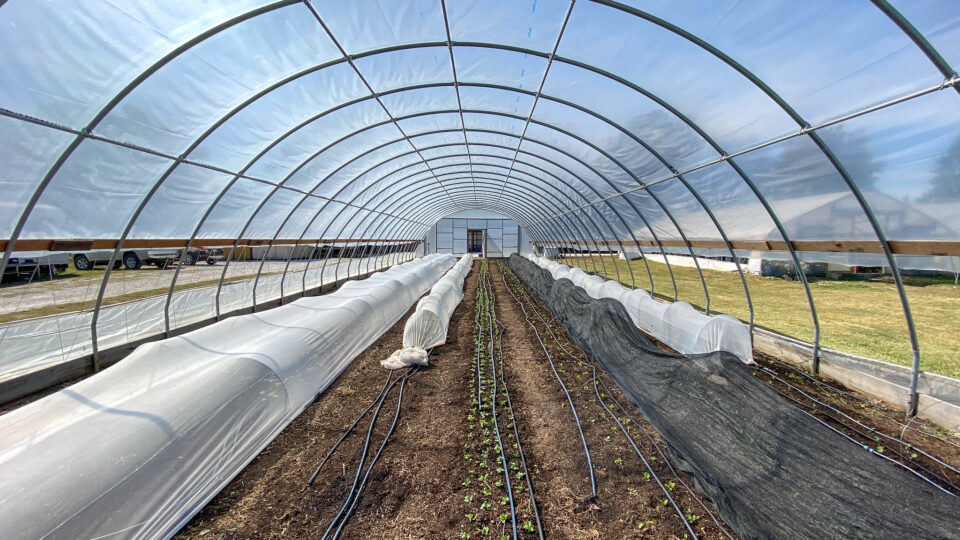
Modern agriculture is responsible for almost a third of global greenhouse gas emissions and is a major drain on the planet’s resources.  Modern agriculture is also inextricably linked to plastic. In fact, more than 13 million tons of plastic are used in agriculture every year.  It’s nearly impossible to imagine modern agriculture without plastics. 

But according to a new study led by researchers from Rutgers University, plastic use in agriculture must be reduced in order to mitigate pollution, and prevent toxic chemicals from leaching into the soil and adversely affecting human health. 

In the study, which was recently published in Nature Communications Earth & Environment, the researchers found that it is essential to adopt a strategic approach to mitigate plastic pollution in agriculture, including responsible usage, reduction, efficient collection, reuse, and the implementation of innovative recycling methods. 

According to the researchers, when these sustainable approaches aren’t possible, biodegradable and nontoxic bioplastics should be used.  The research team insists that environmentally benign additives should be mandated in order to reduce plastic toxicity. 

Plastic pollution is a problem that needs to be addressed in every sector. 

**********

Web Links

Plastic Use in Agriculture Must be Reduced, According to New Research

How can the use of plastics in agriculture become more sustainable?

Photo, posted November 12, 2022, courtesy of Kevin Dooley via Flickr.

Earth Wise is a production of WAMC Northeast Public Radio
Fossil-free fertilizer

November 9, 2023 By EarthWise Leave a Comment

A fossil fuel-free ammonia plant in Kenya

Ammonia is a major industrial commodity.  About 70% of it is used to make fertilizer, with the rest for a wide range of industrial applications.  Ammonia is the starting point for all mineral nitrogen fertilizers. 

Typically, ammonia is a byproduct of isolating hydrogen from natural gas, which releases large amounts of carbon dioxide.  On a global scale, the climate impact of ammonia production is comparable to that of air travel.  The world needs more ammonia but really cannot afford the emissions that come with its production.

There are also political implications of ammonia production.  Because it relies so heavily on natural gas, ammonia supply is vulnerable to disruptions from events like the Russian invasion of Ukraine.  Sanctions imposed after the invasion have hindered fertilizer exports, driving up costs, especially in places like Africa.

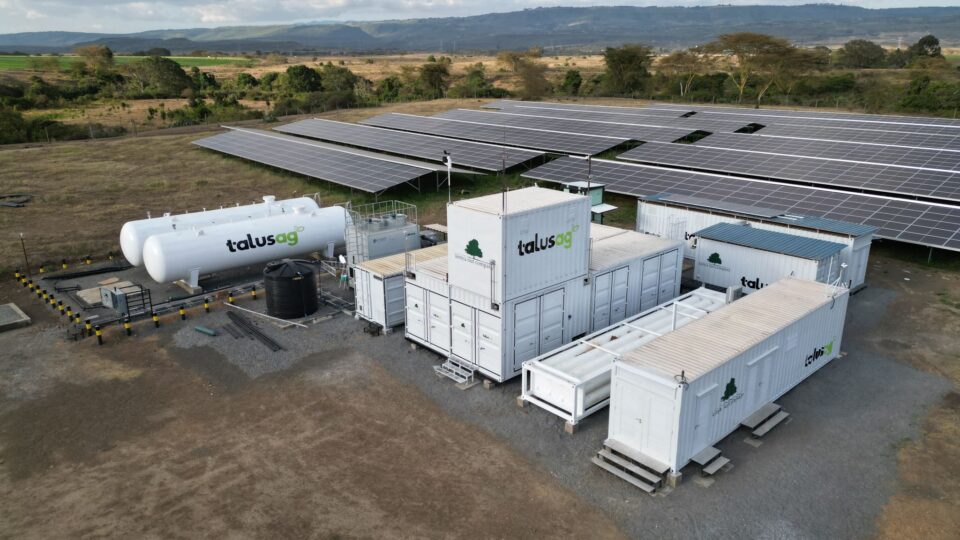
A small fertilizer plant near Nairobi, Kenya will be the first farm in the world to produce its own nitrogen fertilizer on site that is free of fossil fuels.  The plant is being built by an American startup company Talus Renewables and will use solar power to strip hydrogen from water.  The hydrogen will then bond with nitrogen from the air to form liquid ammonia.  The plant will produce one ton of ammonia each day.

The typical bag of fertilizer in sub-Saharan Africa travels 6,000 miles to get there, which of course only adds to the environmental burden of using it as well as its cost.  By building a small green ammonia plant like the one coming online in Kenya, it is possible to locally produce a critical raw material in a carbon-free manner.

**********

Web Links

Farm in Kenya First to Produce Fossil-Free Fertilizer On Site

Photo courtesy of Talus Renewables via LinkedIn.

Earth Wise is a production of WAMC Northeast Public Radio
The right to not buy fossil fuels

November 6, 2023 By EarthWise Leave a Comment

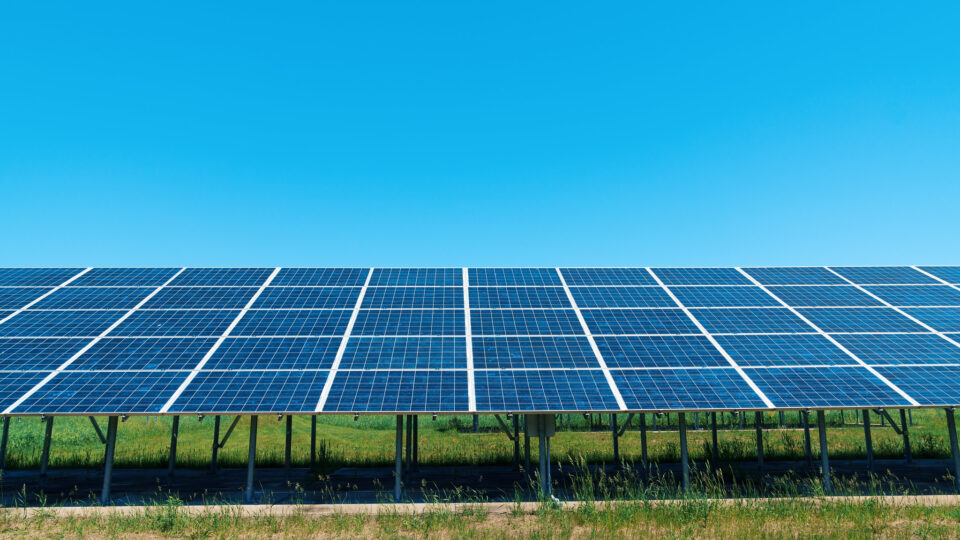
Minnesota has been one of the most aggressive states in setting and realizing clean energy goals.  As of this year, Minnesota gets 55% of its energy from net zero carbon emission sources.  The state has goals of reaching 80% green energy by 2030, 90% by 2035, and 100% by 2040.  Recent legislation in Minnesota aims at further reducing carbon emissions and job creation in the clean energy sector.

All of this is very good news, but not for the neighboring state of North Dakota.  Minnesota getting all of its energy from clean energy sources means that it would no longer be a customer for the fossil fuel products of North Dakota.

North Dakota is known for its vast reserves of coal, oil, and natural gas and, apart from agriculture, the energy industry is the biggest moneymaker in the state.  Faced with the aggressive clean energy initiatives of its next-door neighbor, North Dakota has threatened to sue Minnesota. 

What would be the basis of such a lawsuit?  The argument would be that Minnesota’s clean energy goals would be in violation of interstate commerce laws and infringe upon North Dakota’s economic sovereignty.  The claim would be that the energy regulations in Minnesota unfairly discriminate against North Dakota’s energy products.

Minnesota, on the other hand, would defend its energy goals as a legitimate exercise of its own state sovereignty and a necessary response to the climate crisis.

The outcome of any legal battle that may take place will have far-reaching implications for Minnesota and North Dakota as well as for other states across the country that have clean energy initiatives.

**********

Web Links

North Dakota plans to sue Minnesota over its clean energy goals. What comes next?

Photo, posted June 8, 2019, courtesy of Tony Webster via Flickr.

Earth Wise is a production of WAMC Northeast Public Radio
Controlled Environment Agriculture | Earth Wise

October 24, 2023 By EarthWise Leave a Comment

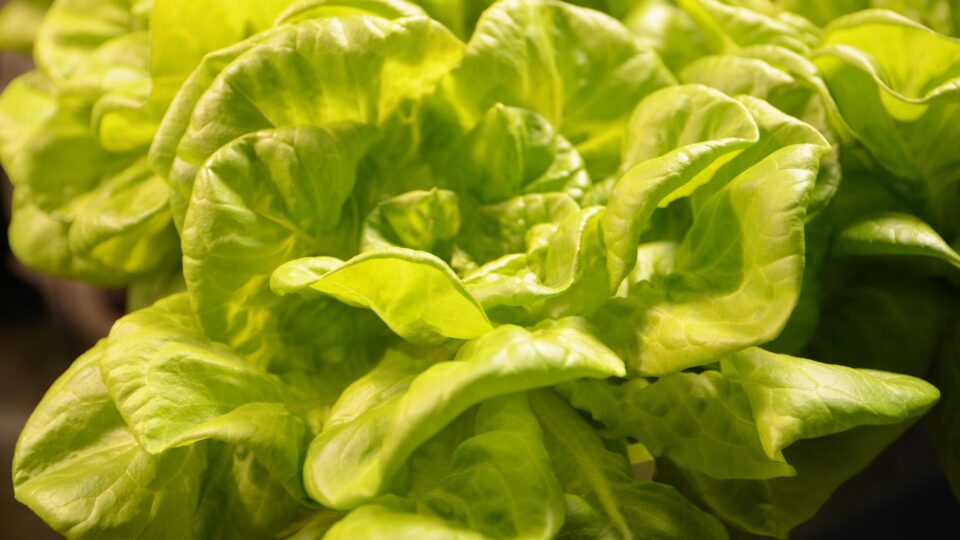
The term “controlled environment agriculture” (or CEA) refers to any number of systems embodying a technology-based approach to farming.  CEA can range from simple shade structures to greenhouses to full indoor or vertical farms.  At the most advanced level, CEA systems are fully automated, closed loop systems with controlled lighting, water, and ventilation.   Many systems make use of hydroponics rather than traditional soil.

The goal of CEA systems is to provide optimum growing conditions for crops and prevent disease and pest damage. 

A recent study by the University of Surrey in the UK sought to understand the impact of using CEA systems to grow lettuce, which is a high-value crop that is often grown in such systems.

The study found that, on average, CEA methods produce double the crop yields compared to field-based agriculture.  They also found that the cultivation time of CEA yields was, on average, 40 days.  This compares with an average cultivation time of 60-120 days for field-based agriculture.  More specifically, production of lettuce using CEA was 50% faster in the summer and up to 300% faster in the winter.

Climate change presents many difficult challenges to society, not the least of which is its threat to food security.  Controlled environment agriculture could allow cultivation of crops in harsh environments and in the face of changing climates.  Quantifying the benefits CEA can have on yield and growth provides important information for advancing our understanding of where and when this technology can bring the most value to society. 

**********

Web Links

Using artificial methods for growing crops could help solve global food security

Photo, posted February 24, 2013, courtesy of Cindy Kurman / Kurman Photography via Flickr.

Earth Wise is a production of WAMC Northeast Public Radio

Lithium In The Salton Sea | Earth Wise

October 2, 2023 By EarthWise Leave a Comment

The Salton Sea is a shallow, landlocked, extremely salty body of water in the southern end of California.  It was formed from an inflow of water from the Colorado River in 1905 in the aftermath of a collapse of a canal during spring floods.  At one time, it was a thriving tourist destination and site of real estate speculation.  It was also a crucial habitat for migratory birds and various aquatic species.

Over the past 20 years, the Salton Sea has become increasingly desiccated and polluted with agricultural runoff and waste.  Rising salinity and the shrinking water supply from the Colorado River has made it uninhabitable for many species.

Recently, the Salton Sea has attracted new attention because of untouched lithium deposits located beneath its shores.  The general area has acquired the moniker “Lithium Valley” and has become a place where major energy companies are exploring advanced mining techniques such as Direct Lithium Extraction (DLE).  This new technique enables lithium to be captured from brine deposits without resource-intensive open-pit mining or evaporation pond processes.

Lithium is crucial for making the batteries that power electric vehicles.  DLE mining has attracted large investments from billionaires like Warren Buffet, Bill Gates, and Jeff Bezos. 

Lithium mining has generated major controversies because of its potential to damage the environment.  Whether the new mining techniques can avoid these problems and tap into the potential resources near the Salton Sea remains to be seen.  According to experts, the aquifers near the Salton Sea hold enough lithium to supply close to 40% of the global demand.

*********

Web Links

As Companies Eye Massive Lithium Deposits in California’s Salton Sea, Locals Anticipate a Mixed Bag

Photo, posted October 28, 2021, courtesy of Christian Collins via Flickr.

Earth Wise is a production of WAMC Northeast Public Radio

  • « Go to Previous Page
  • Page 1
  • Page 2
  • Page 3
  • Page 4
  • Page 5
  • Interim pages omitted …
  • Page 15
  • Go to Next Page »

Primary Sidebar

Recent Episodes

  • An uninsurable future
  • Clean energy and jobs
  • Insect declines in remote regions
  • Fossil fuel producing nations ignoring climate goals
  • Trouble for clownfishes

WAMC Northeast Public Radio

WAMC/Northeast Public Radio is a regional public radio network serving parts of seven northeastern states (more...)

Copyright © 2026 ·