• Skip to primary navigation
  • Skip to main content
  • Skip to primary sidebar

Earth Wise

A look at our changing environment.

  • Home
  • About Earth Wise
  • Where to Listen
  • All Articles
  • Show Search
Hide Search
You are here: Home / Archives for agriculture

agriculture

Another Bad Year For Bees

August 6, 2019 By EarthWise Leave a Comment

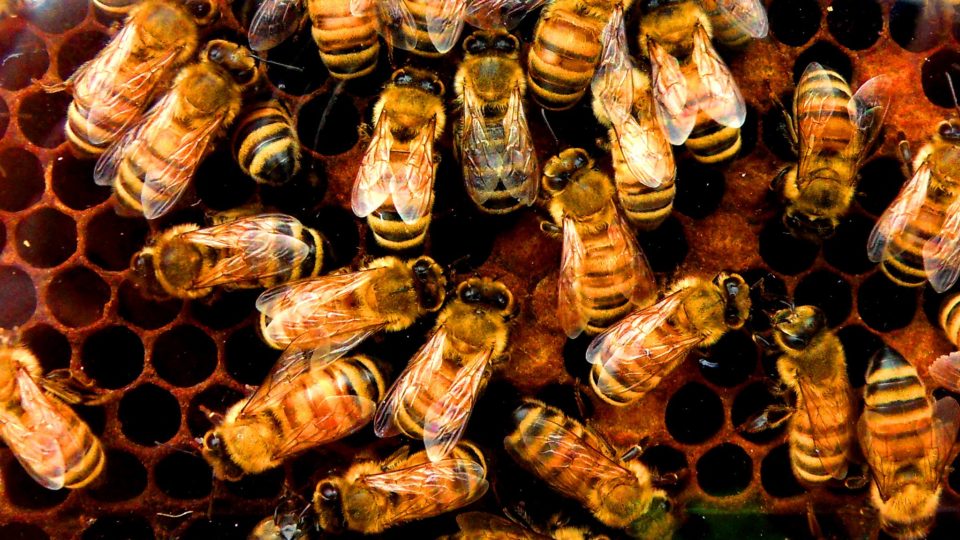
The latest annual nationwide survey of beekeepers in the US revealed that honeybees are still dying off at an alarming rate.  According to the survey, beekeepers across the country lost 40.7% of their honey bee colonies from April 2018 to April 2019. 

This annual loss represents a slight increase over the average annual loss of 38.7%.  Of greater concern is that winter losses of 37.7% were the highest reported since these annual surveys began 13 years ago and are almost 9% higher than the survey average.

These results are very troubling considering that the elevated losses are continuing even after a decade of intense work trying to understand and reduce colony loss.  Evidently, there has not been much progress.

The number one concern among beekeepers is varroa mites, which are lethal parasites that can readily spread from colony to colony.  These mites have been decimating bee colonies for years.  Products developed to remove mites seem to be getting less and less effective.

But mites are not the only problem for bees.  Land use changes have resulted in reduced availability of pollen sources for bees.  Add to that pesticide exposures, environmental factors, and even problems with beekeeping practices.   In addition, extreme weather conditions such as wildfires and floods are only adding to the problems facing bees.

The tools that used to work for beekeepers seem to be failing and they are already stretched to their limits trying to keep their bees alive. Honey bees pollinate $15 billion worth of food crops in the United States each year. The problems facing bees are a problem for all of us.

**********

Web Links

U.S. Beekeepers Suffered Higher than Average Colony Loss Last Year, with Winter Losses the Highest Recorded, According to UMD-Led Annual Survey

Photo, posted June 3, 2009, courtesy of Jennifer C via Flickr.

Earth Wise is a production of WAMC Northeast Public Radio.
Intense Rainfall And Crops

July 2, 2019 By EarthWise Leave a Comment

The warming of the planet does not necessarily imply local weather will be warmer or drier than average.  While heatwaves and droughts are increasingly common events in many places, so are intense rain events.

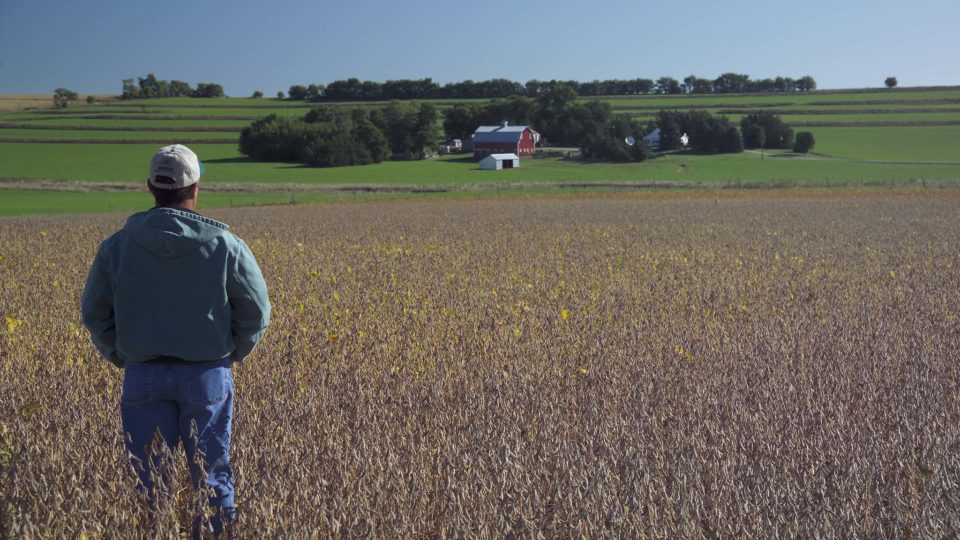
A new study led by scientists at the University of Illinois has found that intense rainfall is as damaging to the U.S. agricultural sector as heatwaves and excessive droughts.

The study examined more than three decades of crop insurance, climate, soil, and corn yield data.  Researchers found that since 1981, corn yields in the U.S. Midwest were reduced by as much as 34% during years with excessive rainfall.  Years with drought and heatwaves experienced yield losses of up to 37%.

Intense rain events can physically damage crops, delay planting and harvesting, restrict root growth, and cause oxygen deficiency and nutrient loss.  The study estimated that between 1989 and 2016, excessive rainfall caused $10 billion in agricultural losses. However, excessive rainfall can have either negative or positive impact on crop yield and the effects can vary regionally.

Parts of the Midwest have already experienced a 42% increase in the heaviest precipitation events since 1958.  Climate change models predict that much of this region will experience even more frequent and intense precipitation events in the coming decade.

According to the study, excessive rainfall is the major cause of crop damage currently in the U.S. for corn, and also has broad impacts for other staple crops such as soybeans and wheat. The authors suggest that as rainfall becomes more extreme, reforms will be needed in the U.S. crop insurance industry in order to better meet planting challenges faced by farmers. 

**********

Web Links

Intense Rainfall Is As Damaging to Crops As Heatwaves and Drought, and Climate Change Is Making It Worse

Photo, posted October 2, 2013, courtesy of the United Soybean Board via Flickr.

Earth Wise is a production of WAMC Northeast Public Radio.
Powering Cars With Cactus Juice

June 24, 2019 By EarthWise Leave a Comment

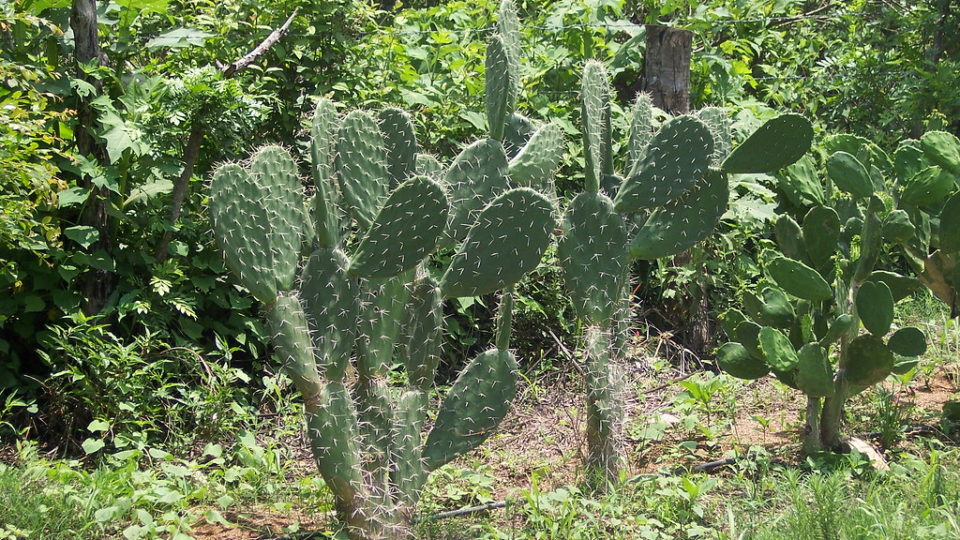
Back in 2016, a company called Nopalimex, located in Micoacan, central Mexico, built the world’s first cactus-powered energy plant.  The facility utilizes a biodigester to make biogas from nopal, also known as prickly pear cactus.  The nopal plant has been called the ‘Green Gold of Mexico’ and is a staple in Mexican diets, medicine and cosmetics.

Nopalimex is now using the cactus to make biofuel for vehicles.

The fruit of the cactus is pureed, mixed with manure, and then left to decompose, producing methane.  The methane produced – about eight tons a day – fuels the biodigester which powers the company’s corn chip and cactus chip production and is being tested in a fleet of government vehicles.

The biogas will cost just 65 cents per liter, which is about a third cheaper than the cost of regular gasoline.  Using prickly pear as a feedstock for biofuel is attractive because it can be grown in places where traditional energy crops cannot.  One can imagine vast fields of cacti in remote, arid areas of the country where normal crops cannot grow.  It would not suck up the resources or space needed to feed people, which is an ongoing criticism of current bioenergy crops.

As long as the nopals are regularly replanted, the process is almost entirely sustainable, producing only water and nopal waste, which can be used to fertilize other crops.

Finding sustainable ways to produce fuel while doing minimal damage to the environment is an important challenge for countries around the world.  In Mexico, harnessing the power of the prickly pear cactus is a unique and clever solution.

**********

Web Links

Mexico’s ‘green gold’: The company powering cars with cactus juice

Photo, posted July 8, 2006, courtesy of Christian Frausto Bernal via Flickr.

Earth Wise is a production of WAMC Northeast Public Radio.

Forecasting A Massive Dead Zone

June 18, 2019 By EarthWise Leave a Comment

The Gulf of Mexico dead zone occurs every summer, and is considered one of the largest dead zones in the world.  This cyclical event occurs where the Mississippi River empties into the Gulf of Mexico, just off the coast of Louisiana and Texas. 

This annual dead zone is primarily caused by excess nutrient pollution from human activities, such as urbanization and agriculture, occurring throughout the Mississippi River watershed.  Washed off the land by spring rains, these excess nutrients stimulate an overgrowth of algae once they reach the Gulf of Mexico.  The algae in the Gulf eventually die, and then sink and decompose in the water. The resulting area of the ocean ends up with a condition known as hypoxia, which is an insufficient amount of oxygen to support most marine life.  In hypoxic or dead zones, animals that can’t swim away will often suffocate and die. 

Scientists from the National Oceanic and Atmospheric Administration estimate that this year the dead zone in the Gulf of Mexico will be approximately 8,000 square miles, which is roughly the size of Massachusetts.  The research team uses U.S. Geological Survey river flow and nutrient data to make its forecast. 

According to NOAA, the abnormally high amount of spring rainfall is a major factor contributing to this year’s dead zone.  Last month, nitrate loads entering the Mississippi River watershed were 18% above the long-term average, and phosphorus loads were about 49% above the long-term average. 

While the 2019 forecast is slightly less than the record size of more than 8,700 square miles set in 2017, it’s still much larger than the five year average size of 5,700. 

**********

Web Links

Very large dead zone forecast for the Gulf of Mexico

Massive 8,000-mile ‘dead zone’ could be one of the gulf’s largest

Photo, posted May 22, 2009, courtesy of Michael McCarthy via Flickr.

Earth Wise is a production of WAMC Northeast Public Radio.

Meal Kits And The Environment

June 11, 2019 By EarthWise Leave a Comment

Meal kit services have become extremely popular in recent years.  These are companies that deliver a box of pre-portioned ingredients and a chef-created recipe to your door to make home-cooked meals easy and practical for busy people.  Leading companies like Blue Apron, HelloFresh, and Plated have been joined by dozens of others competing in the meal kit market.  As of last year, annual sales for these things were over $3 billion and growing at more than a 20% annual rate.

A major rap against meal kits has been their environmental impact, mostly centered around the amount of packaging waste they generate.  While there is most certainly lots of packaging waste associated with meal kits, it turns out that their overall carbon footprint is actually rather good compared with conventional ways to make homecooked meals.

A study from the University of Michigan looked at the cradle-to-grave impact of meal kits, taking into account every major step in the lifetime of the food ingredients and the packaging – agricultural production, packaging production, distribution, supply chain losses, consumption, and waste generation.

Surprisingly, meal kits have a much lower overall carbon footprint than the same meals made from ingredients purchased at the grocery store – even including their packaging.  The main reason is that pre-portioned ingredients and a streamlined supply chain lower overall food losses and waste for meal kits compared to store-bought meals.  Pre-portioning simply results in fewer ingredients that end up being wasted.  Meal kits also have radically different supply chain structures than foods sold in supermarkets.

Whether the economics and culinary aspects of meals kits are advantageous for many people is an open question, but apparently from an environmental perspective, they are just fine.

**********

Web Links

Climate change has worsened global economic inequality

Photo, posted June 11, 2018, courtesy of Marco Verch via Flickr.

Earth Wise is a production of WAMC Northeast Public Radio.
Earth Day

April 22, 2019 By EarthWise Leave a Comment

Today is Earth Day.  On April 22, 1970, millions of Americas took to the streets in peaceful demonstrations in favor of environmental reform.  Since that first time, Earth Day has now become a global event each year.  Estimates are that as many as a billion people in 192 countries take part in Earth Day events.

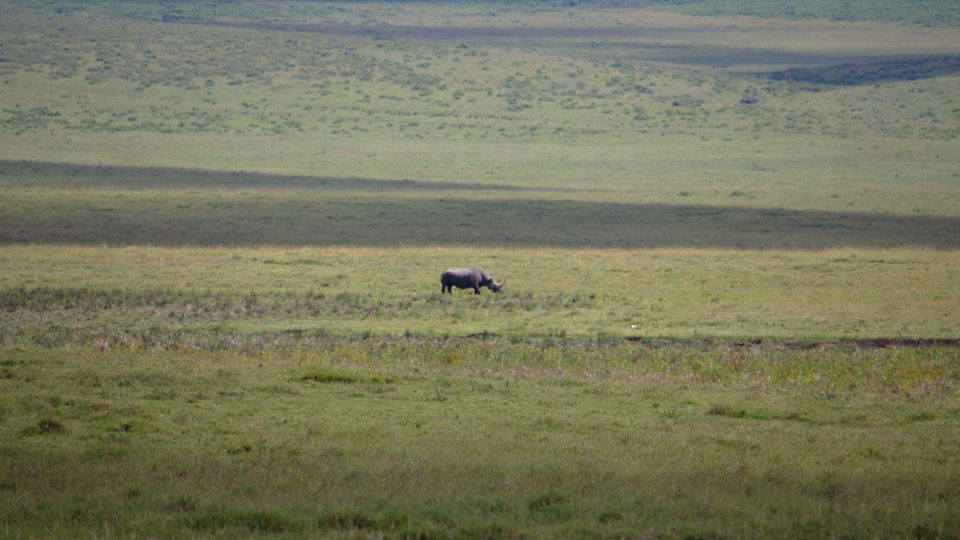
This year, the theme for Earth Day is “Protect our Species.”  The focus is on the fact that the world is facing the greatest rate of extinction since the demise of the dinosaurs more than 60 million years ago.

But unlike the extinctions from that time that were linked to so-called acts of god like asteroid collisions, the rapid extinction of species in our world today is mostly the result of human activity.

The global destruction and rapid reduction of plant and wildlife populations are directly linked to climate change, deforestation, habitat loss, trafficking and poaching, unsustainable agriculture, pollution, and pesticides.

In order to stem the tide of destruction, the Earth Day Network is asking people to help raise awareness about the accelerating rate of extinction of millions of species and the causes and consequences of this phenomenon.  We need to push for the creation of policies that protect broad groups of species as well as individual species and their habitats.  There needs to be a global movement that embraces nature and its values. And we need to eat less meat and curtail the use of pesticides and herbicides.

We share the planet with many species, and we need them to be here in order to sustain our own species.  Something to remember on Earth Day 2019.

**********

Web Links

Earth Day Network

Photo, posted January 24, 2012, courtesy of Jonas Bengtsson via Flickr.

Earth Wise is a production of WAMC Northeast Public Radio.
The Price of Chocolate

April 18, 2019 By EarthWise Leave a Comment

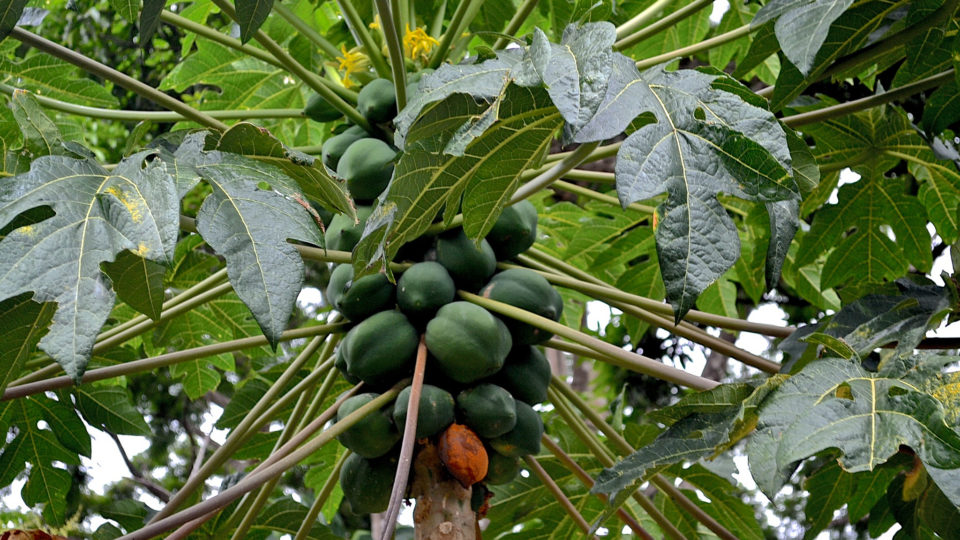
The Ivory Coast has lost more than 80% of its forests in the last 50 years, mainly as a result of cocoa production.

The Ivory Coast is a West African country the size of New Mexico and it produces more than a third of the world’s cocoa.  But around 40% of the country’s cocoa crop – supplying more than a tenth of the world’s chocolate bars – is grown illegally in the country’s national parks and 230 supposedly protected government-owned forests. 

Over the decades, as many as one million landless people from drought-stricken places like Mali and Burkina Faso moved into national parks and protected forests and started farming cocoa.  The Marahoue National Park alone has 30,000 illegal inhabitants.

Most cocoa is grown in monocultures of what is known as the full-sun system, which requires the removal of all surrounding trees.  As a result, many allegedly protected areas have been completely converted into farms.  Most of the cocoa in the Ivory Coast is grown on small farms, typically plots of 7 to 10 acres.  The farmers are caught in an exploitative and corrupt system of cocoa trading and land appropriation, and most earn less than a dollar a day.  Meanwhile, government agencies charged with protecting the forests are more interested in collecting bribes than safeguarding woodlands.

The Ivory Coast government is unveiling a plan to actually remove protection from most of its remaining forests and hand them over to the world’s chocolate traders.    The claim is that this will protect other forests by improving cocoa productivity in already deforested areas.  Needless to say, conservation groups are dubious that the new plan will positively impact an already terrible situation.

**********

Web Links

The Real Price of a Chocolate Bar: West Africa’s Rainforests

Photo, posted April 17, 2015, courtesy of Tom Coady via Flickr.

Earth Wise is a production of WAMC Northeast Public Radio.
California Fires And Precipitation

April 11, 2019 By EarthWise Leave a Comment

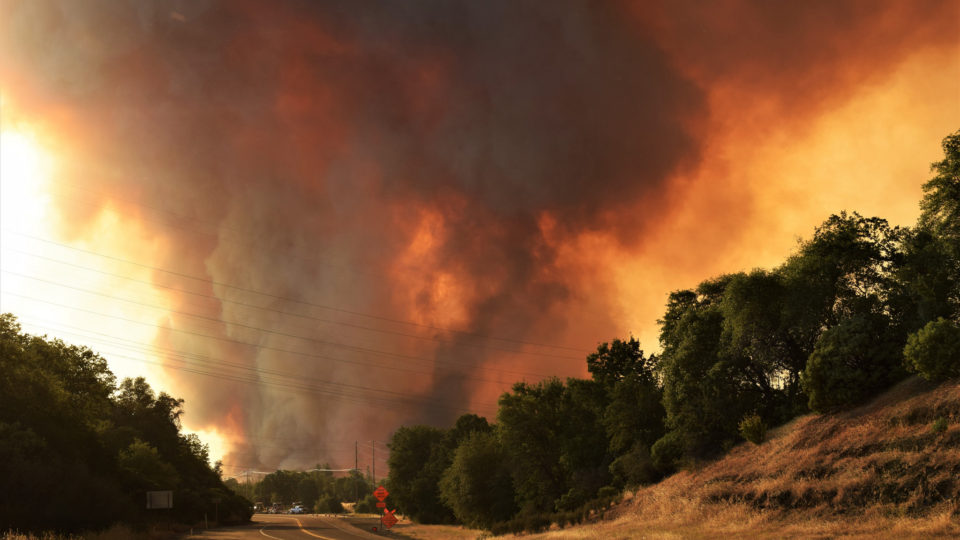
Two things we have heard a lot about in recent years have been the persistent drought in California and the terrible wildfires the state has experienced.  Along the way, the state has had some pretty wet and snowy winters.  This past winter, the California snow pack has seen incredible levels building up, which is great news for the state’s farmers.  But does that also mean that the next year should see some relief from severe wildfires?

The answer appears to be no.  A new study from an international team that includes the University of Arizona has comprehensively looked at the amount of winter precipitation in California and the severity of the subsequent wildfire season. 

The position of the North Pacific jetstream over California is strongly linked to the amount of winter precipitation.  This has been true for hundreds of years and continues to be the case.

From 1600 to 1903, the linkage between winter precipitation and wildfire severity was also very strong.  But after 1904, that connection weakened.  As a result, fire suppression policies were instituted.  When fires arose, they were put out as quickly as possible.  The result over time is fuel buildup, making larger fires far more likely.

According to the new study, after 1977, the connection between winter precipitation and wildfire severity disappeared entirely.  There no longer appears to be any relationship between jet stream dynamics and fire.  The warming climate and the results of fire suppression dominate the potential for wildfire.  California’s wet winter of 2016-2017 provides a good example.  That winter was followed by many large fires in 2017.

So, this very wet winter in California does not imply that this should be a year without severe wildfires.

**********

Web Links

Wildfire Risk in California No Longer Coupled to Winter Precipitation

Photo, posted July 26, 2018, courtesy of Bureau of Land Management California via Flickr.

Earth Wise is a production of WAMC Northeast Public Radio.

Whopping Change

April 10, 2019 By EarthWise Leave a Comment

Burger King, the global hamburger fast food giant, recently made a huge announcement:  Customers will soon have the option to select either a beef patty or a plant-based patty when ordering the iconic Whopper sandwich. 

Burger King’s plant-based patty will be made by Impossible Foods, a California startup founded in 2011 with the explicit goal of decreasing the world’s reliance on animal agriculture.  Impossible Foods signature product, the Impossible burger, has already debuted as a slider in White Castle’s 380 or so stores.  It’s also being added to the menu at all 570 Red Robin locations.  Other plant-based innovators, such as Beyond Meat, have also found some mainstream success.  But the Impossible Whopper and the planned national roll-out at Burger King’s 7,200 locations is the biggest deal to date.

Impossible Foods’ major innovation comes from its use of heme, which is an iron-rich protein that in essence is what makes meat taste like meat.  Impossible Foods cultivates heme directly from plants – soybean plant roots to be exact – and then mass produces it using yeast.  This is then mixed with other plant-based ingredients to achieve the nutty texture of ground beef.

Meat production is one of the biggest single contributors to climate change.  The Impossible burger represents a better choice for the environment.  It requires 87% less water, 96% less land, and produces 89% fewer greenhouse gas emissions when compared with beef burgers.  At Burger King, the Impossible Whopper will have the same amount of protein as the regular Whopper, but 15% less fat and 90% less cholesterol. 

Meatless continues to push into the mainstream.

**********

Web Links

Behold the Beefless ‘Impossible Whopper’

Photo, posted November 27, 2018, courtesy of Sarah Stierch via Flickr.

Earth Wise is a production of WAMC Northeast Public Radio.

Natural Climate Solutions Are Not Enough

April 1, 2019 By EarthWise Leave a Comment

A new policy perspective published in Science by researchers at seven prestigious institutions looked at the role of natural science solutions in stabilizing the Earth’s climate for people and ecosystems.   While they asserted that it is imperative to ramp up natural climate solutions, they also concluded that natural solutions alone will not be sufficient.

Natural science solutions include such things as enhancing carbon sinks from forests, agriculture and other lands.  Doing these things are very beneficial in their own right as they lead to improved forests, croplands, grazing lands, and wetlands.

However, these things will not be enough to meet the goals of the Paris Climate Agreement and must be combined with rapid efforts to decrease emissions from the energy and industrial sectors.  Among their various findings, the researchers warn that a ten-year delay in emissions reductions from these sectors could completely negate any potential benefits of natural climate solutions.

As has become increasingly clear, there is not an either-or situation with regard to the actions that need to be taken with respect to climate change.

Maximizing natural climate solutions and reducing emissions from the energy and industrial sectors will provide broad benefits beyond climate change mitigation.  Doing these things will improve forests and habitats, reduce the risk of wildfires, and decrease air and water pollution thereby improving human health and well-being.

Of course, to reduce cumulative emissions and put a cap on the warming of the planet, there will need to be policy mechanisms and incentives in place that support both natural climate solutions and increasing mitigation efforts across the energy and industrial sectors.

**********

Web Links

Natural Climate Solutions Are Not Enough

Photo, posted February 11, 2012, courtesy of Joao Andre O. Dias via Flickr.

Earth Wise is a production of WAMC Northeast Public Radio.

Glaciers And Water Supply

March 25, 2019 By EarthWise Leave a Comment

The world has roughly 150,000 glaciers covering about 200,000 square miles of the earth’s surface.  Over the last 40 years they’ve lost the equivalent of a layer of ice 70 feet thick.  Most of them are getting shorter as well.  Some have shrunk to nothing; many smaller glaciers in places like the Rockies and the Andes have disappeared entirely.

Glaciers represent the snows of centuries, compressed over time to form flowing rivers of ice.  They always change over time, accumulating snow in winter and losing ice to melting in summer.  But in recent times, the warming climate has allowed the melting to outpace the accumulation.

Much of the discussion about the retreating glaciers relates to sea level rise, catastrophic floods, debris flow, and the effects on rivers and ecosystems.

But in some places, the biggest impact of the loss of glaciers is on the supply of water for people and agriculture.  In Kazakhstan, Almaty, the country’s largest city depends on glacier-fed rivers for drinking water for its 2 million people and for irrigation water for crops.  All across the Tibetan Plateau and the Himalayan and Karakmoram mountain ranges, hundreds of millions of people rely on glacier-fed rivers for their water supplies. 

A melting glacier can at first increase stream flow but eventually reaches a tipping point and meltwater begins to taper.  In the short term, the melting glaciers may provide increased amounts of water coming down from the mountains, but eventually the flow in the rivers will begin to decline and populations will face a crisis.

It will be essential for people in many places to carefully plan for their future water needs in a changing world.

**********

Web Links

Glaciers Are Retreating. Millions Rely on Their Water.

Photo, posted September 16, 2011, courtesy of Flickr.

Earth Wise is a production of WAMC Northeast Public Radio.
Crop Diversity

March 22, 2019 By EarthWise Leave a Comment

A study at the University of Toronto suggests that on a global scale, we are growing more of the same kinds of crops, and this diminishing diversity presents major challenges for agricultural sustainability.

In some places, for example here in North America, crop diversity has actually increased.  Back in the 1960s, North Americans grew about 80 crops.  Now there are 93.

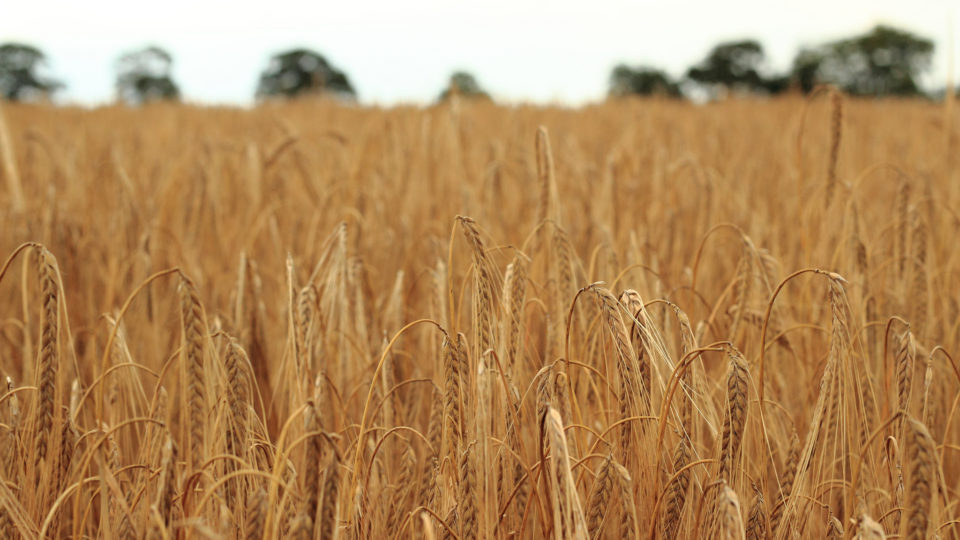
But on a global scale, more of the same kinds of crops are being grown on much larger scales.  Just four crops – soybeans, wheat, rice and corn – occupy nearly 50% of the world’s entire agricultural lands.  The remaining 152 crops cover the rest.  Large industrial farms often grow one crop species – usually just a single genotype – across thousands of acres of land.

This decline in global crop diversity is problematic in several ways.  On a cultural level, it threatens regional food sovereignty.  If regional crop diversity is threatened, it makes it more difficult for people to eat or afford foods that are culturally significant to them.

On an ecological level, the dominance by a few genetic lineages of crops makes the agricultural system increasingly susceptible to pests or diseases.  The deadly fungus that is threatening the world’s banana plantations is a prime current example.  The Irish potato famine in the 19th century is a tragic historical example.

As large industrial-sized farms in Asia, Europe and the Americas start to look more and more alike, the dangers of large monocultures of crops that are commercially valuable will only increase.  It will be important for global governments to consider the impact of policies that affect the diversity of the agricultural system and its sustainability in an increasingly hungry world.

**********

Web Links

A small number of crops are dominating globally. And that’s bad news for sustainable agriculture

Photo, posted August 13, 2012, courtesy of Alasdair McKenzie via Flickr.

Earth Wise is a production of WAMC Northeast Public Radio.

Fast Food And Climate Change

March 1, 2019 By EarthWise 1 Comment

A coalition of global investors is urging some of the largest fast food companies to reduce greenhouse gas emissions. The group, which has approximately $6.5 trillion under management, wants the fast food chains to reduce the carbon footprint of their meat and dairy supply chains. 

The global fast food sector is reportedly worth a whopping $570 billion annually.  The coalition has targeted some of the most notable contributors to that figure, including McDonald’s, KFC, Domino’s, Wendy’s, Burger King, Pizza Hut, and Chipotle.

According to the investors, animal agriculture is one of the world’s highest-emitting sectors without a low-carbon plan.  If left unchecked, emissions from animal agriculture alone would contribute 70% of the total worldwide target for emissions in 2050 that would keep the global rise in temperature below 2C.  Animal agriculture also uses an estimated 10% of annual global water flows.

In their letter to the fast food giants, the investors are calling on the companies to implement clear requirements for suppliers of animal proteins to report and reduce their greenhouse gas and freshwater impacts.  They want fast food companies to publish quantitative, time bound targets for reductions, and commit to publicly disclose the progress on these targets. 

Climate change is increasingly a factor for investors when evaluating market risk.  This investor letter comes just weeks after the EAT-Lancet commission report was published, in which their experts suggest that a sustainable diet for the planet by 2050 will require a 90% reduction in red meat and milk consumption.   

Fast food may need to slow down. 

**********

Web Links

Fast food giants under fire on climate and water usage

The EAT-Lancet Commission on Food, Planet, Health

Photo, posted May 19, 2014, courtesy of Mike Mozart via Flickr.

Earth Wise is a production of WAMC Northeast Public Radio.
Indonesian Deforestation

February 28, 2019 By EarthWise Leave a Comment

Deforestation is defined as the intentional destruction of trees and other vegetation without reforesting or allowing the forest to regenerate itself. 

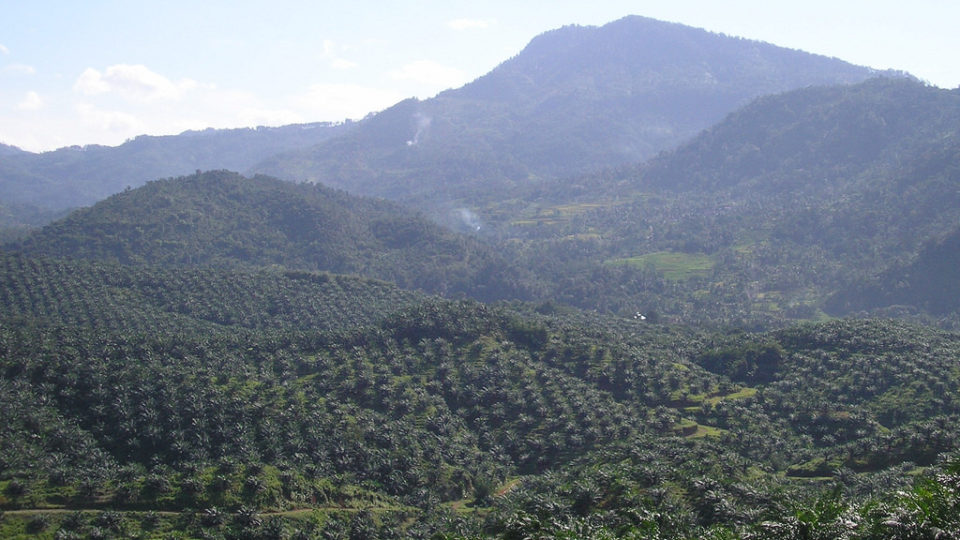
In Indonesia, industrial agriculture, primarily for the production of palm oil, is a major driver of deforestation.  But, according to researchers at Duke University, its impact has diminished  proportionately in recent years as other natural and human causes have emerged. Their peer-reviewed findings were recently published in the journal Environmental Research Letters.

According to the study’s lead author, large-scale plantations were responsible for more than half of Indonesia’s deforestation in the late 2000s, peaking between 2008-2010 when an average of 1.5 million acres of forest was lost annually.  The expansion of the massive plantations was responsible for 57% of the forest loss. Between 2014-2016, an average of more than 2 million acres of forest was lost annually, but plantation expansion only accounted for 25% of this figure.  While the overall rate of deforestation continued to grow, other factors were responsible for most of it.

Conversions of forests to grasslands rose sharply in 2015 and 2016 when El Nino caused severe droughts and forest fires. Small-scale farming, often overshadowed by industrial agriculture, was also found to play a bigger role, accounting for 25% of all forest loss. 

Indonesia has experienced some of the highest rates of deforestation.  Its forests absorb and store vast amounts of climate-warming carbon dioxide, help prevent erosion and flooding, and provide habitat to thousands of species.  Understanding the varied causes of Indonesian deforestation should help conservationists and policymakers better address the problem.

************

Web Links

Palm oil not the only driver of forest loss in Indonesia

Photo, posted March 26, 2018, courtesy of Achmad Rabin Taim via Flickr.

Earth Wise is a production of WAMC Northeast Public Radio.
Hacking Photosynthesis

February 25, 2019 By EarthWise Leave a Comment

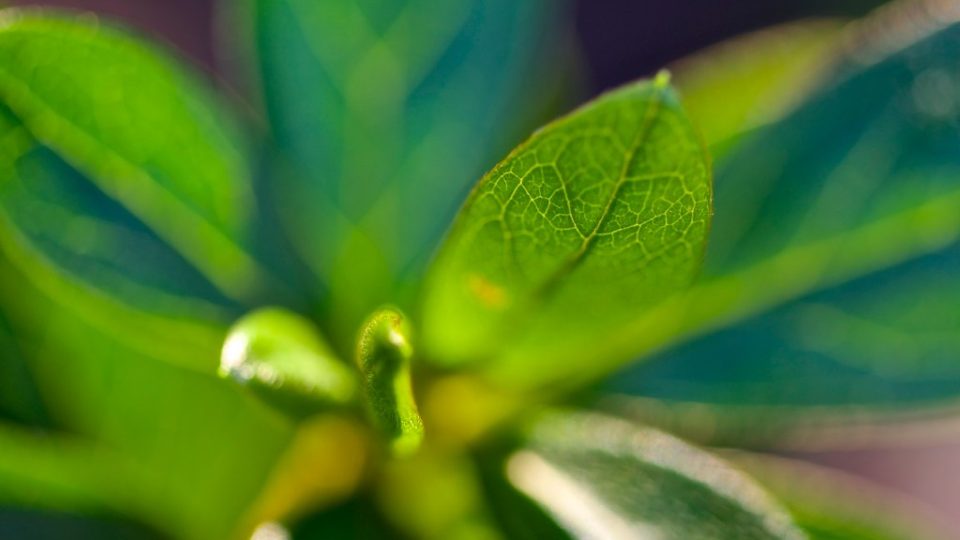
There is an enzyme known as RuBisCo that is involved in carbon fixation, the process plants use to convert carbon dioxide into sugar molecules.  The RuBisCo molecule is inside the leaves of most plants and is probably the most abundant protein in the world.

RuBisCo picks up carbon dioxide from the air and uses energy from the sun to turn the carbon into sugar molecules.  This process of photosynthesis is pretty much the foundation of life on Earth.

Wonderful as it is, the process is not perfect.  RuBisCo is not very selective in grabbing molecules from the air.  It picks up oxygen as well as CO2 and it produces a toxic compound when it does that.

Plants operate a whole other complicated chemical process to deal with this toxic byproduct and uses up a lot of energy along the way, leaving less energy for making leaves or food that we can eat.

A research program at the University of Illinois called Realizing Increased Photosynthetic Efficiency (or RIPE) has been trying to correct this problem; they have been trying to hack photosynthesis.  And they may well have succeeded.

Using genetic modification on tobacco plants, they have shut down the existing detoxification process and set up a much more efficient new one.  The result is super plants that grow faster and up to 40% bigger.

The next step is to get it to work on plants that people actually rely upon for food, like tomatoes, soybeans and black-eyed peas (which are a staple food crop in sub-Saharan Africa where food is scarce.)

It will be years before we know if the process can really produce more food and be safe, but it may end up leading to a major increase in crop productivity.

**********

Web Links

Scientists Have ‘Hacked Photosynthesis’ In Search Of More Productive Crops

Photo, posted June 10, 2013, courtesy of Boon Hong Seto via Flickr.

Earth Wise is a production of WAMC Northeast Public Radio.
Bee Friendly Amsterdam

February 11, 2019 By EarthWise Leave a Comment

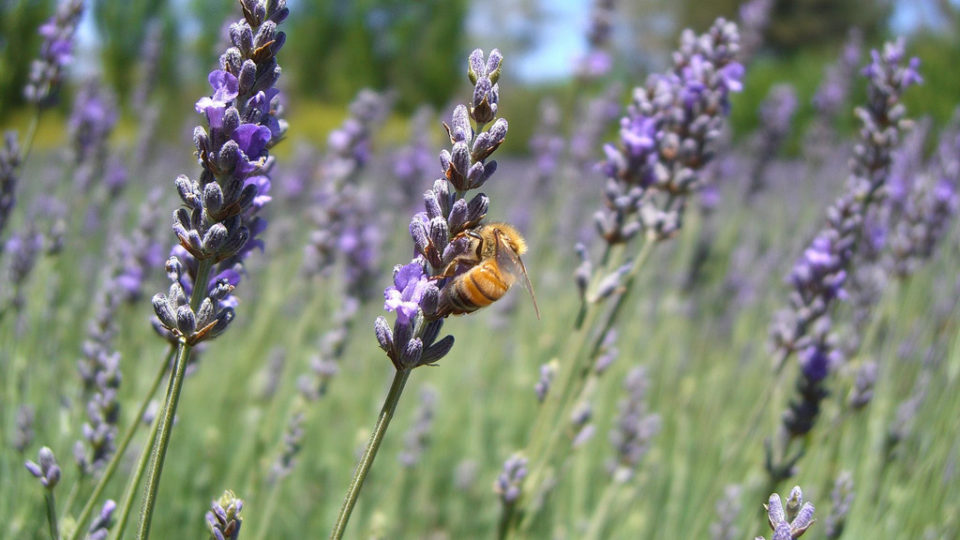
Scientists around the world have been sounding the alarm for years about the decline of bees and other pollinators that are crucial to the growth of crops.   One place where this trend has been bucked is in Amsterdam.  The diversity of wild bee and honeybee species in the Dutch capital has actually increased by 45% since 2000.

The city attributes this success to creating bee-friendly environments including the installation of so-called insect hotels.  There has also been a ban on the use of chemical pesticides on public land.

Four years ago, Amsterdam set a goal to convert half of all public green spaces to native plants including species that produce flowers and fruits that provide nourishment for bees.  Developers in Amsterdam are encouraged to install green roofs on new buildings which reduce reliance on heating and cooling systems and also create habitat for wildlife.

Residents can request to have a 16-inch strip of pavement adjacent to their homes removed in order to plant shrubs, flowers or climbing vines.  When a new highway was built in the area in 2015, local activists planted wildflowers along the sides of the road that otherwise would have been left with only gravel or grass.  This practice has spread to other major routes and along dikes and railways and is referred to as the Honey Highway.

All of these efforts seem to be having a positive effect.  An initial survey was conducted in 2000 to establish a baseline.  A 2015 survey of pollinators found 21 bee species not previously documented in the city.  The rest of the Netherlands has not done as well, and the Dutch government has recently introduced a pollinator strategy to revive bees, butterflies and other insects crucial to the country’s food crop.

**********

Web Links

Bees are dying at an alarming rate. Amsterdam may have the answer.

Photo, posted December 28, 2006, courtesy of Flickr.

Earth Wise is a production of WAMC Northeast Public Radio.
A Disastrous Year

February 5, 2019 By EarthWise Leave a Comment

The number and economic impact of natural disasters around the world have increased dramatically over the past 30 years.  In dollar terms, the amount has actually more than doubled.  While 2017 and especially 2011 hold the records for worldwide economic damage, 2018 was pretty disastrous in its own right, totaling at least $160 billion.

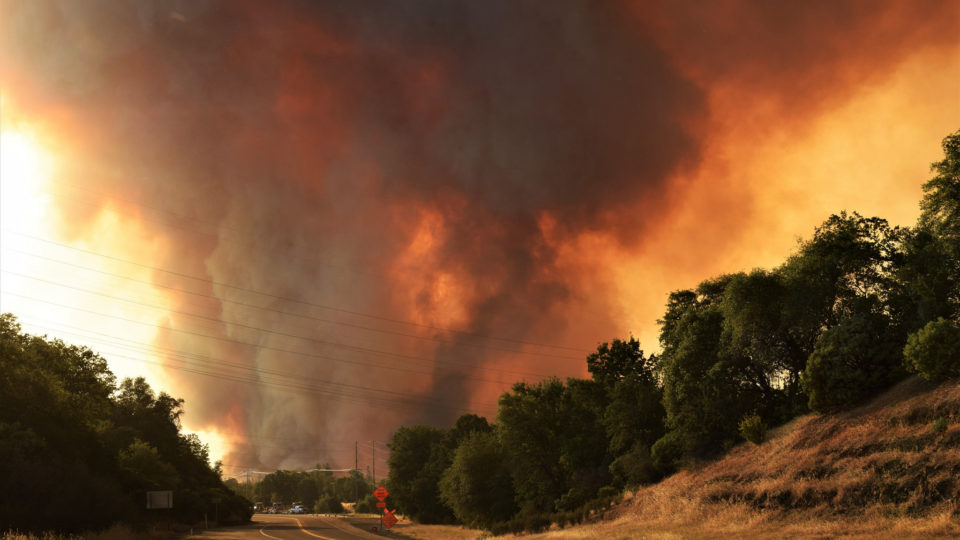
The year was dominated by costly wildfires in California and tropical storms in the United States and Asia.   According to a recent report by the reinsurance company Munich Re, the Camp and Woolsey fires in California alone caused losses of $21.7 billion, $16.5 billion of which was insured.

Overall, insurance companies paid out $80 billion in damage claims from natural disasters last year.  This was less than the $140 billion in 2017 but is still double the 30-year average.

Losses from wildfires have increased dramatically in recent years and summers continue to get hotter and dryer, a likely consequence of climate change.  These mounting costs bring into question whether people can continue to build in high-risk wildfire areas without dramatic changes in materials and the aggressive use of other protective measures.

Twenty-nine natural disaster events in 2018 caused more than a billion dollars in damage each.  Tropical storms including hurricanes Michael and Florence in the United States and three Asian typhoons caused $57 billion in damage.

A severe drought in Europe that set off major wildfires and caused agricultural losses caused $3.9 billion in losses.  Only about $280 million of this damage was covered by insurance companies since farmers in Europe don’t typically purchase insurance against drought.  For them, 2018 was truly a disastrous year.

**********

Web Links

Natural Disasters Caused $160 Billion in Damage in 2018

Photo, posted July 26, 2018, courtesy of Bureau of Land Management California via Flickr.

Earth Wise is a production of WAMC Northeast Public Radio.
Food Production And Climate Change

January 29, 2019 By EarthWise Leave a Comment

According to a University of Oxford study recently published in the journal Science, food production is a major driver of climate change as it’s responsible for 26% of all greenhouse gas emissions.  But the research team found that the environmental impact of different foods varied greatly. 

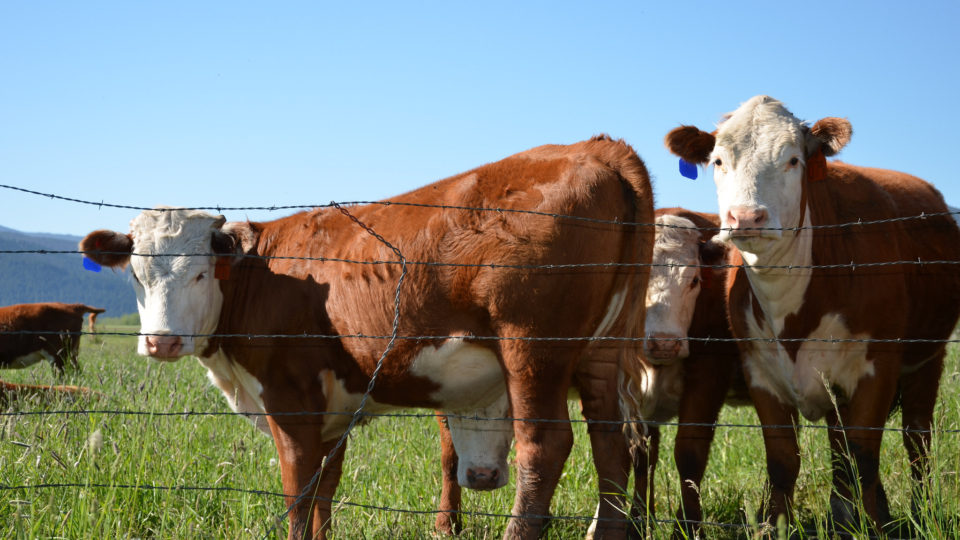
Meat and other animal products are responsible for 58% of all food-related greenhouse gas emissions, despite only providing approximately one-fifth of the calories we consume.  The researchers found that beef and lamb in particular have the most damaging effect on the planet, responsible for half of all greenhouse gas emissions from animal agriculture. 

These findings echo recommendations from the Intergovernmental Panel on Climate Change about how individuals can reduce their carbon footprint through diet.  The IPCC suggests we consume less meat and dairy products, consume more locally-sourced seasonal foods, and throw less food in the trash.  

Avoiding meat and dairy products can reduce an individual’s carbon footprint from food by two-thirds.  The effects of doing so include everything from conserving water and preserving biodiversity to reducing pollution and deforestation. 

Interestingly, the same food can have major differences in terms of environmental impacts.  For example, beef raised on deforested land is responsible for 12 times as many greenhouse gas emissions as that raised on natural pastures.  But even the most climate-friendly meat options are still responsible for more greenhouse gas emissions than the highest-impact vegetable proteins, like beans and nuts. 

Big differences can also be made by avoiding chocolate and coffee produced from deforested lands.  

To learn more about the climate impact of your diet, follow the link to the ‘Climate Change Food Calculator’ on our website: Earth-Wise-Radio.org. 

**********

Web Links

Reducing food’s environmental impacts through producers and consumers

Climate change food calculator

Photo, posted June 21, 2011, courtesy of USDA NRCS Montana via Flickr.

Earth Wise is a production of WAMC Northeast Public Radio.
Car Parts From Agricultural Waste

January 11, 2019 By EarthWise Leave a Comment

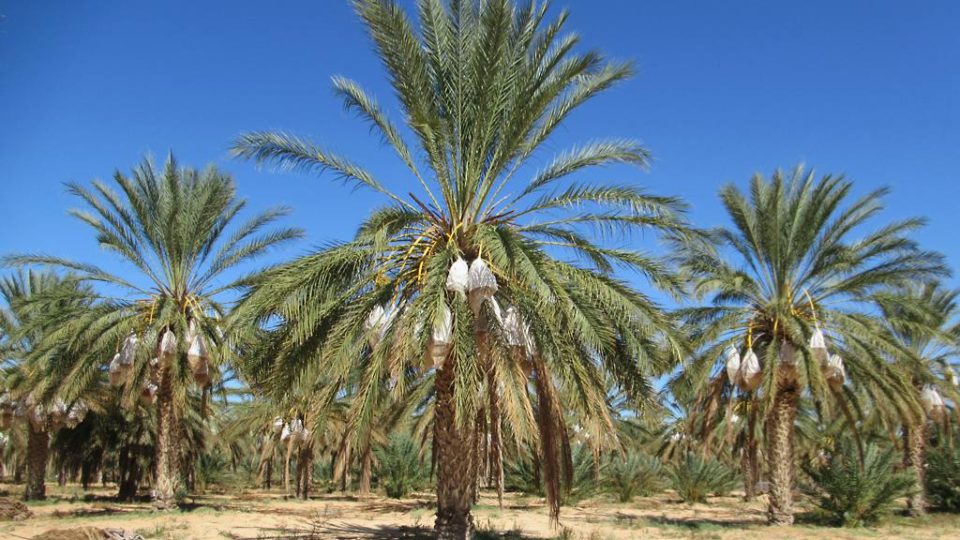
A new bio-composite material made from date palm fiber biomass could be used to produce sustainable, lightweight and low-cost parts for the automobile and marine industries.

A team of researchers from the UK has developed a date palm fiber polycaprolactone composite that is completely biodegradable, renewable,sustainable and recyclable, in contrast to synthetic composite materials reinforced by glass and carbon fibers. The team tested the mechanical properties of the material and found that it achieved better low-velocity impact resistance than traditional man-made composites.

The idea would be to use the material in non-structural auto parts such as car bumpers and door linings.   The result would be to reduce the weight of vehicles, contributing to less fuel consumption and lower emissions.  The new material can be produced using less energy than glass and carbon fibers and is biodegradable and therefore easier to recycle.

Date palm fibers are one of the most available natural fibers in many parts of the world.  The trees produce a large quantity of agricultural waste, which is mostly burned or land-filled,causing serious environmental problems.

Convincing industry to use a new class of materials such as natural-fiber reinforced composites is challenging.  First it is necessary to obtain consistent,reliable properties from the material. Then the industries need to work closely with the developers to test the materials and convince themselves of the viability of using them.  The team, led by researchers at the University of Portsmouth, has been working with industry to test the viability of parts made from a variety of other sustainable materials as well including flax, hemp, and jute.  Someday, our cars may have bumpers made from agricultural waste.

**********

Web Links

Agricultural waste drives us closer to greener transport

Photo, posted October 27, 2017, courtesy of David Stanley via Flickr. 

Earth Wise is a production of WAMC Northeast Public Radio.

Can We Remove Enough CO2 From The Air?

January 9, 2019 By EarthWise Leave a Comment

As atmospheric carbon dioxide levels continue to set new records and the effects of climate change grow stronger, humanity has continued to procrastinate on reducing emissions.  As a result, it is increasingly clear that any strategy to avoid runaway climate change will have to involve the use of “negative emissions”- techniques or technologies that actually remove CO2 from the air.

There are both low-tech and high-tech methods for removing carbon dioxide from the atmosphere and both are likely to be needed. 

On the low-tech side, afforestation (planting trees where there were none before), reforestation, changes in forest management, rebuilding the carbon backbone in agricultural soils, and the use of energy from waste biomass are all ways to take carbon out of the atmosphere.

On the high-tech side, direct air capture technologies that take CO2 out of the air and store it in the ground are making rapid progress.   Right now, they are still very expensive,but that is changing.  There is an analogy to wind and solar technology. Not very long ago, both of those technologies were quite expensive but now their costs have plummeted to the point where they are often the cheapest way to make electricity.  With sufficient development effort and deployment, direct air capture technology could become quite affordable.

Some people advocate geoengineering as a solution for climate change.  While removing carbon dioxide amounts to tackling the root cause of the warming climate,geoengineering would address the problem by changing the climate again in some other way.  It is at best an extremely dangerous approach.

Removing CO2 using a combination of natural and man-made techniques is an important part of mitigating the effects of climate change.

**********

Web Links

Climate Solutions: Is It Feasible to Remove Enough CO2 from the Air?

Photo courtesy of Climeworks. 

Earth Wise is a production of WAMC Northeast Public Radio.

  • « Go to Previous Page
  • Page 1
  • Interim pages omitted …
  • Page 8
  • Page 9
  • Page 10
  • Page 11
  • Page 12
  • Interim pages omitted …
  • Page 15
  • Go to Next Page »

Primary Sidebar

Recent Episodes

  • An uninsurable future
  • Clean energy and jobs
  • Insect declines in remote regions
  • Fossil fuel producing nations ignoring climate goals
  • Trouble for clownfishes

WAMC Northeast Public Radio

WAMC/Northeast Public Radio is a regional public radio network serving parts of seven northeastern states (more...)

Copyright © 2026 ·