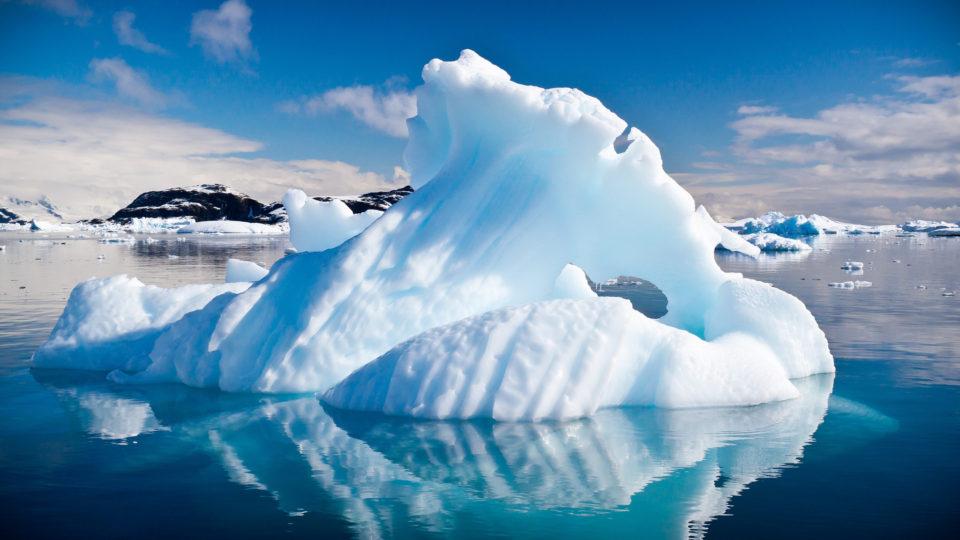
As the climate warms, the planet’s landscape is changing. The Arctic ice is shrinking, the ocean is rising altering coastlines, and plants, animals and diseases are on the move. The world’s climate zones are changing in significant and measurable ways.
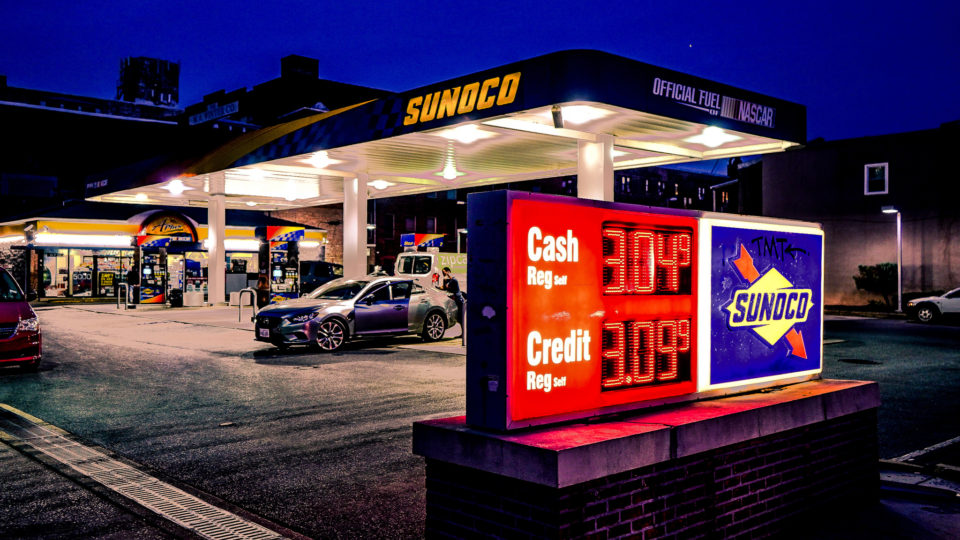
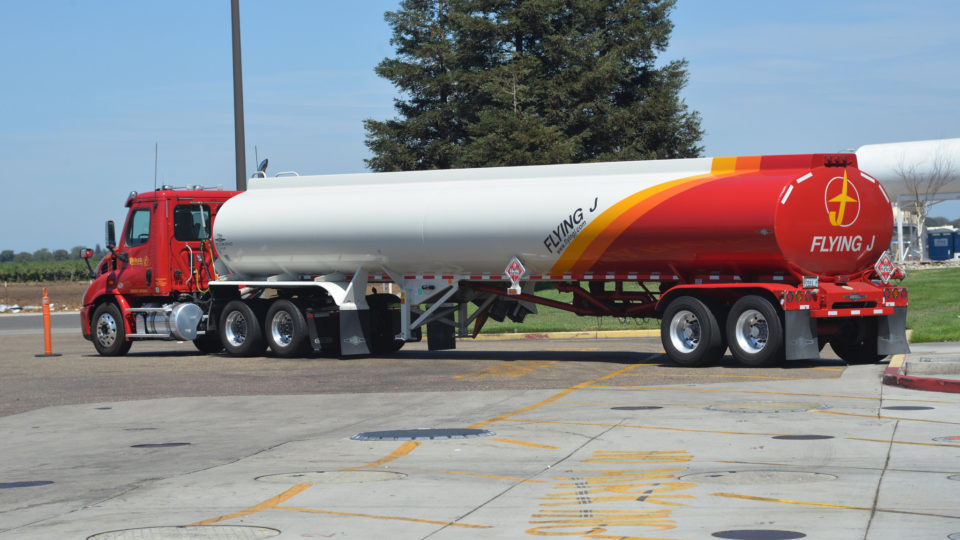
A study by environmental health scientists at Columbia University examined the release of vapors from gas station vent pipes and found that emissions were 10 times higher than the estimates used to establish setback regulations that determine how close schools, playgrounds, and parks can be to the facilities.
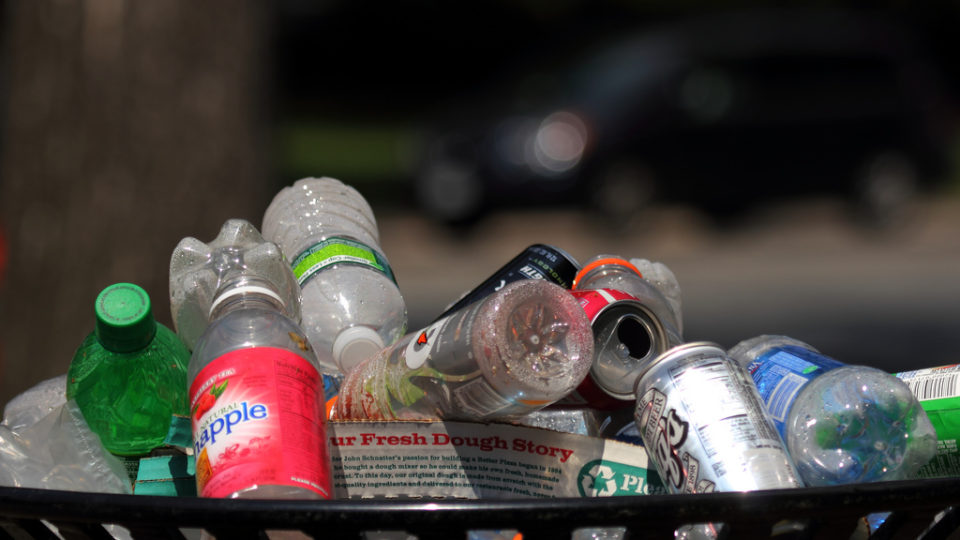
In the Back to the Future movies, the DeLorean time machine ran on garbage. We aren’t any closer to building time machines, but it might soon be practical to produce fuel from garbage.
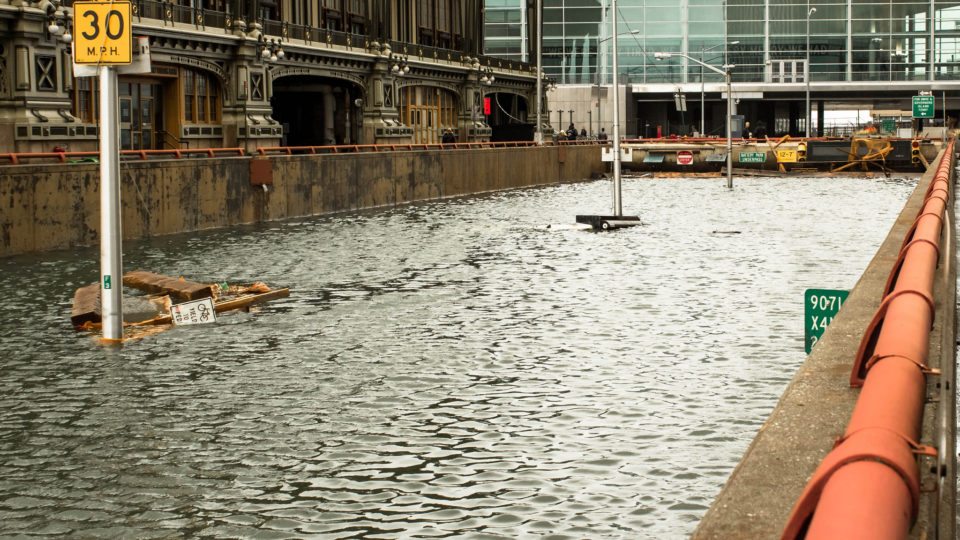
Cloudbursts are intense rainstorms that drop enormous amounts of water over a short period of time. Climate change is expected to make cloudbursts occur more frequently. Cities around the world are looking for better ways to cope with weather phenomena like cloudbursts.
Hotter and dryer conditions are leading to an increasing number of wildfires in North America and elsewhere around the world. The damage they cause is well-known. But one aspect of that damage that tends to be overlooked is the impact on aquatic environments and drinking water supplies.
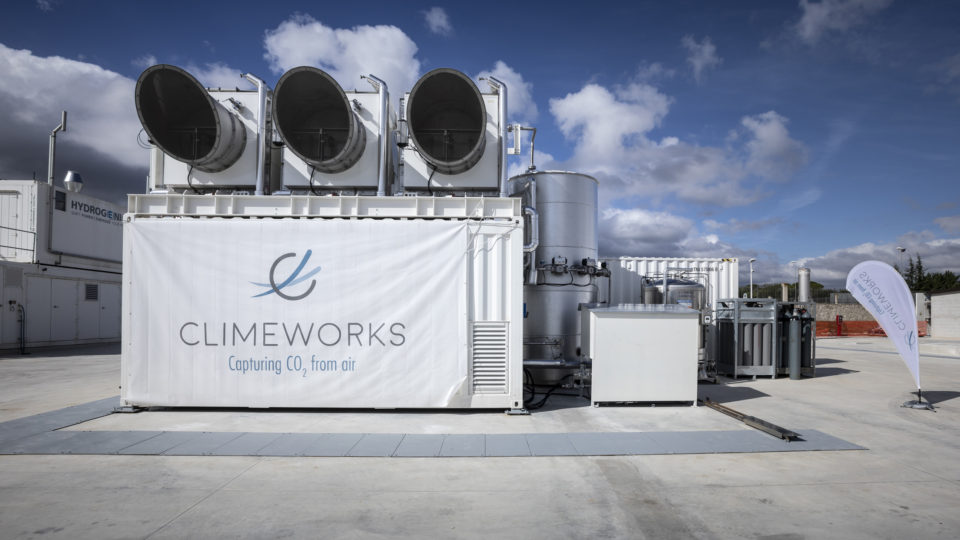
It is increasingly clear that the rate at which carbon dioxide emissions are being reduced is not sufficient to prevent dire consequences of climate change. It appears that it will be necessary to try to actually remove carbon dioxide from the air. Such actions are termed “negative emissions.”
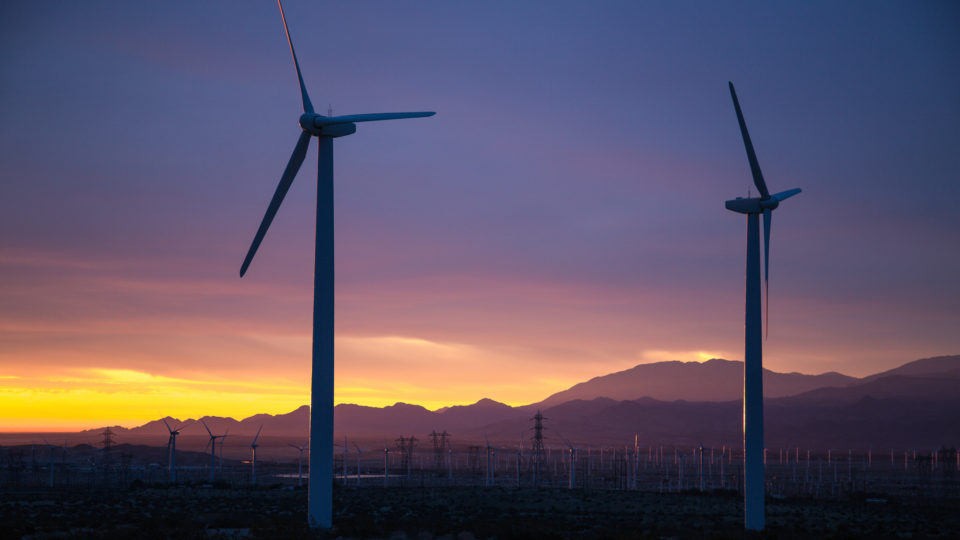
A recent study by Harvard University researchers published in two papers looked at the environmental impact of installing sufficient wind power to meet all the energy needs of the US. While doing so would be far better for the environment than burning coal, it would not have negligible impacts.
PCBs belong to a broad family of man-made organic chemicals known as chlorinated hydrocarbons. PCBs were once widely used in electrical equipment like capacitors and transformers, as well as in paints, dyes, and heat transfer fluids.
Investors in the US are starting to catch up with their European counterparts with respect to taking environmental, social and governance (ESG) principles into account.
The Paris climate accord by nearly 200 countries seeks to reduce global carbon emissions. But how can the actions of these countries be monitored, reported, and verified? It is not an easy task.
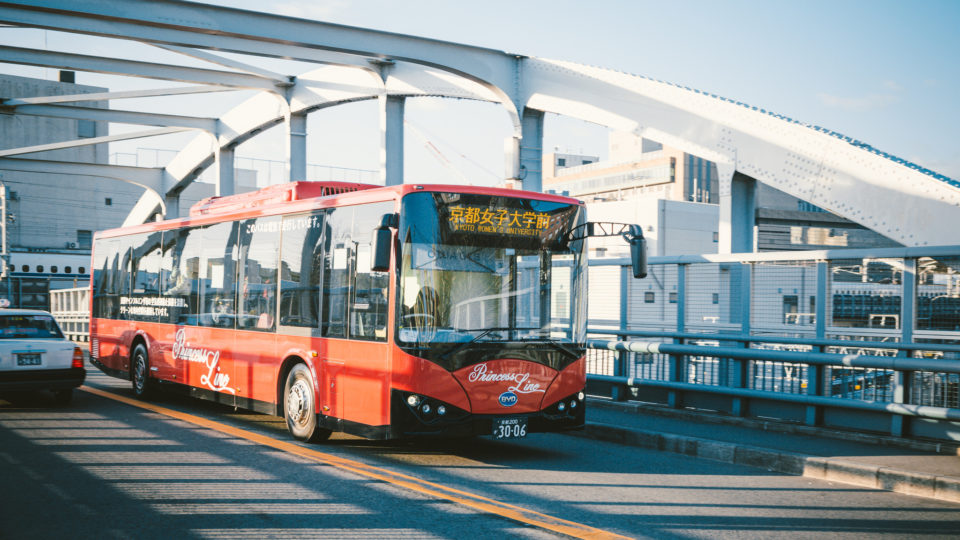
Electric buses are replacing conventional diesel-fueled buses at an accelerating rate that is outpacing the adoption of battery-powered cars. According to forecasts by Bloomberg New Energy Finance, by 2030 some 28% of car sales will be electric vehicles while 84% of new buses will be electric buses. So far, some 12 years away, the actual adoption of electric buses is outpacing this optimistic projection.
Our planet has been through five upheavals over the past 450 million years. During each one, the environment on earth changed so dramatically that most plant and animal species became extinct. After each of these mass extinction events, evolution slowly filled the gaps in the environment with new species.
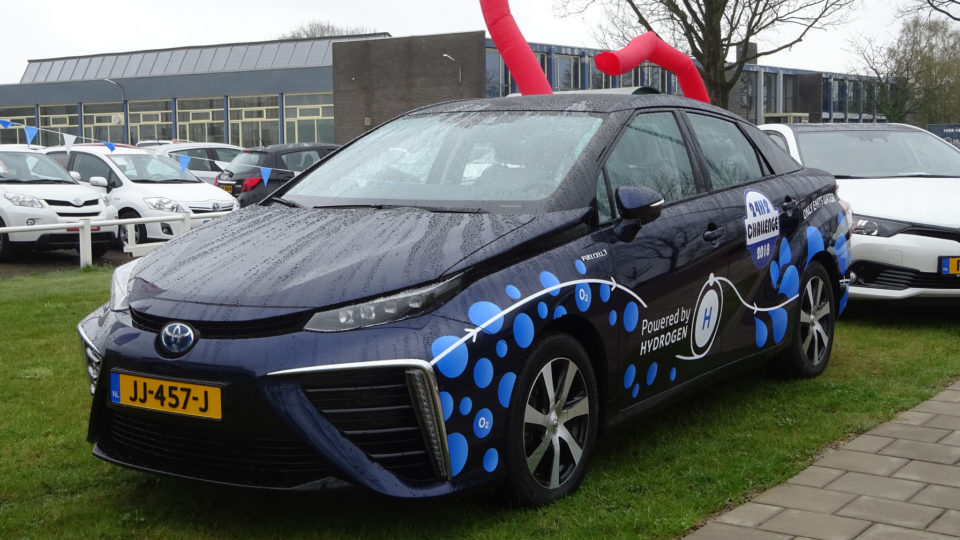
Hydrogen-powered cars are trying to make inroads in the rapidly-evolving automobile market. Several major automakers – including Hyundai, Toyota and Honda continue to invest heavily in the technology while selling a limited number of cars around the world.
Fossil fuel-based power plants are increasingly considering the use of carbon capture technologies as a way to reduce emissions. The biggest challenge to the wide-spread adoption of such technology is its energy cost, which of course equates to economic cost. Present-day power plants equipped with carbon capture systems can use up to 30% of the electricity they generate just to power the capture, release, and storage of carbon dioxide.
Ecosystems throughout the Arctic are regulated by seasonal changes leading to a finely tuned balance between the greening of vegetation and the reproduction of animals. The rapidly warming climate and the disappearing sea ice are upending that balance.
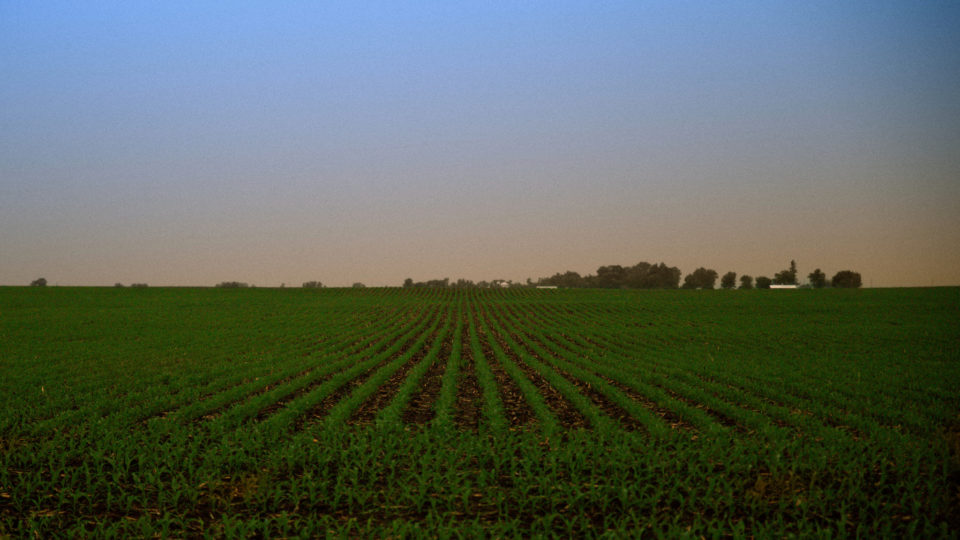
Iowa is grappling with a growing battle over the integrity of its water. Nitrogen and phosphates have been flowing in ever-increasing quantities into Iowa’s public water supplies and dealing with the problem has become a major political issue in the state.
The world of personal transportation is evolving. There are three trends that are developing at the same time: cars running on electricity rather than fossil fuels, cars operating autonomously, and people sharing vehicles instead of owning them.
As the world struggles with trying to limit carbon emissions and slow the pace of global warming, there is increasing analysis of various forms of geoengineering. Often, these consist of nearly unthinkable efforts to intervene in the climate on a global scale with unpredictable and possibly catastrophic consequences.
Globally, consumers are voicing concerns about the impact of plastic waste on the planet. Conscious of these consumer concerns, many companies are trying to switch to recyclable or less-polluting packaging. Some are even ditching plastics all together.
Three years ago, Volkswagen was found to have illegally cheated federal emissions tests in the US using devious programming of emission control devices. The subterfuge enabled 11 million passenger cars to meet U.S. emissions standards in the laboratory despite that fact that they actually produced up to 40 times higher emissions than the legal limit in real-world driving.