• Skip to primary navigation
  • Skip to main content
  • Skip to primary sidebar

Earth Wise

A look at our changing environment.

  • Home
  • About Earth Wise
  • Where to Listen
  • All Articles
  • Show Search
Hide Search
You are here: Home / Archives for yellowstone national park

yellowstone national park

Migratory bison in Yellowstone

September 30, 2025 By EarthWise Leave a Comment

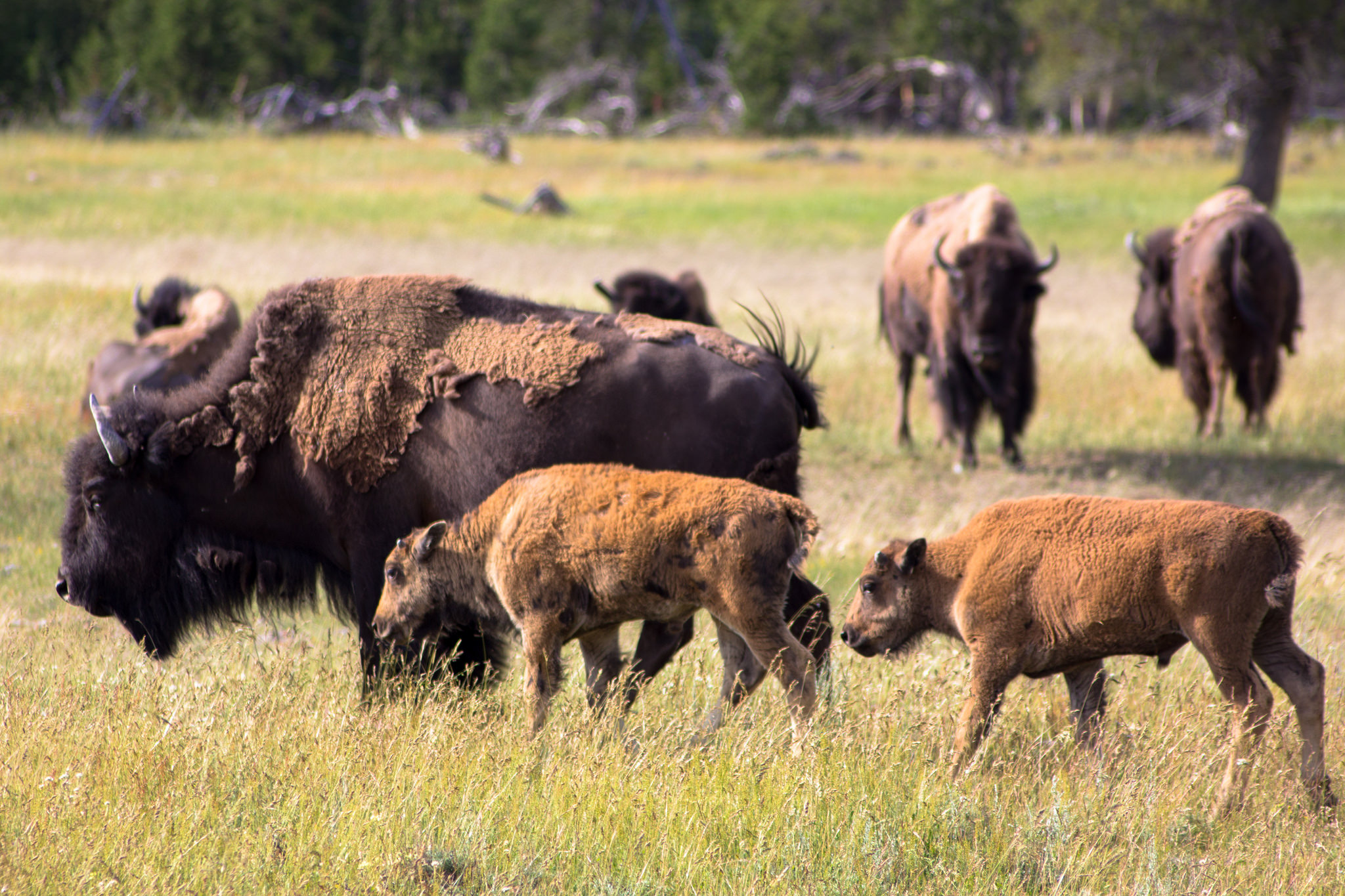
How bison impact the environment inside Yellowstone National Park

Tens of millions of bison once migrated across the United States in enormous herds; tribal oral histories speak of it taking days for an entire herd to pass by.  These herds shaped the landscape and performed many ecosystem functions.  By the 1890s, the bison population had plummeted to fewer than 1,000 individuals.  Since then, dedicated conservation efforts – establishing protected areas and breeding programs – have led to the recovery of the species.  There are now about 400,000 bison, mostly existing in small, privately owned herds.

Yellowstone National Park is home to the last significant migratory bison herd.  Yellowstone was established as a national park in 1872 providing scientists with a unique opportunity to study how large grazing herbivores affect the landscape.  More than 5,000 bison live in the 3,500 square miles of the park. 

A 7-year study by researchers examined how bison change the soil and vegetation along their migratory route.  What looked like overgrazing turns out to allow plants to keep growing.  The bison graze and move on, increasing the density of microbes and nitrogen in the soil and significantly improving the nutrition for other herbivores.

The research validated what Indigenous peoples have known for many generations:  that bison helped shape this continent and having large numbers of them improve ecosystems for other animals as well.  Native American tribes would like to restore bison to their lands.  Whether some of the park fences might be removed to permit migration beyond official borders is under consideration.

**********

Web Links

In Yellowstone, Migratory Bison Reawaken a Landscape

Photo, posted August 17, 2017, courtesy of Jacob W. Frank / NPS via Flickr.

Earth Wise is a production of WAMC Northeast Public Radio
The battle over wolves

January 10, 2025 By EarthWise Leave a Comment

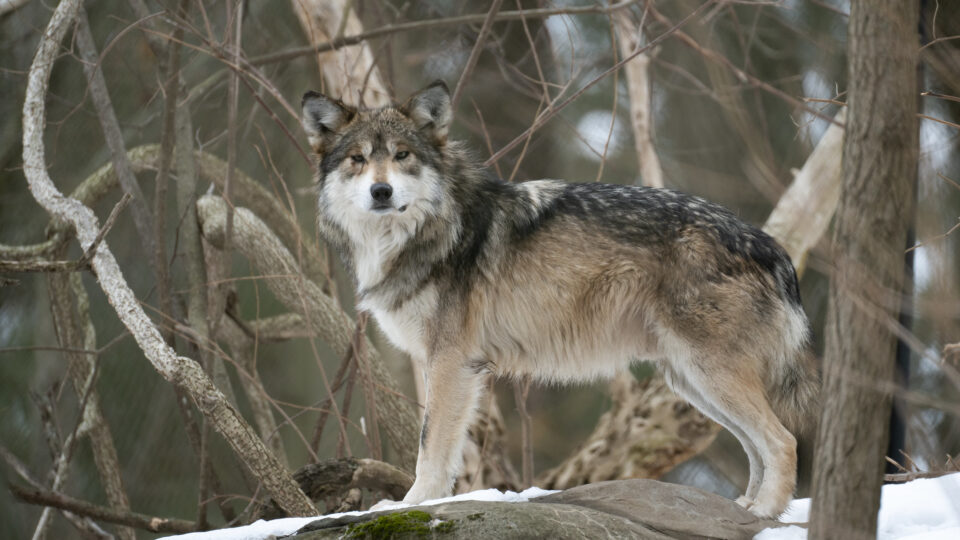
Thirty years ago, wolves were reintroduced into Yellowstone National Park.  Grey wolves had almost disappeared entirely throughout the northern Rockies.  They were listed as endangered by the federal government since 1974.  The reintroduction was hailed as a wildly successful effort yielding significant benefits to Yellowstone’s ecosystems.

Since then, wolf populations have increased greatly across the West.  There are at least 7,000 or 8,000 wolves living in Western States.  But this conservation triumph is considered a plague by some residents of those states.   Wolves kill livestock, game animals, and sometimes pets.

Because of this backlash, federal protections have been lifted in some states, leaving wolf management up to state agencies.  Montana, Idaho, Wyoming, eastern Oregon, eastern Washington, and parts of Utah have no federal protections and hunting wolves is legal.  Initial, careful hunting quotas in some states have given way to widespread killing driven by anti-wolf sentiment. 

Emotions run high with regard to wolves, and unlike that of other protected species, the fate of wolves is a matter of politics rather than science or law.  State legislatures have gotten involved, often trying to prove that they hate wolves more than the next guy. 

Wolves are resilient animals and are likely to survive unless there is an organized government strategy like what took place in the 1900s with unlimited poisoning and shooting.  But experts note that wolf populations must persist at a high enough level in order to play important ecological roles.

**********

Web Links

As Wolf Populations Rebound, an Angry Backlash Intensifies

Photo, posted March 7, 2023, courtesy of Eric Kilby via Flickr.

Earth Wise is a production of WAMC Northeast Public Radio
A War On Wolves

March 17, 2022 By EarthWise Leave a Comment

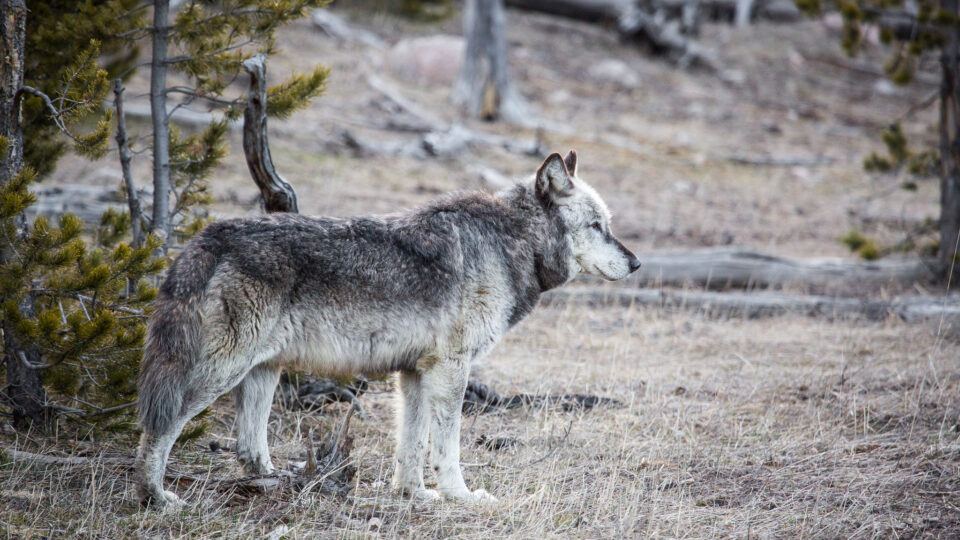
America has a long history of persecuting wolves.  In 1905 the federal government tried biological warfare, infecting wolves with mange.  In 1915, Congress passed a law requiring the eradication of wolves from federal land.  By 1926, all the wolves in Yellowstone National Park had been poisoned, shot, or trapped.   By 1945, wolves had been essentially eliminated from the American West.

All of this was driven by the fantasy that wolves were a major menace to livestock and a threat to big game.

In the 1990s, wolves were reintroduced to Yellowstone National Park and central Idaho and the result was one of the greatest success stories in the history of wildlife management.  There were multiple improvements to the greater Yellowstone ecosystem.  Wolves as important predators are essential elements of healthy ecosystems in the American west.

For reasons difficult to fathom, the status of wolves has become political.  Conservative lawmakers in Idaho, Montana, Wyoming, and Wisconsin have essentially declared war on wolves, radically liberalizing wolf trapping and hunting regulations.  In Wyoming, it is now legal to kill wolves at any time by virtually any means, including running them over with snowmobiles and incinerating pups and nursing mothers in dens.  Idaho has bounties as high as $2,000 for killing wolves.

The reasons are just as bogus as ever.  Livestock predation is the big claim.  In 2015, 1,904 wolves shared the Rocky Mountain West with 1.6 million cattle.  Wolves killed all of 148 of them. 

Evidently, wolves have become identified as a liberal cause and, as such, are now the enemy of conservative politics.

**********

Web Links

America’s New War on Wolves and Why It Must Be Stopped

Photo, posted April 6, 2016, courtesy of Yellowstone National Park via Flickr.

XXXXXXXXXXXXX

Too Many Bison | Earth Wise

May 8, 2020 By EarthWise Leave a Comment

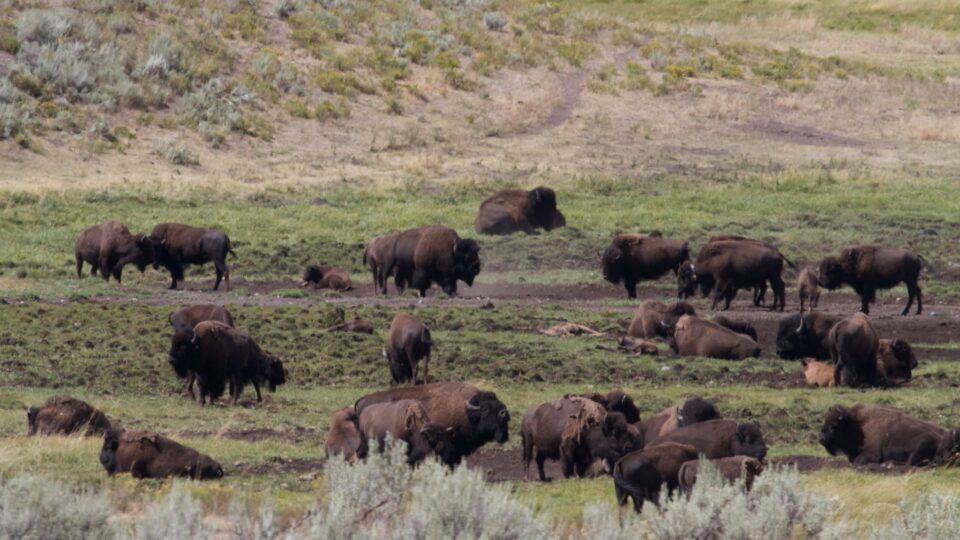
Bison in Yellowstone

The population of large herbivores in Yellowstone National Park has undergone many dramatic changes over the course of time.  The numbers of both the iconic Rocky Mountain elk and bison have gone up and down as a result of human interactions.

Bison, of course, once were a dominant species from east of the Appalachians to west of the Rocky Mountains, with most of an estimated 30 million living on the Great Plains.  As the west was settled, bison populations plummeted and by the late 1800s, they were nearly extinct.

When Yellowstone was established, there were exactly 22 bison in the park.  By 1925, there were more than 750 in the park and culling of the herd in the park’s Lamar Valley was practiced for the next four decades.

The elimination of predators like grey wolves and cougars in the early 1900s caused both elk and bison populations to mushroom and both underwent culling.  When culling was ended in 1968, there were 4,000 elk and 100 bison.  Within 20 years, those numbers were 20,000 and 1,000.   Reintroducing wolves and cougars reduced the elk population to about 5,000, but bison numbers have continued to grow, now reaching about 4,000.

While the long-term recovery of the Yellowstone bison herd is a major conservation success story, the fact is that bison are powerful ecosystem engineers.  Large numbers of them disrupt species distribution across scrub steppe and grasslands because of what they eat, trample, and rub their horns and bodies on.  They have a tremendous capacity to limit the structure and composition of ecosystems.

Park administrators have complicated management decisions to make to take into account the often wide range of ecological effects that abundant large herbivores can have on ecosystems.

**********

Web Links

Bison in northern Yellowstone proving to be too much of a good thing

Photo, posted August 10, 2016, courtesy of Brian Gratwicke via Flickr.

Earth Wise is a production of WAMC Northeast Public Radio.

Hunting Grizzly Bears

June 7, 2018 By EarthWise Leave a Comment

https://earthwiseradio.org/wp-content/uploads/2018/06/EW-06-07-18-Hunting-Grizzly-Bears.mp3

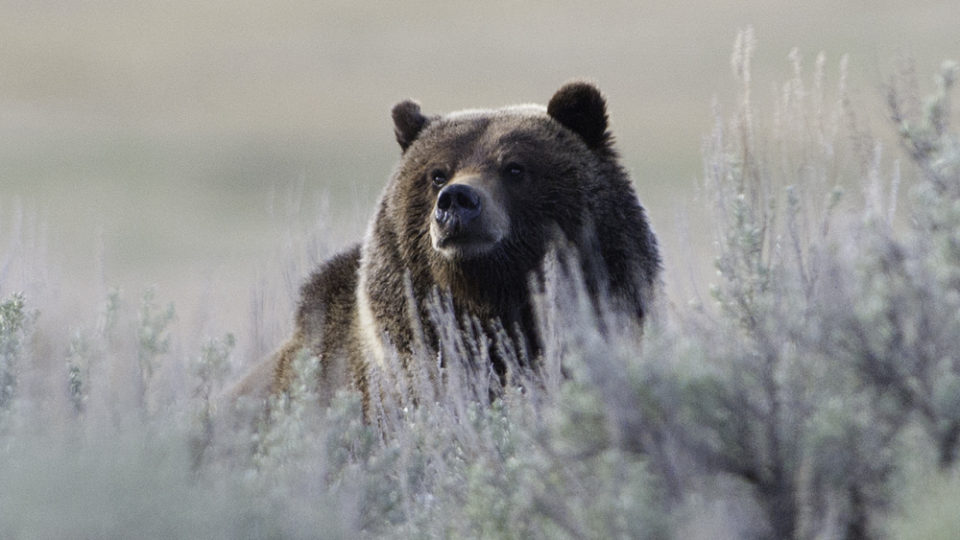
One year ago, the U.S. Department of the Interior announced that the grizzly bear population in the Yellowstone area would be delisted from the Endangered Species Act, and more recently, announced that those federal protections would not be restored.

[Read more…] about Hunting Grizzly Bears

Should We Rescue Distressed Animals?

June 27, 2016 By WAMC WEB

https://earthwiseradio.org/wp-content/uploads/2016/06/EW-06-27-16-Rescuing-Distressed-Animals-2.mp3

From time to time, we encounter wild animals in distress.   A baby robin falls out of its nest.  A fawn is orphaned when its mother is hit by a car.  A bald eagle staggers on the ground, unable to fly.

[Read more…] about Should We Rescue Distressed Animals?

Ending The Protection Of Grizzly Bears

March 28, 2016 By WAMC WEB

https://earthwiseradio.org/wp-content/uploads/2016/03/EW-03-28-16-Grizzly-Bears.mp3

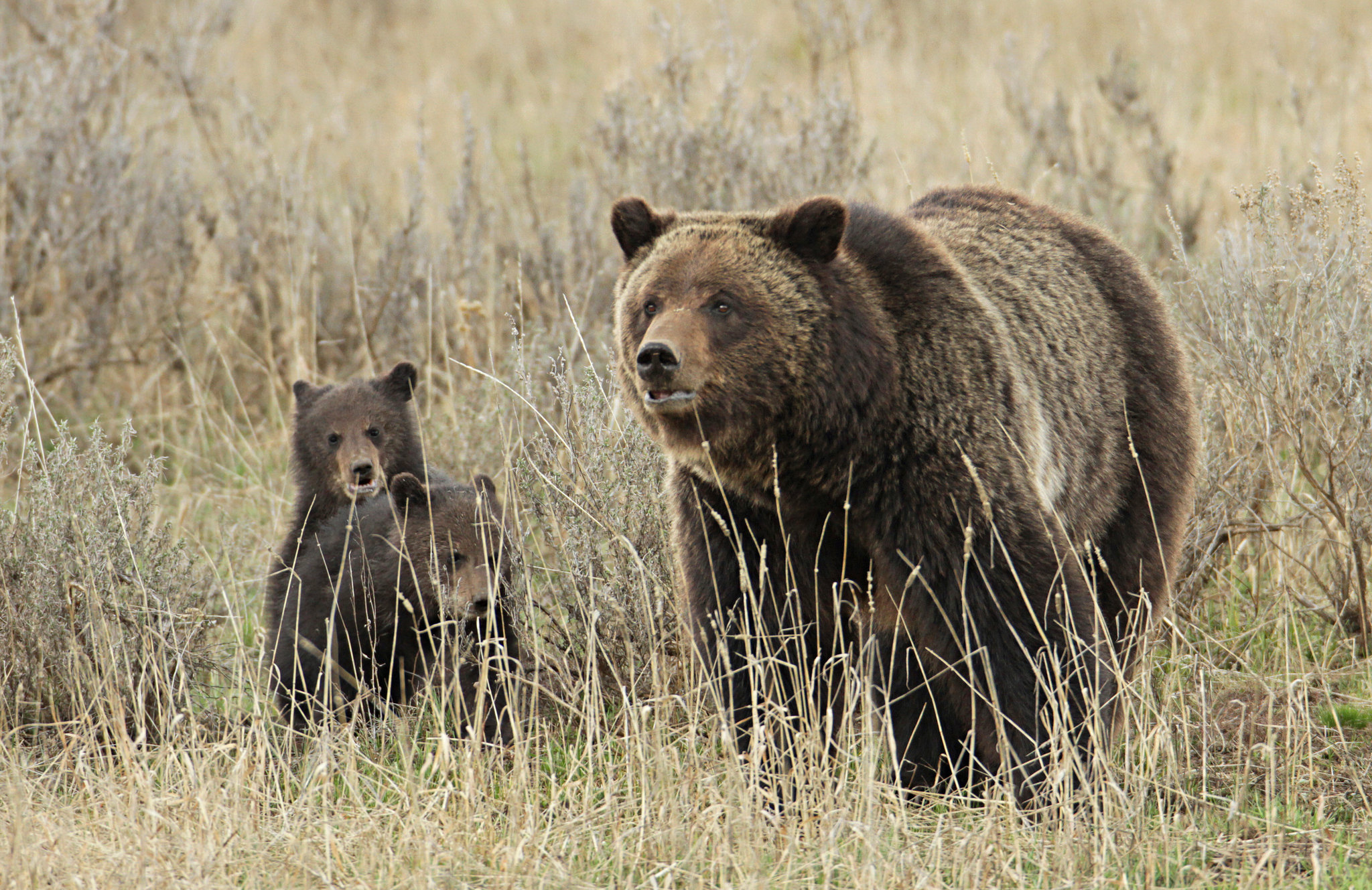
Grizzly bears, also known as North American brown bears, once roamed much of North America and symbolized the continent’s untamed wilderness.  But hunters and trappers nearly wiped them out across most of the Lower 48 states by the late 1800s. 

[Read more…] about Ending The Protection Of Grizzly Bears

Primary Sidebar

Recent Episodes

  • An uninsurable future
  • Clean energy and jobs
  • Insect declines in remote regions
  • Fossil fuel producing nations ignoring climate goals
  • Trouble for clownfishes

WAMC Northeast Public Radio

WAMC/Northeast Public Radio is a regional public radio network serving parts of seven northeastern states (more...)

Copyright © 2026 ·