
• Skip to primary navigation
  • Skip to main content
  • Skip to primary sidebar

Earth Wise

A look at our changing environment.

  • Home
  • About Earth Wise
  • Where to Listen
  • All Articles
  • Show Search
Hide Search
You are here: Home / Archives for world

world

Deep sea mining

August 19, 2024 By EarthWise Leave a Comment

Deep sea mining is a threat to the environment

Deep sea mining is the extraction of minerals from the ocean floor at depths greater than 660 feet and as much as 21,000 feet below the surface.  Active or extinct hydrothermal vents on the ocean floor create sulfide deposits which collect metals such as silver, gold, copper, manganese, cobalt, and zinc.  This forms polymetallic nodules – potato-sized rocklike deposits containing these valuable minerals.  There are literally trillions of these things scattered over wide areas of ocean floor.  The largest of these deposits are in the Pacific Ocean between Hawaii and Mexico in the Clarion Clipperton Fracture Zone.

Mining companies argue that land-based sources for valuable metals are running out and are critically needed for green technologies like batteries for electric vehicles and manufacturing solar panels and wind turbines.  They also claim that mining in the deep sea will be less environmentally damaging than land-based mining.

The deep sea is viewed by many as kind of a watery desert but there are actually diverse and rich ecosystems down there.  Most of the animals living in the depths are tiny, but that doesn’t make them any less important.  Many can live for a very long time.  Some invertebrates live for thousands of years.

There are currently no commercial deep sea mining operations underway.  Many countries have outlawed them.

The deep seas are the last mostly unexplored part of the Earth.  Deep sea mining will unquestionably be highly destructive to these environments.  We don’t really know what the impact of widespread deep sea mining might be, but the world continues to edge ever closer to allowing it to happen.

**********

Web Links

Can We Mine the World’s Deep Ocean Without Destroying It?

Photo, posted March 30, 2018, courtesy of the NOAA Office of Ocean Exploration and Research via Flickr.

Earth Wise is a production of WAMC Northeast Public Radio

Strawberries and climate change

August 12, 2024 By EarthWise Leave a Comment

The changing climate threatens the future of strawberries

The demand for strawberries continues to climb around the world.  According to data from World Population Review, China remains the global leader in strawberry production, a spot it’s held since 1994.  Last year, China produced 3.3 million tons of strawberries, followed by the United States at 1.05 million tons, Egypt at 597,000 tons, and Mexico at 557,000 tons.

While strawberries are grown coast to coast in the U.S., California and Florida are the top two strawberry-producing states due to their favorable climate conditions.  In fact, California produces more than 90% of the domestic strawberry crop.  But Florida plays a key role in domestic strawberry production as well by growing the majority of the winter crop. 

A new study by researchers from the University of Waterloo in Canada has examined the effect of climate change on California’s strawberry crop.  According to the research team, strawberries could be fewer and more expensive because of the higher temperatures caused by climate change.  The report, which was recently published in the journal Sustainability, found that a 3° Fahrenheit rise in temperature could reduce strawberry yields by up to 40%.

According to the researchers, the impact of climate change on strawberry production could be mitigated by implementing certain sustainable farming practices.  These include optimizing irrigation to ensure adequate water supply during heat waves and using shading plants and shade structures to mitigate heat stress.

Understanding how rising temperatures affect crop yields should encourage farmers and governments to develop sustainable agriculture responses to global warming.

**********

Web Links

Influence of Regional Temperature Anomalies on Strawberry Yield: A Study Using Multivariate Copula Analysis

Strawberry Production by Country 2024

Researchers predict fewer, pricier strawberries as temperatures warm

Photo, posted June 3, 2007, courtesy of David Slack via Flickr.

Earth Wise is a production of WAMC Northeast Public Radio

How warm is It?

August 8, 2024 By EarthWise Leave a Comment

The record-breaking heat continues

As of June, the world had seen 13 consecutive months of record-breaking heat.  The average global temperature over the last 12 of those months measured 1.5 degrees Celsius warmer than the preindustrial era. This means that the world has at least temporarily exceeded the temperature target set forth in the Paris Climate Agreement.

Does this mean that climate change has gotten to the point where keeping temperatures below that goal is no longer possible? Not necessarily. Temperatures could drop below the 1.5-degree level in the near future.

The world has certainly been warming as a result of climate change, but the spike in temperature for the past year has also been driven by an El Niño condition in the Pacific, which leads to warmer temperatures.  How much of the warming is a result of each factor is not known.

But scientists say that El Niño has ended in June and a La Niña condition is likely to take shape between August and October. This would lead to cooler temperatures in many places.

Despite the extensive and lingering heatwaves in the US in July, on a global scale, temperatures have actually started falling in July.  July may end up being the first month since June 2023 to not set a new monthly global temperature record.  Nevertheless, the long streak of record-high temperatures is no statistical anomaly.  It is indicative of a large and continuing shift in the climate.   Whether conditions in the Pacific produce an El Niño or a La Niña, the steady long-term warming will continue as long as human-generated carbon emissions continue.

**********

Web Links

How Bad Is Warming? La Niña May Reveal

Photo, posted September 19, 2022, courtesy of Paul Sableman via Flickr.

Earth Wise is a production of WAMC Northeast Public Radio
Greenhouses and the environment

July 25, 2024 By EarthWise Leave a Comment

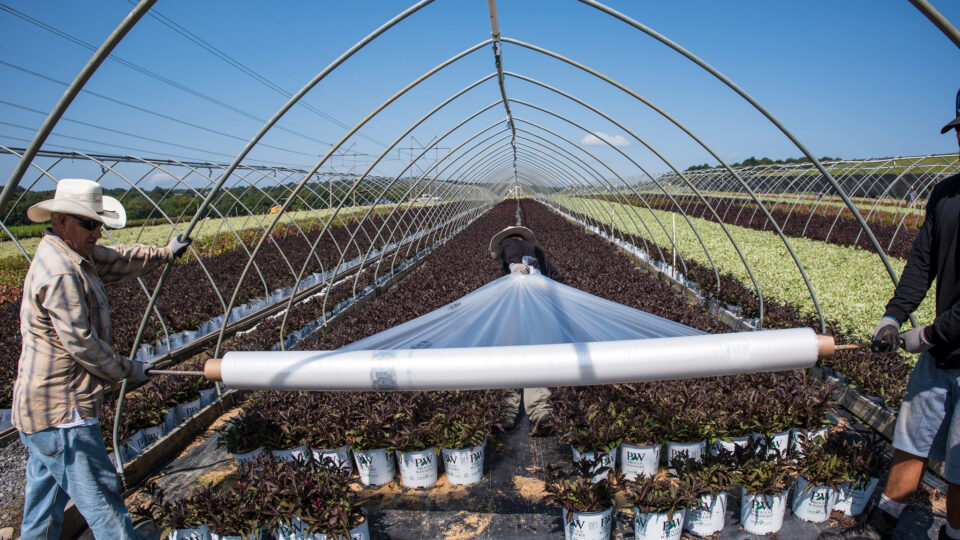
The use of greenhouses around the world has been growing dramatically.  A new satellite mapping exercise estimated the total land area covered with permanent greenhouses at 3.2 million acres, which is an area the size of Connecticut.  More than half of this is in China, where the growth of greenhouses has been driven by the rapid urbanization of the country and by a more prosperous population increasingly consuming produce like tomatoes, cucumbers, peppers, and eggplants.

The intensive agricultural methods employed within greenhouses can be harmful to local environments because of overtaxing water supplies and by polluting rivers and soils with nutrients, pesticides, and plastic waste.  But the effects of vast areas of plastic coverings on local temperatures can be even more dramatic, and often beneficial.

There are so many plastic and glass roofs in many areas that they are reflecting sufficient amounts of solar radiation to cool local temperatures.  Greenhouse roofs increase the albedo – the reflectivity – of the land surface typically by a tenth.

All these greenhouses are just the tip of the albedo iceberg.  Many farms now temporarily cover crops with reflective plastic sheets.  If these coverings are included in the satellite survey, the total reflective area would be about ten times greater – roughly the size of New York State.

A study in Almeria, on the Mediterranean coast of Spain, which grows about 3 million tons of fruit and vegetables annually, determined the cooling effects of greenhouses.  Weather stations amid the greenhouses showed an average cooling of 1.3 degrees Fahrenheit compared with the surrounding area.

Greenhouses are an accidental and benign form of climate engineering. The cooling provided by greenhouses is similar to the effect of white roofs in urban areas. 

**********

Web Links

Could the Global Boom in Greenhouses Help Cool the Planet?

Photo, posted September 6, 2017, courtesy of Lance Cheung / USDA via Flickr.

Earth Wise is a production of WAMC Northeast Public Radio
The slippery slopes of the ski industry

July 18, 2024 By EarthWise Leave a Comment

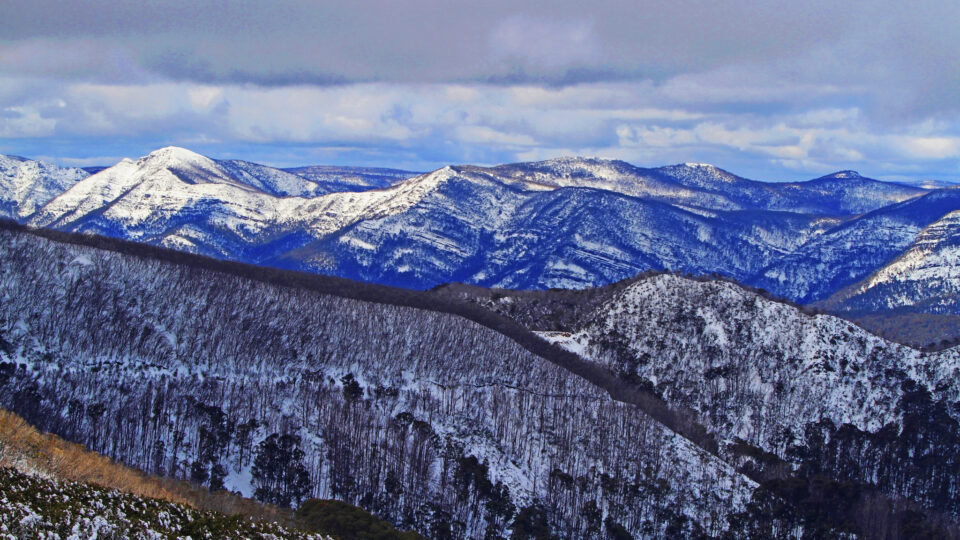
According to the National Oceanic and Atmospheric Administration, snowfall is declining globally as temperatures warm because of human-caused climate change.  Less snow threatens to reinforce global warming, and to disrupt food, water, and livelihoods for billions of people.   

According to new modeling by researchers from Protect Our Winters Australia and The Australian National University, the ski industry in Australia is at risk of major disruptions and shorter seasons if climate change continues unabated.  The researchers found the average ski season across all resorts in Australia will be 44 days shorter by 2050 under a mid-greenhouse gas emissions scenario, and 55 days shorter under a high-emissions scenario.

But the research team also revealed that the Australian ski industry would fare significantly better if decisive action is taken to reduce climate pollution.  In fact, under a low-emissions scenario, the ski season would be 28 days shorter by 2050, before starting to improve by 2080 if emissions are kept down.

However, if decisive climate action isn’t taken, the researchers warn some ski resorts in Australia may be forced to close for good.  But this threat isn’t unique to Australia. 

In fact, according to a study recently published in the journal PLOS ONE, 13% of ski areas around the world are predicted to lose all natural snow cover under the high-emissions scenario by 2071-2100 – relative to their historic baselines. 

The future losses of ski areas around the world will be significant if global emissions continue unchecked.

**********

Web Links

Climate crisis puts Australia’s ski industry on slippery slope, but not all hope is lost

“Our Changing Snowscapes” Report Released

The future is likely less skiable, thanks to climate change

Photo, posted June 6, 2018, courtesy of Clement Tang via Flickr.

Earth Wise is a production of WAMC Northeast Public Radio
Potential for floating solar

July 16, 2024 By EarthWise Leave a Comment

As installations of utility-scale solar power continue to expand around the world, there is the issue of where to put them.  They do take up considerable amounts of space and, in many places, available land is at a premium.

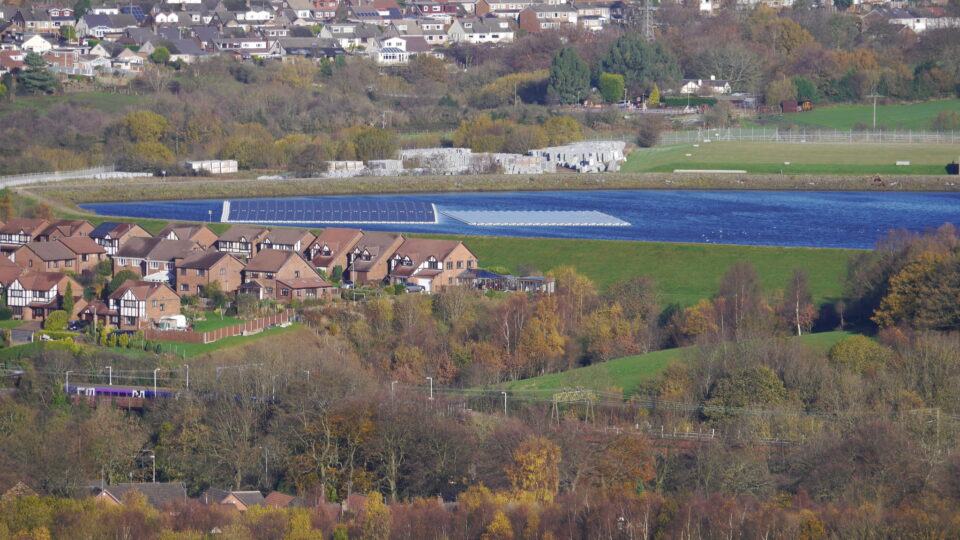
An alternative to taking up available land with solar panels is to deploy them on the surfaces of lakes and reservoirs.  A study by researchers at Bangor and Lancaster Universities in the UK calculated the potential electrical output for floating photovoltaic installation on nearly 68,000 lakes and reservoirs around the world.  The lakes and reservoirs selected were no more than 6 miles from a population center, were not in a protected area, and didn’t dry up and didn’t freeze for more than six months each year.  The calculations were based on covering just 10% of the surface area of the bodies of water.

The calculations were evaluated country-by-country.  Five countries could meet their entire electricity needs by floating installations including Papua New Guinea, Ethiopia, and Rwanda.  Many countries, mostly in Africa, South America, and Central Asia, could get between 40% and 70% of their electricity this way.  Most European countries could only meet a few percent of their electricity needs from floating solar, but even that could be significant. 

There are other benefits to floating solar apart from freeing up land.  The panels stay cooler, making them more efficient, and reservoirs lose less water through evaporation and the growth of algal blooms is reduced because there is less light reaching the water.

**********

Web Links

Some countries could meet their total electricity needs from floating solar panels, research shows

Photo, posted November 25, 2015, courtesy of Smabs Sputzer via Flickr.

Earth Wise is a production of WAMC Northeast Public Radio
Species and climate change

July 4, 2024 By EarthWise Leave a Comment

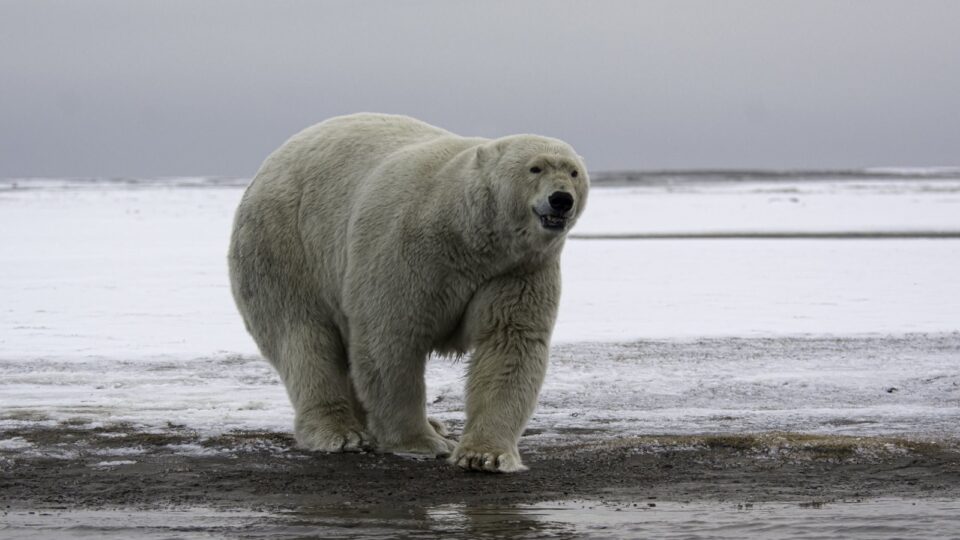
Some species may possess pre-adaptations that could help them better tolerate climate change

Temperature extremes on Earth currently range from a low of -129°F to a high of 134°F.  But these climatic limits have changed throughout history.  In fact, during the last interglacial period 130,000 years ago, temperatures were warmer, resembling what we are projected to experience at the end of this century.

Species that evolved during such periods may possess pre-adaptations that could help them tolerate upcoming changes to the climate.  This factor is often overlooked by traditional statistical models predicting species’ responses to climate change.

But a new model, developed by researchers from Ifremer in France and Lausanne University in Switzerland, has taken this oversight into account, and reassessed the proportion of terrestrial and marine species threatened with extinction by climate change. 

In the study, which was recently published in the journal Nature Ecology and Evolution, the research team applied its model to nearly 25,000 terrestrial and marine species from around the world.  The researchers discovered that 49% of these species live in climate niches near the current climatic limits, and 86% could potentially extend beyond these limits. 

The most surprising result concerns tropical regions. While forecasts from traditional models estimate that the diversity of terrestrial species in tropical areas could decrease by 54% between now and 2041-2060, the new model predicts a more moderate decline of 39%.

The findings confirm the importance of taking urgent measures to mitigate climate change and its impact on biodiversity.

**********

Web Links

Some species may better tolerate climate change than expected

Photo, posted October 23, 2015, courtesy of Anita Ritenour via Flickr.

Earth Wise is a production of WAMC Northeast Public Radio
Minerals from seawater

June 27, 2024 By EarthWise Leave a Comment

Using the minerals from desalination plants

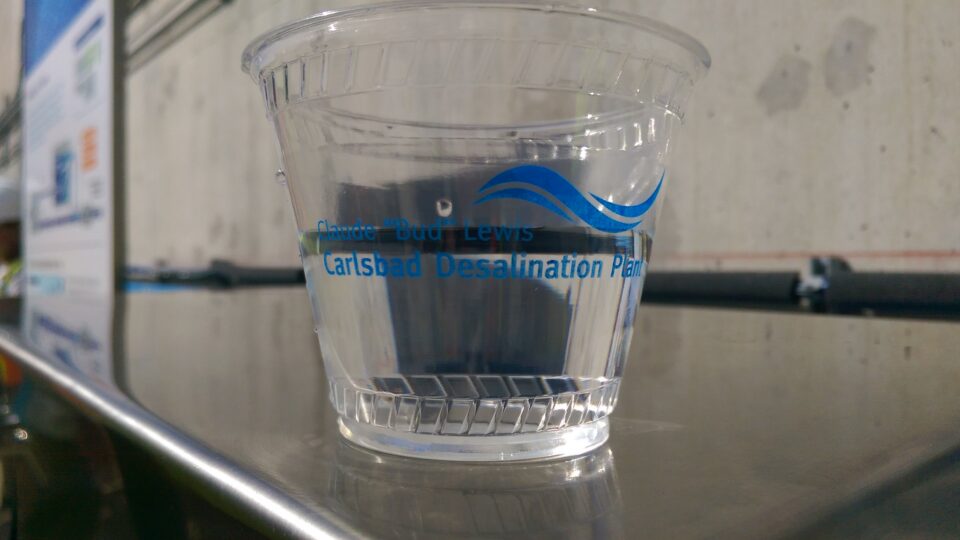
There are about 18,000 desalination plants around the world that take in 23 trillion gallons of water each year.  The plants produce more than 37 billion gallons of brine – enough to fill 50,000 Olympic-size swimming pools – every day.  Disposing of this brine is an ongoing challenge.  Dumping it into the ocean can damage marine ecosystems.  Inland desalination plants either bury this waste or inject it into wells, adding further cost and complexity to the already expensive process of desalination.

According to researchers at Oregon State University, this waste brine contains large amounts of copper, zinc, magnesium, lithium, and other valuable metals.  A company in Oakland, California called Magrathea Metals has started producing modest amounts of magnesium from waste brine in its pilot projects.  With support from the U.S. Defense Department, it is building a larger-scale facility to produce hundreds of tons of the metal over two to four years. 

Most of the world’s magnesium supply comes from China, where producing it requires burning lots of coal and utilizing lots of labor.  Magrathea’s brine mining makes use of off-peak wind and solar energy and is much less labor intensive.

No large-scale brine mining operations currently exist and when there are some, they might end up having negative environmental impacts.  But in principle, the process should produce valuable metals without the massive land disturbance, acid-mine drainage, and other pollution associated with traditional mining.  Brine mining could turn a growing waste problem into a valuable resource.

**********

Web Links

In Seawater, Researchers See an Untapped Bounty of Critical Metals

Photo, posted February 18, 2017, courtesy of Jacob Vanderheyden via Flickr.

Earth Wise is a production of WAMC Northeast Public Radio
Glaciers in Venezuela

June 24, 2024 By EarthWise Leave a Comment

There are nearly 200,000 glaciers in the world.  About 91% of them are in Antarctica and 8% in Greenland.  The rest are scattered across nearly 50 countries.  The non-polar country with the most glaciers is actually Pakistan, which has over 7,200 of them.  But as the world continues to warm, glaciers are shrinking back, and many are disappearing altogether.

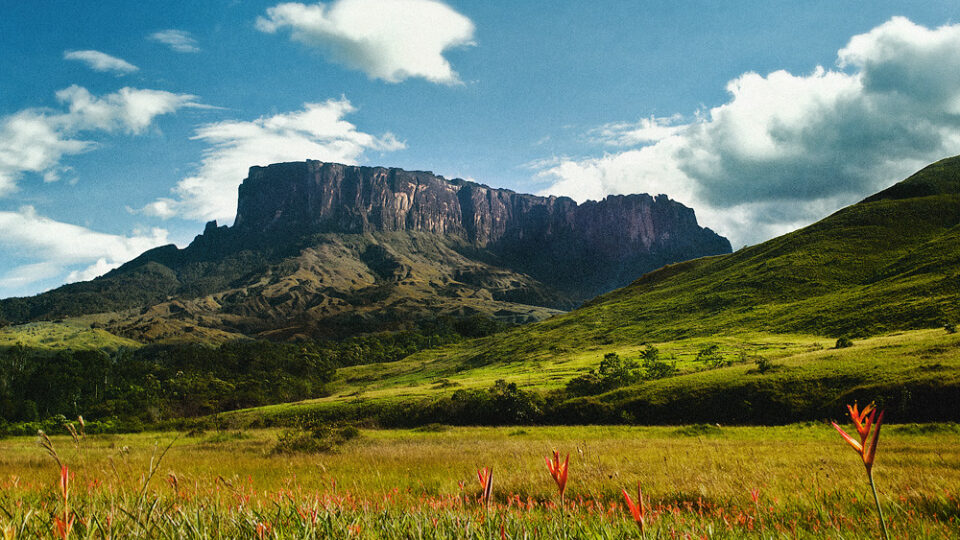
Venezuela, once home to six glaciers, has become the first country in the Americas to lose all of its glaciers.  Slovenia is considered to be the first country to lose its glaciers in modern times, perhaps as long as 30 years ago.  Glacial thawing has been worsening over the past decade throughout the Andes, which cover parts of Colombia, Venezuela, Bolivia, Ecuador, Peru, Chile, and Argentina.

Five of Venezuela’s glaciers had largely melted away by 2011.  The Humboldt glacier, which is on the highest peak in the Cordillera de Mérida mountain range in Venezuela, has now been declared as too small to be classified as a glacier.  It once covered over a thousand acres; it now has less than 5 acres of ice.  The US Geological Survey defines glaciers as ice bodies extending 25 acres or more.

The loss of glaciers in the Andes has serious consequences for communities that live on their slopes and depend upon glacial melt for water and for energy and food production. 

At least 80% of glaciers worldwide are on track to mostly disappear by the year 2100 because of global warming.  Given that previous forecasts estimated that the Humboldt glacier might last another decade, the prospects for the world’s remaining glaciers are not good.

**********

Web Links

Venezuela becomes first nation in the Americas to lose all glaciers

Photo, posted November 11, 2012, courtesy of Tim Snell via Flickr.

Earth Wise is a production of WAMC Northeast Public Radio

A month of extra-hot days

June 19, 2024 By EarthWise Leave a Comment

Climate change increasing number of hot days each year

The past 12 months have been the hottest ever measured across the globe.  This may not be everyone’s experience in every location, but the average person on Earth experienced 26 more days of abnormally high temperatures than they would have in the absence of climate change.

Researchers considered a given day’s temperature to be abnormally high in a particular location if it exceeded 90% of the daily temperatures recorded there between 1991 and 2020.  Nearly 80% of the world’s population experienced at least 31 days of abnormal warmth since May of 2023.  Theoretically, the number of unusually warm days would have been far fewer in the absence of global warming.

In some countries, the extra-warm days added up to two or three weeks.  In others, such as Colombia, Indonesia, and Rwanda, there were up to 4 months of them. The average American experienced 39 days of extra-warm temperatures since last May.

Scientists also added up how many extreme heat waves the planet experienced since last May.  These are defined as episodes of unseasonable warmth across a large area, lasting three or more days, and causing significant loss of life or disruption to infrastructure or industry.  In total, the researchers identified 76 such episodes, affecting 90 countries, on every continent except Antarctica.

The world’s climate is now shifting toward the La Niña phase of the cyclical pattern called the El Niño-Southern Oscillation. This usually leads to cooler temperatures on average, but the recent heat could have lingering effects on weather and storms for months to come, including what is expected to be an extraordinarily active Atlantic hurricane season.

**********

Web Links

Climate Change Added a Month’s Worth of Extra-Hot Days in Past Year

Photo, posted December 21, 2011, courtesy of Maggie Lin Photography via Flickr.

Earth Wise is a production of WAMC Northeast Public Radio

Olive oil and climate change

June 18, 2024 By EarthWise Leave a Comment

Climate change threatens the future of olive oil

Olive oil is a liquid fat obtained by mashing whole olives and extracting the oil.  A superfood staple of the Mediterranean diet, olive oil is used in kitchens around the world for frying, sauteing, baking, and as a condiment.  It can also be widely found in cosmetics, soaps, and pharmaceutical products. 

Globally, 2.6 million tons of olive oil were consumed last year.  Spain is currently the world’s largest producer of this “liquid gold,” accounting for 44% of global production.  The second largest producer of olive oil is Italy, followed by Greece, Tunisia, Turkey, and Morocco.   

But recently, the price of olive oil has been rocketing up.  Droughts, wildfires, floods, and heat waves, combined with pests, have punished olive-producing regions around the world.  The climate-fueled extreme weather has significantly impacted olive oil production in southern Europe.  Olive trees are exceedingly vulnerable to climate change. 

Spain, for example, typically produces somewhere between 1.3 to 1.5 million metric tons of olive oil each harvest.  However, officials expect a production range of only 830,000 to 850,000 metric tons this season. 

This shortage has sent prices soaring.  According to the International Monetary Fund, the average price of olive oil has doubled over the past two years.  In fact, the price is currently hovering at or around $10,000 per metric ton.  And there doesn’t seem to be much relief in sight.  

The record-breaking price has also unsurprisingly fueled a surge in crime, with criminals targeting supermarkets, oil mills, and olive groves. 

The changing climate continues to threaten food security around the world. 

**********

Web Links

‘Liquid gold’: An olive oil shortage is fueling record prices and food insecurity fears

Extra virgin olive oil prices tipped to top £16 a litre next month

Photo, posted October 29, 2015, courtesy of the U.S. Department of Agriculture via Flickr.

Earth Wise is a production of WAMC Northeast Public Radio
Around-the-clock clean energy

June 14, 2024 By EarthWise Leave a Comment

Using solar and wind power can go a long way toward replacing fossil fuel-generated electricity, particularly with the addition of battery energy storage.  But because of the intermittent nature of both sun and wind, other sources are still needed.  There is also the need for ways to produce high temperature for industrial processes.  Complete decarbonization will require a host of complementary technologies.

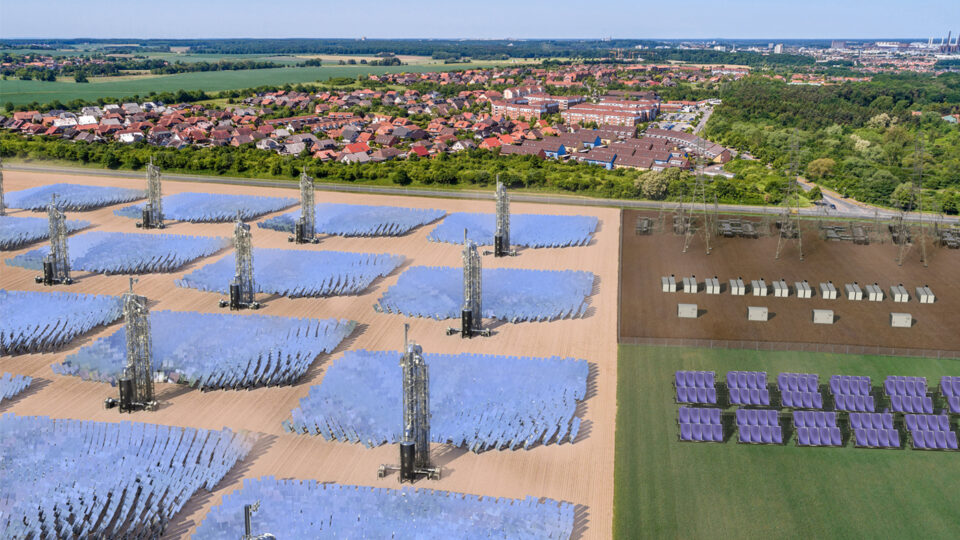
A spinout company from MIT called 247Solar is building high-temperature concentrated solar power systems that make use of overnight thermal energy storage to provide electric power around the clock as well as industrial-grade heat.

The system uses a field of sun-tracking mirrors to reflect sunlight to the top of a central tower.  A proprietary solar receiver heats air to over 1,800 degrees Fahrenheit.  The heated air drives turbines that generate 400 kilowatts of electricity and produces 600 kilowatts of heat.  Some of the hot air is routed through a long-duration thermal energy storage system and the stored heat is then used to drive the turbines when the sun isn’t shining.  The unique part of the technology is not the concentrated solar power; it is the solar receiver.

The modular systems can be used as standalone microgrids for communities, or to provide power in remote places.  They can also be used in conjunction with conventional wind and solar farms to enable around-the-clock renewable power.

The first deployment will be with a large utility in India.  If it is successful, 247Solar hopes to scale up rapidly with other utilities, companies, and communities around the globe.

**********

Web Links

Offering clean energy around the clock

Photo credit: 247Solar.

Earth Wise is a production of WAMC Northeast Public Radio
The largest carbon removal plant

June 11, 2024 By EarthWise Leave a Comment

Direct air capture (DAC) is process that removes carbon dioxide out of the air and stores it away where it can no longer trap heat in the atmosphere.  It is intended to be a way of getting rid of the greenhouse gases that have built up in the atmosphere.  In principle, it’s a great idea.  In practice, it is a huge challenge.

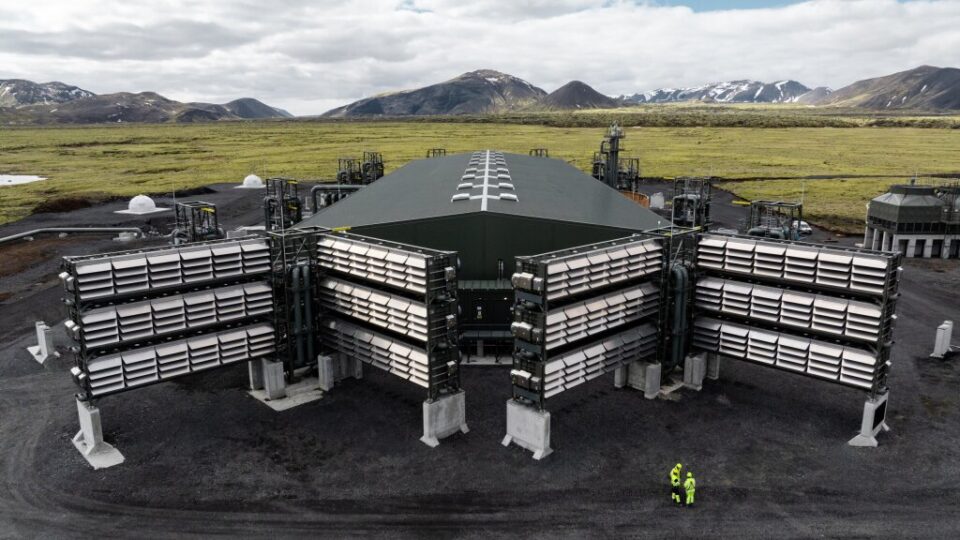
In 2017, a company called Climeworks became the first company to take carbon dioxide out of the air and sell it as a product for use in carbonated drinks and in greenhouses.  In 2021, the company opened a DAC plant called Orca in Iceland that captures CO2 and permanently stores it underground.  Clients like Microsoft pay Climeworks for doing this as a way of offsetting their own emissions.

Recently, Climeworks has started operating a new plant called Mammoth – also in Iceland – that will be able to capture about 10 times more carbon dioxide than Orca.  Iceland is a prime location for DAC technology because its abundant geothermal energy makes powering it cheap and environmentally friendly.

Mammoth, when fully operational, will remove about 36,000 tons of carbon dioxide a year, the largest DAC system in the world.  But there is a long, long way to go.  Microsoft alone emits nearly 13 million tons of carbon dioxide a year.

There are multiple DAC projects in development including several in the United States being funded by the Bipartisan Infrastructure Law.  The four DAC hubs being developed under the program are each supposed to have the capacity to capture at least a million metric tons of CO2 a year.

Whether DAC can make a real difference remains to be seen.

**********

Web Links

The world’s largest carbon removal plant is here, and bigger ones are on the way

Photo credit: Climeworks

Earth Wise is a production of WAMC Northeast Public Radio

Fireflies are in decline

June 10, 2024 By EarthWise 2 Comments

Fireflies are in decline in North America

If you are seeing fewer fireflies each year, you’re not alone.  Like many insects, firefly populations are in decline.  A new study by researchers from the University of Kentucky, Bucknell University, Penn State University, and the USDA has shed some light on the precarious situation facing firefly populations across North America. 

The research team used a mix of field surveys from citizen scientists and advanced machine learning techniques to analyze more than 24,000 surveys from the Firefly Watch citizen science initiative.  The study, which was recently published in the journal Science of the Total Environment, identified the factors likely responsible for the declines in firefly populations. 

The research team found that fireflies are sensitive to various environmental factors, from short-term weather conditions to longer climatic trends.  Fireflies thrive in temperate and tropical climates.  As global temperatures rise, these conditions become less predictable and less hospitable.

Light pollution is another threat to fireflies.  Artificial light at night – from things like street lights and billboards – is particularly disruptive to fireflies as it interferes with their bioluminescent communication essential for mating.

Urban growth, including buildings, roads, and sidewalks, poses another significant threat to fireflies by overtaking their natural habitats and decreasing available breeding areas. 

Additionally, certain agricultural practices seem to contribute to the decline of fireflies. 

According to the research team, reducing light pollution, preserving natural habitats, and implementing wildlife-friendly agricultural practices are conservation measures that could help mitigate the decline of fireflies. 

**********

Web Links

Fading lights: Comprehensive study unveils multiple threats to North America’s firefly populations

Photo, posted July 12, 2021, courtesy of Bruce Hallman/USFWS via Flickr.

Earth Wise is a production of WAMC Northeast Public Radio

EV growth and oil demand

June 7, 2024 By EarthWise Leave a Comment

EV growth to slow oil demand

There has been lots of talk recently about the transition to electric vehicles sputtering out.  Several automakers have delayed their EV programs citing reduced demand for the vehicles and lack of profitability.  In the bigger picture, the auto industry as a whole is in a rough patch as rising interest rates and other factors have reduced car buying.

Despite all this doom and gloom talk, sales of electric vehicles will hit an all-time high this year.  Adoption of EVs is accelerating more quickly than many people expected and government policies in China, the United States, and Europe have had a significant impact on vehicle sales.  In China, 37% of new cars sold last year were electric.  The country hit its 2025 target three years early and this year the figure could hit 45%.

But even as electric car sales rapidly increase, oil demand has continued to climb, reaching 100 million barrels a day, slightly more than it was before the COVID-19 pandemic.  The International Energy Agency expects that oil demand will peak before the end of this decade, but oil consumption could remain strong for decades unless there is further policy action encouraging the transition away from it.

Some experts say that the IEA’s models don’t take into account how quickly the world is changing.  New emission rules are expected to speed the adoption of EVs and plug-in hybrids.  In addition, falling battery costs are making the economics of electric vehicles increasingly attractive.  If EV adoption accelerates more rapidly than these models predict, then oil consumption could drop much more quickly.

However, the oil industry is deeply embedded in modern life and is not likely to fade away without a fight.

**********

Web Links

EV Sales Are Taking Off. Why Is Oil Demand Still Climbing?

Photo, posted September 9, 2020, courtesy of Chris Yarzab via Flickr.

Earth Wise is a production of WAMC Northeast Public Radio

Gravity storage on the grid

June 4, 2024 By EarthWise Leave a Comment

For the past several years, the Swiss-based company Energy Vault has been developing an energy storage system based on the principle of using mechanical devices to lift heavy concrete blocks into stacks using power generated by wind turbines or other renewable sources.  When energy is needed, the blocks are lowered back to the ground, spinning generators in the process.

The principle of storing energy in the form of gravitational potential energy is the most widely used form of energy storage in existence but usually works by pumping water into a reservoir at higher elevation and then letting the water come back down when energy is needed.

Energy Vault has built a grid-scale 100 MWh gravity storage system in Rudong China.  It has now been successfully tested with charging and discharging and has been commissioned. Pending final provincial and state approvals, it will be the world’ first commercial, utility-scale non-pumped hydro gravity energy storage system.

The Rudong project teamed Energy Vault with environmental management company CTNY and Atlas Renewable.  Energy Vault has extended its license agreement with Atlas Renewable to 15 years.  CTNY has announced plans for eight additional deployments of the Energy Vault gravity storage system across China, representing more than 3.7 GWh of energy storage.

Energy Vault’s technology has attracted a fair amount of skepticism from parts of the energy community based on the environmental burdens of concrete as well as durability issues.  It appears the technology will have significant real-world testing in China, which should provide unambiguous answers to everyone’s questions.

**********

Web Links

Energy Vault Announces Successful Testing and Commissioning of First EVx 100 MWh Gravity Energy Storage System by China Tianying, Extension of Atlas Renewable Licensing Agreement to 15 Years

Photo, posted December 21, 2018, courtesy of Nancy Winfrey via Flickr.

Earth Wise is a production of WAMC Northeast Public Radio

Palm oil and water quality

June 3, 2024 By EarthWise Leave a Comment

Palm oil is the world’s cheapest and most widely used vegetable oil.  In fact, more than 86 million tons of palm oil was consumed last year alone.  Even though few of us cook with it, palm oil can be found in approximately half of all packaged grocery items – everything from ice creams and pizzas to detergents and cosmetics. 

This massive global demand for palm oil is driving tropical deforestation around the world.  While many studies have shown how converting rainforests to oil palm plantations causes biodiversity loss, researchers from UMass Amherst are the first to demonstrate how these plantations also cause wide-ranging disturbances to nearby watersheds.

In the study, which was recently published in the journal Science of the Total Environment, the research team focused on the Kais River watershed of West Papua, a province in the far east of Indonesia.  Approximately 25% of the watershed has been turned into oil palm plantations. The watershed is also one of the oldest continually inhabited homes for different groups of Indigenous Papuans.

The researchers found that the conversion of tropical rainforest to oil palm plantation has increased precipitation, runoff, and soil moisture. Water quality in the watershed has also gotten dramatically worse: sedimentation has increased by 16.9%, nitrogen by 78.1%, and phosphorus by 144%.

The research team hopes regulators will work to limit the use of pesticides, conduct continuous water quality monitoring, and ensure that downstream communities have access to water quality information. 

**********

Web Links

Oil Palm Plantations Are Driving Massive Downstream Impact to Watershed

Photo, posted December 13, 2008, courtesy of Fitri Agung via Flickr.

Earth Wise is a production of WAMC Northeast Public Radio
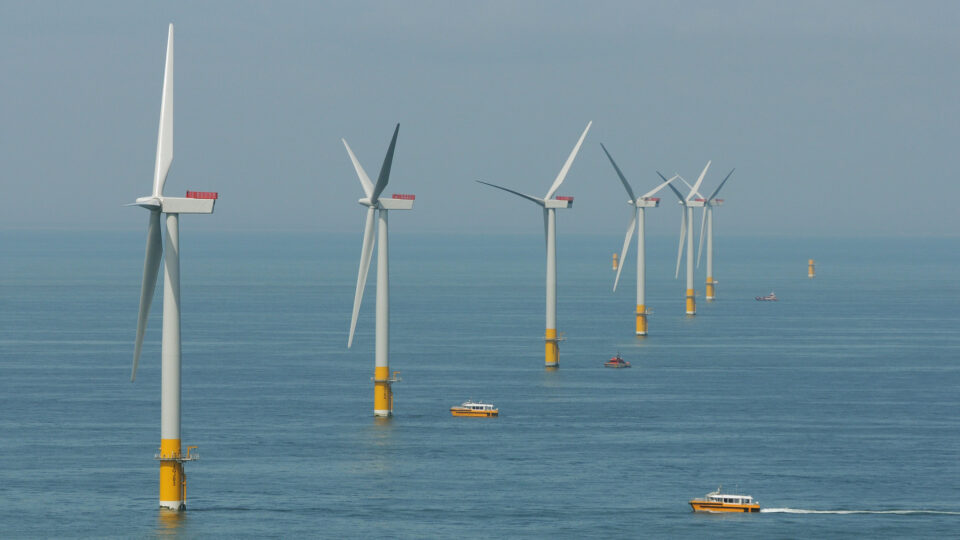
A setback for New York offshore wind

May 24, 2024 By EarthWise Leave a Comment

A big blow to offshore wind efforts in New York

Three major offshore wind projects in New York have been cancelled because of the unavailability of technology critical to the projects.  The projects were part of NYSERDA‘s third offshore wind solicitation and were provisionally awarded last October.  The projects, which totaled more than 4 GW of clean energy, were supposed to begin commercial operation in 2030.

The projects were Attentive Energy One, intended to benefit historically marginalized communities in New York City; Community Offshore Wind, a farm located 64 miles offshore that would power 500,000 homes; and Excelsior Wind, which would have powered 700,000 homes.

What happened is GE Vernova – a GE spinoff energy equipment company – decided to no longer develop its new 18 MW Haliade-X wind turbines and instead concentrate on its lower-powered models which already have ample demand.  The material changes to the three projects using the turbines made them no longer viable and the developers and their partners could no longer come to terms.  As a result, NYSERDA decided to not go forward with the awards.

While this represents a significant blow to the offshore wind industry and to New York’s renewable energy goals, NYSERDA said that it remains committed to advancing New York’s offshore wind industry and expects to announce new plans and additional projects in the near future.

In the bigger picture, 2023 was a record year for wind power; the world installed 117 gigawatts of new wind capacity.  This year has seen the first major offshore wind farms come online in the US.

**********

Web Links

Massive New York projects nixed as NYSERDA concludes third offshore wind solicitation

Photo, posted August 7, 2013, courtesy of Department of Energy and Climate Change via Flickr.

Earth Wise is a production of WAMC Northeast Public Radio
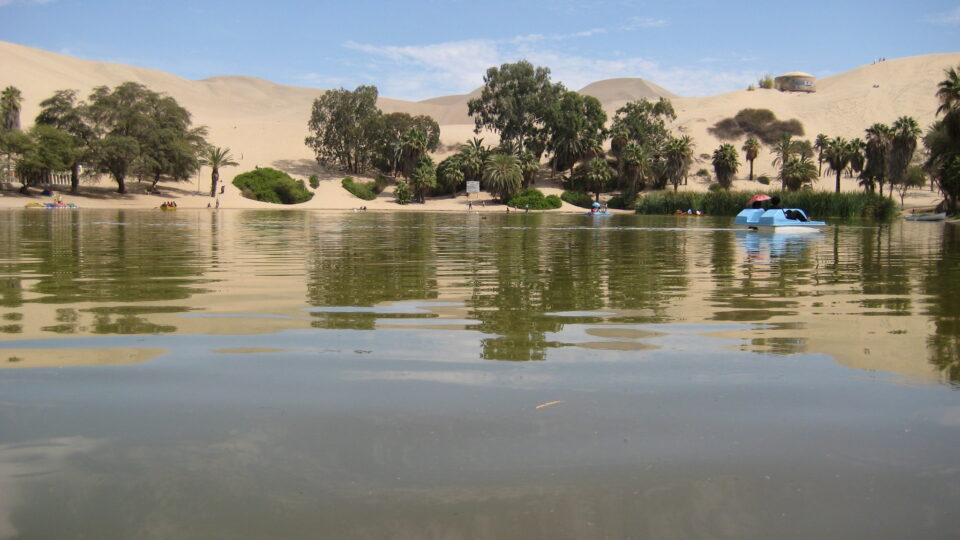
Oases and desertification

May 21, 2024 By EarthWise Leave a Comment

Oases are important sources of water for people, plants, and animals in the world’s desert areas.  In fact, oases sustain 10% of the world’s population despite taking up only about 1.5% of land area.  They form when groundwater flows and settles into low-lying areas or when surface meltwater flows down from nearby mountains and pools.

New research from the Chinese Academy of Sciences has found that oases added 85,000 square miles of new area from 1995 to 2020, mostly from artificial expansion projects, but over the same period lost 52,000 square miles from desertification and water scarcity.  The net gain of 33,000 square miles is not considered to be sustainable given that it was mostly due to artificial causes.  The oasis expansion projects were in Asia but losses due to desertification were also mostly in Asia.

Today, oases are found in 37 countries.  Increases in oases mostly come from people intentionally converting desert land into oases using runoff water and groundwater pumping, creating grasslands and croplands. This mostly has taken place in China.

Human over-exploitation of dwindling groundwater can limit the sustainability of oases as can the long-term loss of glaciers.

The study highlighted ways to sustain healthy oases, including suggestions for improving water resource management, promoting sustainable land use and management, and encouraging water conservation and efficient water use.  As the climate continues to change, these efforts will be increasingly important for a significant portion of the world’s population.

**********

Web Links

World’s Oases Threatened By Desertification, Even As Humans Expand Them

Photo, posted August 3, 2008, courtesy of Paul Williams via Flickr.

Earth Wise is a production of WAMC Northeast Public Radio

Climate change and Antarctic meteorites

May 1, 2024 By EarthWise Leave a Comment

Researchers from Switzerland and Belgium have investigated the effects of the warming climate on access to meteorites in Antarctica.  Meteorites are of great scientific interest because they provide unique information about the makeup of our solar system.  Of all the meteorites that people have found, 62.6% of them were found in Antarctica.

Why is this?  It is not because more meteorites land in Antarctica.  Statistically, they can land anywhere on earth.  Most end up in the ocean since the world’s oceans cover 70% of the planet. 

Meteorites in Antarctica are more visible because environmental conditions are favorable for their preservation and their visibility.  The arid and cold Antarctic environment helps to preserve meteorites and the lack of rocks and contrast with ice makes spotting meteorites much easier.  The flow of ice sheets tends to concentrate meteorites in so-called meteorite stranding zones where the dark colored space rocks can be easily detected.

There are an estimated 300,000 to 800,000 meteorites in Antarctica.  When meteorites warm up, they can transfer heat to the ice, which locally melts.  Eventually, the meteorites sink beneath the surface.  A recent study using satellite imagery, climate model projections, and AI predicts that for every tenth of a degree of increase in global air temperature, an average of 9,000 meteorites in Antarctica will disappear from the surface and will no longer be able to be found. 

The study estimates that a quarter of Antarctic meteorites will be lost to glacial melt by 2050.  If warming continues to accelerate, closer to three-quarters of the meteorites on the continent will be lost. 

**********

Web Links

Climate change threatens Antarctic meteorites

Photo, posted April 21, 2005, courtesy of Kevin Walsh via Flickr.

Earth Wise is a production of WAMC Northeast Public Radio

  • « Go to Previous Page
  • Page 1
  • Page 2
  • Page 3
  • Page 4
  • Page 5
  • Interim pages omitted …
  • Page 13
  • Go to Next Page »

Primary Sidebar

Recent Episodes

  • An uninsurable future
  • Clean energy and jobs
  • Insect declines in remote regions
  • Fossil fuel producing nations ignoring climate goals
  • Trouble for clownfishes

WAMC Northeast Public Radio

WAMC/Northeast Public Radio is a regional public radio network serving parts of seven northeastern states (more...)

Copyright © 2026 ·