• Skip to primary navigation
  • Skip to main content
  • Skip to primary sidebar

Earth Wise

A look at our changing environment.

  • Home
  • About Earth Wise
  • Where to Listen
  • All Articles
  • Show Search
Hide Search
You are here: Home / Archives for world

world

The largest iceberg runs aground

April 10, 2025 By EarthWise Leave a Comment

The largest iceberg in the world, which has been slowly drifting for nearly 5 years, has finally come to a halt.  The iceberg – called the unexciting name A-23A – came into existence in 1986 when it broke off from another iceberg A-23 that had calved or torn off from Antarctica earlier that year.  For decades, A-23A sat in the Weddell Sea, east of the Antarctic Peninsula.  Then, in 2020, it came loose from the seafloor and began to move.  By 2023, it finally left Antarctic Waters.

Late last year, it began spinning in place caught in an ocean current called a Taylor column.  Finally, it headed for South Georgia, a British-owned island that is home to a couple dozen people and lots of seals and penguins.  A-23A is now stuck on the continental shelf, about 50 miles from the island.

A-23A is around 1,300 square miles in area.  By comparison, New York City is 300 square miles.

Four years ago, a large iceberg called A-68A also came to ground in the vicinity of South Georgia.  It quickly broke apart and ultimately added 150 billion metric tons of fresh water to the ocean as well as various nutrients.  A-23A is also likely to succumb to the warmer waters, winds, and currents it now encounters and will affect the flora and fauna in the area.

The climate is changing and is impacting how ice shelves melt.  Calving and the creation of mammoth icebergs are a normal part of the lifecycle of polar ice sheets, but we are likely to see even more events like this in the future.

**********

Web Links

World’s Largest Iceberg Runs Aground

Photo, posted January 29, 2011, courtesy of Drew Avery via Flickr.

Earth Wise is a production of WAMC Northeast Public Radio

Rising seas are destroying buildings

April 8, 2025 By EarthWise Leave a Comment

Alexandria is the second largest city in Egypt and is the largest city on the Mediterranean coast.  Its history goes back over 2,300 years and it was once home to a lighthouse that was among the Seven Wonders of the Ancient World and a Great Library that was the largest in the ancient world.  The modern city has more than 6 million residents but still has many historic buildings and ancient monuments.  But perhaps not for long.

Rising seas and intensifying storms are taking a toll on the ancient port city.  For centuries, Alexandria’s historic structures have endured earthquakes, storm surges, tsunamis, and more.  They are truly marvels of resilient engineering.  But now, climate change is undoing in decades what took millennia for humans to create.

Over the past two decades, the number of buildings collapsing in Alexandria has risen tenfold.   Buildings are collapsing from the bottom up as a rising water table weakens soil and erodes foundations.  Since 2001, Alexandria has seen 290 buildings collapse.  Comparing present-day satellite imagery with decades-old maps, the authors of a study by the Technical University of Munich have tracked the retreat of Alexandria’s shorelines to determine where seas have intruded into groundwater. The authors say that more than 7,000 buildings in Alexandria are at risk.  They call for building sand dunes and planting trees along the coast to block encroaching seawater.

The true cost of this gradual destruction goes far beyond bricks and mortar.  This is the gradual disappearance of historic coastal cities.  Alexandria is a warning for such cities around the world.

**********

Web Links

In This Storied Egyptian City, Rising Seas are Causing Buildings to Crumble

Photo, posted September 11, 2012, courtesy of Sowr via Flickr.

Earth Wise is a production of WAMC Northeast Public Radio
Sand mining and the environment

March 18, 2025 By EarthWise Leave a Comment

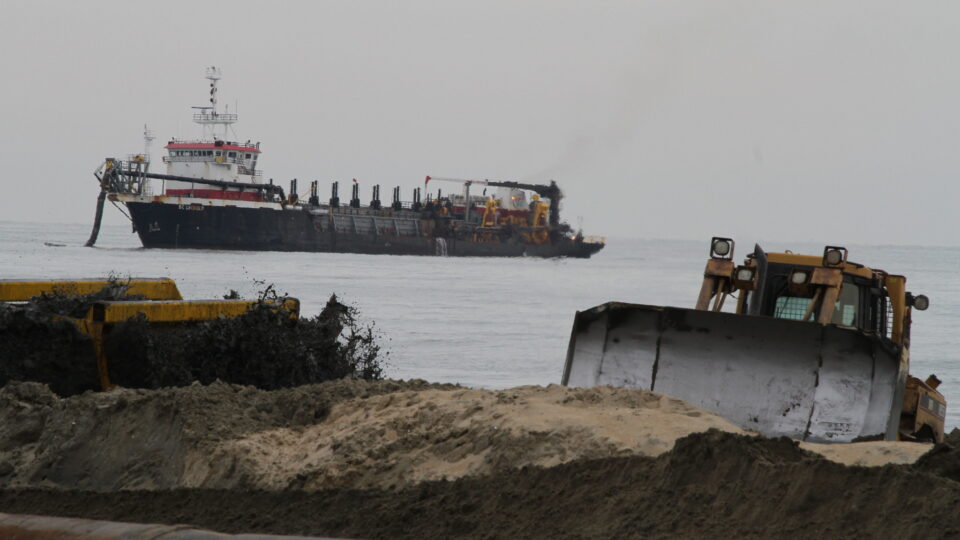
Sand mining is the world’s largest mining endeavor.  It is responsible for 85% of all mineral extraction.  It is also the least regulated, possibly the most corrupt, and likely the most environmentally destructive.  Sand is the second-most exploited natural resource in the world after water.  Its global use has tripled in the past two decades.  More than 50 billion tons of sand is extracted from the environment each year.

Sand plays a critical role in much of human development around the world.  It is a key ingredient of concrete, asphalt, glass, and electronics.  It is relatively cheap and relatively easy to extract.  But we use enormous amounts of it.

Sand mining is a major threat to rivers and marine ecosystems.  It is linked to coastal erosion, habitat destruction, the spread of invasive species, and damage to fisheries. 

The harm from sand mining is only beginning to attract widespread attention.  A recent study by an international group of scientists published in the journal One Earth identifies        threats posed by sand mining.  Sand extraction in marine environments remains largely overlooked, despite sand and sediment dredging being the second most widespread human activity in coastal areas after fishing.

Sand is generally seen as an inert, abundant material, but it is an essential resource that shapes coastal and marine ecosystems, protects shorelines, and sustains both ecosystems and coastal communities.  Sand extraction near populated coastlines is particularly problematic as climate change makes coastlines increasingly fragile.

Like all other resources on our planet, even sand cannot be taken for granted.  It must be responsibly managed.

**********

Web Links

The rising tide of sand mining: a growing threat to marine life

Photo, posted February 7, 2013, courtesy of Pamela Spaugy / U.S. Army Corps of Engineers via Flickr.

Earth Wise is a production of WAMC Northeast Public Radio

The human footprint on Earth

February 6, 2025 By EarthWise Leave a Comment

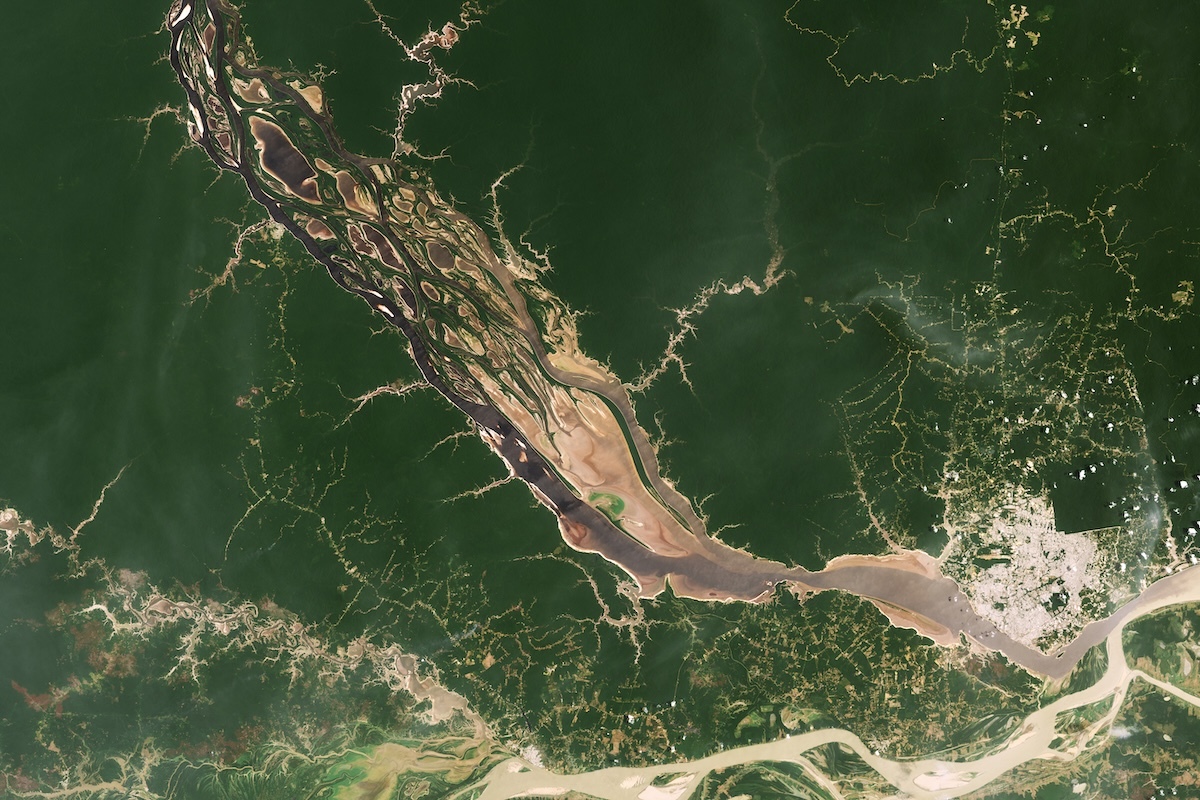
The Earth is a pretty big place, and it is easy to think that humans and their activities occupy very little of it.  But the impact of human activities on our planet continues to grow.  Recent satellite images from NASA’s Earth Observatory show the staggering extent of the human footprint on Earth.

Agriculture is a major part of it.  Farms and pastures take up almost half of the world’s habitable land – land not covered by ice or desert.  Greenhouses have recently proliferated tremendously and now cover 3.2 million acres, an area the size of Connecticut, and they even have effects on local climates.

More than half of the world’s population now lives in cities, which are expanding rapidly.  Enormous cities in Asia are changing the landscape in places like Thailand and Indonesia.  Apart from taking up lots of land, many of the world’s cities are immersed in clouds of air pollution that they generate.

Greenhouse gas emissions continue to grow, and temperatures continue to rise.  The effects of this on the planet are increasingly evident.  Seas are rising, ice is melting, glaciers shrink away, and wildfires continue to burn.  The massive wildfires in and around Los Angeles have made major changes in the local landscape.  Rising seas have flooded coastal wetlands and elsewhere, rivers and lakes have shrunk.

There are also human impacts visible from space that represent positive signs.  Large solar arrays supply the cheapest form of energy in most parts of the world and the number and size of solar installations are at a record high.   These solar installations provide some hope that global warming can be slowed.

**********

Web Links

The Growing Human Footprint on Earth, as Seen from Space

Photo, posted July 28, 2012, courtesy of Beth Scupham via Flickr.

Earth Wise is a production of WAMC Northeast Public Radio

Engineering plants to consume more carbon dioxide

January 23, 2025 By EarthWise Leave a Comment

The most abundant protein on the planet is an enzyme called ribulose-1,5-bisphosphate carboxylase/oxygenase, better known as RuBisCO.  Its critical role in photosynthesis makes life as we know it on earth possible.  What it does is convert carbon dioxide from the atmosphere into the organic matter contained in plants.

Getting plants to take up more carbon dioxide from the atmosphere is a key strategy for mitigating climate change.  Planting lots of trees is one way to do it.  Another is to get individual plants to capture more carbon dioxide.

Scientists at the University of Illinois have focused on getting plants to produce more RuBisCO which allows them to grow faster, consuming more carbon dioxide in the process.

Some plants are better than others at taking advantage of the earth’s rising carbon dioxide levels.  Among these are food crops like corn, sugarcane, and sorghum.  Such plants’ growth is not primarily limited by how much carbon dioxide is in the atmosphere but rather by how much RuBisCO is in their leaves.  The Illinois scientists tweaked genes in corn and sorghum to produce plants containing more RuBisCO.  Laboratory experiments on corn demonstrated faster corn growth.  Recent outdoor field experiments on sorghum demonstrated a 16% boost in its growth rate. 

Improving photosynthesis in this way is not only a potential strategy for increasing plants’ ability to combat climate change.  It is also a way to cope with the world’s increasing demand for food by producing crops that can grow larger and more quickly.

**********

Web Links

Scientists Engineer Crops to Consume More Carbon Dioxide

Photo, posted April 12, 2016, courtesy of K-State Research and Extension via Flickr.

Earth Wise is a production of WAMC Northeast Public Radio

Investing in carbon capture

January 22, 2025 By EarthWise Leave a Comment

The interests of billionaires seldom seem to coincide with our own.  In fact, they often seem to be quite the opposite.  But there are a number of billionaires who are trying to help the world combat climate change.  Yes, they want to make money doing it, but doing it is nevertheless in everyone’s interest.

A group headed by Bill Gates that included some of the wealthiest people from around the world met last summer in London to evaluate companies working to mitigate the effects of climate change.  These included companies developing carbon dioxide removal technologies.  Stripping carbon dioxide out of the atmosphere is an obvious way to deal with the fact that we continue to dump too much of it into the atmosphere –   obvious, but extremely difficult to do at any scale that makes a difference.

Companies working on carbon capture have raised more than $5 billion since 2018.  There are hundreds of companies working on it and investors include billionaires, venture capitalists, private equity firms, and major corporations.  Companies like Microsoft, Google, and United Airlines have committed billions of dollars to purchase removal credits:  payments to companies for removing carbon dioxide.

There are only a few dozen carbon removal facilities operational today and together they only capture a tiny fraction of the carbon dioxide humans release into the atmosphere.  The hope is that such facilities will scale up in size and number so that they will make a real dent in the problem.  But it will take many years at best, and the planet doesn’t have that much time.  To make a difference, carbon emissions must be reduced as quickly as possible.

**********

Web Links

The New Climate Gold Rush: Scrubbing Carbon From the Sky

Photo, posted April 19, 2020, courtesy of Greg Rubenstein via Flickr.

Earth Wise is a production of WAMC Northeast Public Radio
The UN Carbon Market

January 13, 2025 By EarthWise Leave a Comment

The UN climate conference in November approved an official market for large-scale trading of carbon credits.  This will allow industrial countries to help meet their emission reduction targets set by the Paris Climate Agreement by paying other nations to protect and restore forests and carbon-rich peatlands.

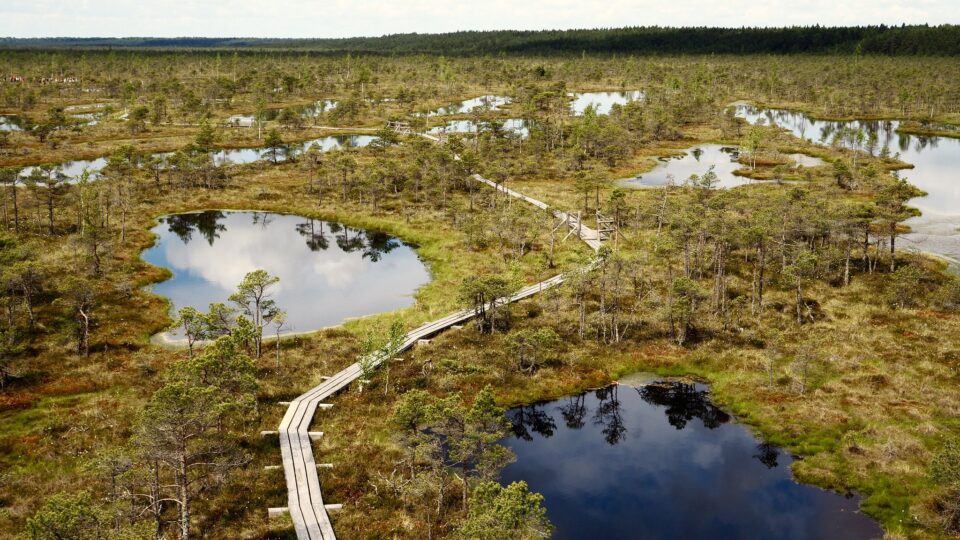
The first major participant in this multi-billion-dollar enterprise is Indonesia.  That country is home to the world’s third largest expanse of tropical rainforests and more than a third of the world’s carbon-storing peatlands.  Indonesia’s government plans to raise up to $65 billion by 2028 by selling carbon credits accrued by restoring and protecting its forests and peatlands.

The problem with carbon trading is that it can be filled with loopholes ranging from inaccurate carbon accounting to outright fraud.  Carbon trading with both individual companies and other countries can result in double- and even triple-counting of the same carbon.

For example, carbon credits are assigned when forests earmarked for agricultural or other development are preserved instead of being felled.  But what if that forest destruction wasn’t going to happen even without selling carbon credits? 

There are organizations in the business of verifying carbon accounting, but independent analysis of their methodologies has revealed serious shortcomings, and in many cases, the verifications have been deemed to be worthless.

There are real problems with carbon accounting and setting correct baselines for the carbon emission reductions associated with carbon credits.  Nevertheless, the existence of a global carbon market can be an important tool in the world’s efforts to mitigate the effects of climate change.

**********

Web Links

Will UN Carbon Market Work? Indonesia Will Provide First Test

Photo, posted June 12, 2017, courtesy of Runa S. Lindebjerg via Flickr.

Earth Wise is a production of WAMC Northeast Public Radio
Giant batteries in the Earth

December 23, 2024 By EarthWise 1 Comment

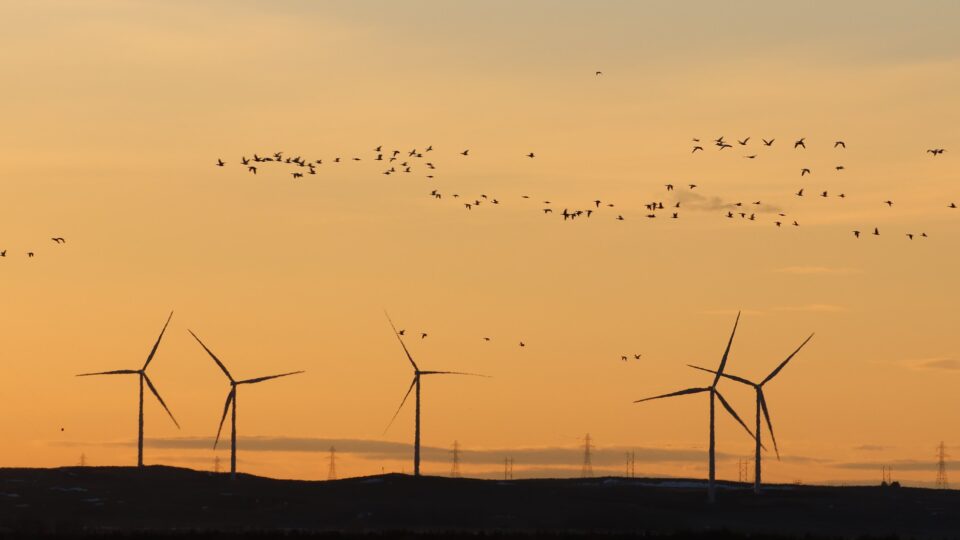
The wind and the sun are inexhaustible sources of energy, and we are tapping into them to produce electricity at a growing rate around the world.  But neither of them is always available when we need them.  When the sun isn’t shining and the wind isn’t blowing, they don’t work.

An opposite problem also exists.  When our energy needs are low, but it is sunny or windy, solar and wind power are all dressed up with nowhere to go.  Energy storage is the answer to both of these problems.   When there is excess generation, store the energy for later use.  When there is need for energy and not enough is being generated, tap into the energy that is stored.

Giant banks of lithium-ion batteries are the rapidly growing form of energy storage, and they are increasingly providing resilience in the electric grid.  But battery storage is short-term energy storage.  Even the largest battery banks can only provide a few hours of electricity. 

So, there is a real need for “long-duration energy storage” – systems that provide at least 10 hours of backup power and sometimes much more – for the grid to be fully reliable.

Pumped hydro storage, which uses water from elevated reservoirs to drive turbines, has been around for a long time.  Historically, this is the largest form of energy storage in the world.  Other methods include pumping compressed air into underground caverns or lifting massive blocks into elevated positions.  All of these techniques use excess electricity to place things like water, air, or cement into a position where they can be used to drive electrical generators.

The grid of tomorrow will store energy in giant battery banks, but also in the ground, in reservoirs, and in large structures.

**********

Web Links

How giant ‘batteries’ in the Earth could slash your electricity bills

Photo, posted March 21, 2024, courtesy of Sandra Uecker/USFWS via Flickr.

Earth Wise is a production of WAMC Northeast Public Radio

Politics and plastic

December 19, 2024 By EarthWise Leave a Comment

Political differences are blocking plastic reforms

The world currently produces nearly half a billion tons of plastic each year.  This is more than twice the amount it produced 20 years ago.  Half of all plastics ever manufactured have been made in the past 20 years.  Plastic waste is everywhere.  About eight million tons of plastic waste escapes into the ocean each year.

Environmental groups have urged nations to adopt a legally binding treaty to address the ever-growing problem of plastic pollution. The United Nations climate conference in South Korea last month took up the issue of reaching agreement on such a treaty.  At what was supposed to be the final round of talks on the topic, delegates could not bridge wide differences on what such a treaty should contain.

The main bone of contention was whether the treaty should include limits on plastic production itself.  Saudi Arabia, Russia, Kuwait, and other oil-producing countries opposed any curbs on plastic production.   They also opposed the phase-out of harmful chemicals used in the production of plastic.

The Saudi delegation claimed that if the issue of plastic pollution is addressed, there should be no problem with producing plastics.  They said the problem is pollution itself, not plastics.  They proposed a focus on improving recycling and waste management.

Of course, preventing plastic pollution from occurring is an extremely challenging thing to do.  Delegates from countries pushing for a wide-ranging treaty – led by Rwanda – were unwilling to accept a toothless theory lacking real constraints on the plastics industry.

As the conference ended, delegates said that they would reconvene in future months to try again to produce a treaty.  No date or place has been announced.

**********

Web Links

Nations Fail to Reach an Agreement on Plastic Pollution

Photo, posted February 4, 2023, courtesy of Ingrid Taylar via Flickr.

Earth Wise is a production of WAMC Northeast Public Radio

Mangrove forests and rising seas

December 6, 2024 By EarthWise Leave a Comment

Mangrove forests are drowning in the Maldives

Mangrove forests play a vital role in the health of our planet.  They protect coastal regions by acting as natural barriers against storms, erosion, and flooding. The intricate root systems of mangrove forests, which allow the trees to handle the daily rise and fall of tides, also serve as biodiversity hotspots, attracting fish and other species seeking food and shelter from predators.

But mangrove forests around the world are under increasing threat from deforestation, coastal development, and climate change.  In fact, according to a new study led by researchers from Northumbria University in England, the mangrove trees in the Maldives are actually drowning. 

The research, which was recently published in the journal Scientific Reports, found that sea levels around the Maldives rose more than 1.18 inches per year from 2017 to 2020.  An unusually intense climate phenomenon, known as the Indian Ocean Dipole, occurred toward the end of this period, causing warmer sea surface temperatures and an increase in sea level in the Western Indian Ocean. 

While mangrove forests can naturally keep pace with gradually rising seas, this rate of sea level rise was too fast.  The rising sea level meant that seawater effectively flooded mangrove forests, causing many trees to lose their resilience and die.  Some islands in the Maldives have lost more than half of their mangrove cover since 2020.

Since mangrove forests also store massive amounts of carbon, the research team fears that the loss of mangrove forests could release large amounts of carbon, further accelerating climate change.

The researchers warn that the findings in the Maldives could have implications for coastal ecosystems around the world.

**********

Web Links

“Drowning” mangrove forests in Maldives signal global coastal threat

Photo, posted February 11, 2015, courtesy of Alessandro Caproni via Flickr.

Earth Wise is a production of WAMC Northeast Public Radio
National drought

December 5, 2024 By EarthWise Leave a Comment

Climate change brings with it many kinds of extreme weather.  It isn’t just higher temperatures.  It is changing patterns of weather and weather events that are rare or even unprecedented.

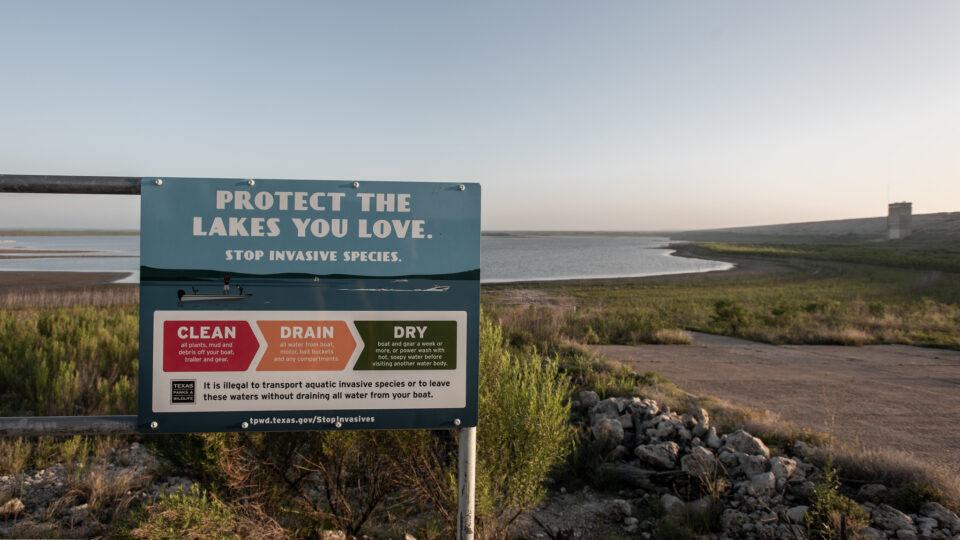
Late October saw drought conditions throughout almost the entire United States.   Only Alaska and Kentucky did not have at least moderate drought conditions.

The previous four months were consistently warmer than normal over a large area of the country.  When that period started, about a quarter of the country was at least somewhat dry, but in late October, 87% of the country was dry.

Droughts in many parts of the U.S. and in places around the world are becoming more frequent, longer in duration, and more severe. 

Residents of New York City were urged to start conserving water.  This October was the driest October since record keeping began in 1869.  The upstate reservoirs that supply New York’s water were below two-thirds full.  They are normally more than three-quarters full in the fall.

Even the Southeast, which received huge amounts of rain from Hurricane Helene, is experiencing drought.  Not much rain had fallen since that storm and warmer temperatures mean more evaporation and drier soils.

Drought is not just a lack of precipitation.  Drought conditions are driven by abnormally high temperatures that remove moisture from the atmosphere and the ground.

Whether widespread drought conditions will persist is unknown.  If a predicted La Niña condition develops in the tropical Pacific, drought conditions in the southern half of the country could get worse, but the Northeast could see lots of rain and snow.

To have nearly the entire country experiencing drought conditions is pretty rare.  But unusual weather is becoming the new normal.

**********

Web Links

In a Record, All but Two U.S. States Are in Drought

Photo, posted May 21, 2024, courtesy of Adam Bartlett via Flickr.

Earth Wise is a production of WAMC Northeast Public Radio

Carbon levies for shipping

November 27, 2024 By EarthWise Leave a Comment

The global shipping industry is responsible for 90 percent of world trade.  The ships crossing the world’s oceans emit nearly 3% of the global greenhouse gas emissions caused by human activity that are contributing to climate change.  Among the effects of climate change are sea level rise, which is threatening the very existence of small island nations.

One such nation is Tuvalu, which is a group of islands in the South Pacific.  Tuvalu has a total landmass of just 10 square miles, and sea level there is rising 1.5 times faster than the global average.  Predictions are that within 50 to 100 years, low-lying islands like those of Tuvalu could be fully submerged by the ocean.

Representatives from six Pacific Island states and a growing number of Caribbean nations known as the 6Pac+ Alliance are urgently calling upon the International Marine Organization to enact a mandatory universal levy of $150 per ton of shipping emissions from large commercial vessels. 

Most marine vessels typically run on highly polluting heavy fuel oil.  Burning really filthy fuel is the cheapest way to cross the oceans.  There are alternatives including entirely carbon-free technologies, but they will be expensive to implement and utilize.  The cost of shipping would undoubtedly go up and be especially felt by small island nations and in developing countries where most food is imported.

The idea behind putting a price on ships’ carbon emissions is to both provide a financial incentive for the shipping industry to reduce its emissions and provide revenue for countries that incur costs from dealing with rising seas.

**********

Web Links

Pacific and Caribbean Island Nations Call for the First Universal Carbon Levy on International Shipping Emissions

Photo, posted November 23, 2006, courtesy of Stefan Lins via Flickr.

Earth Wise is a production of WAMC Northeast Public Radio

Forest crimes

November 20, 2024 By EarthWise Leave a Comment

Poaching trees and illegal logging represent a massive part of wildlife trafficking globally.

Wildlife trafficking is the world’s fourth largest form of organized crime, behind only drug trafficking, counterfeiting, and human trafficking.  When we hear about wildlife trafficking, we think of elephant ivory, rhino horns, tiger parts, and the like.  But so-called forest crimes, which includes poaching protected trees and illegal logging added up to somewhere between $30 billion and $100 billion during the period 2014-2018.  A 2020 report by the United Nations estimated that illegal trade just in rosewoods comprised more than 40% of the value of all trafficked species – animal and plant – during that time.

Even though rosewood comprises multiple tree species, world stocks of nearly all of them have been depleted through overexploitation. Rosewood is now protected worldwide, and some 300 species are under trade restrictions.

With a value of as much as $1.5 million per cubic meter, rosewood is at the center of a great deal of illegal activity, government corruption, and controversy.  A shipment of 30,000 illegally felled rosewood logs from Madagascar was seized at a port in Singapore in 2014. Those rosewood logs, worth at least $50 million, have been hung up in multiple legal proceedings and disputes ever since and remain in Singapore.

With huge financial stakes, it is perhaps not surprising that the U.N. estimates that as much as a third of the supposedly legal global timber trade involves illegally harvested wood.

**********

Web Links

How Traffickers Got Away with the Biggest Rosewood Heist in History

Photo, posted April 19, 2010, courtesy of Dinesh Valke via Flickr.

Earth Wise is a production of WAMC Northeast Public Radio
Renewables progress

November 5, 2024 By EarthWise Leave a Comment

Making progress on renewable power

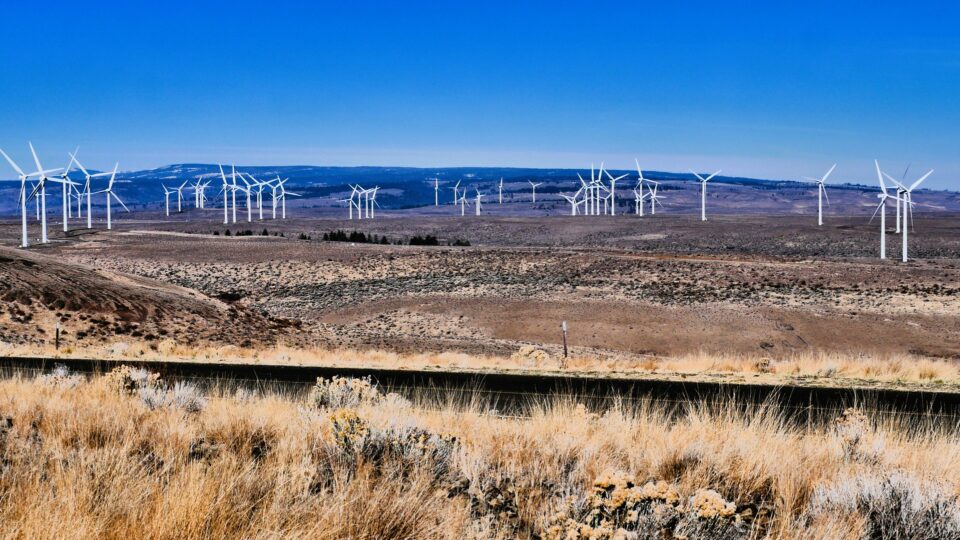
According to a new report by the International Energy Agency, the world is on track to produce nearly half of the electricity it uses from renewable sources by the end of this decade.  The report also finds that in nearly every country, large wind and solar plants are the cheapest forms of new power.

Between now and 2030, countries will add more than 5,500 gigawatts of new renewable capacity.   That is as much as China, India, the U.S., and the EU combined have at present.  Most of the new capacity will come from solar power.

China is aggressively pursuing renewable power installations with massive solar and wind projects.  By 2030, China will account for nearly half of the world’s renewable power capacity.

This year’s UN Climate Change Conference, held in the United Arab Emirates, established the goal of tripling renewable energy capacity worldwide by 2030. 

The growth in solar power continues to outperform industry expert projections as manufacturing ramps up.  India and the U.S. are both expected to triple their solar manufacturing capacity by the end of this decade.  Manufacturing, largely based in China, is already outstripping demand.

By 2030, solar and wind power are expected to account for about 30% of global electricity generation, hydropower about 13%, and other renewables such as geothermal power about 5%.

These estimates are based on existing policies and market conditions.  Governments could speed up the shift to clean energy by cutting red tape and by making it cheaper for poorer countries to finance solar and wind projects.

**********

Web Links

Renewables 2024

Photo, posted November 23, 2023, courtesy of Rick Obst via Flickr.

Earth Wise is a production of WAMC Northeast Public Radio

Rivers are drying up

November 4, 2024 By EarthWise Leave a Comment

Rivers are drying up around the world

According to a new U.N. report, the world’s rivers had their driest year in at least three decades.  Record heat and droughts in many places contributed to low levels of water in many of the world’s rivers.

The world faces problems of either too much or too little water. The warming climate has fueled both powerful storms with heavy rainfall and intense droughts around the globe. 

Last year was the hottest year on record, and it’s a record that is unlikely to last long.  The Mississippi River and Amazon River basins were at all-time lows.  Major rivers with headwaters in the Himalayas – the Ganges, Brahmaputra, and Mekong Rivers – were all unusually dry.

According to the World Meteorological Organizations State of Global Water Resources Report, nearly half of the nearly 1,000 rivers tracked around the world had below-normal levels of water.  Only 17% had above-average levels.  Over the past 32 years, on average only a quarter of the rivers monitored had below-normal water levels and last-year’s 45% was the largest ever.

Last year’s severe heat shrank glaciers that are a crucial source of meltwater that feeds rivers.  Glaciers lost more ice last year than they have in at least 50 years.

More than half of the world’s population lives within a couple of miles of a body of fresh water.  The places with the highest population densities around the world are almost all near large rivers.  Rivers provide freshwater for irrigation, consumption, and transportation and are an important source of energy. Historically, they have played an important role in the development of human society.  The shrinking of rivers is a big deal.

**********

Web Links

World’s Rivers Are Driest They Have Been in Decades

Photo, posted August 22, 2023, courtesy of Radek Kucharski via Flickr.

Earth Wise is a production of WAMC Northeast Public Radio

Ocean geoengineering

October 24, 2024 By EarthWise Leave a Comment

A start-up company is exploring ocean geoengineering

As greenhouse gas emissions continue to be dangerously large and the perils of climate change are increasingly apparent, the world is increasingly exploring ways to deliberately intervene in climate systems.  A number of these ideas involve introducing substances into the atmosphere, but there are also ways to tinker with the oceans.

The oceans naturally absorb about a third of the carbon dioxide that humans pump into the atmosphere, mostly by burning coal, gas, and oil.  People are exploring ways to get the ocean to take up even more of the carbon dioxide.  One approach that is gaining traction is known as alkalinity enhancement.  By adding limestone, magnesium oxide, or other alkaline substances to rivers and oceans, it changes their chemistry and makes them soak up more carbon dioxide.

This approach has been around for a while as a way to mitigate acid rain in rivers and has been very successful.  A start-up company in Canada called CarbonRun is building a machine that grinds up limestone and will release the powder it produces into a local river in Nova Scotia.  The limestone in the river will be naturally converted into a stable molecule that will eventually be washed into the seas, where it should remain for thousands of years.

Expanding this approach to oceans faces many challenges including the costs and complexities of obtaining, processing, and transporting vast amounts of limestone to where it is to be released.  There are also potential environmental issues to grapple with.  But CarbonRun and others are moving forward with testing the approach.

In any event, the biggest barrier to ocean alkalinity enhancement is proving that it works.  That effort is underway.

**********

Web Links

They’ve Got a Plan to Fight Global Warming. It Could Alter the Oceans.

Photo, posted May 27, 2007, courtesy of John Loo via Flickr.

Earth Wise is a production of WAMC Northeast Public Radio

Rainfall and sea turtles

October 4, 2024 By EarthWise Leave a Comment

Rainfall has a major impact on sea turtles

There are seven species of sea turtles that inhabit the world’s oceans. Six of the seven sea turtle species – all of them except the flatback – are present in U.S. waters, and are listed as threatened or endangered under the Endangered Species Act. 

Sea turtles, which have been around for more than 100 million years, spend the majority of their lives in the ocean, but they do periodically come ashore to nest.  Female sea turtles lay their eggs in the sand and then return to the ocean.  Survival odds for sea turtle hatchlings are quite bleak.  In fact, only one out of every 1,000 makes it to adulthood. 

Research shows that both air and sand temperatures are critical for sea turtle hatchling development.  Cooler temperatures produce larger, heavier hatchlings with more males.  Hatchling size matters because larger hatchlings, which can move faster, are more likely to survive because they spend less time on risky beaches.  But rising temperatures might shorten incubation periods, and erratic rainfall can disrupt growth, potentially affecting survival.

A new international study by researchers from Florida Atlantic University and the University of Tübingen in Germany found that fluctuating rainfall patterns have a greater impact than changes in air temperature on sea turtle hatchling development. 

The results, which were recently published in the journal BMC Ecology and Evolution, reveal that the impact of rainfall varies between species.  As climate change shifts rainfall patterns, the impact on sea turtle nesting sites suggests that global conservation strategies for some species – like loggerhead and green sea turtles – likely need to be updated.

**********

Web Links

Rain or Shine? How Rainfall Impacts Size of Sea Turtle Hatchlings

Sea Turtle

Photo, posted August 27, 2015, courtesy of USFWS/Orsulak via Flickr.

Earth Wise is a production of WAMC Northeast Public Radio
2023: A year of extreme climate

September 11, 2024 By EarthWise 1 Comment

2023 was a year of climate extremes

There have already been all sorts of extreme weather this year in many parts of the world and undoubtedly there will be more to talk about in the coming months.  But the American Meteorological Society has recently published its State of the Climate report for 2023 and it was a year for the record books.

In 2023, the Earth’s layers of heat-reflecting clouds had the lowest extent ever measured.  That means that skies were clearer around the world than on average, a situation that amplifies the warming of the planet.  Since 1980, clouds have decreased by more than half a percent per decade. 

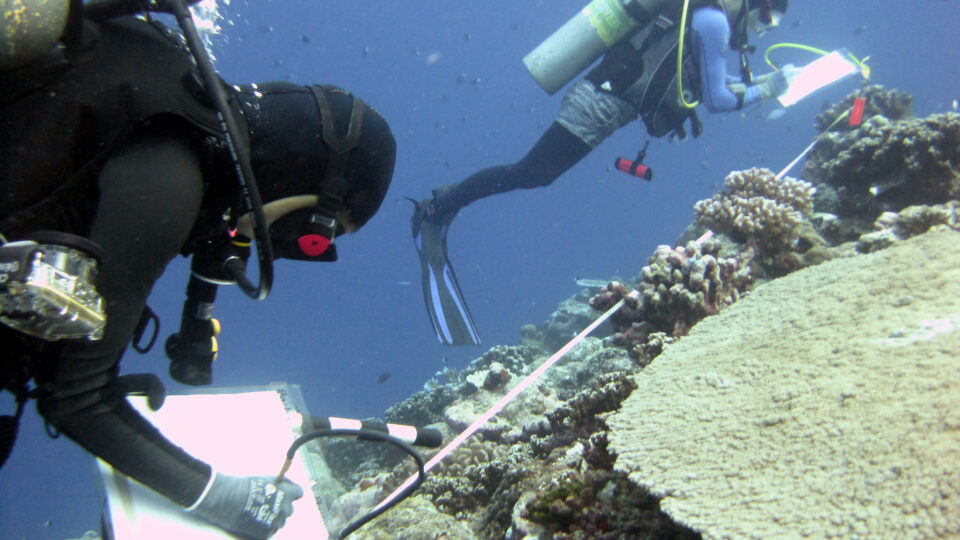
The most dramatic climate effect last year occurred in the world’s oceans.  About 94% of all ocean surfaces experienced a marine heatwave during the year.  The global average annual sea surface temperature anomaly was 0.13 degrees Celsius above the previous record set in 2016.  This is a huge variation for the ocean.  Ocean heatwave conditions stayed in place for at least 10 months in 2023 in vast reaches of the world’s oceans.  Ocean heat was so remarkable that climate scientists are now using the term “super-marine heatwaves” to describe what is going on. 

There were many other ways in which 2023 experienced weather extremes.  July experienced a record-high 7.9% of the world’s land areas in severe drought conditions.  During the year, most of the world experienced much warmer-than-average conditions, especially in the higher northern latitudes.  These unprecedented changes to the climate are unlikely to be one-time occurrences; 2024 is likely to be another one for the record books.  

**********

Web Links

New Federal Report Details More of 2023’s Extreme Climate Conditions

Photo, posted May 27, 2021, courtesy of Wendy Cover/NOAA via Flickr.

Earth Wise is a production of WAMC Northeast Public Radio
China and carbon emissions

August 22, 2024 By EarthWise Leave a Comment

China has been the biggest source of greenhouse emissions for nearly 20 years.  Its emissions surpassed those of the United States in 2006 and its fraction of the world’s emissions is now nearly a third.  Therefore, unless China’s emissions stop growing, the world’s emissions won’t either.

Recent data from China’s government and by energy analysts provides some reasons for optimism.  What is happening is that how China produces its electricity is changing.  Renewable sources are gradually replacing coal.

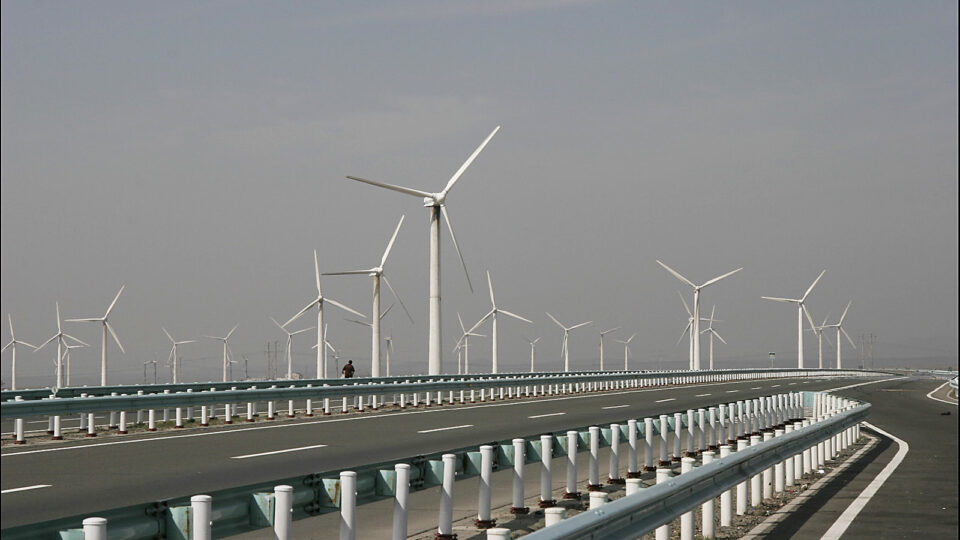
Last year alone, China installed more solar panels than the United States has in its entire history.  Nearly two-thirds of utility-scale wind and solar plants under construction are in China.  According to a report from Global Energy Monitor, China is developing more than eight times the wind and solar capacity currently being planned for the US.

Despite all this progress, China still generates 53% of its electricity from coal.  While this is the lowest share reported since its government began publishing energy data decades ago, it is still a major source of carbon emissions.  China is responsible for two-thirds of the world’s newly operating coal plants and still plans to build many more.  China accounts for about 60% of the world’s coal use.

China is investing heavily in pumped-storage hydropower along with its massive efforts in solar and wind power.  But if it is to meet existing and proposed new commitments to reduce emissions, it will need to be much more aggressive in reducing its dependence on coal.  Current predictions are that China’s emissions may soon no longer be increasing.  But what is needed is for them to start dropping and the sooner the better.

**********

Web Links

Why the Era of China’s Soaring Carbon Emissions Might Be Ending

Photo courtesy of Mike Locke via Flickr.

Earth Wise is a production of WAMC Northeast Public Radio

The hottest day on record

August 21, 2024 By EarthWise Leave a Comment

The hottest day on record

There have been numerous temperature records set in recent years.  Apart from record high temperatures for many places around the world, there were 13 consecutive monthly temperature records set for the planet since the previous summer.

According to NASA data, July 22, 2024, was the hottest day on record.  July 21st and 23rd also exceeded the previous daily record, which was set in July last year.  The new record was 17.16 degrees Celsius, or about 63 degrees Fahrenheit.

We are not used to thinking in terms of the global average temperature.  That is the number that keeps climbing and that climate goals seek to keep from getting too high.  The global average temperature is about 59 degrees Fahrenheit.  So, on July 22nd, the Earth was about 4 degrees warmer than usual.  That may not seem like much, but it takes an enormous amount of energy to raise the temperature of the planet by that amount.

The NASA report shows the global daily temperature throughout the year for the years 1980 to 2024.  It clearly shows how much warmer temperatures are now compared with the previous decades.

In many places, people experienced persistent hot weather during the month of July. New York’s Capital Region saw relentless hot and humid weather.  There were 9 days with high temperatures in the 90s.   July in Albany had a monthly mean temperature of 77.3 degrees, which was the highest in any current resident’s lifetime.  This is more than 4 degrees higher than the average over the past 30 years.  The last time the average temperature was over 77 was in 1887.  July was hot.

**********

Web Links

NASA Data Shows July 22 Was Earth’s Hottest Day on Record

Photo, posted October 22, 2016, courtesy of Susanne Nilsson via Flickr.

Earth Wise is a production of WAMC Northeast Public Radio

  • « Go to Previous Page
  • Page 1
  • Page 2
  • Page 3
  • Page 4
  • Interim pages omitted …
  • Page 13
  • Go to Next Page »

Primary Sidebar

Recent Episodes

  • An uninsurable future
  • Clean energy and jobs
  • Insect declines in remote regions
  • Fossil fuel producing nations ignoring climate goals
  • Trouble for clownfishes

WAMC Northeast Public Radio

WAMC/Northeast Public Radio is a regional public radio network serving parts of seven northeastern states (more...)

Copyright © 2026 ·