• Skip to primary navigation
  • Skip to main content
  • Skip to primary sidebar

Earth Wise

A look at our changing environment.

  • Home
  • About Earth Wise
  • Where to Listen
  • All Articles
  • Show Search
Hide Search
You are here: Home / Archives for svalbard

svalbard

Melting in Svalbard

September 16, 2025 By EarthWise Leave a Comment

Melting in Svalbard threatens global sea level rise

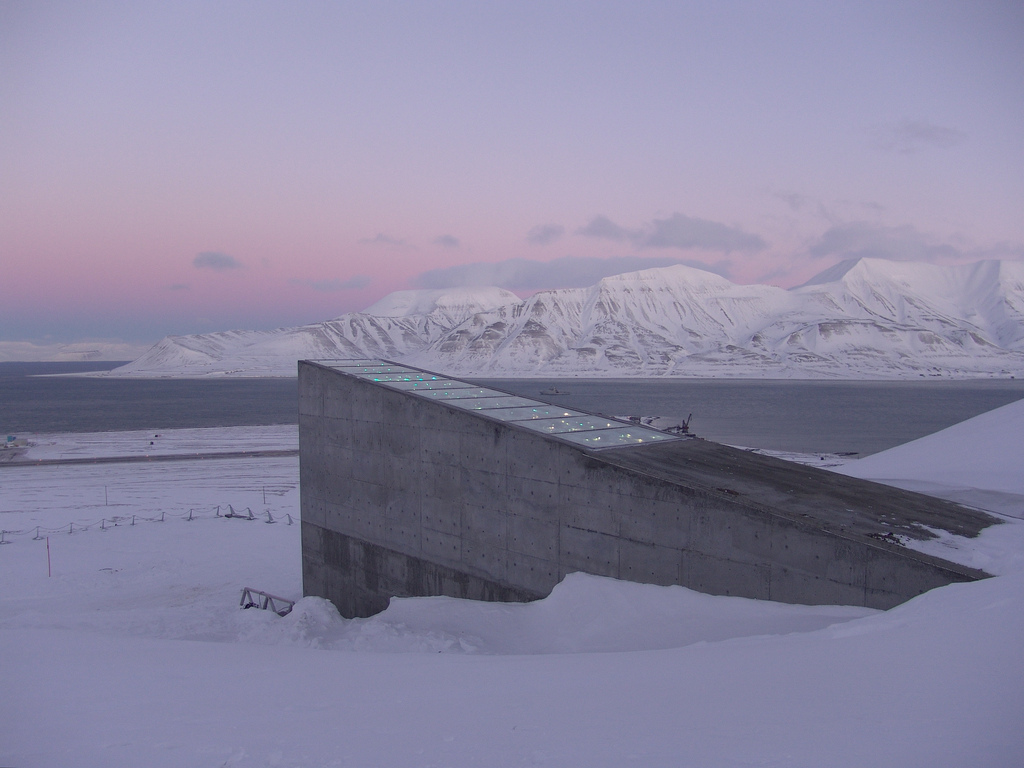
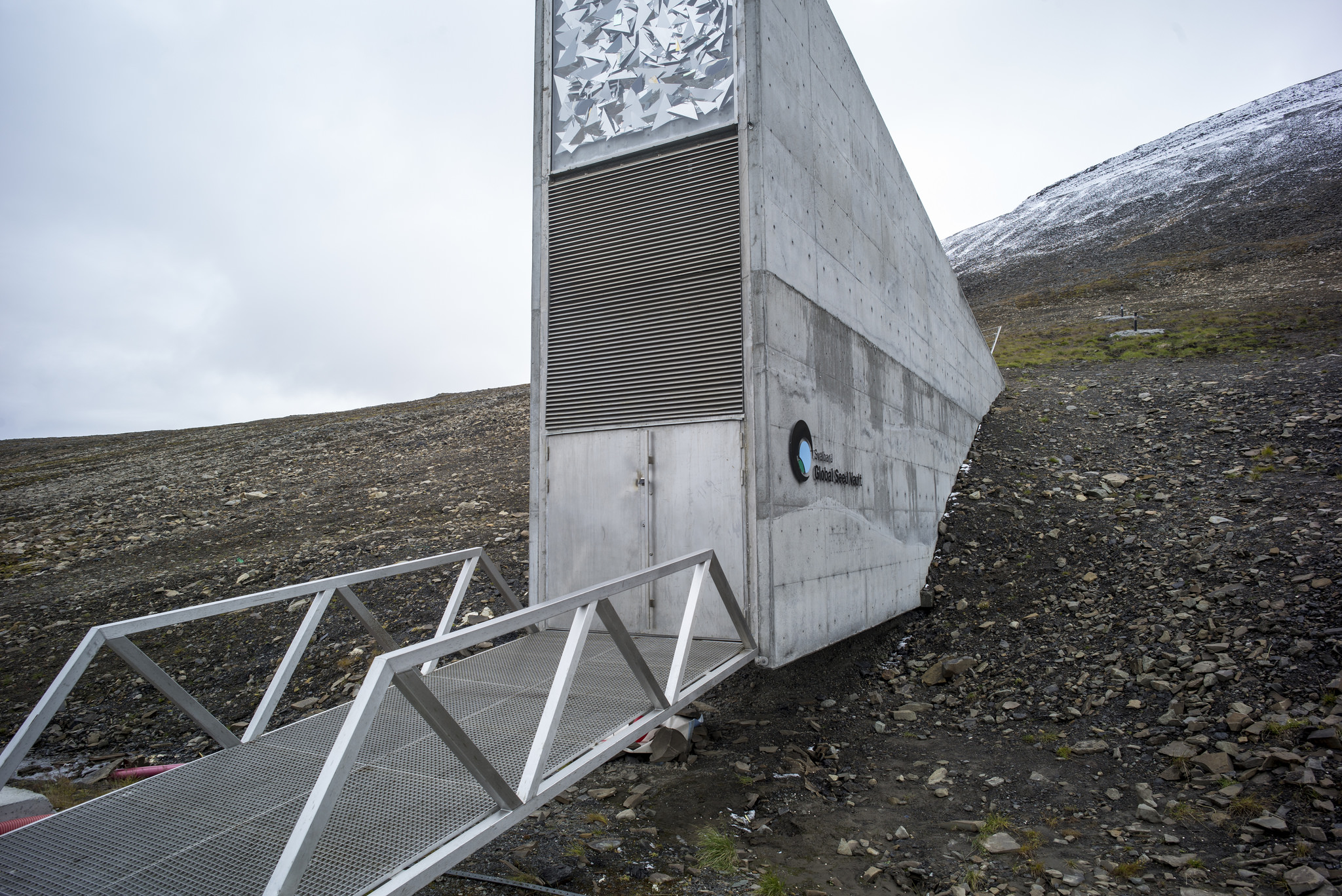
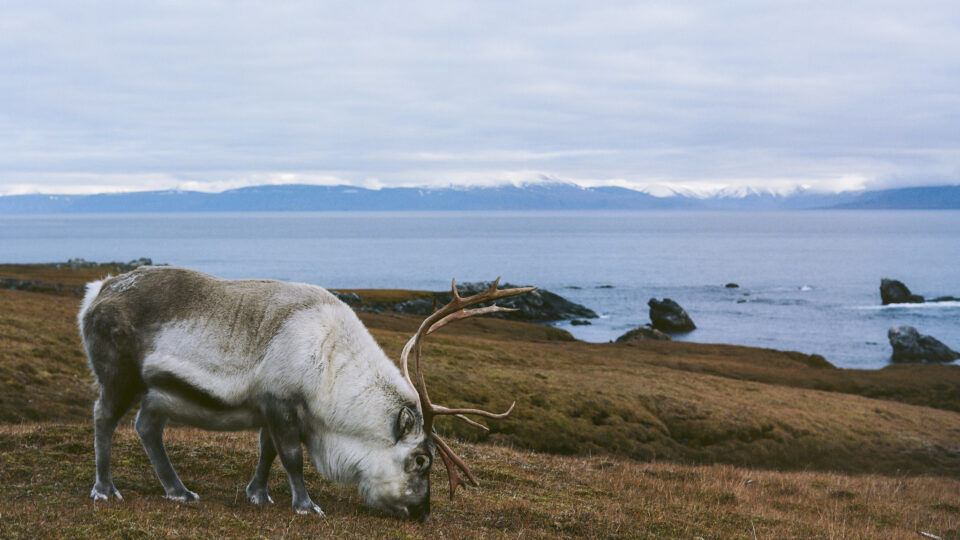
Svalbard is a Norwegian archipelago north of the mainland.  It is known for its glaciers, tundra, and wildlife – especially polar bears, Arctic foxes, and reindeer.  It is home to the Svalbard Global Seed Vault, a place to safeguard critical seeds for the world’s food supply.  The location was chosen for its remoteness and perpetual deep freeze.

A recent study investigated the record glacial ice melt on the Svalbard islands in the summer of 2024, considering it to be a cautionary tale about the future of other Arctic ice masses.

The amount of ice that melted on Svalbard made it one of the most significant contributors to global sea level rise last year.  An extreme and long Arctic heat wave, intensified by changing weather patterns, led to unprecedented melting.  But what seemed like a once-in-1000-year event may well become normal in the future.

Most of the 2024 glacial melt occurred during six weeks of record-high temperatures.  The influx of fresh water from the islands most likely had an impact on marine ecosystems in the surrounding sea, beginning at the bottom of the food chain with plankton, which are very sensitive to water temperature and salinity. 

Research has linked surges of fresh water into the North Atlantic with extreme weather in Europe and possibly even North America.  Of great concern is that cold fresh water flowing out of the Arctic may be contributing to the weakening of the Atlantic Meridional Overturning Circulation, which is a key ocean current that carries warm water towards northwestern Europe and greatly impacts the climate in Europe.

**********

Web Links

Melting on the Arctic’s Svalbard Islands Shows the Climate Future Is Now

Photo, posted September 21, 2016, courtesy of Christopher Michel via Flickr.

Earth Wise is a production of WAMC Northeast Public Radio
Svalbard is melting

September 10, 2024 By EarthWise Leave a Comment

Svalbard is melting

Svalbard is a Norwegian archipelago between mainland Norway and the North Pole. It is one of the world’s northernmost inhabited areas and is a popular attraction for tourists.  Svalbard is famous for rugged, remote terrain of glaciers and frozen tundra sheltering polar bears, Svalbard reindeer, and Arctic foxes. The Northern Lights are visible during winter, and its summer features the “midnight sun”—sunlight 24 hours a day.  It is the home of the Svalbard Global Seed Vault, which provides safe, free, and long-term storage of seed duplicates from all gene banks and nations around the world. 

Over half of Svalbard’s land area is covered with ice and accounts for about 6% of the planet’s glaciated area outside of Greenland and Antarctica.  But Svalbard is also one of the fastest-warming places on Earth.

It has suffered extreme episodes of melting this summer, brought on by exceptionally high air temperatures.  In late July and early August, temperatures hovered around 7 degrees Fahrenheit above average for this part of the Arctic Circle, causing snow and ice to rapidly melt.

According to scientists, Svalbard’s ice caps broke their all-time record for daily surface melt on July 23rd, shedding nearly half a foot of water equivalent that day, a rate five times larger than normal. 

On August 11th, the high temperature in Longyearbyen, Svalbard’s capital city, reached 68 degrees, the highest August temperature on record and 4 degrees above the previous monthly record.  Svalbard experienced its warmest summer on record in 2023.

**********

Web Links

Svalbard Melts

Photo, posted September 21, 2016, courtesy of Christopher Michel via Flickr.

Earth Wise is a production of WAMC Northeast Public Radio
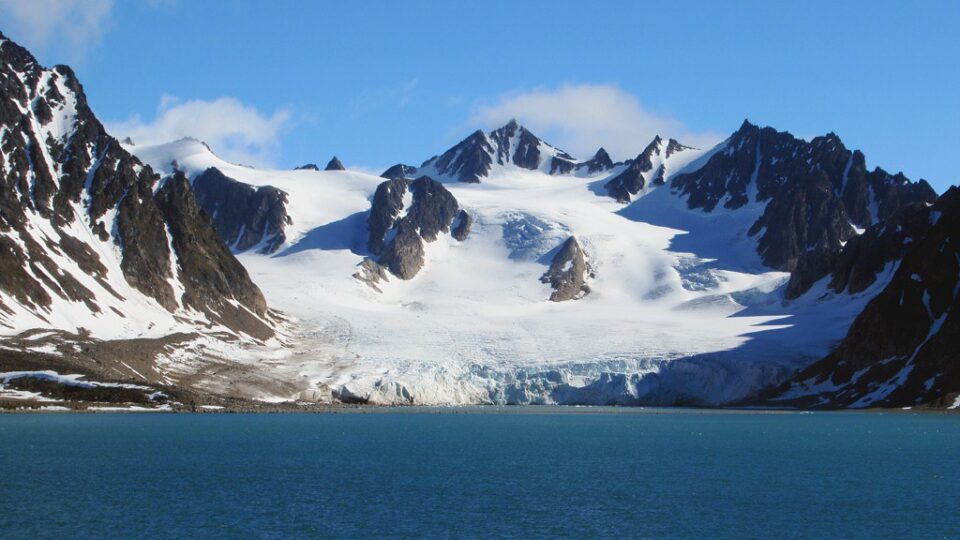
Shrinking Glaciers And Methane | Earth Wise

August 1, 2023 By EarthWise Leave a Comment

Shrinking glaciers pose an underestimated climate risk

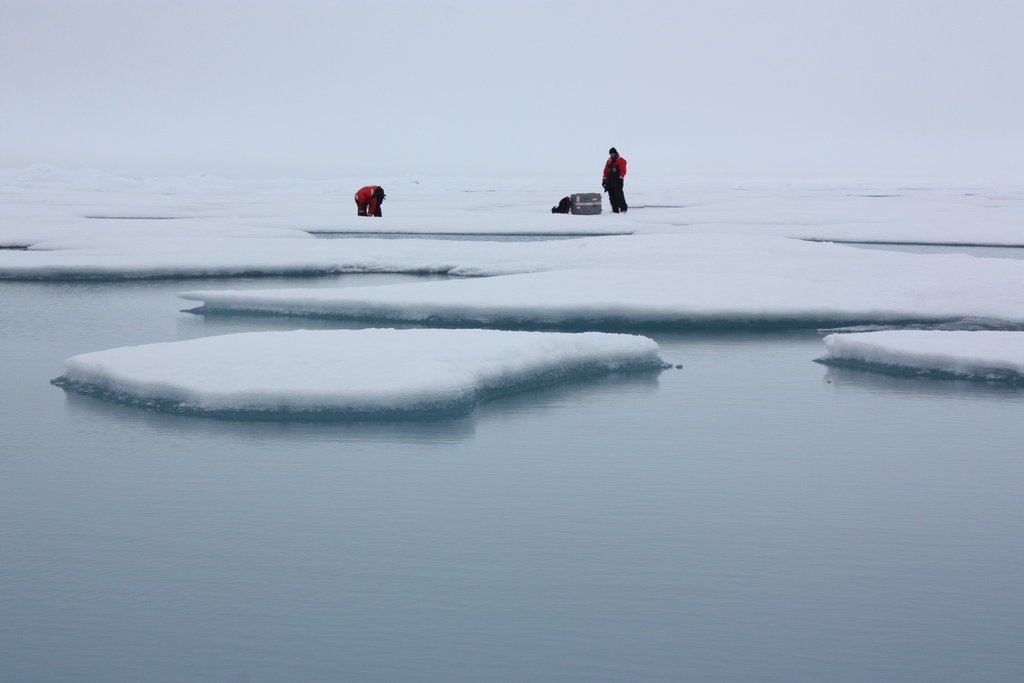
The Arctic region is warming much faster than the rest of the planet.  In fact, according to a study published last year in the journal Nature, the Arctic has been warming nearly four times faster than the rest of the globe during the last 43 years.  This rapid warming is leading to substantial reductions in sea ice, thawing of permafrost, shifts in wildlife populations, and changes in ocean circulation patterns, among other changes. 

According to new research recently published in the journal Nature Geoscience, shrinking glaciers in the warming Arctic are exposing bubbling groundwater springs, which could provide an underestimated source of methane, a potent greenhouse gas.  Methane is more than 25 times as potent as carbon dioxide at trapping heat in the atmosphere.

The study, which was led by researchers from the University of Cambridge and the University Centre in Svalbard, Norway, found large sources of methane gas leaking from groundwater springs unveiled by melting glaciers. 

As glaciers retreat in the Norwegian archipelago of Svalbard and leave behind newly exposed land, groundwater beneath the Earth seeps upward and forms springs. In 122 out of the 123 springs studied, the research team found that the water was highly concentrated with dissolved methane.  When the spring water reaches the surface, the excess methane can escape to the atmosphere. 

Researchers are concerned that additional methane emissions released by the Arctic thaw could dramatically increase human-induced global warming.  If this phenomenon in the Svalbard archipelago is found to be more widespread across the Arctic — where temperatures are quickly rising and glaciers melting — the methane emissions could have global implications. 

**********

Web Links

The Arctic has warmed nearly four times faster than the globe since 1979

Shrinking Arctic glaciers are unearthing a new source of methane

Photo, posted October 22, 2022, courtesy of David Stanley via Flickr.

Earth Wise is a production of WAMC Northeast Public Radio
Upgrading The Doomsday Seed Vault

April 11, 2018 By EarthWise Leave a Comment

https://earthwiseradio.org/wp-content/uploads/2018/04/EW-04-11-18-Upgrading-the-Doomsday-Vault.mp3

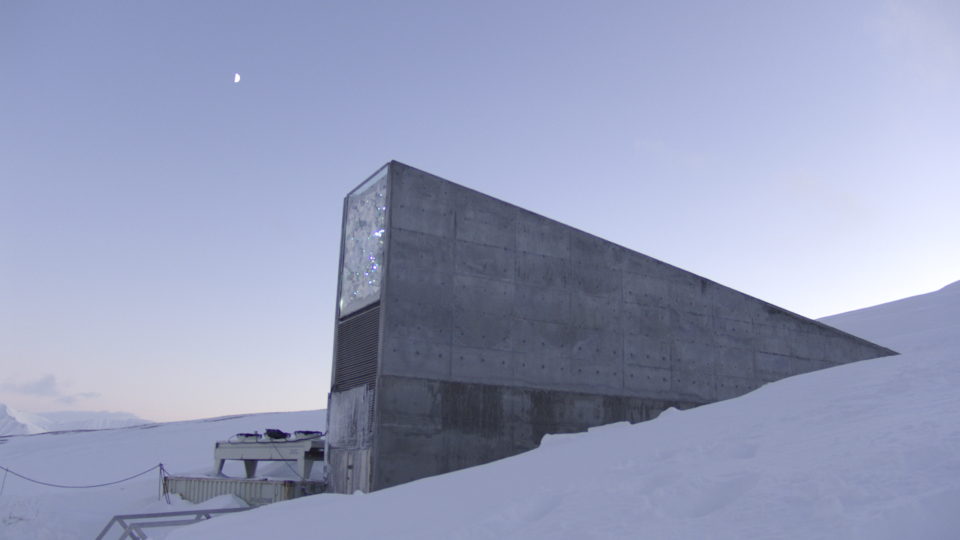
The Svalbard Global Seed Vault, located nearly 400 feet beneath the earth’s surface and fully funded by the Norwegian government, offers any government access to seeds in case of natural or man-made disaster.  It’s more often referred to as the Doomsday Seed Vault.  And ironically, it too is threatened by climate change.

[Read more…] about Upgrading The Doomsday Seed Vault

‘Noah’s Ark’ Takes On Water

June 23, 2017 By EarthWise

https://earthwiseradio.org/wp-content/uploads/2017/06/EW-06-23-17-The-Svalbard-Global-Seed-Vault.mp3

The Svalbard Global Seed Vault, built into a hillside in the Norwegian archipelago of Svalbard far above the Arctic Circle, is often described as humanity’s last hope against extinction after some global crisis.  While there are more than 1,700 gene banks around the world that keep collections of seeds, all of them are vulnerable to war, natural disasters, equipment malfunctions, and other problems.  Except the Svalbard vault – or so we thought.  It has been dubbed the “Noah’s Ark” of seeds and a last chance for the world to regenerate if the worst should come to pass.  It’s mission is to keep the world’s seeds safe. 

[Read more…] about ‘Noah’s Ark’ Takes On Water

The Doomsday Seed Vault

April 12, 2017 By EarthWise

https://earthwiseradio.org/wp-content/uploads/2017/04/EW-04-12-17-More-Seeds-in-the-Doomsday-Vault.mp3

The Svalbard Global Seed Vault, tucked away on a Norwegian island far above the Arctic Circle, is often described as humanity’s last hope against extinction after some global crisis and is popularly known as the “Doomsday Vault.”  Although its mission is to keep the world’s seeds safe, it wasn’t actually created to reseed the planet after a world-wide catastrophe.

[Read more…] about The Doomsday Seed Vault

Record Low Sea Ice

January 13, 2017 By EarthWise

https://earthwiseradio.org/wp-content/uploads/2016/12/EW-01-13-17-Record-Low-Sea-Ice.mp3

This time of the year, sea ice in the Arctic is on the rise as winter sets in.  A combination of unusually high air temperatures and a warmer than normal ocean led to a record low for Arctic sea ice extent in November.  In the Southern Hemisphere, Antarctic sea ice extent also hit a record low for the month.

[Read more…] about Record Low Sea Ice

Primary Sidebar

Recent Episodes

  • An uninsurable future
  • Clean energy and jobs
  • Insect declines in remote regions
  • Fossil fuel producing nations ignoring climate goals
  • Trouble for clownfishes

WAMC Northeast Public Radio

WAMC/Northeast Public Radio is a regional public radio network serving parts of seven northeastern states (more...)

Copyright © 2025 ·