• Skip to primary navigation
  • Skip to main content
  • Skip to primary sidebar

Earth Wise

A look at our changing environment.

  • Home
  • About Earth Wise
  • Where to Listen
  • All Articles
  • Show Search
Hide Search
You are here: Home / Archives for sunny

sunny

Solar power in Europe

July 31, 2025 By EarthWise Leave a Comment

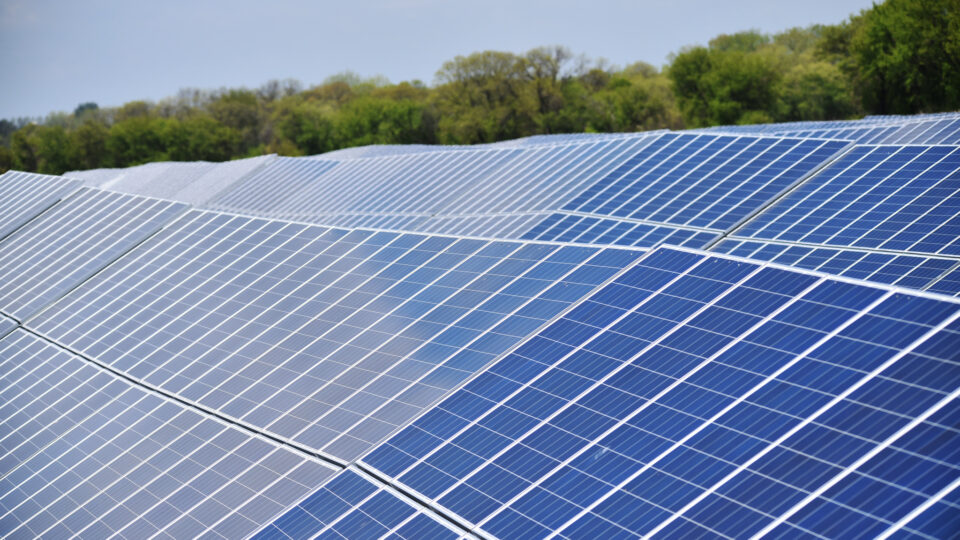
Solar power in Europe is booming

In June, solar power was the largest source of electricity in the European Union for the first time.  Solar supplied a record 22% of the power for the 27-country bloc.  At least 13 of the countries produced new monthly highs for solar power in June.  The Netherlands got more than 40% of its electricity from solar power and Greece 35%.  Other countries with record solar generation included France, Germany, and Sweden.

These solar records are for the most part a result of continuing installations of solar power in recent years as well as long stretches of hot and sunny weather.

Across the EU, nuclear power was the second largest source of electricity, followed by wind, natural gas, and hydropower.  Coal generated only 6% of the EU’s electricity, a new monthly low.  In fact, 15 countries in the EU don’t use any coal to generate electricity at all, including Austria, Belgium, and Ireland, which shut down its last coal plant in June.  All fossil fuels combined generated less than 24% of EU electricity in June, just a little more than the record low of 22.9% set in May, 2024.  Natural gas generation was somewhat higher than last year because of lower levels of hydro and wind generation.

Europe has been grappling with brutal heatwaves with triple-digit temperatures in multiple countries.  The heatwaves were, of course, accompanied by plentiful sunshine, which at least provided abundant solar power at midday, when there was the greatest demand for air conditioning.  This helped to take some of the pressure off the grid and helped to prevent blackouts.

**********

Web Links

In a First, Solar Was Europe’s Biggest Source of Power Last Month

Photo, posted May 28, 2025, courtesy of Mike Popp via Flickr.

Earth Wise is a production of WAMC Northeast Public Radio

Growing safer potatoes

January 15, 2025 By EarthWise Leave a Comment

We are often advised to avoid eating green areas on potatoes.  The green comes from chlorophyll that occurs naturally when potatoes are exposed to light.  It is harmless but when it is there, it can be accompanied by a natural toxin – a substance called solanine, which is a steroidal glycoalkaloid or SGA.  Sunlight can produce solanine as well as chlorophyll.  Solanine is produced by plants to protect them from insects. 

Solanine is bitter tasting so one is unlikely to consume much of it.  But consuming enough of it can lead to gastrointestinal complications like diarrhea, abdominal pain, vomiting, and sweating. 

Researchers at the University of California Riverside have discovered a way to eliminate toxic compounds from potatoes, making them safer to eat and easier to store.  They have identified a key genetic mechanism in the production of SGAs.  They found a specific protein that controls the production and believe it will be possible to control where and when SGAs are produced.  Thus, it may be possible to have SGAs present in the leaves of potato plants, thereby protecting them from insects, while having none in the potatoes themselves.  By limiting SGAs to non-edible parts of plants, they can be safer and more versatile plants.  For example, modified potatoes could be stored in sunny places without worry and would always be safe to eat.

Plants have evolved ingenious ways to balance growth, reproduction, and defense.  Our growing understanding of these mechanisms can allow people to redesign crops to meet modern needs, increase food safety, and reduce food waste.

**********

Web Links

Growing safer spuds: Removing toxins from potatoes

Photo, posted October 14, 2013, courtesy of Elton Morris via Flickr.

Earth Wise is a production of WAMC Northeast Public Radio
How much energy storage is needed?

November 11, 2024 By EarthWise Leave a Comment

Exploring how much energy storage is needed

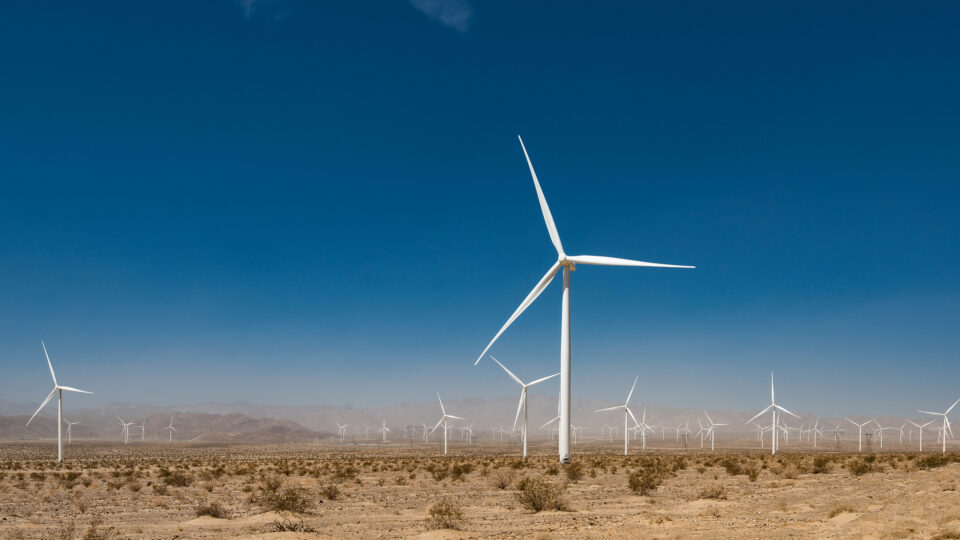
Energy storage is a critical aspect of modern energy systems as they move towards heavy dependence on renewable sources such as solar and wind that don’t produce energy at the same rate all the time.  Excess energy generated by solar power needs to be stored for when the sun isn’t shining; excess wind energy needs to be stored for when the wind isn’t blowing.  But how much storage capacity does the energy system need to have?

Researchers at North Carolina State University have developed a model that can be used to project what a system’s storage needs would be if it were to shift entirely to renewable sources.

The model accounts for how energy production from renewable sources would change during different times of day and different times of the year.  For example, there is much more solar energy generation in the summer when the days are longer, and it is sunny more often.

There is also the issue of short-term vs. long-term energy storage.  Short-term energy storage does not refer to how long a storage device can store the energy.  It refers to how long it can provide power at its rated level.

The study focused on Italy’s energy system, which has suffered in recent years because it had difficulties in obtaining natural gas from Russia due to the invasion of Ukraine.

As the world moves increasingly towards renewable power sources, energy systems need to be able to account for the variability of those sources.  The new model offers policymakers critical information for use in energy system planning.

**********

Web Links

Model Projects Energy Storage Needs for Fossil Fuel-Free Energy System

Photo, posted October 28, 2016, courtesy of Daxis via Flickr.

Earth Wise is a production of WAMC Northeast Public Radio
Clean Energy From North Africa | Earth Wise

April 7, 2023 By EarthWise Leave a Comment

Europe turning to North Africa for its clean energy needs

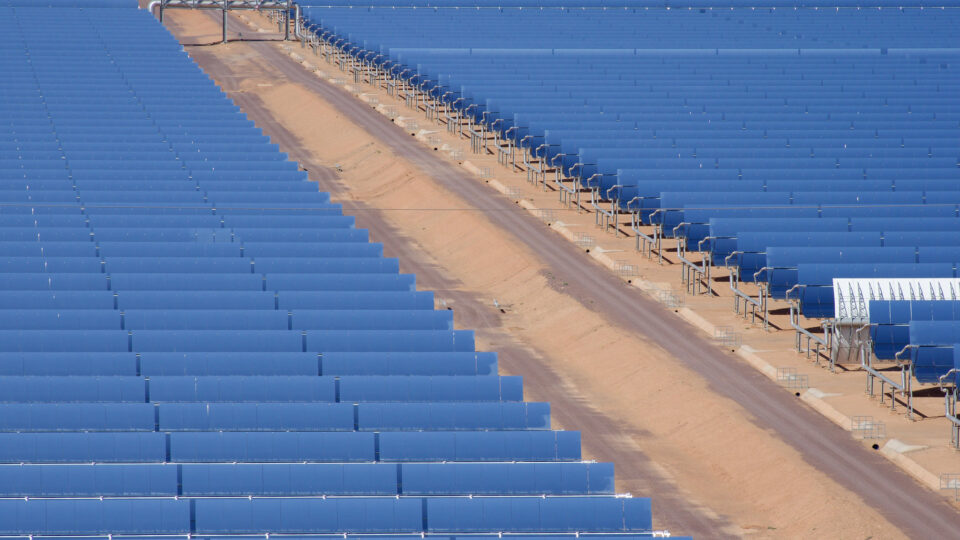
Europe is hungry for clean energy.  The war in Ukraine has amplified Europe’s desire to end its reliance on Russian natural gas.  Increasingly, Europe is pushing to install giant solar energy farms in sunny North Africa and transport the energy through underwater cables.

Solar panels in sunny North Africa generate up to three times more energy than those in Europe.  As a result, solar farms and wind farms as well are proliferating south of the Mediterranean Sea.  Morocco’s Noor and Egypt’s Benban solar farms are among the largest in the world.  Many of these farms were initially built to boost domestic power supplies and reduce dependence on coal.  But now these farms are increasingly supplying green energy to industrial neighbors in Europe.

Morocco has signed deals with the European Union to expand power exports.  Egypt is considering proposals for cables to link to Greece.  Another planned cable would link new solar farms in Tunisia to Italy’s grid.  These projects would certainly bring money and jobs to North African countries, but it isn’t all good news.

There are growing concerns about the environmental impacts of Europe outsourcing its energy needs.  Desert ecosystems could be greatly compromised.  And much of this development is likely to happen with only minimal community consultation or ecological assessment.  Half of Africa’s population does not have access to reliable power grids. Electricity becoming a major export is not likely to improve this situation.

Europe has long obtained many resources from the developing world.  Now it is tapping into the sunshine and wind in other lands.  It remains to be seen if North Africa’s countries will achieve the large potential gains those resources can offer them.

**********

Web Links

In Scramble for Clean Energy, Europe Is Turning to North Africa

Photo, posted October 17, 2019, courtesy of Richard Allaway via Flickr.

Earth Wise is a production of WAMC Northeast Public Radio
Weaning Off Fossil Fuels | Earth Wise            

June 2, 2022 By EarthWise Leave a Comment

How to break free of our dependence on fossil fuel

We recently talked about California producing 97% of its electricity from renewables on one sunny afternoon in April.  On May 8th, the state produced enough renewable electricity to meet 103% of consumer demand.  These sorts of records are likely to be increasingly commonplace in the spring when the weather is still fairly mild.

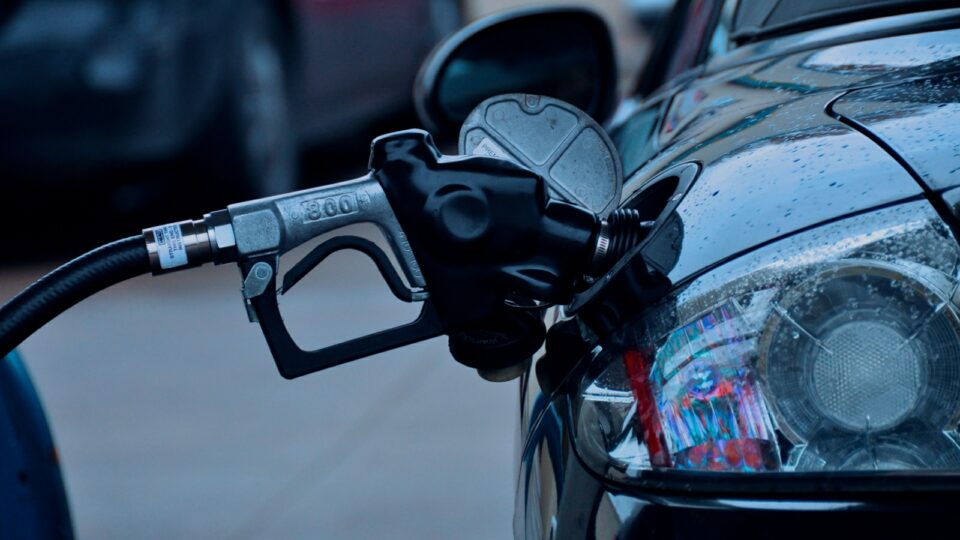
But even while renewables were producing more electricity than California needed, natural gas power plants in the state were still running.

Turning off the gas power plants is not possible.  The reason is that as the sun sets and solar farms stop producing power, California has to quickly replace the power with electricity from other sources.  Natural gas plants are massive industrial facilities that cannot be turned on and off rapidly.  Some take as many as 4 to 8 hours to switch on.  Operators back them down as far as they can go, but even when there is plenty of solar power during the day, natural gas plants are still running.

The state is rapidly building huge battery storage projects as an alternative to gas plants, but so far, they are still only a small fraction of what is needed.   Wind power is another part of the solution along with hydropower.  California imports some power from other states as well and, in fact, also exports power when there is excess.  But keeping the energy system balanced and stable is an ongoing challenge.

California is building huge amounts of solar, huge amounts of wind, and huge amounts of energy storage, which should get the state to at least 90% of the way to a clean grid.  It’s the last 5-10% that is much harder to accomplish before natural gas is no longer part of the energy system.

**********

Web Links

California just ran on 100% renewable energy, but fossil fuels aren’t fading away yet

Photo, posted January 10, 2014, courtesy of F.G. via Flickr.

Earth Wise is a production of WAMC Northeast Public Radio.

A Solar Power Boom In Texas | Earth Wise

May 31, 2021 By EarthWise Leave a Comment

Texas is becoming a leader in renewable energy

Texas has been a leader in wind energy for a number of years.  In 2020, wind made up 23% of the state’s generating capacity and provided 20% of in-state generation.  But although wind capacity in Texas has grown rapidly in recent years, solar power is expected to make up the largest share of the state’s capacity additions over the next two years.

Texas plans to add 4.6 gigawatts of utility-scale solar power this year and 5.4 gigawatts in 2022.  This will give the state a total capacity of 15 gigawatts, which will nearly catch up to California, the state with the most large-scale solar power.  California already has 16 gigawatts of installed solar capacity and plans to add about two more over the next two years.

The planned capacity for Texas will provide enough power for roughly 5 million homes, taking into account the intermittency of solar energy.  Much of the new solar capacity will be in the Permian Basin in West Texas, which is a particularly sunny place.  Because solar generation is greatest in the middle of the day, when wind generation is typically lower, the transmission line infrastructure already in place for the wind power will be adequate for the new solar installations.

The boom in solar power in Texas is driven in part by the federal solar Investment Tax Credit that is available to project developers as well as by the ever-lower cost of solar technology. 

One-third of the utility-scale solar capacity planned to come online in the U.S. in the next two years will be in Texas.  Currently, utility-scale solar only makes up 4% of electrical generating capacity in Texas, but that is clearly changing.

**********

Web Links

Texas likely to add 10 GW of utility-scale solar capacity in the next two years

Photo, posted May 14, 2020, courtesy of Courtney Celley/USFWS via Flickr.

Earth Wise is a production of WAMC Northeast Public Radio.

Mandatory Solar In California

May 30, 2018 By EarthWise Leave a Comment

https://earthwiseradio.org/wp-content/uploads/2018/05/EW-05-30-18-Mandatory-Solar-in-California.mp3

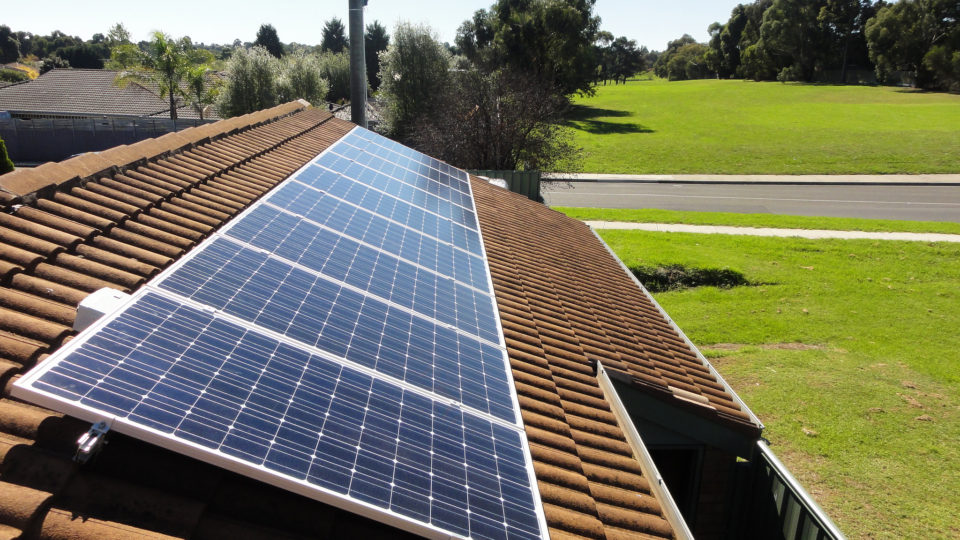
In May, California became the first state in the U.S. to require solar panels on almost all new homes.  Under new standards adopted by the California Energy Commission, most new homes, condos and apartment buildings built after January 1, 2020 will be required to include solar systems.

[Read more…] about Mandatory Solar In California

A Milestone For Energy Storage

April 24, 2018 By EarthWise Leave a Comment

https://earthwiseradio.org/wp-content/uploads/2018/04/EW-04-24-18-A-Milestone-for-Energy-Storage.mp3

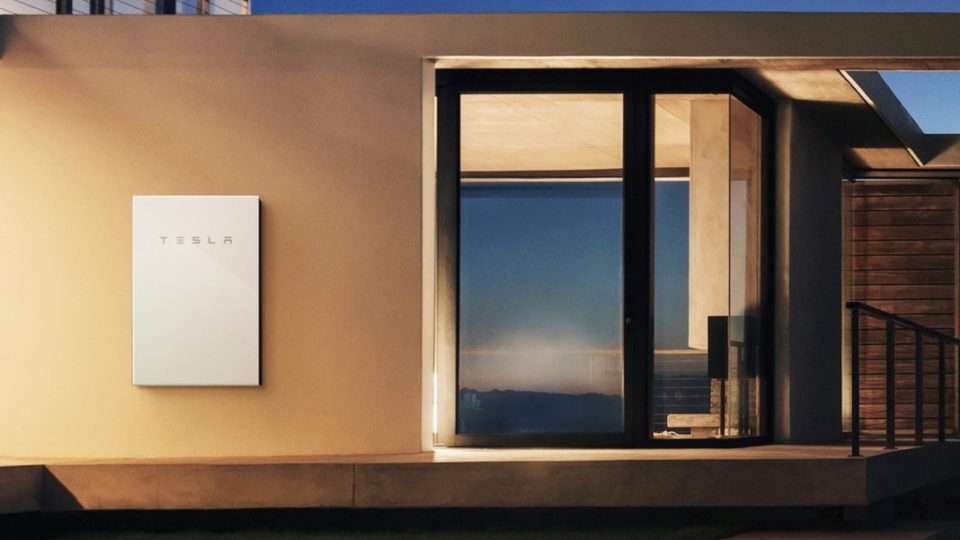
The United States has now added the capacity to store a billion watts of power for one hour and it may double that total by the end of this year.   According to the firm GTM Research, the energy storage industry – previously nearly invisible – is undergoing rapid growth.  Much of the growth has been in homes with products like the Tesla Powerwall but has also been on the scale of the electric grid, where power companies can use storage to control when to deploy excess electricity generated from renewable sources such as solar power.

[Read more…] about A Milestone For Energy Storage

A Giant Solar Thermal Plant For Australia

October 23, 2017 By EarthWise Leave a Comment

https://earthwiseradio.org/wp-content/uploads/2017/10/EW-10-23-17-A-Giant-Solar-Thermal-Plant.mp3

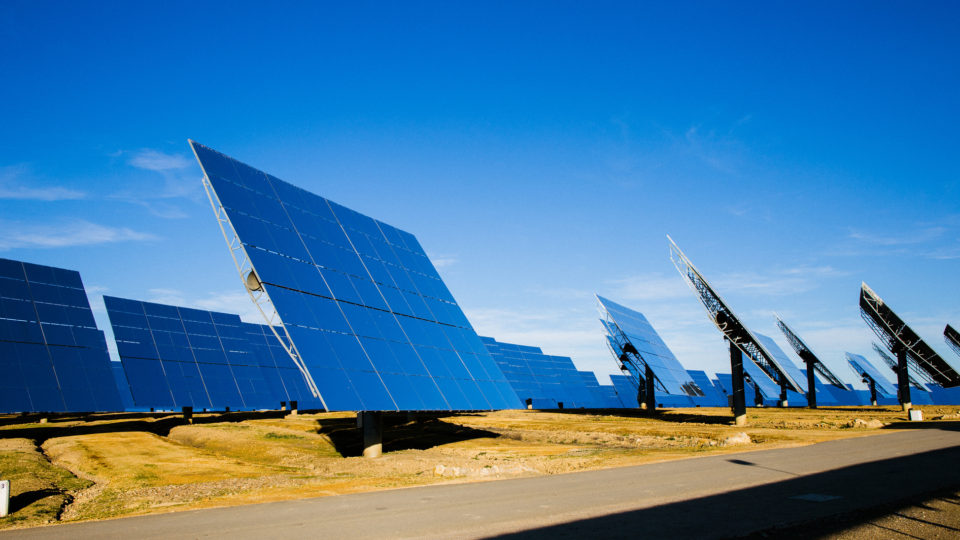
A project planned for sunny South Australia will be the world’s largest single solar thermal power plant when it comes on line in 2020.   The Aurora Solar Energy Project will have a capacity of 150 MW, which is enough to supply 90,000 people with electricity.

[Read more…] about A Giant Solar Thermal Plant For Australia

Primary Sidebar

Recent Episodes

  • An uninsurable future
  • Clean energy and jobs
  • Insect declines in remote regions
  • Fossil fuel producing nations ignoring climate goals
  • Trouble for clownfishes

WAMC Northeast Public Radio

WAMC/Northeast Public Radio is a regional public radio network serving parts of seven northeastern states (more...)

Copyright © 2025 ·