• Skip to primary navigation
  • Skip to main content
  • Skip to primary sidebar

Earth Wise

A look at our changing environment.

  • Home
  • About Earth Wise
  • Where to Listen
  • All Articles
  • Show Search
Hide Search
You are here: Home / Archives for smoke

smoke

Air pollution and human health

September 1, 2025 By EarthWise Leave a Comment

Climate change is making air quality worse in many parts of the world. Rising temperatures increase ground-level ozone, and more frequent wildfires release harmful smoke and particulates into the air. These changes, combined with ongoing pollution from sources like vehicle exhaust and industrial emissions, lead to longer and more intense episodes of unhealthy air.

A new study led by researchers from the University of Toronto in Canada examined more than 600 people and found that long-term exposure to air pollution is associated with early signs of heart damage.  The research, which was recently published in the journal Radiology, indicates that fine particulate matter in the air may contribute to diffuse myocardial fibrosis, a form of scarring in the heart muscle that can precede heart failure. 

Cardiovascular disease is the leading cause of death worldwide. 

Long-term exposure to common air pollutants is also linked to a significantly higher risk of dementia.  A separate study by researchers from the University of Cambridge in the UK analyzed data from nearly 30 million people and found that for every 10 micrograms of fine particulate matter per cubic meter of air, the risk of dementia increases by 17%.  The study, which was recently published in The Lancet Planetary Health, found that exposure to nitrogen dioxide and soot was also strongly associated with an increased risk of dementia.

Dementia is estimated to affect more than 57 million people worldwide, a number that is expected to swell to 152 million by 2050.

Strengthening efforts to reduce air pollution could make a real difference for the environment and human health.

**********

Web Links

Even low levels of air pollution may quietly scar your heart, MRI study finds

Is the air you breathe silently fueling dementia? A 29-million-person study says yes

Photo, posted February 25, 2017, courtesy of CCO Bay via Flickr.

Earth Wise is a production of WAMC Northeast Public Radio

Indoor air and outdoor pollution

July 11, 2025 By EarthWise Leave a Comment

How outdoor pollution can impact indoor air quality

The majority of us spend about 80% of our time indoors.   The quality of the air that we breathe depends on the age and type of building we occupy along with any sources of indoor pollution that may exist and, ultimately, the quality of the air outdoors.  The HVAC used to heat, ventilate, and cool the building plays an important role.

The College of Engineering at the University of Utah used its Salt Lake City campus as a living laboratory to explore how outdoor air pollution affects indoor air quality.  Specifically, the nature of outdoor pollution sources strongly affected how effectively HVAC systems prevented external sources from getting into buildings.

Of particular concern is fine particulate matter with a diameter of less than 2.5 microns.  These PM 2.5 particles can penetrate deeply into lungs, potentially causing health problems like respiratory irritation and heart disease.

There are multiple sources of PM 2.5.  The Utah study found that wildfire smoke had four to five times more PM 2.5 infiltration into buildings than pollution from inversions and wind-driven dust events.

An additional finding was that commercial HVAC systems that use air-side economizers are much less effective at keeping out particulate matter.  These systems use special duct and damper systems that reduce energy use by drawing air from outdoors when temperature and humidity levels are optimum.

**********

Web Links

Does outdoor air pollution affect indoor air quality?

Photo, posted June 15, 2024, courtesy of Peter Burka via Flickr.

Earth Wise is a production of WAMC Northeast Public Radio

Americans breathe unhealthy air

June 2, 2025 By EarthWise Leave a Comment

According to the American Lung Association’s annual State of the Air report, at least 156 million Americans – 46% of the population – live with unsafe levels of ozone, particulate pollution, or both.

The report analyzed ozone and particulate pollution levels between 2021 and 2023, during which the worst wildfire season on record took place in Canada.  The report ranked pollution levels in counties and cities across the country on a grading scale from A to F.  At least 156 million people live with air that got the poorest grade of F for at least one of three pollutants.   At least 42 million people live in counties that failed all three pollutant standards measured.

While the report attempts to provide a complete picture of air quality around the country, about two-thirds of counties lack air quality monitoring for ozone or particulate pollution. 

The wildfires in Canada are responsible for much of the increase in air pollution in the past several years.  However, climate projections suggest that the conditions that fueled those fires are likely to become increasingly common.

Air quality standards in the United States have generally been improving since the Clean Air Act was enacted by Congress in 1970.  Since that time, levels of key pollutants have dropped by nearly 80%.  But millions of Americans are still breathing polluted air, leading to both acute and chronic health conditions.

Plans by the Trump administration to loosen environmental regulations and cut funding for air quality research are likely to only make matters worse.

**********

Web Links

Almost Half of Americans Breathe Unhealthy Air, Report Finds

Photo, posted June 8, 2023, courtesy of Anthony Quintano via Flickr.

Earth Wise is a production of WAMC Northeast Public Radio
Dangers of distant fires

January 6, 2025 By EarthWise Leave a Comment

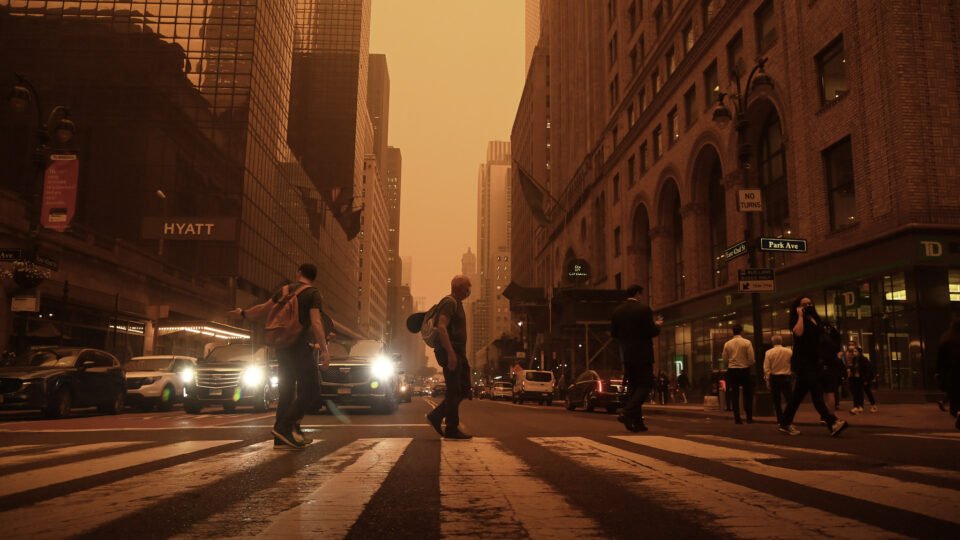
Smoke from wildfires can drift thousands of miles

Smoke from wildfires is well known to exacerbate health problems like heart disease, lung conditions, and asthma.  People living in the vicinity of where fires occur face these dangers.  But a new study at the University of Maryland has found that there are health impacts from wildfires occurring thousands of miles away.

During the summer of 2023, massive Canadian wildfires created a vast plume of smoke that drifted more than 2,000 miles across the country resulting in poor air quality across the entire East Coast of the U.S. 

Baltimore had very dark skies over a six-day period in June 2023, sending many individuals to doctors’ offices complaining of breathing issues.  University of Maryland researchers found that medical visits for heart and lung problems rose by nearly 20% during that period.

Using satellite and EPA data combined with electronic health records, the researchers found increased likelihood of patients going to the doctor for complications related to cardiopulmonary conditions during the days with the most smoke in the air.  They found a 55% increase in the risk for an outpatient visit for heart and lung conditions and these additional patients tended to be older, non-smokers, and more socio-economically affluent than the typical patients who see their doctors for such conditions when the air quality is good.

With more climate-related events likely to occur in the future, doctors may require better tools to help disadvantaged patients on so-called hotspot days when conditions are most dangerous.  Increasingly common wildfires are a particular danger to people even when those fires are far away from where they live.

**********

Web Links

Exposure to Remote Wildfire Smoke Drifting Across the U.S. Linked to Increased Medical Visits for Heart and Lung Problems

Photo, posted June 8, 2023, courtesy of Marc A. Hermann / MTA via Flickr.

Earth Wise is a production of WAMC Northeast Public Radio
Megafires and orchard health

November 1, 2024 By EarthWise Leave a Comment

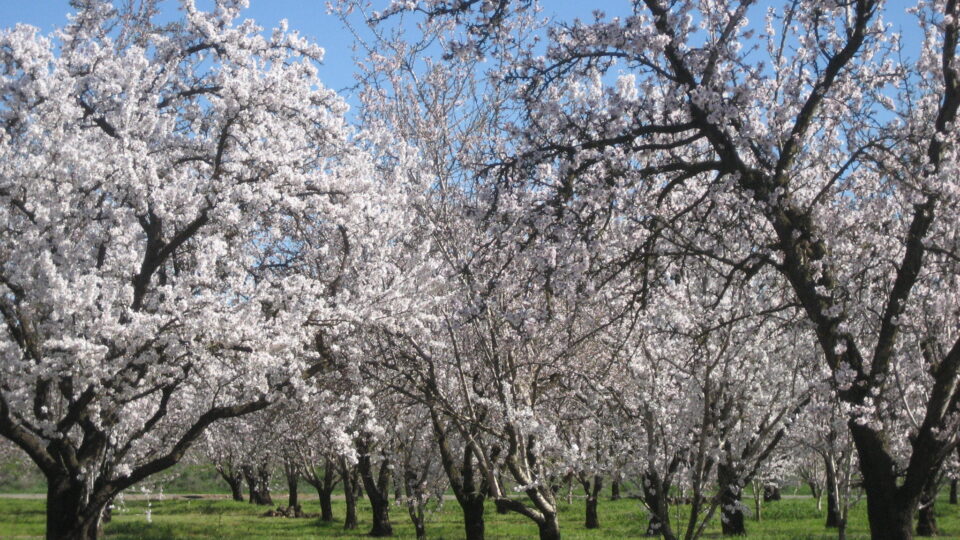
The frequent and massive megafires in places like Canada and the American west have led to a lot of research on the impact of smoke on humans but there has been less study of the effects of smoke on plant health.  Researchers at the University of California, Davis have found that trees are just as vulnerable as humans are to the harmful effects of long-term exposure to smoke.

The Davis researchers studied almond, pistachio, and walnut trees at 467 orchard sites in California’s Central Valley from 2018 to 2022.  In 2022, so-called megafires burned more than 4.2 million acres in California, pouring ash and smoke into the sky.  The researchers had been studying how trees store carbohydrates to cope with heat and drought. 

With the onset of the fires, they saw an opportunity to study how smoke affects carbohydrate levels.  Trees use stored carbohydrates to sustain them through winter dormancy and spring growth.  Trees produce carbohydrates via photosynthesis and thick smoke blocks the amount of light reaching the trees.  Beyond that, there are other aspects of wildfire smoke, such as particulate matter and ozone that appear to affect photosynthesis.

The team found that the smoke not only reduced the amount of carbohydrates in trees but also caused losses that continued even after the fires were extinguished.  This led to nut yield decreases of 15% up to 50% in some orchards.  The researchers expected to see some impact on the trees during periods when smoke was really dense but were not expecting the smoke to have such a lingering effect and result in a significant drop in yield.

**********

Web Links

Smoke From Megafires Puts Orchard Trees at Risk

Photo, posted October 1, 2008, courtesy of Suzi Rosenberg via Flickr.

Earth Wise is a production of WAMC Northeast Public Radio
Canadian wildfires and global emissions

October 14, 2024 By EarthWise Leave a Comment

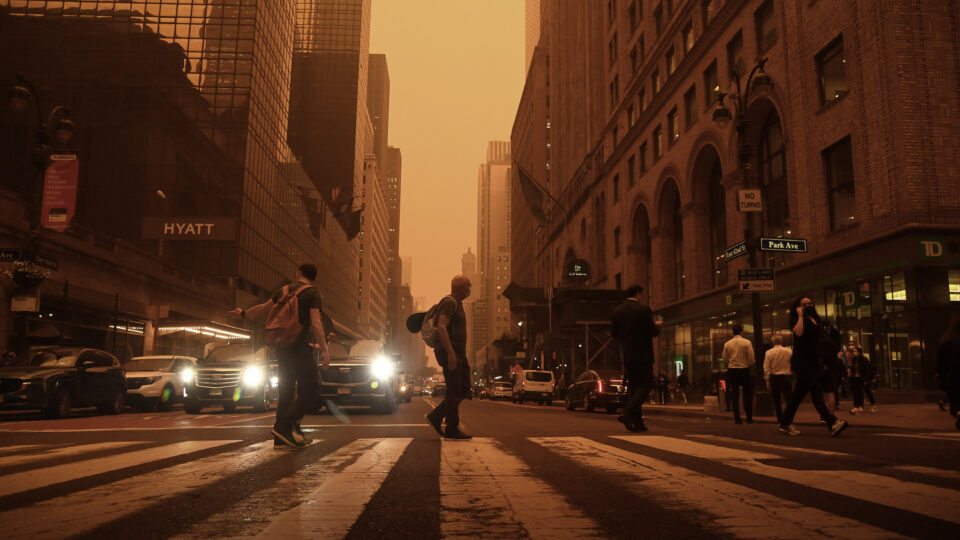
The wildfires that burned vast amounts of Canada’s boreal forests in 2023 produced enormous amounts of smoke that found its way into American cities, working its way down the eastern seaboard and even producing unsafe air in Florida.

Researchers at Cal Tech and the Jet Propulsion Laboratory analyzed the carbon emissions associated with these fires last year and found that they were greater than those of all but three countries:  China, the US, and India.

Boreal forests have historically been a natural defense against climate change by storing carbon in trees rather than adding carbon dioxide to the atmosphere.  The fires in Canada, fueled by hot and dry weather, were extraordinary when compared with historical records.  But such fires are likely to be increasingly common as the climate continues to warm.

However, the hot and dry weather that fueled the 2023 fires was exceptional in many ways, involving early snow melt and so-called flash droughts.  This year’s fires in Canada are still bigger than average, but so far have not been as destructive as last year’s. 

Canada has been warming at about twice the global rate.  The extreme temperatures last summer were a major factor in the fueling of the fires, which burned an area almost the size of Florida.

Forests absorb about a quarter of global carbon emissions, but the increasing frequency and intensity of fires are calling into question their ability to continue to do so.  Parts of the Canadian forests are not regrowing after fires as they have in the past, partly because blazes burn trees so frequently and intensely.

**********

Web Links

Canada’s Wildfires Were a Top Global Emitter Last Year, Study Says

Photo, posted June 8, 2023, courtesy of the Metropolitan Transportation Authority via Flickr.

Earth Wise is a production of WAMC Northeast Public Radio
Canadian zombie fires

April 8, 2024 By EarthWise Leave a Comment

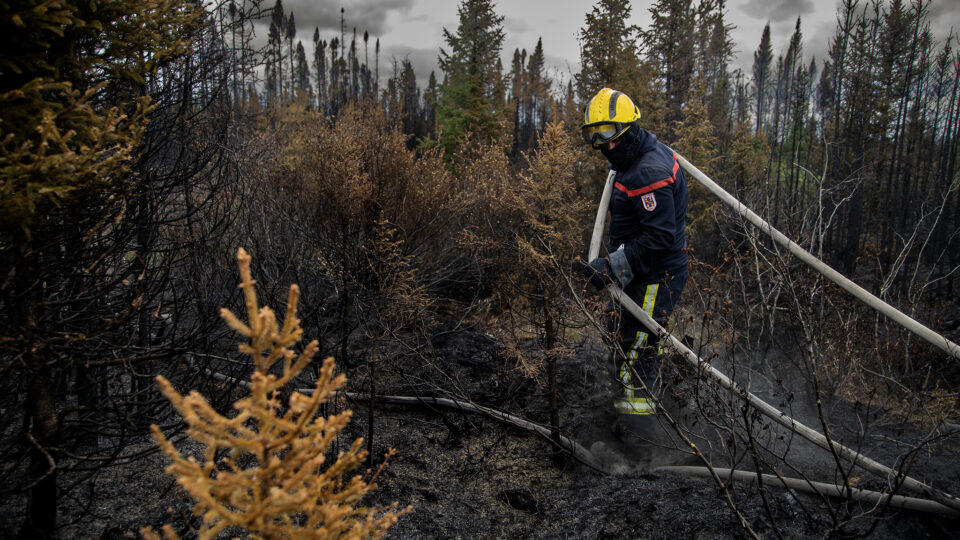
Canada’s 2023 wildfire season was the most destructive ever recorded.  Over 6,000 fires burned nearly 71,000 square miles of land from the West Coast to the Atlantic provinces.  The burned areas are roughly the size of the entire country of Finland and represent almost triple the amount burned in the previous year, which itself was a lot. Smoke from Canadian fires, particularly those in Quebec, blanketed many cities in the United States and made its way as far south as Florida.

An alarming aspect of the Canadian fire season is that it didn’t ever really end.  Late in the winter, 149 active wildfires are still burning across Canada.  92 are in British Columbia, 56 in Alberta, and one in New Brunswick.  In these places, the wildfire season is yearlong.

These overwintering fires have come to be known as zombie fires.  They burn slowly below the surface during the winter.  Many areas in the north contain porous peat and moss ground cover and these act as underground fuel for smoldering fires.

Wildfires have become more prevalent in Canada because the changing climate has brought about increases in the hot, dry, and gusty conditions that lead to drought.

Many of the zombie fires don’t pose an increased threat of triggering wildfires in the spring because they are in places that are already so charred that there is nothing left to burn.  But others are in drought areas that are basically tinder boxes ready to burst into flame once spring arrives.

Overall, Canadian government officials are warning that this year’s wildfire season is likely to be even worse than last year’s, particularly in the Western provinces of British Columbia and Alberta.

**********

Web Links

As ‘Zombie Fires’ Smolder, Canada Braces for Another Season of Flames

Photo, posted June 30, 2023, courtesy of P. McCabe / EU via Flickr.

Earth Wise is a production of WAMC Northeast Public Radio
Protecting wine grapes from wildfire smoke

February 27, 2024 By EarthWise Leave a Comment

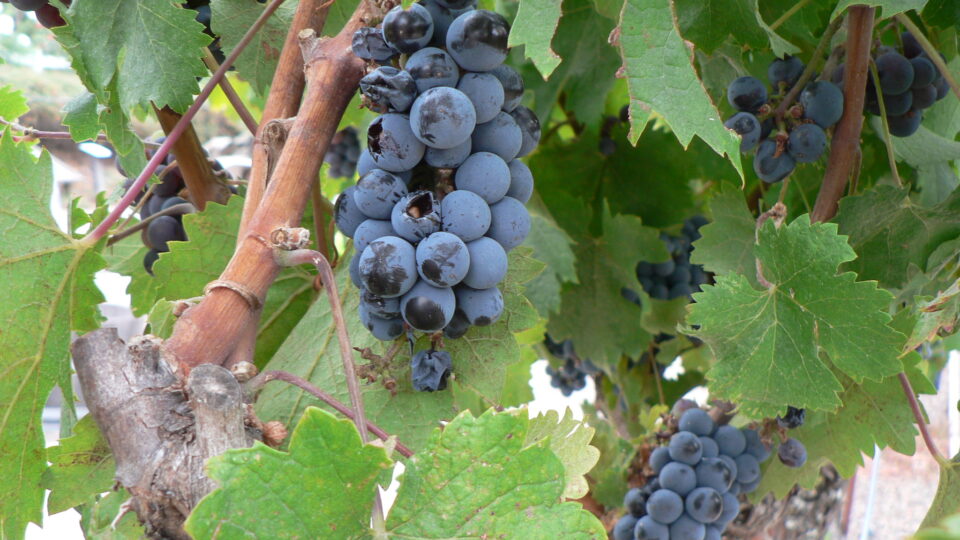
In recent years, wildfires have become a major threat to the wine industry because of the effects of smoke on wine grapes.  Smoke taint from the California fires of September 2020 significantly impacted the quality of wine grapes.  In total, smoke taint cost the wine industry in Western states more than $3 billion in losses from the hundreds of thousands of tons of wine grapes that could not be harvested because of the off flavors imparted by the smoke.  The California wine industry alone is a $43 billion a year business and the state’s frequent wildfires are a major threat to it.

Researchers at Oregon State University have developed techniques for eliminating the effects of three volatile chemical compounds that contribute to smoke taint in grapes.  The compounds are guaicol, syringol, and meta-cresol.

The researchers developed cellulose nanofiber-based coatings that can be applied to grapes in the vineyard.  The coatings can block guaicol and syringol and capture meta-cresol.

Blocking is ideal because the coating doesn’t absorb the wildfire smoke compounds.  Therefore, it doesn’t have to be washed off.  Capturing means the coating absorbs the compounds and would need to be washed off.  Ideally, a coating that doesn’t need to be washed off would save time, money, and water.

Two years of studies at Oregon State found that the coatings do not impact the growth and quality of wine grapes.  In an era when wildfires are increasingly common and extensive, growers need something they can spray on their vines to protect their grapes.  If the Oregon State technology can be commercialized, it would be a game-changer for the Western U.S. wine industry.

**********

Web Links

Spray coating for grapes shows promise in battle between wildfire smoke and wine

Photo, posted October 3, 2006, courtesy of Naotake Murayama via Flickr.

Earth Wise is a production of WAMC Northeast Public Radio
Wildfires and air quality

January 1, 2024 By EarthWise Leave a Comment

The impact of wildfires on air quality

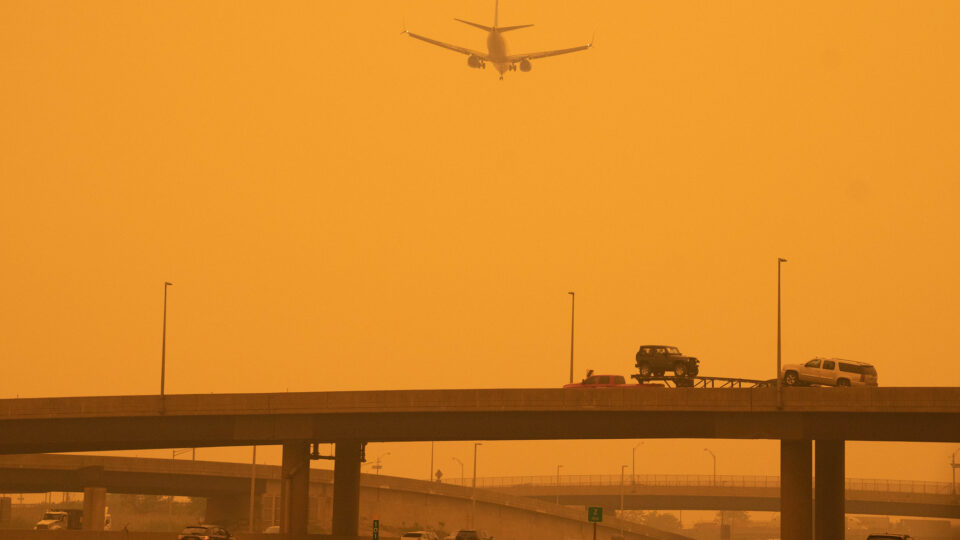
The wildfires last summer in parts of the U.S. and Canada fouled the air over much of the country.  Air quality in many places was dangerous for human health.  And such fires are becoming more numerous and more intense.

A new study by the University of Iowa has assessed the effects of two decades of wildfires on air quality and human health in the continental U.S.

From 2000 to 2020, air quality in the western U.S. has gotten worse as a result of the numerous fires in that region.  More generally, all those fires have undermined the success of federal efforts to improve air quality, primarily through the reductions in automobile emissions.

American air had been getting cleaner and clearer as a result of EPA regulations on vehicle emissions, but the surge in wildfires has limited and, in some cases, erased these air quality gains.  Twenty years of efforts by the EPA to make our air cleaner have been lost in fire-prone areas and in many downwind areas.

The Iowa study looked at the concentration of black carbon, a fine-particle air pollutant from fires linked to respiratory and heart disease.  In the western U.S., black carbon concentrations have risen 86% on an annual basis.

Fires have also affected the air in the Midwest, although not to the same degree as in the west.  The eastern U.S. had no major declines in air quality during the 2000-2020 time period.  Given the episodes of smoke from Canadian wildfires experienced by the east coast this past summer – as far south as Florida – even the air in that part of the country is suffering from the spread of wildfires.

**********

Web Links

Wildfires have erased two decades’ worth of air quality gains in western US

Photo, posted June 8, 2023, courtesy of Anthony Quintano via Flickr.

Earth Wise is a production of WAMC Northeast Public Radio
Megafires and ecosystems

November 15, 2023 By EarthWise Leave a Comment

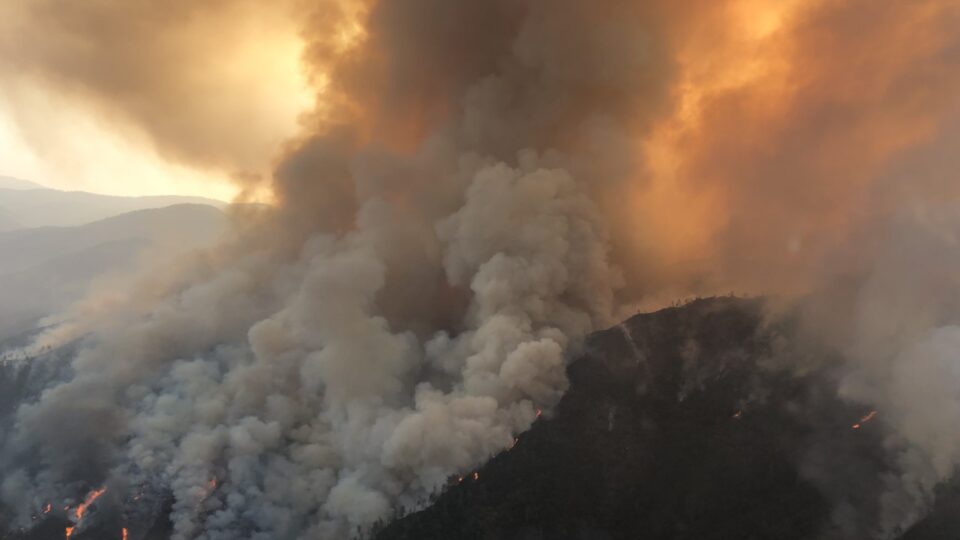
Wildfires are a natural phenomenon.  They have occurred long before there were people around.  Ecosystems adapt to fires and some species can benefit from them or even depend upon them.  But in recent times, fires have been intensifying and increasing in frequency and they are beginning to outstrip nature’s ability to bounce back from them.

So-called megafires – ones that dwarf typical wildfires in size – have an immediate ecological toll.  They kill individual plants and animals that might have survived smaller fires. 

Over millennia, many species of plants and animals have evolved to adapt to periodic fires.  They are especially sensitive to smoke and take protective action in a timely fashion. Others take advantage of food sources that arise when trees burn.

But even species that capitalize on burned-out areas of forests require oases of healthy woodland for at least part of their activities.  When fires are too widespread, such oases are too few and far between.

Animals that survive fires must find food, water, and shelter in the aftermath.  And all air-breathing animals are going to be impacted by smoke exposure because the chemicals in smoke are toxic to them as well as to people.

In places like Canada’s Northwest Territories, repeated fires have transformed some forests, eliminating dominant tree species and replacing them with others whose light seeds were carried on the wind.

Scientists have estimated that increased global fire activity could push more than 1,000 threatened plant and animal species closer to extinction.  Changing fire patterns are transforming landscapes and utterly remaking ecosystems.

**********

Web Links

How Megafires Are Remaking the World

Photo, posted December 19, 2022, courtesy of Brian Pippin/USFWS via Flickr.

Earth Wise is a production of WAMC Northeast Public Radio
Wildfires And Air Quality | Earth Wise

October 26, 2023 By EarthWise Leave a Comment

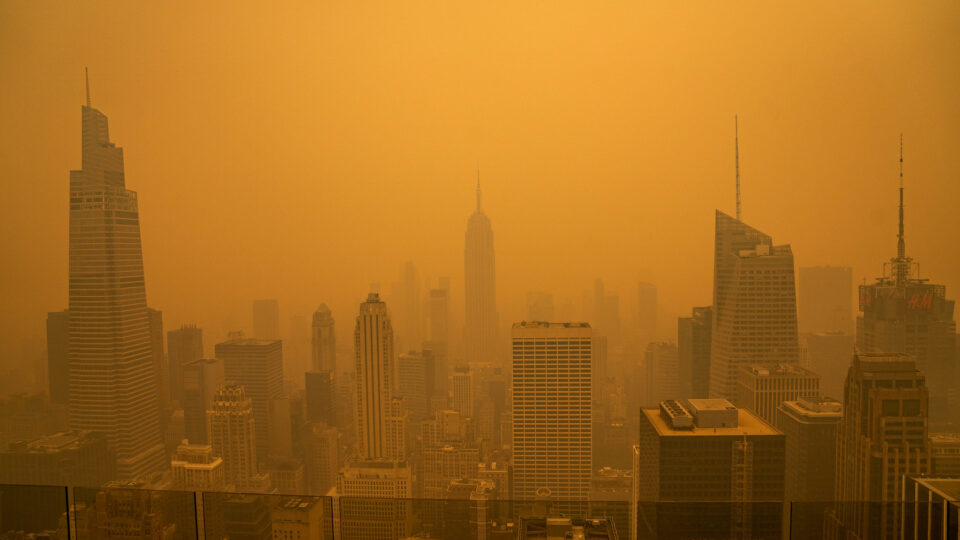
People in the Northeast have been dealing with unhealthy air quality in recent times because of smoke from hundreds of wildfires in Canada.  Canada has experienced a much higher than average incidence of blazes this year with nearly 500 fires burning uncontrolled at times.

It turns out that states far away from Canada aren’t necessarily free from the impact of the fires.  Early in October, smoke from a wildfire burning in Quebec made its way south all the way down to Florida and created unhealthy air quality and reduced visibility across much of the state.  Smoke from the same fire had created hazy air in Boston, New York City, and parts of Connecticut before heading south.

It took a rather unusual set of atmospheric conditions to make this happen.  The smoke drifted from Canada into the western Atlantic.  From there, it got trapped behind a cold front and was then pushed south along the east coast until it finally moved inland across Florida. 

Wildfires produce a variety of particles and gases from the burning of vegetation such as organic carbon, black carbon, nitrogen oxides, carbon monoxide and hazardous air pollutants.  The mixture of particles and gases in wildfire smoke is associated with respiratory symptoms like shortness of breath and reduced lung function, as well as dangerous cardiovascular effects.

Smoke from increasingly frequent and increasingly large fires has started to undo decades of gains in air quality brought about by air pollution policies.  According to researchers, wildfires in the United States in recent years have undone about 25% of past progress in cleaning up air pollution in states from coast to coast.

**********

Web Links

Wildfire Smoke From Canada Creates Unhealthy Air Quality in Florida

Photo, posted June 8, 2023, courtesy of Anthony Quintano via Flickr.

Earth Wise is a production of WAMC Northeast Public Radio
The Hottest Summer | Earth Wise

October 13, 2023 By EarthWise Leave a Comment

The hottest summer since global record keeping began

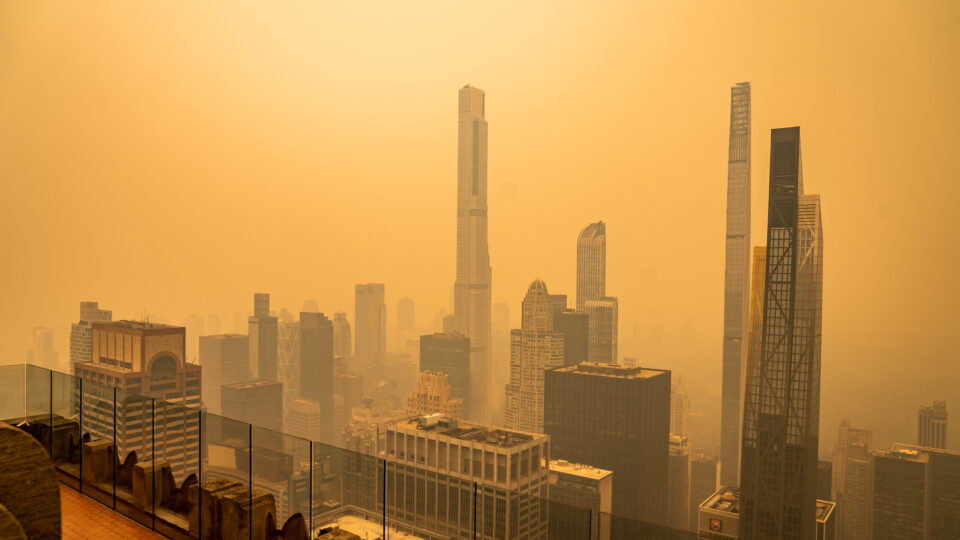
It was a very rainy and relatively cool summer in much of New England as well as in New York’s Capital Region, where Earth Wise originates.  Despite that fact, according to NASA scientists, the summer of 2023 was the Earth’s hottest since global record keeping began in 1880.

The months of June, July, and August taken together were .41 degrees Fahrenheit warmer than any other summer on record as well as being 2.1 degrees warmer than the average summer between 1951 and 1980.

The record summer heat was marked by heatwaves in South America, Japan, Europe, and the US.  The heat exacerbated wildfires in Canada that dumped smoke across much of the northern tier of our country and also led to severe rainfall in Europe.  All sorts of temperature records were set in places across the globe.

According to NASA, exceptionally high sea surface temperatures, fueled in part by the reemergence of El Niño in the Pacific, were a major factor in the summer’s record warmth.

The record-breaking heat of this summer continues a long-term trend of warming.  Scientists around the world have been tracking the warming that is driven primarily by human-caused greenhouse gas emissions.  The combination of this background warming and the marine heatwaves set the stage for new temperature records.  The El Niño was enough to tip the scales. 

In the current environment, heat waves will last longer, be hotter, and be more punishing.  The atmosphere can hold more water producing hot and humid conditions that are harder for the human body to endure.

Scientists are expecting the biggest impacts of El Niño in the early parts of next year.  We can expect to see extreme weather of many kinds over the next year.

**********

Web Links

NASA Announces Summer 2023 Hottest on Record

Photo, posted June 8, 2023, courtesy of Anthony Quintano via Flickr.

Earth Wise is a production of WAMC Northeast Public Radio

Lampshades And Indoor Air Pollution | Earth Wise

September 26, 2023 By EarthWise Leave a Comment

Converting indoor air pollution into harmless compounds

We mostly think of air pollution as an outdoor problem.  Common sources of air pollution include emissions from vehicles, byproducts of manufacturing and power generation, and smoke from wildfires.  What we don’t often spend a lot of time thinking about is indoor air quality. 

Indoor air pollution refers to harmful pollutants within buildings and structures, which can lead to a myriad of health issues.  Sources of indoor air pollution include smoke from tobacco products, as well as volatile organic compounds (VOCs), including acetaldehyde and formaldehyde, emitted from things such as paints, cleaning products, plastics, and cooking. 

A team of scientists from South Korea’s Yonsei University has developed a special coating that when applied to lampshades can convert pollutants into harmless compounds.  Composed of titanium dioxide and a small amount of platinum, this thermocatalyst can be applied to the inside surface of a lampshade and is triggered to break down VOCs when warmed by the lamp’s existing incandescent or halogen bulb.

In lab tests, the coating was applied to the inside of an aluminum lampshade, warmed by a halogen bulb, and then placed into a sealed chamber containing air and acetaldehyde gas.  The researchers found that the material quickly converted the gas into acetic acid, then into formic acid, and finally into carbon dioxide and water. The scientists are now looking for ways to extend the pollutant-destroying-lampshade concept to LED lightbulbs. 

The findings offer a promising and eco-friendly solution to improve indoor air quality and reduce the health risks associated with prolonged exposure to VOCs. 

**********

Web Links

Clever coating turns lampshades into indoor air purifiers

Photo, posted March 21, 2009, courtesy of Levent Ali via Flickr.

Earth Wise is a production of WAMC Northeast Public Radio
Wildfire Smoke And Global Weather | Earth Wise

June 1, 2023 By EarthWise Leave a Comment

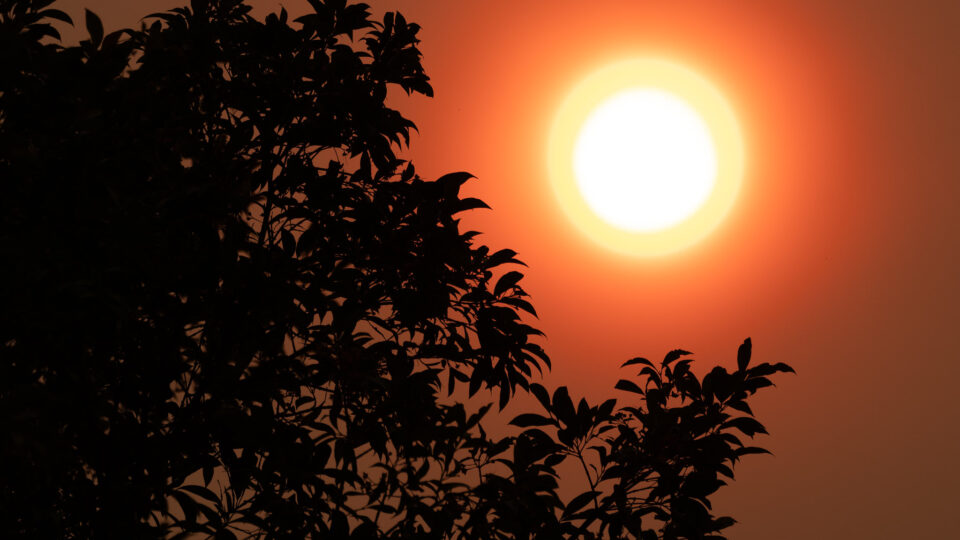
In 2019 and 2020, wildfires burned 72,000 square miles in Australia, roughly the same area as the entire country of Syria. During the nine months when the fires raged, persistent and widespread plumes of smoke filled the atmosphere.

These aerosols brightened a vast area of clouds above the subtropical Pacific Ocean.  Beneath these clouds, the surface of the ocean and the atmosphere cooled.  The effect of this was an unexpected and long-lasting cool phase of the Pacific’s La Niña-El Niño cycle.

A new modeling study by the National Center for Atmospheric Research in Boulder, Colorado quantified the extent to which aerosols from the Australian wildfires made clouds over the tropical Pacific reflect more sunlight back towards space.  The resultant cooling shifted the cloud and rain belt known as the Intertropical Convergence Zone northward.  These effects may have helped trigger the unusual three-year-long La Niña, which lasted from late 2019 through 2022.

The impacts of that La Niña included intensifying drought and famine in Eastern Africa and priming the Atlantic Ocean for hurricanes.  2020 was the most active tropical storm season on record, with 31 storm systems, including 11 that made landfall in the U.S.

The study highlights widespread multi-year climate impacts caused by an unprecedented wildfire season.  The wildfires set off a chain of events that influenced weather far from where the fires occurred.  In the future, climate experts will need to include the potential effects of wildfires in their forecasts.

**********

Web Links

How Wildfire Smoke from Australia Affected Climate Events Around the World

Photo, posted December 19, 2019, courtesy of Simon Rumi via Flickr.

Earth Wise is a production of WAMC Northeast Public Radio
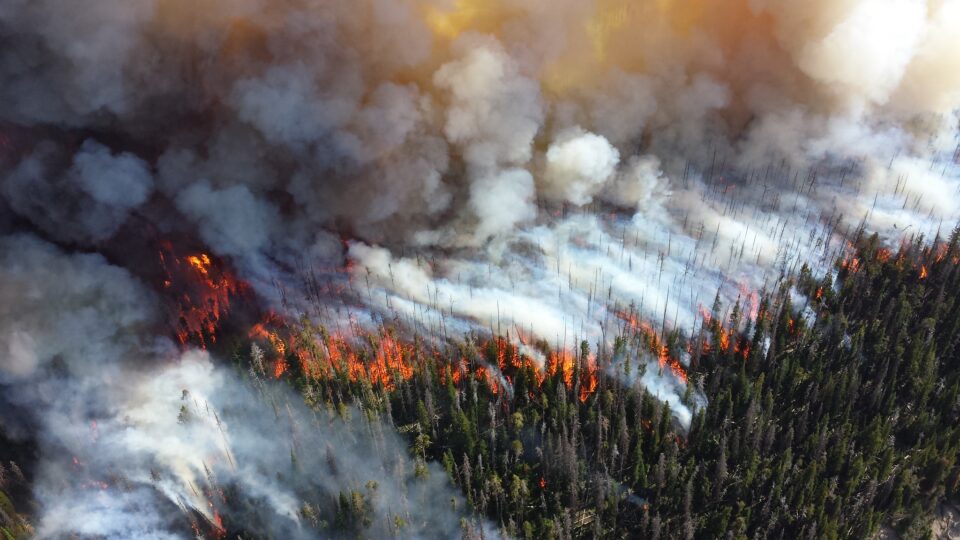
Wildfire Smoke And Air Quality | Earth Wise

November 1, 2022 By EarthWise Leave a Comment

Wildfire smoke is wreaking havoc on air quality

According to a new study published by Stanford University, the average number of people in the U.S. exposed to unhealthy levels of airborne particulates at least one day a year has increased 27-fold over the last decade as a result of wildfires.

Millions of Americans are now routinely exposed to plumes of wildfire smoke that sometimes travel thousands of miles across the country.  Accumulations of deeply unhealthy air have emerged mainly in the West, where increasingly intense wildfires have become all too common.  Six of the seven largest wildfires in California recorded history have occurred since 2020.

Wildfire smoke has resulted in school closures, flight postponements, and even cancelled concerts.  Overall, the regression in air quality has undone much of the clean air progress that has taken place since the advent of the Clean Air Act in 1970.

Wildfire smoke has added about 5 micrograms of PM 2.5 particles per cubic meter of air on average in many places in the West.  This is a substantial increase from national levels, which are a total of about 10 micrograms per cubic meter and mostly result from emissions from cars, trucks, and power plants.

A decade ago, fewer than 500,000 Americans were exposed to any days of an air quality index of 100 or more due to smoke, which is a level that is deemed unhealthy.  In 2020, 25 million Americans were in areas with such levels at least one day during the year.

Ordinarily, if people don’t live near a highway or power plant, their air quality is likely to be pretty good.  But incursion from wildfire smoke is changing that, and the trend is likely to increase.

**********

Web Links

Number of Americans Exposed to Harmful Wildfire Smoke Has Increased 27-Fold

Photo, posted August 19, 2013, courtesy of Mike Lewelling / National Park Service via Flickr.

Earth Wise is a production of WAMC Northeast Public Radio

Mercury In The Amazon Rainforest | Earth Wise

March 8, 2022 By EarthWise Leave a Comment

Mercury polluting the Amazon rainforest

Recent research has found that some of the highest levels of mercury pollution ever recorded are in a patch of pristine Amazonian rainforest.  The international team of researchers discovered that illegal goldmining in the Peruvian Amazon is the source of the pollution.

Illegal miners separate gold particles from river sediments using mercury.  Mercury binds to gold, forming pellets large enough to be caught in a sieve.   The pellets are then burned in open fire ovens, releasing the mercury to the atmosphere, leaving the gold behind.  The mercury smoke ends up being washed into the soil by rainfall, deposited onto the surface of leaves, or directly absorbed into leaf tissues.

Deforested areas had low levels of mercury, while the areas with the largest, densest old-growth trees captured huge volumes of atmospheric mercury, more than any other ecosystem studied in the entire world.  Mercury levels were directly related to leaf area index:  the denser the canopy, the more mercury it holds.  Birds from this area have up to twelve times more mercury in their systems than birds from less polluted areas.  Such high concentrations of mercury could provoke a decline of up to 30% in these birds’ reproductive success.

Small-scale artisanal gold mining is an important livelihood for local communities.  Eliminating it outright may not be a viable solution but coming up with ways to continue to provide a sustainable livelihood while protecting communities from poisonous pollution is essential.

In the meantime, the forests are doing an important service by capturing much of the mercury and preventing it from getting into the general atmosphere and endangering more people and animals.  Burning or harvesting the mercury-ridden trees would release the mercury back into the atmosphere.

**********

Web Links

Modern Day Gold Rush Turns Pristine Rainforests into Heavily Polluted Mercury Sinks

Photo, posted August 24, 2016, courtesy of Anna and Michal via Flickr.

Earth Wise is a production of WAMC Northeast Public Radio.

Wine And Wildfire Smoke | Earth Wise

September 22, 2021 By EarthWise Leave a Comment

Wildfire smoke devastating some vineyards

Rising global temperatures have made droughts and heatwaves more common and intense, leading to larger and more destructive wildfires.   In 2020, wildfires in California blackened more than 4 million acres, the largest wildfire season on record.   With its continuing drought, California has already had 1.5 million acres burned by wildfires this year, and the fires continue.

Wildfires can cause extensive damage throughout the agricultural industry by destroying crops and killing livestock.  But the fires can have a unique effect on the wine industry:  wine grapes can be affected by smoke taint.

Vineyards have demonstrated themselves to be good fire breaks.  They definitely help prevent the movement of wildfires.  But there is no way to stop smoke from the fires from drifting into vineyards.  By far, the damage caused by smoke far outweighs direct losses from fires in vineyards.

Winemakers sometimes add subtle smoky notes to their vintages by aging them in toasted oak barrels.   But wildfire smoke permeating vineyards – even from distant blazes – can end up making wines undrinkable.  Smoke-tainted wines end up having unpleasant aromas that people describe as being like disinfectants or burnt rubber. 

With wildfires an increasingly persistent presence in California, the state’s $43 billion wine industry is facing a major challenge.  An estimated 165,000 to 325,000 tons of California wine grapes went unharvested last year, adding up to more than $600 million in losses from fire and smoke.  The industry will need to figure out ways to detect and manage smoke taint as the problem isn’t going to go away.

**********

Web Links

Wildfire Smoke: An Emerging Threat to West Coast Wines

Photo, posted July 25, 2021, courtesy of Felton Davis via Flickr.

Earth Wise is a production of WAMC Northeast Public Radio.

Radar Satellites And Hazard Mitigation | Earth Wise

May 26, 2021 By EarthWise Leave a Comment

Using satellites to keep tabs on natural disasters

Scientists have concluded that the changing climate is primarily the result of increased human-caused greenhouse gas emissions.  Some of the effects of global climate change include melting glaciers, warming oceans, intensifying storms, and rising seas.

Another consequence of global climate change is natural disasters like floods and wildfires.  Climate change is increasing the frequency and severity of wildfires and increasing the odds of record-breaking floods in many parts of the United States and all around the world.

As a result, scientists in Australia have turned to technology for better assistance in keeping tabs on these climate change-driven natural disasters.  Researchers from Curtin University in Perth, Australia have found that satellites can improve the ability to detect, monitor, prepare for, and withstand natural disasters, including floods, wildfires, and earthquakes.

The research team used Synthetic Aperture Radar (SAR) data, which was acquired by the European Space Agency Sentinel-1 satellite.  The researchers also used data acquired by other satellites to evaluate these Australia-specific case studies.

According to the researchers, SAR data provides remote monitoring capabilities of Earth’s surface around the clock and in all weather, which is something that traditional optical Earth Observation (EO) imagery cannot do. The ability to function through fog, clouds, rainfall, and smoke is what makes SAR so valuable.

The research team says that the data can be used to improve how people track and respond to natural disasters, by precisely mapping topography, tracking movements of the ground, and mapping damage to infrastructure. 

As the climate continues to change, the ability to mitigate hazards like floods and wildfires will be increasingly important. 

**********

Web Links

Radar satellites can better protect against bushfires and floods

Photo, posted May 11, 2007, courtesy of Bert Knottenbeld via Flickr.

Earth Wise is a production of WAMC Northeast Public Radio.

Fighting Zombie Fires | Earth Wise

April 30, 2021 By EarthWise Leave a Comment

New tool in the fight against zombie fires

Peat fires are a global threat to both economies and the environment.  They generally burn a smaller area than fast-moving forest fires, but they can burn up to ten times more fuel matter per acre, producing far more smoke and far more carbon emissions.  They ignite very easily, are notoriously difficult to put out, all while releasing as much as 100 times more carbon into the atmosphere than flaming fires.  Some smoldering peat megafires are the largest and longest burning fires on Earth and are responsible for as much as 15% of annual global greenhouse gas emissions.

Peat fires are known as “zombie fires” because of their ability to hide and smolder underground and then reemerge as new flames days or weeks after they were supposedly extinguished.

Firefighters use billions of gallons of water to tackle a peat fire.  For example, fighting the 2008 Evans Road peat fire in North Carolina used up 2 billion gallons of water.  When water alone is used to extinguish peat fires, it tends to create large channels in the soil, which diverts water from nearby smoldering hotspots.  This is one reason that it is so difficult to extinguish a peat fire.

Researchers at Imperial College London have combined water with an environmentally friendly fire suppressant – one already used on flaming wildfires – and tested its use on peat fires.  They found that adding the suppressant to water helped them put out peat fires nearly twice as fast as using water alone, while using only a third to half of the usual amount of water.  The suppressant reduces the surface tension of the liquid, making it less likely to create large channels.  Instead, the liquid flows uniformly through the soil.  This could be an important tool in battling peat fires.

**********

Web Links

‘Magical’ fire suppressant kills zombie fires 40% faster than water alone

Photo, posted in August, 2011, courtesy of Chris Lowie / USFWS via Flickr.

Earth Wise is a production of WAMC Northeast Public Radio.

Wildfire Smoke And Dangerous Microbes | Earth Wise

February 12, 2021 By EarthWise Leave a Comment

Wildfire smoke is a major global health concern

The worsening severity of wildfires across the globe is a major public health concern.  The pulmonary and cardiovascular consequences of wildfire smoke inhalation have been well researched and have been an increasing focus for officials in places like California, other western states, and Australia.  More recently, another public health concern has emerged related to the fact that wildfire smoke can carry microbes that cause infectious diseases.

A new analysis, published in the journal Science, points out that the risk of potential infection from airborne microbes has not been the subject of much research.

The fungus coccidioides, for example, becomes airborne when soils are disturbed by fire. When this fungus is inhaled, it can cause Valley fever, an infection with flu-like symptoms that sometimes progresses to pneumonia or meningitis.  Inhalation risk of these microbes is highest closest to fires, so coccidioidomycosis is listed as a professional risk for firefighters.

A recent study found an increase in cases of invasive mold infection, aspergilliosis, as well as cases of coccidioidomycosis at hospitals within 200 miles of major wildfires in California.

Wildfire smoke has been shown to carry airborne particles of fungal and bacterial cells, hitching a ride on water vapor or charred carbon, over thousands of miles.  Some microbes in soil appear to be tolerant of or even thrive under high temperatures following wildfires.

A multidisciplinary research collaboration is needed to better understand the relationship between microbes, wildfire, and public health.  Such knowledge is increasingly vital as severe wildfires become seasonal norms in parts of the world such as the United States and Australia.

**********

Web Links

Wildfire Smoke Can Carry Dangerous Microbes Thousands of Miles, Scientists Warn

Photo, posted September 9, 2020, courtesy of Christopher Michel via Flickr.

Earth Wise is a production of WAMC Northeast Public Radio.

  • Page 1
  • Page 2
  • Go to Next Page »

Primary Sidebar

Recent Episodes

  • An uninsurable future
  • Clean energy and jobs
  • Insect declines in remote regions
  • Fossil fuel producing nations ignoring climate goals
  • Trouble for clownfishes

WAMC Northeast Public Radio
WAMC/Northeast Public Radio is a regional public radio network serving parts of seven northeastern states (more...)
Copyright © 2026 ·