• Skip to primary navigation
  • Skip to main content
  • Skip to primary sidebar

Earth Wise

A look at our changing environment.

  • Home
  • About Earth Wise
  • Where to Listen
  • All Articles
  • Show Search
Hide Search
You are here: Home / Archives for smoke

smoke

Increasing Air Pollution | Earth Wise

July 27, 2020 By EarthWise Leave a Comment

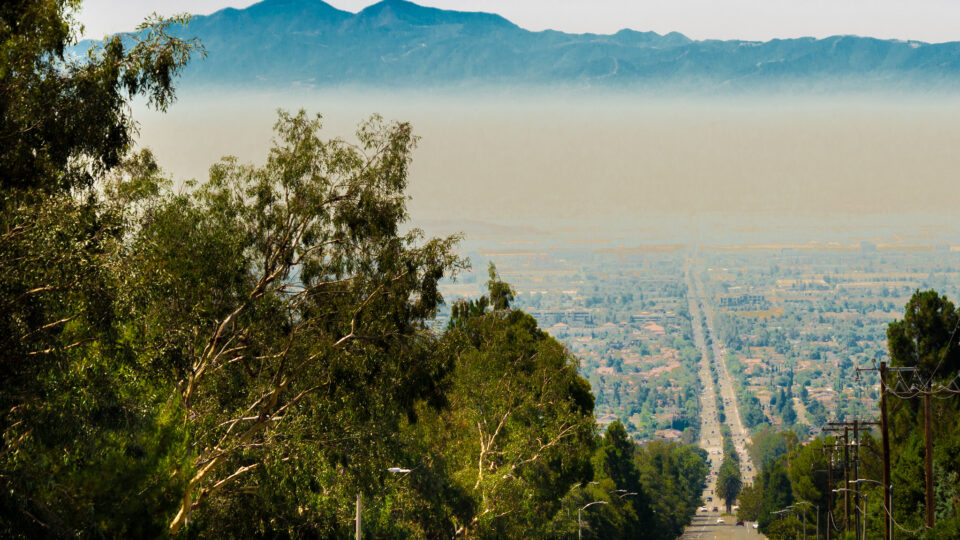
Half of the global population is exposed to increasing air pollution

According to researchers from the University of Exeter, half of the world’s population is exposed to increasing air pollution despite global efforts to improve air quality.  The study, which was completed in conjunction with the World Health Organization, suggests that air pollution represents a major and growing threat to human health. 

For the study, which was recently published in the journal Climate and Atmospheric Science, the researchers reviewed global air quality trends between 2010 and 2016.  The research team examined those findings against a backdrop of global policies to reduce air pollution.  The researchers used ground monitoring data and satellite data to develop yearly air quality profiles for individual countries and regions. 

The scientists focused on fine particulate matter, which is a mixture of solid particles and liquid droplets found in the air.  Some of the particles, like dust, soot, or smoke, are large enough to be seen by the naked eye.  Others are so small that they can only be seen using a microscope.  Inhaling fine particulate matter can cause all sorts of health issues, including asthma, respiratory inflammation, and even promote cancer. 

For much of the world’s population, the consequences of polluted air are more deadly than war, violence, and many diseases.  According to the World Health Organization, more than four million deaths every year can be attributed to outdoor air pollution.  Some of the major sources of air pollution include coal-fired power plants, agriculture, transportation, and deforestation. 

The study found that low and middle income countries experience the highest burden of air pollution around the world, with the largest concentrations found in central and southeastern Asia.

More long term policies are needed to curb this growing threat to public health. 

***********

Web Links

Half of the world’s population exposed to increasing air pollution

Photo, posted August 2, 2019, courtesy of Ron Reiring via Flickr.

Earth Wise is a production of WAMC Northeast Public Radio.
Dangerous Smoke From Australia’s Wildfires | Earth Wise

January 13, 2020 By EarthWise Leave a Comment

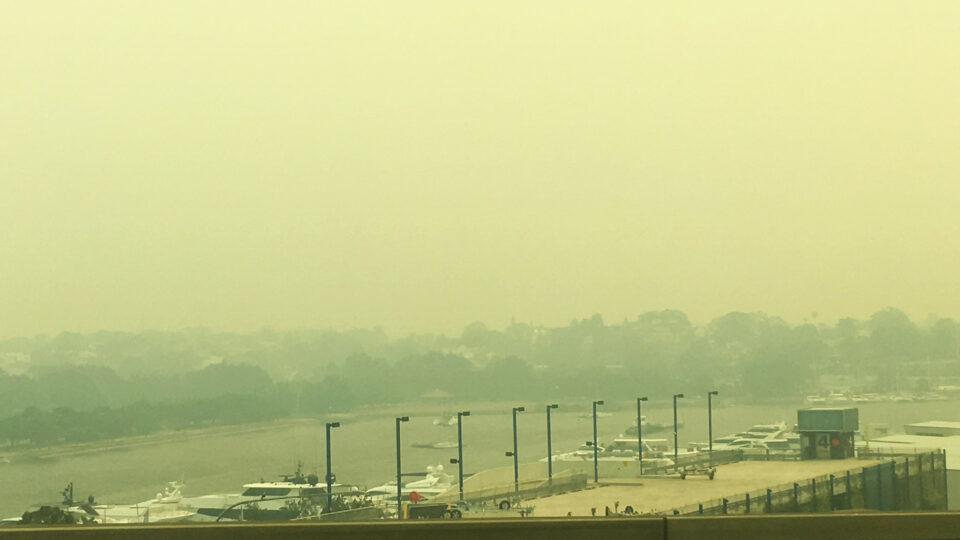
wildfire smoke in Sydney, Australia

Wildfires raging across Australia have devastated large swathes of land and prompted one of the largest evacuations in the country’s history.  The fires, which have scorched approximately 20 million acres, have also killed 27 people and affected an estimated one billion animals at the time of this recording. The fire season, though still young, already ranks as among the worst in Australia’s recorded history. 

Away from the flames, millions more in Australia are breathing unhealthy air as a result of the smoke from these wildfires. Wildfires release all sorts of dangerous air pollutants, like carbon monoxide and nitrous oxide.  But wildfires also release fine particulate matter (more commonly referred to as PM2.5), which can be transported long distances.  Breathing in these microscopic particles can lead to respiratory and cardiovascular problems.  High levels of PM2.5 are particularly harmful to older people, young children, and those with weakened immune systems.  

The Australian capital city of Canberra has been covered in a thick haze of smoke from nearby wildfires.  Canberra recorded its worst air quality day on January 2nd, when levels of PM2.5 spiked to more than 200 micrograms per cubic meter during the worst hour.

Smoke has also been fouling Sydney’s air off and on for months, with PM2.5 readings hitting nearly 400 micrograms per cubic meter last month during the highest hour of pollution. 

The U.S. EPA has in place an annual PM2.5 standard of 12 micrograms per cubic meter and a daily (or 24 hour) standard of 35. 

According to the IPCC, southern Australia is expected to see increased risk of fire as the planet continues to warm.  Regrettably, this could be the new normal. 

********** 

Web Links

Millions of Australians Are Choking on Smoke From Wildfires

Photo, posted December 5, 2019, courtesy of Flickr.

Earth Wise is a production of WAMC Northeast Public Radio.

Indoor Pollution

July 26, 2019 By EarthWise 1 Comment

We mostly think of air pollution as an outdoor problem.   The primary culprits are vehicle and factory exhaust as well as occasional wildfire smoke.  What we don’t think about is the air quality inside our own homes.

Researchers at Washington State University have found that indoor pollution levels can be surprisingly high and that they vary throughout the day and increase as temperatures rise.

Indoor air pollution comes from a variety of sources, including building materials, furniture, household chemical products, and from activities like cooking.  One of the most serious pollutants is formaldehyde, which often is emitted from gypsum wallboard.  About half of the gypsum used in homes as drywall is made from waste products from the coal industry.  When the material is heated, formaldehyde and possibly even mercury can be emitted.

Pollutant levels rise in homes as temperatures increase.  Thus, the highest levels of pollution occur in the afternoon and the lowest are in the early morning.  Before this research, manufacturers and builders assumed that pollution levels were pretty much constant over time.

Building laws require that homes are structurally sound, and that people are comfortable, but there is little regulation of air quality in people’s homes.  One of the best ways to clear out harmful chemicals is with ventilation to the outdoors.  But with increased concern about reducing energy use, builders are making homes more airtight, which may inadvertently be worsening the problem.

We need to balance making more energy efficient homes with protecting our health by being aware of the dangers that lurk in the air in our homes.  Running the air conditioning or opening windows are good things to do.

**********

Web Links

Researchers uncover indoor pollution hazards

Photo, posted October 14, 2010, courtesy of Flickr.

Earth Wise is a production of WAMC Northeast Public Radio.
Fire-Driven Thunderstorms

March 6, 2019 By EarthWise Leave a Comment

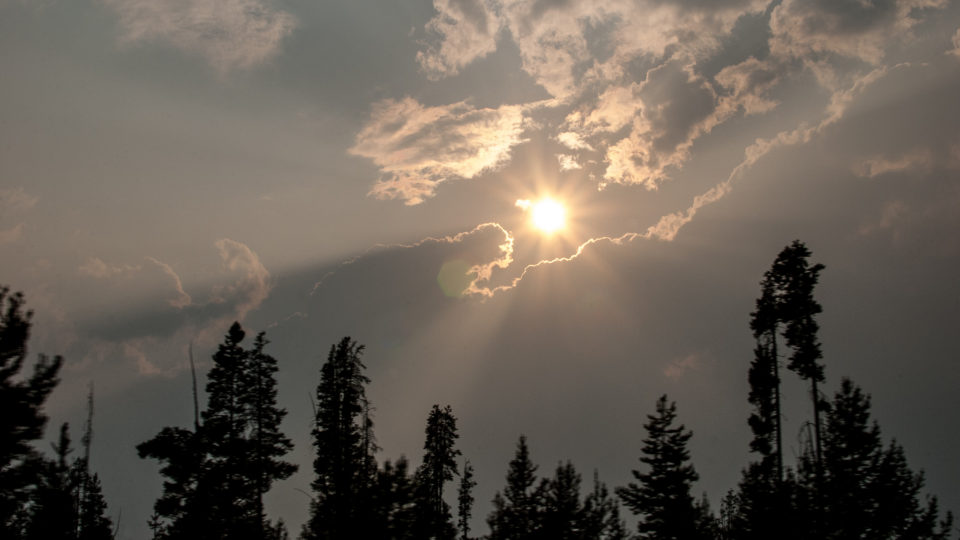
In 2016 and 2017, wildfires in western Canada spawned thunderstorms that ignited additional fires, in some cases tens of miles away from the original fire.  These fire-triggered thunderstorms are technically known as pyrocumulonimbus clouds, or “pyroCb’s”.

The physics of pyroCb’s is complex.  When super-heated updrafts from an intense fire suck smoke, ash, burning materials, and water vapor high into the air, these elements cool and form so-called fire clouds that look and act like the cumulonimbus clouds associated with classic thunderstorms.  What is different is that the heat and particulates in the smoke almost always arrest the ability of the cloud to produce rain.  Instead, what remains is a lightning storm that moves across the landscape, triggering more fires.

These PyroCb events appear to be happening far more often, producing more energy, and erupting in places where they have never been seen before.  As the world warms, wildfires themselves are becoming larger and hotter.  In the past decade, wildfires have been burning more than twice as many acres as they did before the turn of the 21st century.  Along with the growth in wildfire activity, there has been an increase in PyroCb events, and there are now an average of 25 per year in western North America.

Apart from starting new fires, pyroCb’s also have similar effects as moderate-sized volcanic eruptions.  Smoke and aerosols from wildfires can rise high into the stratosphere, where they can linger for months.  Eventually, the particles carried aloft in the atmosphere do come down, dumping dangerous chemicals on far flung regions of the earth.  But unlike volcanic eruptions, which are relatively rare events, pyroCb’s are happening more and more each year.

**********

Web Links

Fire-Induced Storms: A New Danger from the Rise in Wildfires

Photo, posted July 31, 2013, courtesy of Loren Kerns via Flickr.

Earth Wise is a production of WAMC Northeast Public Radio.
Air Pollution And Diabetes

August 9, 2018 By EarthWise 3 Comments

https://earthwiseradio.org/wp-content/uploads/2018/08/EW-08-09-18-Air-Pollution-and-Diabetes.mp3

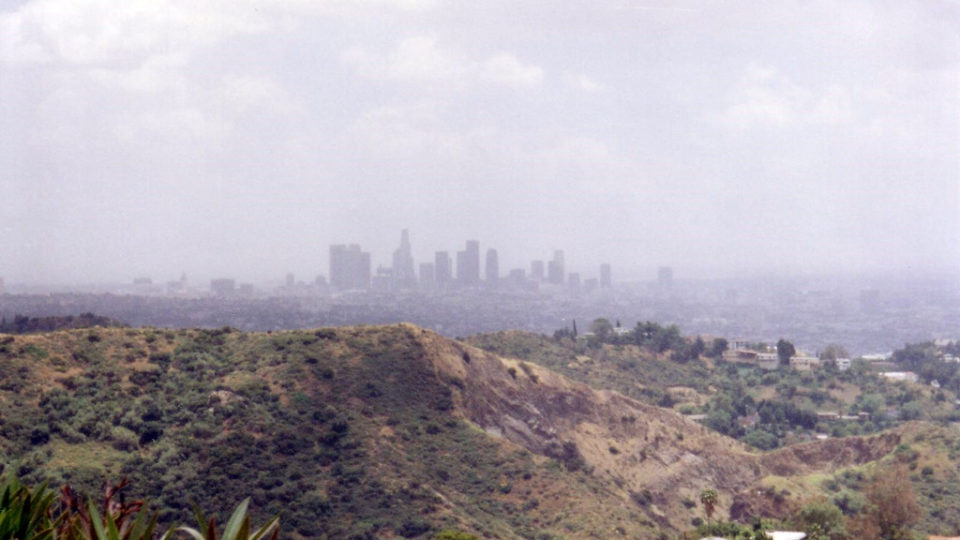
Air pollution is deadly.  Studies have found that fine particulate matter, such as airborne pieces of dust, dirt, smoke, soot, and other microscopic particles can enter our lungs and bloodstream, contributing to major health conditions such as heart disease, stroke, cancer, and kidney disease.

[Read more…] about Air Pollution And Diabetes

A Soy-Based Air Filter

February 16, 2017 By EarthWise

https://earthwiseradio.org/wp-content/uploads/2017/02/EW-02-16-17-Soy-Based-Air-Filter.mp3

Particulate matter and toxic chemical pollutants are a pervasive problem in the air people breathe in many places.  Poor air quality causes health problems worldwide and is a factor in diseases such as asthma, heart disease and lung disease.

[Read more…] about A Soy-Based Air Filter

  • « Go to Previous Page
  • Page 1
  • Page 2

Primary Sidebar

Recent Episodes

  • An uninsurable future
  • Clean energy and jobs
  • Insect declines in remote regions
  • Fossil fuel producing nations ignoring climate goals
  • Trouble for clownfishes

WAMC Northeast Public Radio

WAMC/Northeast Public Radio is a regional public radio network serving parts of seven northeastern states (more...)

Copyright © 2026 ·