• Skip to primary navigation
  • Skip to main content
  • Skip to primary sidebar

Earth Wise

A look at our changing environment.

  • Home
  • About Earth Wise
  • Where to Listen
  • All Articles
  • Show Search
Hide Search
You are here: Home / Archives for shrinking

shrinking

The human footprint on Earth

February 6, 2025 By EarthWise Leave a Comment

The Earth is a pretty big place, and it is easy to think that humans and their activities occupy very little of it.  But the impact of human activities on our planet continues to grow.  Recent satellite images from NASA’s Earth Observatory show the staggering extent of the human footprint on Earth.

Agriculture is a major part of it.  Farms and pastures take up almost half of the world’s habitable land – land not covered by ice or desert.  Greenhouses have recently proliferated tremendously and now cover 3.2 million acres, an area the size of Connecticut, and they even have effects on local climates.

More than half of the world’s population now lives in cities, which are expanding rapidly.  Enormous cities in Asia are changing the landscape in places like Thailand and Indonesia.  Apart from taking up lots of land, many of the world’s cities are immersed in clouds of air pollution that they generate.

Greenhouse gas emissions continue to grow, and temperatures continue to rise.  The effects of this on the planet are increasingly evident.  Seas are rising, ice is melting, glaciers shrink away, and wildfires continue to burn.  The massive wildfires in and around Los Angeles have made major changes in the local landscape.  Rising seas have flooded coastal wetlands and elsewhere, rivers and lakes have shrunk.

There are also human impacts visible from space that represent positive signs.  Large solar arrays supply the cheapest form of energy in most parts of the world and the number and size of solar installations are at a record high.   These solar installations provide some hope that global warming can be slowed.

**********

Web Links

The Growing Human Footprint on Earth, as Seen from Space

Photo, posted July 28, 2012, courtesy of Beth Scupham via Flickr.

Earth Wise is a production of WAMC Northeast Public Radio
Shrinking polar ice

November 12, 2024 By EarthWise Leave a Comment

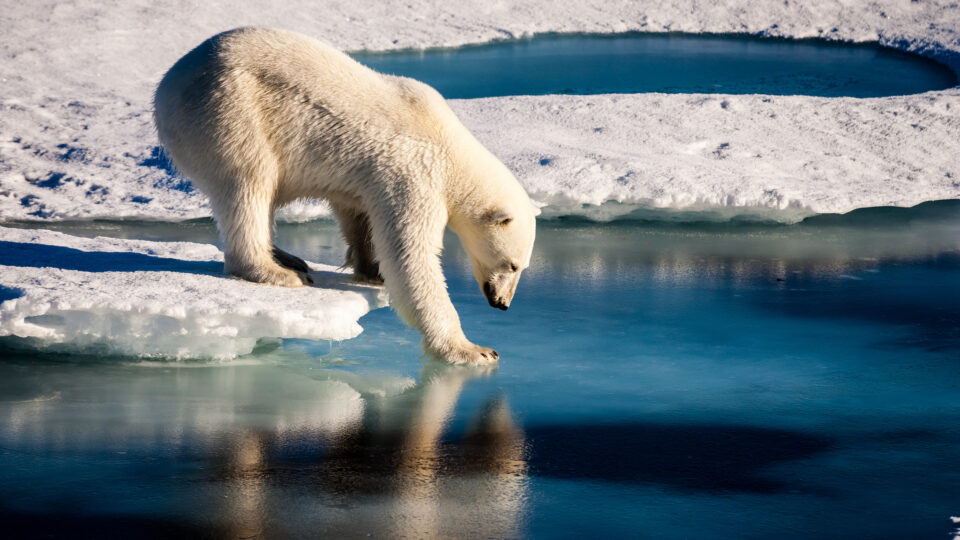
Arctic sea ice has shrunk to near-historic lows during this Northern Hemisphere summer.  The minimum extent for the year occurred on September 11th.  Ice cover in the Arctic Ocean has been shrinking and thinning for more than 40 years.  The amount of frozen seawater in the Arctic goes up and down during the year as sea ice thaws and regrows between seasons.

This year, the minimal extent of sea ice shrank to 1.65 million square miles.  That’s about 750,000 square miles less than the average for late summer over the years between 1981 and 2010, representing a decrease of more than 30%.  The all-time low of 1.31 million square miles was actually set in 2012.  Sea ice coverage can fluctuate from year to year, but it has trended downward since it has started being tracked in the late 1970s.  The loss of sea ice has averaged about 30,000 square miles per year.

Sea ice extent has not only been shrinking; the ice has been getting younger and thinner.  Presently, the overwhelming majority of ice in the Arctic Ocean is first-year ice, which is thinner and less able to survive the warmer months.  There is far less ice that is three years or older.

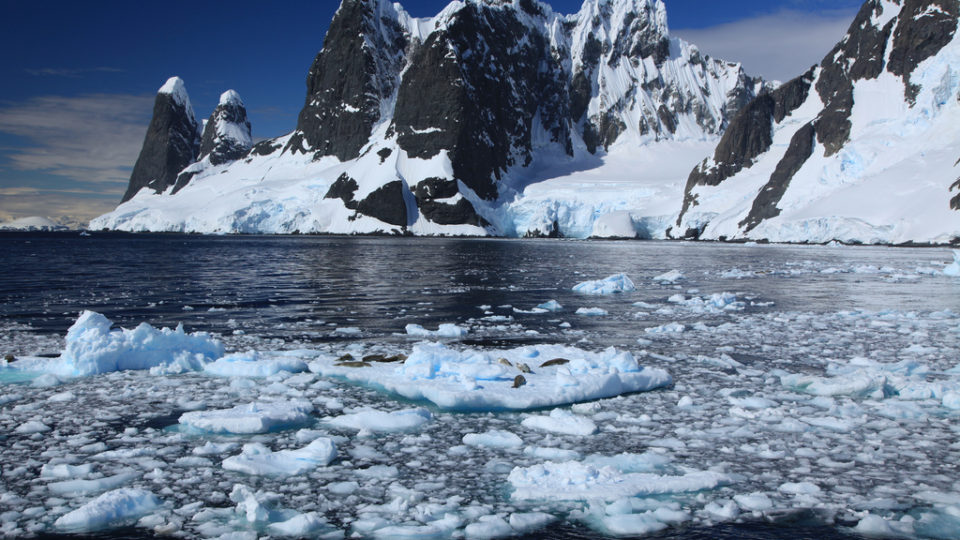
Meanwhile, sea ice in the southern polar regions was also low this year.  In the sea around Antarctica, scientists are tracking near record-low sea ice at a time when it should have been growing extensively during the darkest and coldest months in the Southern Hemisphere.

Polar ice loss compounds polar ice loss.  The loss of sea ice increases heat in the polar regions, where temperatures have risen about four times more than the global average.

**********

Web Links

Arctic Sea Ice Near Historic Low; Antarctic Ice Continues Decline

Photo, posted September 15, 2016, courtesy of Mario Hoppmann via Flickr.

Earth Wise is a production of WAMC Northeast Public Radio
Last chance tourism

October 3, 2024 By EarthWise Leave a Comment

Glaciers around the world are shrinking or disappearing.  Melting glaciers and ice sheets are the biggest contributors to global sea level rise and ice loss rates are continuing to increase.  Even if the world somehow manages to meet the climate goal of limiting warming to no more than 1.5 degrees Celsius, the world will still lose a quarter of its glacial mass by the year 2100.  At higher levels of warming, most of the world’s glaciers could be gone.

One result of this situation is that people are rushing to see glaciers before they melt.  Places like Iceland are experiencing a booming tourism economy.  Half a million people now visit Iceland for glacier tours every year.  The shrinking and disappearance of glaciers has popularized a new kind of adventure travel called ‘last chance tourism.’

Like other types of adventure travel, glacier tours are not without dangers.  An American tourist visiting a glacial ice cave in an Icelandic national park in August was killed when a frozen arch collapsed.  Ice caves, formed by glacial meltwater, are known for their brilliant blue walls.  Increasing meltwater can make these formations more prone to collapse. 

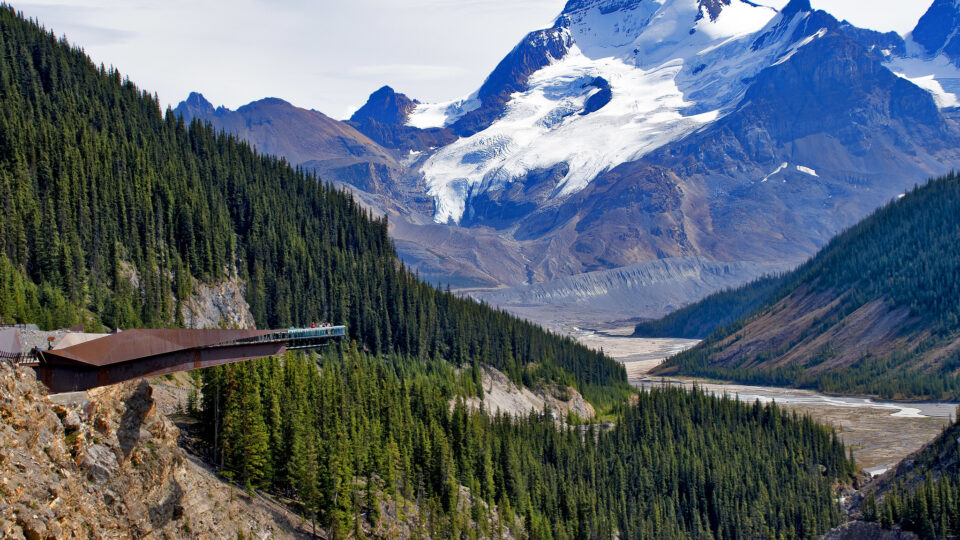
Glacial tours in Canada’s Jasper National Park are quite popular.  Tour operators have had to reroute trails to the foot of the Athabasca Glacier several times every season because of glacial melt. 

Glacier tourism is a goldmine for the tourist industry but conducting and managing it is increasingly challenging.  Meanwhile, people feel like it’s important to bring their kids to see glaciers because they may be the last generation that can go stand on a glacier.

**********

Web Links

Climate Change Is Making ‘Last Chance Tourism’ More Popular, and Riskier

Photo, posted January 25, 2020, courtesy of Ron Cogswell via Flickr.

Earth Wise is a production of WAMC Northeast Public Radio
Where do states get their electricity?

September 3, 2024 By EarthWise Leave a Comment

Exploring how states produce their electricity

How the United States produces its electricity has changed dramatically over the past few decades.  Coal used to be the dominant source of power in this country, but natural gas surpassed it in 2016, and coal’s share has been shrinking ever since.  Fossil fuel still generates the majority of America’s electricity, but renewable power is increasing its contribution all the time.

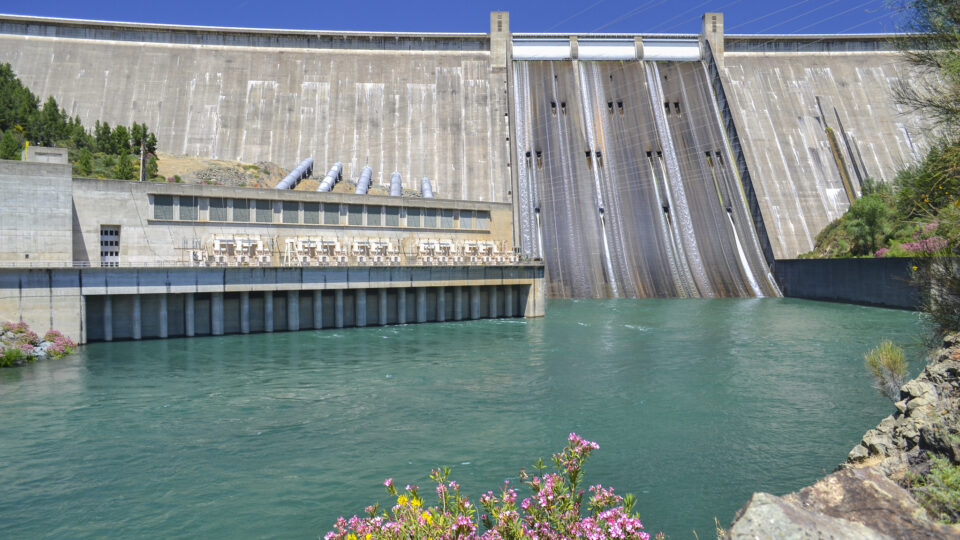
On a state-by-state basis, there are very large variations in the mix of power sources.  Ten states still get their largest amount of power from coal, but this is down from 32 states in 2001.  Four states have hydroelectric power as their largest source, including Vermont which gets more than half of its power that way. 

Texas produces more electricity than any other state by a wide margin.  It’s not just because it has a large population. It is because it uses huge amounts of power to refine petroleum products.  Coal produces only 13% of Texas’ electricity and the state is by far the country’s largest producer of wind power.

New York gets nearly half of its power from natural gas, 21% from hydroelectric power, and 21% from nuclear power.  Wind and solar power are still small, but both are growing in the state.

When people try to assess the climate impact of driving electric cars, based on the origins of the electricity they use to power the car, the results can vary dramatically based on what state they live in.  Nationwide, electricity is getting cleaner and greener, but the process is by no means uniform across the country.

**********

Web Links

How Does Your State Make Electricity?

Photo, posted March 17, 2021, courtesy of Bureau of Reclamation via Flickr.

Earth Wise is a production of WAMC Northeast Public Radio
Glaciers in Venezuela

June 24, 2024 By EarthWise Leave a Comment

There are nearly 200,000 glaciers in the world.  About 91% of them are in Antarctica and 8% in Greenland.  The rest are scattered across nearly 50 countries.  The non-polar country with the most glaciers is actually Pakistan, which has over 7,200 of them.  But as the world continues to warm, glaciers are shrinking back, and many are disappearing altogether.

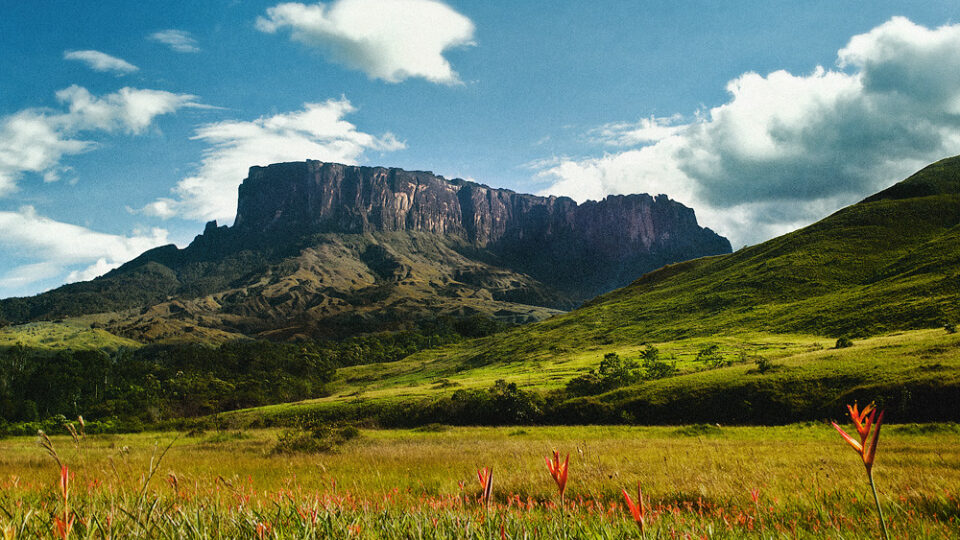
Venezuela, once home to six glaciers, has become the first country in the Americas to lose all of its glaciers.  Slovenia is considered to be the first country to lose its glaciers in modern times, perhaps as long as 30 years ago.  Glacial thawing has been worsening over the past decade throughout the Andes, which cover parts of Colombia, Venezuela, Bolivia, Ecuador, Peru, Chile, and Argentina.

Five of Venezuela’s glaciers had largely melted away by 2011.  The Humboldt glacier, which is on the highest peak in the Cordillera de Mérida mountain range in Venezuela, has now been declared as too small to be classified as a glacier.  It once covered over a thousand acres; it now has less than 5 acres of ice.  The US Geological Survey defines glaciers as ice bodies extending 25 acres or more.

The loss of glaciers in the Andes has serious consequences for communities that live on their slopes and depend upon glacial melt for water and for energy and food production. 

At least 80% of glaciers worldwide are on track to mostly disappear by the year 2100 because of global warming.  Given that previous forecasts estimated that the Humboldt glacier might last another decade, the prospects for the world’s remaining glaciers are not good.

**********

Web Links

Venezuela becomes first nation in the Americas to lose all glaciers

Photo, posted November 11, 2012, courtesy of Tim Snell via Flickr.

Earth Wise is a production of WAMC Northeast Public Radio
Shrinking African glaciers

March 27, 2024 By EarthWise Leave a Comment

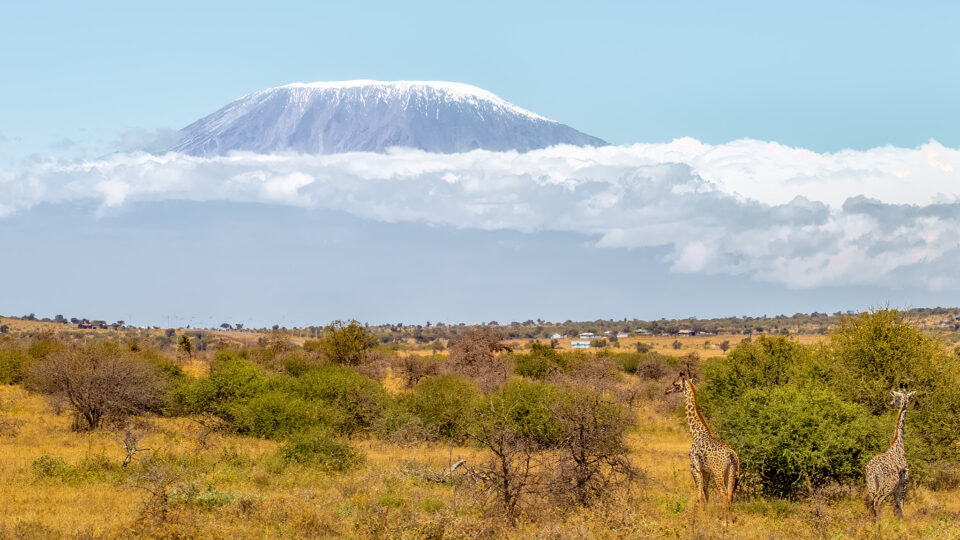
We don’t usually associate Africa with glaciers, but the continent has had glaciers on its highest peaks for the past 10,000 to 15,000 years.  Africa’s glaciers are found in three regions:  the Rwenzori Mountains along the border between Uganda and the Democratic Republic of the Congo, Mount Kilimanjaro, and Mount Kenya.  At the turn of the 20th century, there were 43 glaciers scattered across 6 peaks within the Rwenzori Mountains.  In the intervening years, things have greatly changed.

 Since the early 20th century, Africa’s glaciers have shrunk by 90%.  Because all these glaciers are close to the equator, they are especially vulnerable to warming.  According to a new study published in the journal Environmental Research: Climate, in the last two decades, Africa’s glaciers have lost roughly half their area.

This rapid decrease is alarming to climate scientists because they represent a clear indicator of the impact of climate change.  A major factor in the decline of the glaciers is the reduction in cloud cover over the mountains.  Sunshine is melting glaciers and turning ice directly into water vapor even when temperatures are below freezing.  Reductions in snowfall at the same time means that the melting glaciers are not being replenished.

Scientists believe that the tropical glaciers of Africa may all but disappear over the next 25 years.

Roughly three-quarters of the Earth’s freshwater is stored in the world’s more than 200,000 glaciers.  According to scientists, if the world reaches but maintains 1.5 degrees of warming, half of the world’s glaciers could be gone by the end of this century.  If the world continues to warm as it has been without slowing down, more than 80% of the glaciers will disappear.

**********

Web Links

Africa’s Tropical Glaciers Have Shrunk by 90 Percent, Research Shows

Photo, posted February 26, 2022, courtesy of Ray in Manila via Flickr.

Earth Wise is a production of WAMC Northeast Public Radio
Glacier Loss Day | Earth Wise

October 9, 2023 By EarthWise Leave a Comment

Glaciers are sensitive indicators of climate change

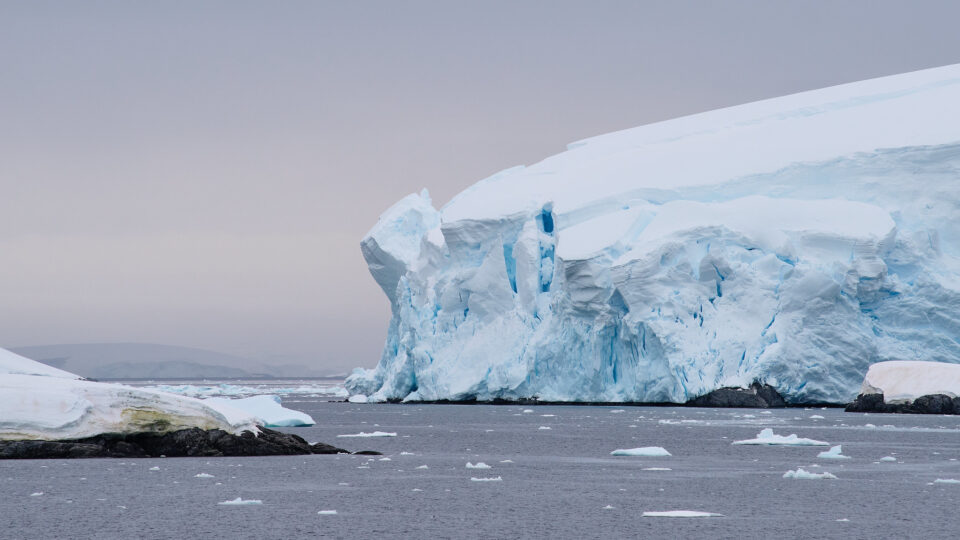
Glaciers are sensitive indicators of climate change that respond to changes in both temperature and precipitation.  But they are not only affected by climate change, they also affect climate change.  As glaciers melt, they contribute to sea level rise, alter regional hydrology, and influence the global energy balance.

A group of glacier experts from the University of Innsbruck in Austria introduced a concept called “Glacier Loss Day” or GLD as a way to measure the annual mass balance of glaciers.  Mass balance is the difference between the amount of snow and ice that accumulates on a glacier and the amount that melts or sublimates.  If the mass balance is positive, the glacier is growing.  If the mass balance is negative, the glacier is shrinking.

GLD is the day during the year when the glacier has lost all the mass it gained during previous winter.  This is a similar concept to Earth Overshoot Day, which marks the date when humankind’s demand for ecological resources exceeds the amount the planet can regenerate during the year.

The Hintereisferner, a glacier in the Tyrolean Alps, has been monitored for more than 100 years and there are continuous records of its mass balance since 1952.  In 2022, the GLD on the Hintereisferner was measured on the 23rd of June.  In the two previous years, it was reached in the middle of August.  Even in years with large negative balances, such as 2003 and 2018, GLD did not occur until the end of July.

Every summer in the future may not be like 2022, but the trend is clear.  Climate change is taking its toll on glaciers.  Experts project that the Hintereisferner will lose half of its volume in the next 10 to 20 years.

**********

Web Links

Glacier Loss Day indi­cates record break­ing glacier melt

Photo, posted July 20, 2023, courtesy of Pedro Szekely via Flickr.

Earth Wise is a production of WAMC Northeast Public Radio
Lithium In The Salton Sea | Earth Wise

October 2, 2023 By EarthWise Leave a Comment

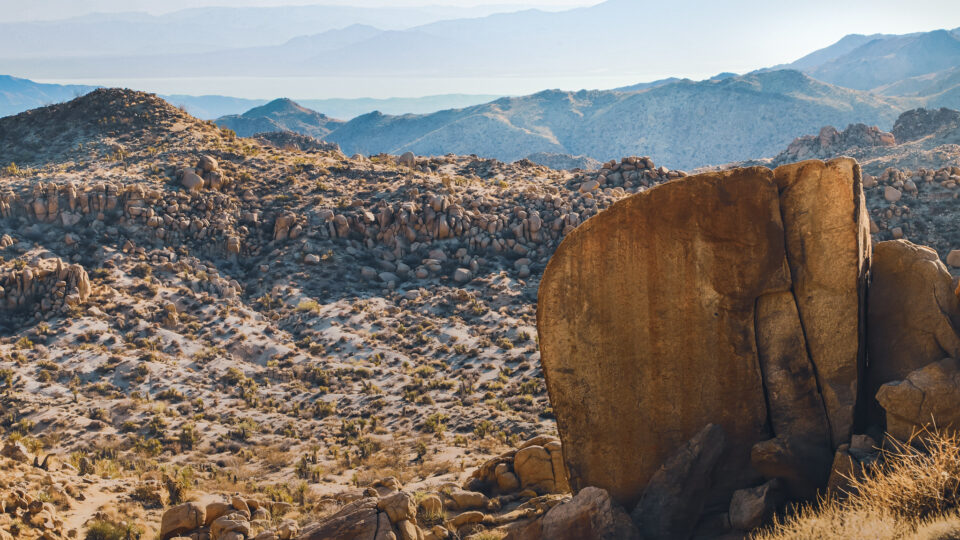
The Salton Sea is a shallow, landlocked, extremely salty body of water in the southern end of California.  It was formed from an inflow of water from the Colorado River in 1905 in the aftermath of a collapse of a canal during spring floods.  At one time, it was a thriving tourist destination and site of real estate speculation.  It was also a crucial habitat for migratory birds and various aquatic species.

Over the past 20 years, the Salton Sea has become increasingly desiccated and polluted with agricultural runoff and waste.  Rising salinity and the shrinking water supply from the Colorado River has made it uninhabitable for many species.

Recently, the Salton Sea has attracted new attention because of untouched lithium deposits located beneath its shores.  The general area has acquired the moniker “Lithium Valley” and has become a place where major energy companies are exploring advanced mining techniques such as Direct Lithium Extraction (DLE).  This new technique enables lithium to be captured from brine deposits without resource-intensive open-pit mining or evaporation pond processes.

Lithium is crucial for making the batteries that power electric vehicles.  DLE mining has attracted large investments from billionaires like Warren Buffet, Bill Gates, and Jeff Bezos. 

Lithium mining has generated major controversies because of its potential to damage the environment.  Whether the new mining techniques can avoid these problems and tap into the potential resources near the Salton Sea remains to be seen.  According to experts, the aquifers near the Salton Sea hold enough lithium to supply close to 40% of the global demand.

*********

Web Links

As Companies Eye Massive Lithium Deposits in California’s Salton Sea, Locals Anticipate a Mixed Bag

Photo, posted October 28, 2021, courtesy of Christian Collins via Flickr.

Earth Wise is a production of WAMC Northeast Public Radio
Lakes Are Shrinking | Earth Wise

September 11, 2023 By EarthWise Leave a Comment

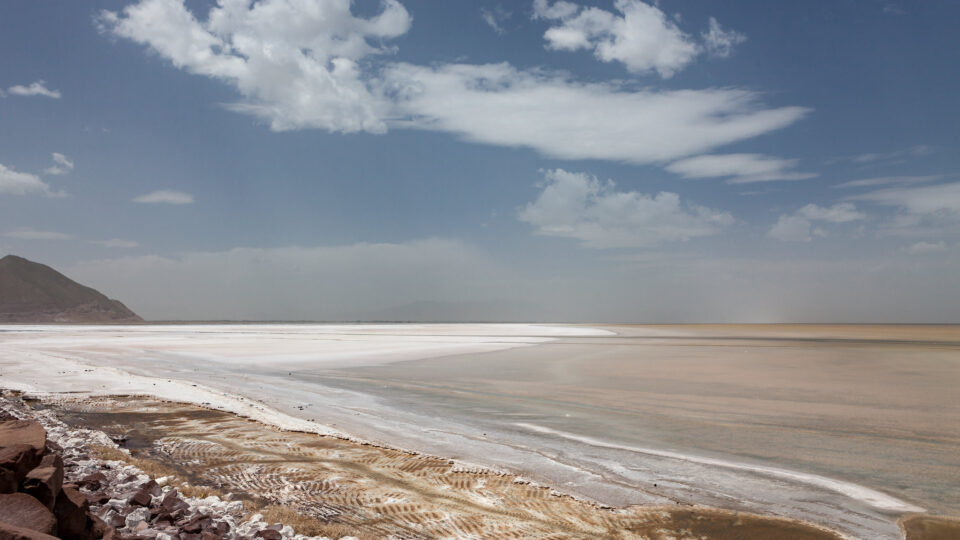
A study by the University of Colorado Boulder has found that more than half of the world’s largest lakes have shrunk over the last three decades.  This is a very big problem because about one-quarter of the Earth’s population lives in the basin of a drying lake.  People depend on lakes for drinking water and irrigation and lakes are central to the survival of local ecosystems as well as migrating birds.  Lakes cover only about 3% of the planet, but they hold nearly 90% of the liquid surface freshwater.

The study used satellite observations from 1992 to 2020 to estimate the area and water levels of nearly 2,000 freshwater bodies.  These account for 96% of Earth’s total natural lake storage and 83% of that in man-made reservoirs.  About 53% of the world’s lakes have clearly shrunk, while only 22% have gained water.  The study estimates that about 160 trillion gallons of water has been lost over the 28-year period.  That’s about 17 times the maximum capacity of Lake Mead, the largest reservoir in the United States.

Many of the world’s most significant lakes have been shrinking. The dramatic declines in Lake Mead have been headline news for years.  The Caspian Sea, which is the world’s largest inland body of water – has long been declining.

The main causes of the decline in natural lakes are climate change and human consumption.  Reservoirs face an additional major problem of sediment buildup which reduces their storage capacity and diminishes their benefits of water supply, flood control, and hydropower.

Lake loss is a big problem.

**********

Web Links

More than half of the world’s largest lakes are drying up

Photo, posted April 10, 2018, courtesy of Ninara via Flickr.

Earth Wise is a production of WAMC Northeast Public Radio
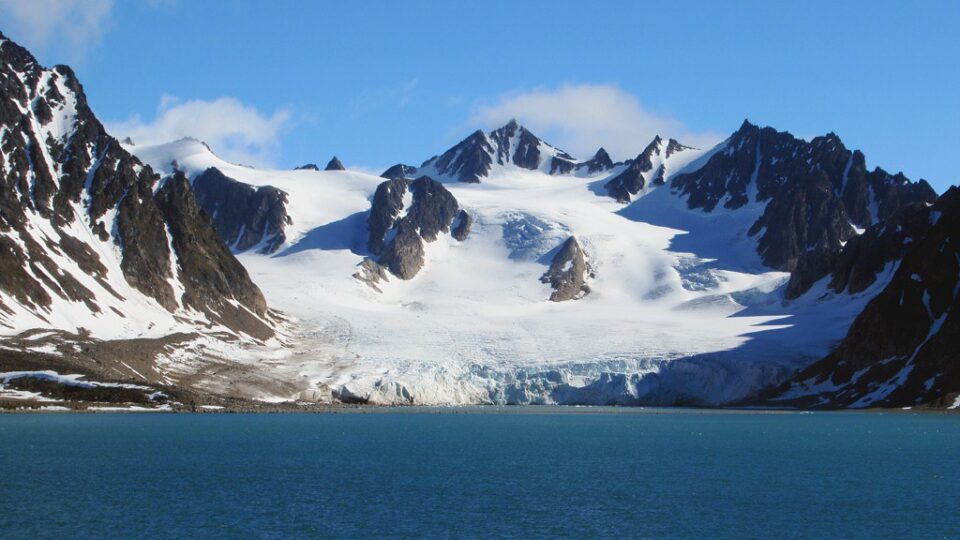
Shrinking Glaciers And Methane | Earth Wise

August 1, 2023 By EarthWise Leave a Comment

Shrinking glaciers pose an underestimated climate risk

The Arctic region is warming much faster than the rest of the planet.  In fact, according to a study published last year in the journal Nature, the Arctic has been warming nearly four times faster than the rest of the globe during the last 43 years.  This rapid warming is leading to substantial reductions in sea ice, thawing of permafrost, shifts in wildlife populations, and changes in ocean circulation patterns, among other changes. 

According to new research recently published in the journal Nature Geoscience, shrinking glaciers in the warming Arctic are exposing bubbling groundwater springs, which could provide an underestimated source of methane, a potent greenhouse gas.  Methane is more than 25 times as potent as carbon dioxide at trapping heat in the atmosphere.

The study, which was led by researchers from the University of Cambridge and the University Centre in Svalbard, Norway, found large sources of methane gas leaking from groundwater springs unveiled by melting glaciers. 

As glaciers retreat in the Norwegian archipelago of Svalbard and leave behind newly exposed land, groundwater beneath the Earth seeps upward and forms springs. In 122 out of the 123 springs studied, the research team found that the water was highly concentrated with dissolved methane.  When the spring water reaches the surface, the excess methane can escape to the atmosphere. 

Researchers are concerned that additional methane emissions released by the Arctic thaw could dramatically increase human-induced global warming.  If this phenomenon in the Svalbard archipelago is found to be more widespread across the Arctic — where temperatures are quickly rising and glaciers melting — the methane emissions could have global implications. 

**********

Web Links

The Arctic has warmed nearly four times faster than the globe since 1979

Shrinking Arctic glaciers are unearthing a new source of methane

Photo, posted October 22, 2022, courtesy of David Stanley via Flickr.

Earth Wise is a production of WAMC Northeast Public Radio
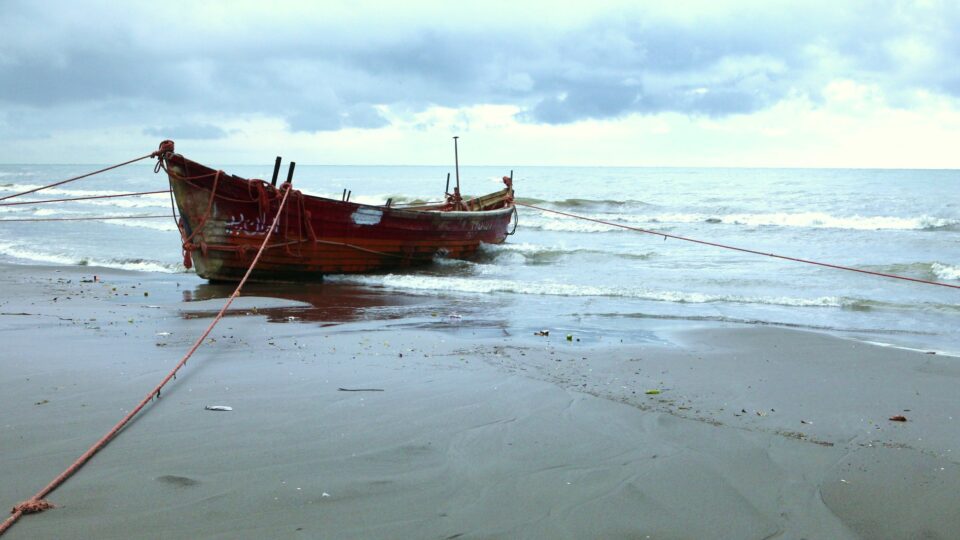
Large Lakes In Decline | Earth Wise

June 27, 2023 By EarthWise Leave a Comment

More than half of the world's largest lakes are shrinking

Globally, freshwater lakes and reservoirs hold 87% of the planet’s liquid freshwater, making them a valuable resource for both people and wildlife.  Despite their value, the long-term trends and changes to water levels of lakes have been largely unknown – until now.

According to a new assessment recently published in the journal Science, more than half of the largest lakes around the world are losing water.  Using satellite observations and climate data, the research team created a technique to measure changes in water levels in nearly 2,000 of the world’s biggest lakes and reservoirs, representing 95% of the total lake water storage on Earth.

The results are staggering.  According to the findings, 53% of Earth’s largest lakes and reservoirs now store significantly less water than they did in 1992.  The total amount of water lost is estimated to be 144.5 cubic miles, which is equivalent to the volume of 17 Lake Meads (the largest reservoir in the U.S.). 

Unsurprisingly, climate warming and human consumption were the main drivers of water loss from lakes, whereas sedimentation — the buildup of debris — was the biggest driver of water loss in reservoirs.  Roughly one-quarter of the world’s population – two billion people – live in the basin of a drying lake, indicating the urgent need for sustainable water resources management.

But the news is not entirely bleak.  According to the research team, the new method of tracking lake water storage trends can give water managers and communities insight into how to better protect this critical resource. 

**********

Web Links

Satellites reveal widespread decline in global lake water storage

Photo, posted February 10, 2010, courtesy of Ninara via Flickr.

Earth Wise is a production of WAMC Northeast Public Radio

Shrinking Birds | Earth Wise

June 5, 2023 By EarthWise Leave a Comment

A new study by researchers at Yale University looks at the way bird morphology is changing in response to the warming climate.  As temperatures rise, birds’ bodies are growing smaller, but their wings are growing longer.

In the study, published in the Proceedings of the National Academy of Sciences, the scientists analyzed two independently collected datasets containing 40 years of morphology changes in 129 bird species comprising 52 migratory species in North America and 77 South American species.

In both datasets, similar changes were observed over the 40-year period.  The overall trend makes sense given that being smaller and having longer wings both would help birds to stay cool in warmer weather.  What was less obvious was that the changes to the birds were much greater among the smallest bird species.

One possible explanation is that smaller species tend to reproduce on a shorter time scale and therefore evolve more quickly.  However, the study found no link between generation length and the changes in body size.

Another possible explanation is that smaller species tend to have larger populations, which means there is a greater chance of having individuals with desirable new traits that can get passed on.  But the scientists found no link between population size and shifts in body size either.

At this point, it is unclear why smaller birds are shrinking more.  More research is needed to figure out why larger birds are slower to adapt to climate change.  In general, larger species of animals have an increased risk of extinction.  This new research suggests that larger body size exacerbates extinction risk by limiting the ability for birds to adapt to the changes we are making to the climate.

**********

Web Links

Birds Are Shrinking as the Climate Warms — and Small Birds Are Shrinking Faster

Photo, posted October 30, 2018, courtesy of N. Lewis / National Park Service via Flickr.

Earth Wise is a production of WAMC Northeast Public Radio
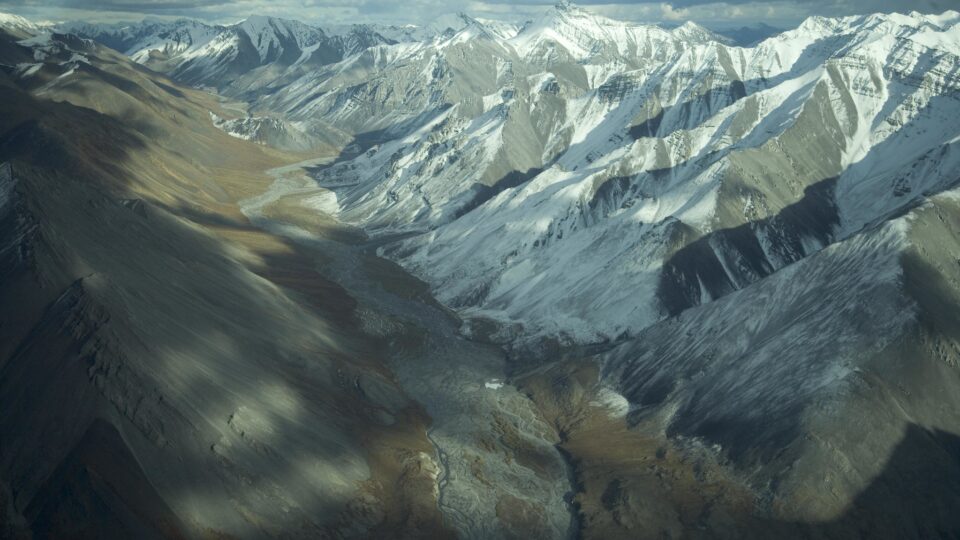
Arctic Warming And Weather At Mid-Latitudes | Earth Wise

May 18, 2023 By EarthWise Leave a Comment

Arctic warming and how it impacts weather

Some of the most striking images of climate change are those of melting glaciers in the Arctic and polar bears stranded on shrinking sea ice. The Arctic has been warming at a rate twice as fast as the global average.  In recent years, there has been growing recognition of the Arctic’s role in driving extreme weather events in other parts of the world.

Winters in the midlatitude regions have seen more extreme weather events.  The past winter saw record-breaking cold temperatures and snowfall in Japan, China, and Korea.   Many parts of Eurasia and North America experienced severe cold snaps, with heavy snowfall and prolonged periods of subzero temperature.  On the other hand, Europe saw its second warmest winter on record with record high temperatures in many places, much drier than normal conditions, and the closure of many ski resorts.

A study published in the journal Climate and Atmospheric Science by scientists from South Korea and the U.S. looked at various climate projection models as well as historic climate data to assess what is likely to happen to weather in the mid-latitudes as the Arctic continues to warm.  Warmer Arctic Sea temperatures usually result in lower winter temperatures in East Asia and North America as ocean currents and the jet streams are altered.

The study shows that Arctic warming-triggered cold waves in the mid-latitudes are likely to persist in a warmer future, but that such events will become more difficult to predict.  The study highlights the importance of continued efforts to better understand the interactions between Arctic warming and the climate of the midlatitudes.   There need to be better ways to predict the extreme weather events that are likely to come.

**********

Web Links

Gwangju Institute of Science and Technology Researchers Correlate Arctic Warming to Extreme Winter Weather in Midlatitude and Its Future

Photo, posted August 31, 2006, courtesy of Hillebrand / USFWS via Flickr.

Earth Wise is a production of WAMC Northeast Public Radio
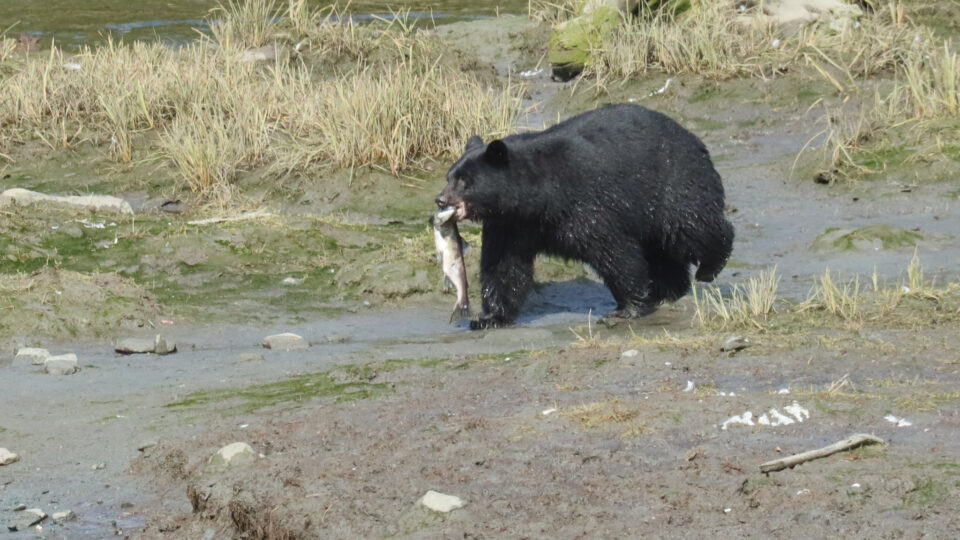
Shrinking Alaskan Salmon | Earth Wise

September 24, 2020 By EarthWise Leave a Comment

Salmon in Alaska are shrinking

According to a new study published in the journal Nature Communications, salmon returning to Alaskan rivers have become significantly smaller over the past 60 years.  As a result of climate change and competition from hatchery fish, wild salmon are spending less time at sea and are returning to spawning grounds at younger ages.

The study, by scientists at the University of Alaska at Fairbanks and the University of California Santa Cruz, examined measurements of over 12 million fish collected by the Alaska Department of Fish and Game from 1957 through 2018.  Over that time period, four out of Alaska’s five wild salmon species – Chinook, chum, coho, and sockeye – have shrunk in size.  Chinook salmon is the official state fish of Alaska and they used to stay out at sea for seven years before returning to spawn.  Many are now returning to rivers at just four years old and are on average 8% smaller than they were 30 years ago.

The shrinking size of Alaskan salmon has consequences for people, the economy, and ecosystems in Alaska.   Wild salmon is a staple food for many residents of the state, particularly among indigenous groups.  More generally, Alaska produces nearly all of the wild salmon in the U.S.   Commercial fishing of over 200 million wild salmon in 2019 resulted in $657 million in income.  The fish are also an important food source for bears and other wildlife and the spawning migration of salmon plays an important role in nutrient transportation in Alaskan river ecosystems.


Multiple factors are driving the changes in the salmon population, but the largest effects are the changing climate and the abundance of salmon in the ocean due in part to hatchery production that results in competition for the salmon’s food.

**********

Web Links

Alaska’s Salmon Are Significantly Smaller Than They Were 60 Years Ago

Photo, posted September 5, 2019, courtesy of Flickr.

Earth Wise is a production of WAMC Northeast Public Radio.

Living In Extreme Heat | Earth Wise

June 3, 2020 By EarthWise Leave a Comment

extreme heat from climate change

Global climate change has already left observable effects on the planet.  Glaciers have shrunk, trees are flowering sooner, plant and animal ranges have shifted, and so on. Many effects of climate change that scientists had predicted in the past are now occurring.  The loss of sea ice, intensifying heat waves, and accelerating sea level rise are some examples.

According to a new study recently published in the journal Proceedings of the National Academy of Sciences, climate change is going to affect humans earlier, harder, and more widely than previously projected.  The research team found that one billion people will be either displaced or endure insufferable heat for every one degree Celsius rise in global temperatures.  

Under a worst case climate scenario, land that one third of the world’s population currently calls home will be as hot as the hottest parts of the Sahara desert within 50 years.  Even under a more optimistic climate outlook, 1.2 billion people will still be exposed to temperatures outside the climate niche in which humans have thrived for at least 6,000 years.

The majority of the human population has always lived in regions where the average annual temperatures were between 43 degrees Fahrenheit and 82 degrees Fahrenheit.  These are ideal temperatures for human health and for food production.  But this temperature range is shrinking and shifting as a result of climate change. 

The study’s authors predict there will be more change in the next 50 years than there has been in the past 6,000 years.  They hope their findings will convince policymakers to accelerate their plans for emissions reductions and other climate mitigation strategies.   

**********

Web Links

Future of the human climate niche

One billion people will live in insufferable heat within 50 years – study

Photo, posted November 22, 2008, courtesy of Ronnie Finger via Flickr.

Earth Wise is a production of WAMC Northeast Public Radio.

An Ecological Trap For Polar Bears | Earth Wise

March 17, 2020 By EarthWise Leave a Comment

shrinking sea creates ecological trap

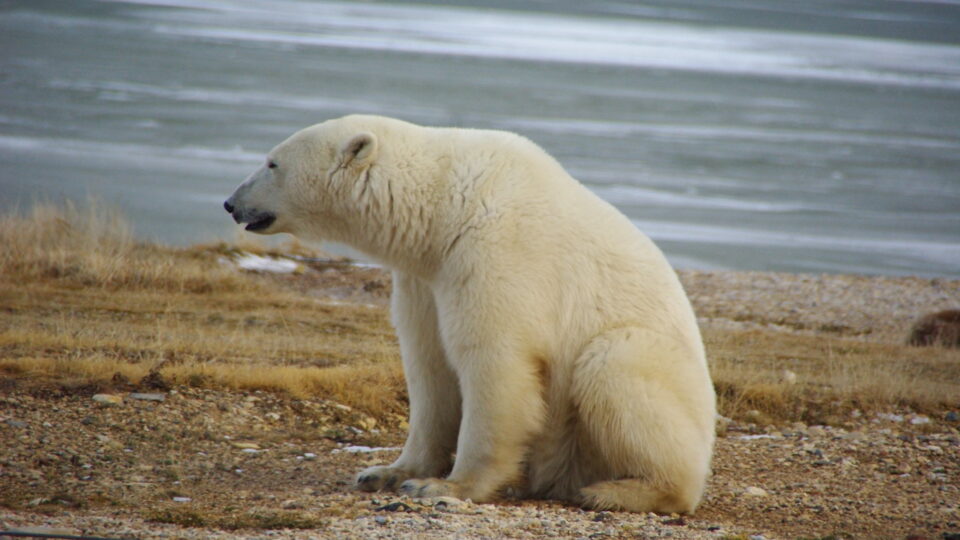
Climate change has been shrinking Arctic sea ice and this is causing changes in the behavior of polar bears.   The Southern Beaufort Sea, located where the northern edges of Alaska and Canada meet, is home to one of the 19 population groups of polar bears.  Historically, the polar bears in this region remained on sea ice year-round.  But in recent decades, about a quarter of them have chosen to come on land instead of staying on the shrinking summer ice platform.

A recent study by San Diego Zoo Global, the U.S. Geological Survey, and Polar Bears International looked at the energetic consequences of the bears’ behavior.  The decision of each individual bear to stay on the ice or move to land appears to be linked to the energetic cost or benefit of the choice.

Bears who moved to land expended more energy during the summer than bears that remained on the sea ice.  In late summer, as the ice became even more restricted, a greater amount of energy was expended by bears swimming to land.  So, the immediate energy cost of moving to land is much greater than remaining on the receding pack ice.

On the other hand, bears on land in this region have access to whale carcasses in the summer while bears on the sea ice appear to be fasting.  As a result, it may be the case that the declining population of bears in this region is in part caused by the ecological trap of bears staying on the ice to avoid expending all the energy needed to move to land.  The shrinking polar ice is a real problem for polar bears.

**********

Web Links

Energetics Study Indicates that Shrinking Sea Ice Is Creating an Ecological Trap for Polar Bears

Photo, posted October 30, 2011, courtesy of Martin Lopatka via Flickr.

Earth Wise is a production of WAMC Northeast Public Radio.

Bad News For The Aletsch Glacier

November 5, 2019 By EarthWise Leave a Comment

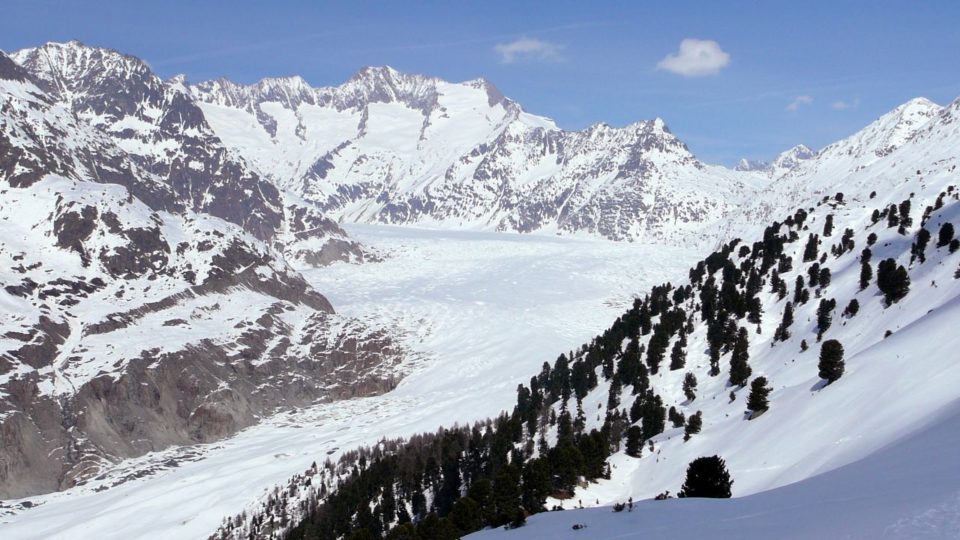
The Aletsch Glacier in Switzerland is the largest glacier in the Alps.  Every year, it attracts thousands of visitors from around the world.  The huge ice flow in the Upper Valais region of Switzerland is an Alpine tourist attraction second only to the Matterhorn.  In the summer, meltwater from the glacier is an important water source in the dry Rhone Valley.

As the climate continues to warm, the massive glacier continues to shrink.  The tongue of the glacier has receded by about a kilometer since the year 2000 and scientists predict that this trend will continue over the coming years.

Detailed simulations by researchers at ETH Zurich assessed the future of the Aletsch Glacier under different scenarios related to the concentration of CO2 in the atmosphere and the resulting warming.

The best-case scenario in which global warming is limited to less than 2 degrees Celsius would result in the glacier being half the size it is today by the end of the century.  If the global community does not pull together quickly to take effective measures against global warming, Switzerland could warm by as much as 4 to 8 degrees and by 2100, what was once the largest glacier in the Alps will be a couple of measly patches of ice.

To understand how much global warming has already impacted the glacier to date, even if somehow the climate remains the same as it has been for the past 10 years going forward, the ice volume of the Aletsch glacier will still decrease by nearly half its volume by the end of the century.  The glacier is no longer in equilibrium with the climate.

**********

Web Links

Gloomy forecast for the Aletsch Glacier

Photo, posted April 7, 2007, courtesy of Jessica Gardner via Flickr.

Earth Wise is a production of WAMC Northeast Public Radio.

Glaciers And Water Supply

March 25, 2019 By EarthWise Leave a Comment

The world has roughly 150,000 glaciers covering about 200,000 square miles of the earth’s surface.  Over the last 40 years they’ve lost the equivalent of a layer of ice 70 feet thick.  Most of them are getting shorter as well.  Some have shrunk to nothing; many smaller glaciers in places like the Rockies and the Andes have disappeared entirely.

Glaciers represent the snows of centuries, compressed over time to form flowing rivers of ice.  They always change over time, accumulating snow in winter and losing ice to melting in summer.  But in recent times, the warming climate has allowed the melting to outpace the accumulation.

Much of the discussion about the retreating glaciers relates to sea level rise, catastrophic floods, debris flow, and the effects on rivers and ecosystems.

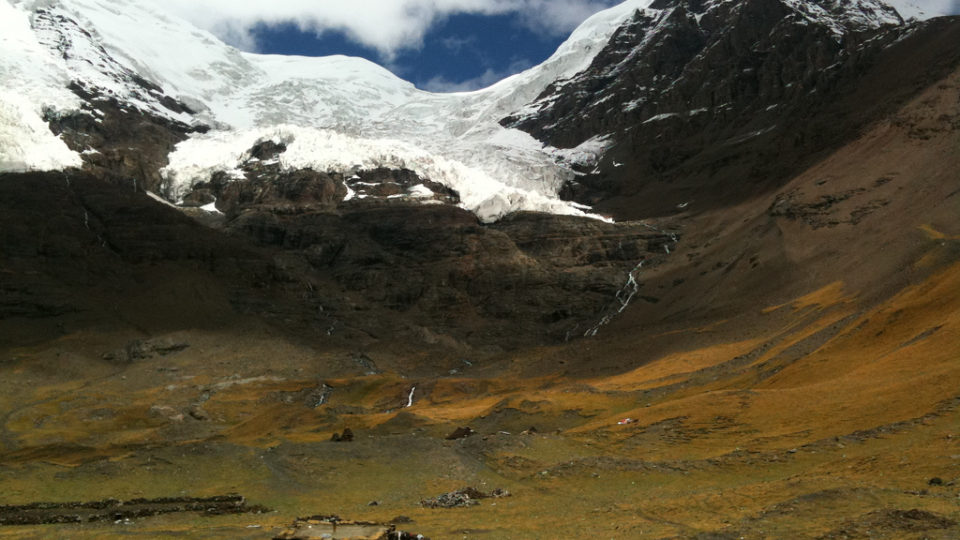
But in some places, the biggest impact of the loss of glaciers is on the supply of water for people and agriculture.  In Kazakhstan, Almaty, the country’s largest city depends on glacier-fed rivers for drinking water for its 2 million people and for irrigation water for crops.  All across the Tibetan Plateau and the Himalayan and Karakmoram mountain ranges, hundreds of millions of people rely on glacier-fed rivers for their water supplies. 

A melting glacier can at first increase stream flow but eventually reaches a tipping point and meltwater begins to taper.  In the short term, the melting glaciers may provide increased amounts of water coming down from the mountains, but eventually the flow in the rivers will begin to decline and populations will face a crisis.

It will be essential for people in many places to carefully plan for their future water needs in a changing world.

**********

Web Links

Glaciers Are Retreating. Millions Rely on Their Water.

Photo, posted September 16, 2011, courtesy of Flickr.

Earth Wise is a production of WAMC Northeast Public Radio.

Shrinking Arctic Glaciers

March 18, 2019 By EarthWise Leave a Comment

The glaciers on Baffin Island, located in Canada’s northeastern Arctic, have been shrinking as the climate warms.  The melting, receding glaciers have exposed fragments of ancient plants that had frozen in the places where they once grew.  New research has shown that these spots have not seen the light of day for at least 40,000 years.

The entire planet has been warming since humanity started flooding the atmosphere with greenhouse gases at the start of the Industrial Revolution, but the effects are not uniform across the globe.  Some regions – like the Arctic – are seeing temperature rises that are greater and faster than anywhere else in the world.  As a result, glaciers in the Arctic have been melting away at rates never before observed in modern human history.

Researchers at the University of Colorado performed radiocarbon dating experiments in order to find out when the last time was that the Arctic was as warm as today.   There have been natural variations in Arctic temperatures caused by the complicated way the Earth wobbles on its axis.  For example, 10,000 years ago the northern latitudes pointed at the sun more directly during the summer than they do now, providing about 9% more sunshine during the summer.

The results of the study showed that the newly-uncovered plants had died at least 40,000 years earlier, indicating that the glaciers had not melted back to today’s size for at least that long.  Global measurements indicate that the planet as a whole has not been as warm as it is today for about 115,000 years, back then again a result of the orientation of the Earth.

Well, the Earth hasn’t wobbled recently.  The Arctic is melting because we are dumping massive amounts of greenhouse gases into the atmosphere.

**********

Web Links

These Arctic glaciers are smaller than ever before in human history

Photo, posted September 1, 2010, courtesy of Doryce S. via Flickr.

Earth Wise is a production of WAMC Northeast Public Radio.

Increasing Antarctic Ice Loss

July 31, 2018 By EarthWise Leave a Comment

https://earthwiseradio.org/wp-content/uploads/2018/07/EW-07-31-18-Increasing-Antarctic-Ice-Loss.mp3

Antarctica’s ice sheets contain enough frozen water to raise sea levels globally about 190 feet.  Ice in the Antarctic is melting at a record-breaking rate and subsequent sea rises could have catastrophic consequences around the world.  So, it is no surprise that scientists have been closely tracking ice loss in recent decades to understand both the current and future impacts of climate change.

[Read more…] about Increasing Antarctic Ice Loss

  • Page 1
  • Page 2
  • Go to Next Page »

Primary Sidebar

Recent Episodes

  • An uninsurable future
  • Clean energy and jobs
  • Insect declines in remote regions
  • Fossil fuel producing nations ignoring climate goals
  • Trouble for clownfishes

WAMC Northeast Public Radio
WAMC/Northeast Public Radio is a regional public radio network serving parts of seven northeastern states (more...)
Copyright © 2025 ·