• Skip to primary navigation
  • Skip to main content
  • Skip to primary sidebar

Earth Wise

A look at our changing environment.

  • Home
  • About Earth Wise
  • Where to Listen
  • All Articles
  • Show Search
Hide Search
You are here: Home / Archives for seagrass

seagrass

Redefining the perfect beach

April 30, 2025 By EarthWise Leave a Comment

Resort developers are rethinking what constitutes a perfect beach

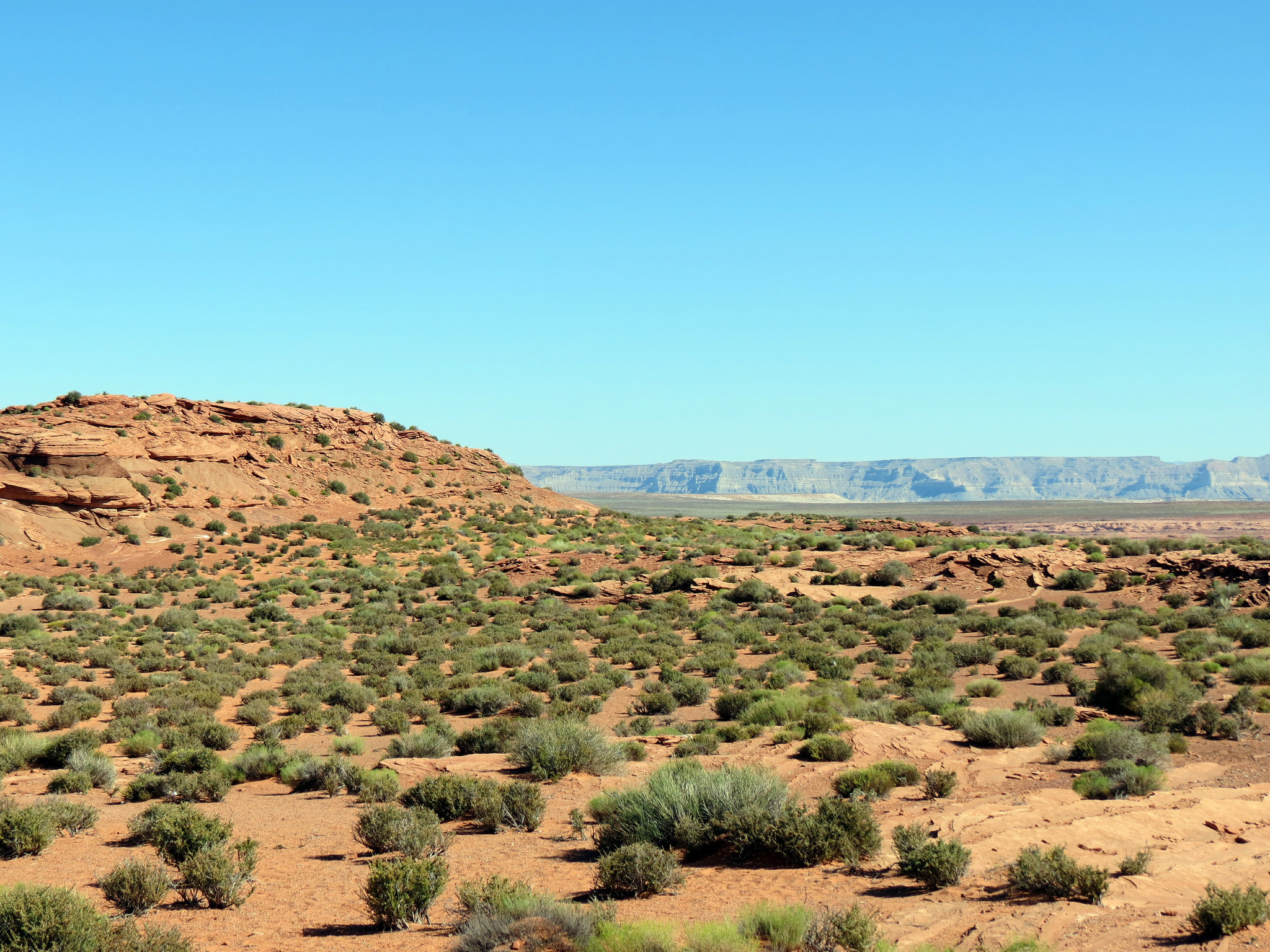
The iconic image of the “perfect” tropical beach is fine white sand, a few coconut palm trees, a gently sloping beach, and unobstructed views of the blue sea.  This image came about to a great extent from fascination with Polynesian scenery at the time of World War II.   And because of this imagery, beach resorts around the world have tried to achieve this look, often by reengineering and altering natural ecosystems to meet this artificial standard of perfection.

But natural tropical and subtropical beaches with their mangrove forests and seagrass meadows are complex ecosystems that support biodiversity, provide protection from storms, and capture carbon in significant amounts from the atmosphere.

With all this relandscaping of beaches, by the end of the 20th century, 35% of the world’s mangrove forests and 29% of its seagrasses were gone.  Mangroves sequester 10 times more carbon than mature tropical forests and sea grass can pull in up to 15 times as much.

In recent years, some resort developers are starting to embrace having beachscapes in their more natural states.  They are planting or preserving native vegetation and allowing sea grass to flourish.  The Six Senses Laamu resort in the Maldives, a major luxury tourist destination, was a trendsetter in this way. 

Coconut palms do little to prevent sand erosion, block wind, or even provide much shade.  In a warming world with increasingly powerful storms, they offer little protection for the world’s beaches.  They are not even native to the Caribbean, where they are now ubiquitous, having been introduced by Europeans.

Many resort developers are now rethinking the description of the perfect beach.

**********

Web Links

Your Resort’s ‘Perfect’ Beach Is a Lie

Photo, posted March 2, 2011, courtesy of Breezy Baldwin via Flickr.

Earth Wise is a production of WAMC Northeast Public Radio
Manatees are not Florida natives

December 20, 2024 By EarthWise 1 Comment

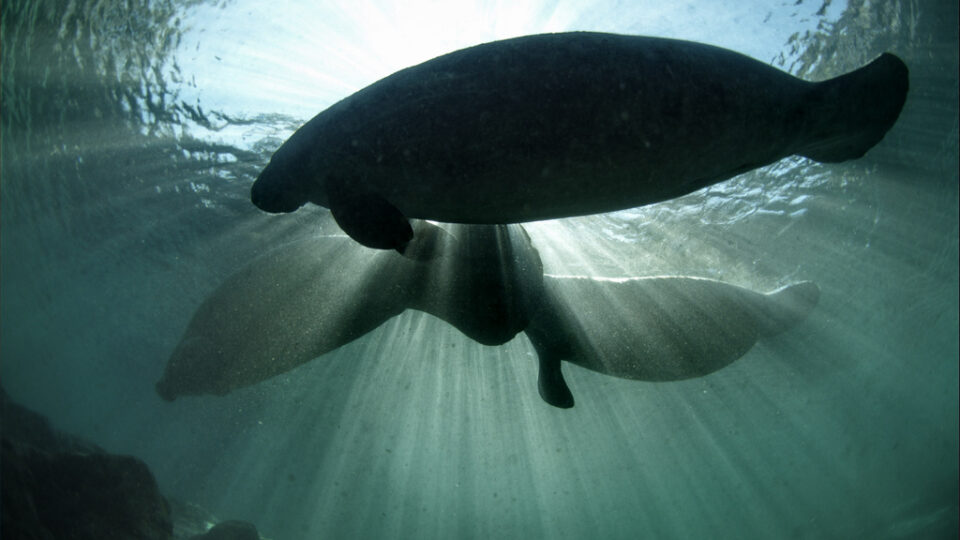
Manatees might not be native to Florida

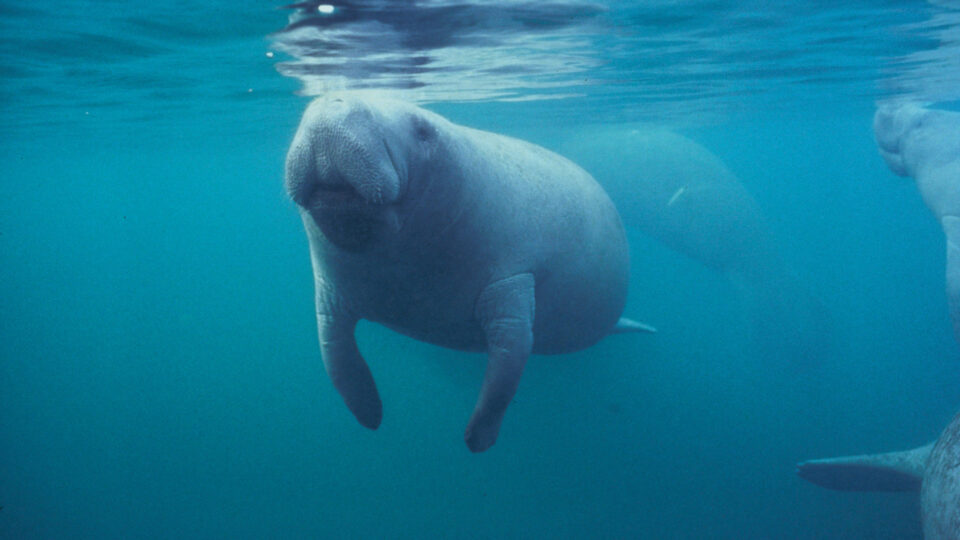
Florida is very proud of its manatees.  It has a county named after them and has pictures of them on license plates.  These gentle creatures are part of Florida culture.  But recent research indicates that manatees – also known as sea cows – might only be relatively recent residents of the Sunshine State.

Manatees have been spotted in Florida waters for several centuries but might have only been tourists visiting briefly before returning to their home waters in the Caribbean in places like Cuba.

The new research suggests that manatees might not have actually taken up residence in Florida until after Europeans colonized the area in the 1500s.  There is a rarity of manatee bones on archaeological sites that date back further.  It was particularly striking that Crystal River, which is an epicenter for modern manatee populations, had little evidence of their presence in earlier times.

Even into the early 1900s, Florida newspaper reports treated manatee sightings as a spectacle rather than a common occurrence.  In the 1920s and 1930s, there started to be more routine sightings in places like yacht basins and canal harbors.  In the 1950s, manatees became more plentiful in Tampa Bay and Crystal River. The warming waters and human activities creating shallow warm water refuges increased manatee populations, particularly near places like power plants.

The current Florida manatee population is between 8,000 and 12,000 and is classified as threatened under the Endangered Species Act, an improvement over its previous endangered status.  But pollution is killing a lot of the seagrass that they eat, and their safety is by no means assured.

**********

Web Links

Why manatees are likely not Florida natives

Photo, posted March 25, 2012, courtesy of David Hinkel / USFWS via Flickr.

Earth Wise is a production of WAMC Northeast Public Radio
Warming estuaries

September 13, 2024 By EarthWise Leave a Comment

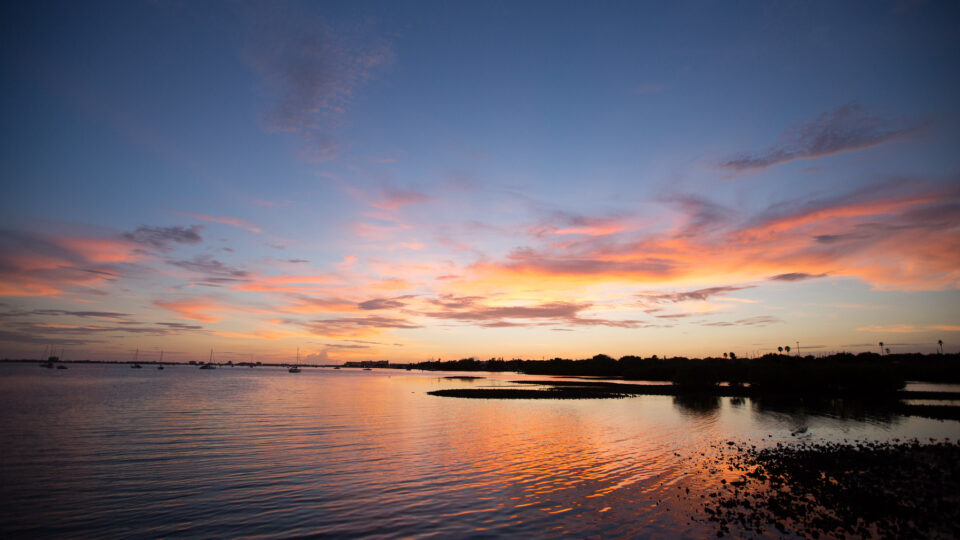
Estuaries in South Florida are rapidly warming

Estuaries and their surrounding wetlands are bodies of water where freshwater from rivers and streams mixes with salt water from the ocean to create brackish water.  These brackish ecosystems support many unique plant and animal communities around the world. 

But ocean water temperature around the world continues to warm.  In fact, from 1901 to 2023, the average sea surface temperature has increased by 0.14°F per decade, and 2023 was the warmest year on record.

While sea surface temperatures are on the rise, the problem is more pronounced in South Florida’s estuaries.  According to a new study by researchers from the University of South Florida College of Marine Science and the National Park Service, estuaries have experienced rapid warming over the past two decades. 

In fact, the research team found that sea surface temperature in four estuaries in South Florida – Florida Bay, Tampa Bay, St. Lucie Estuary and Caloosahatchee River Estuary- has risen around 70% faster than the Gulf of Mexico, and 500% faster than the global oceans. 

Their findings, which were recently published in the journals Environmental Research Letters and Estuaries and Coasts, paint a troubling picture for the marine life that calls South Florida’s estuaries home.

The research team has speculated about the possible causes of the rapid rate of warming, including evaporation, water capacity, and residence time, but no single factor has been revealed as dominant. 

The researchers hope to partner with colleagues at the Florida Fish and Wildlife Conservation Commission and NOAA to explore the potential impacts of water temperatures on seagrass and coral populations in South Florida.

**********

Web Links

Estuaries in South Florida are warming faster than the Gulf of Mexico and global ocean

What is an estuary?

Photo, posted August 18, 2016, courtesy of City of St. Pete via Flickr.

Earth Wise is a production of WAMC Northeast Public Radio
The Value Of Seagrass | Earth Wise

August 7, 2023 By EarthWise Leave a Comment

Seagrasses provide enormous amounts of value to society each year

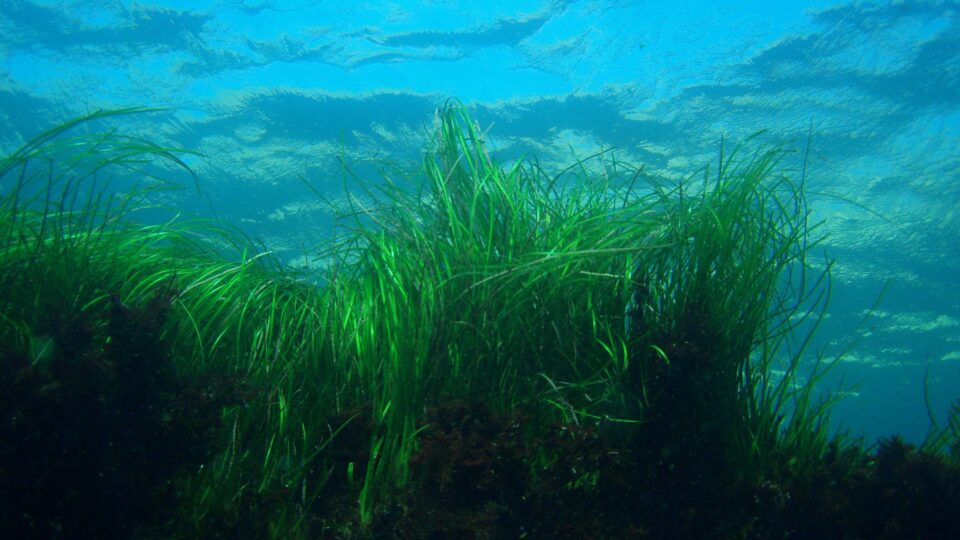
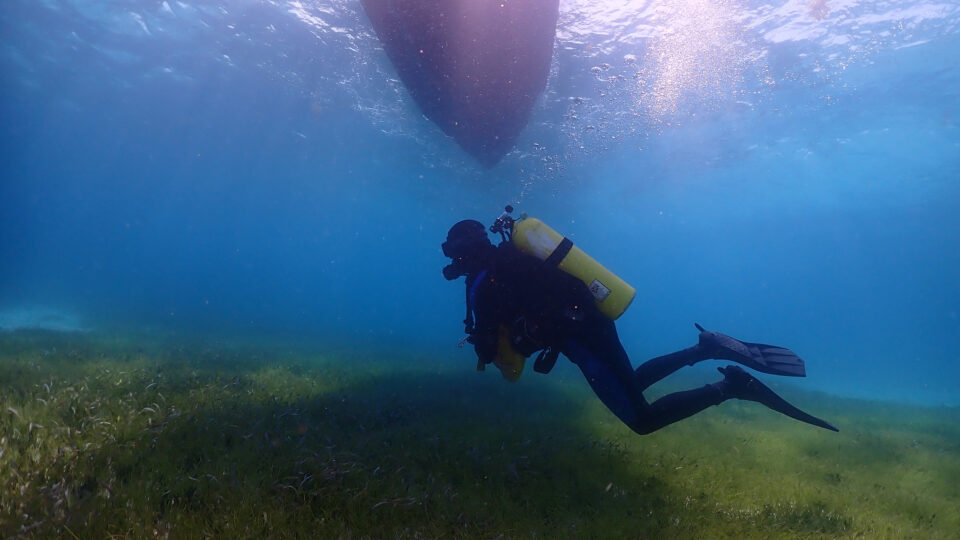
Seagrasses are found in shallow salty and brackish waters in many places around the world, from the tropics to the Arctic Circle.  They get their name from their long green, grass-like leaves.  They are not seaweeds at all but are more closely related to flowering plants on land. 

We hear a lot about threatened ocean ecosystems and most of the attention is on coral reefs and coastal mangrove forests.  Seagrass meadows get much less press, but they in fact provide wide-ranging services to society and store a great deal of carbon.

A new study by the University of Michigan demonstrates that seagrass ecosystems should be high up on the global conservation agenda.  The study puts a dollar value on the many services – which include storm protection, fish habitat, and carbon storage – provided by seagrasses in the Caribbean.  The numbers are enormous.

The researchers estimate that the Caribbean holds up to half of the world’s seagrass meadows by surface area, and it contains about a third of the global carbon storage by seagrasses.  They calculated that the Caribbean seagrasses provide about $255 billion in services to society each year, which includes $88 billion in carbon storage.

In the Bahamas alone, ecosystems services provided by seagrasses are valued at more than 15 times the country’s 2020 gross domestic product.

Blue carbon is the name used to describe carbon stored in coastal and open-ocean ecosystems.  The idea of selling blue carbon offset credits, which monetize the carbon stored in this way, is gaining traction.  For many Caribbean nations, this is likely to provide impetus for protecting seagrass ecosystems from human impacts, including nutrient pollution and overfishing.

**********

Web Links

Caribbean seagrasses provide services worth $255B annually, including vast carbon storage, study shows

Photo, posted June 27, 2023, courtesy of Daniel Eidsmoe via Flickr.

Earth Wise is a production of WAMC Northeast Public Radio
Florida’s Starving Manatees | Earth Wise

January 12, 2022 By EarthWise Leave a Comment

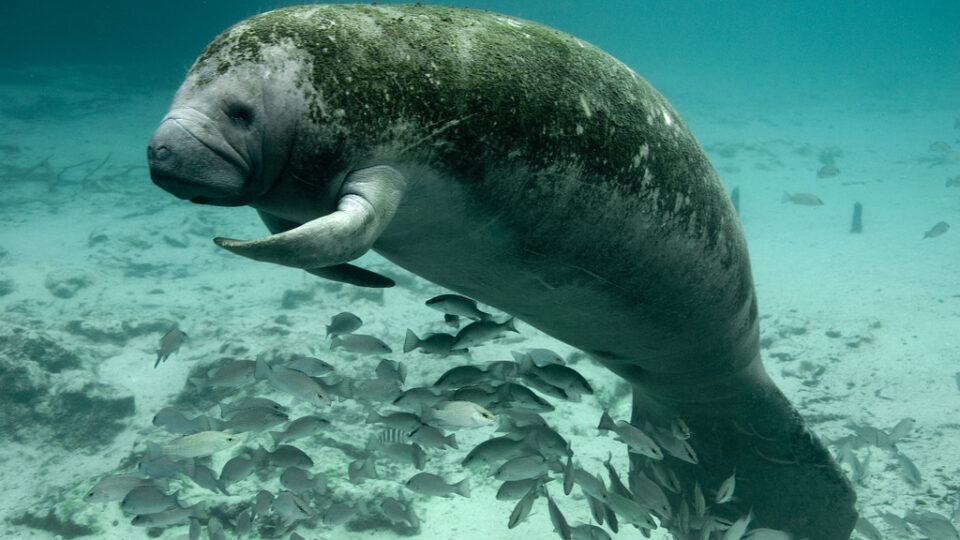
Manatees, also called “sea cows”, have been the victims of farm runoff.  They have starved to death by the hundreds along Florida’s east coast because algae blooms fed by nitrogen-rich fertilizer runoff are proliferating on the ocean surface and blocking sunlight from reaching seagrass below.  Seagrass is the primary source of food for manatees in the winter.  As seagrass dies off, so do the manatees.

Over 1,000 manatees have been found dead so far this year.  It is estimated that fewer than 8,000 remain in Florida waters.  Efforts are underway to restore coastal seagrass in the region as well as clams and oysters, which filter pollutants from water.  Unless the water is cleared up, it will be difficult to regrow the seagrass.  But the current situation is that manatees are so short on food that they are eating seagrass roots, killing the plants and thwarting efforts to help seagrass recovery.

Given this dire situation, the federal governmental has approved a program of feeding manatees.  The starving animals will be fed by hand in Florida, which is a rare wildlife intervention.  Conservation agencies tend to favor leaving wild animals to their own foraging and hunting so that they don’t become dependent on human handouts.

During the trial phase of the program, wildlife experts are likely to feed the animals romaine lettuce and cabbage, which is what manatees in captivity eat.  The hope is to give the animals enough additional food for them to get through the winter.  The trial feeding will begin on private property.  It remains illegal for the public to feed manatees.

**********

Web Links

Florida to feed starving manatees in rare conservation move

Photo, posted February 21, 2008, courtesy of Keith Ramos/USFWS via Flickr.

Earth Wise is a production of WAMC Northeast Public Radio.

Manatees And Pollution | Earth Wise

November 11, 2021 By EarthWise Leave a Comment

Pollution wreaking havoc on Florida manatees

Manatees are large, gentle, and curious marine mammals measuring up to 13 feet long and weighing up to 3,300 lbs.  There are three living species of manatees:  The Amazonian Manatee, the West African Manatee, and the West Indian Manatee, which is commonly found in Florida and the Gulf Coast.  Manatees inhabit the shallow, marshy coastal areas and rivers of the Caribbean Sea, the Gulf of Mexico, the Atlantic coast, the Amazon basin, and West Africa. 

The West Indian Manatee, which includes the Florida Manatee, is protected under the Endangered Species Act.  Today, the range-wide population is estimated to be at least 13,000 manatees, with more than 6,500 in the southeastern United States and Puerto Rico.

In Florida, an uptick in nutrient loading from nonpoint sources is triggering algal blooms in Indian River Lagoon and neighboring areas.  These algal blooms have decimated seagrass, manatees’ primary food source. 

As a result , manatees have starved to death by the hundreds along Florida’s east coast.  The state has recorded 974 manatee deaths in 2021, shattering previous annual all-time highs with still approximately two months to go.  Manatees, which need to eat between 100-200 pounds of seagrass daily, are now eating the seagrass roots, which permanently kills the aquatic plants.

Efforts are being made to replant seagrass and to restore clam and oyster beds so that the mollusks can help clean the water.  But manatees face a myriad of additional threats, including collisions with boats and ships, temperature changes, disease, and crocodile predation.

********** 

Web Links

Florida lawmakers hear Fish & Wildlife agency response to manatee death ‘catastrophe’

West Indian manatee

Preliminary 2021 Manatee Mortality Table by County

Photo, posted May 7, 2010, courtesy of Jim Reid/USFWS via Flickr.

Earth Wise is a production of WAMC Northeast Public Radio.

Seagrasses And Ocean Acidification | Earth Wise

May 13, 2021 By EarthWise Leave a Comment

Seagrass can buffer ocean acidification

Seagrasses are the basis of important marine ecosystems.   Sea turtles, bat rays, leopard sharks, fish, and harbor seals are just some of the marine creatures that visit seagrass ecosystems for the food and habitat they provide.  They are nursery grounds for many aquatic animals and many birds visit seagrass meadows to dine on what lives within them.  They may seem like slimy grasses that we walk through along some shorelines, but they are important.

These marine forests are valuable for many different reasons including climate mitigation and erosion control.  A third of the carbon dioxide emitted across the globe is absorbed by the ocean and seagrass meadows are an important carbon sink.

A new study, recently published in the journal Global Change Biology, investigated how seagrasses can buffer ocean acidification.  The six-year-long study found that these ecosystems can alleviate low ocean pH – that is, more acidic – conditions for extended periods of time, even at night in the absence of photosynthesis. 

In some places, the pH buffering from the seagrasses brings the local environments back to preindustrial pH conditions, like what the ocean might have experienced around the year 1750.

Seagrasses naturally absorb carbon as they photosynthesize when the sun is out, which drives the buffering ability.  The study found the surprising result that the effects of pH buffering even persisted during the night, when there is no photosynthesis.

The study has implications for aquaculture management as well as climate change mitigation, and conservation and restoration efforts.  Globally, seagrass ecosystems are in decline.  These results show how important it is to help them survive and prosper.

**********

Web Links

Seagrasses Turn Back the Clock on Ocean Acidification

Photo, posted October 13, 2010, courtesy of Claire Fackler, CINMS, NOAA via Flickr.

Earth Wise is a production of WAMC Northeast Public Radio.

Restoring Seagrass In Virginia | Earth Wise

December 10, 2020 By EarthWise Leave a Comment

Restoring seagrass in Virginia

Seagrass is found in shallow waters in many parts of the world.  They are plants with roots, stems, and leaves, and produce flowers and seeds.  They can form dense underwater meadows that constitute some of the most productive ecosystems in the world.  Seagrasses provide shelter and food to a diverse community of animals including tiny invertebrates, fish, crabs, turtles, marine mammals and birds.

In the late 1920s, a pathogen began killing seagrasses off the coast of Virginia.  In 1933, a hurricane finished them off completely.  For nearly 70 years thereafter, the bay bottoms of the Virginia coast were muddy and barren, essentially devoid of fish, shellfish, mollusks and other creatures that inhabit seagrass meadows.  The local scallop industry was no more.

The largest seagrass restoration project ever attempted has changed all that.  During the past 21 years, scientists and volunteers have spread more than 70 million eelgrass seeds within four previously barren seaside lagoons.  This has spurred a natural propagation of meadows that have so for grown to almost 9,000 acres, the largest eelgrass habitat between North Carolina and Long Island Sound.

The long-term research conducted by the team from the University of Virginia shows that the success of the seagrass restoration project is improving water quality, substantially increasing the abundance of fish and shellfish in the bays, and capturing carbon from the water and atmosphere and storing it in the extensive root systems of the grasses and in the sediment below. 

The study shows that marine restorations are possible on scales that contribute directly to human well-being.

**********

Web Links

Some Good News: Seagrass Restored to Eastern Shore Bays is Flourishing

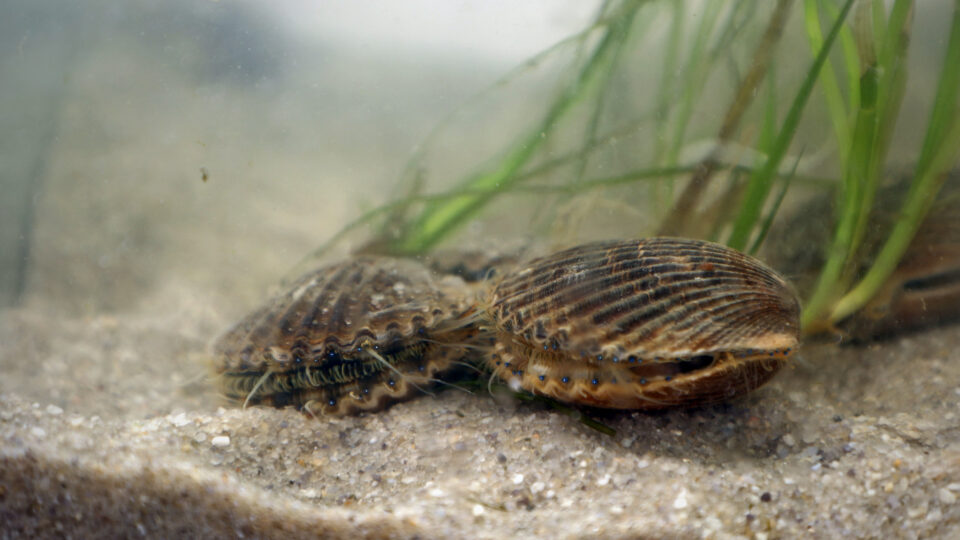
Photo, posted May 17, 2019, courtesy of Virginia Sea Grant via Flickr. Photo credit: Aileen Devlin | Virginia Sea Grant.

Earth Wise is a production of WAMC Northeast Public Radio.

Pesticides In The Great Barrier Reef

November 7, 2019 By EarthWise Leave a Comment

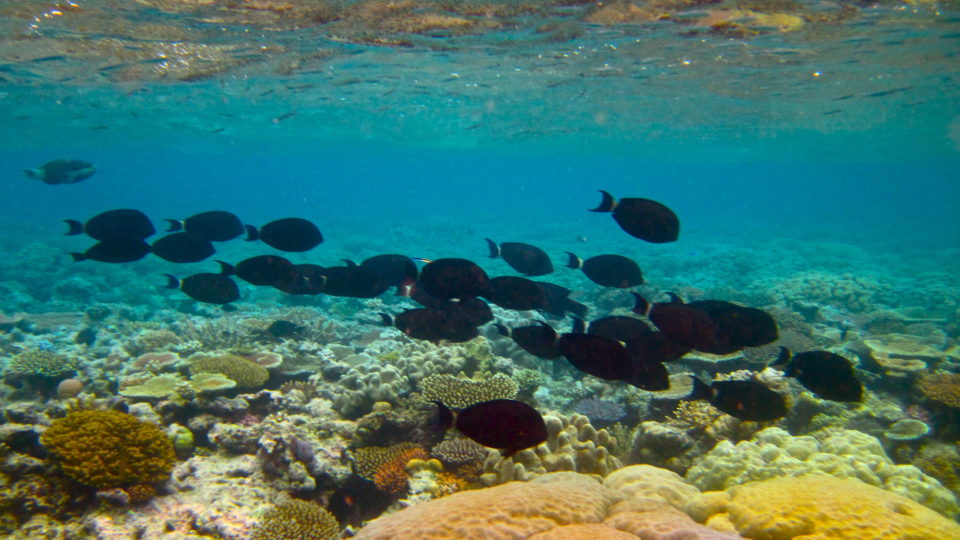
Australia’s Great Barrier Reef is one of the greatest natural wonders in the world and it has been under siege by warming waters and ocean acidification.  Widespread coral bleaching has damaged or destroyed large portions of the 1,400-mile long coral reef system.  But the effects of climate change are not the only threat to the reef.  Pesticides found in waterways that flow into the Great Barrier Reef are another serious problem.

According to a new study by the University of Queensland, the combined toxicity of 22 of the most common pesticides that flow into the Reef are not meeting pollution reduction targets.

Different pesticides affect different organisms.  Herbicides affect organisms that photosynthesize such as seagrass, corals, mangroves, and algae.  Insecticides affect insect larvae in freshwater, and crustaceans such as crabs, prawns, and lobsters.  Previous assessments have only examined individual pesticides and only for limited times.  The new study has utilized a methodology that estimates the combined toxicity of multiple pesticides found in the waterways that discharge into the Reef and does it for the entire wet season.

The research revealed that the pesticide reduction target set in the Australian Government’s Reef 2050 Water Quality Improvement Plan is not being met.  Only one natural resource management region – the Cape York region – was found to be meeting its target.

By having estimates of the risk posed by pesticides in the various regions and individual waterways, governments, farmers, and conservationists can see which areas pose the greatest risk and where to maximize efforts.  Stakeholders have to come together to reduce pesticide concentrations through better management practices and by using less toxic pesticides.

**********

Web Links

High pesticide concentrations continue to enter Great Barrier Reef

Photo, posted July 29, 2010, courtesy of Kyle Taylor via Flickr.

Earth Wise is a production of WAMC Northeast Public Radio.

Mistaking Plastic For Food

September 27, 2019 By EarthWise Leave a Comment

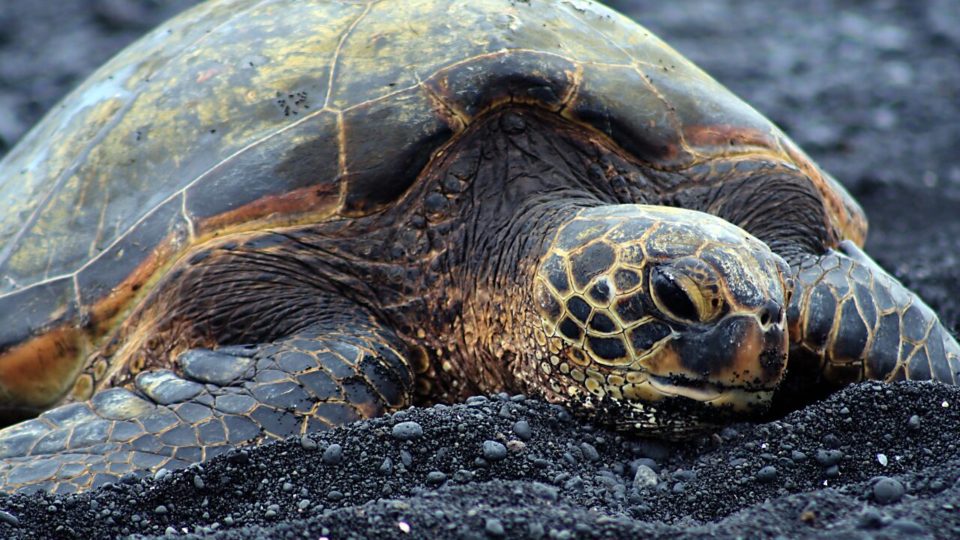
Green sea turtles are one of the world’s largest species of turtle, with some measuring close to four feet long and weighing up to nearly 300 pounds.  Their range extends throughout tropical and subtropical seas around the world, with the largest nesting populations found in Costa Rica and Australia. 

Green sea turtles get their name from the green layer of fat under their shell, as opposed to their shell itself, which can be brown, green, yellow, and/or black.  Scientists believe the green coloring of their fat is a result of their diet.  Unlike most other sea turtles, green sea turtles eat marine plants such as seaweed and seagrass.

But new research suggests that green sea turtles are also more likely to swallow plastic because it resembles their natural diet. The scientists from the University of Exeter and the Society for the Protection of Turtles who examined green sea turtles that washed up on beaches in Cyprus found they favored narrow lengths of plastic in natural colors (like green and black) as opposed to debris of other shapes and colors. 

Researchers were able to examine the full gastrointestinal tract of 19 green sea turtles.  They found pieces of plastic inside every one of them, with the number of pieces ranging from three to 183.  Smaller turtles tended to contain more plastic, possibly because they are less experienced or because diet choices change with age and size. 

Previous research has suggested that leatherback sea turtles also eat plastic that resembles their food: jellyfish. 

Researchers hope these findings will help motivate us to continue to work on reducing our overall plastic consumption and pollution.

***********

Web Links

Green turtles eat plastic that looks like their food

Photo, posted September, 2007, courtesy of Brock Roseberry via Flickr.

Earth Wise is a production of WAMC Northeast Public Radio.

Climate Change And Dolphins

May 27, 2019 By EarthWise Leave a Comment

We don’t think of heatwaves as something that affects the ocean, but increasingly, as the planet warms, there have been instances where ocean water temperatures become much higher than normal for extended periods of time.  There has been much discussion of this phenomenon with regard to coral reefs where the catastrophic rise in coral bleaching events has been the result.

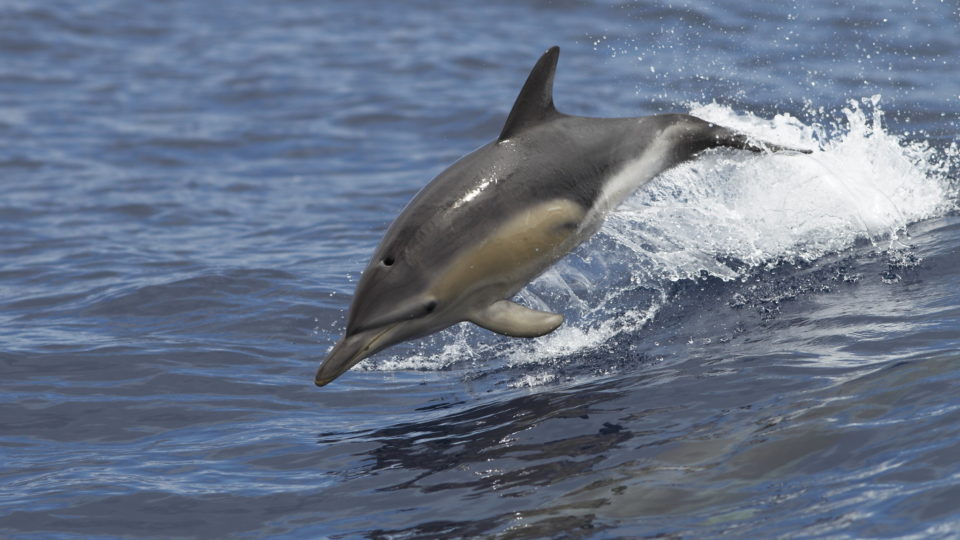
Recently, a study at the University of Zurich looked at the effects of ocean heatwaves on marine life higher in the food chain.  They studied the well-known dolphin population in Shark Bay, Western Australia.

In early 2011, a heatwave caused water temperatures in Shark Bay to rise more than 4 degrees above the annual average for an extended period.  This led to a substantial loss of seagrass, which is a driving factor in the Shark Bay ecosystem.

The researchers investigated how this environmental damage affected survival and reproduction of dolphins, using long-term data on hundreds of animals collected over a ten-year period from 2007 to 2017.

Their analysis showed that dolphins’ survival rate dropped by 12% and female dolphins were giving birth to fewer calves.  That phenomenon that began in 2011 lasted at least until 2017.

The researchers were surprised by the extent and the duration of the influence of the heatwave, especially the fact that the reproductive rate of dolphins had not returned to normal even after 6 years.

This study shows for the first time that marine heatwaves not only affect organisms at the lower levels of the food chain, but also might have considerable long-term consequences for the animals at the top, such as dolphins.

**********

Web Links

Climate change is a threat to dolphins’ survival

Photo, posted December 14, 2014, courtesy of Ed Dunens via Flickr.

Earth Wise is a production of WAMC Northeast Public Radio.

Protecting Vulnerable Shorelines

May 21, 2019 By EarthWise Leave a Comment

Global climate change is having noticeable effects on the environment. For example, glaciers are shrinking.  Plant and animal ranges are shifting and populations decreasing.  And droughts, floods, and wildfires are becoming more frequent and more intense.  According to the Intergovernmental Panel on Climate Change, the evidence indicates that the net damage costs of climate change are likely to be significant and to increase over time. 

Our coastal shorelines, which are already stressed by human activity, pollution, storms, and invasive species, are one of many areas expected to be further threatened by climate change.  Sea level rise and more intense and frequent storms are expected to erode and inundate coastal ecosystems and eliminate wetlands.  Ocean acidification is also projected to disrupt marine environments. 

But according to scientists at the Massachusetts Institute of Technology, seagrasses could play a key role in protecting these vulnerable shorelines from this onslaught.  The MIT research team demonstrated how the ubiquitous marine plants dissipate wave energy and help protect against erosion, which could help mitigate damage from rising seas. 

Using mathematical modelling and experiments, the MIT researchers were able to quantify for the first time how large and dense a continuous meadow of seagrass must be in order to provide adequate damping of waves in a given setting.  They also found that seagrasses offer significant environmental benefits, including preventing beach erosion, protecting seawalls and coastal structures, improving water quality, and sequestering carbon. 

Submerged aquatic vegetation, including seagrasses, provides an ecosystem service exceeding $4 trillion annually.  Hopefully these findings can help provide useful guidance for seagrass restoration efforts.

**********

Web Links

Seagrass’ strong potential for curbing erosion

The Effects of Climate Change

Photo, posted October 13, 2010, courtesy of the NOAA Photo Library via Flickr.

Earth Wise is a production of WAMC Northeast Public Radio.

Saving Beaches With Seagrass

February 22, 2019 By EarthWise Leave a Comment

Almost a quarter of the Gross Domestic Product of places around the Caribbean Sea is earned from tourism.  Preserving the beaches in the region is an economic imperative.  With increasing coastal development, the natural flow of water and sand is disrupted, natural ecosystems are damaged, and many tropical beaches simply disappear into the sea.

With such high stakes, expensive coastal engineering efforts such as repeated replenishing of sand and the construction of concrete protective walls are common strategies.  Rising sea levels and increasingly powerful storms only increase the threat to tropical beaches.

Researchers from The Netherlands and Mexico recently published a study in the journal BioScience on the effectiveness of seagrass in holding onto sand and sediment along shorelines.

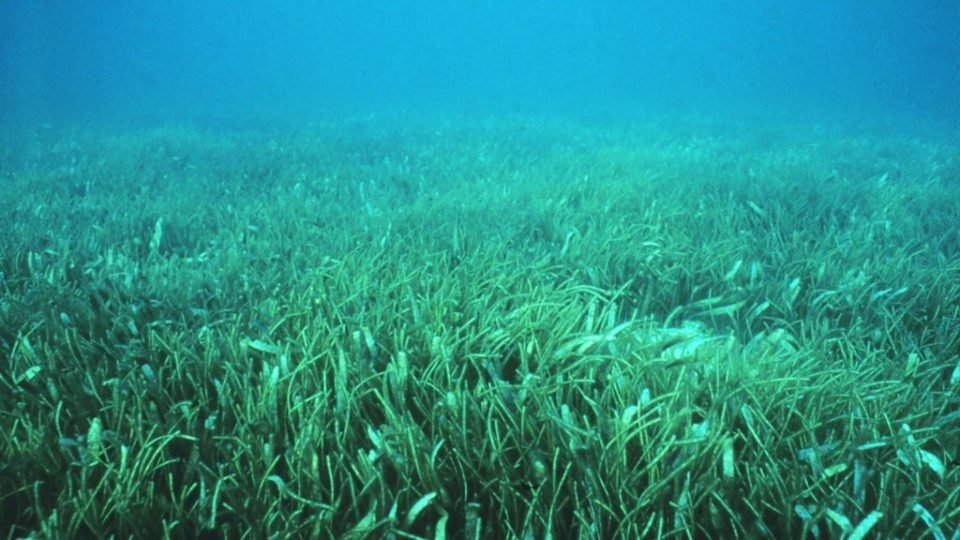
Seagrasses are so-named because most species have long green, grass-like leaves. They are often confused with seaweeds but are actually more closely related to flowering plants seen on land. Seagrasses have roots, stems and leaves, and produce flowers and seeds. Seagrasses can form dense underwater meadows and are one of the most productive ecosystems in the world. Seagrasses provide shelter and food to an incredibly diverse community of animals, from tiny invertebrates to large fish, crabs, turtles, marine mammals and birds.

The researchers performed measurements of the ability of seagrass along Mexico’s Yucatan Peninsula coastline to keep sand in place and prevent erosion.  They found that the amount of erosion was strongly linked to the amount of vegetation.  Quite often, seagrass beds have been regarded as a nuisance, rather than a valuable asset for preserving valuable coastlines.  The study opens opportunities for developing new tropical beach protection schemes in which ecology is integrated into engineering solutions.

**********

Web Links

Seagrass Saves Beaches and Money

Photo, posted October 13, 2010, courtesy of NOAA via Flickr.

Earth Wise is a production of WAMC Northeast Public Radio.

Fewer Snowbird Sharks

April 23, 2018 By EarthWise Leave a Comment

https://earthwiseradio.org/wp-content/uploads/2018/03/EW-04-23-18-Fewer-Snowbird-Sharks.mp3

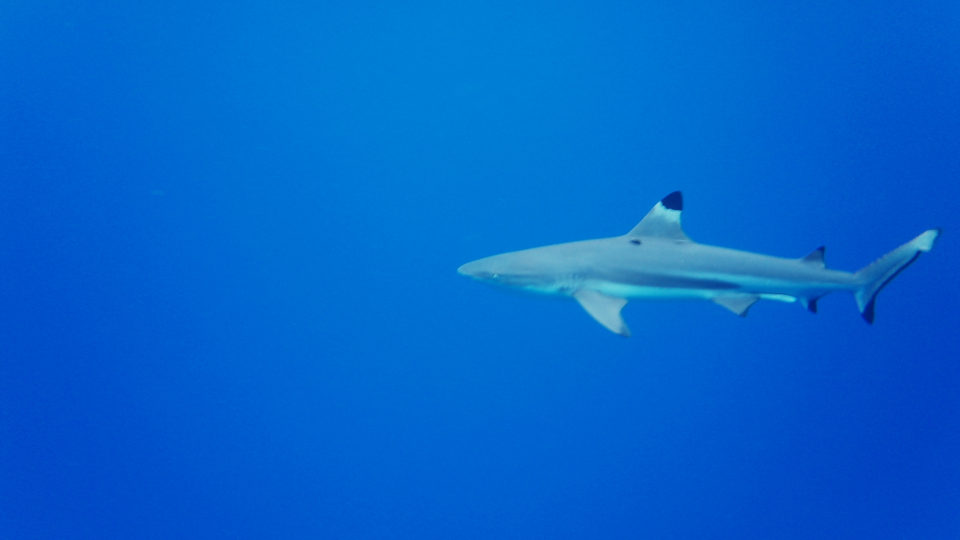
Blacktip sharks are snowbirds, to use a cross-species metaphor.   At least, they usually are.  The males of the species swim south to southern Florida during the coldest months of the year and head back north to North Carolina in the spring to mate with females.

[Read more…] about Fewer Snowbird Sharks

The Missing Sink

November 18, 2015 By WAMC WEB

https://earthwiseradio.org/wp-content/uploads/2015/11/EW-11-18-15-Missing-Sink.mp3

One of the puzzles of atmospheric chemistry is why carbon dioxide concentrations in our atmosphere aren’t rising even faster. Our activities emit some 37 billion metric tons of carbon dioxide each year. About 45% stays in the atmosphere, 25% is taken up by the oceans. The rest is a bit of a mystery.

[Read more…] about The Missing Sink

Primary Sidebar

Recent Episodes

  • An uninsurable future
  • Clean energy and jobs
  • Insect declines in remote regions
  • Fossil fuel producing nations ignoring climate goals
  • Trouble for clownfishes

WAMC Northeast Public Radio
WAMC/Northeast Public Radio is a regional public radio network serving parts of seven northeastern states (more...)

Copyright © 2025 ·