• Skip to primary navigation
  • Skip to main content
  • Skip to primary sidebar

Earth Wise

A look at our changing environment.

  • Home
  • About Earth Wise
  • Where to Listen
  • All Articles
  • Show Search
Hide Search
You are here: Home / Archives for science advances

science advances

Groundwater and climate change

February 22, 2024 By EarthWise Leave a Comment

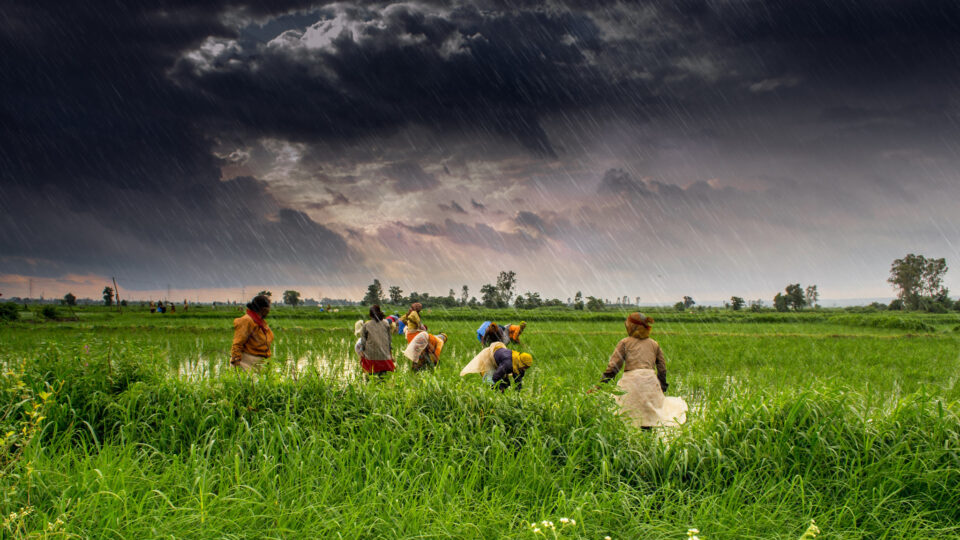
Groundwater is the vast reserve of water beneath Earth’s surface.  It’s an essential resource for humans, plants, animals, and other living organisms.  According to the United States Geological Survey, about 30% of all readily available freshwater in the world is groundwater.  In areas lacking sufficient surface water supply from rivers and reservoirs,  groundwater is critical for meeting the region’s drinking water and food production needs.

But climate change, as well as global population growth, is stressing groundwater resources.  As precipitation becomes less reliable due to climate change, surface water bodies can drop too low to provide the needed water.  As a result, people turn to groundwater. Depletion of groundwater is already a significant problem, and over-pumping will only increase further as climate change makes traditional sources of water less reliable.

According to a new study led by researchers from the University of Michigan, farmers in India have adapted to warming temperatures by intensifying the withdrawal of groundwater used for irrigation.  The study, which was published in the journal Science Advances, found that the rate of groundwater loss could triple by 2080 if this trend continues, further threatening India’s food and water security. 

India is the second-largest global producer of common cereal grains such as rice and wheat, and recently passed China as the world’s most populous nation. Without interventions to conserve groundwater, the research team finds that warming temperatures will likely amplify India’s groundwater depletion problem, further threatening the country’s food and water security.  

********** 

Web Links

Groundwater depletion rates in India could triple in coming decades as climate warms, study shows

Where is Earth’s Water?

Photo, posted August 2, 2013, courtesy of Rajarshi MITRA via Flickr.

Earth Wise is a production of WAMC Northeast Public Radio
Elephants and protected areas

February 6, 2024 By EarthWise Leave a Comment

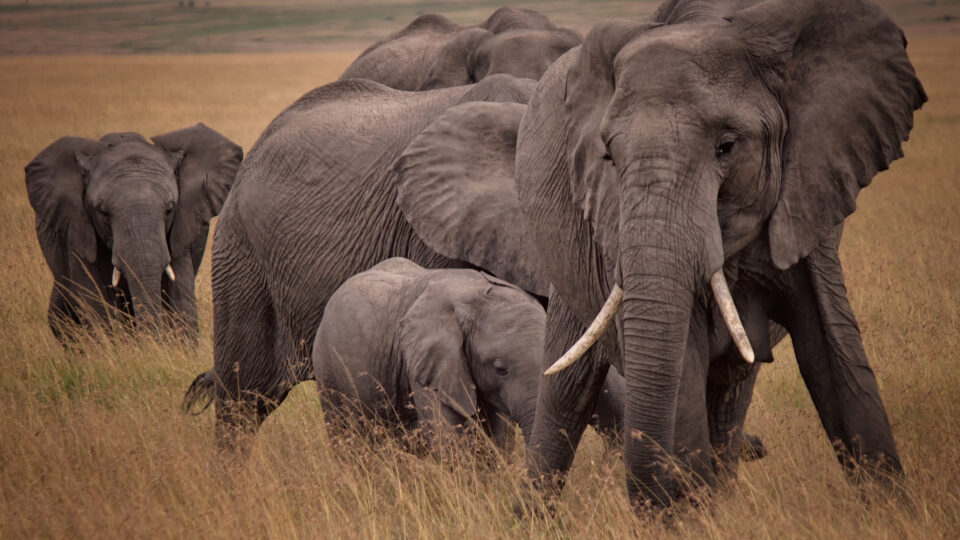
Standing up to 13 feet tall and weighing up to 7 tons, African savanna elephants are the largest species of elephant and the biggest terrestrial animal on Earth.  According to the World Wildlife Fund, African savanna elephants can be found in 23 countries and live in a variety of habitats, including savannas, forests, and deserts.  The largest populations are in Southern and Eastern African countries.

According to assessments from the International Union for Conservation of Nature, the population of African savanna elephants has decreased by at least 60% over the last 50 years.  Poaching and habitat loss are the two main drivers of the population decline.  In 2021, the status of the African savanna elephant was changed from vulnerable to endangered on the IUCN’s Red List of Threatened Species. 

However, according to a new study recently published in the journal Science Advances, conservation measures have successfully stopped African savanna elephant population declines across southern Africa.  The international team of researchers found that the pattern varies regionally, with some elephant populations soaring while others are still facing large declines.

Overall, the study found that there are the same number of elephants now as there were 25 years ago. According to researchers, the key to long-term elephant population growth and sustainability isn’t where a protected area is, but rather how connected it is to other protected or neutral areas around it. 

This isn’t a new concept; in fact, many parks have been connected to one another.  But this study helps prove that the method is effective for elephant conservation.  

**********

Web Links

Protected Areas for Elephants Work Best if They Are Connected

African elephant species now Endangered and Critically Endangered – IUCN Red List

African savanna elephant

Photo, posted October 20, 2018, courtesy of Ray via Flickr.

Earth Wise is a production of WAMC Northeast Public Radio
The Cost Of Heat Waves | Earth Wise

December 7, 2022 By EarthWise Leave a Comment

Heat waves are defined as periods of abnormally hot weather generally lasting more than two days. To be considered a heat wave, the recorded temperatures must be substantially above the historical averages for a given area. According to climate scientists, anthropogenic climate change is likely causing heat waves to increase in both frequency and intensity.  

According to a new study by researchers from Dartmouth University, climate change-driven severe heat waves have cost the world economy trillions of dollars since the early 1990s. 

In the study, which was recently published in the journal Science Advances, researchers combined in-depth economic data for regions worldwide with the average temperature for the hottest five-day period —a commonly used measurement of heat intensity—for each region in each year.  The research team found that between 1992 and 2013, heat waves statistically coincided with variations in economic growth and that an estimated $16 trillion was lost to the effects of high temperatures on human health, productivity and agricultural output.

The results of the study underscore issues of climate justice and inequality.  According to researchers, the economic costs of extreme heat have been and will be disproportionately borne by the world’s poorest nations.  While economic losses due to extreme heat events averaged 1.5% of GDP per capita for the world’s wealthiest regions, the researchers found that low-income regions suffered a loss of 6.7% of GDP per capita.  Most of these low-income nations have contributed the least to climate change. 

According to the research team, immediate action is needed now to protect vulnerable people during the hottest days of the year.

**********

Web Links

Heat Waves Have Cost World Economy Trillions of Dollars

Photo, posted July 23, 2021, courtesy of Martin Fisch (marfis75) via Flickr.

Earth Wise is a production of WAMC Northeast Public Radio
More Plastic Pollution From The United States | Earth Wise

December 7, 2020 By EarthWise Leave a Comment

United States remains a top plastic polluter

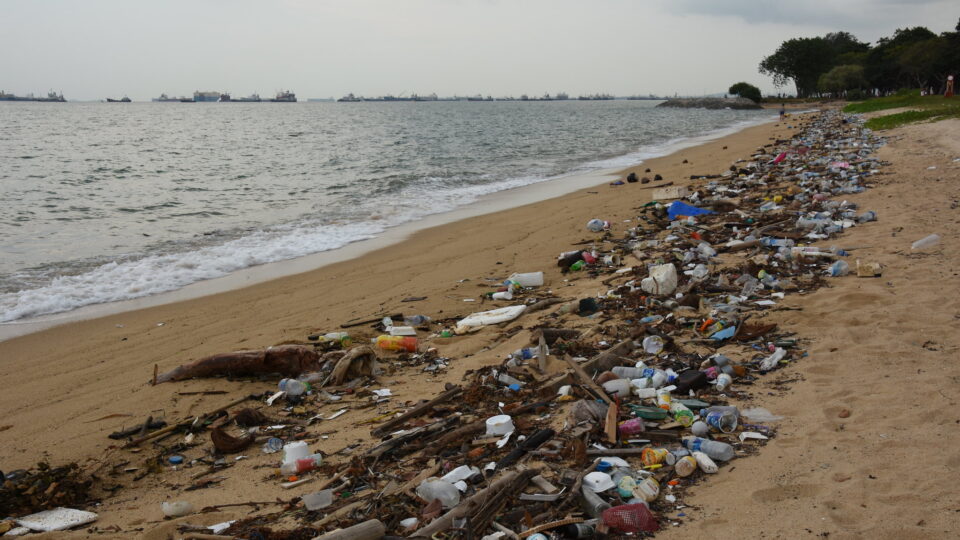
A new study published in the journal Science Advances has revealed that the United States is contributing far more to coastal plastic pollution than was previously believed.  A previous study using 2010 data ranked the US 20th globally, in its contribution to ocean plastic pollution from mismanaged waste.  The new study ranks the U.S. third among the world’s countries.

The largest contributor to the discrepancy is that the earlier study did not account for plastic scrap exports.  Using plastic waste generation data from 2016 – which is the most recent global data available – the study’s authors calculated that more than half of all plastics collected for recycling in the US were shipped abroad.  This amounts to over 2 million tons.  Of this amount, some 88% went to countries struggling to effectively manage, recycle, or dispose of plastics, and between 15-25% was, in fact, low-value or contaminated, meaning that it was effectively unrecyclable.  When all of these factors were taken into account, the researchers estimated that a million tons of US-generated plastic waste ended up polluting the environment.  It just occurred beyond our own borders.

Overall, 2-3% of all plastic waste generated in the US – about a million tons – is either littered or illegally dumped into the domestic environment.  When this is combined with the exported waste, the US is responsible for more than 2 million tons of plastic waste being dumped into the environment.  About two-thirds of that ends up in coastal environments, where it is likely to enter the ocean by wind or through waterways.

The United States generates the most plastic waste of any country in the world.  Unfortunately, we have been operating under the illusion that we were doing a pretty good job of dealing with it.

*********

Web Links

New Study Reveals United States a Top Source of Plastic Pollution in Coastal Environments

Photo, posted April 3, 2015, courtesy of Vaidehi Shah via Flickr.

Earth Wise is a production of WAMC Northeast Public Radio.

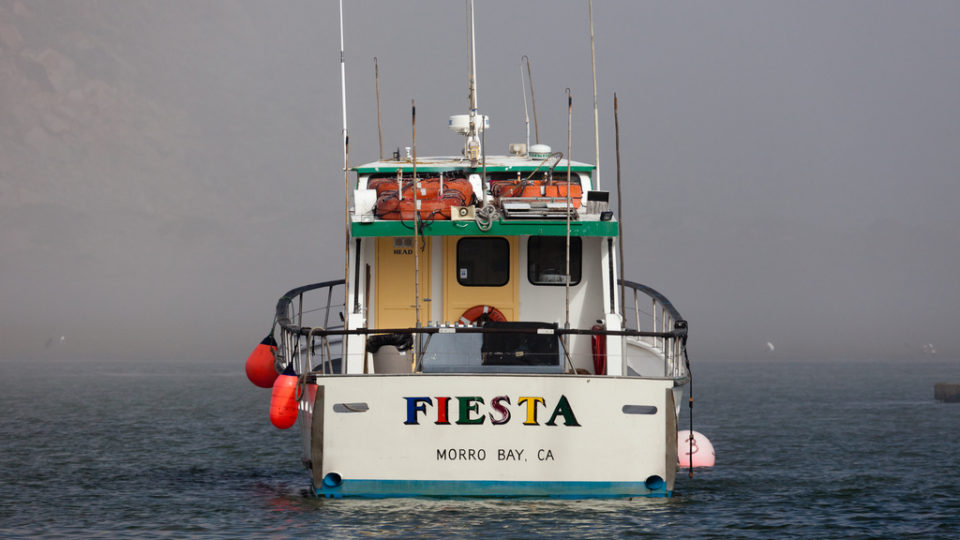
Fish And Ships

April 25, 2019 By EarthWise Leave a Comment

Solutions to overfishing of certain tuna and shark populations have been hindered by some significant unknowns:  where the fishing is happening, and where the fish are.  But researchers from Stanford University have recently shed some light on this mystery. 

According to a paper recently published in the journal Science Advances, the researchers have developed a map of shark, tuna, and ship movements that could help ocean managers identify regions of the sea where vulnerable species may be at risk. 

The researchers’ work builds on a 2018 study in which four years of satellite vessel movement data was used to develop a machine learning algorithm that mapped the footprint of 70,000 different fishing vessels around the world.  In their paper, the researchers zeroed in on the activities of 900 vessels from 12 countries in the northeast Pacific Ocean to figure out to what degree fishing fleets, sharks, and tunas overlapped. 

The researchers combined the vessel data with the ocean habitat preferences of sharks and tunas obtained from a decade-long tracking program called Tagging of Pacific Predators (or TOPP).  According to the IUCN, most of the 876 individuals tagged in TOPP belong to species that are either threatened or near-threatened.

By synthesizing this data, researchers were able to map where sharks and tunas would have the highest overlap with commercial fishing vessels.  Increasing the transparency of where fish meets fleets will allow ocean managers to determine where international protections may be needed. 

The United Nations is currently developing the world’s first legally binding treaty to protect international waters.  The Stanford University researchers hope their findings can help with this treaty’s formulation. 

**********

Web Links

Tunas, sharks and ships at sea

Photo, posted June 20, 2011, courtesy of Mike Baird via Flickr.

Earth Wise is a production of WAMC Northeast Public Radio.

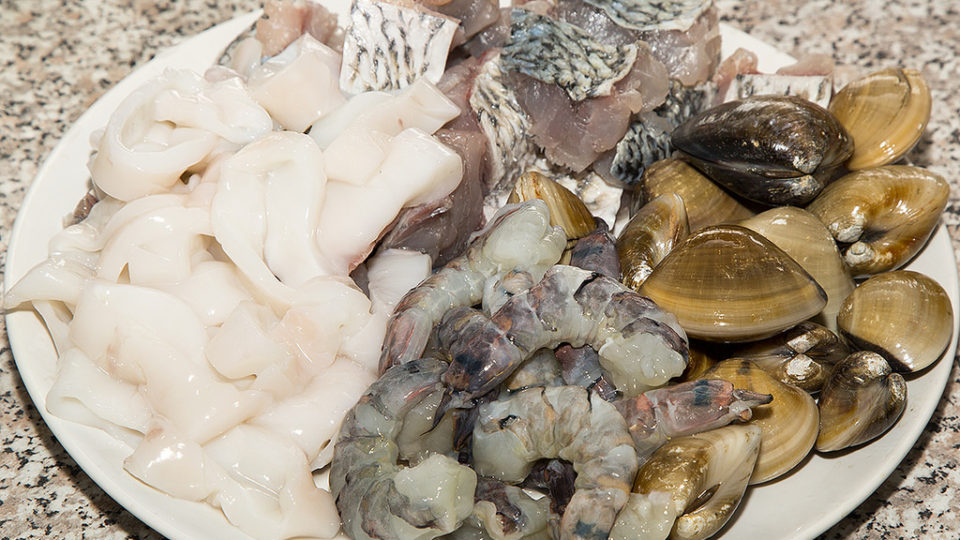
Reducing Slavery In Seafood

August 28, 2018 By EarthWise Leave a Comment

https://earthwiseradio.org/wp-content/uploads/2018/08/EW-08-28-18-Reducing-Slavery-in-Seafood.mp3

The seafood industry is one of the largest employers in the world.  But according to a 2016 report, the seafood industry also contains widespread forced labor.   Forty seven seafood-producing countries were reported to utilize forced labor.  The seafood hub countries of Indonesia, Thailand, Vietnam, Peru, and the Philippines were also reported to use a significant percentage of child labor.

[Read more…] about Reducing Slavery In Seafood

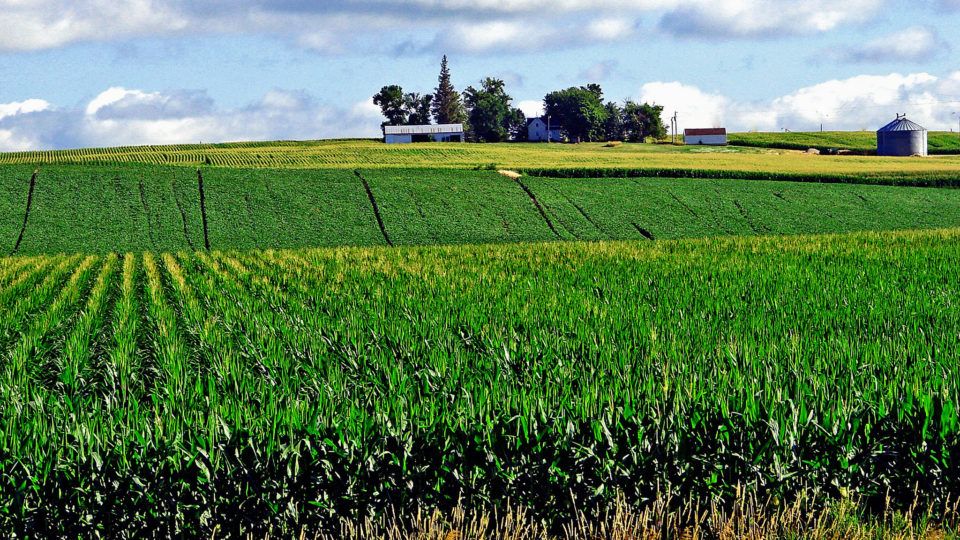
Labeling Genetically Engineered Foods

August 7, 2018 By EarthWise Leave a Comment

https://earthwiseradio.org/wp-content/uploads/2018/08/EW-08-07-18-Labeling-GE-Foods.mp3

There has been a great deal of debate over mandating labels for genetically engineered foods.  On the pro side, people argue that they have a right to know whether what they are eating contains GMO – or as they are also called GE — ingredients.  On the con side, people argue that the aversion toward GE is unfounded and that labeling foods will simply drive away consumers undeservedly.

[Read more…] about Labeling Genetically Engineered Foods

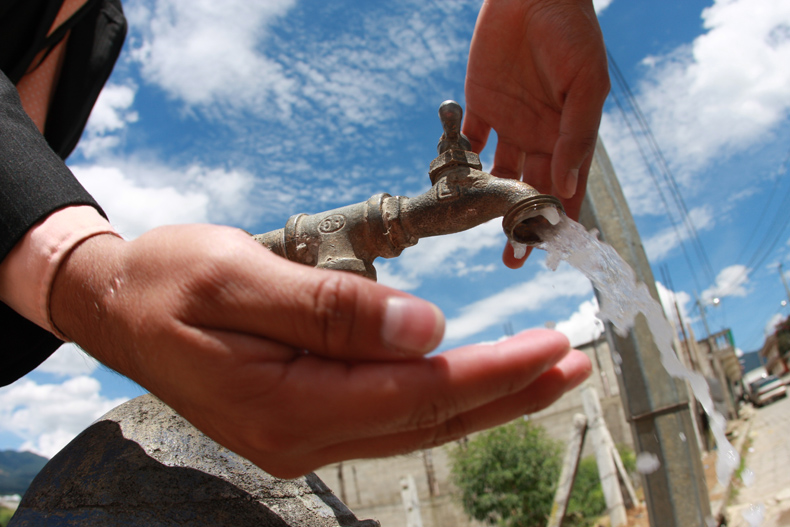
Global Water Scarcity

March 23, 2016 By WAMC WEB

https://earthwiseradio.org/wp-content/uploads/2016/03/EW-03-23-16-Global-Water-Scarcity.mp3

Water is a simple chemical compound containing two hydrogen atoms and one oxygen atom connected by covalent bonds.  It covers 71% of Earth’s surface and is vital for all forms of life.  Despite its abundance, water that is safe for drinking is globally in short supply. 

[Read more…] about Global Water Scarcity

Primary Sidebar

Recent Episodes

  • An uninsurable future
  • Clean energy and jobs
  • Insect declines in remote regions
  • Fossil fuel producing nations ignoring climate goals
  • Trouble for clownfishes

WAMC Northeast Public Radio

WAMC/Northeast Public Radio is a regional public radio network serving parts of seven northeastern states (more...)

Copyright © 2026 ·