• Skip to primary navigation
  • Skip to main content
  • Skip to primary sidebar

Earth Wise

A look at our changing environment.

  • Home
  • About Earth Wise
  • Where to Listen
  • All Articles
  • Show Search
Hide Search
You are here: Home / Archives for salt

salt

Understanding How To Enhance Desalination | Earth Wise

February 16, 2021 By EarthWise Leave a Comment

How to improve desalination

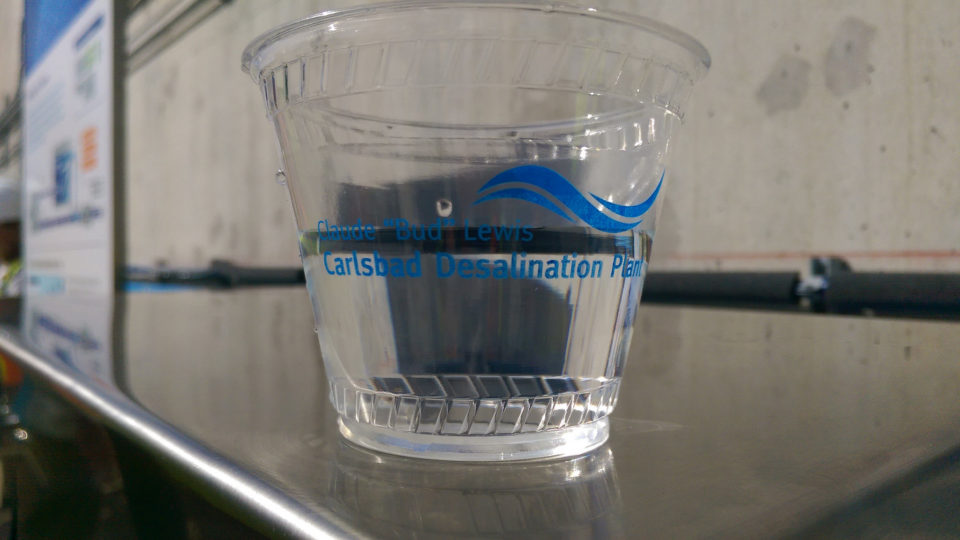
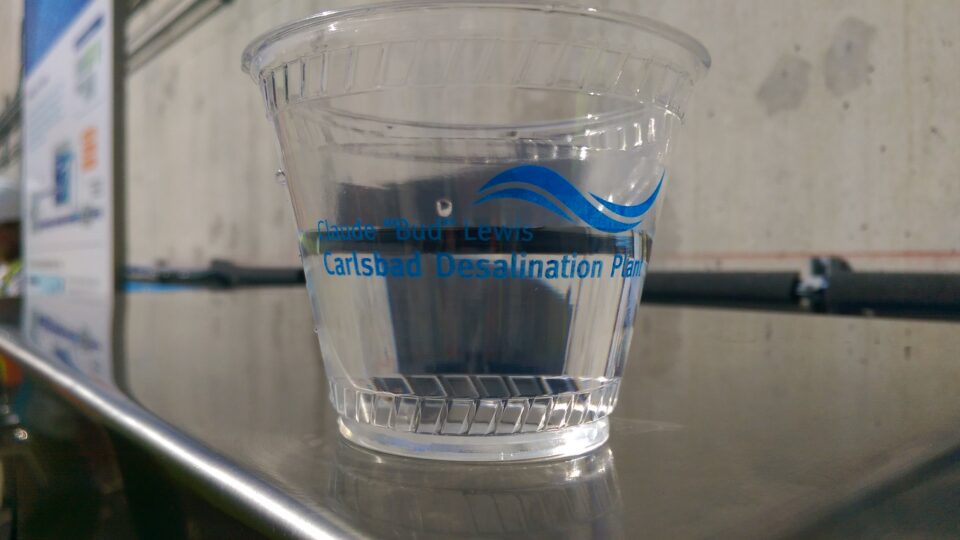
Desalination is the process of removing mineral components – notably salt – from saline water, generally seawater.  Over 16,000 desalination plants operate across 177 countries, generating 25 billion gallons of fresh water each year.  Currently, desalination accounts for about 1% of the world’s drinking water.

The leading process for desalination in terms of installed capacity as well as new installations is reverse osmosis that makes use of a thin-film composite membrane based on ultra-thin polyamide.

Despite the fact that these membranes are widely used for desalination, they are actually rather poorly understood.  It has not been known exactly how water moves through them.  As a result, much of the progress made on the technology over the decades has been essentially based on guesswork.

A team of researchers at the University of Texas, Austin has used advanced microscopy techniques to solve some of the mysteries of reverse osmosis membranes.  By mapping membranes at very high resolution – less than half the diameter of a DNA strand – they gained a much better understanding of what makes a membrane better at reverse osmosis.

They found that desalination membranes are inconsistent in mass distribution and density and that these inconsistencies can impair membrane performance.  It turns out that inconsistencies and dead zones in membranes play a bigger role than membrane thickness.  By making the membranes more uniform in density at the nanoscale, they were able to increase desalination efficiency 30 to 40 percent, therefore cleaning more water with less energy and at lower cost.

Producing fresh water is not just essential for public health, it is also crucial for use in agriculture and energy production.

**********

Web Links

Nanoscale control of internal inhomogeneity enhances water transport in desalination membranes

Photo, posted February 13, 2017, courtesy of Jacob Vanderheyden via Flickr.

Earth Wise is a production of WAMC Northeast Public Radio.
Using CO2 To Convert Seawater Into Drinking Water | Earth Wise

October 27, 2020 By EarthWise Leave a Comment

Converting Seawater into Drinking Water

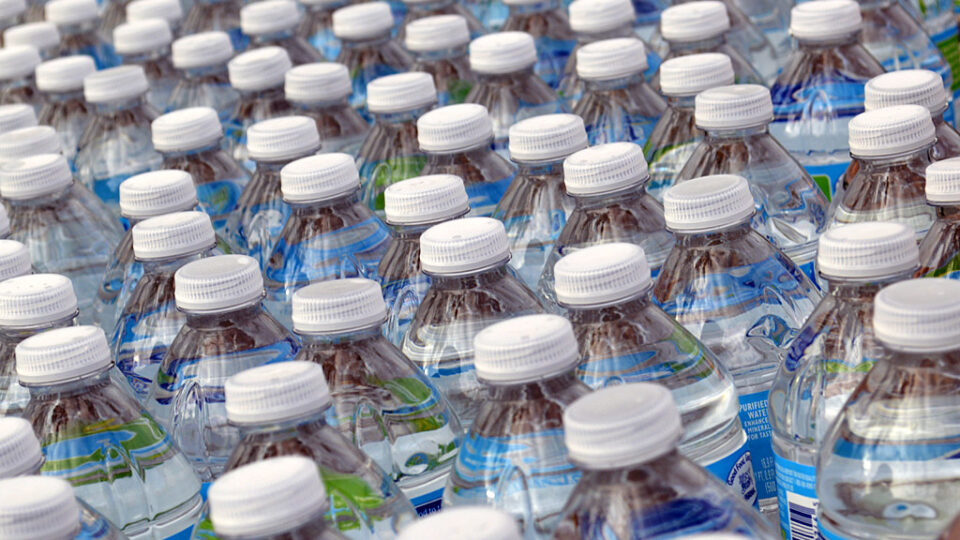
A chemist at the University of Copenhagen has invented a technology that uses carbon dioxide to convert seawater into drinking water within minutes.  This desalination technology has the potential to replace electricity with CO2 and be used in survival gear and in large-scale industrial plants in places where people don’t have clean drinking water.

Over 800 million people worldwide lack access to clean drinking water and that number is growing rapidly.  Seawater is a vital source of drinking water in many parts of the world, but desalination faces the major challenge of being highly energy intensive.  Desalination plants use huge amounts of fossil fuel-generated electricity and therefore contribute to climate change.

The Copenhagen technology is reminiscent of a SodaStream machine.  Carbon dioxide is added to water, initiating a chemical reaction.  But instead of using it for bubbly carbonation, it is used to separate salt from water.  It works by adding a chemical called CO2-responsive diamine to saltwater.  The diamine compound binds with the added CO2 and acts as a sponge to absorb the salt, which can then be separated.  The entire process takes one to ten minutes.  Once the CO2 is removed, the salt is released again, allowing the diamine to be reused for several more rounds of desalination.

In the laboratory, the method removed 99.6% of the salt in seawater.  The technology is still being developed to lower its price and optimize the recycling process.  It is also being tested on a small scale in the form of water bottles fitted with special filters that can be used in lifeboats or in other outdoor settings.  Ultimately, it could be used to greatly reduce the energy consumption of desalination plants.

**********

Web Links

Chemist uses CO2 to convert seawater into drinking water

Photo, posted January 10, 2015, courtesy of Daniel Orth via Flickr.

Earth Wise is a production of WAMC Northeast Public Radio.

Lake George Health Report

December 26, 2019 By EarthWise Leave a Comment

The Offshore Chemistry Program, run by the Darrin Fresh Water Institute at RPI, has been monitoring the deep waters of Lake George in New York for 40 years.  Lake George, nicknamed the Queen of American Lakes, is famed for the transparency of its water and a new report on the health of the lake reveals that it is doing rather well.

According to the report, although concentrations of chemicals and pollutants like salt and nutrients have increased in the deep waters of Lake George, they are still too low to harm the ecosystem at those depths.

The Offshore Chemistry Program studies the lake as part of a collaboration between RPI, IBM Research, and the FUND for Lake George that is called the Jefferson Project.  This long-term commitment provides a wealth of information over time matched by few lake studies in the world.

The recent results show that levels of salt, the nutrient orthophosphate, and chlorophyll have increased substantially over time, but none are yet at a level that will cause harm.

Orthophosphate occurs naturally, but most likely the higher levels are due to improperly functioning septic systems, failing wastewater treatment systems, and stormwater runoff.  The orthophosphate most likely triggered the increase in chlorophyll, which probably is associated with increased density of chlorophyll in individual algal cells, rather than an increase in total algal mass in the lake.

Overall, the results demonstrate the continuing resilience of Lake George to a growing array of stressors.  In nearly 40 years of human activities, the lake has changed in a number of ways, but the changes have so far been relatively small.  With such careful monitoring, we can hope to keep them that way.

**********

Web Links

Four Decades of Data Sounds Early Warning on Lake George

Photo, posted September 24, 2009, courtesy of GPA Photo Archive via Flickr.

Earth Wise is a production of WAMC Northeast Public Radio.
Another Problem For Coral Reefs

April 5, 2019 By EarthWise Leave a Comment

Coral reefs around the world have been suffering in recent years from warming ocean temperatures as well as from increasing ocean acidification.  Corals are very sensitive organisms that can only tolerate relatively slight changes in their environment.  Thus, the majority of reef-building corals are found in tropical and subtropical waters with favorable conditions.

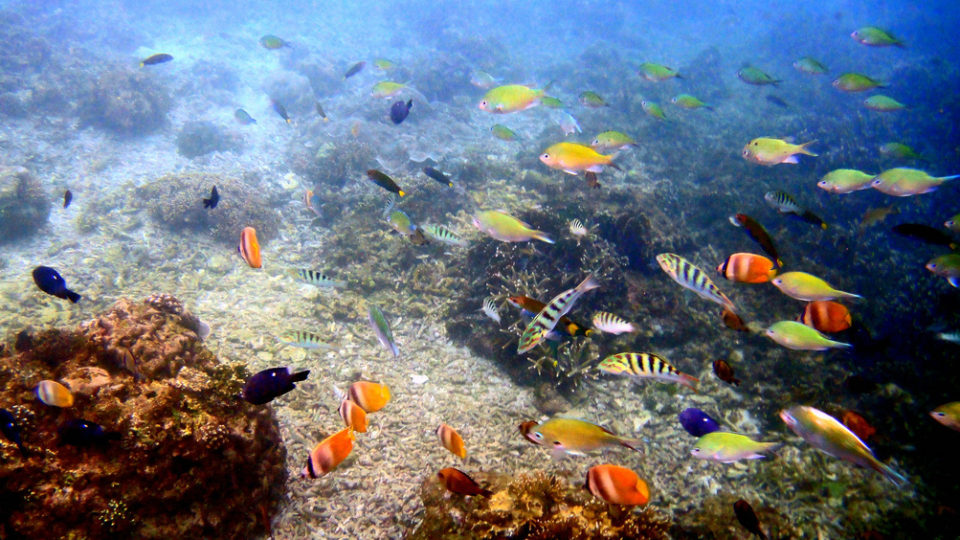
New research has confirmed that drastic changes in ocean salinity from, for example, severe freshwater flooding, provoke similar stress responses in corals as the heating that has resulted in freshwater bleaching and, eventually, coral death.

The coast of northeast Queensland in Australia has experienced abnormal monsoon-related freshwater flooding that caused extreme and sudden changes in the ocean salt concentration.  In places, nearshore reefs were exposed to water with only half the normal ocean salinity.  The result has been a shock response in corals that prevents normal cell function.  Unlike their response to heat stress, corals exposed to reduced salinity experience a complete collapse of their internal cellular protein balance.

The central Great Barrier Reef has actually been relatively free from mass thermal bleaching events this Australian summer, but many coastal reefs instead have been battling dramatic changes in water conditions as a result of massive plumes of floodwater.

The wild weather in Australia is undoubtedly associated with the changing climate and this new research shows that it is leading to yet another threat to the world’s coral reefs.  With the frequency and severity of heavy rainfall and runoff events predicted to continue to increase over the next few decades, proactive measures to increase the resiliency of coral reefs are needed more than ever.

**********

Web Links

Reduced salinity of seawater wreaks havoc on coral chemistry

Photo, posted December 12, 2010, courtesy of Gareth Williams via Flickr.

Earth Wise is a production of WAMC Northeast Public Radio.

More Power From The Sun’s Heat

November 29, 2018 By EarthWise Leave a Comment

https://earthwiseradio.org/wp-content/uploads/2018/11/EW-11-29-18-More-Power-From-The-Suns-Heat.mp3

When we think of solar power, we usually are talking about the panels that generate electricity using the photovoltaic effect.  These panels are on millions of rooftops around the world and in utility-scale solar farms.   There are also solar water heating systems that use the sun’s heat to provide hot water for homes and businesses.

[Read more…] about More Power From The Sun’s Heat

A Better Filter For Saltwater

November 26, 2018 By EarthWise Leave a Comment

https://earthwiseradio.org/wp-content/uploads/2018/10/EW-11-26-18-A-Better-Saltwater-Filter.mp3

Turning seawater into drinkable water is a highly desirable capability given that fresh water is generally in short supply and seawater is endlessly abundant.  Desalination plants typically strain salt out of seawater by pumping it through films made of polyamide.  Polyamide filters are riddled with tiny pores that allow water molecules to squeeze through, but not sodium ions.

[Read more…] about A Better Filter For Saltwater

Salt Cocktails Compromise Freshwater

August 1, 2018 By EarthWise Leave a Comment

https://earthwiseradio.org/wp-content/uploads/2018/07/EW-08-01-18-Salt-Cocktails.mp3

Human activities are exposing US rivers and streams to a cocktail of salts, with consequences for infrastructure and drinking water supplies. Road salt, fertilizers, and mining waste – as well as natural weathering of concrete, rocks, and soils – all contribute to increased salt in waterways. When these different salt compounds combine, their harmful effects can amplify.

[Read more…] about Salt Cocktails Compromise Freshwater

Saving The Sea From Salt

July 18, 2016 By WAMC WEB

https://earthwiseradio.org/wp-content/uploads/2016/07/EW-07-18-16-Saving-the-Sea-from-Salt.mp3

The Persian Gulf along with the Red and Mediterranean seas are getting saltier all the time because of the waste products of desalination.   The United Arab Emirates, Saudi Arabia, Kuwait, Qatar, Bahrain and Oman account for 45% of the world’s desalination capacity.  And the byproduct of desalination is brine, which is twice as salty as seawater.   Even advanced desalination plants produce two cubic meters of waste brine for every one cubic meter of clean water.

[Read more…] about Saving The Sea From Salt

De-Icing Roadways

February 9, 2016 By WAMC WEB

https://earthwiseradio.org/wp-content/uploads/2016/02/EW-02-09-16-De-Icing-Roadways.mp3

We have been using salt to keep winter roads free of ice and snow since the late 1930s.  In the United States alone, some 20 million tons of salt are applied to roadways each year.  And while its use has real benefits in terms of safety and navigation, there have been cumulative costs to the environment, including degrading freshwater resources and contaminating groundwater. 

[Read more…] about De-Icing Roadways

Preservatives

February 8, 2016 By WAMC WEB

https://earthwiseradio.org/wp-content/uploads/2016/02/EW-02-08-16-Preservatives.mp3

Augmenting food with preservatives is not a recent practice.  For thousands of years, we have canned fruits with sugar, preserved meats with salt, and pickled vegetables so that they could keep in hot humid environments.

[Read more…] about Preservatives

Road Salt

January 19, 2016 By WAMC WEB

https://earthwiseradio.org/wp-content/uploads/2016/01/EW-01-19-16-Road-Salt.mp3

Snow season is here.  The chances are good you’ll find yourself behind a truck spreading salt on the roads in an attempt to deice them. You may even try a little salt on your own front porch. Annually we spread about 20 million tons of road salt in the U.S., and we’ve been doing it since the late 1930s.

[Read more…] about Road Salt

Microplastics And Salt

December 10, 2015 By WAMC WEB

https://earthwiseradio.org/wp-content/uploads/2015/12/EW-12-10-15-Microplastics-And-Salt1.mp3

Today, thousands of personal care products – such as facial scrubs, body washes, and toothpastes – are known to contain minuscule balls of plastic called microbeads.  When we shower or brush our teeth, these microbeads are washed down the drain and travel undetected through wastewater treatment plants.  When they reach their final destination — our lakes, rivers and oceans — they mix with other sources of microplastics, including industrial waste and degraded plastic litter.    

[Read more…] about Microplastics And Salt

  • « Go to Previous Page
  • Page 1
  • Page 2

Primary Sidebar

Recent Episodes

  • An uninsurable future
  • Clean energy and jobs
  • Insect declines in remote regions
  • Fossil fuel producing nations ignoring climate goals
  • Trouble for clownfishes

WAMC Northeast Public Radio

WAMC/Northeast Public Radio is a regional public radio network serving parts of seven northeastern states (more...)

Copyright © 2026 ·