• Skip to primary navigation
  • Skip to main content
  • Skip to primary sidebar

Earth Wise

A look at our changing environment.

  • Home
  • About Earth Wise
  • Where to Listen
  • All Articles
  • Show Search
Hide Search
You are here: Home / Archives for researchers

researchers

Seashells inspire better concrete

July 10, 2024 By EarthWise Leave a Comment

Seashells inspiring better concrete

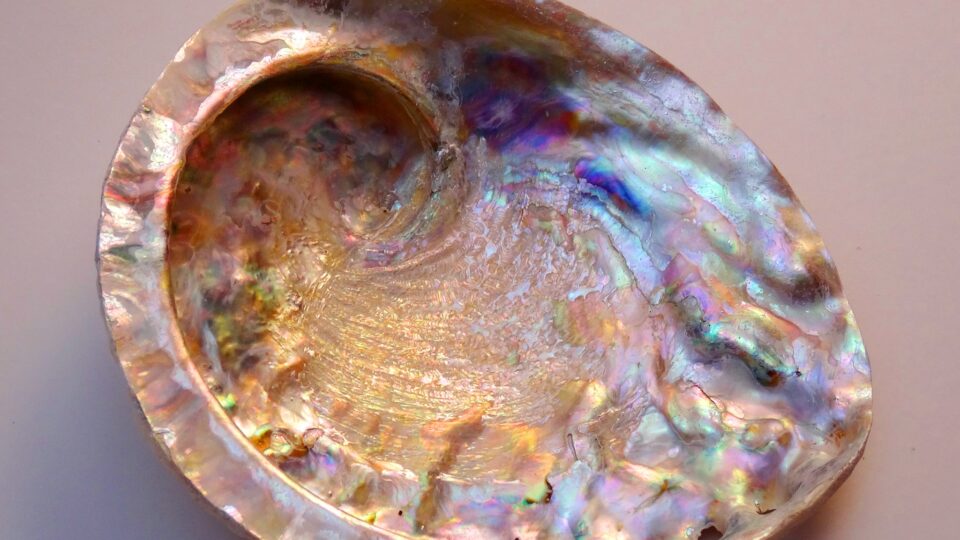
Mother of pearl – also known as nacre – is a natural material found in certain seashells such as those of oysters and abalone.  On the microscopic level, it consists of hexagonal tablets of the hard mineral aragonite glued together by a soft biopolymer.  The aragonite gives nacre its strength, and the biopolymer adds flexibility and crack resistance. 

Scientists at Princeton University have developed innovative composite materials inspired by nacre by utilizing conventional construction materials like Portland cement paste combined with a limited amount of polymer.  The new material consists of alternating layers of cement paste sheets with the highly stretchable polymer polyvinyl siloxane.

The materials were subjected to bending tests to evaluate crack resistance or fracture toughness.  Three different versions of the material were tested that used different ways of interposing the polymer layers.  The new materials were compared with similar structures composed entirely of cement.

The concrete-only samples were brittle, breaking suddenly and completely upon reaching their failure point.  The samples with alternating cement and polymer layers demonstrated increased ductility and resistance to cracking. 

By fully mimicking the structure of nacre – using completely separated hexagonal cement tablets – the researchers demonstrated materials with 19 times the ductility and 17 times the fracture toughness of cement while retaining nearly the same strength as solid cement samples.

Engineered materials inspired by nature could eventually help increase the durability of a wide range of brittle ceramic materials, from concrete to porcelain.

**********

Web Links

From seashells to cement, nature inspires tougher building material

Photo, posted January 2, 2016, courtesy of Yantra via Flickr.

Earth Wise is a production of WAMC Northeast Public Radio
Species and climate change

July 4, 2024 By EarthWise Leave a Comment

Some species may possess pre-adaptations that could help them better tolerate climate change

Temperature extremes on Earth currently range from a low of -129°F to a high of 134°F.  But these climatic limits have changed throughout history.  In fact, during the last interglacial period 130,000 years ago, temperatures were warmer, resembling what we are projected to experience at the end of this century.

Species that evolved during such periods may possess pre-adaptations that could help them tolerate upcoming changes to the climate.  This factor is often overlooked by traditional statistical models predicting species’ responses to climate change.

But a new model, developed by researchers from Ifremer in France and Lausanne University in Switzerland, has taken this oversight into account, and reassessed the proportion of terrestrial and marine species threatened with extinction by climate change. 

In the study, which was recently published in the journal Nature Ecology and Evolution, the research team applied its model to nearly 25,000 terrestrial and marine species from around the world.  The researchers discovered that 49% of these species live in climate niches near the current climatic limits, and 86% could potentially extend beyond these limits. 

The most surprising result concerns tropical regions. While forecasts from traditional models estimate that the diversity of terrestrial species in tropical areas could decrease by 54% between now and 2041-2060, the new model predicts a more moderate decline of 39%.

The findings confirm the importance of taking urgent measures to mitigate climate change and its impact on biodiversity.

**********

Web Links

Some species may better tolerate climate change than expected

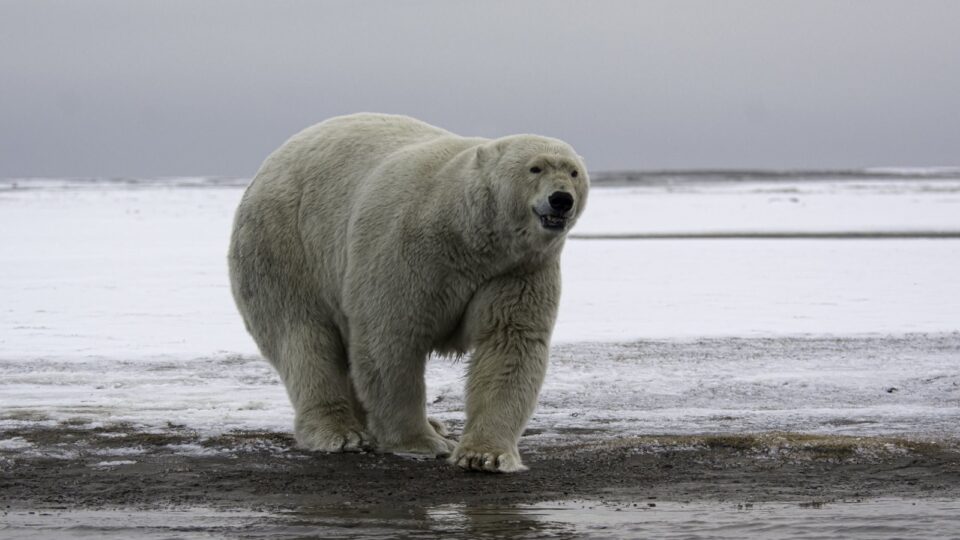
Photo, posted October 23, 2015, courtesy of Anita Ritenour via Flickr.

Earth Wise is a production of WAMC Northeast Public Radio
Car tires in your salad

June 26, 2024 By EarthWise Leave a Comment

Leafy green vegetables may contain tire particles

There seems to be no end to the types of pollution we have introduced into the environment.  One that has only recently started to gain attention is pollution caused by vehicle tires. 

Through normal wear and tear, as vehicles drive along roadways, their tires cast off countless bits of rubber.  These particles can linger in the atmosphere or can be washed down sewage drains and into waterways.  In the water, these particles leach compounds that are toxic to wildlife.

Tires contain various chemical additives that prevent them from cracking and degrading along with various metals and other materials added to rubber and artificial rubber.  Some of these additives are acutely toxic or even carcinogenic.

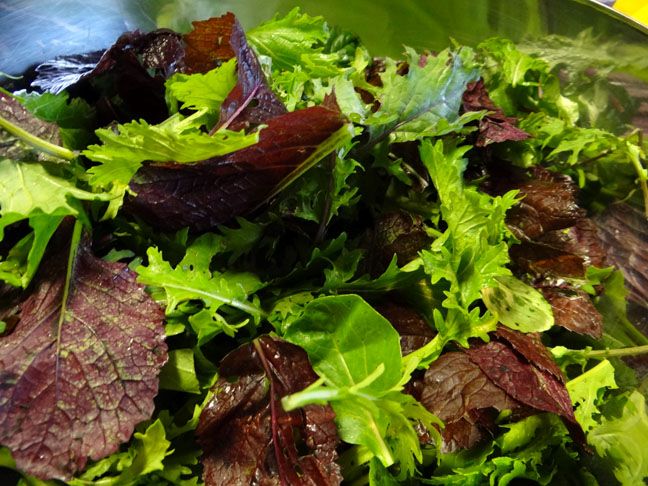
A recent study by researchers at the University of Vienna tested leafy vegetables that were grown in Switzerland, Spain, and Italy, and were sold in Swiss supermarkets.  The study also tested vegetables harvested directly from Israeli farmlands.

Tire ingredients were found in 11 out of 15 samples gathered from Swiss supermarkets and 9 out of 13 samples collected from Israeli fields.  Among these are 6PPD, a tire additive that has been identified as the cause of the extensive deaths of coho salmon on the US West Coast.

The researchers say that farmers may be introducing tire additives by irrigating crops with treated wastewater or by using sewage sludge as fertilizer.  Airborne tire particles may also be settling on farm soil.

The concentration of tire particles found in the leafy vegetables are relatively low, but it is troubling that we are eating dangerous chemicals used to improve the quality of tires.

**********

Web Links

Leafy Vegetables Found to Contain Tire Additives

Photo, posted October 14, 2014, courtesy of Green Mountain Girls Farm via Flickr.

Earth Wise is a production of WAMC Northeast Public Radio
Recycling cement

June 21, 2024 By EarthWise Leave a Comment

Recycling concrete may have a future

Concrete is the second-most-used material on the planet.  Only water is used more.  Producing concrete is responsible for 7.5% of human-produced carbon dioxide emissions.  So, finding a cost-effective way to reduce these emissions is a major challenge in the face of ever-growing global demand for concrete.

Researchers at Cambridge University have found that used cement is an effective substitute for lime flux, which is an essential material used in steel recycling that results in a waste product called slag.  When lime is replaced with used cement, the end product instead is recycled cement that can be used to make new concrete.

The process does not add any significant costs to concrete or steel production and significantly reduces the emissions associated with both.

Concrete is made from sand, gravel, water, and cement.  Cement is made by a process called clinkering, in which limestone and other materials are heated to 2,600 degrees Fahrenheit.  The process converts the materials into cement but releases large amounts of CO2 as limestone decarbonates into lime. 

Cambridge researchers found that using cement clinker and iron oxide instead of lime works well in steel recycling.  Crushing old concrete and taking out the sand and stone results in a cement that is reactivated by the recycling furnace to produce a material with excellent properties. 

Recent tests by the Materials Processing Institute showed that recycled cement can be produced at scale in an electric arc furnace.  Ultimately, this method could produce zero emission cement if the electricity for the furnace comes from renewable sources.

**********

Web Links

Cement recycling method could help solve one of the world’s biggest climate challenges

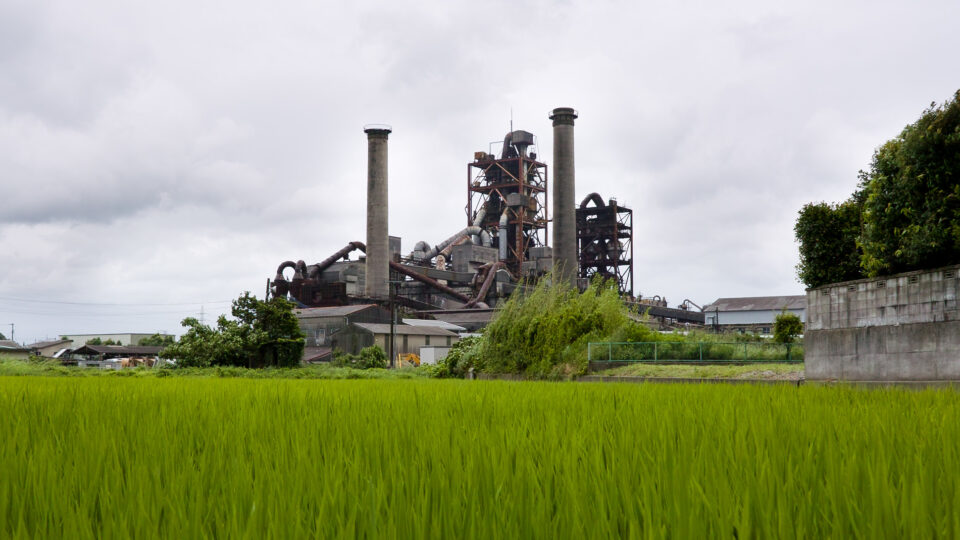
Photo, posted July 18, 2011, courtesy of Kenta Mabuchi via Flickr.

Earth Wise is a production of WAMC Northeast Public Radio

A month of extra-hot days

June 19, 2024 By EarthWise Leave a Comment

Climate change increasing number of hot days each year

The past 12 months have been the hottest ever measured across the globe.  This may not be everyone’s experience in every location, but the average person on Earth experienced 26 more days of abnormally high temperatures than they would have in the absence of climate change.

Researchers considered a given day’s temperature to be abnormally high in a particular location if it exceeded 90% of the daily temperatures recorded there between 1991 and 2020.  Nearly 80% of the world’s population experienced at least 31 days of abnormal warmth since May of 2023.  Theoretically, the number of unusually warm days would have been far fewer in the absence of global warming.

In some countries, the extra-warm days added up to two or three weeks.  In others, such as Colombia, Indonesia, and Rwanda, there were up to 4 months of them. The average American experienced 39 days of extra-warm temperatures since last May.

Scientists also added up how many extreme heat waves the planet experienced since last May.  These are defined as episodes of unseasonable warmth across a large area, lasting three or more days, and causing significant loss of life or disruption to infrastructure or industry.  In total, the researchers identified 76 such episodes, affecting 90 countries, on every continent except Antarctica.

The world’s climate is now shifting toward the La Niña phase of the cyclical pattern called the El Niño-Southern Oscillation. This usually leads to cooler temperatures on average, but the recent heat could have lingering effects on weather and storms for months to come, including what is expected to be an extraordinarily active Atlantic hurricane season.

**********

Web Links

Climate Change Added a Month’s Worth of Extra-Hot Days in Past Year

Photo, posted December 21, 2011, courtesy of Maggie Lin Photography via Flickr.

Earth Wise is a production of WAMC Northeast Public Radio

Fireflies are in decline

June 10, 2024 By EarthWise 2 Comments

Fireflies are in decline in North America

If you are seeing fewer fireflies each year, you’re not alone.  Like many insects, firefly populations are in decline.  A new study by researchers from the University of Kentucky, Bucknell University, Penn State University, and the USDA has shed some light on the precarious situation facing firefly populations across North America. 

The research team used a mix of field surveys from citizen scientists and advanced machine learning techniques to analyze more than 24,000 surveys from the Firefly Watch citizen science initiative.  The study, which was recently published in the journal Science of the Total Environment, identified the factors likely responsible for the declines in firefly populations. 

The research team found that fireflies are sensitive to various environmental factors, from short-term weather conditions to longer climatic trends.  Fireflies thrive in temperate and tropical climates.  As global temperatures rise, these conditions become less predictable and less hospitable.

Light pollution is another threat to fireflies.  Artificial light at night – from things like street lights and billboards – is particularly disruptive to fireflies as it interferes with their bioluminescent communication essential for mating.

Urban growth, including buildings, roads, and sidewalks, poses another significant threat to fireflies by overtaking their natural habitats and decreasing available breeding areas. 

Additionally, certain agricultural practices seem to contribute to the decline of fireflies. 

According to the research team, reducing light pollution, preserving natural habitats, and implementing wildlife-friendly agricultural practices are conservation measures that could help mitigate the decline of fireflies. 

**********

Web Links

Fading lights: Comprehensive study unveils multiple threats to North America’s firefly populations

Photo, posted July 12, 2021, courtesy of Bruce Hallman/USFWS via Flickr.

Earth Wise is a production of WAMC Northeast Public Radio
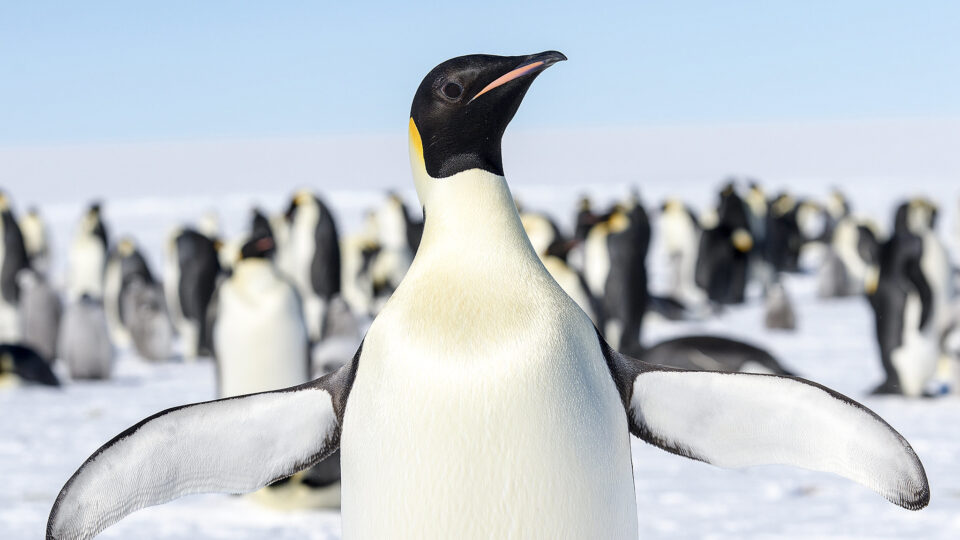
Penguin detectives

June 5, 2024 By EarthWise Leave a Comment

Researchers need aspiring conservationists to help them count emperor penguins

Emperor penguins, the tallest and heaviest of all living penguins, are also the most famous, being the subject of a very popular documentary film.  The ongoing loss of sea ice in Antarctica has led to unprecedented breeding failures in emperor penguin colonies. 

Since 2016, Antarctica has seen the four years with the lowest sea ice extent on record.  Between 2018 and 2022, 30% of the 62 known emperor penguin colonies were affected by partial or total sea ice loss.  Current predictions suggest that the population of emperor penguins will fall by 99% by the end of the century.

To monitor remote emperor penguin colonies, researchers use satellite images in which the brown stains of the birds’ guano stand out against the white ice and snow.

Researchers at the British Antarctic Survey have launched the ‘Polar Observatory’ on the online citizen science website Zooniverse to recruit ‘penguin detectives’ to help validate the accuracy of satellite images in assessing penguin populations.

The online app contains drone photos taken over the Snow Hill penguin colony.  The images have been split into more than 300 10-meter squares.  Volunteers are asked to identify any adult and chick penguins in a given picture.  The results will be fed into machine learning algorithms to train the AI systems in automatically counting penguins in future surveys.

The project is a fun opportunity for aspiring conservationists and penguin lovers in general to help learn more about the future of the species.  Interested people can learn more on the Zooniverse website.

**********

Web Links

‘Penguin detectives’ required for new counting app

Polar Observatory

Photo, posted October 7, 2017, courtesy of Christopher Michel via Flickr.

Earth Wise is a production of WAMC Northeast Public Radio
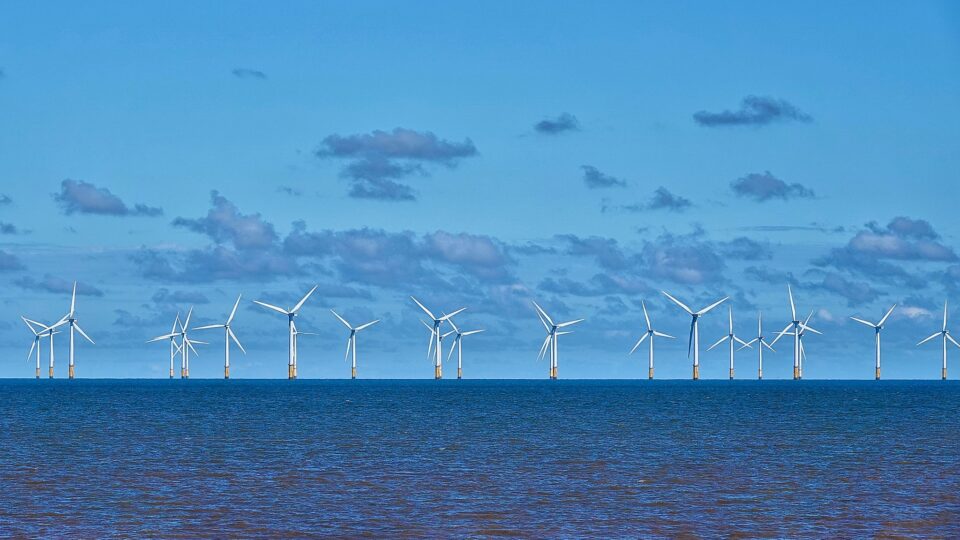
Offshore wind and the wake effect

May 28, 2024 By EarthWise Leave a Comment

Electricity demand in the U.S. continues to grow and, in the summer, homes and businesses crank up their air conditioning which drives demand even further.  Many East Coast cities are banking on offshore wind projects that are underway in the Atlantic Ocean to help meet that growing demand.  The first offshore turbines are now producing power off the coasts of Massachusetts and New York.

Electric power utilities need to know how much power they can get from offshore wind farms, and this is not that easy to predict.  Wind is variable, so there is some built-in uncertainty.  But there is also a phenomenon known as the wake effect to contend with.

When wind passes through a series of giant turbines, the ones in front extract some energy from the wind and, as a result, the wind slows down and becomes more turbulent behind the turbines.  So, the downstream turbines get slower wind and may produce less power.

A study by the University of Colorado has modeled this phenomenon for planned wind farms in the Atlantic Coast region and has found that power output could be reduced by over 30%.  Researchers are installing weather monitors and radar sensors in islands off the New England coast to better understand the behavior of the wind in the area and improve prediction models.

The New England grid covers Connecticut, Maine, Massachusetts, New Hampshire, Rhode Island, and Vermont. Even with the wake effect, offshore wind is predicted to be able to provide 60% of the electricity needs of the grid, but it is important to be able to accurately predict what it can produce.

**********

Web Link

How much energy can offshore wind farms in the US produce? New study sheds light

Photo, posted August 31, 2022, courtesy of Nina Ali via Flickr.

Earth Wise is a production of WAMC Northeast Public Radio
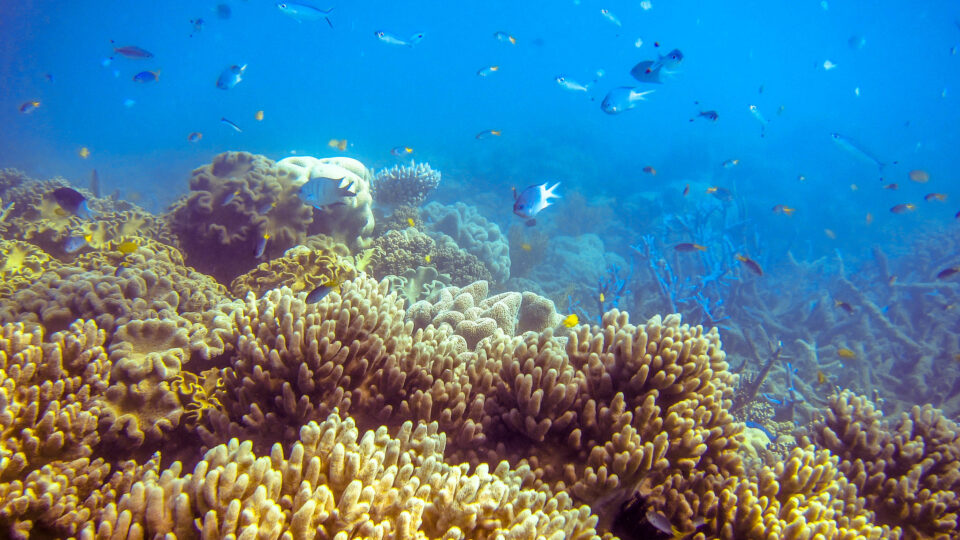
Climate change and fish migration

May 17, 2024 By EarthWise Leave a Comment

Climate change is changing the distribution of fish species

The warming climate is changing the distribution of fish species.  Researchers at the University of Adelaide in Australia have observed that tropical fish species are moving into temperate Australian waters.

The Eastern Australian Current is strengthening as the climate warms and larvae of tropical fish are getting caught in the current and moving into more temperate regions.  These larvae would not normally survive in the cooler Australian ocean water, but the warming current keeps the baby fish warm and increases their chances for survival.  The fish migration observed in the study is an ongoing process that has strengthened in the last few decades due to ocean warming.

The novel populations of tropical fish in these temperate ecosystems are not having much impact at the present time, but they may do so in the future.  The water is still cooler than the fishes’ natural environment and therefore they do not grow to their maximum size.  As a result, they don’t represent stiff competition for the native species – at least not yet.

As the ocean temperatures continue to rise, these tropical species will eventually grow to their full size and their diets will overlap more and more with those of temperate fish species.  Tropical herbivores tend to overgraze temperate kelp while the impact of tropical fish that eat invertebrates is less well understood.  Tropical fish with varied diets are the most successful invaders.  The ultimate effects on temperate ecosystems remain to be seen but survival may become difficult for the native fish in rapidly warming temperate ocean environments.

**********

Web Links

Tropical fish are invading Australian ocean water

Photo, posted March 28, 2017, courtesy of Ryan McMinds via Flickr.

Earth Wise is a production of WAMC Northeast Public Radio
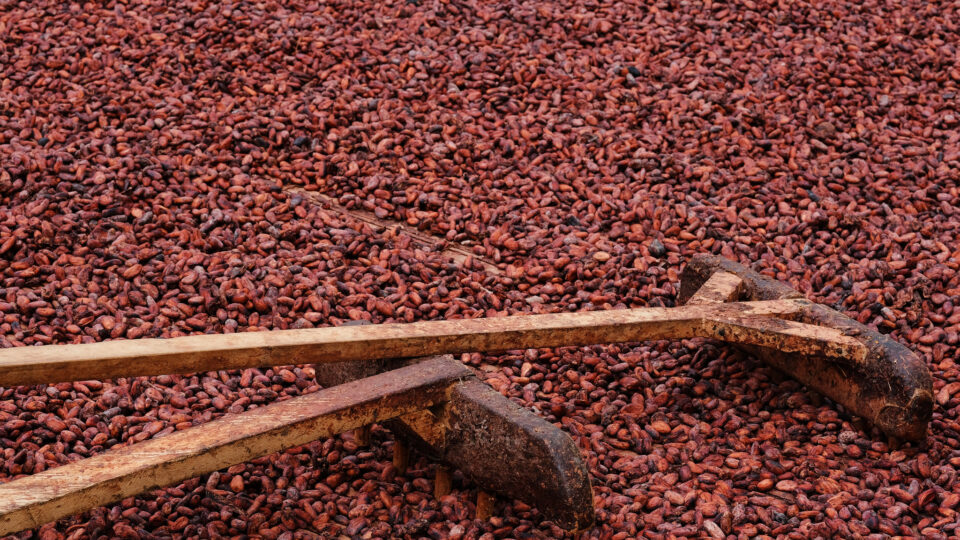
The global chocolate supply is threatened

May 16, 2024 By EarthWise Leave a Comment

The global supply of chocolate is threatened

The world is facing the biggest deficit of cocoa in decades. Most cocoa beans are grown in West Africa, where climate change-induced drought has ravaged crops.  Harvests are forecasted to fall short for the third consecutive year. 

The harvest shortfall has triggered a steep rise in cocoa prices.  In fact, cocoa prices have more than doubled in the first four months of this year, and have more than tripled in the past 12 months.

But drought isn’t the only threat:  A rapidly spreading virus is also threatening the future of chocolate.   

Approximately half of the world’s chocolate originates from cacao trees in Ghana and the Ivory Coast.  The Cacao Swollen Shoot Virus Disease is spread by small insects called mealybugs, which eat the leaves, buds, and flowers of cacao trees.  The virus is attacking cacao trees in Ghana, resulting in harvest losses of 15-50%. 

Pesticides don’t work well against mealybugs.  Farmers can vaccinate trees to inoculate them from the virus.  But the vaccines are expensive, and the vaccinated trees produce a smaller harvest of cacao.

According to a new paper recently published in the journal PLOS ONE, an international team of researchers has developed a new strategy to combat these pests: using mathematical data to determine how far apart vaccinated trees need to be planted in order to stop mealybugs from hopping from tree to tree.  The researchers developed two models that allow farmers to create a defensive ring of vaccinated trees around unvaccinated trees

The research team hopes its models will help farmers protect their crops and achieve better harvests in the future. 

**********

Web Links

Cacao sustainability: The case of cacao swollen-shoot virus co-infection

Will rising cocoa prices trigger a chocolate crisis?

Photo, posted April 1, 2019, courtesy of Konrad Lembcke via Flickr.

Earth Wise is a production of WAMC Northeast Public Radio
An active hurricane season

May 13, 2024 By EarthWise Leave a Comment

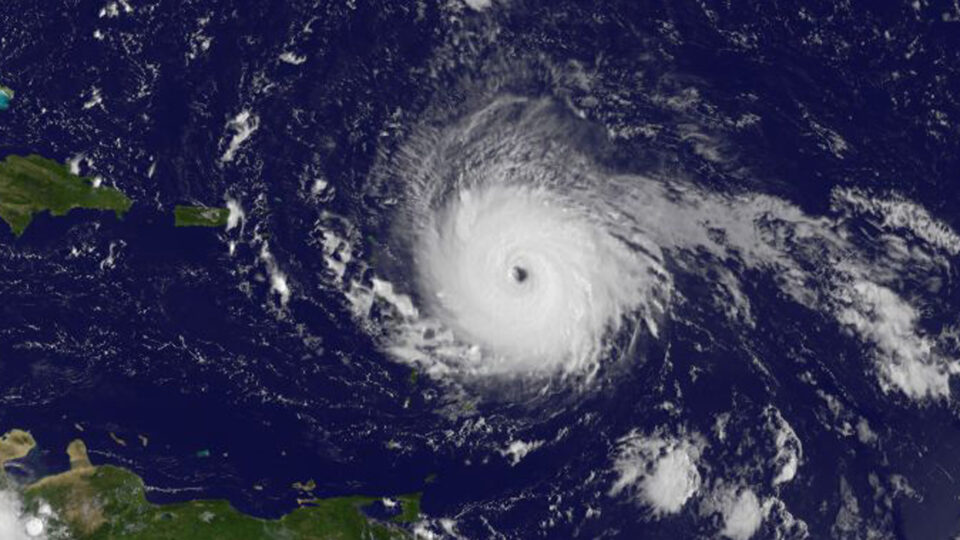
The Atlantic hurricane season officially runs from June 1st until November 30th.  Forecasters at Colorado State University have issued forecasts of Atlantic basin hurricane activity since 1984 based on the pioneering work of Professor William Gray.  This year’s forecast, issued in April, predicts a higher-than-average number of Atlantic storms.  In fact, it may be one of the most active seasons on record.

On average, there are 14 named storms each season.  This year, the prediction is for 23 of them.  On average, there are 7 hurricanes each season.  This year, the prediction is for 11. The prediction is for 5 major hurricanes among them.  These predictions are among the highest on record, although in 2020 they predicted 12 hurricanes.  In fact, that year there were 14 that actually took place.

Among the factors at play are that the El Niño that was occurring last year has dissipated and there is a good chance of a La Niña forming, which suppresses upper-level winds thereby making conditions ideal for hurricane formation and intensification.  But the overarching factor is global warming which is driving ocean temperature rise.  The water in the Atlantic, especially in the eastern Atlantic where most hurricanes form, has seen record-breaking warmth.  More warm water means more chances for storms.

Other research groups echo the predictions from Colorado State and, in some cases, see ever greater chances for an extremely active hurricane season.  The University of Pennsylvania forecast calls for 33 named storms.

The overall forecast is for a well above-average probability for major hurricanes making landfall along the continental United States coastline and the Caribbean. 

**********

Web Links

Weather tracker: US experts predict one of most active hurricane seasons on record

Photo, posted September 5, 2017, courtesy of NASA/NOAA GOES Project via Flickr.

Earth Wise is a production of WAMC Northeast Public Radio

Climate change and Antarctic meteorites

May 1, 2024 By EarthWise Leave a Comment

Researchers from Switzerland and Belgium have investigated the effects of the warming climate on access to meteorites in Antarctica.  Meteorites are of great scientific interest because they provide unique information about the makeup of our solar system.  Of all the meteorites that people have found, 62.6% of them were found in Antarctica.

Why is this?  It is not because more meteorites land in Antarctica.  Statistically, they can land anywhere on earth.  Most end up in the ocean since the world’s oceans cover 70% of the planet. 

Meteorites in Antarctica are more visible because environmental conditions are favorable for their preservation and their visibility.  The arid and cold Antarctic environment helps to preserve meteorites and the lack of rocks and contrast with ice makes spotting meteorites much easier.  The flow of ice sheets tends to concentrate meteorites in so-called meteorite stranding zones where the dark colored space rocks can be easily detected.

There are an estimated 300,000 to 800,000 meteorites in Antarctica.  When meteorites warm up, they can transfer heat to the ice, which locally melts.  Eventually, the meteorites sink beneath the surface.  A recent study using satellite imagery, climate model projections, and AI predicts that for every tenth of a degree of increase in global air temperature, an average of 9,000 meteorites in Antarctica will disappear from the surface and will no longer be able to be found. 

The study estimates that a quarter of Antarctic meteorites will be lost to glacial melt by 2050.  If warming continues to accelerate, closer to three-quarters of the meteorites on the continent will be lost. 

**********

Web Links

Climate change threatens Antarctic meteorites

Photo, posted April 21, 2005, courtesy of Kevin Walsh via Flickr.

Earth Wise is a production of WAMC Northeast Public Radio

Wireless car charging

April 17, 2024 By EarthWise Leave a Comment

Wireless car charging is being developed

It’s increasingly common to see cars hooked up to charging cables in shopping centers, rest stops, and dedicated charging stations.  Charging electric cars is easy to do, just like charging phones and laptop computers.  These days, it is pretty common to charge phones without using any charging cable at all because of the availability of wireless charging technology.  The same thing may well happen with electric cars.

A team of researchers at Oak Ridge National Laboratory has successfully demonstrated wireless charging of electric cars with high efficiency and fairly fast charging speed.

The patented system was used to charge up a Hyundai Kona EV using electromagnetic fields, which is essentially how phone chargers work.  The technology makes use of a polyphase electromagnetic coupling coil, which is lightweight and small.  Rotating magnetic fields generated in the coil’s windings boost the power available.  The system provided 100-kW of power with 96% efficiency.  That isn’t as powerful as the fastest high-speed charging stations, but it is considerably more than any home charging solution can provide.  For many vehicles, such a charger could provide 50% battery capacity in less than 20 minutes.

Battery technology continues to improve leading to larger capacity, faster charging, longer battery life, and lower cost.  At some point, charging up an electric car will take no more time than pumping gas.

The Oak Ridge researchers consider this development to be a breakthrough achievement that could open the door to fast and efficient wireless charging for electric passenger vehicles.  One could imagine having the ability to drive up to a charging spot and charging up the battery without even getting out of the car. 

**********

Web Links

Charging up the commute

Photo, posted July 12, 2021, courtesy of Chris Yarzab via Flickr.

Earth Wise is a production of WAMC Northeast Public Radio
The health impacts of gas venting and flaring

April 15, 2024 By EarthWise Leave a Comment

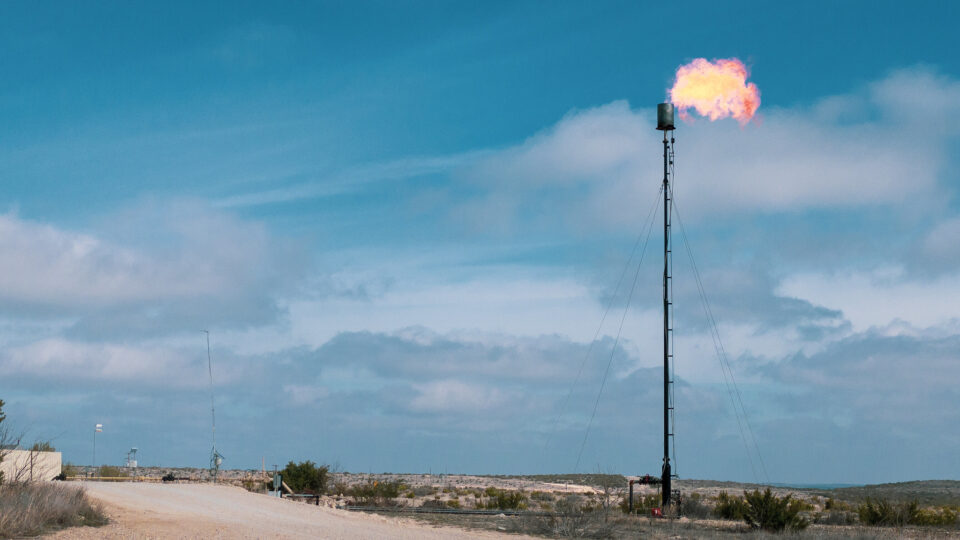
Oil and gas producers around the world use venting and flaring to remove excess natural gas in crude oil production.  Flaring is the process of burning excess natural gas at the production well using a flare to ignite the methane and other components in the gas, while venting is the direct release of natural gas into the atmosphere. 

Both practices are major sources of greenhouse gas emissions contributing to global warming.   Venting and flaring release carbon dioxide and methane – two major greenhouse gases. 

The practices contribute to air pollution in surrounding and downwind communities, resulting in increased risk of hospitalizations, emergency room visits, worsening asthma, and even premature death.  In fact, according to a new study recently published in the journal GeoHealth, pollution from oil and gas venting and flaring results in $7.4 billion in health damages, more than 700 premature deaths, and 73,000 asthma exacerbations among children in the United States annually. 

The study, which was led by researchers at the University of North Carolina, Boston University, and the Environmental Defense Fund, also found that emissions are underreported, and controlling emissions would be profitable for operators and would significantly improve public health.

The research team found that Texas, Pennsylvania, and Colorado had the highest health burdens in this analysis, accounting for 45% of the premature deaths. 

The researchers hope their findings will help improve air quality and human health by reducing emissions from venting and flaring. 

**********

Web Links

New study quantifies health impacts from oil and gas flaring in U.S. 

Photo, posted June 20, 2020, courtesy of Jonathan Cutrer via Flickr.

Earth Wise is a production of WAMC Northeast Public Radio
Biodegradable microplastics

April 10, 2024 By EarthWise Leave a Comment

Researchers are developing biodegradable microplastics

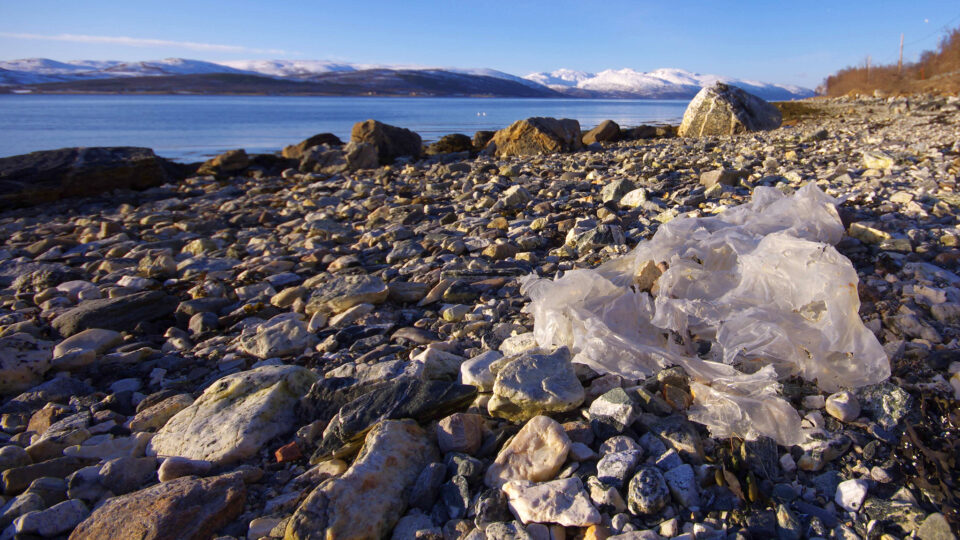
Ordinary plastics are not biodegradable, but they are also not indestructible.  Plastics in the environment can break down into tiny fragments – microplastics – and those, unfortunately, are nearly indestructible.  Microplastics have been documented in the oceans and in soil virtually everywhere on Earth including remote frozen wastelands and on top of high mountains.  More recently, they have been found in our own arteries, lungs, and even in placentas.  Microplastic pollution is a very serious problem.

There is considerable ongoing effort to develop biodegradable plastics from non-petroleum sources.  There has been progress but it has not necessarily been aimed at creating bioplastics that do not create microplastic when they break down.

Researchers at the University of California San Diego have developed algae-based polymers that they have shown to degrade when composted.  Recently, in work published in the journal Nature Scientific Reports, they have shown that even fine microparticles of their bioplastic are digested by microbes when placed in a compost.  What remains are the starting plant materials from which the plastic was made.  Products made from this sort of plastic would not only be sustainable beyond their useful lifetime but would also not represent a potential danger to human life.

Creating this eco-friendly alternative to petroleum-based plastic is only the first step toward creating a viable replacement for existing plastics.  It is necessary to be able to use the new material on existing manufacturing equipment and for it to have the same mechanical and thermal properties as the materials it is replacing.  But the researchers are optimistic that this could be a potential solution to an increasingly serious problem.

**********

Web Links

Say Hello to Biodegradable Microplastics

Photo, posted January 17, 2018, courtesy of Bo Eide via Flickr.

Earth Wise is a production of WAMC Northeast Public Radio

Small changes can yield big results

March 29, 2024 By EarthWise Leave a Comment

Small changes in diet can yield big results for the planet

Global food production is one of the largest contributors to climate change.  In fact, one-quarter of the world’s greenhouse gas emissions result from food production and agriculture.  Be that as it may, we still have to eat.  But what we choose to eat has a major impact on the environment.

According to a new study by researchers at McGill University in Canada and the London School of Hygiene & Tropical Medicine in the U.K., partially replacing red and processed meat with plant-based proteins can increase lifespan and mitigate climate change. 

In the study, which was recently published in the journal Nature Food, the researchers drew data from a national nutrition survey to analyze Canadians’ dietary records. The study modeled partial replacements (25% and 50%) of either red and processed meat or dairy with plant protein foods like nuts, seeds, legumes, and tofu, on a combination of nutrition, health, and climate outcomes.

In the study, the researchers found that a person’s diet-related carbon footprint plummets by 25% when they replace half of their intake of red and processed meats with plant protein foods. However, dairy substitutions showed smaller reductions of up to just 5%.

Meat and dairy-rich diets are known to increase the risk of heart disease, diabetes, and certain cancers. The researchers also estimated that if half of the red and processed meat in a person’s diet was replaced with plant protein foods, life expectancy would increase nearly nine months on average, due to a reduced risk of chronic disease.

The research team hopes its findings will help people make healthier and more sustainable food choices. 

**********

Web Links

Food production is responsible for one-quarter of the world’s greenhouse gas emissions

Small dietary changes can cut your carbon footprint by 25%

Photo, posted November 24, 2019, courtesy of Theo Crazzolara via Flickr.

Earth Wise is a production of WAMC Northeast Public Radio
Mercury in tuna

March 25, 2024 By EarthWise Leave a Comment

Mercury in tuna still a lingering issue

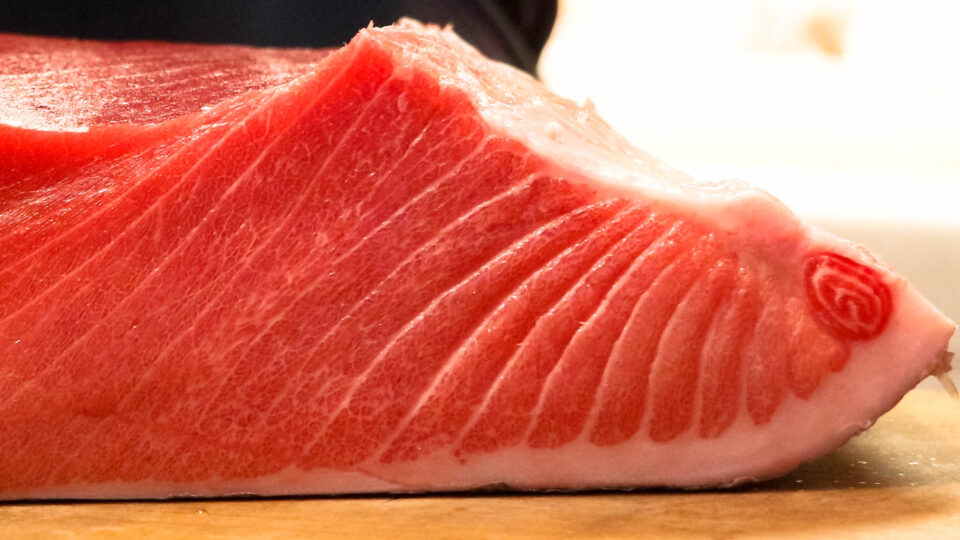
Mercury is found throughout the ocean, and there is at least some of it in any fish one might eat. It is an element found naturally in the environment, but it is also a byproduct of manmade pollution. Generally speaking, bigger fish tend to have higher mercury levels than smaller ones, because they are higher up in the food chain. The more small fish those big fish eat, the more mercury builds up in their bodies.  Tuna aren’t the biggest fish in the ocean, but they are very common in many people’s diets.

Increased mercury levels are a result of human activities like burning coal and mining which release methylmercury into the air.  It then finds its way into the oceans in rainwater.  Methylmercury is a particularly toxic chemical that affects the nervous system.  Environmental protection policies in recent decades have helped to reduce mercury pollution.

However, a recent study by French researchers looked at the mercury levels in tuna over the past 50 years.  They found that the levels have basically not changed since 1971.  As a result, they are calling for more restrictive environmental policies to further lower mercury pollution levels.

The researchers explained that the lowering of mercury airborne levels to date has not necessarily been ineffective.  They theorized that the static levels in tuna may be caused by the upward mixing of “legacy” mercury from deeper ocean water into the shallower depths where tropical tuna swim and feed.  It could very well take decades to dramatically reduce ocean mercury levels. 

Meanwhile, mercury content in tuna varies considerably by tuna type and source and there are both better and worse choices out there.  Consumers should learn the facts.

**********

Web Links

Mercury levels in tuna remain nearly unchanged since 1971, study says

Photo, posted November 7, 2015, courtesy of Mussi Katz via Flickr.

Earth Wise is a production of WAMC Northeast Public Radio
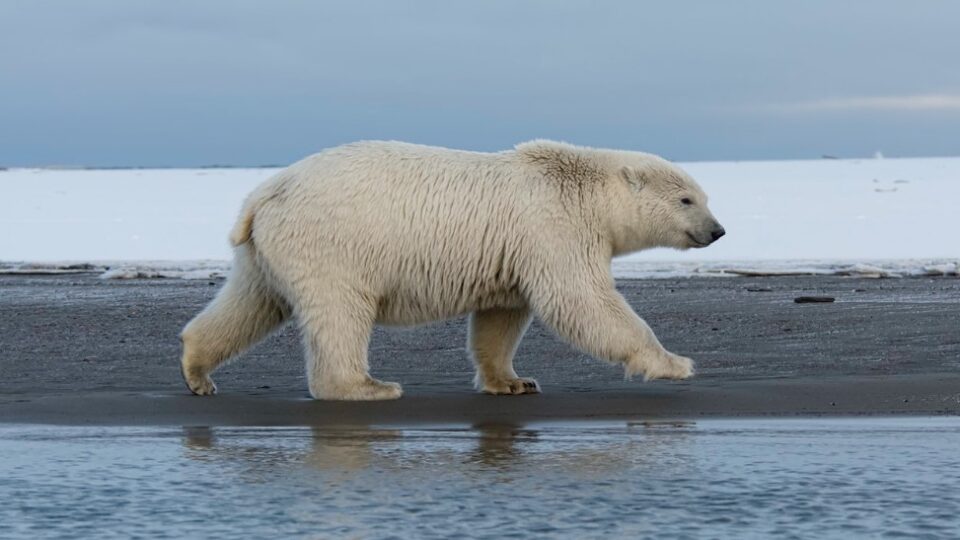
Polar bears and the changing climate

March 7, 2024 By EarthWise Leave a Comment

Polar bears struggling as the climate warms

The changing climate poses a major threat to polar bear survival.  Polar bears, whose native range lies largely within the Arctic Circle, depend on sea ice for nearly all of their lifecycle functions.  Rising global temperatures are causing this sea ice to disappear.

With less sea ice, polar bears are forced to stay longer on land.  However, according to a new study led by researchers from Washington State University, more time stranded on land leads to a greater risk of polar bear starvation. 

During three summer weeks in Manitoba, Canada, 20 polar bears observed by researchers tried different strategies to maintain energy reserves.  But the research team found that nearly all of them lost weight – losing about 2.2 pounds per day on average.     

Some scientists have speculated that polar bears might be able to adapt to the changing climate by acting more like grizzly bears by either resting or eating terrestrial food.  But the polar bears tried versions of both strategies – with little success.

Polar bears can weigh nearly twice as much as grizzly bears.  To maintain this size, polar bears rely on the energy-rich fat of seals, which they best catch on ice.

In the study, which was recently published in Nature Communications, the researchers found that some polar bears laid down to conserve energy, while others searched on land for food.  But neither the activity nor the lack thereof paid off.  In fact, only one bear out of the 20 gained weight after stumbling across a dead marine mammal on land.

Polar bears across the Arctic are at risk of starvation as the ice-free period continues to grow.

**********

Web Links

Polar bears unlikely to adapt to longer summers

Photo, posted November 16, 2015, courtesy of Anita Ritenour via Flickr.

Earth Wise is a production of WAMC Northeast Public Radio
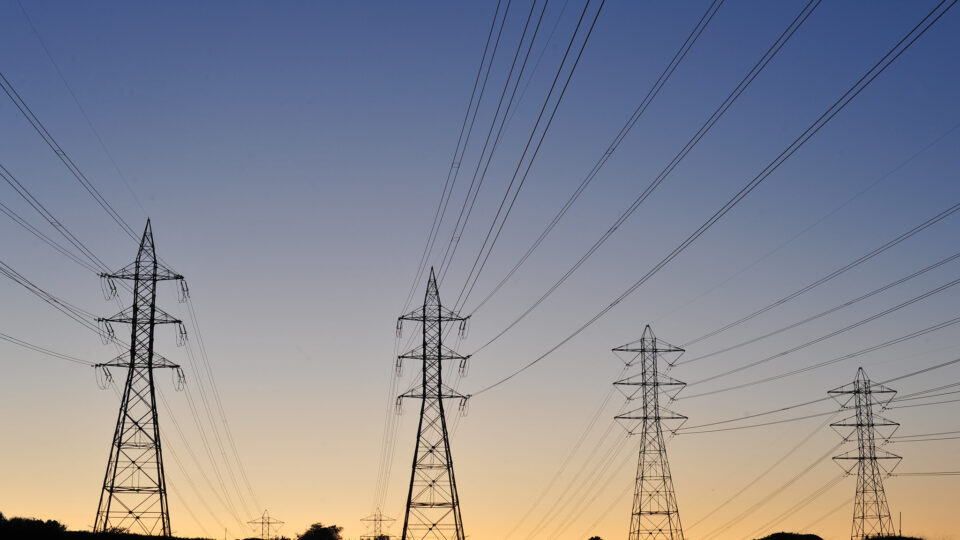
Sodium-ion batteries

January 31, 2024 By EarthWise Leave a Comment

The transition away from fossil fuels is driving a rapidly increasing need for batteries.  Both electric vehicles and energy storage for the electric grid are enormous consumers of batteries.  At present, lithium-ion batteries are almost universally used for these purposes.  They have been getting better all the time and cheaper all the time and are likely to be the answer for the foreseeable future.  But they are not perfect.

Lithium is only found in a relatively small number of places and mining and extracting it is fairly expensive and environmentally unfriendly.  Lithium-ion batteries also frequently contain cobalt, which has its own set of problems.  There are also safety issues related to the flammability of lithium-ion batteries. 

As a result, there continue to be numerous efforts to identify and develop alternative battery technologies.  One of these is sodium-ion batteries, which are similar in many ways to lithium-ion batteries but in which sodium replaces lithium as the cathode material.

Sodium is extremely common – it’s found in ordinary salt – and sodium-ion batteries have a high energy density and are easy to produce.  They should have a long lifetime and have a more benign environmental impact than lithium-ion.  Many companies and researchers are working on sodium-ion batteries and are making good progress.

A study by Chalmers University in Sweden looked at the potential for sodium-ion batteries and found that the batteries are particularly promising for use in energy storage even in their current state of development and could eventually be used in cars.  Whether sodium-ion batteries can be good enough and cheap enough quickly enough to give lithium-ion a run for its money remains to be seen.

**********

Web Links

Resource-efficient and climate-friendly with sodium-ion batteries

Photo, posted March 12, 2013, courtesy of Chris Hunkeler via Flickr.

Earth Wise is a production of WAMC Northeast Public Radio

How to reduce pollution from food production

January 17, 2024 By EarthWise Leave a Comment

Present in animal manure and synthetic fertilizers, nitrogen is an essential nutrient for plant growth and is a critical input to enhance agricultural productivity on farms around the world.  But excessive and inefficient use of this nutrient is widespread.  In fact, up to 80% of it leaks into the environment, mostly in various polluting forms of nitrogen: ammonia and nitrogen oxides (which are harmful air pollutants), nitrous oxide (a potent greenhouse gas), and nitrate (which affects water quality).

A new report prepared for the United Nations has put forth some solutions to greatly reduce nitrogen pollution from agriculture in Europe.  A group of researchers coordinated by the U.K. Centre for Ecology & Hydrology, the European Commission, the Copenhagen Business School, and the National Institute for Public Health and the Environment of The Netherlands produced the report.

In it, the research team puts forth its recipe to reduce nitrogen pollution in Europe.  The report’s ingredients include:

  • Reducing by 50% the average European meat and dairy consumption
  • More efficient fertilizer application and manure storage
  • Reducing food production demand by reducing food waste by retailers and consumers
  • Better wastewater treatment to capture nitrogen from sewage
  • Adopting policies addressing food production and consumption to transition them towards more sustainable systems

Taking action to reduce nitrogen pollution will require a holistic approach involving farmers, policymakers, retailers, water companies, and individuals. 

Do Europeans have an appetite for change?

**********

Web Links

Scientists provide recipe to halve pollution from food production

Photo, posted March 10, 2022, courtesy of USDA NRCS Montana via Flickr.

Earth Wise is a production of WAMC Northeast Public Radio

  • « Go to Previous Page
  • Page 1
  • Page 2
  • Page 3
  • Page 4
  • Page 5
  • Page 6
  • Interim pages omitted …
  • Page 14
  • Go to Next Page »

Primary Sidebar

Recent Episodes

  • An uninsurable future
  • Clean energy and jobs
  • Insect declines in remote regions
  • Fossil fuel producing nations ignoring climate goals
  • Trouble for clownfishes

WAMC Northeast Public Radio

WAMC/Northeast Public Radio is a regional public radio network serving parts of seven northeastern states (more...)

Copyright © 2026 ·