• Skip to primary navigation
  • Skip to main content
  • Skip to primary sidebar

Earth Wise

A look at our changing environment.

  • Home
  • About Earth Wise
  • Where to Listen
  • All Articles
  • Show Search
Hide Search
You are here: Home / Archives for researchers

researchers

Almost a dire wolf

April 22, 2025 By EarthWise Leave a Comment

Researchers around the world are working on what some call the ‘de-extinction’ of iconic animals of the past such as the wooly mammoth, the dodo, and the Tasmanian tiger.  The idea is to decipher the genome from DNA of preserved specimens and, using the tools of modern genetic engineering and cloning technology, alter the DNA of closely related modern species to recreate the extinct species.

A company called Colossal Biosciences recently announced that it has brought back the dire wolf, a species that has been extinct for 10,000 years.  Dire wolves have white coats and are larger than modern wolves, have more powerful shoulders, a wider head, and larger teeth and jaws.  Colossal is now raising three wolves they have engineered at a 2,000-acre site at an undisclosed location.

 The wolves were created by taking the DNA of modern grey wolves and editing 14 genes substituting ones from ancient dire wolf specimens.  Wolves have about 19,000 genes, so the changes from the grey wolf genome are very minor but enough to produce an animal that looks just like a dire wolf.  But is it a dire wolf?

It really isn’t.  Ancient DNA is always greatly damaged.  Only parts of it survive.  We don’t actually have the complete genome of the dire wolf.  What we have is bits and pieces that, thanks to modern technology, allow us to produce a phenotype of a dire wolf; that is, an animal with the same observable features. 

Whether this accomplishment is a worthwhile and appropriate thing to do is a question that continues to be debated.

**********

Web Links

The Return of the Dire Wolf

Photo courtesy of Colossal Laboratories & Biosciences.

Earth Wise is a production of WAMC Northeast Public Radio

A new way to recycle plastic

April 18, 2025 By EarthWise Leave a Comment

Researchers at Northwestern University have developed a new method for recycling plastic that is safer, cleaner, cheaper, and more sustainable than those currently in use.  The U.S. is the world’s largest plastic polluter per capita, and we only recycle 5% of our plastics.  There is a pressing need for better technologies for processing different types of plastic waste.

The Northwestern method is designed to break down polyethylene terephthalate or PET, which is the most common type of polyester plastic.  PET plastic is used in food packaging and beverage bottles and represents 12% of total plastics used globally.  It does not break down easily and is therefore a major contributor to plastic pollution.  It mostly either ends up in landfills or, over time, degrades into tiny microplastics or nanoplastics that end up almost everywhere. 

The non-toxic, environmentally friendly, solvent-free Northwestern process first uses an inexpensive molybdenum catalyst to break apart the bonds in PET.  Then the broken plastic is exposed to ambient air.  Just from the trace amounts of moisture in air, the broken-down PET is converted into monomers, which are the building blocks of plastic.  The monomers could then be recycled back into PET products or used to make other valuable materials.

The process is fast and effective and takes just a few hours.  The catalyst is durable and recyclable, meaning it can be used over and over again.  It only works on polyesters, which means it can be used for recycling mixed plastics without sorting them since it will select only the PET from its inputs.

**********

Web Links

Plastic recycling gets a breath of fresh air

Photo, posted August 10, 2013, courtesy of Lisa Risager via Flickr.

Earth Wise is a production of WAMC Northeast Public Radio

Amphibians and climate change

April 7, 2025 By EarthWise Leave a Comment

Amphibians are a group of vertebrate animals that include frogs, toads, and salamanders. They are unique for their ability to live both in water and on land during different stages of life. Amphibians play a crucial role in ecosystems, often serving as both predators and prey in food webs.

Amphibians are the world’s most at-risk vertebrates, with more than 40% of species listed as threatened.  They are cold-blooded creatures and rely on external sources to regulate their body temperature.  But needing to regulate their body heat this way makes amphibians particularly vulnerable to temperature change in their habitats. 

Researchers from the University of New South Wales in Australia can now predict the heat tolerance of 60% of the world’s amphibian species.  This new tool will allow scientists to better identify which amphibian species and habitats will be most impacted by climate change.  

The study’s landmark findings, which were recently published in the journal Nature, found that 2% of amphibian species are already exposed to overheating in shaded terrestrial conditions.  According to the research team, a 4°C global temperature increase could push 7.5% of amphibian species beyond their physiological limits. 

Local amphibian extinctions can trigger ecological repercussions, including reshuffling community compositions, eroding genetic diversity, and impacting the food chain and overall ecosystem health.

The researchers highlight the importance of vegetation and water bodies in protecting amphibians during heat waves, and emphasize the need to provide adequate water and shade during future conservation efforts. 

**********

Web Links

The pot is already boiling for 2% of the world’s amphibians: new study

Photo, posted October 8, 2011, courtesy of Dave Huth via Flickr.

Earth Wise is a production of WAMC Northeast Public Radio
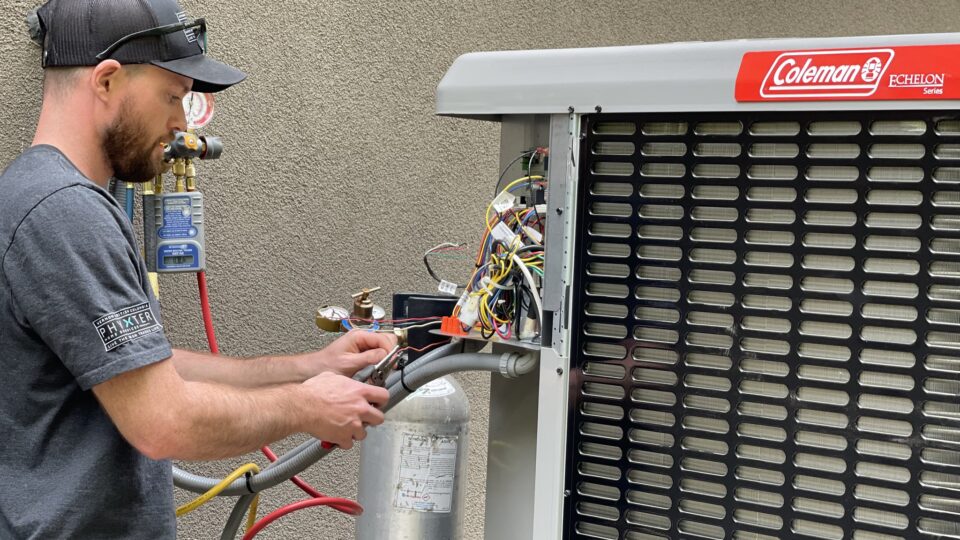
Are today’s refrigerants safe?

March 21, 2025 By EarthWise Leave a Comment

The refrigerants being used today may not be safe

Refrigeration is based on heat transfer mediums that absorb heat from the area being cooled and transfer it to the outside environment.

The earliest refrigerants were dangerous substances like ammonia.  In the 1930s, chlorofluorocarbons (CFCs) like Freon became the standard refrigerant for use in refrigeration systems and even in aerosol cans.  When these substances were found to be depleting the earth’s ozone layer, the Montreal Protocol dictated their phaseout and by the mid-1990s, CFCs were largely replaced by hydrofluorocarbons (HFCs).

HFCs don’t deplete the ozone layer, but they were eventually determined to be potent greenhouse gases, thousands of times more planet-warming than carbon dioxide.   As a result, the global phaseout of HFCs began in 2016, and have been increasingly replaced by hydrofluoroolefins (HFOs), which are considered a more environmentally-friendly alternative to all their predecessors.

Trying to not be surprised by additional unpleasant discoveries about refrigerants, researchers are studying the potential environmental impacts of HFOs.  Researchers at the University of New South Wales in Australia have found that HFOs can break down in the atmosphere and that some small amounts of the resultant products are in fact fluoroforms, which are the HFC with the greatest global warming potential and can stay in the atmosphere for up to 200 years.

That only a small amount of HFC gets into the atmosphere is good, but nevertheless it reveals that the consequences of replacing widely-used chemicals are not a simple matter to determine.

**********

Web Links

Are our refrigerants safe? The lingering questions about the chemicals keeping us cool

Photo, posted July 19, 2021, courtesy of Vernon Air Conditioning via Flickr.

Earth Wise is a production of WAMC Northeast Public Radio
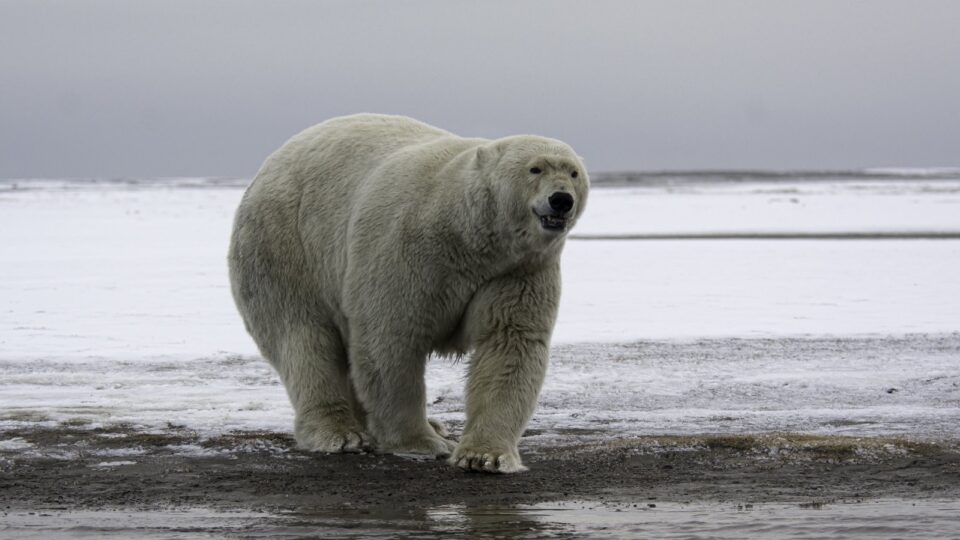
Polar bear population decline

March 13, 2025 By EarthWise Leave a Comment

Researchers from the University of Toronto have directly linked the population decline in polar bears living in Canada’s Western Hudson Bay to climate change.  Between 1979 and 2021, the polar bear population in this region has declined by nearly 50%.

The monitoring data over this period shows that the average size of polar bears has declined, the size of cub litters has dropped, and cub survival rates are reduced.

The primary factor is the declining amount and duration of sea ice.  When there is less ice, bears have less feeding time and less energy overall.  The loss of sea ice means that bears spend less time hunting seals and more time fasting on land.  The lack of food leads to reduced reproduction, cub survival, and, ultimately, population decline. 

The average body mass of adult females has dropped by 86 pounds and of cubs by 47 pounds.  With shorter hunting periods and less food, mothers produce less milk.  Not only have cub litter sizes dropped over the monitoring period, but mothers are keeping their cubs longer because they are not strong enough to live on their own.  The bottom line is that the survival of cubs directly impacts the survival of the population.

Western Hudson Bay is considered to be a bellwether for polar bear populations globally.  It is one of the southernmost populations of polar bears and it has been monitored for a long time.  With the Arctic warming at a rate four times faster than the global average, polar bear populations in other Arctic regions are likely to be experiencing similar declines. 

**********

Web Links

Polar bear population decline the direct result of extended ‘energy deficit’ due to lack of food

Photo, posted October 23, 2015, courtesy of Anita Ritenour via Flickr.

Earth Wise is a production of WAMC Northeast Public Radio
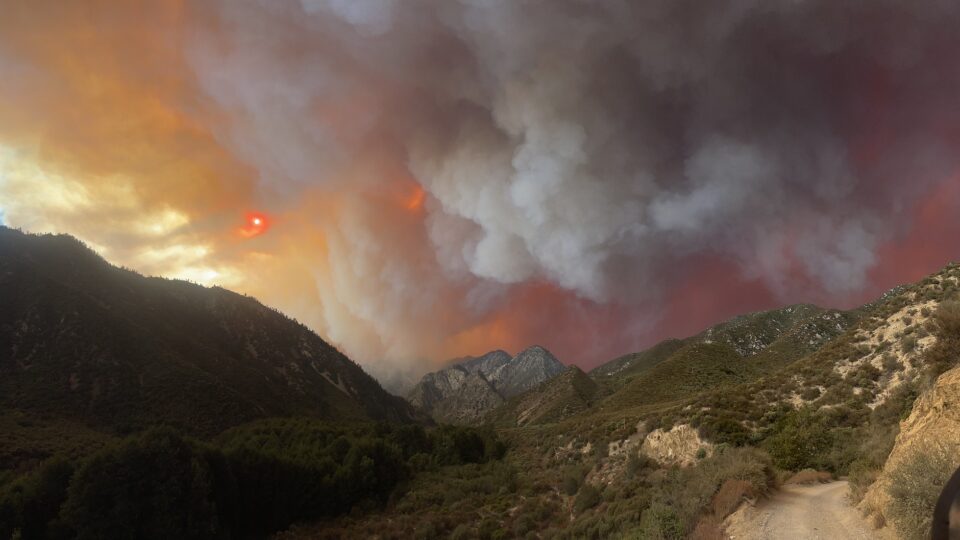
Fighting fires with man-made wind

March 12, 2025 By EarthWise Leave a Comment

Fighting fires with artificial wind

Researchers at Ohio State University have developed a new portable tool that may help firefighters battle blazes more efficiently and with less risk.

Traditional firefighting methods include chemical foams – which are toxic – and the use of hydrants, which can strain water resources.  The recent fires in Southern California demonstrated the need for efficient fire suppression methods.  The new device works to suppress flames using conductive aerosols, which are small particles that can direct electricity.

The device uses vortex rings – small donut-shaped bands of air – that transform the aerosol particles into short pulses of wind that convert nearby oxygen into ozone.  This accelerated airflow generates rapid turbulence, which disrupts the natural combustion process and quickly extinguishes the target fire.

The device resembles a small bucket, attached to an arm brace.  Firefighters would aim the bucket toward the fire, and it would use bursts of compressed air to deliver aerosols in an electric arc to fight the fire.

Testing identified a coarse copper solution for the vortex ring material and simulations showed that the device would succeed in suppressing fires.  They then worked on optimizing the power and range of the device.

Depending on the size of the fire and number of firefighters, it is likely that several of the devices would be required in a real emergency.  According to the developers, the design of the vortex launcher is actually very simple and is very scalable.  The device is maneuverable in tight spaces and could be taken through doors and indoor environments.  Vortex rings can carry chemical payloads over longer distances than other methods, making firefighters safe by staying further from flames. 

**********

Web Links

New device uses electrically assisted wind to fight fires

Photo, posted November 12, 2024, courtesy of the USDA Forest Service via Flickr.

Earth Wise is a production of WAMC Northeast Public Radio

A record warm January

March 4, 2025 By EarthWise Leave a Comment

January saw record warm temperatures around the world

Americans experienced unusually cold and wintery weather in January.  Places like southern Louisiana and Florida saw appreciable amounts of snow.  For those who experienced January’s Arctic blast, it was a cold January.  But despite that, January was the world’s warmest on record, extending a run of extraordinary heat in which 18 out of the last 19 months saw an average global temperature more than 1.5 degrees Celsius above pre-industrial times.  In fact, the global average temperature in January was 1.75 degrees above the pre-industrial average.

The exceptional warmth was surprising to climate researchers.  It happened despite the emergence of La Niña conditions in the Pacific Ocean, which tend to lower global temperatures, at least for a while.

Researchers are investigating whether there is something beyond the effects of greenhouse gas emissions that is boosting temperatures to an unexpected degree.  It is true that emissions, associated with the burning of coal, gas, and oil, reached record levels in both 2023 and 2024.  But January’s warmth was still something of a surprise.

One prevalent theory is that cutting dangerous pollution is playing a role in causing global warming to accelerate.  As regulators have curbed sulfate pollution to protect people’s lungs, the cooling effect of these particles that help form more and brighter clouds has diminished.

January demonstrates that the global climate system is complex and the weather in any particular region does not necessarily reflect what is happening to the planet as a whole.

**********

Web Links

Global Temperatures Shattered Records in January

Photo, posted December 22, 2013, courtesy of SD Anderson via Flickr.

Earth Wise is a production of WAMC Northeast Public Radio

Making hydrogen using bioengineering

February 28, 2025 By EarthWise Leave a Comment

Hydrogen has great potential for helping society to reach net-zero emissions.  The problem is that the most economical and established production methods for hydrogen depend heavily on fossil fuels and result in roughly a dozen kilograms of carbon dioxide emissions for every kilogram of hydrogen produced.

The carbon-free way to produce hydrogen is by splitting water into its component elements.  This process generally requires the use of catalysts and lots of energy.

Researchers at the University of Oxford are developing a synthetic biology approach to the production of so-called green hydrogen.  The idea is to replace expensive, exotic metal-based catalysts with a highly-efficient, stable, and cost-effective catalyst based on genetically-engineered bacteria.

There are specific microorganisms that can naturally induce the chemical reaction that reduces protons to hydrogen by the use of hydrogenase enzymes.  While these reactions do occur naturally, they are limited to low hydrogen yields.

The Oxford researchers genetically engineered the bacterium Shewanella oneidensis by inserting a light activated electron pump called Gloeobacter rhodopsin as well as adding nanoparticles of graphene oxide and ferric sulfate.  All of this tinkering with the bacterium resulted in a ten-fold increase in hydrogen yield.

The researchers believe that their system, based entirely on biological methods rather than traditional chemical approaches, could be scaled up to produce ‘artificial leaves’ that, when exposed to sunlight, would immediately begin producing hydrogen.  The Oxford work was published last summer in the Proceedings of the National Academy of Science.

**********

Web Links

A green fuels breakthrough: bio-engineering bacteria to become ‘hydrogen nanoreactors’

Photo, posted July 27, 2016, courtesy of Blondinrikard Froberg via Flickr.

Earth Wise is a production of WAMC Northeast Public Radio
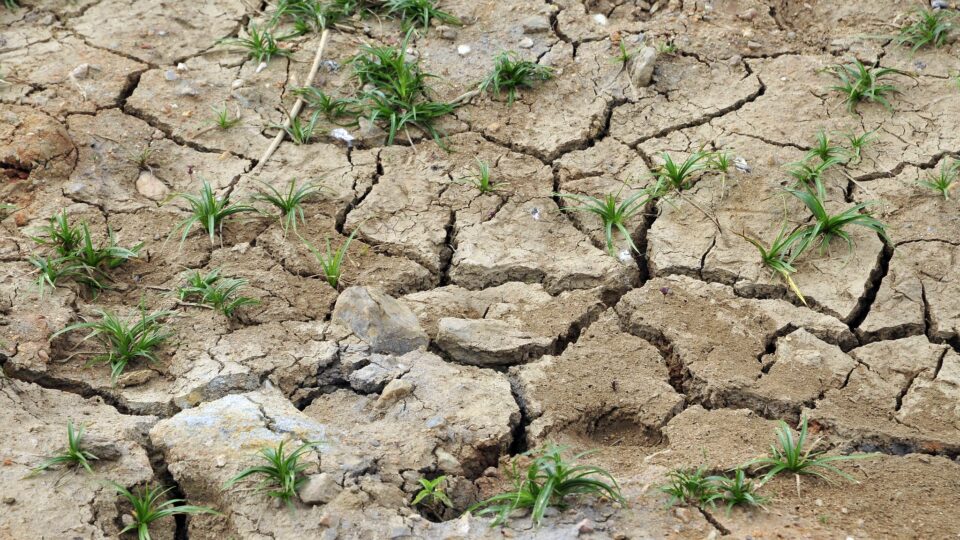
Approaching critical global temperature thresholds

January 21, 2025 By EarthWise Leave a Comment

The globe is approaching critical temperature thresholds

The Paris Climate Agreement is a global treaty adopted in 2015 to combat climate change by limiting global warming to well below 2°C above pre-industrial levels, while striving to keep it below 1.5°C.  But according to recent research, the planet is quickly approaching these critical thresholds. 

An international research team led by scientists from Colorado State University, Stanford University, and ETH-Zurich in Switzerland combined insights from 10 global climate models, and – with the help of artificial intelligence – found that regional warming thresholds are likely to be reached faster than previously thought.

In fact, the researchers found that most land regions will likely surpass the critical 1.5°C threshold by 2040 or even earlier.  Additionally, several regions are on track to exceed the 3.0°C threshold by 2060.  Regions including Central Europe, the Mediterranean, South Asia, and parts of sub-Saharan Africa are expected to reach these thresholds faster. 

The research team relied on transfer learning, a cutting-edge machine learning technique that leverages pre-trained models to tackle new, related tasks.

The research, which was recently published in the journal Environmental Research Letters, found that 34 regions are likely to exceed 1.5°C of warming by 2040.  Of those 34 regions, 31 of them are expected to reach 2°C of warming by 2040, and 26 of these 34 regions are projected to surpass 3°C of warming by 2060.

**********

Web Links

AI predicts that most of the world will see temperatures rise to 3C much faster than previously expected

Photo, posted February 23, 2011, courtesy of 2011 CIAT / Neil Palmer via Flickr.

Earth Wise is a production of WAMC Northeast Public Radio

Fertilizer from thin air

January 16, 2025 By EarthWise Leave a Comment

Creating fertilizer from thin air

Ammonia is one of the largest-volume synthetic chemicals produced in the world. Globally, manufacturing plants produce about 200 million tons of it each year.  About 70% of ammonia is used to produce fertilizers.

Most ammonia is produced using the Haber-Bosch process, which converts hydrogen and nitrogen into ammonia.  The process is energy-hungry, running at over 900 degrees Fahrenheit, and therefore results in lots of greenhouse gas emissions – about 1% of the world’s annual CO2 emissions.

Researchers at Stanford University and King Fahd University in Saudi Arabia have developed a prototype device that can produce ammonia using wind energy to draw air through a mesh.  The method allows sustainable production of ammonia using the nitrogen in the air.

The process gets nitrogen from the air along with hydrogen from water vapor.  A mesh coated with catalysts facilitates the necessary chemical reactions.  The process operates at room temperature and standard atmospheric pressure, eliminating the need  for the high temperatures and high pressures of the Haber-Bosch process.

In principle, farmers could run a portable device onsite, eliminating the need to purchase and ship fertilizer from a manufacturer. 

The device is two or three years away from being market ready.  The developers are designing increasingly large mesh systems to produce greater quantities of ammonia.  Ammonia has more uses beyond fertilizers including its use as an energy carrier that can store and transport energy more efficiently than hydrogen gas.

**********

Web Links

New device produces critical fertilizer ingredient from thin air, cutting carbon emissions

Photo, posted September 2, 2013, courtesy of Chafer Machinery via Flickr.

Earth Wise is a production of WAMC Northeast Public Radio

Battery life in electric cars

January 9, 2025 By EarthWise Leave a Comment

Most of us have lots of experience with the batteries in phones, computers, and other gadgets.  Batteries don’t last forever, and we sometimes have to replace them.  It’s a fact of life.   These days, it’s becoming more common to drive electric cars and the fundamental principle is the same.  However, the battery pack in an EV is the most expensive part of the car, so its reliability and lifespan is a greater concern.

EV batteries generally have generous warranties.  In the US, EV batteries are required by federal law to be covered for at least 8 years or 100,000 miles, whichever comes first.  So, the financial exposure from the battery pack is reasonably limited.  Even so, EV owners would like to know that their car’s battery pack is likely to last a long time.

Battery life is generally determined by laboratory tests involving repeated charge-discharge cycles over a relatively short period of time, as opposed to those cycles being spaced out over years.

A new study by Stanford University looked at battery performance under conditions much more like what would be experienced in the real world.  Cars experience frequent acceleration, braking that charges the batteries a bit, lots of stops, periods of rest, and so forth.  Nothing like just charging and discharging repeatedly.

The study found that today’s EV batteries may last up to 40% longer than expected.  Real-world stop-and-go driving benefits batteries more than standard test conditions.

The cost of EV batteries continues to get lower all the time and it is likely to be quite a long time before one is likely to need a new battery assuming one even keeps the car long enough.

**********

Web Links

Existing EV batteries may last up to 40% longer than expected

Photo, posted August 27, 2021, courtesy of Ron Frazier via Flickr.

Earth Wise is a production of WAMC Northeast Public Radio
Thermal batteries for heavy industry

January 3, 2025 By EarthWise Leave a Comment

Researchers are developing thermal batteries for heavy industry

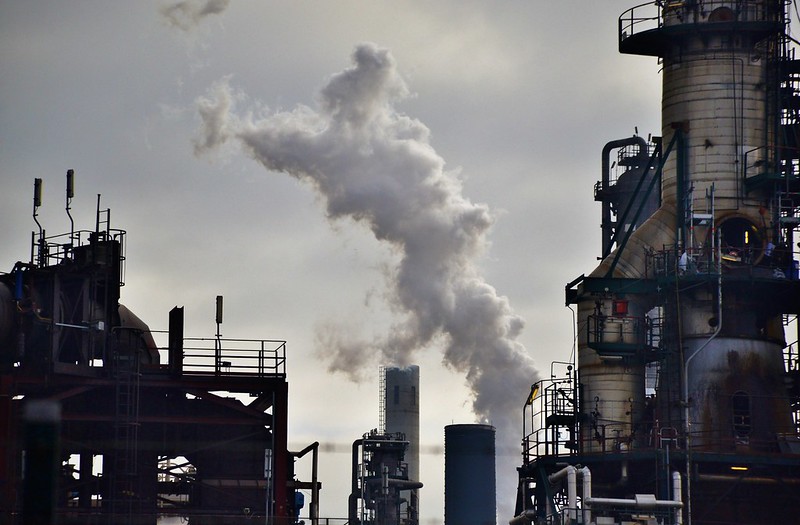
Heavy industries like cement, steel, chemicals, and paper require large amounts of heat and, for the most part, that heat comes from burning fossil fuels.  Other sectors of the economy have been making progress in reducing carbon emissions, but heavy industry has not found easy answers for supplying the heat it needs for manufacturing.

Researchers at MIT have developed a way to supply heat that only uses electricity, which in principle can come from carbon-free sources.  The idea is to use thermal batteries.  These are basically an electrically conductive equivalent of ceramic firebricks, which have been used to store heat for centuries in fireplaces and ovens.

A spinout company called Electrified Thermal Solutions has demonstrated that its firebricks can store heat efficiently for hours and release it by heating air or gas up to 3,272 degrees Fahrenheit. 

The firebrick arrays are contained in insulated, off-the-shelf metal boxes.  The standard system can collect and release about 5 megawatts of energy and store about 25 megawatt-hours.  The thermal battery can run hotter and last longer than any other electric heating solution on the market.

Using this technology can be a way to take advantage of the low cost of electricity in off-peak hours.  In the so-called wind belt in the middle of the U.S., electricity prices can even be negative at times.  Using the firebrick technology – called the Joule Hive Thermal Battery – it can be possible to provide industrial heating capability at very competitive prices, and that doesn’t even factor in the positive climate impact.

**********

Web Links

Decarbonizing heavy industry with thermal batteries

Photo, posted April 19, 2019, courtesy of Hans M. via Flickr.

Earth Wise is a production of WAMC Northeast Public Radio
Artificial intelligence and lost oil wells

January 2, 2025 By EarthWise Leave a Comment

Using artificial intelligence to find lost and abandoned oil wells

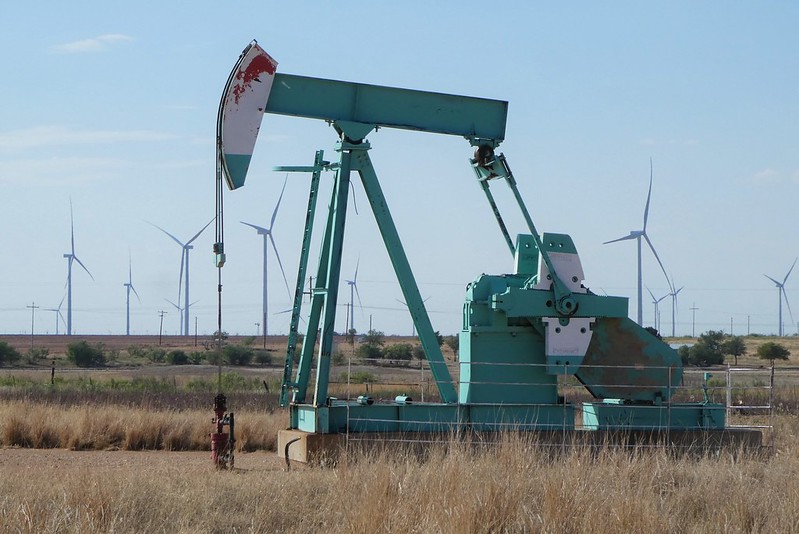
There have been commercial oil and gas wells across the United States for 170 years.  Researchers estimate that there are between two and three million wells that have been abandoned.  There are hundreds of thousands of them, across 27 states, that are “orphaned,” meaning that they are uncapped, unproductive, and nobody is responsible to manage their leakage or pollution.

Many are undocumented orphaned wells – UOWs – that are not listed in formal records and are basically out of sight and out of mind.  Besides having nobody responsible for them, nobody even knows where they are.  But they are potential sources of oil and chemical leaks into nearby water sources and can send toxic substances like benzene and hydrogen sulfide into the air. 

Researchers are using modern tools like drones, laser imaging, and advanced sensors to try to locate UOWs.  But these wells are scattered over an area of more than three million square miles.

To better predict where to look for undocumented wells, researchers are combining historical topographic maps with artificial intelligence. The US Geological Survey has scanned 190,000 topographic maps made between 1884 and 2006.  AI is being used to find the symbols for oil and gas wells on the maps.  People can recognize these symbols easily, but there are just too many maps to look at.  The problem is equivalent to finding a needle in a haystack; there is just an awful lot of hay to look through.

Abandoned wells are a big problem and it will take lots of modern technology to try to solve it.

**********

Web Links

AI Helps Researchers Dig Through Old Maps to Find Lost Oil and Gas Wells

Photo, posted August 16, 2022, courtesy of Larry Syverson via Flickr.

Earth Wise is a production of WAMC Northeast Public Radio

Climate change and an iconic Florida bird

December 31, 2024 By EarthWise Leave a Comment

The Florida scrub-jay is a medium-sized bird native to Florida, known for its striking blue plumage and distinctive call. It is the only bird species that is entirely endemic to Florida, found mainly in the scrubby, sandy habitats of the central and southern part of the Sunshine State.

But extensive development, habitat fragmentation, and habitat degradation have caused the scrub-jay population to decline significantly over the past century. 

Another threat facing the Florida scrub-jay is climate change.  According to a new study by researchers from the Archbold Biological Station and the Cornell Lab of Ornithology, warmer winters driven by climate change are causing Florida scrub-jays to nest one week earlier than they did in 1981.  This seemingly innocuous change has reduced the number of offspring raised annually by 25% since 1981. 

The research team examined 37 years of data to assess the impacts of warming on reproductive efforts.  From 1981 to 2018, the average winter temperature at Archbold Biological Station in Florida increased by 2.5 degrees Fahrenheit.  Despite increases in the number of nests built and eggs laid over the longer breeding season, Florida scrub-jays are not producing more young. 

The researchers hypothesize that warmer temperatures make the nests susceptible to predation by snakes for a longer period of the Florida spring than in the past.  The findings, which were recently published in the journal Ornithology, suggest that climate change could dampen the success of conservation efforts for this threatened species.

**********

Web Links

Long-term study reveals warming climates threaten Florida scrub-jay

Florida Scrub-Jay

Photo, posted October 15, 2018, courtesy of Judy Gallagher via Flickr.

Earth Wise is a production of WAMC Northeast Public Radio

Corals and climate change

December 24, 2024 By EarthWise Leave a Comment

Climate change is a major threat to coral reefs around the world.  Ocean warming triggers coral bleaching – a stress response where corals expel the symbiotic algae essential for their survival.  If coral bleaching is severe, it can lead to coral death.

A new study led by scientists from Newcastle University in England suggests that corals are unlikely to adapt to ocean warming quickly enough to keep pace with global warming, unless there are rapid reductions in global greenhouse gas emissions.

The study, which was recently published in the journal Science, found that coral heat tolerance adaptation via natural selection could keep pace with ocean warming, but only if the climate goals of the Paris Agreement are realized.  In the Paris Agreement, countries agreed to limit global warming by the end of the century to two degrees Celsius above pre-industrial levels.  

However, current climate policies around the world have the globe on track to warm by three degrees Celsius.  According to the research team, this could lead to significant reductions in reef health, elevated risks of local coral extinctions, and considerable uncertainty in the so-called “evolvability” of corals. 

Coral reefs are among the most biologically diverse ecosystems on Earth.  They are often referred to as the “rainforests of the sea” because they support an incredible variety of marine life.  They provide essential ecosystem services, such as protecting coastlines from erosion and storm surges, supporting fisheries, and serving as a source of income through tourism. Coral reef health is vital for the health of the planet.

**********

Web Links

Coral adaptation unlikely to keep pace with global warming

Photo, posted June 9, 2012, courtesy of Bokissa Private Island Resort via Flickr.

Earth Wise is a production of WAMC Northeast Public Radio
When is a heat wave just a heat wave?

December 18, 2024 By EarthWise Leave a Comment

When is a heat wave just a heat wave, and when is it climate change?

There are lots of extreme weather events of all kinds these days.  But there have always been extreme weather events.  Climate change results in more extreme weather but not all extreme weather should be attributed to climate change.  So, how do we know if an extreme weather event is a result of the changing climate?  Communities that are affected by extreme weather events need to know whether they are likely to see more such events in the future, or if they are anomalies like a “500-year storm” or such.

Researchers at North Carolina State University, the National Oceanic and Atmospheric Administration, the University of Colorado, Boulder, and Princeton University developed a routine process for evaluating extreme weather events.

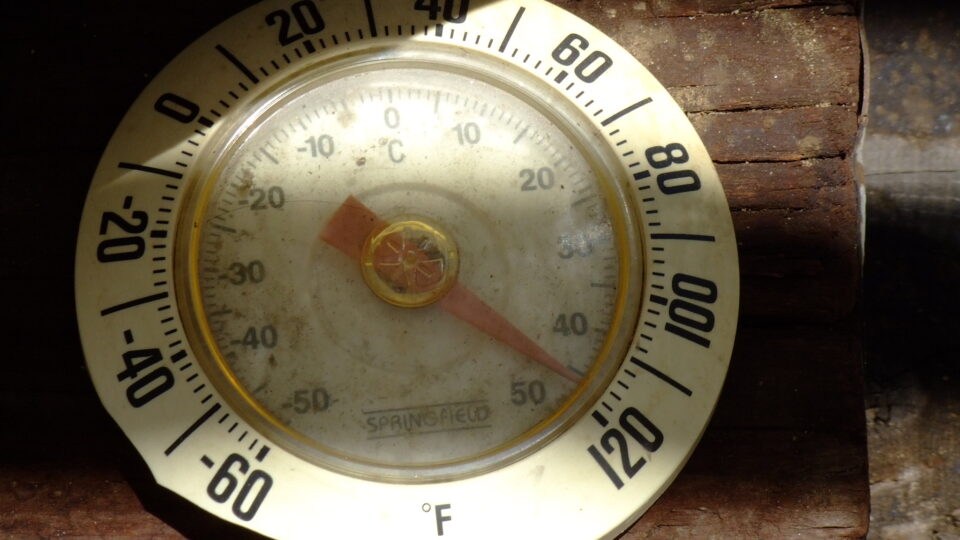
The test case was an extreme heat wave that affected Texas and Louisiana in 2023.  This notable heat wave lasted almost the entire summer. The scientists used a two-step process to determine whether the heat wave was an anomaly or part of a new pattern.  They took historical data from the past 100 years to see how unusual 2023 was.  Then they compared that data with both past and present predictive computer models.  Comparing the predictive models can indicate whether climate change was a factor in the event.

In this case, a similar drought would not have been as hot 50 years earlier, which indicates that the heat wave is related to climate change and that even more intense heat waves are likely to occur in the future.

This sort of information is important for communities to prepare for future events.

**********

Web Links

When is a Heat Wave Just a Heat Wave, and When is it Climate Change?

Photo, posted July 22, 2006, courtesy of Saturnism via Flickr.

Earth Wise is a production of WAMC Northeast Public Radio

Regrowing forests naturally

December 17, 2024 By EarthWise Leave a Comment

Naturally regrowing forests is best

Deforestation is one of the major causes of climate change and restoring and enhancing forests is a major activity around the world as a way to mitigate its effects.  There are high-profile initiatives to plant millions of trees, but these projects are often ill-conceived and poorly managed.

One of the most dramatic failures was the planting of over a million mangrove seedlings on the Filipino island of Luzon back in 2012.  A study 8 years later found that fewer than 2 percent of the trees had survived.  The rest died or were washed away.

The causes of failure in tree planting programs include planting of trees that become vulnerable to disease, competing demands for land, changing climate, planting in areas not previously forested, and a lack of aftercare including watering seedlings.

A multinational study recently published in Nature has found that forests could regrow naturally on more than 800,000 square miles of land around the tropics without the need for planting trees by hand.  This is an area larger than Mexico.

The researchers mapped areas where forests would be likely to regrow – areas where soils are healthy and where there is already forest nearby to supply seeds.  In some places, lands are so degraded that it is necessary to plant trees by hand, but this is costly and prone to failure.  Forests that regrow naturally tend to fare better and make better habitats for wildlife.

The effect of regrown forests on the climate would be very substantial.  If these forests were allowed to grow for three decades, they would absorb enough carbon to offset 50 years of emissions by Australia, the home of the lead researcher of the study. 

**********

Web Links

Tropical Forests Could Regrow Naturally on Area the Size of Mexico

Photo, posted February 16, 2018, courtesy of Jason Houston / USAID via Flickr.

Earth Wise is a production of WAMC Northeast Public Radio

Hydrogen-powered aviation

December 16, 2024 By EarthWise Leave a Comment

The transportation sector is responsible for about a quarter of human-generated greenhouse gas emissions.  Most of the energy used by transport systems comes from fossil fuels.  The transition to electric vehicles – cars, trucks, and buses – is making a real difference.  However, the emissions from the aviation industry have continued to grow faster than those of other forms of transportation.  There have been increased efforts to develop hydrogen-powered aircraft, but the challenges are substantial.

Hydrogen can be used for aviation both as a directly combusted fuel, or to power electric fuel cells.  Its advantages are that its use produces no carbon dioxide, and, in fact, hydrogen produces more energy per pound than jet fuel.

A study by researchers at MIT looked at the prospects for hydrogen use in aircraft and what needs to be done to make it practical.  The biggest issue is that the extra bulk of a hydrogen fuel tank and fuel cells in a plane would have to be offset by weight reductions elsewhere, such as reducing payload (cargo or passengers).  This would mean there would need to be more flights, thereby reducing the gains made.  The researchers argued that improvements in fuel cell power and more weight efficient fuel systems could eliminate the need for additional flights.

The bigger challenge is the infrastructure for generating and distributing hydrogen.  There needs to be green hydrogen – hydrogen produced without carbon emissions – and the infrastructure for getting it to planes where it is needed has to also not produce substantial emissions.

The study suggests that the rollout of hydrogen-based aviation should start at locations that have favorable conditions for hydrogen production.

**********

Web Links

Fueling greener aviation with hydrogen

Photo, posted December 20, 2016, courtesy of Dylan Agbagni via Flickr.

Earth Wise is a production of WAMC Northeast Public Radio
Capturing hot carbon dioxide

December 13, 2024 By EarthWise Leave a Comment

Researchers are developing new methods to capture hot carbon dioxide

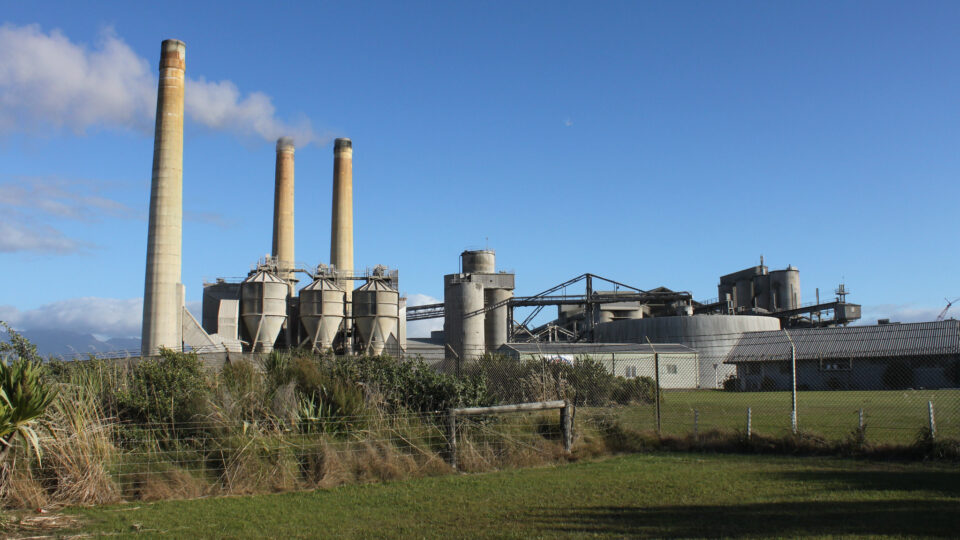
Decarbonizing industries like steel and cement is a difficult challenge.  Both involve emitting large amounts of carbon dioxide both from burning fossil fuels and from intrinsic chemical reactions taking place.  A potential solution is to capture the carbon dioxide emissions and either use them or store them away.  But this sort of carbon capture is not easy and can be quite expensive.

The most common method for capturing carbon dioxide emissions from industrial plants uses chemicals called liquid amines which absorb the gas.  But the chemical reaction by which this occurs only works well at temperatures between 100 and 140 degrees Fahrenheit.  Cement manufacturing and steelmaking plants produce exhaust that exceeds 400 degrees and other industrial processes produce exhaust as hot as 930 degrees.

Costly infrastructure is necessary to cool down these exhaust streams so that amine-based carbon capture technology can work. 

Chemists at the University of California, Berkeley, have developed a porous material – a type of metal-organic framework – that can act like a sponge to capture CO2 at temperatures close to those of many industrial exhaust streams.  The molecular metal hydride structures have demonstrated rapid, reversible, high-capacity capture of carbon dioxide that can be accomplished at high temperatures.

Removing carbon dioxide from industrial and power plant emissions is a key strategy for reducing greenhouse gases that are warming the Earth and altering the global climate.  The captured CO2 can be used to produce value-added chemicals or can be stored underground or chemically-reacted into stable substances.

**********

Web Links

Breakthrough in capturing ‘hot’ CO2 from industrial exhaust

Photo, posted March 3, 2010, courtesy of Eli Duke via Flickr.

Earth Wise is a production of WAMC Northeast Public Radio

Artificial plants to clean indoor air

December 12, 2024 By EarthWise Leave a Comment

The average American spends about 90% of their time indoors breathing the air in our workplaces, homes, or schools.  The quality of this air affects our overall health and well- being.  Indoor air quality is an issue because many sources can generate toxic materials, including building materials, carpets, and more.  But high levels of carbon dioxide are a health hazard themselves. Indoor CO2 levels can often be 5 to 10 times higher than the already heightened levels in the atmosphere. 

Many of us make use of air purification systems, which can be expensive, cumbersome, and require frequent cleaning and filter replacements.

Researchers at Binghamton University in New York are working to develop artificial plants that consume carbon dioxide, give off oxygen, and, as a bonus, generate a little electricity. These artificial plants make use of the artificial light in the indoor environment to drive photosynthesis.  They achieve a 90% reduction in carbon dioxide levels, which is far more than natural plants can achieve.

The Binghamton researchers had been working on bacteria-powered biobatteries for various applications, but they repurposed the work into a new idea for artificial plants.  The artificial plants have “leaves” containing a biological solar cell and photosynthetic bacteria.  Their first plant had five leaves and demonstrated promising carbon dioxide capture rates and oxygen generation.  It also produced a little electricity.  If its generating capacity can be improved, it might also be useful for charging cell phones or other practical applications.

**********

Web Links

Binghamton researchers develop artificial plants that purify indoor air, generate electricity

Photo, posted October 13, 2012, courtesy of F. D. Richards via Flickr.

Earth Wise is a production of WAMC Northeast Public Radio

  • « Go to Previous Page
  • Page 1
  • Page 2
  • Page 3
  • Page 4
  • Interim pages omitted …
  • Page 14
  • Go to Next Page »

Primary Sidebar

Recent Episodes

  • An uninsurable future
  • Clean energy and jobs
  • Insect declines in remote regions
  • Fossil fuel producing nations ignoring climate goals
  • Trouble for clownfishes

WAMC Northeast Public Radio

WAMC/Northeast Public Radio is a regional public radio network serving parts of seven northeastern states (more...)

Copyright © 2026 ·