• Skip to primary navigation
  • Skip to main content
  • Skip to primary sidebar

Earth Wise

A look at our changing environment.

  • Home
  • About Earth Wise
  • Where to Listen
  • All Articles
  • Show Search
Hide Search
You are here: Home / Archives for researchers

researchers

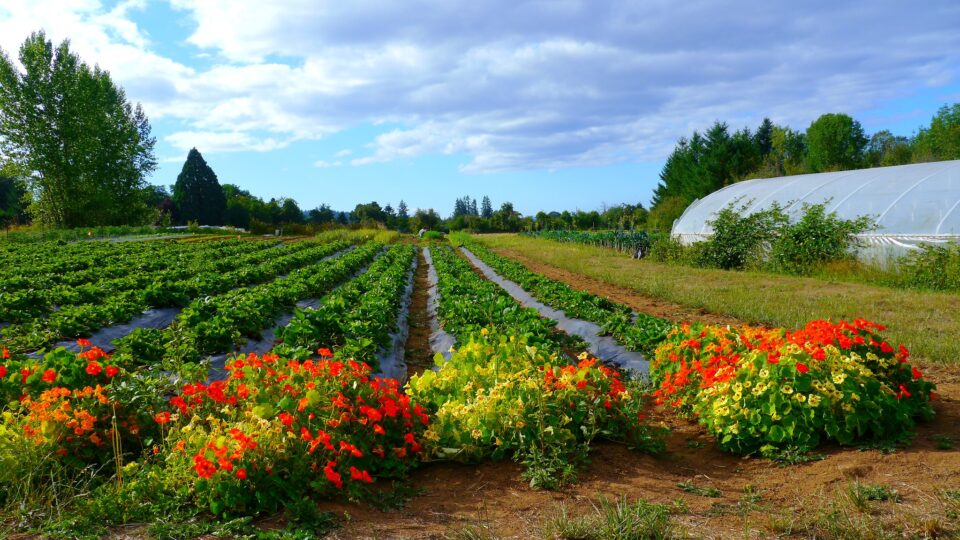
Reducing farm nutrient pollution

December 11, 2024 By EarthWise Leave a Comment

Researchers developing new method to reduce nutrient pollution from farms

When farmers add nutrients to their fields in excess of their crops’ ability to utilize them, these excess nutrients can enter the surrounding environments and create environmental problems.  The primary culprits are nitrogen and phosphorous.  These fertilizer components emerge from fields and enter local waterways in surface runoff.

Researchers at the University of Illinois Urbana-Champaign have developed a form of designer biochar that can provide phosphorous in a time-released fashion and reduce the amount that escapes into the environment.

The researchers used sawdust and lime sludge, which are byproducts from milling and water treatment plants, respectively.  They mixed the two ingredients and formed pellets which were then slow-burned in low-oxygen conditions to create phosphorous-laden designer biochar.  Once the pellets bind all the phosphorous they can hold, they can be spread onto fields where the nutrient is slowly released over time.

They tested the pellets in working field conditions.  The pellets are used to remove phosphorous from drainage water and then can be reused in the field to provide the nutrient to the plants.   

The results were very encouraging.  The biochar proved to be a very effective way to provide phosphorous to crops and then reduce how much phosphorous enters the environment.  The cost of producing the biochar pellets was less than half that of alternative substances for phosphorous removal. 

There is currently no regulation that requires farmers to remove phosphorous from drainage water but there are a growing number of conservation-minded farmers who want to reduce nitrogen and phosphorous losses from their fields.  The idea that the recyclable pellets can both provide and control phosphorous is an attractive one.

**********

Web Links

Scientists tackle farm nutrient pollution with sustainable, affordable designer biochar pellets

Photo, posted July 16, 2016, courtesy of Rick Obst via Flickr.

Earth Wise is a production of WAMC Northeast Public Radio

A sustainable and climate-friendly food

November 22, 2024 By EarthWise Leave a Comment

Researchers predict that climate change will negatively impact the yield and nutritional quality of most staple food crops, including rice, corn, and soybeans, due to factors like extreme weather events, rising temperatures, and altered precipitation patterns, potentially leading to reduced food security globally.   

As a result, many experts contend that alternative food sources – like insect farming and seaweed aquaculture – are part of the solution.  Additionally, expanding production of climate resilient food crops will also have an important role to play in global food security.

According to a new international study led by researchers from University of Vienna in Austria, chickpeas – also known as garbanzo beans – are a drought-resistant legume plant with a high protein content that can help combat food insecurity amid climate change.

In the study, which was recently published in the journal Plant Biotechnology, the researchers investigated the natural variations of different chickpea genotypes and their resistance to drought stress and achieved promising results.  The research team managed to grow many different chickpea varieties under drought stress in a field experiment outside of Vienna. The results demonstrate that chickpeas are a great alternative legume plant that can complement grain farming systems in urban areas.

The study highlights how the decline of plant genetic diversity poses a major threat to plant productivity and harvests.  In fact, while there are approximately 7,000 edible crops, two-thirds of global food production is based on just nine crop species. 

According to the research team, highly nutritious and drought-resistant legumes such as chickpeas are a “food of the future.”

**********

Web Links

Chickpeas – sustainable and climate-friendly foods of the future

Photo, posted March 21, 2020, courtesy of Ajay Suresh via Flickr.

Earth Wise is a production of WAMC Northeast Public Radio

The bloated carbon footprint of LNG

November 15, 2024 By EarthWise Leave a Comment

According to the U.S. Department of Energy, the United States is the world’s largest producer of natural gas.  In fact, natural gas supplies approximately one third of the United States’ primary energy consumption, most of which is used to heat buildings and to generate electricity.  While most natural gas is delivered in its gaseous form in this country, the demand for natural gas in international markets has given rise to the use of natural gas in a liquified form. 

Liquified natural gas (LNG) is natural gas that has been cooled to a liquid state, at about -260° Fahrenheit, for easier storage and transportation.  The volume of natural gas in its liquid state is about 600 times smaller than its volume in its gaseous state, which makes it possible to transport it to places pipelines do not reach.

Liquified natural gas is considered a clean fossil fuel because burning it produces less emissions than coal and oil.  However, according to a new study by researchers from Cornell University, LNG imported from the U.S. actually has a larger climate impact than any other fossil fuel—including coal – once processing and shipping are taken into account. 

The study, which was recently published in the journal Energy Science & Engineering, found that LNG leaves a greenhouse gas footprint that is 33% worse than coal when emissions are analyzed over a 20-year time frame. 

According to the research team, there is no need for LNG as an interim energy source because the transition requires massive infrastructure expenditures.  Instead, those financial resources should be used to “build a fossil-fuel-free future as rapidly as possible.”

**********

Web Links

Liquefied natural gas carbon footprint is worse than coal

Photo, posted November 17, 2017, courtesy of Colin Baird via Flickr.

Earth Wise is a production of WAMC Northeast Public Radio
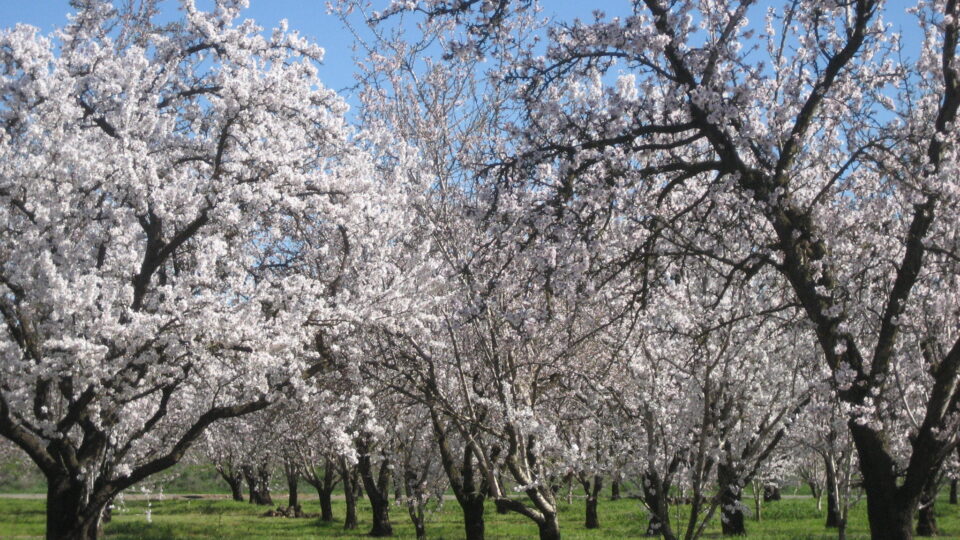
Megafires and orchard health

November 1, 2024 By EarthWise Leave a Comment

The frequent and massive megafires in places like Canada and the American west have led to a lot of research on the impact of smoke on humans but there has been less study of the effects of smoke on plant health.  Researchers at the University of California, Davis have found that trees are just as vulnerable as humans are to the harmful effects of long-term exposure to smoke.

The Davis researchers studied almond, pistachio, and walnut trees at 467 orchard sites in California’s Central Valley from 2018 to 2022.  In 2022, so-called megafires burned more than 4.2 million acres in California, pouring ash and smoke into the sky.  The researchers had been studying how trees store carbohydrates to cope with heat and drought. 

With the onset of the fires, they saw an opportunity to study how smoke affects carbohydrate levels.  Trees use stored carbohydrates to sustain them through winter dormancy and spring growth.  Trees produce carbohydrates via photosynthesis and thick smoke blocks the amount of light reaching the trees.  Beyond that, there are other aspects of wildfire smoke, such as particulate matter and ozone that appear to affect photosynthesis.

The team found that the smoke not only reduced the amount of carbohydrates in trees but also caused losses that continued even after the fires were extinguished.  This led to nut yield decreases of 15% up to 50% in some orchards.  The researchers expected to see some impact on the trees during periods when smoke was really dense but were not expecting the smoke to have such a lingering effect and result in a significant drop in yield.

**********

Web Links

Smoke From Megafires Puts Orchard Trees at Risk

Photo, posted October 1, 2008, courtesy of Suzi Rosenberg via Flickr.

Earth Wise is a production of WAMC Northeast Public Radio

Renegade geoengineering

October 30, 2024 By EarthWise Leave a Comment

Geoengineering inc

As the dangers of climate change continue to grow, so has interest in geoengineering – deliberate tinkering with the earth’s climate system.  In particular, stratospheric solar geoengineering – releasing aerosols into the stratosphere to reduce the amount of heat from the sun reaching the Earth – is attracting increasing interest.  Scientists at Harvard, Cornell, Colorado State, Princeton, and the University of Chicago are all researching the topic.

Actually doing it on a scale that matters is fraught with peril from unintended consequences of disrupting the delicate interactions between the Earth’s atmosphere, ocean, land, and sea ice. 

Meanwhile, a tiny start-up company in Silicon Valley has raised more than a million dollars in venture capital and is busy releasing balloons full of sulfur dioxide into the atmosphere in the name of combatting global warming.  Furthermore, they are selling so-called “cooling credits” to customers who want to offset their personal carbon emissions.

The aerosol being released is on such a small scale that it can’t possibly have a meaningful effect on temperatures.  There really isn’t scientific analysis guiding or accompanying the work. 

There are no laws prohibiting the dispersal of small amounts of sulfur dioxide in California.  Even if there were, these people could go offshore or elsewhere to do their work.  But this renegade geoengineering highlights a serious issue; namely, that there doesn’t have to be scientific, political, or any other kind of consensus for someone to undertake a potentially catastrophic attempt to alter the climate.  It’s a real worry.

**********

Web Links

Silicon Valley Renegades Pollute the Sky to Save the Planet

Photo, posted September 24, 2006, courtesy of Doc Searls via Flickr.

Earth Wise is a production of WAMC Northeast Public Radio

A structural battery

October 25, 2024 By EarthWise Leave a Comment

The size and especially the weight of batteries is a critical factor for most things that use them.  Battery weight is a key limitation for computers and cell phones. It is even more of a limitation for electric cars, ships, or planes.

If the battery of a device or vehicle can also function as a load-bearing structure, its weight and energy consumption can be dramatically reduced.  This concept of a structural battery is sometimes called massless energy storage.  It has the potential to halve the weight of a laptop computer, make cell phones as thin as a credit card, and increase the range of an electric car by as much as 70%.

Researchers at Chalmers University in Sweden have been working on structural battery technology for many years.  Their first published results in 2018 showed how stiff, strong carbon fibers could be used for chemical storage of electrical energy.

Since then, they have been creating batteries with increasing energy density.  Their latest versions still have only a quarter of the capacity of today’s lithium-ion batteries. But if batteries can be part of the structure of a vehicle, for example, and can be made of lightweight materials like carbon fiber, then the overall weight of the vehicle can be greatly reduced and not nearly as much energy will be needed to power it.

The goal of the Chalmers research is to achieve battery performance that makes it possible to commercialize the technology.  There is a lot of engineering work to be done before these structural batteries can go from laboratory proofs of concept to real world use.  But the potential is quite promising.

**********

Web Links

World’s strongest battery paves way for light, energy-efficient vehicles

Photo, posted August 8, 2024, courtesy of NOI Techpark via Flickr.

Earth Wise is a production of WAMC Northeast Public Radio

Canadian wildfires and global emissions

October 14, 2024 By EarthWise Leave a Comment

The wildfires that burned vast amounts of Canada’s boreal forests in 2023 produced enormous amounts of smoke that found its way into American cities, working its way down the eastern seaboard and even producing unsafe air in Florida.

Researchers at Cal Tech and the Jet Propulsion Laboratory analyzed the carbon emissions associated with these fires last year and found that they were greater than those of all but three countries:  China, the US, and India.

Boreal forests have historically been a natural defense against climate change by storing carbon in trees rather than adding carbon dioxide to the atmosphere.  The fires in Canada, fueled by hot and dry weather, were extraordinary when compared with historical records.  But such fires are likely to be increasingly common as the climate continues to warm.

However, the hot and dry weather that fueled the 2023 fires was exceptional in many ways, involving early snow melt and so-called flash droughts.  This year’s fires in Canada are still bigger than average, but so far have not been as destructive as last year’s. 

Canada has been warming at about twice the global rate.  The extreme temperatures last summer were a major factor in the fueling of the fires, which burned an area almost the size of Florida.

Forests absorb about a quarter of global carbon emissions, but the increasing frequency and intensity of fires are calling into question their ability to continue to do so.  Parts of the Canadian forests are not regrowing after fires as they have in the past, partly because blazes burn trees so frequently and intensely.

**********

Web Links

Canada’s Wildfires Were a Top Global Emitter Last Year, Study Says

Photo, posted June 8, 2023, courtesy of the Metropolitan Transportation Authority via Flickr.

Earth Wise is a production of WAMC Northeast Public Radio
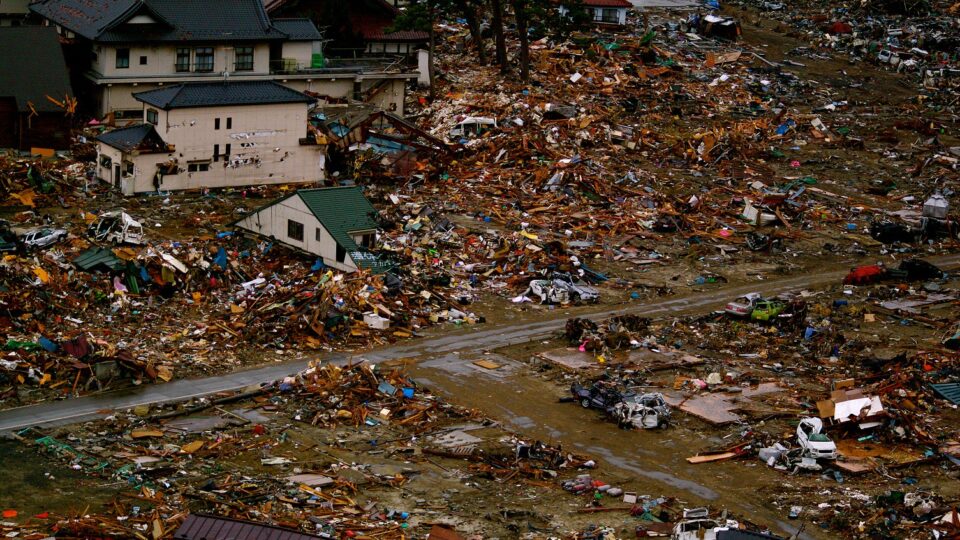
Predicting major earthquakes

October 10, 2024 By EarthWise Leave a Comment

Researchers are exploring how to predict major earthquakes

Natural disasters continue to be major threats for people, just as they always have been.  But modern technology has greatly improved our ability to prepare for and, in many cases, escape from the worst effects of these events.  A good example is hurricane forecasting.  Nowadays, there is plenty of warning when a major hurricane is headed toward a populous area.  It is still up to people to get away from the danger zone, but at least there is the opportunity to do so.

Major earthquakes are a different story.  There is generally little or no warning when one will strike.  But scientists at the University of Alaska Fairbanks and the Ludwig Maximilian University in Munich, Germany have developed a technique that may provide days or even months of warning about an impending major earthquake.

The detection method is based on machine learning and is described in a paper in the journal Nature Communications.  The researchers wrote a computer algorithm that looks for abnormal seismic activity.  Advanced statistical techniques found that approximately three months of abnormal low-magnitude regional seismicity occurred in the regions where two major earthquakes took place.  One was the magnitude 7.1 Anchorage earthquake in 2018 and the other was a similar-sized quake in Ridgecrest, California in 2019.

Considerably more testing – particularly in real-time rather than looking at historical data – is needed.  But accurate earthquake forecasting has the potential to save lives and reduce economic losses.  However, there are ethical and practical questions to answer.  False alarms could lead to unnecessary panic, economic disruption, and loss of public trust.  On the other hand, missed predictions can have catastrophic consequences.

**********

Web Links

UAF scientist’s method could give months’ warning of major earthquakes

Photo, posted January 22, 2012, courtesy of the Climate and Ecosystems Change Adaptation Research University Network via Flickr.

Earth Wise is a production of WAMC Northeast Public Radio

Just say ‘climate change’

September 20, 2024 By EarthWise Leave a Comment

In recent years, climate advocates have pushed for the use of more dramatic language to describe ‘climate change.’  The notion was that phrases like ‘climate crisis’ and ‘climate emergency’ better convey the urgency of the planet’s plight, while terms like ‘climate change’ and ‘global warming’ are too gentle and vague.  However, it turns out that the gentler approach may actually be more effective.

According to a new study led by researchers from the University of Southern California, the terms ‘climate change’ and ‘global warming’ are not only more familiar to people than some of their common synonyms, but they also generate more concern about the warming of the Earth.

In the study, which was recently published in the journal Climatic Change, the research team found that nearly 90% of respondents were familiar with the terms ‘climate change’ and ‘global warming.’  However, familiarity dropped sharply for the other terms, including ‘climate crisis’ and ‘climate emergency.’  In fact, only 33% of respondents recognized the term ‘climate justice.’

The study, which surveyed more than 5,000 randomly selected U.S. residents, examined the degree to which each term generated concern, urgency, willingness to support climate-friendly policies, and willingness to eat less red meat. 

The research team found that the terms ‘climate change’ and ‘global warming’ were most concerning and most urgent.  ‘Climate justice’ was the least, with ‘climate crisis’ and ‘climate emergency’ falling in between.  The support for climate policy and willingness to eat less red meat was roughly the same, regardless of what terms were used. 

The research team hopes its findings will help us communicate more effectively about climate change in the future.

**********

Web Links

Just Say “Climate Change” – not “Climate Emergency”

Photo, posted July 1, 2023, courtesy of Sheila Sund via Flickr.

Earth Wise is a production of WAMC Northeast Public Radio
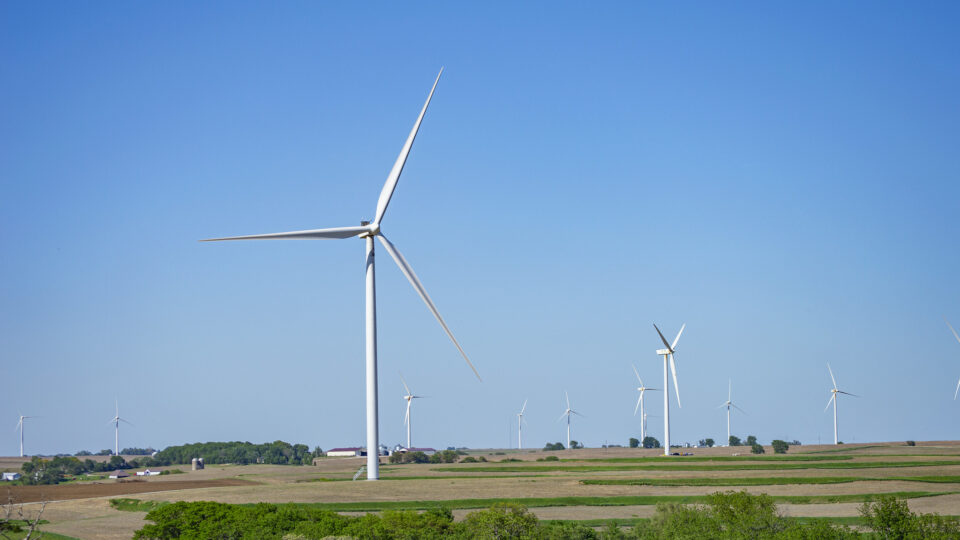
Making wind turbines safer for birds

September 18, 2024 By EarthWise Leave a Comment

Making wind turbines safer for birds

There are people who oppose the installation of wind turbines for a variety of reasons. It is true that wind turbines can be dangerous to birds.  Estimates are that about 250,000 birds are killed flying into wind turbines each year in the U.S.  

However, this data needs to be looked at in comparison to bird deaths from flying into electrical lines (25 million), vehicles (214 million), and building glass (at least 600 million). And even these figures pale in comparison to the more than 2 billion birds killed by domestic cats each year.

Despite these facts, it would still be great if fewer birds died from flying into wind turbines.  Researchers at Oregon State University are part of a team looking at reducing bird collision risks from wind turbines by painting a single blade of the turbine black.

Recent research in Norway found that painting a single turbine blade black reduced the number of bird collisions by nearly 72%.  Why should this work?  The hypothesis is that the black-painted blades disrupt the visual uniformity of the airspace around the turbines and makes them more noticeable to birds, which prompts avoidance behavior.

The Norwegian data is based on a relatively small sample size and the Oregon State researchers as well as others in Spain, Sweden, and South Africa are working on more rigorous and comprehensive studies.

The hope is that this rather simple strategy could make windfarms safer for birds.  Unfortunately, this approach is not likely to be very effective with bats, which rely more on auditory cues rather than visual cues.

**********

Web Links

Scientists studying impact of painting wind turbine blade black to reduce bird collisions

Photo, posted May 21, 2024, courtesy of Roy Harryman via Flickr.

Earth Wise is a production of WAMC Northeast Public Radio
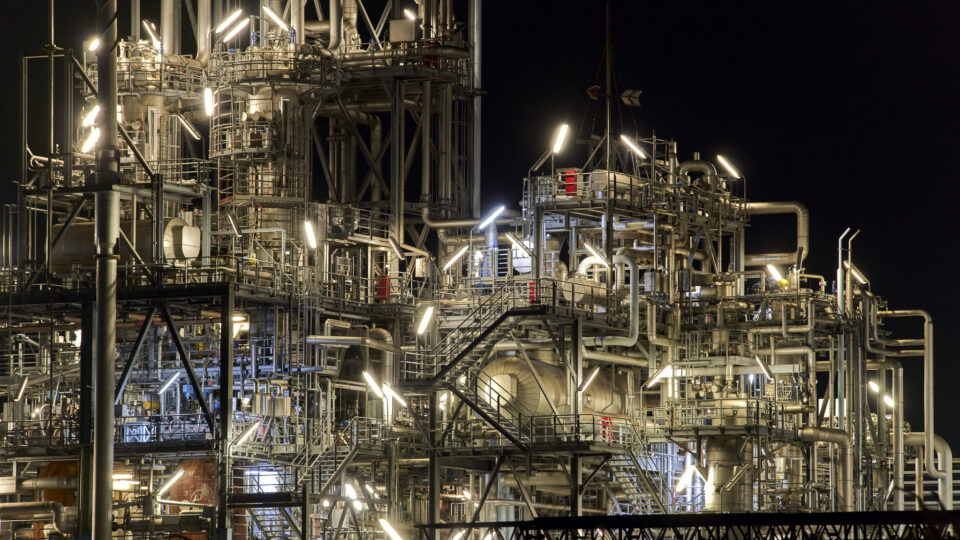
An electric reactor for industry

September 17, 2024 By EarthWise Leave a Comment

The industrial sector accounts for nearly a third of greenhouse gas emissions in the US, which is more than the annual emissions from cars, trucks, and airplanes combined.  These emissions primarily come from burning fossil fuels to produce goods from raw materials as well as from the chemical reactions associated with production.  Many industrial processes require very high temperatures that are not easily achieved other than by burning fossil fuels.

Researchers at Stanford University have developed and demonstrated a new kind of thermochemical reactor that can generate the huge amounts of heat required for many industrial processes that runs on electricity rather than the burning of fossil fuels.  The researchers claim that the design is also smaller, cheaper, and more efficient than the fossil fuel technology it would replace.

Standard industrial thermochemical reactors burn fossil fuel to heat a fluid that is piped into the reactor, much like the way home radiators work, albeit at far higher temperatures.  The new reactor uses magnetic induction, similar to the way that induction cooktops work.  Heat is transferred by inducing a current into materials that heat up as the current flows.

A proof-of-concept demonstration powered a chemical reaction called the reverse water gas shift reaction and resulted in more than 85% efficiency.  The reaction in question converts carbon dioxide into a valuable gas that can be used to create sustainable fuels. 

The Stanford researchers are working to scale up their new reactor technology and expand its potential applications.  They are working on designs for reactors for capturing carbon dioxide and for manufacturing cement. 

**********

Web Links

Electric reactor could cut industrial emissions

Photo, posted October 30, 2022, courtesy of Helmut via Flickr.

Earth Wise is a production of WAMC Northeast Public Radio

Warming estuaries

September 13, 2024 By EarthWise Leave a Comment

Estuaries in South Florida are rapidly warming

Estuaries and their surrounding wetlands are bodies of water where freshwater from rivers and streams mixes with salt water from the ocean to create brackish water.  These brackish ecosystems support many unique plant and animal communities around the world. 

But ocean water temperature around the world continues to warm.  In fact, from 1901 to 2023, the average sea surface temperature has increased by 0.14°F per decade, and 2023 was the warmest year on record.

While sea surface temperatures are on the rise, the problem is more pronounced in South Florida’s estuaries.  According to a new study by researchers from the University of South Florida College of Marine Science and the National Park Service, estuaries have experienced rapid warming over the past two decades. 

In fact, the research team found that sea surface temperature in four estuaries in South Florida – Florida Bay, Tampa Bay, St. Lucie Estuary and Caloosahatchee River Estuary- has risen around 70% faster than the Gulf of Mexico, and 500% faster than the global oceans. 

Their findings, which were recently published in the journals Environmental Research Letters and Estuaries and Coasts, paint a troubling picture for the marine life that calls South Florida’s estuaries home.

The research team has speculated about the possible causes of the rapid rate of warming, including evaporation, water capacity, and residence time, but no single factor has been revealed as dominant. 

The researchers hope to partner with colleagues at the Florida Fish and Wildlife Conservation Commission and NOAA to explore the potential impacts of water temperatures on seagrass and coral populations in South Florida.

**********

Web Links

Estuaries in South Florida are warming faster than the Gulf of Mexico and global ocean

What is an estuary?

Photo, posted August 18, 2016, courtesy of City of St. Pete via Flickr.

Earth Wise is a production of WAMC Northeast Public Radio

A better way to produce green hydrogen

September 9, 2024 By EarthWise Leave a Comment

Hydrogen has great potential as a fuel and an energy carrier for many applications.  Burning it or consuming it in fuel cells does not produce carbon emissions.  As a result, there has long been the vision for a future hydrogen economy.  Whether the hydrogen economy would ever come about given how various other technologies have evolved over time is questionable.  But regardless, hydrogen is valuable for many industrial and commercial applications including the manufacture of ammonia and the refining of metals.

Hydrogen is produced in industrial quantities from natural gas by a carbon-dioxide-producing process known as methane-steam reforming.  To take its place as a green energy source, hydrogen needs to be produced by splitting water into its constituent oxygen and hydrogen components by the process of electrolysis. 

The problem is economic.  Methane-steam reforming produces hydrogen at a cost of about $1.50 per kilogram.  Green hydrogen costs about $5 a kilogram.

Researchers at Oregon State University have developed a new photocatalyst that enables the high-speed, high-efficiency production of hydrogen.  The material, called RTTA, is a metal organic framework containing ruthenium oxide and titanium oxide.  Ruthenium oxide is expensive, but very little is needed.  For industrial applications, if the catalyst shows good stability and reproducibility, the cost of the small amount of this exotic material becomes less important.

The photocatalyst, when exposed to sunlight, quickly and efficiently splits water yielding hydrogen.  The Oregon State discovery has real potential.

**********

Web Links

Oregon State University research uncovers better way to produce green hydrogen

Photo, posted July 7, 2023, courtesy of Bill Abbott via Flickr.

Earth Wise is a production of WAMC Northeast Public Radio

Water from thin air

September 6, 2024 By EarthWise Leave a Comment

Creating drinking water from thin air

The Earth’s atmosphere contains enormous amounts of water.  Being able to efficiently and economically extract some of it to provide drinking water would be extremely beneficial to the billions of people across the globe who face chronic water shortages.

There are existing technologies for atmospheric water harvesting – or AWH.  But there are downsides associated with size, cost, and efficiency.   A new device developed by mechanical engineering researchers at the University of Utah has the potential to provide a new drinking water source in arid places.

The device is a compact, rapid-cycling, fuel-fired AWH device.  It relies on adsorbent materials that draw water molecules out of non-humid air and then applies heat to release those molecules into liquid form.

Hygroscopic materials are those that have an affinity for water and soak it up at every opportunity.  Such materials are used, for example, in disposable diapers.  The Utah device makes use of metal organic frameworks, which have enormous amounts of surface area on the molecular scale.

The initial work on the Utah device targeted a small compact water generation unit for soldiers in the field.  Instead of lugging around a large canteen filled with water, the small unit can produce water on demand.  The prototype was able to produce 5 liters of water per day per kilogram of adsorbent material.  Within three days in the field, the system outperforms packing water.  The heat required to precipitate the liquid water was provided by a standard-issue Army camping stove.

Non-military needs are the ultimate application for the device.  The researchers have applied for a patent for what they hope will be a potential solution to a persistent global problem.

*********

Web Links

Producing water out of thin air

Photo, posted August 9, 2012, courtesy of Enid Martindale via Flickr.

Earth Wise is a production of WAMC Northeast Public Radio
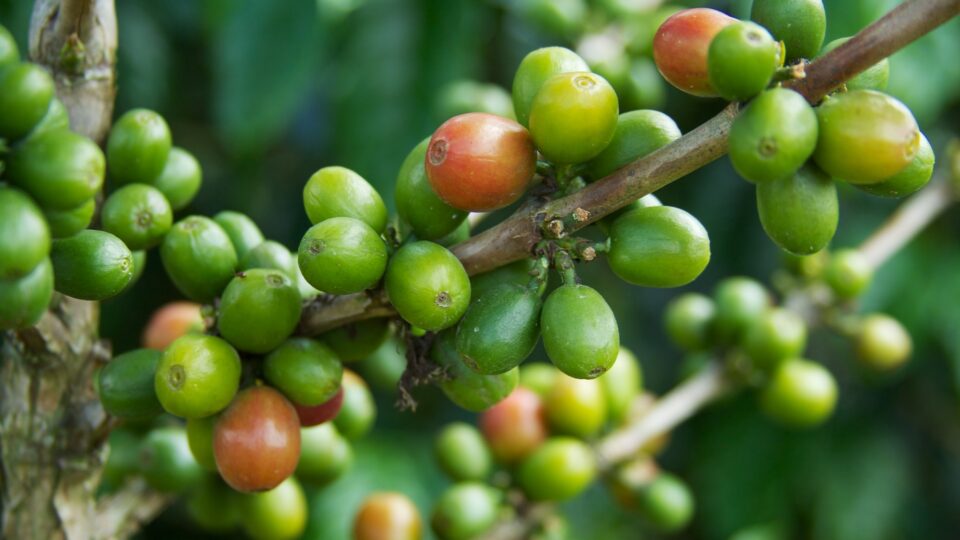
Climate-smart coffee

August 30, 2024 By EarthWise Leave a Comment

Growing climate-smart coffee

Do you crave that morning cup of coffee?  You’re not alone, and not by a long shot.  In fact, more than 2.2 billion cups of coffee are consumed globally every day. 

The existing coffee market is dominated by two species: Coffea arabica and Coffea canephora (the latter commonly called robusta).  Historically, coffee drinkers have preferred Arabica beans for their specific flavor and aroma. 

But climate change is threatening many crops around the world, and maybe none more so than coffee.  In fact, an alarming 50% of suitable coffee-growing land is projected to be lost by 2050.  As a result, scientists see two alternatives to supplement Arabica: either adapt coffee farming practices to new environments, or focus on coffee species that are more resilient.

According to a new study led by researchers from the University of Florida, Robusta coffee might be a good candidate to augment Arabica.   The researchers evaluated Robusta and Arabica for multiple traits in three high-altitude locations in Brazil over five years.

The study, which was recently published in the journal Crop Science, found that Robusta is highly adaptable and grows in high-altitude regions, which means it combines good production and flavor scores.  According to the researchers, Robusta can combine the following three elements for coffee cultivars: Sustainability (produce more with fewer inputs), quality (good flavor to meet consumer demand), and plasticity (capacity to adapt to new production systems).

Following these favorable findings with Robusta in Brazil, the scientists will test whether the species can grow in Florida.

**********

Web Links

Robust and smart: Inference on phenotypic plasticity of Coffea canephora reveals adaptation to alternative environments

UF scientists study how to bring you ‘climate-smart coffee’

Photo, posted May 23, 2013, courtesy of McKay Savage via Flickr.

Earth Wise is a production of WAMC Northeast Public Radio
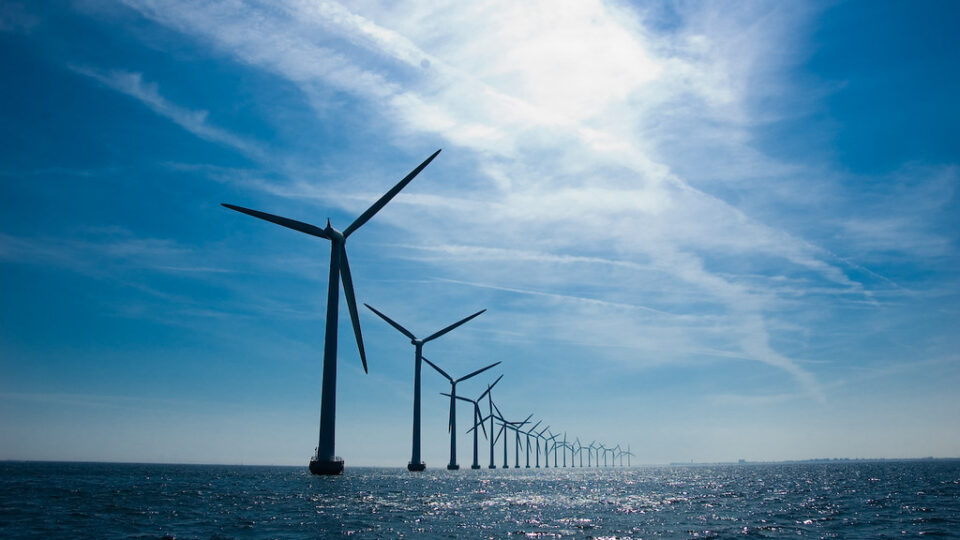
Wind farms and sea farms

August 5, 2024 By EarthWise Leave a Comment

There has been increasing use of agriculture coexisting with solar farms.  This dual use of land is a win-win situation.  Recently, Danish researchers have been investigating the potential for farming marine products at offshore wind farms.

Scandinavia’s largest wind farm, Kriegers Flak, is the site of a four-year-old project in which long lines are stretched between the wind farm’s pylons and are used to grow mussels and seaweed.  With the first harvest that has taken place after 18 months, it is showing signs of early success.

Seaweed and mussels are low trophic aquaculture crops.  That means that that they don’t need to be fed or fertilized.  They take up nutrients from the sea and produce healthy foods.

The 328-foot lines spread between the turbines can be used to grow substantial quantities of the underwater seafood.  According to modeling by Aarhus University – the institution conducting the study – using just a tenth of Denmark’s wind park area could produce tons of seafood annually while using only the naturally-available resources.  This form of aquaculture captures emissions instead of producing them.

Researchers say that it is time to develop guidelines to encourage companies to plan for multiple uses of the ocean because countries are ramping up production of clean energy from offshore wind farms.  Denmark was the first country in the world to install a commercial offshore wind park in 1991.  Over 30 years later, nearly half of the country’s electricity comes from wind turbines.

The benefits of such sea farms combined with offshore wind farms go beyond food production and clean energy production.  They also help improve water quality and capture carbon.  It is another win-win situation.

**********

Web Links

Beneath offshore wind turbines, researchers grow seafood and seaweed

Photo, posted August 5, 2007, courtesy of Andreas Klinke Johannsen via Flickr.

Earth Wise is a production of WAMC Northeast Public Radio
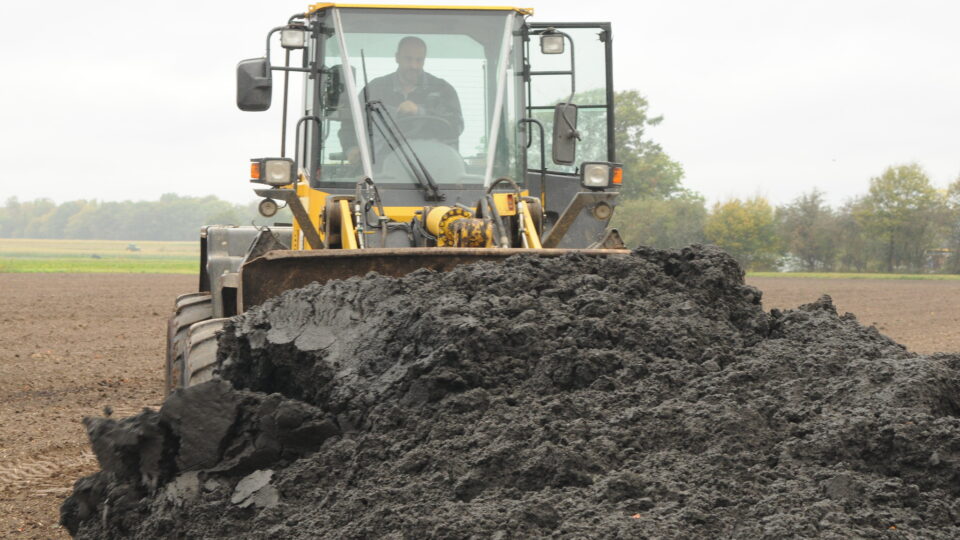
Fertilizers from wastewater sludge

July 30, 2024 By EarthWise Leave a Comment

Sewage sludge is the mud-like residue that is produced as a byproduct during wastewater treatment.  In the U.S., sewage sludge is referred to as biosolids after it’s been treated.  The term is meant to distinguish the higher quality, treated sludge from raw sludge and from sludge that contains large quantities of environmental pollutants. 

However, according to a new study by researchers from Johns Hopkins University, fertilizers manufactured from the sludgy leftovers of wastewater treatment processes can still contain traces of potentially hazardous organic chemicals.

The research, which was recently published in the journal Environmental Science & Technology, provides one of the most comprehensive looks at the chemical composition of biosolids across the country. 

Biosolids do contain valuable organic matter and nutrients, including nitrogen and phosphorus.  According to the U.S. Environmental Protection Agency, more than half of the 3.76 million tons of biosolids produced in the U.S. in 2022 fertilized agricultural lands, golf courses, and other landscaped areas.

In the study, the research team screened 16 samples of biosolids from wastewater treatment facilities in nine U.S. and three Canadian cities. The researchers then created lists of the chemicals found in each sample.  They found 92 common compounds that were present in 80% or more of the samples.  The researchers cross-referenced those 92 compounds against the EPA’s CompTox Chemical Dashboard to identify which chemicals were most likely to pose threats to human health or the environment.

The findings could help the EPA identify which organic compounds to investigate further and which chemical contaminants may need government regulation. 

**********

Web Links

Team Aims to Improve Safety of Fertilizers Made from Wastewater Sludge

Photo, posted November 2, 2011, courtesy of Susana Secretariat via Flickr.

Earth Wise is a production of WAMC Northeast Public Radio
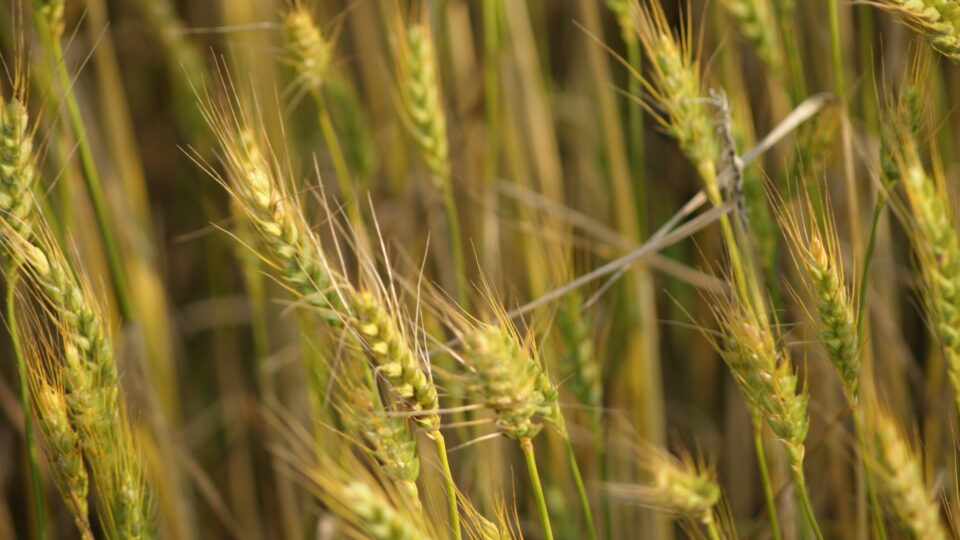
Barley plastic

July 24, 2024 By EarthWise Leave a Comment

Making biodegradable plastic from barley

The durability, malleability, and low cost of plastics have made them ubiquitous.  Plastics are everywhere:  in packaging, clothing, and an endless variety of products.  As a result, they are everywhere in the environment and they tend to stay there, contaminating land and sea.  They are tough to recycle, and their production emits more carbon dioxide than all air traffic combined.  The search for viable substitutes for plastic is global and intensive.

Most common bioplastics are not an ideal solution.  They don’t break down that easily when tossed into the natural environment.  The process can take years. 

Researchers at the University of Copenhagen have invented a new material made from modified starch that can completely decompose in nature and can do so in only two months.  The material is made using natural plant material from crops and could be used for food packaging as well as many other things.

The new material is a biocomposite composed of several substances that decompose naturally.  The main ingredients are amylose and cellulose, common in many plants.  Amylose is extracted from crops like corn, potatoes, wheat, and barley.

The Danish researchers have developed a barley variety that produces pure amylose in its kernels.  Pure amylose is ideal because it is less likely to turn into a paste when it interacts with water. 

Combining the amylose with cellulose forms long, strong molecular chains, resulting in a durable, flexible material that can replace plastic in many applications.  The research team has founded a spinoff company and have applied for a patent for the new material.  It is unclear when the biofriendly barley-based plastic might be commercialized, but its potential is quite good.

**********

Web Links

Researchers invent one hundred percent biodegradable “barley plastic”

Photo, posted May 20, 2010, courtesy of Frederick Lang Jr. via Flickr.

Earth Wise is a production of WAMC Northeast Public Radio
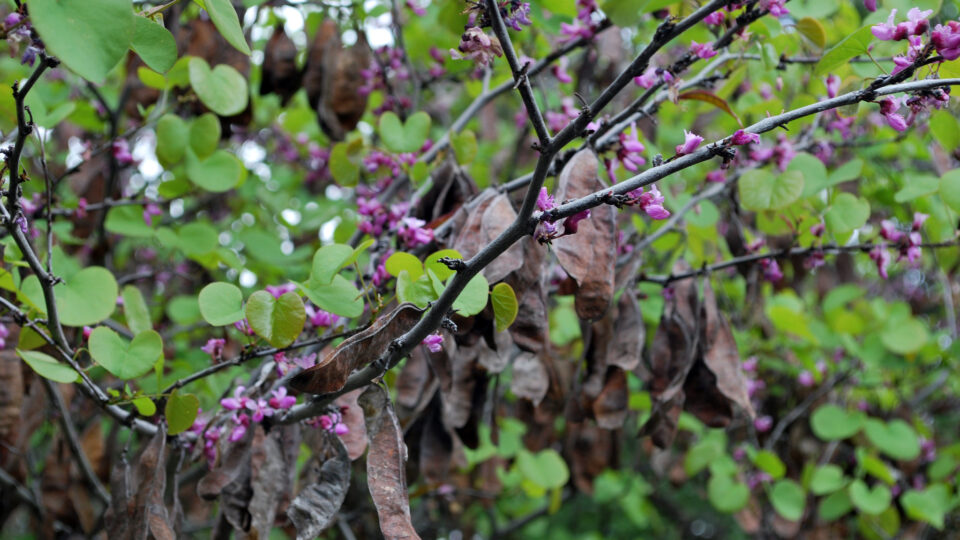
Species range and climate change

July 23, 2024 By EarthWise Leave a Comment

Climate change threatens native plants and animals

The geographic range of a particular plant or animal species is the area in which it can be found during its lifetime.  The range of most species is limited by climatic factors, including temperature, precipitation, soil moisture, humidity, and wind.  Any changes in the magnitude or variability of these factors will impact the species living there. 

For example, a species sensitive to temperature may respond to a warmer climate by moving to cooler locations at higher latitudes or elevations. 

But not all species are able to move at the same speed.  According to an international research team led by scientists from the University of Massachusetts Amherst, non-native species are expanding their ranges many times faster than native species.

The researchers found that land-based plant and animal species need to be shifting their ranges by about two miles per year just to keep up with the rapid pace of the changing climate.  Marine species need to be moving about 1.7 miles per year.  However, native species are only managing to move about one mile per year on average.  

Non-native species, on the other hand, are spreading nearly 22 miles each year on their own.  Additionally, when the role humans play in assisting the spread of non-native species is factored in, the rate jumps to a whopping 1,170 miles per year.  This is more than 1,000 times faster than the rate at which native species are spreading.   

The researchers conclude that there is no chance for native species to keep up with climate change without human help.  Assisted migration needs to be on the table if native plants and animals are to survive.   

**********

Web Links

Non-Native Plants and Animals Expanding Ranges 100 Times Faster than Native Species

Photo, posted April 10, 2011, courtesy of Bri Weldon via Flickr.

Earth Wise is a production of WAMC Northeast Public Radio

Elephants have names

July 11, 2024 By EarthWise Leave a Comment

Elephants are considered to be very smart creatures.  They have the largest brain of any land animal and have three times as many neurons as humans.  Of course, a lot of that brain hardware is needed to control those big elephant bodies, but elephants have also demonstrated impressive mental capabilities on many occasions.

A new study by an international team headed by researchers from Colorado State University has found that elephants call each other by name and respond when they hear others call their name.

The researchers analyzed hundreds of elephant calls recorded over more than a year in Kenya.  With machine learning techniques, they were able to identify specific sounds that elephants made when calling each other.  When the researchers played recordings of these sounds, the elephants responded to the sound of their own name by calling back or moving toward the loudspeaker.  Their response to other names was much less enthusiastic.

Very few animals use names at all, and, in most cases, it is more a matter of imitation.  For example, dolphins refer to other dolphins by mimicking their unique sounds.

These findings at least suggest that elephants may be capable of abstract thought and perhaps may have a vocabulary beyond names for each other.  The researchers are investigating whether elephants can identify food, water, or locations using their calls.  The great hope is that it might ultimately be possible to communicate with elephants directly.  It would be wonderful to be able to alert them to poachers or other threats.  The lead author of the study said that he would like to be able to tell elephants things like “Do not come here.  You’re going to be killed if you come here.”

**********

Web Links

Elephants Have Names for Each Other, Study Finds

Photo, posted April 24, 2016, courtesy of Neil Ransom via Flickr.

Earth Wise is a production of WAMC Northeast Public Radio

  • « Go to Previous Page
  • Page 1
  • Page 2
  • Page 3
  • Page 4
  • Page 5
  • Interim pages omitted …
  • Page 14
  • Go to Next Page »

Primary Sidebar

Recent Episodes

  • An uninsurable future
  • Clean energy and jobs
  • Insect declines in remote regions
  • Fossil fuel producing nations ignoring climate goals
  • Trouble for clownfishes

WAMC Northeast Public Radio

WAMC/Northeast Public Radio is a regional public radio network serving parts of seven northeastern states (more...)

Copyright © 2026 ·