
• Skip to primary navigation
  • Skip to main content
  • Skip to primary sidebar

Earth Wise

A look at our changing environment.

  • Home
  • About Earth Wise
  • Where to Listen
  • All Articles
  • Show Search
Hide Search
You are here: Home / Archives for production

production

Ecofriendly Glass

October 2, 2024 By EarthWise Leave a Comment

Designing and producing ecofriendly glass

Glass has been used for thousands of years to make everything from windows to bottles to microscope slides.  For all that time, most glass has been in the form of soda lime silicate glass, which is made by melting quartz sand with carbon-based ingredients – soda ash and limestone – at high melting temperatures of about 2600 degrees Fahrenheit.

The process results in substantial carbon emissions.  Worldwide, glass manufacturing produces over 86 million tons of carbon dioxide per year.  Most of that comes from burning fuel to reach the high temperatures needed to make the glass, but about a quarter of it comes from the decomposition of the carbon-based materials used.

Researchers at Penn State University have developed an entirely new type of glass that represents an alternative to soda lime glass.  The glass – that they call LionGlass – eliminates the use of carbonate batch materials and has a melting temperature 700 degrees lower than traditional glass.   The new material has the potential to cut the carbon footprint of glass manufacturing in half.  It is also 10 times more crack-resistant than ordinary glass, which would enable light weighting of glass products, lowering the emissions associated with transporting glass and glass products.

Recently, Penn state has entered into a partnership with the Italian company Bormioli, one of the world’s leading glass manufacturers that specializes in high-end packaging for fragrances, cosmetics, and tableware.  By focusing on a smaller, high-end market, the focus can be on fine-tuning the glass and determining the feasibility of scaling it up further for other uses.

**********

Web Links

Ecofriendly glass invented at Penn State secures partner for product development

Photo, posted December 26, 2005, courtesy of Lachlan Hardy via Flickr.

Earth Wise is a production of WAMC Northeast Public Radio
Food, timber, and climate change

October 1, 2024 By EarthWise Leave a Comment

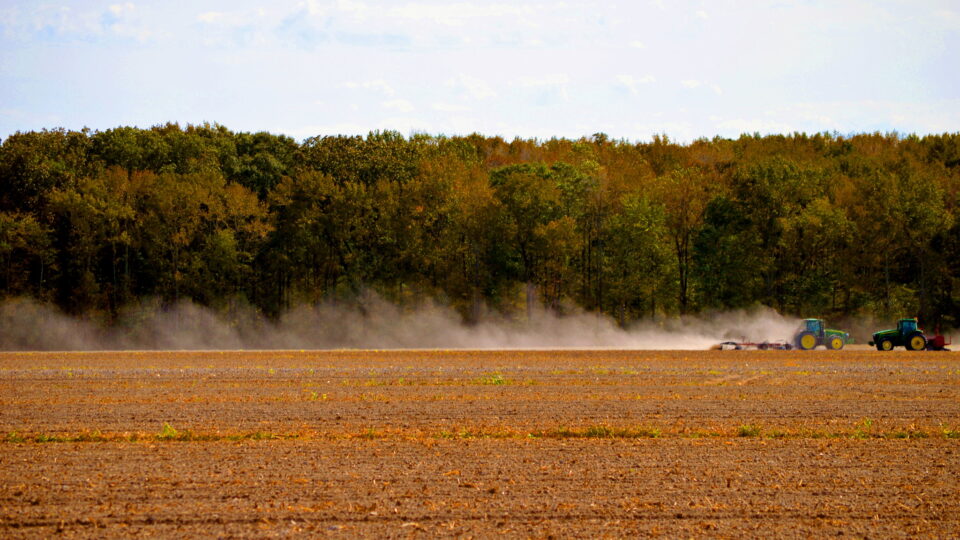
Food and timber production will increasing be in conflict with one another as the climate warms

The sights of coffee plantations in California and vineyards in Britain are becoming more common as the climate changes. But behind what sounds like a success story is a sobering one: climate change is shifting the regions suitable for growing food all around the world. 

According to a new study by researchers from the University of Cambridge, as crop growing shifts northwards, a squeeze will be put on the land needed to produce timber.  The timber these trees produce is used to make everything from paper and cardboard to furniture and buildings.

According to the study, which was recently published in the journal Nature Climate Change, more than 25% of existing forestry land – an area equivalent in size to India – will become more suitable for agriculture by the end of the century if climate change continues unabated.  Approximately 90% of this current forestry land is located in Canada, China, Russia, and the United States.    

Global timber production is worth more than $1.5 trillion every year.  Recent heat waves and wildfires have caused huge losses of timber forests around the world. 

According to the World Bank, the value of the global food system is estimated to be roughly $8 trillion annually.  Scientists expect climate change to cause some areas to become too hot for growing food, particularly in the tropics and southern Europe. 

With the global demand for food and the global demand for wood both projected to double by 2050, the increasing climate change-driven competition between the two is set to be an emerging issue in the coming decades. 

**********

Web Links

Global timber supply threatened as climate change pushes cropland northwards

Do the costs of the global food system outweigh its monetary value?

Photo, posted October 24, 2018, courtesy of Bill Smith via Flickr.

Earth Wise is a production of WAMC Northeast Public Radio

A better way to produce green hydrogen

September 9, 2024 By EarthWise Leave a Comment

Hydrogen has great potential as a fuel and an energy carrier for many applications.  Burning it or consuming it in fuel cells does not produce carbon emissions.  As a result, there has long been the vision for a future hydrogen economy.  Whether the hydrogen economy would ever come about given how various other technologies have evolved over time is questionable.  But regardless, hydrogen is valuable for many industrial and commercial applications including the manufacture of ammonia and the refining of metals.

Hydrogen is produced in industrial quantities from natural gas by a carbon-dioxide-producing process known as methane-steam reforming.  To take its place as a green energy source, hydrogen needs to be produced by splitting water into its constituent oxygen and hydrogen components by the process of electrolysis. 

The problem is economic.  Methane-steam reforming produces hydrogen at a cost of about $1.50 per kilogram.  Green hydrogen costs about $5 a kilogram.

Researchers at Oregon State University have developed a new photocatalyst that enables the high-speed, high-efficiency production of hydrogen.  The material, called RTTA, is a metal organic framework containing ruthenium oxide and titanium oxide.  Ruthenium oxide is expensive, but very little is needed.  For industrial applications, if the catalyst shows good stability and reproducibility, the cost of the small amount of this exotic material becomes less important.

The photocatalyst, when exposed to sunlight, quickly and efficiently splits water yielding hydrogen.  The Oregon State discovery has real potential.

**********

Web Links

Oregon State University research uncovers better way to produce green hydrogen

Photo, posted July 7, 2023, courtesy of Bill Abbott via Flickr.

Earth Wise is a production of WAMC Northeast Public Radio
Less coal for making steel

September 5, 2024 By EarthWise Leave a Comment

Using less coal in steel production

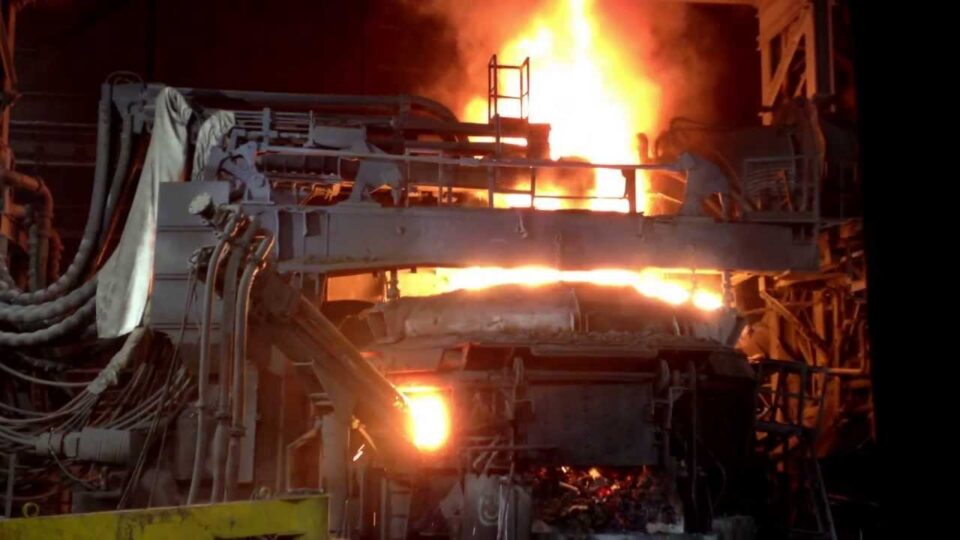
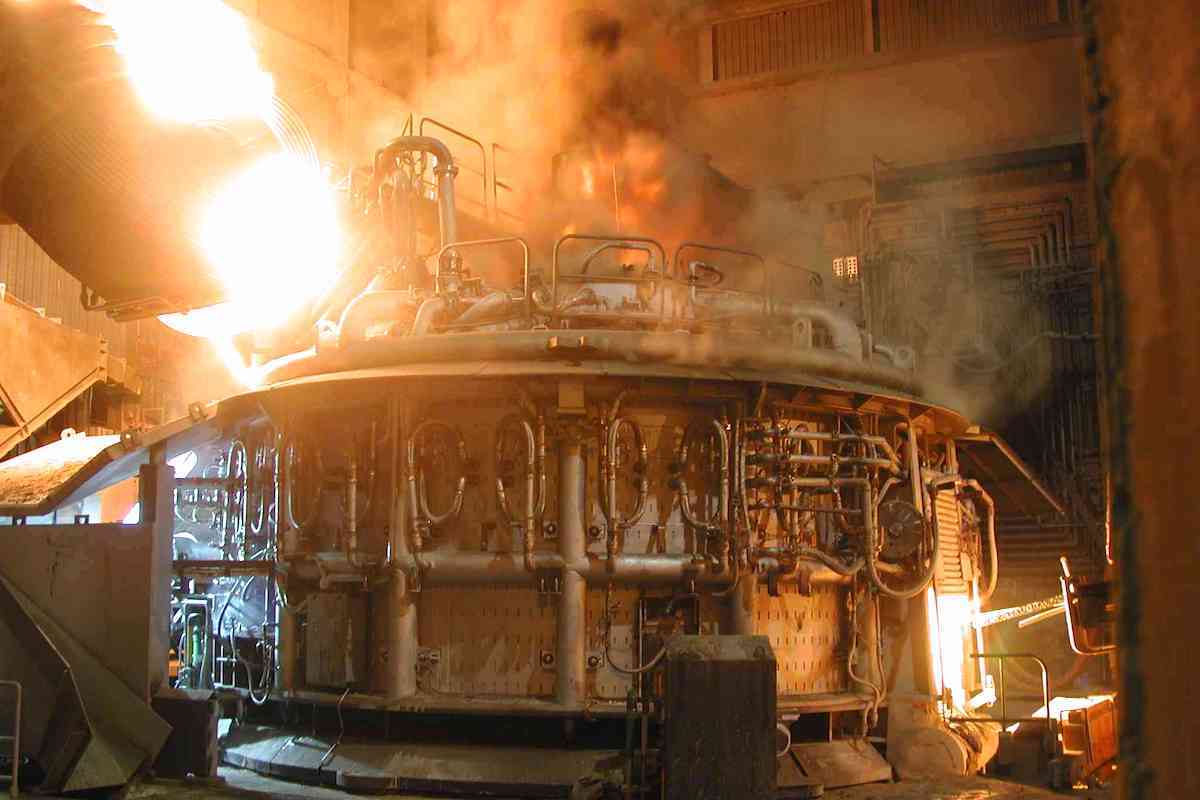
Steel is primarily produced using one of two methods:  blast furnaces or electric arc furnaces.  The first blast furnaces were built in the 14th century.  Making steel in a blast furnace starts by melting the raw materials of iron ore, limestone, and coal at very high temperatures.  The resultant reactions ultimately lead to two products:  iron saturated with carbon and carbon dioxide.  A second furnace reacts the liquid iron with oxygen to remove the carbon and results in steel along with even more carbon dioxide.

Making steel using an electric arc furnace is considerably less emissions-intensive and more sustainable.  So-called circular steel making powered by electric arc furnaces uses electricity to melt scrap and other input materials and turn them into high-quality steel.  Of course, to really minimize the emissions associated with steelmaking, the arc furnaces need to get their power from renewable energy sources. 

The global steel industry is turning away from polluting coal-fired blast furnaces and towards electric arc furnaces, which now account for roughly half of all planned new steelmaking capacity. This represents real progress towards a green steel transition.

By the end of this decade, electric arc furnaces will account for more than a third of steelmaking.  However, there are still plenty of new coal-based steel furnaces being built.  So even as electric arc furnaces account for a greater share of steelmaking, these new coal furnaces will still drive emissions upward.   Environmental advocates argue that what the steel industry needs is to make clean development a true priority and back away from coal-based developments.

**********

Web Links

Steelmakers Increasingly Forgoing Coal, Building Electric

Photo, posted July 16, 2018, courtesy of Daniel Steelman via Flickr.

Earth Wise is a production of WAMC Northeast Public Radio
Where do states get their electricity?

September 3, 2024 By EarthWise Leave a Comment

Exploring how states produce their electricity

How the United States produces its electricity has changed dramatically over the past few decades.  Coal used to be the dominant source of power in this country, but natural gas surpassed it in 2016, and coal’s share has been shrinking ever since.  Fossil fuel still generates the majority of America’s electricity, but renewable power is increasing its contribution all the time.

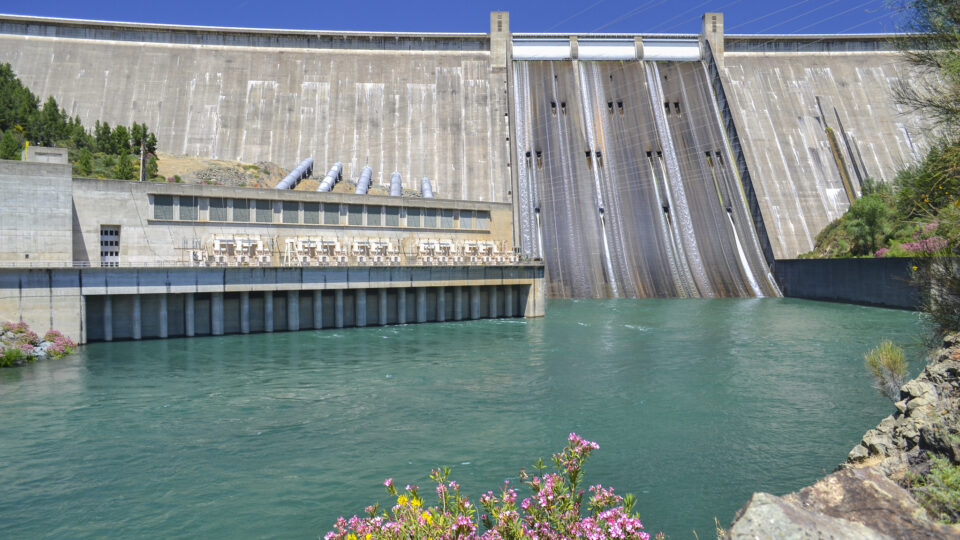
On a state-by-state basis, there are very large variations in the mix of power sources.  Ten states still get their largest amount of power from coal, but this is down from 32 states in 2001.  Four states have hydroelectric power as their largest source, including Vermont which gets more than half of its power that way. 

Texas produces more electricity than any other state by a wide margin.  It’s not just because it has a large population. It is because it uses huge amounts of power to refine petroleum products.  Coal produces only 13% of Texas’ electricity and the state is by far the country’s largest producer of wind power.

New York gets nearly half of its power from natural gas, 21% from hydroelectric power, and 21% from nuclear power.  Wind and solar power are still small, but both are growing in the state.

When people try to assess the climate impact of driving electric cars, based on the origins of the electricity they use to power the car, the results can vary dramatically based on what state they live in.  Nationwide, electricity is getting cleaner and greener, but the process is by no means uniform across the country.

**********

Web Links

How Does Your State Make Electricity?

Photo, posted March 17, 2021, courtesy of Bureau of Reclamation via Flickr.

Earth Wise is a production of WAMC Northeast Public Radio
Industrial agriculture and the risk of pandemics

August 16, 2024 By EarthWise Leave a Comment

The domestication of pigs, cows, chickens, and other animals as livestock for their meat, milk, and eggs was historically revolutionary.  It boosted food security by giving people a readily-available means of feeding themselves as opposed to more traditional methods such as hunting and fishing.

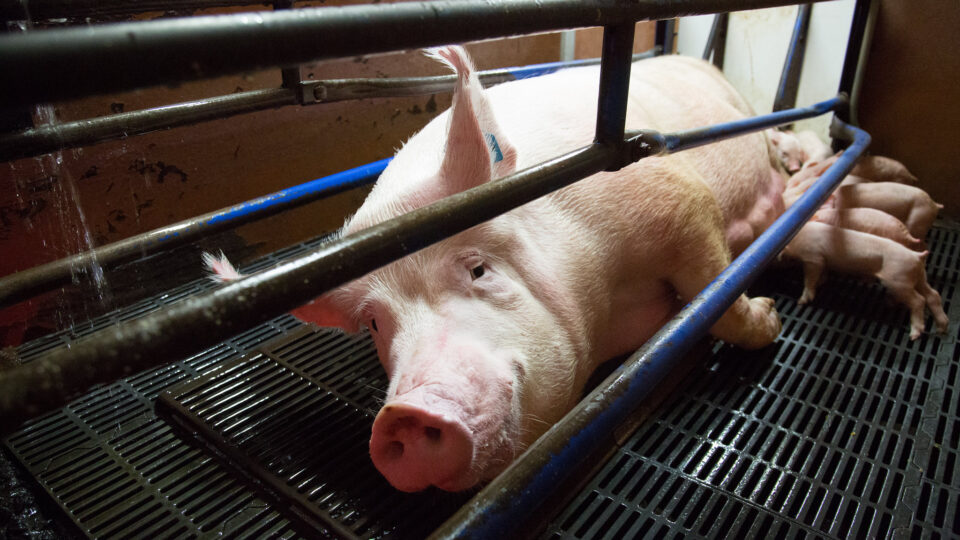
But the industrialization of agriculture has led to horrendous conditions for animals.  Many are kept in huge quantities and packed together with little regard for their health and welfare.  This approach is designed to maximize production while minimizing costs.

With its chemical inputs and toxic outputs, intensive animal agriculture is also a major threat to the environment.  In fact, it’s a major driver of habitat degradation and biodiversity loss all around the globe.  

According to a new study led by researchers from the University of Exeter in the U.K., intensive livestock farming can also increase the risk of new pandemics.  These findings go against the widely held belief that industrialized farming reduces the risk of disease transmission between animals and humans. 

Zoonotic diseases are those that are spread from animals to humans.  According to the CDC, zoonotic infections account for three in every four new or emerging infectious diseases in humans.  The current bird flu outbreak in the U.S. is an example of this. 

In the paper, which was recently published in the journal Royal Society Open Science, the researchers conclude that the effects of intensifying animal agriculture “are at best uncertain and at worst may contribute to emerging infectious disease risk.”

Industrial animal agriculture is a threat to both human health and the health of our planet.

**********

Web Links

Intensive farming could raise risk of new pandemics

Photo, posted January 29, 2016, courtesy of Farm Watch via Flickr.

Earth Wise is a production of WAMC Northeast Public Radio
Increasing plastic recycling

August 15, 2024 By EarthWise Leave a Comment

How to increase the rate of plastics recycling

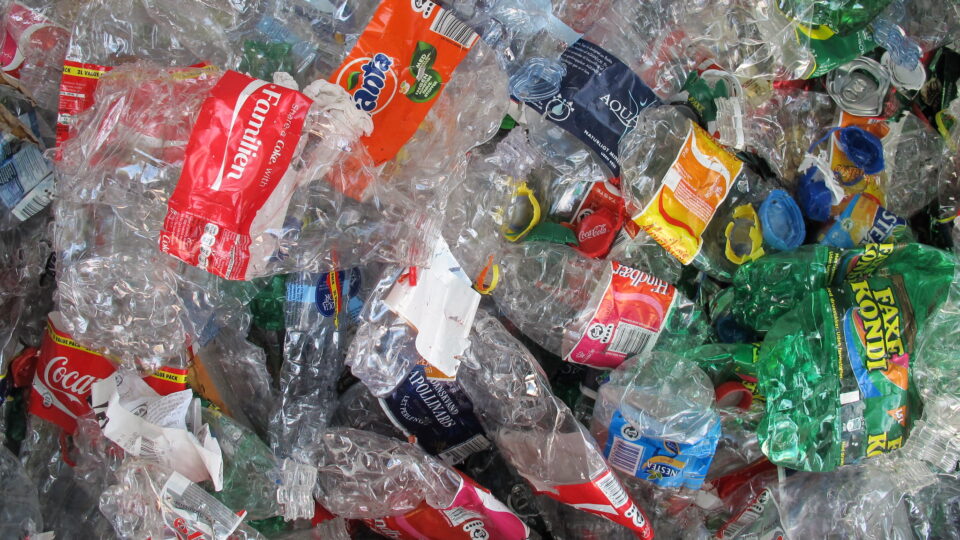
Recycling plastic is a complicated matter.  There are many different types of plastic and knowing which things are made of which type isn’t easy.  There are increasingly widespread recycling systems across the U.S., but the actual rates of recycling have been described as “abysmal”.

The plastic commonly used in beverage bottles is polyethylene terephthalate, or PET.  The present nationwide rate of recycling PET is about 24% and has been about at that level for a decade.

A new study by MIT has found that with a nationwide bottle deposit program, the rates could increase to 82%.  At that level, nearly two-thirds of all PET bottles could be recycled into new bottles at a net cost of just a penny a bottle.

The study looked at PET bottle collection and recycling rates in different states as well as other nations with and without bottle deposit policies, and with and without curbside recycling programs.  The study is the first to look in detail at the interplay between public policies and the detailed end-to-end aspects of the packaging, production and recycling market.

Recycling of PET is highly successful in terms of quality.  New products made from all-recycled material is virtually indistinguishable from virgin material.  The crucial bottleneck is the collection of sufficient amounts of material to meet the needs of processing plants.  So, the conclusion of the study is that with the right policies in place, significant improvements can be made.  Several European countries manage to collect more than 90% of PET bottles for recycling.  So, it can be done.

**********

Web Links

How to increase the rate of plastics recycling

Photo, posted August 10, 2013, courtesy of Lisa Risager via Flickr.

Earth Wise is a production of WAMC Northeast Public Radio

Strawberries and climate change

August 12, 2024 By EarthWise Leave a Comment

The changing climate threatens the future of strawberries

The demand for strawberries continues to climb around the world.  According to data from World Population Review, China remains the global leader in strawberry production, a spot it’s held since 1994.  Last year, China produced 3.3 million tons of strawberries, followed by the United States at 1.05 million tons, Egypt at 597,000 tons, and Mexico at 557,000 tons.

While strawberries are grown coast to coast in the U.S., California and Florida are the top two strawberry-producing states due to their favorable climate conditions.  In fact, California produces more than 90% of the domestic strawberry crop.  But Florida plays a key role in domestic strawberry production as well by growing the majority of the winter crop. 

A new study by researchers from the University of Waterloo in Canada has examined the effect of climate change on California’s strawberry crop.  According to the research team, strawberries could be fewer and more expensive because of the higher temperatures caused by climate change.  The report, which was recently published in the journal Sustainability, found that a 3° Fahrenheit rise in temperature could reduce strawberry yields by up to 40%.

According to the researchers, the impact of climate change on strawberry production could be mitigated by implementing certain sustainable farming practices.  These include optimizing irrigation to ensure adequate water supply during heat waves and using shading plants and shade structures to mitigate heat stress.

Understanding how rising temperatures affect crop yields should encourage farmers and governments to develop sustainable agriculture responses to global warming.

**********

Web Links

Influence of Regional Temperature Anomalies on Strawberry Yield: A Study Using Multivariate Copula Analysis

Strawberry Production by Country 2024

Researchers predict fewer, pricier strawberries as temperatures warm

Photo, posted June 3, 2007, courtesy of David Slack via Flickr.

Earth Wise is a production of WAMC Northeast Public Radio
Barley plastic

July 24, 2024 By EarthWise Leave a Comment

Making biodegradable plastic from barley

The durability, malleability, and low cost of plastics have made them ubiquitous.  Plastics are everywhere:  in packaging, clothing, and an endless variety of products.  As a result, they are everywhere in the environment and they tend to stay there, contaminating land and sea.  They are tough to recycle, and their production emits more carbon dioxide than all air traffic combined.  The search for viable substitutes for plastic is global and intensive.

Most common bioplastics are not an ideal solution.  They don’t break down that easily when tossed into the natural environment.  The process can take years. 

Researchers at the University of Copenhagen have invented a new material made from modified starch that can completely decompose in nature and can do so in only two months.  The material is made using natural plant material from crops and could be used for food packaging as well as many other things.

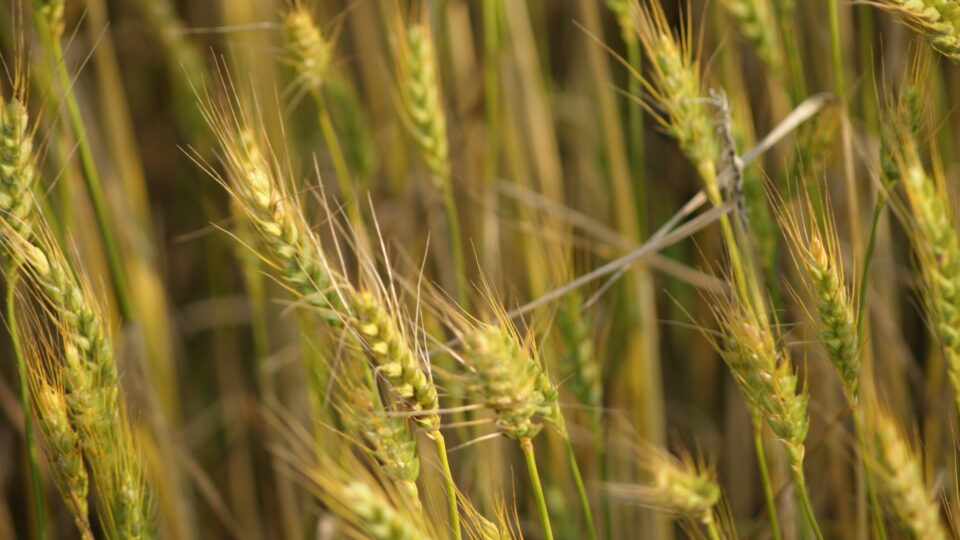
The new material is a biocomposite composed of several substances that decompose naturally.  The main ingredients are amylose and cellulose, common in many plants.  Amylose is extracted from crops like corn, potatoes, wheat, and barley.

The Danish researchers have developed a barley variety that produces pure amylose in its kernels.  Pure amylose is ideal because it is less likely to turn into a paste when it interacts with water. 

Combining the amylose with cellulose forms long, strong molecular chains, resulting in a durable, flexible material that can replace plastic in many applications.  The research team has founded a spinoff company and have applied for a patent for the new material.  It is unclear when the biofriendly barley-based plastic might be commercialized, but its potential is quite good.

**********

Web Links

Researchers invent one hundred percent biodegradable “barley plastic”

Photo, posted May 20, 2010, courtesy of Frederick Lang Jr. via Flickr.

Earth Wise is a production of WAMC Northeast Public Radio

Glaciers in Venezuela

June 24, 2024 By EarthWise Leave a Comment

There are nearly 200,000 glaciers in the world.  About 91% of them are in Antarctica and 8% in Greenland.  The rest are scattered across nearly 50 countries.  The non-polar country with the most glaciers is actually Pakistan, which has over 7,200 of them.  But as the world continues to warm, glaciers are shrinking back, and many are disappearing altogether.

Venezuela, once home to six glaciers, has become the first country in the Americas to lose all of its glaciers.  Slovenia is considered to be the first country to lose its glaciers in modern times, perhaps as long as 30 years ago.  Glacial thawing has been worsening over the past decade throughout the Andes, which cover parts of Colombia, Venezuela, Bolivia, Ecuador, Peru, Chile, and Argentina.

Five of Venezuela’s glaciers had largely melted away by 2011.  The Humboldt glacier, which is on the highest peak in the Cordillera de Mérida mountain range in Venezuela, has now been declared as too small to be classified as a glacier.  It once covered over a thousand acres; it now has less than 5 acres of ice.  The US Geological Survey defines glaciers as ice bodies extending 25 acres or more.

The loss of glaciers in the Andes has serious consequences for communities that live on their slopes and depend upon glacial melt for water and for energy and food production. 

At least 80% of glaciers worldwide are on track to mostly disappear by the year 2100 because of global warming.  Given that previous forecasts estimated that the Humboldt glacier might last another decade, the prospects for the world’s remaining glaciers are not good.

**********

Web Links

Venezuela becomes first nation in the Americas to lose all glaciers

Photo, posted November 11, 2012, courtesy of Tim Snell via Flickr.

Earth Wise is a production of WAMC Northeast Public Radio
Recycling cement

June 21, 2024 By EarthWise Leave a Comment

Recycling concrete may have a future

Concrete is the second-most-used material on the planet.  Only water is used more.  Producing concrete is responsible for 7.5% of human-produced carbon dioxide emissions.  So, finding a cost-effective way to reduce these emissions is a major challenge in the face of ever-growing global demand for concrete.

Researchers at Cambridge University have found that used cement is an effective substitute for lime flux, which is an essential material used in steel recycling that results in a waste product called slag.  When lime is replaced with used cement, the end product instead is recycled cement that can be used to make new concrete.

The process does not add any significant costs to concrete or steel production and significantly reduces the emissions associated with both.

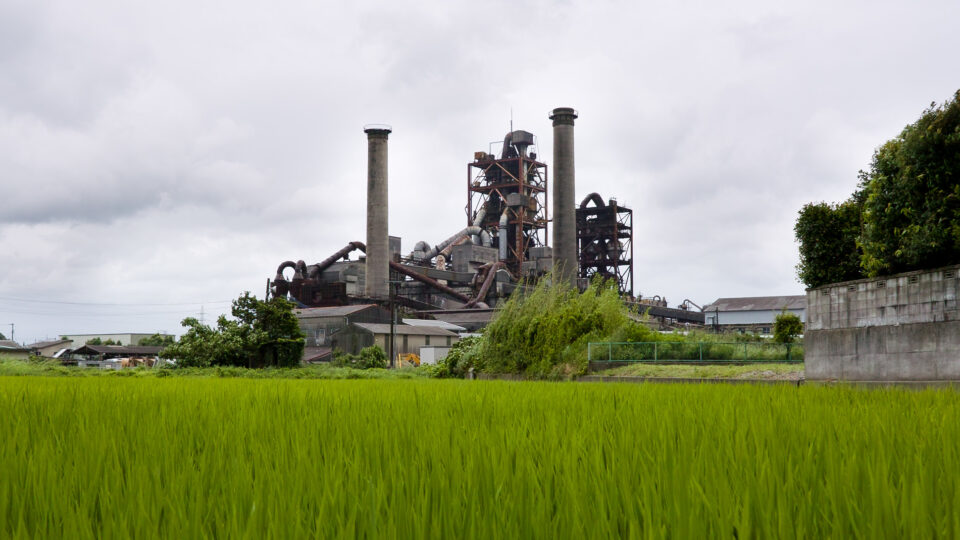
Concrete is made from sand, gravel, water, and cement.  Cement is made by a process called clinkering, in which limestone and other materials are heated to 2,600 degrees Fahrenheit.  The process converts the materials into cement but releases large amounts of CO2 as limestone decarbonates into lime. 

Cambridge researchers found that using cement clinker and iron oxide instead of lime works well in steel recycling.  Crushing old concrete and taking out the sand and stone results in a cement that is reactivated by the recycling furnace to produce a material with excellent properties. 

Recent tests by the Materials Processing Institute showed that recycled cement can be produced at scale in an electric arc furnace.  Ultimately, this method could produce zero emission cement if the electricity for the furnace comes from renewable sources.

**********

Web Links

Cement recycling method could help solve one of the world’s biggest climate challenges

Photo, posted July 18, 2011, courtesy of Kenta Mabuchi via Flickr.

Earth Wise is a production of WAMC Northeast Public Radio
Olive oil and climate change

June 18, 2024 By EarthWise Leave a Comment

Climate change threatens the future of olive oil

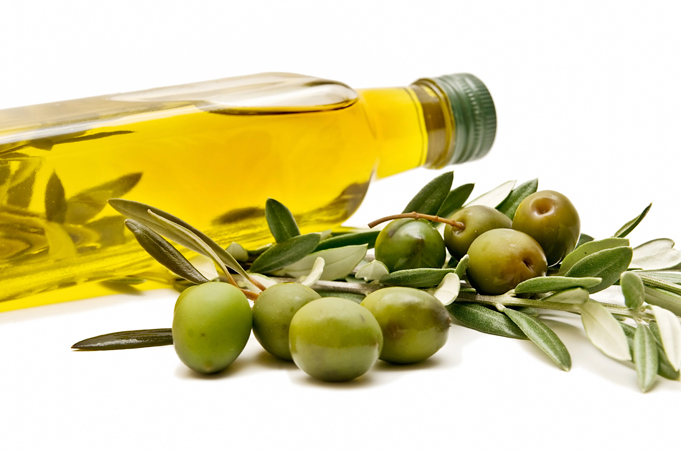
Olive oil is a liquid fat obtained by mashing whole olives and extracting the oil.  A superfood staple of the Mediterranean diet, olive oil is used in kitchens around the world for frying, sauteing, baking, and as a condiment.  It can also be widely found in cosmetics, soaps, and pharmaceutical products. 

Globally, 2.6 million tons of olive oil were consumed last year.  Spain is currently the world’s largest producer of this “liquid gold,” accounting for 44% of global production.  The second largest producer of olive oil is Italy, followed by Greece, Tunisia, Turkey, and Morocco.   

But recently, the price of olive oil has been rocketing up.  Droughts, wildfires, floods, and heat waves, combined with pests, have punished olive-producing regions around the world.  The climate-fueled extreme weather has significantly impacted olive oil production in southern Europe.  Olive trees are exceedingly vulnerable to climate change. 

Spain, for example, typically produces somewhere between 1.3 to 1.5 million metric tons of olive oil each harvest.  However, officials expect a production range of only 830,000 to 850,000 metric tons this season. 

This shortage has sent prices soaring.  According to the International Monetary Fund, the average price of olive oil has doubled over the past two years.  In fact, the price is currently hovering at or around $10,000 per metric ton.  And there doesn’t seem to be much relief in sight.  

The record-breaking price has also unsurprisingly fueled a surge in crime, with criminals targeting supermarkets, oil mills, and olive groves. 

The changing climate continues to threaten food security around the world. 

**********

Web Links

‘Liquid gold’: An olive oil shortage is fueling record prices and food insecurity fears

Extra virgin olive oil prices tipped to top £16 a litre next month

Photo, posted October 29, 2015, courtesy of the U.S. Department of Agriculture via Flickr.

Earth Wise is a production of WAMC Northeast Public Radio
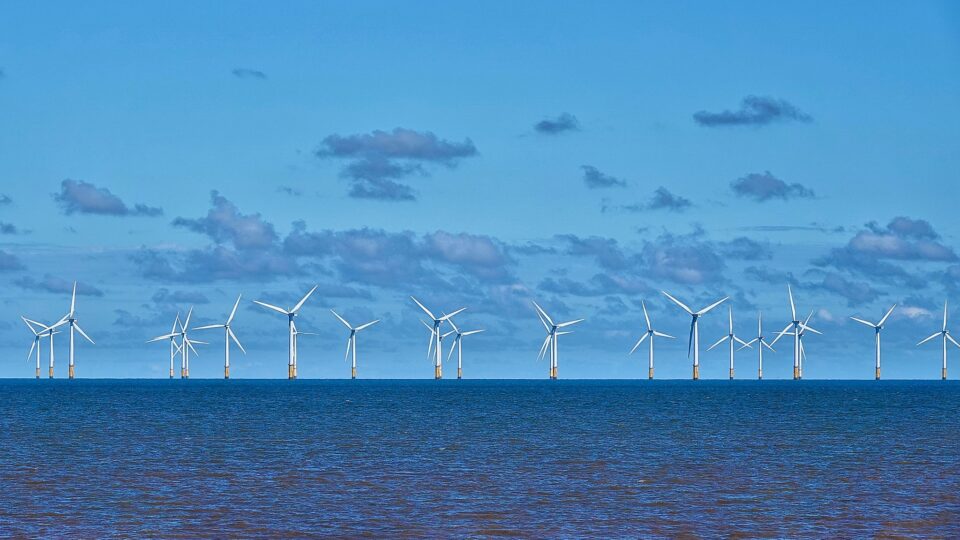
Offshore wind and the wake effect

May 28, 2024 By EarthWise Leave a Comment

Electricity demand in the U.S. continues to grow and, in the summer, homes and businesses crank up their air conditioning which drives demand even further.  Many East Coast cities are banking on offshore wind projects that are underway in the Atlantic Ocean to help meet that growing demand.  The first offshore turbines are now producing power off the coasts of Massachusetts and New York.

Electric power utilities need to know how much power they can get from offshore wind farms, and this is not that easy to predict.  Wind is variable, so there is some built-in uncertainty.  But there is also a phenomenon known as the wake effect to contend with.

When wind passes through a series of giant turbines, the ones in front extract some energy from the wind and, as a result, the wind slows down and becomes more turbulent behind the turbines.  So, the downstream turbines get slower wind and may produce less power.

A study by the University of Colorado has modeled this phenomenon for planned wind farms in the Atlantic Coast region and has found that power output could be reduced by over 30%.  Researchers are installing weather monitors and radar sensors in islands off the New England coast to better understand the behavior of the wind in the area and improve prediction models.

The New England grid covers Connecticut, Maine, Massachusetts, New Hampshire, Rhode Island, and Vermont. Even with the wake effect, offshore wind is predicted to be able to provide 60% of the electricity needs of the grid, but it is important to be able to accurately predict what it can produce.

**********

Web Link

How much energy can offshore wind farms in the US produce? New study sheds light

Photo, posted August 31, 2022, courtesy of Nina Ali via Flickr.

Earth Wise is a production of WAMC Northeast Public Radio

The cost of methane emissions

April 26, 2024 By EarthWise Leave a Comment

Stanford University-led research has determined that American oil and gas operations are emitting more than 6 million tons of methane each year.  The emissions come from both intentional vents and unintentional leaks. 

Methane is the main component of natural gas and losing that much of it through leakage is costing the industry a billion dollars a year just in lost revenue.  Adding in the harm to the economy and human well-being caused by adding this much potent greenhouse gas to the atmosphere is estimated to increase the cost of these emissions to $10 billion a year.

These emission and cost estimates are roughly three times the level predicted by the U.S. government.  The Stanford numbers are based on roughly a million aerial measurements of wells, pipelines, storage, and transmission facilities in six of the nation’s most productive oil and gas regions located in Texas, New Mexico, California, Colorado, Pennsylvania, and Utah.  These areas account for 52% of U.S. onshore oil production and 29% of gas production.

The survey also found that fewer than 2% of the methane emitters are responsible for 50-80% of emissions in four of the regions.  It also found that midstream infrastructure – which includes gathering and transmission pipelines, compressor stations, and gas processing plants – is responsible for about half of total emissions.

While the federal government estimates that methane leakage averages about 1% of gas production, the new survey puts the number at 3%, and some regions lose almost 10% to leakage.

Better tracking and fixing these leaks – especially the larger ones –  is essential for climate change mitigation.

**********

Web Links

Methane emissions from U.S. oil and gas operations cost the nation $10 billion per year

Photo, posted June 5, 2015, courtesy of Dave Houseknecht / USGS via Flickr.

Earth Wise is a production of WAMC Northeast Public Radio
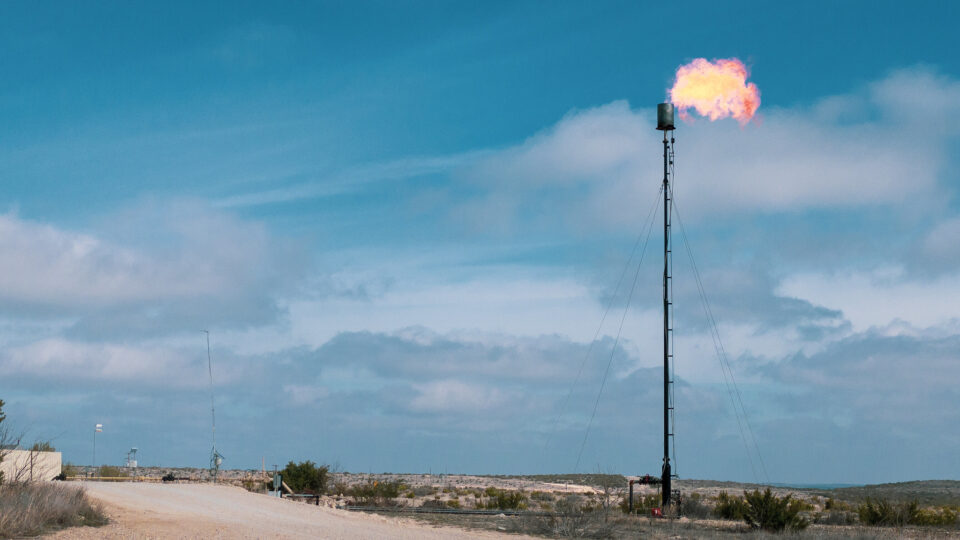
The health impacts of gas venting and flaring

April 15, 2024 By EarthWise Leave a Comment

Oil and gas producers around the world use venting and flaring to remove excess natural gas in crude oil production.  Flaring is the process of burning excess natural gas at the production well using a flare to ignite the methane and other components in the gas, while venting is the direct release of natural gas into the atmosphere. 

Both practices are major sources of greenhouse gas emissions contributing to global warming.   Venting and flaring release carbon dioxide and methane – two major greenhouse gases. 

The practices contribute to air pollution in surrounding and downwind communities, resulting in increased risk of hospitalizations, emergency room visits, worsening asthma, and even premature death.  In fact, according to a new study recently published in the journal GeoHealth, pollution from oil and gas venting and flaring results in $7.4 billion in health damages, more than 700 premature deaths, and 73,000 asthma exacerbations among children in the United States annually. 

The study, which was led by researchers at the University of North Carolina, Boston University, and the Environmental Defense Fund, also found that emissions are underreported, and controlling emissions would be profitable for operators and would significantly improve public health.

The research team found that Texas, Pennsylvania, and Colorado had the highest health burdens in this analysis, accounting for 45% of the premature deaths. 

The researchers hope their findings will help improve air quality and human health by reducing emissions from venting and flaring. 

**********

Web Links

New study quantifies health impacts from oil and gas flaring in U.S. 

Photo, posted June 20, 2020, courtesy of Jonathan Cutrer via Flickr.

Earth Wise is a production of WAMC Northeast Public Radio

Lithium in Arkansas

April 11, 2024 By EarthWise Leave a Comment

New method being explored to tap lithium deposits in Arkansas

There are more and more electric cars on the road and utilities are installing record amounts of battery storage to back up solar and wind power generation.  Both of these things currently use lithium-ion batteries so the need for them keeps growing.

There is actually plenty of lithium in the world.  Sources of more than 100 million tons have been identified, which is enough to meet the projected needs for decades.  But lithium is not easy, cheap, or environmentally friendly to extract.  It is either blasted out of rocks that are then roasted at 2000-degree temperatures, or it is extracted from brine in places like the high Andes where it leaves behind toxic residues.  Ramping up lithium production could greatly diminish the environmental benefits derived from green technologies.

A technique called direct lithium extraction, or DLE, may be a possible solution.  The lithium is pulled out of brine while leaving other dissolved compounds behind.  It is being tested in many places around the world and appears to offer the lowest negative impacts of available extraction technologies.

The Salton Sea area in California has rich deposits of lithium and is a good candidate for DLE.  But conditions may be even better in Arkansas whose Smackover Formation is a brine-rich expanse of limestone. 

The area was a productive oil field a hundred years ago and then undertook brine-processing in the 1950s to extract bromine.  So, the area already has industrial infrastructure and no new land would need to be cleared.

The former oil fields of Arkansas may become an important domestic source of lithium.

**********

Web Links

In Rush for Lithium, Miners Turn to the Oil Fields of Arkansas

Photo, posted February 26, 2021, courtesy of Ivan Radic via Flickr.

Earth Wise is a production of WAMC Northeast Public Radio

Energy efficient cows

April 5, 2024 By EarthWise Leave a Comment

Livestock production – primarily cows – produce nearly 15% of global greenhouse gas emissions, mostly in the form of methane emitted by burping caused by the way they process food.  A single cow produces roughly 200 pounds of methane gas per year and there are 1.5 billion heads of cattle in the world.

Researchers at Penn State University have found that supplementing the feed of high-producing dairy cows with the botanical extract capsicum oleoresin – a substance obtained from chili peppers – or a combination of that extract and clove oil resulted in the animals using feed energy more efficiently. 

Adding these substances – which are commonly called essential oils – to the cattle’s feed results in improved efficiency of energy utilization.  It is known that botanicals have the potential to modify fermentation in the cow’s largest stomach – called the rumen.

There have been previous studies for many years adding substances to dairy cow feed – such as seaweed, garlic, and oregano – in an effort to improve milk production and reduce environmental emissions from dairy farms.

The Penn State study was actually not specifically aimed at methane reduction but rather to better use the available energy from the feed to gain body weight.  However, the researchers found that the yield and intensity of methane from the cows in the study were decreased by 11% by the combination of capsicum oleoresin and clove oil.

Botanicals have shown a wide range of anti-microbial properties against bacteria, protozoa, and fungi, as well as being potential rumen modifiers in cattle.  The new study represents an interesting approach to improve the metabolism of dairy cows.

**********

Web Links

Dairy cows fed botanicals-supplemented diets use energy more efficiently

Photo, posted April 9, 2012, courtesy of Aimee Brown / OSU via Flickr.

Earth Wise is a production of WAMC Northeast Public Radio

Small changes can yield big results

March 29, 2024 By EarthWise Leave a Comment

Small changes in diet can yield big results for the planet

Global food production is one of the largest contributors to climate change.  In fact, one-quarter of the world’s greenhouse gas emissions result from food production and agriculture.  Be that as it may, we still have to eat.  But what we choose to eat has a major impact on the environment.

According to a new study by researchers at McGill University in Canada and the London School of Hygiene & Tropical Medicine in the U.K., partially replacing red and processed meat with plant-based proteins can increase lifespan and mitigate climate change. 

In the study, which was recently published in the journal Nature Food, the researchers drew data from a national nutrition survey to analyze Canadians’ dietary records. The study modeled partial replacements (25% and 50%) of either red and processed meat or dairy with plant protein foods like nuts, seeds, legumes, and tofu, on a combination of nutrition, health, and climate outcomes.

In the study, the researchers found that a person’s diet-related carbon footprint plummets by 25% when they replace half of their intake of red and processed meats with plant protein foods. However, dairy substitutions showed smaller reductions of up to just 5%.

Meat and dairy-rich diets are known to increase the risk of heart disease, diabetes, and certain cancers. The researchers also estimated that if half of the red and processed meat in a person’s diet was replaced with plant protein foods, life expectancy would increase nearly nine months on average, due to a reduced risk of chronic disease.

The research team hopes its findings will help people make healthier and more sustainable food choices. 

**********

Web Links

Food production is responsible for one-quarter of the world’s greenhouse gas emissions

Small dietary changes can cut your carbon footprint by 25%

Photo, posted November 24, 2019, courtesy of Theo Crazzolara via Flickr.

Earth Wise is a production of WAMC Northeast Public Radio
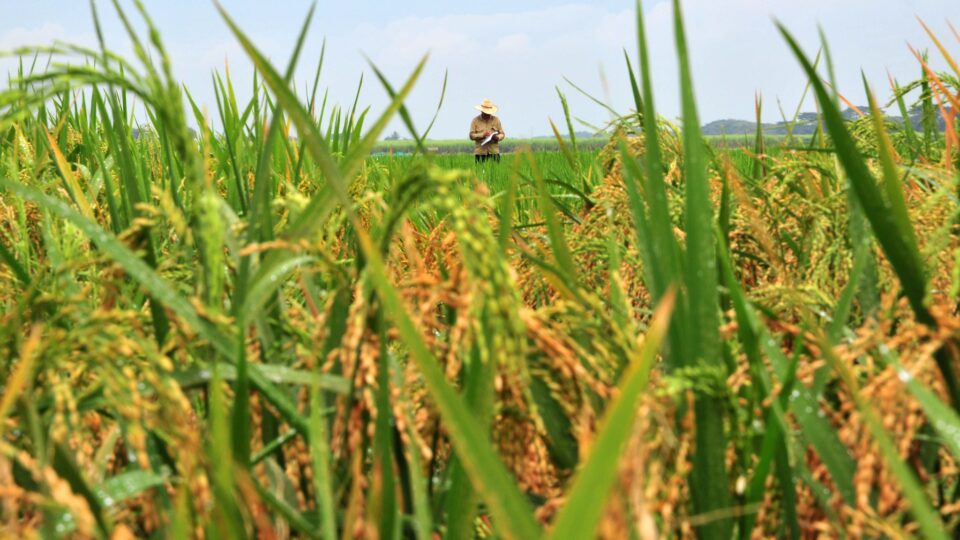
Hybrid beef rice

March 19, 2024 By EarthWise Leave a Comment

There is growing interest in innovative and more environmentally friendly ways to provide protein in our diets.  We’ve heard a great deal about lab-grown or cultured meats and about protein derived from insects. Whether either of these things achieves mainstream acceptance remains to be seen.

Scientists at Yonsei University in South Korea have developed a method for creating cultured beef rice – truly a hybrid food.  The method, described in the journal Matter, results in a nutritious and flavorful food that could be more affordable and have a smaller carbon footprint than current protein sources.

The researchers took rice grains – which are porous and have organized structures – and seeded them with beef muscle and stem cells and allowed them to culture for 9 to 11 days.  The harvested final product is a cell-cultured beef rice.

The hybrid beef rice was steamed and subjected to various food industry analyses, including nutritional value, odor, and texture.  The hybrid rice has 8% more protein and 7% more fat than regular rice.  It was somewhat firmer and more brittle than ordinary rice.  Hybrid rice with higher muscle content had beef- and almond-related odor compounds, while those with higher fat content had compounds corresponding to cream, butter, and coconut oil.

The hybrid rice has low food safety risks and a relatively easy production process.  If commercialized, the hybrid rice would be far less expensive than beef.  The researchers are optimistic that it can be commercialized.  They are continuing to work on the processing, hoping to further boost the nutritional value.  Like other unconventional foods under development, the biggest question is ultimately whether people will want to eat it.

**********

Web Links

By growing animal cells in rice grains, scientists dish up hybrid food

Photo, posted January 26, 2010, courtesy of CIAT / Neil Palmer via Flickr.

Earth Wise is a production of WAMC Northeast Public Radio
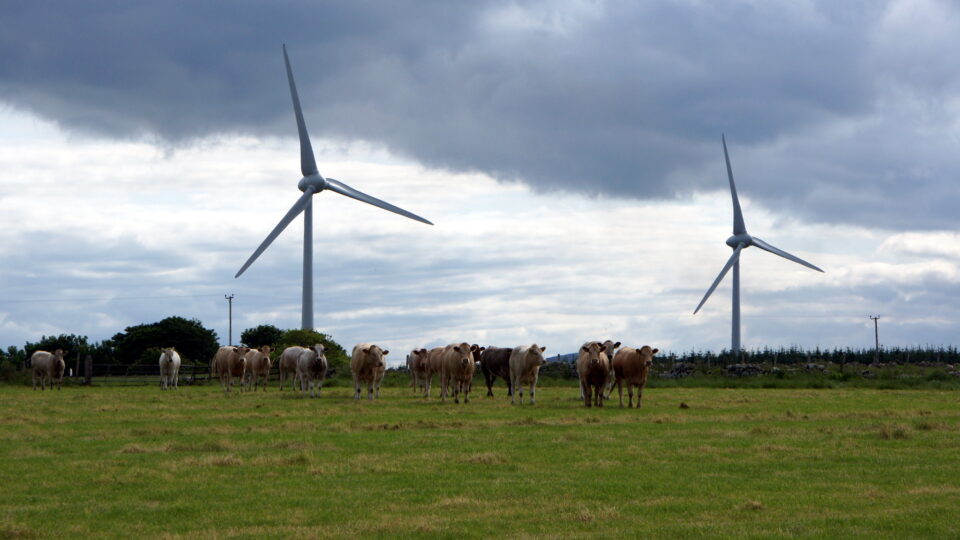
Record renewable energy in Scotland

March 1, 2024 By EarthWise Leave a Comment

Record renewable energy in Scotland

The Scottish government recently announced that in 2022, renewable technologies in that country produced the equivalent of 113% of Scotland’s electricity consumption.

Fossil fuels still supplied electricity in Scotland, helping to fill in gaps in renewable power, but the government figures showed that the growing amount of Scottish renewable generation can easily generate more power than the country uses.  Scotland has seen significant growth in wind power as well as a small drop in overall electricity consumption.

Scotland, with a population of only 5.5 million, aims to produce enough renewable power to both meet its own demand and export clean electricity to other countries.  The U.K. is the obvious potential customer, but it will need to upgrade its national power grid and develop enough capacity to store up surplus wind and solar power.

The U.K. itself is drawing less power from natural gas and coal than it has at any point in the last 66 years.  Fossil fuels supplied only 33% of British electricity in 2023 while renewables supplied 43%. 

Fossil power use in Britain peaked in 2008.  Since then, power from natural gas has fallen nearly in half while coal power has dropped by 97%.  The U.K. has aggressive decarbonization goals in place, but the current Conservative government under Prime Minister Sunak has recently set about weakening British climate policy.

Meanwhile, the Scottish government is talking about becoming a global renewables powerhouse and is making investments aimed at achieving it.

**********

Web Links

Record renewable energy output

Photo, posted July 21, 2010, courtesy of Martin Abegglen via Flickr.

Earth Wise is a production of WAMC Northeast Public Radio
  • « Go to Previous Page
  • Page 1
  • Page 2
  • Page 3
  • Page 4
  • Interim pages omitted …
  • Page 9
  • Go to Next Page »

Primary Sidebar

Recent Episodes

  • An uninsurable future
  • Clean energy and jobs
  • Insect declines in remote regions
  • Fossil fuel producing nations ignoring climate goals
  • Trouble for clownfishes

WAMC Northeast Public Radio

WAMC/Northeast Public Radio is a regional public radio network serving parts of seven northeastern states (more...)

Copyright © 2026 ·