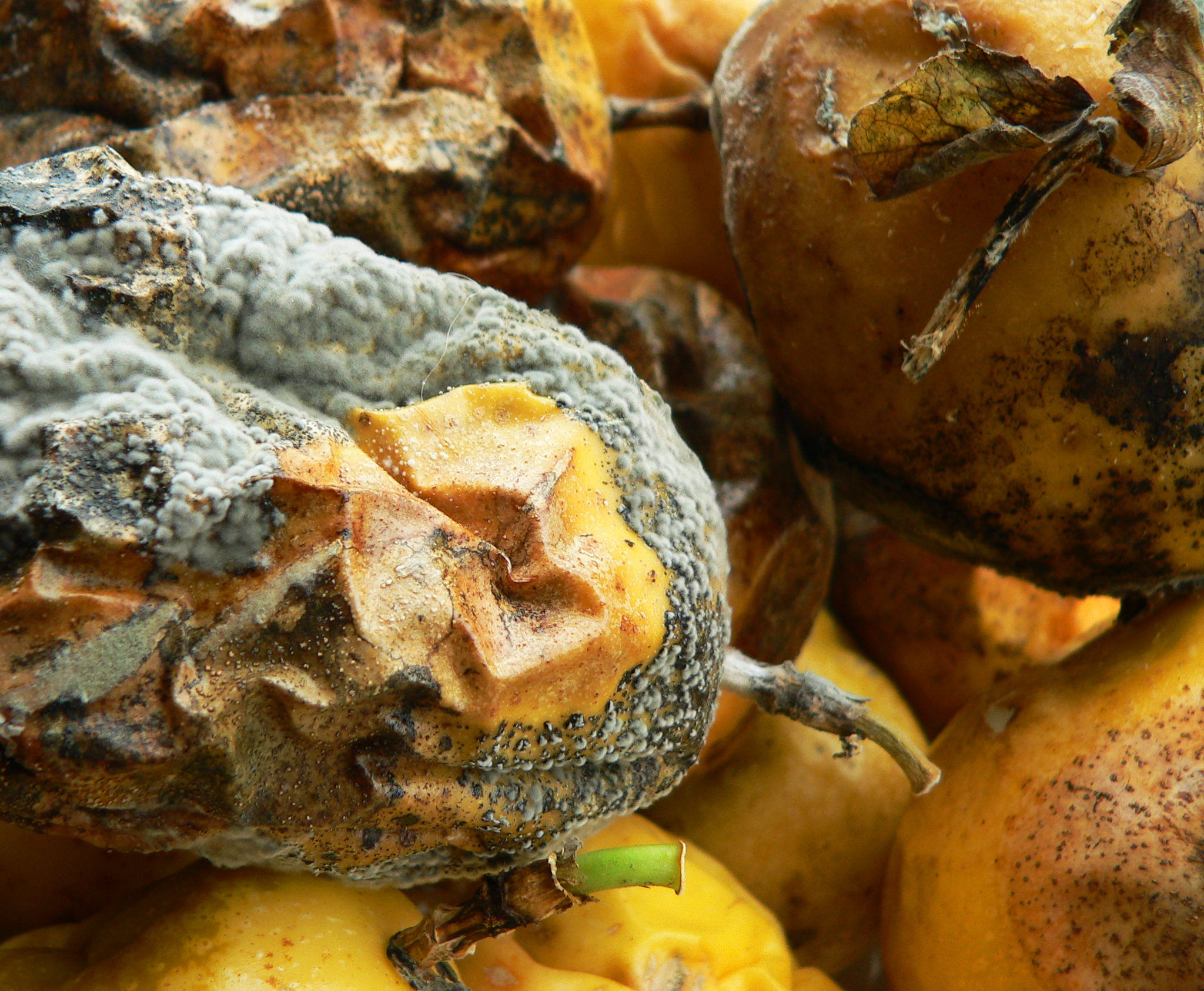
In a recent article in Science entitled “Waste not, want not, emit less,” Danish researchers looked at the problem of food waste in both developed and developing countries. Overall, about a third of the world’s food is lost or wasted, but the reasons for this vary in different parts of the world.
There are predictions that the world’s population could reach 10 billion by the year 2050. Whether population growth can be slowed down enough to prevent this remains to be seen. Regardless, it is clear that we need to figure out how to feed many more people than we have today and we are not even doing that good a job of feeding the current population.
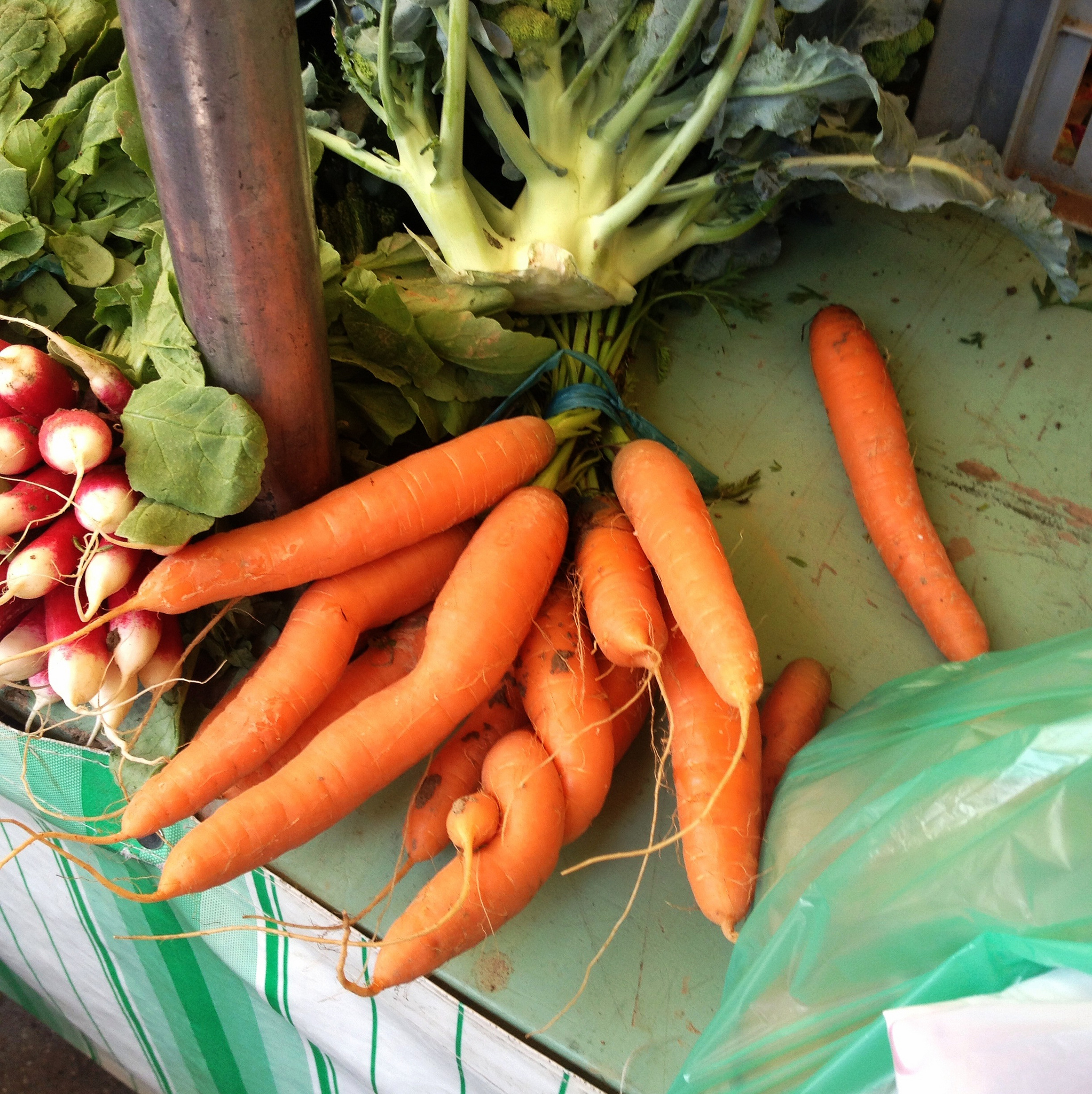
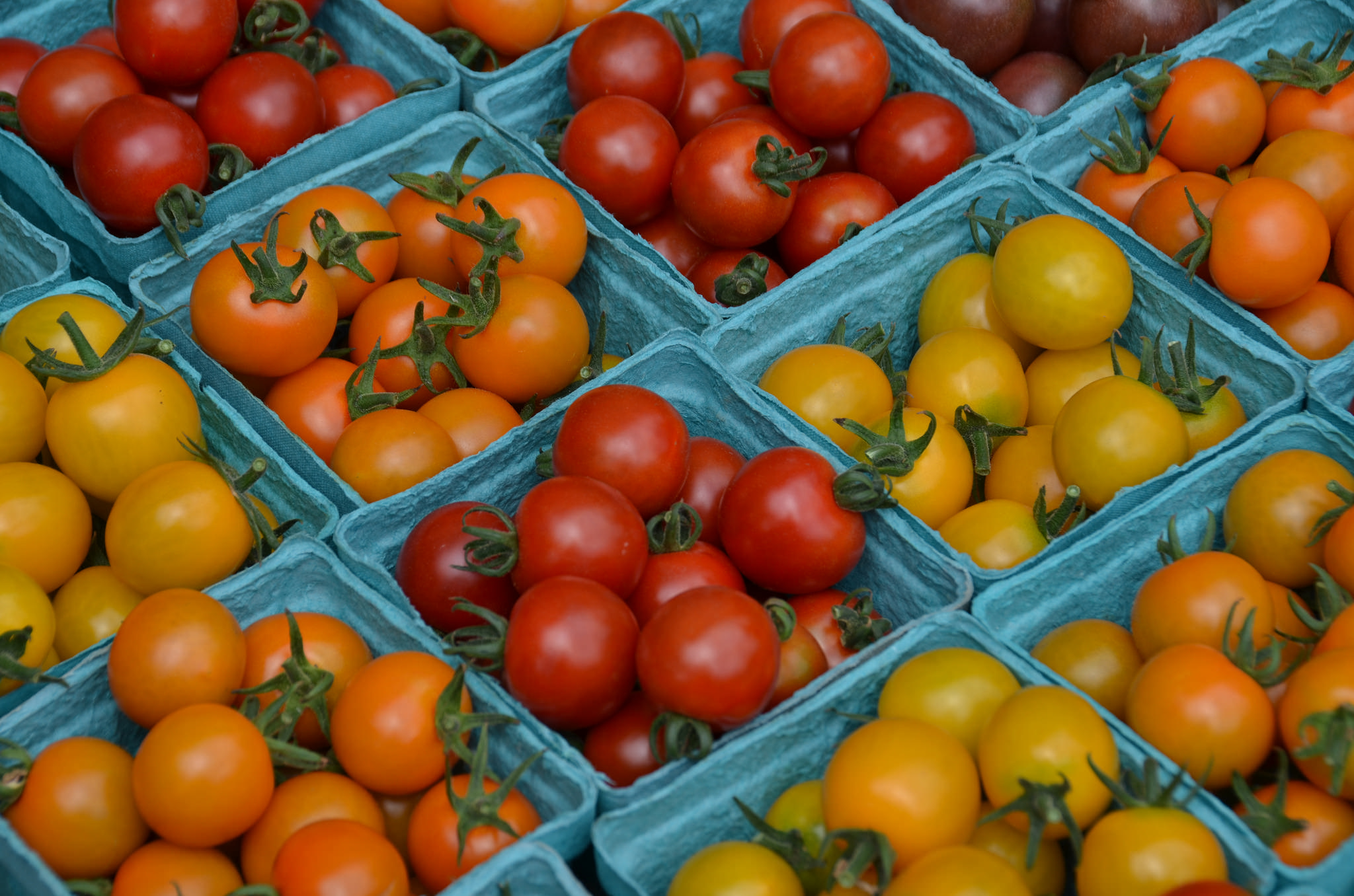
Estimates are that as much as 40% of produce in America is wasted. We throw out fruits and vegetables for a variety of reasons, but one of the most unfortunate is when produce is tossed simply because it doesn’t look good enough. Misshapen tomatoes, lumpy carrots, double-lobed potatoes, and crooked cucumbers end up in the waste bin instead of on our plates.
Augmenting food with preservatives is not a recent practice. For thousands of years, we have canned fruits with sugar, preserved meats with salt, and pickled vegetables so that they could keep in hot humid environments.
Government and private organizations have long been encouraging us to eat healthier diets. We have seen food pyramid charts for decades and the “5 a day” campaign has boosted our consumption of fresh fruits and vegetables.
In the Northeast, many are enjoying the last of autumn’s bounty. When we grow fruits and vegetables, we can choose to forgo pesticides, GMOs, or industrial fertilizer. When we shop at farmer’s markets, we support family farms and help maintain open space that we all enjoy.