• Skip to primary navigation
  • Skip to main content
  • Skip to primary sidebar

Earth Wise

A look at our changing environment.

  • Home
  • About Earth Wise
  • Where to Listen
  • All Articles
  • Show Search
Hide Search
You are here: Home / Archives for pristine

pristine

Deeper corals bleaching

December 7, 2023 By EarthWise Leave a Comment

Even deep corals are at risk from warming seas

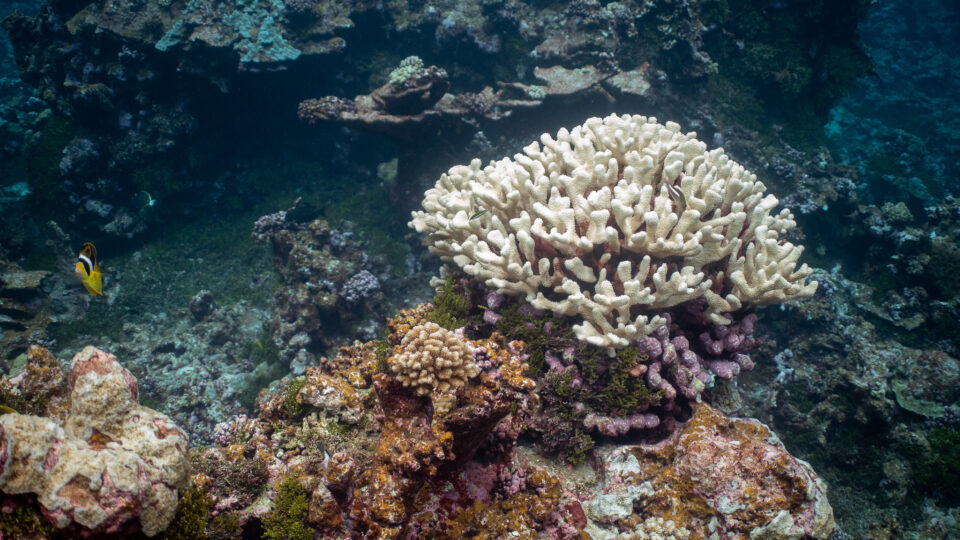
When ocean waters get too warm, corals – which are actually tiny animals – eject the colorful algae that inhabit their tissues.  The symbiotic relationship between coral polyps and algae is essential to coral survival   When the algae is ejected, previously colorful coral turns white, and the coral can ultimately die.  If waters cool off, the algae can reestablish themselves and the coral can regain its color and health.

The world’s oceans have been warming at an unprecedented rate, making coral bleaching and die-off a global phenomenon.  It is estimated that half of the planet’s reefs have already disappeared.  Some places are worse off than others.  For example, almost 95% of coral reefs in Southeast Asia are threatened.  Florida’s reefs are especially threatened, particularly since there have been unprecedented marine heatwaves off its coast.

It has long been assumed that deeper reefs, where water is cooler, would remain safe from the effects of warming, but a few years ago researchers recorded coral bleaching some 300 feet underwater along the Egmont Atoll in the western Indian Ocean.  At one point, bleaching affected 80% of corals in some areas.  This discovery came as a huge surprise to oceanographers.  It was probably associated with an El Niño-like phenomenon in the waters and those reefs have mostly recovered in the intervening years.

Fairly recently, researchers have found pristine coral reefs deep down in the waters off the Galapagos Islands, where shallow reefs have largely disappeared.  There are likely to be similar reefs in the ocean depths around the world, but scientists are expressing concern that even coral reefs lying deep beneath the ocean surface may not ultimately be protected from the warming seas.

**********

Web Links

As Oceans Warm, Coral Bleaching Seen at Greater Depths

Photo, posted June 5, 2023, courtesy of Ryan Hagerty / USFWS via Flickr.

Earth Wise is a production of WAMC Northeast Public Radio
A New Deep-Sea Reef In The Galapagos | Earth Wise

June 2, 2023 By EarthWise Leave a Comment

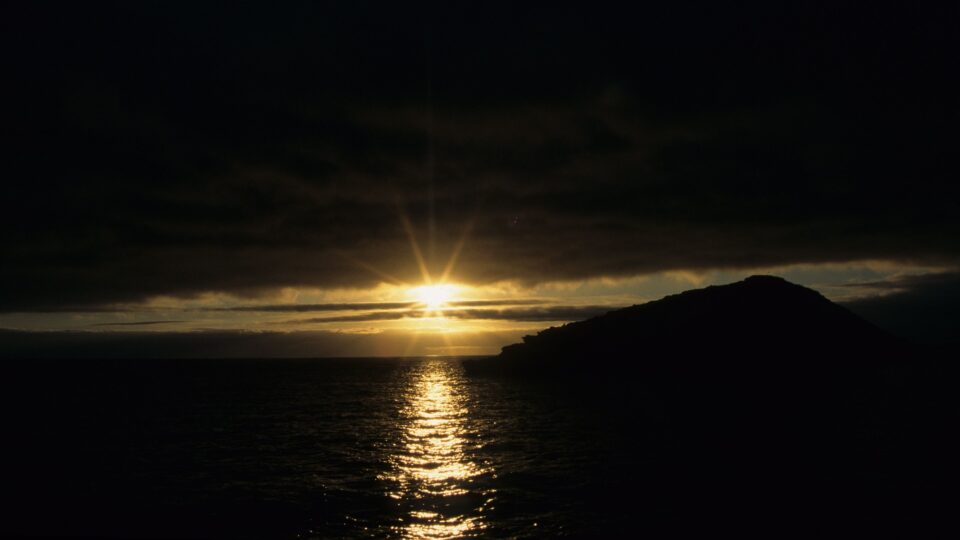
Like in many other places around the world, ocean warming has mostly destroyed the shallow-water reefs in the Galapagos Islands.  The islands are some of the most carefully protected places in the world, but they can’t escape the effects of a warming planet.

Recently, however, scientists have discovered a healthy, sprawling coral reef hidden deep under the sea in the Galapagos.  More than 1,300 feet underwater, the reef extends for several miles along the ridge of a previously unknown volcano in the Galapagos Marine Preserve.

The reef is pristine and is teeming with all sorts of marine life including pink octopus, batfish, squat lobsters, and a variety of deep-sea fish, sharks, and rays.

The expedition that discovered the new reef was led by the University of Essex in the UK.  Prior to this discovery, scientists thought that coral reefs were all but gone from the Galapagos.  A period of ocean warming in 1982 through 1983 wiped out more than 95% of the corals in the archipelago.  Only a few reefs in shallow waters remained.  The newly discovered reefs are sheltered deep under the sea and would have been protected from the deadly heat.

According to the scientists from the expedition, the newly discovered reef potentially has global significance because it represents a site that can be monitored over time to see how such a pristine habitat evolves with the ongoing climate crisis.  Reefs like this are clearly very old because coral reefs take a long time to grow. Finding this one means that it is likely that there are more healthy reefs across different depths that are waiting to be discovered.

**********

Web Links

Pristine Deep-Sea Reef Discovered in the Galápagos

Photo, posted March 28, 2009, courtesy of Derek Keats via Flickr.

Earth Wise is a production of WAMC Northeast Public Radio
Nanoplastics In The Air | Earth Wise

December 17, 2021 By EarthWise Leave a Comment

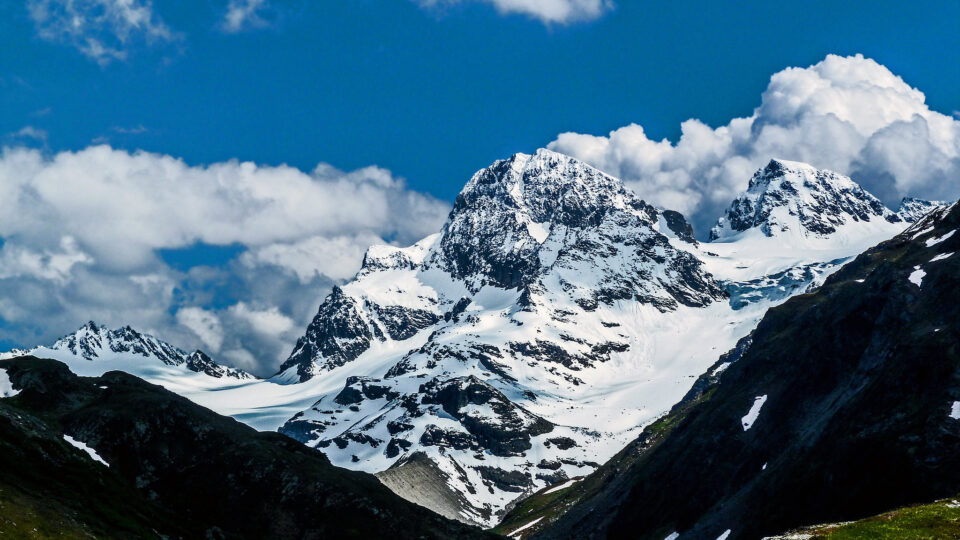
Austria, Silvretta mountains

The world is awash in plastic.  Discarded plastic litters our roadways, woodlands, and beaches.  It piles up in landfills.  Plastic enters the oceans by the millions of tons.  And plastic is finding its way even to remote and supposedly pristine parts of the world.

A team of researchers has found nanoplastics at the isolated high-altitude Sonnblick Observatory in the Austrian Alps.  This is the first time the particles were found in the area.  The researchers were looking for certain organic particles and only found the nanoplastics by chance.

The detected plastic particles were less than 200 nanometers in size, about one hundredth the width of a human hair.  It is highly unlikely that such particles originated in remote Alpine areas.

The researchers were looking for organic particles by taking samples of snow or ice, evaporating them, and then burning the residue to detect and analyze the vapors.  They described the detection method as essentially like a mechanical nose.  In this case, the nose smelled burning plastics in the form of polypropylene and polyethylene terephthalate.

Looking into the issue, the researchers found a strong correlation between high concentrations of nanoplastics and winds coming from the direction of major European cities – especially Frankfurt and the industrial Ruhr area of Germany, but also the Netherlands, Paris, and even London.

Modeling supports the idea that nanoplastics are transported by air from distant urban places.  This is particularly worrisome because it means that there are likely hotspots of nanoplastics in our cities and in the air that we are breathing.  Plastics appear to be everywhere.

**********

Web Links

Nanoplastics found in the Alps, transported by air from Frankfurt, Paris and London

Photo, posted July 1, 2013, courtesy of Robert J. Heath via Flickr.

Earth Wise is a production of WAMC Northeast Public Radio.

Plastic Pollution And The Galapagos Islands | Earth Wise

July 12, 2021 By EarthWise 1 Comment

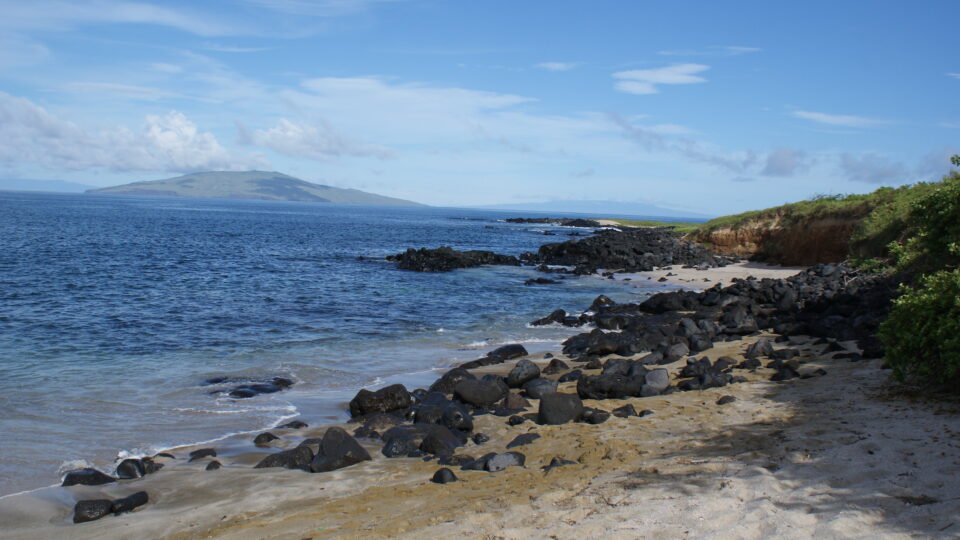
Plastic pollution is infiltrating the pristine Galapagos Islands

The proliferation of plastics remains one of the world’s most challenging environmental problems.  Plastic pollution can be found in some of the most remote regions of the planet, including atop the world’s tallest mountains and in the deepest depths of the ocean.  Even the Galapagos Islands, a volcanic archipelago in the Pacific Ocean, are no exception.

According to a new study by researchers from the University of Exeter, the Galapagos Conservation Trust, and the Galapagos Science Center, plastic pollution has been found in seawater, on beaches, and inside marine animals at the Galapagos Islands. 

In the most polluted hotspots, more than 400 plastic particles were found per square metre of beach. The researchers found that only 2% of macroplastic pollution – plastic fragments larger than five millimeters – was identified as coming from the Galapagos islands. All seven of the marine invertebrate species examined – 52% of individuals tested – were found to contain microplastics.

Significant accumulations of plastic were also found in key habitats, including rocky lava shores and mangroves. In fact, plastics were found in all marine habitats at the island of San Cristobal, which is where Charles Darwin first landed in Galapagos.

Most of the plastic pollution in the Galapagos appears to arrive via ocean currents. According  to the research team, the highest levels of plastic pollution were found on east-facing beaches, which are exposed to pollution carried across the ocean on the Humboldt Current. 

The pristine images of the Galapagos, a world-famous biodiversity haven, might give the impression that the region is protected from plastic pollution.  But clearly that is not the case.

**********

Web Links

Plastic in Galapagos seawater, beaches and animals

Photo, posted April 12, 2012, courtesy of Ben Tavener via Flickr.

Earth Wise is a production of WAMC Northeast Public Radio.

Frogs Are In Big Trouble

May 22, 2019 By EarthWise Leave a Comment

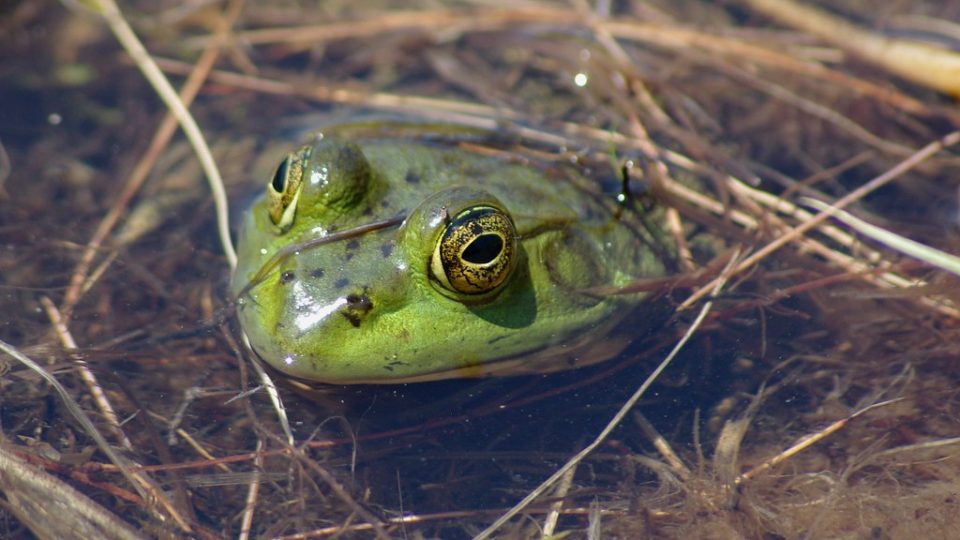
Scientists first noticed in the 1970s that some frog populations were declining rapidly.  By the 1980s, some species appeared to be extinct.  The loss of frog species was mysterious because many were actually living in pristine habitats that did not face pollution or deforestation.

By the late 1990s, researchers had identified that frogs in widely different places around the world were infected with a deadly fungus called Batrachochytrium dendrobatidis – or Bd for short.  The fungus originated on the Korean peninsula, but the pathogen spread throughout the world, probably via the international trade in pet amphibians.  By 2007, researchers speculated that Bd might be responsible for all known declines of frogs that had no other apparent cause – about 200 species.

Recently, a group of 41 scientists published the first worldwide analysis of the fungal outbreak and the devastation turns out to be far worse than anyone had previously realized.  Populations of more than 500 species of amphibians have declined significantly because of the outbreak, including at least 90 species presumed to have gone extinct.  These figures are more than twice as large as earlier estimates.

According to biologists, Bd is now considered to be the deadliest pathogen known to science.  But the decimation of frogs peaked in the 1980s.  Today, although 39% of the species that suffered population declines in the past are still declining, 12% are showing signs of recovery, possibly because natural selection is favoring resistant animals.

There is cautious optimism for the surviving amphibian species, but scientists worry that another strain of Bd or some different species of fungus altogether may prove even deadlier.  The best we can do is not participate in moving pathogens around the world.

**********

Web Links

The Plague Killing Frogs Everywhere Is Far Worse Than Scientists Thought

Photo, posted June 19, 2010, courtesy of Chris Luczkow via Flickr.

Earth Wise is a production of WAMC Northeast Public Radio.

A Philippine Coral Reef Survives

January 2, 2018 By EarthWise Leave a Comment

https://earthwiseradio.org/wp-content/uploads/2017/12/EW-01-02-18-Philippine-Coral-Reef-Survives.mp3

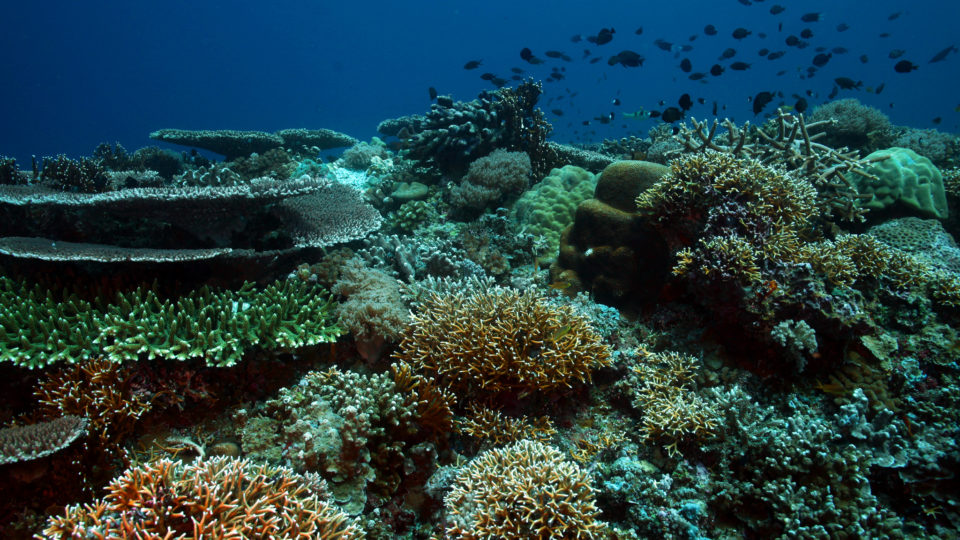
One of the greatest coral reef ecosystems in the world, the Tubbataha Reef in the Philippines, continues to prosper.  Undersea coral walls that plunge more than 300 feet deep are home to some 600 species of fish and 360 kinds of coral, about half of all known species.  According to experts, the ocean wilderness of Tubbataha Reef is about the closest thing to a true natural state for any reef in the world.

[Read more…] about A Philippine Coral Reef Survives

Lake Baikal

January 4, 2017 By EarthWise

https://earthwiseradio.org/wp-content/uploads/2016/12/EW-01-04-17-Lake-Baikal.mp3

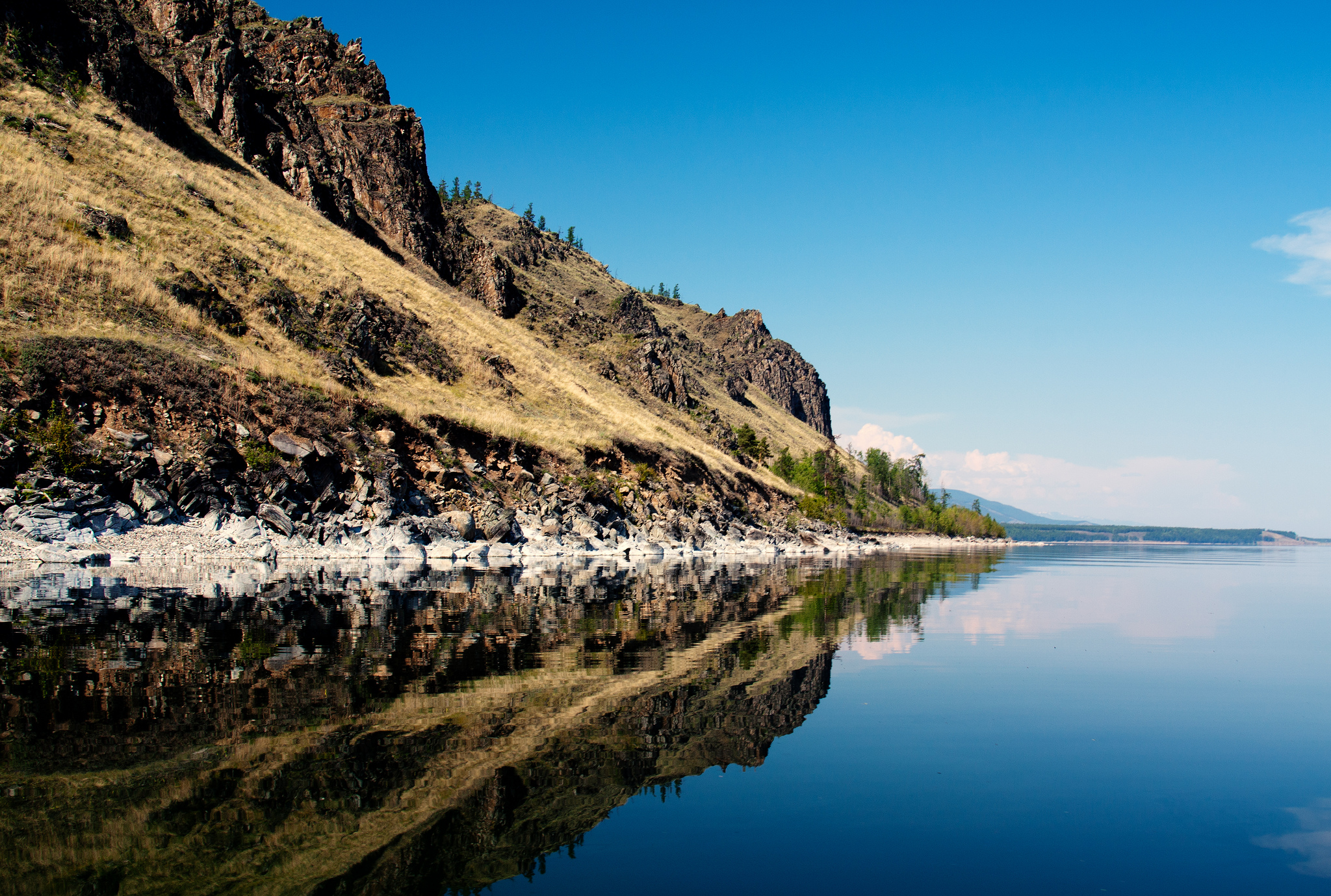
Lake Baikal is an ancient and massive body of freshwater found in the mountainous Russian region of Siberia.  Deep and voluminous, Lake Baikal holds 20% of the planet’s unfrozen freshwater.  And it’s often been described as the world’s cleanest and most pristine lake. 

[Read more…] about Lake Baikal

Arctic Shipping

December 21, 2016 By EarthWise

https://earthwiseradio.org/wp-content/uploads/2016/12/EW-12-21-16-Shipping-Through-the-Arctic.mp3

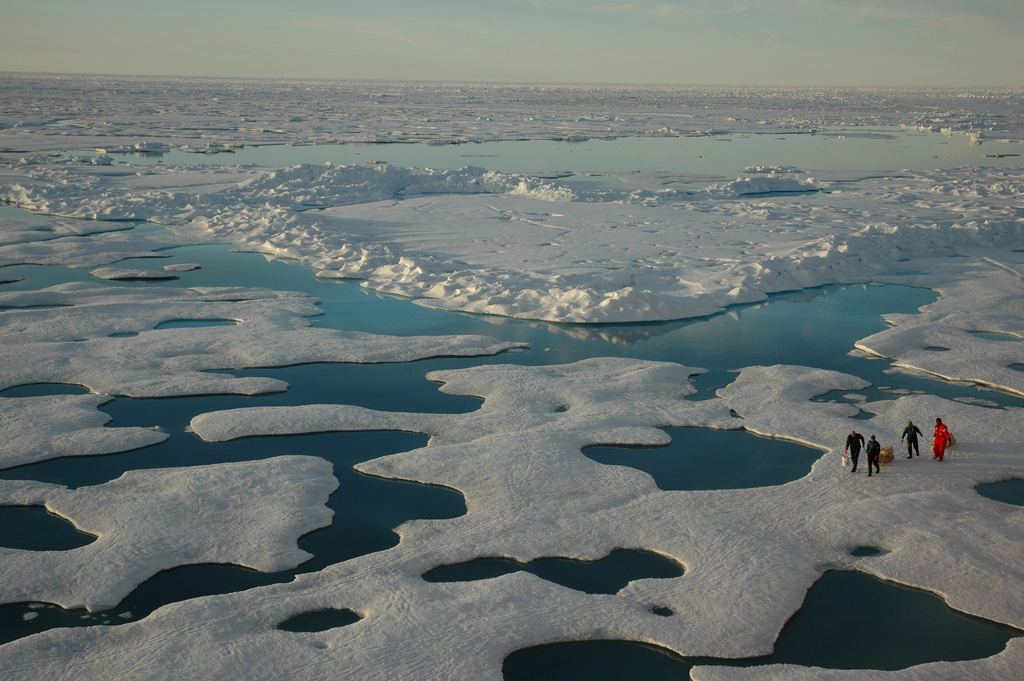
The Arctic used to be pretty much a pristine wilderness populated only by fairly small numbers of indigenous residents living environmentally benign lifestyles.  The disruptive elements of modern civilization were not much of a factor.   Because of the changing climate, this is no longer true.

[Read more…] about Arctic Shipping

Mercury And Selenium Pollution In The Grand Canyon

October 14, 2015 By EarthWise

colorado-river

https://earthwiseradio.org/wp-content/uploads/2015/09/EW-10-14-15-Colorado-River.mp3

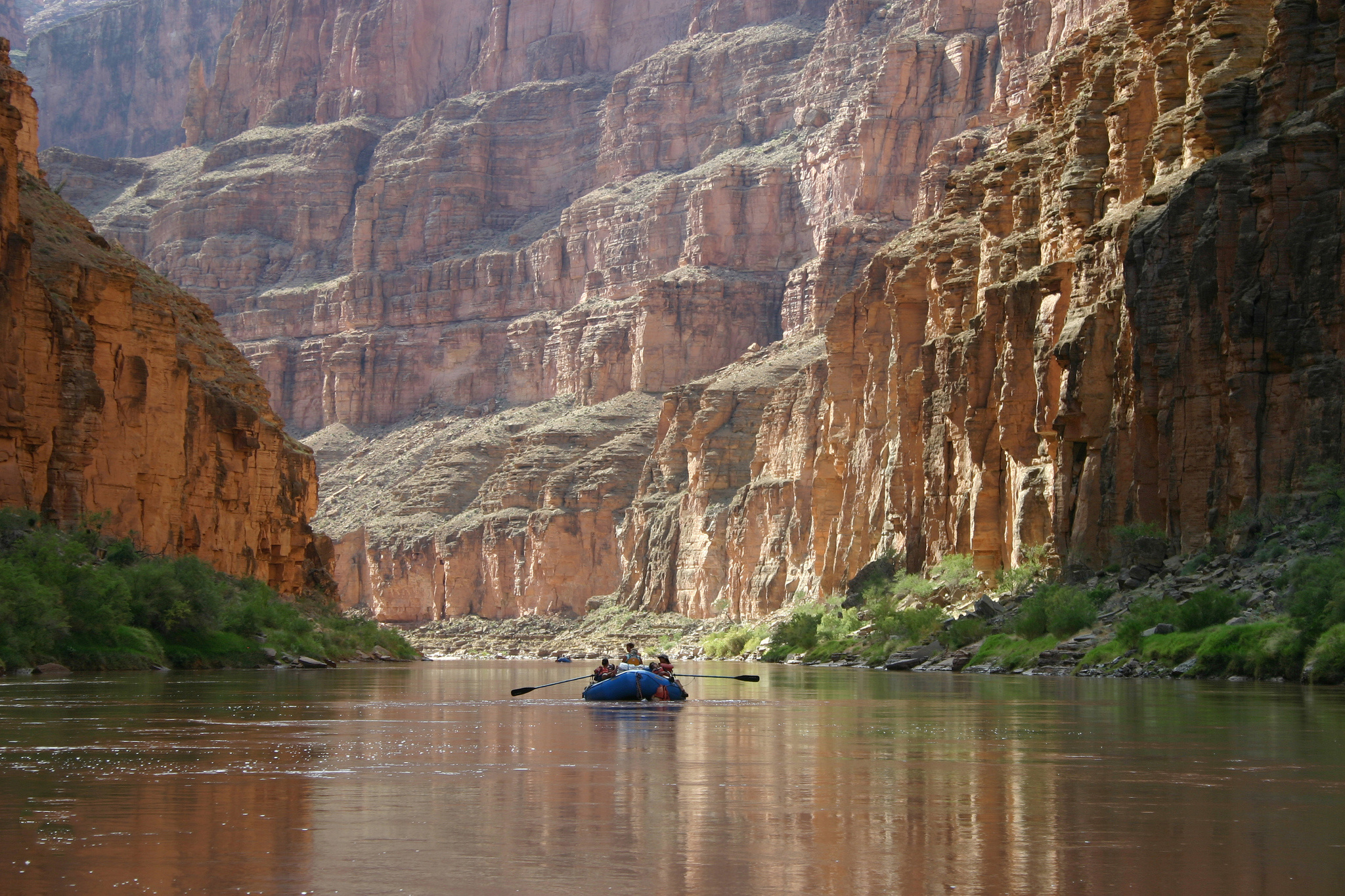
The Grand Canyon Reach of the Colorado River is breathtaking and remote. For hundreds of miles, the rugged landscape renders the river virtually inaccessible to people. Those intrepid enough to explore the area are treated to red rocks, blue skies, and meandering waters.

[Read more…] about Mercury And Selenium Pollution In The Grand Canyon

Primary Sidebar

Recent Episodes

  • An uninsurable future
  • Clean energy and jobs
  • Insect declines in remote regions
  • Fossil fuel producing nations ignoring climate goals
  • Trouble for clownfishes

WAMC Northeast Public Radio

WAMC/Northeast Public Radio is a regional public radio network serving parts of seven northeastern states (more...)

Copyright © 2026 ·