• Skip to primary navigation
  • Skip to main content
  • Skip to primary sidebar

Earth Wise

A look at our changing environment.

  • Home
  • About Earth Wise
  • Where to Listen
  • All Articles
  • Show Search
Hide Search
You are here: Home / Archives for plastic pollution

plastic pollution

Making Roads From Ocean Plastic

June 7, 2019 By EarthWise Leave a Comment

Like many other places around the world, India has a big problem with plastic waste.  Its 1.3 billion people each use an average of 24 pounds of plastic per year and much of it ends up in the Arabian Sea and Indian Ocean.

Fishermen in India’s southern state of Kerala have taken on the battle against plastic waste in the ocean by launching a campaign called Suchitwa Sagaram, or Clean Sea, in which they are collecting the plastic and bringing it back to shore.

In the first 10 months of the program, fisherman have removed 25 tons of plastic from the Arabian Sea.  Once the plastic waste reaches shore, it is fed into a plastic shredding machine.  As is the case for many of India’s plastic recycling schemes, the shredded plastic from the sea is converted into material that is used for road surfacing.

There are more than 20,000 miles of plastic roads in India, mostly in rural areas.  In fact, more than half the roads in the southern state of Tamil Nadu are plastic.  Such roads have become popular because they are more resilient to India’s searing heat.  The melting point of plastic roads is around 150 degrees Fahrenheit as compared to 122 degrees for conventional roads.

Roads made from recycled plastic are also cheaper than ones using conventional plastic additives.  A mile of plastic road uses the equivalent of a million and a half plastic bags and saves about a ton and a half of asphalt.  Overall, plastic roads are about 8% cheaper than conventional roads and create jobs for people in the fishing communities.

India’s plastic roads are a promising way to fight the problem of ocean plastic pollution.

**********

Web Links

These Indian fishermen take plastic out of the sea and use it to build roads

Photo, posted April 25, 2016, courtesy of Bo Eide via Flickr.

Earth Wise is a production of WAMC Northeast Public Radio.
Getting Rid Of Plastic Here And Abroad

May 23, 2019 By EarthWise Leave a Comment

Efforts in the fight against plastic pollution are really stepping up these days. 

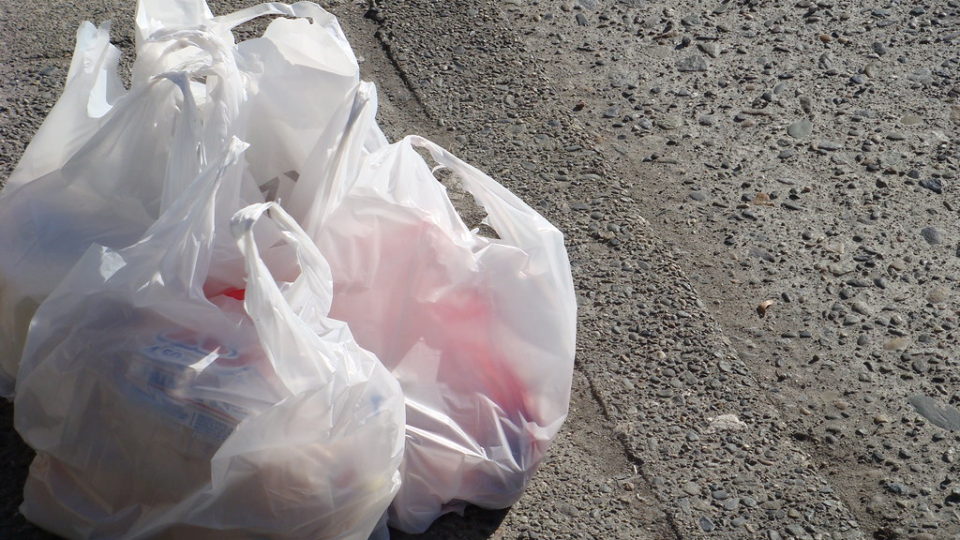
New York State lawmakers have agreed to impose a statewide ban on most types of single-use plastic bags from retail sales.  The ban would be the second statewide ban after California, which banned the bags in 2016.  Hawaii effectively also has such a ban since all of the state’s counties have their own bans.

The New York ban would begin next March and would forbid stores from providing customers with single-use plastic bags.  There are a number of exceptions, including food takeout bags in restaurants, bags used to wrap deli or meat counter products, and newspaper bags.  New York counties could opt into a plan to charge a 5-cent fee on paper bags, with proceeds going to the state’s Environmental Protection Fund.  Some environmentalists point out, however, that paper bags have their own issues.  While they do decompose in landfills, they have a substantial carbon footprint since they are made from wood and being heavier, they are more costly to ship.  Business groups are concerned about the forthcoming ban based on increased costs.

Meanwhile, European Union member states have reached a provisional agreement to introduce restrictions on single-use plastic products.  In 2021. European citizens will say goodbye to plastic cutlery, plastic plates and plastic straws among other products.

According to the European Commission, plastics make up 85% of beach litter in the Mediterranean.  Large plastic pieces injure, suffocate, and often kill marine animals but microplastics have reached record levels of concentration – over a million fragments per square kilometer – in the Mediterranean.

Both here and abroad, the war on plastics is heating up.

**********

Web Links

Plastic Bags to Be Banned in New York; Second Statewide Ban, After California

The End Of Plastic Cutlery, Plates And Straws: EU Market Says Goodbye To Single-Use Plastic Products

Photo, posted March 20, 2007, courtesy of Flickr.

Earth Wise is a production of WAMC Northeast Public Radio.
The Great Pacific Garbage Patch

May 9, 2018 By EarthWise Leave a Comment

https://earthwiseradio.org/wp-content/uploads/2018/04/EW-05-09-18-The-Great-Pacific-Garbage-Patch.mp3

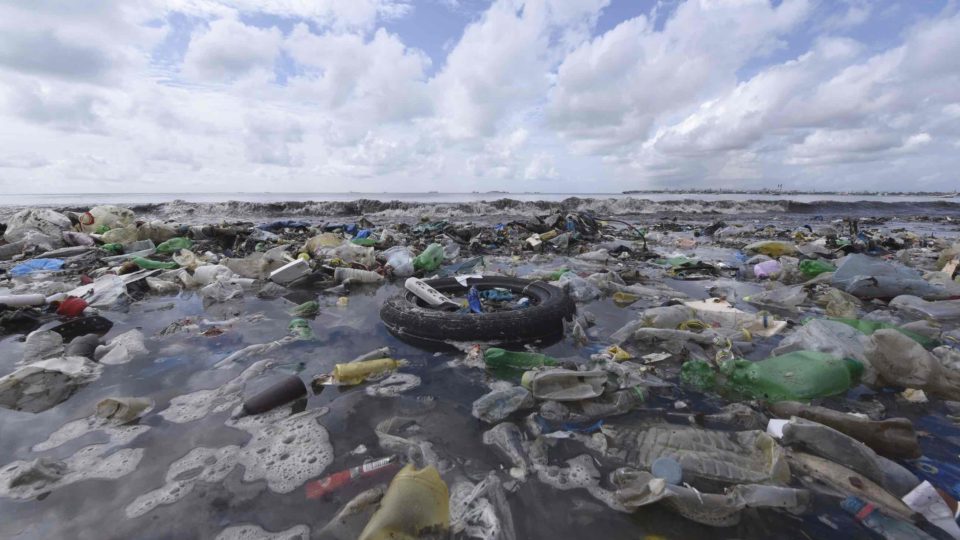
The Great Pacific Garbage Patch is the world’s largest collection of floating trash.  It lies between California and Hawaii and is popularly described as being larger than Texas.  It was discovered in 1997 by a yachtsman who sailed through a mess of floating plastic bottles and other debris while on a voyage between Hawaii and Los Angeles.

[Read more…] about The Great Pacific Garbage Patch

A Philippine Coral Reef Survives

January 2, 2018 By EarthWise Leave a Comment

https://earthwiseradio.org/wp-content/uploads/2017/12/EW-01-02-18-Philippine-Coral-Reef-Survives.mp3

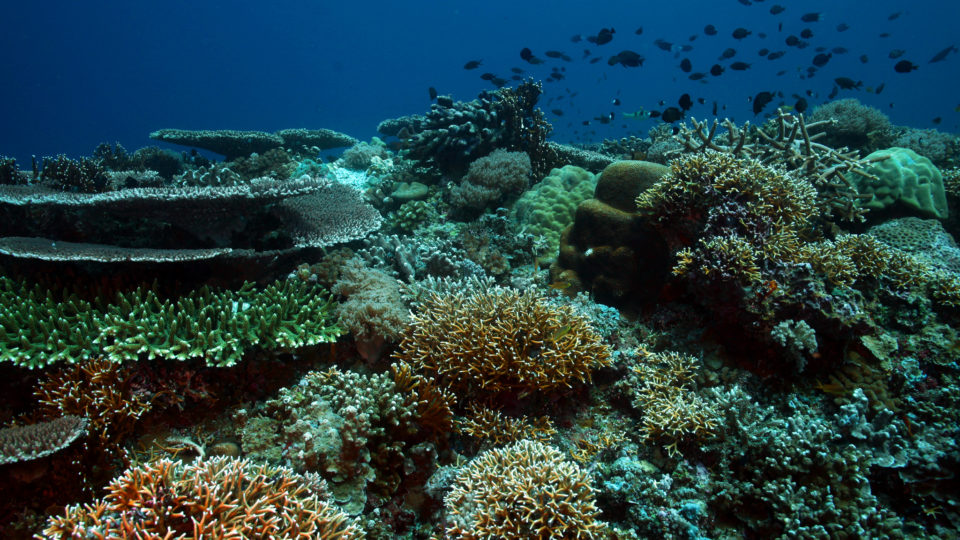
One of the greatest coral reef ecosystems in the world, the Tubbataha Reef in the Philippines, continues to prosper.  Undersea coral walls that plunge more than 300 feet deep are home to some 600 species of fish and 360 kinds of coral, about half of all known species.  According to experts, the ocean wilderness of Tubbataha Reef is about the closest thing to a true natural state for any reef in the world.

[Read more…] about A Philippine Coral Reef Survives

New Year’s Resolutions

December 29, 2017 By EarthWise 1 Comment

https://earthwiseradio.org/wp-content/uploads/2017/12/EW-12-29-17-New-Years-Resolutions.mp3

2018 is just around the corner.  Popular resolutions for the New Year always seem to include things like improving health, traveling more, spending less money, and so on.  But one resolution that isn’t as popular but could collectively have a major impact is committing to living a cleaner and greener life. 

[Read more…] about New Year’s Resolutions

The Dirty Laundry On Dirty Laundry

September 1, 2017 By EarthWise

https://earthwiseradio.org/wp-content/uploads/2017/09/EW-09-01-17-Dirty-Laundry.mp3

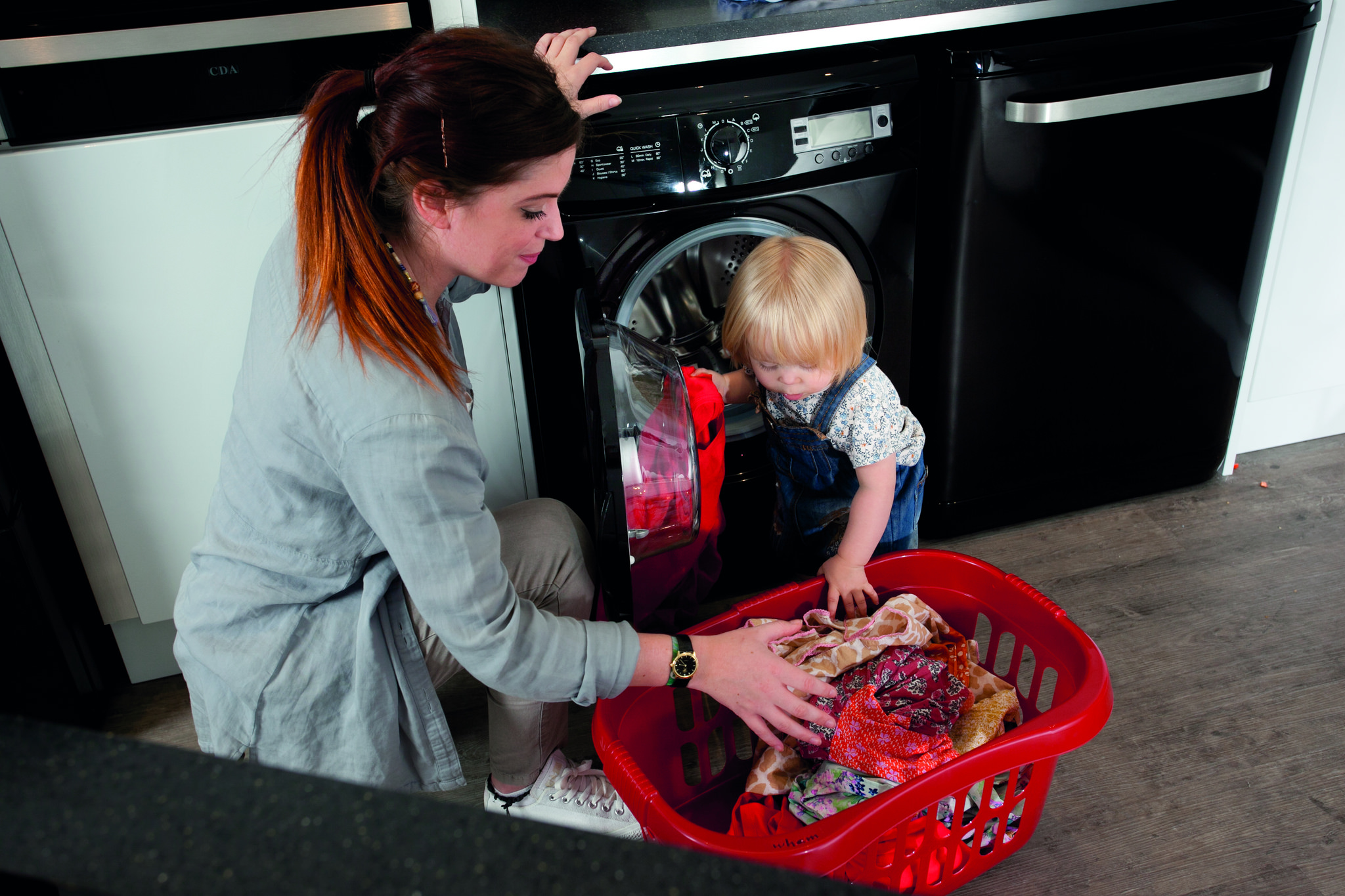
We’ve discussed the problem of microplastics polluting our oceans at great lengths on this program before.  Much of the small plastic particles result from the breakdown of plastic litter, such as plastic bags, packaging, and other materials.  Another source is microbeads, which are often found in health products such as face scrubs and even some toothpastes.  But there is a another source of microplastic pollution that is quite troubling: dirty laundry.

[Read more…] about The Dirty Laundry On Dirty Laundry

Pollution In The Middle Of Nowhere

July 10, 2017 By EarthWise

https://earthwiseradio.org/wp-content/uploads/2017/07/EW-07-10-17-Pollution-in-the-Middle-of-Nowhere-1.mp3

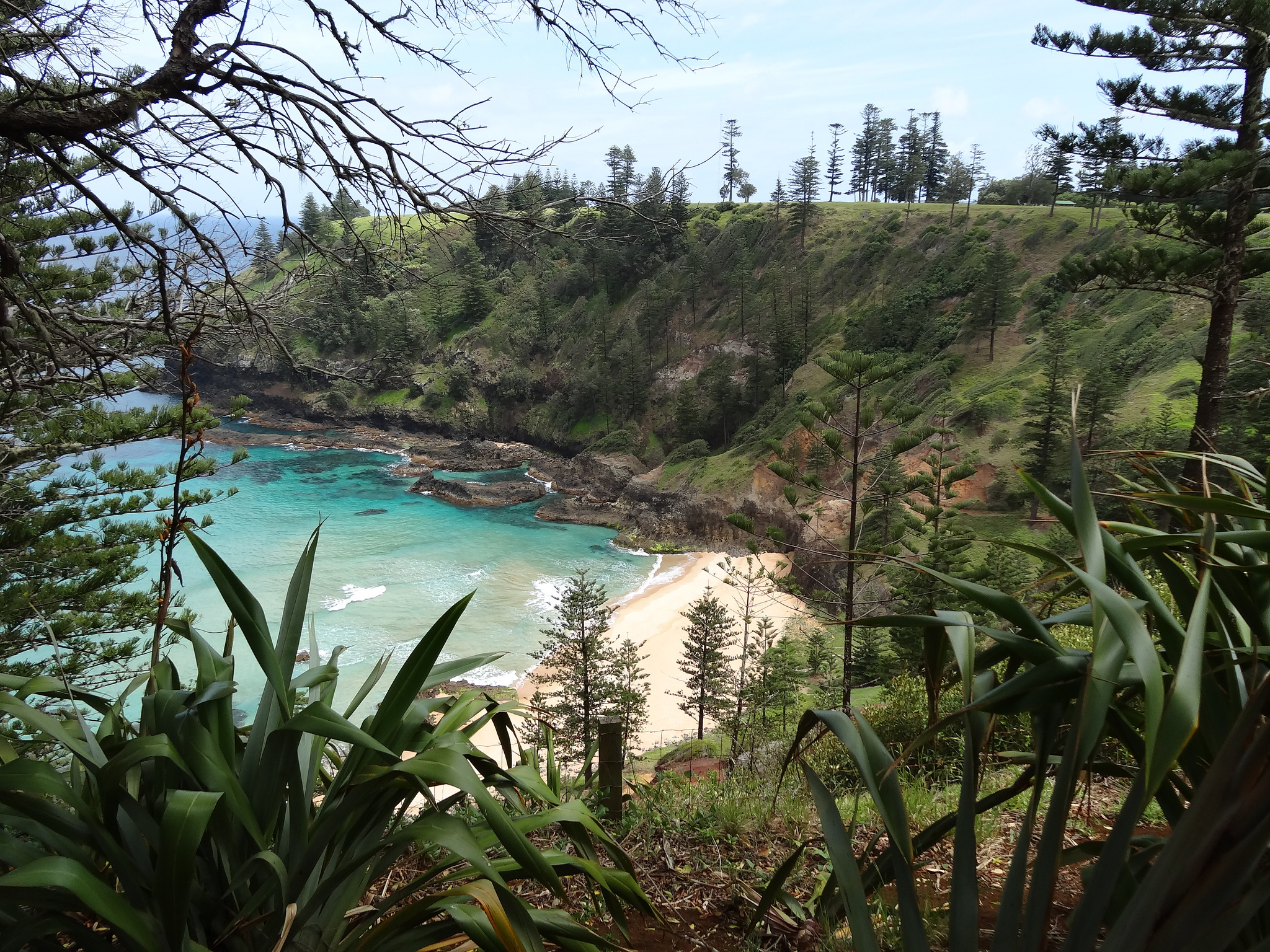
The Pitcairn Islands are a group of four volcanic islands in the South Pacific, mostly known from the famed mutiny on the British ship Bounty. Pitcairn Island itself is where many of the mutineers settled and where some of their descendants live today.   That small island, with a population of 57, is the only one of the group that is inhabited.

[Read more…] about Pollution In The Middle Of Nowhere

Plastic In The Arctic

May 23, 2017 By EarthWise

https://earthwiseradio.org/wp-content/uploads/2017/05/EW-05-23-17-Plastic-in-the-Arctic.mp3

On several occasions, we have talked about the enormous amount of plastic that litters the world’s oceans.  Bits of bottles, bags, toys, fishing nets and other objects collect in gyres, or so-called garbage patches, which have grown and grown over the decades.

[Read more…] about Plastic In The Arctic

  • « Go to Previous Page
  • Page 1
  • Page 2

Primary Sidebar

Recent Episodes

  • An uninsurable future
  • Clean energy and jobs
  • Insect declines in remote regions
  • Fossil fuel producing nations ignoring climate goals
  • Trouble for clownfishes

WAMC Northeast Public Radio

WAMC/Northeast Public Radio is a regional public radio network serving parts of seven northeastern states (more...)

Copyright © 2026 ·