• Skip to primary navigation
  • Skip to main content
  • Skip to primary sidebar

Earth Wise

A look at our changing environment.

  • Home
  • About Earth Wise
  • Where to Listen
  • All Articles
  • Show Search
Hide Search
You are here: Home / Archives for paper

paper

Climate change and the global food supply

January 8, 2025 By EarthWise Leave a Comment

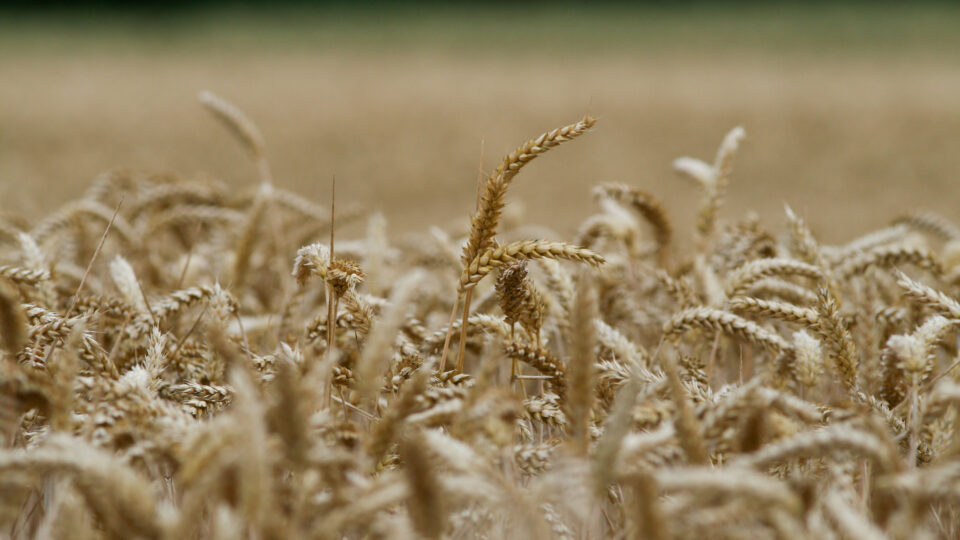
One of the most troubling aspects of global climate change is its potential to severely disrupt the production, distribution, and quality of food. While food security is already challenged by many factors, including population growth, poverty, and changing eating habits, climate change intensifies these issues by altering weather patterns, causing more frequent droughts, floods, and extreme temperatures that damage crops and reduce yields. 

These shifts not only threaten agricultural productivity and increase food prices, but they also impact water resources, pests, and disease dynamics, further destabilizing food systems and exacerbating vulnerabilities, particularly in regions already facing food insecurity.

According to a new paper, which was co-authored by 21 scientists from 9 different countries, climate change will cause widespread food shortages, leading to famine, mass migration, and global instability, unless swift action is taken to develop climate-resilient crops.

Adding to the urgency is the fact that agriculture itself also contributes approximately 30% of global greenhouse gas emissions, creating a vicious feedback loop that threatens to further accelerate global climate change.

The research, which was recently published in the journal Trends in Plant Science, outlines five key recommendations to address this crisis: Study plants in real-world conditions, strengthen partnerships with farmers, streamline regulations for faster innovation, build public trust in new technologies, and create global research initiatives that unite scientists from developed and developing nations to share resources and expertise.

**********

Web Links

Climate Change Threatens Global Food Supply: Scientists Call for Urgent Action

Photo, posted September 21, 2014, courtesy of Peter via Flickr.

Earth Wise is a production of WAMC Northeast Public Radio
Thermal batteries for heavy industry

January 3, 2025 By EarthWise Leave a Comment

Researchers are developing thermal batteries for heavy industry

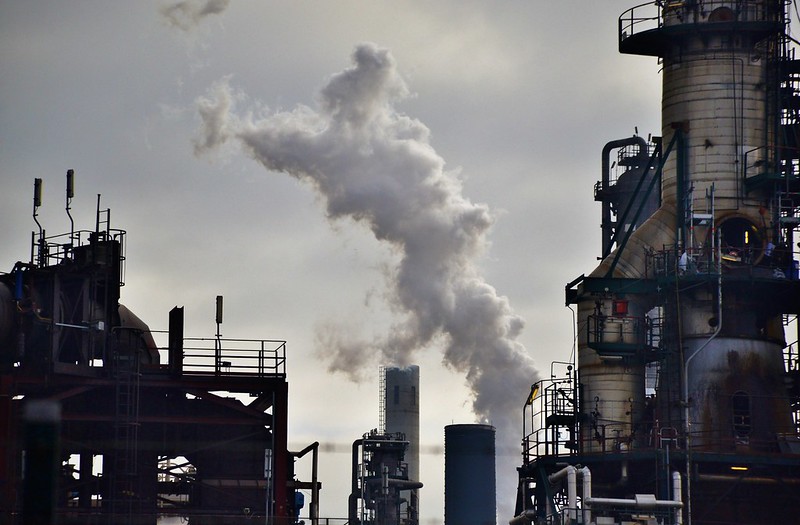
Heavy industries like cement, steel, chemicals, and paper require large amounts of heat and, for the most part, that heat comes from burning fossil fuels.  Other sectors of the economy have been making progress in reducing carbon emissions, but heavy industry has not found easy answers for supplying the heat it needs for manufacturing.

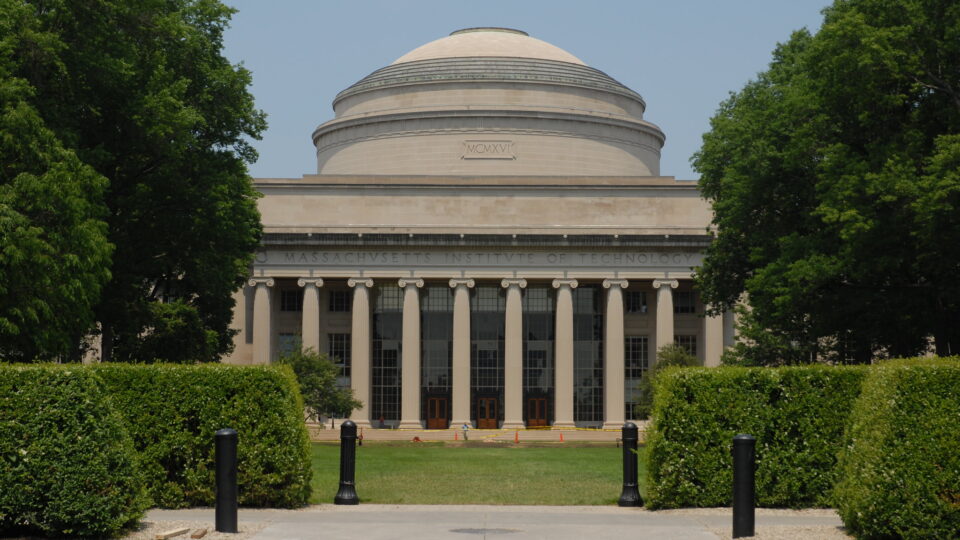
Researchers at MIT have developed a way to supply heat that only uses electricity, which in principle can come from carbon-free sources.  The idea is to use thermal batteries.  These are basically an electrically conductive equivalent of ceramic firebricks, which have been used to store heat for centuries in fireplaces and ovens.

A spinout company called Electrified Thermal Solutions has demonstrated that its firebricks can store heat efficiently for hours and release it by heating air or gas up to 3,272 degrees Fahrenheit. 

The firebrick arrays are contained in insulated, off-the-shelf metal boxes.  The standard system can collect and release about 5 megawatts of energy and store about 25 megawatt-hours.  The thermal battery can run hotter and last longer than any other electric heating solution on the market.

Using this technology can be a way to take advantage of the low cost of electricity in off-peak hours.  In the so-called wind belt in the middle of the U.S., electricity prices can even be negative at times.  Using the firebrick technology – called the Joule Hive Thermal Battery – it can be possible to provide industrial heating capability at very competitive prices, and that doesn’t even factor in the positive climate impact.

**********

Web Links

Decarbonizing heavy industry with thermal batteries

Photo, posted April 19, 2019, courtesy of Hans M. via Flickr.

Earth Wise is a production of WAMC Northeast Public Radio

Rising methane emissions

October 22, 2024 By EarthWise Leave a Comment

Methane is a colorless and odorless gas that occurs abundantly in nature and is also a product of certain human activities.  It’s a short-lived but highly potent greenhouse gas and, as a result, is a major driver of climate change.  In fact, methane heats the atmosphere nearly 90 times faster than carbon dioxide over a 20-year period. 

Despite a global pledge from more than 150 nations to reduce methane emissions by 30% this decade, methane emissions continue to rise.  In fact, according to a new paper led by researchers from Stanford University, total annual methane emissions have increased 20% over the past two decades. 

The paper, which was recently published in the journal Environmental Research Letters, found that atmospheric concentrations of methane today are more than 2.6 times higher than in pre-industrial times.  In fact, atmospheric methane concentrations are currently the highest they’ve been in at least 800,000 years.

Methane emissions from coal mining, oil and gas production and use, cattle and sheep ranching, and decomposing organic waste in landfills are responsible for driving the growth.  In 2020, the most recent year for which data was available, nearly 400 million tons – or about two-thirds – of global methane emissions came directly from human activities. 

Methane concentrations in Earth’s atmosphere have increased at record speed over the past five years.  According to the research team, only the European Union and possibly Australia seem to have decreased methane emissions from human activities over the past two decades.  This trend “cannot continue if we are to maintain a habitable climate.”

**********

Web Links

Methane emissions are rising faster than ever

Photo, posted December 4, 2010, courtesy of Dani Mettler via Flickr.

Earth Wise is a production of WAMC Northeast Public Radio
Food, timber, and climate change

October 1, 2024 By EarthWise Leave a Comment

Food and timber production will increasing be in conflict with one another as the climate warms

The sights of coffee plantations in California and vineyards in Britain are becoming more common as the climate changes. But behind what sounds like a success story is a sobering one: climate change is shifting the regions suitable for growing food all around the world. 

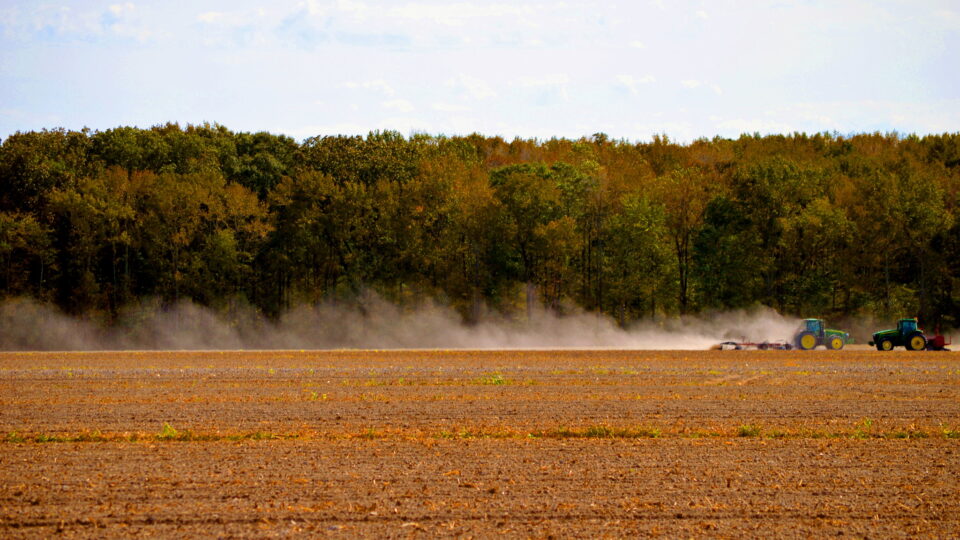
According to a new study by researchers from the University of Cambridge, as crop growing shifts northwards, a squeeze will be put on the land needed to produce timber.  The timber these trees produce is used to make everything from paper and cardboard to furniture and buildings.

According to the study, which was recently published in the journal Nature Climate Change, more than 25% of existing forestry land – an area equivalent in size to India – will become more suitable for agriculture by the end of the century if climate change continues unabated.  Approximately 90% of this current forestry land is located in Canada, China, Russia, and the United States.    

Global timber production is worth more than $1.5 trillion every year.  Recent heat waves and wildfires have caused huge losses of timber forests around the world. 

According to the World Bank, the value of the global food system is estimated to be roughly $8 trillion annually.  Scientists expect climate change to cause some areas to become too hot for growing food, particularly in the tropics and southern Europe. 

With the global demand for food and the global demand for wood both projected to double by 2050, the increasing climate change-driven competition between the two is set to be an emerging issue in the coming decades. 

**********

Web Links

Global timber supply threatened as climate change pushes cropland northwards

Do the costs of the global food system outweigh its monetary value?

Photo, posted October 24, 2018, courtesy of Bill Smith via Flickr.

Earth Wise is a production of WAMC Northeast Public Radio

Eliminating plastic shipping pillows

July 17, 2024 By EarthWise Leave a Comment

Amazon is phasing out plastic shipping pillows

Anyone who gets packages from Amazon is familiar with the plastic air pillows used to keep products safe in transit.  Amazon uses almost 15 billion of them a year in North America.

Environmentalists have been urging Amazon and other vendors to cut down on the use of plastic packaging. The air-filled plastic pillows are made from plastic film, which is the most common form of plastic litter found in the sea and in seabeds along the shore.  Plastic film can be deadly to wildlife such as sea turtles and sea birds.  Plastic film generally can’t be composted or recycled either.

Recently, Amazon announced that it will replace its plastic pillows with recycled paper filler in all its North American markets – the United States, Canada, and Mexico – which together account for more than 70% of the retailer’s global sales.  It is already making the switch in a big way and is working towards fully removing the plastic materials by the end of the year.

Replacing plastic packaging with paper is a definite improvement.  Paper is recyclable and biodegradable.  It isn’t perfect:  if it ends up in landfills, it can contribute to methane pollution as it biodegrades.  But, on the other hand, paper packaging is more likely to be recycled.

Stemming the tide of plastic waste is an ongoing effort by environmental and consumer groups.  There is pending legislation in New York that aims to reduce the use of plastic packaging by 50% over 12 years by requiring manufacturers to either replace it or pay fees.  The bill cleared the State Senate but has not come up to a vote in the Assembly.  Similar legislation has already been passed in California, Oregon, Maine, and Colorado.

**********

Web Links

Amazon Says It Will Stop Using Puffy Plastic Shipping Pillows

Photo, posted November 20, 2018, courtesy of Todd Van Hoosear via Flickr.

Earth Wise is a production of WAMC Northeast Public Radio
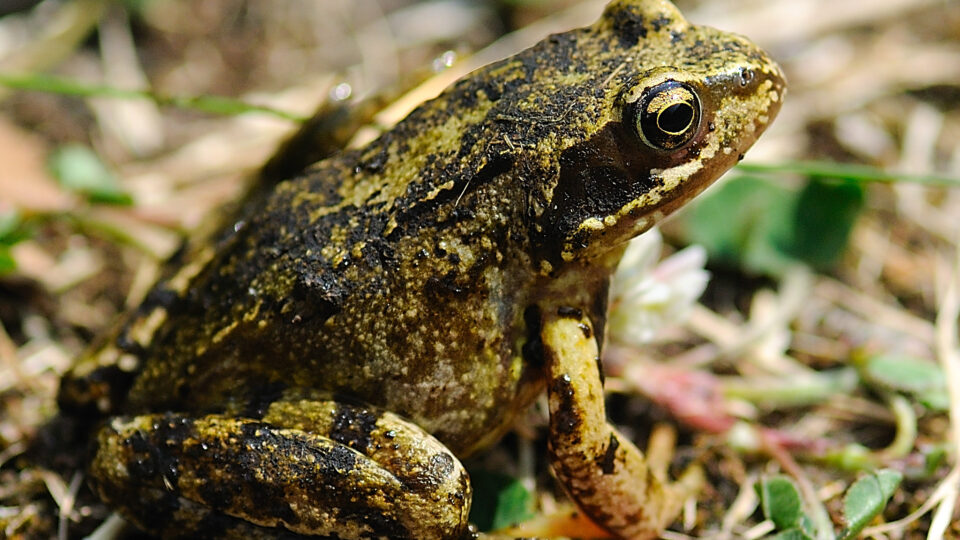
Hope for amphibians

May 6, 2024 By EarthWise Leave a Comment

Discovery could end global amphibian pandemic

There are more than 7,000 known species of amphibians, the group of animals that includes frogs, toads, and salamanders.  Over the past 25 years, more than 90 species are believed to have gone extinct and at least 500 more have declining populations.

There are many factors contributing to the decline of amphibian populations but the most alarming is a fungus called Batrachochytrium dendrobatidis – or Bd – that ravages the skin of frogs and toads and eventually causes heart failure.  The fungus has been devastating amphibians on nearly every continent.

In a recent paper in the journal Current Biology, scientists at the University of California Riverside documented the discovery of a virus that infects Bd and could be engineered to control the fungal disease.

The researchers were studying the population genetics of the Bd fungus with DNA sequencing technology and uncovered the virus inside the fungal genome.  Some strains of the fungus are infected with the virus and others are not.  They are now looking for insights into the ways that the virus operates to see how it gets into the fungal cells.  The goal is to engineer the virus to infect more strains of the fungus and potentially end the global amphibian pandemic.

Frogs and toads control bad insects, crop pests, and mosquitos.  If their populations around the world collapse, it could be devastating.  They are already having difficulty coping with warmer temperatures, stronger UV light, and worsening water quality in many places. 

Some amphibian species are already acquiring resistance to Bd.  The UCR researchers are hoping to assist nature in taking its course.

**********

Web Links

Discovery could end global amphibian pandemic

Photo, posted August 25, 2010, courtesy of Kev Chapman via Flickr.

Earth Wise is a production of WAMC Northeast Public Radio

Paper Cups Are Not So Great | Earth Wise

October 4, 2023 By EarthWise Leave a Comment

Paper cups are not as innocent as they seem

The environmental cost of plastic waste is a highly visible global issue.  The response has been a growing effort to replace plastic items with alternative materials.  One very visible change of this sort has been the replacement of plastic cups with paper cups at coffee shops.  But a new study at the University of Gothenburg in Sweden has found that this solution has problems of its own.

Researchers studied the effects of disposable cups in the environment on the larvae of the butterfly mosquito.  They placed disposable cups made from different materials in wet sediment and water for a few days and observed how the chemicals leached from the cups affected the growth of the larvae.  It turned out that all of the different kinds of cups had negative effects.  The concern is not specifically about mosquito larvae; it is the fact that more environmentally friendly drinking cups are still potentially harmful to living things.

Paper is neither fat nor water resistant, so paper cups need to be treated with a surface coating.  The most common coating is polylactide, which is a type of bioplastic.  It is generally considered to be biodegradable, but the study shows that it can still be toxic.  Bioplastics still contain many different chemicals and the potential toxicity of each of them is not well known.

The UN is trying to develop a binding agreement by the world’s countries to end the spread of plastics in society and nature.  For such an agreement to be effective, the plastics industry will need to clearly report what chemicals all products contain, including such mostly invisible products as the coating on paper drinking cups.

**********

Web Links

Paper cups are just as toxic as plastic cups

Photo, posted October 23, 2016, courtesy of Flickr.

Earth Wise is a production of WAMC Northeast Public Radio

Deadly Heatwaves On The Rise | Earth Wise

September 20, 2023 By EarthWise Leave a Comment

Deadly heatwaves are increasing as climate change ramps up

The European heatwave in the summer of 2003 resulted in at least 30,000 deaths with more than 14,000 in France alone. At the time, such a heatwave was considered to be a once-in-a-hundred-year event. But the warming climate is dramatically changing the odds for deadly heatwaves.

A new study by the ETH Institute in Zurich has found that the risk of fatal heatwaves has risen sharply over the past 20 years, and in the future, such extreme weather will become more frequent and heat-related excess mortality will increase, particularly in Europe.  According to a paper published in Nature Medicine, more than 61,000 deaths in Europe could be blamed on the heat during the summer of 2022, which was the hottest summer on record for the continent.  When the readings from this summer are analyzed, that record is likely to be surpassed.

Heatwaves lead to excess deaths due to dehydration, heat stroke, and cardiovascular collapse.  They are particularly deadly for the elderly, the sick, and the poor.  The ETH researchers analyzed comprehensive data from 748 cities and communities in 47 countries.   They determined the relationship between increased temperature and excess mortality.  Their models look at how excess mortality would develop with an average global temperature increase of 0.7 degrees Celsius (the value in 2000), 1.2 degrees (the value in 2020), and both 1.5 degrees (the limit sought by the Paris Agreement) and 2 degrees.

Even with the current global temperature, heatwaves that were a once-in-a-century event are now expected to occur every 10 years.  With 2 degrees of warming, such heatwaves could happen every 2 to 5 years.

**********

Web Links

Heatwaves are becoming more frequent and more deadly

Photo, posted July 22, 2009, courtesy of Matt McGee via Flickr.

Earth Wise is a production of WAMC Northeast Public Radio
A New Method of Refrigeration | Earth Wise

February 10, 2023 By EarthWise Leave a Comment

A new method of refrigeration

Salting roads before winter storms is a familiar sight in the Northeast.  The purpose is to change the temperature at which ice can form on the road.  The underlying concept has formed the basis of a new method of refrigeration that has been dubbed “ionocaloric cooling.”

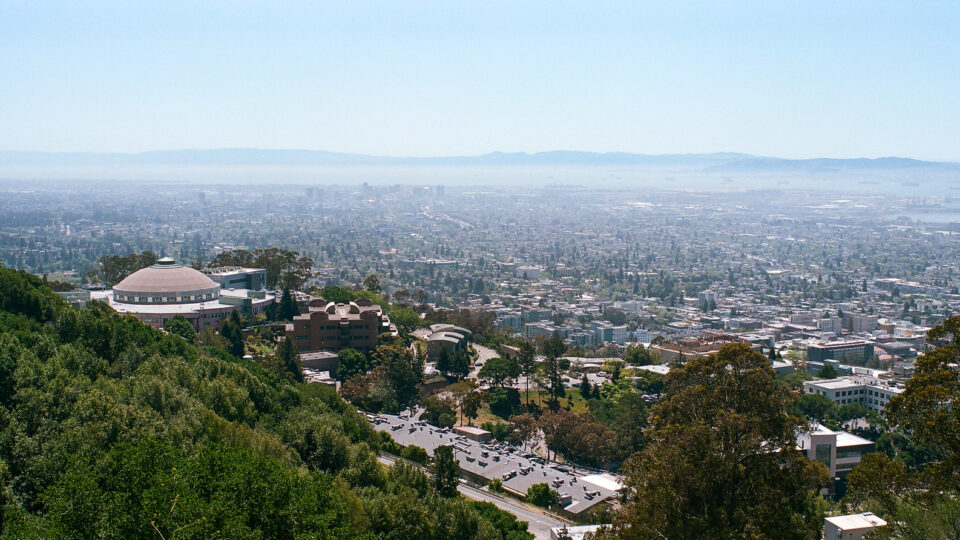
It is described in a paper published in the journal Science by researchers at the Lawrence Berkeley National Laboratory.  The method takes advantage of how energy in the form of heat is either stored or released when a material changes phase – such as water changing from ice to liquid and vice versa.  Melting absorbs heat from the surroundings while freezing releases heat.  An ionocaloric refrigerator makes use of this phase and temperature change using an electrical current to add or remove ions provided from a chemical salt.

The potential is to make use of this refrigeration cycle instead of the vapor compression systems in present-day refrigerators, which make use of refrigerant gases that are greenhouse gases, many of which very powerful ones.  The goal is to come up with a system that makes things cold, works efficiently, is safe, and doesn’t harm the environment. 

There are a number of alternative refrigeration systems under development that make use of a variety of mechanisms including magnetism, pressure, physical stretching, and electric fields.  Ionocaloric cooling uses ions to drive solid-to-liquid phase changes.

Apart from some very promising theoretical calculations of the system’s potential, the researchers have also demonstrated the technique experimentally.  They have received a provisional patent for the technology and are continuing to work on prototypes to demonstrate its capabilities and amenability to scaling up.

**********

Web Links

Berkeley Lab Scientists Develop a Cool New Method of Refrigeration

Photo, posted October 29, 2021, courtesy of Branden Frederick via Flickr.

Earth Wise is a production of WAMC Northeast Public Radio
Carbon In The Congo Peatlands | Earth Wise

December 16, 2022 By EarthWise Leave a Comment

Studying the carbon in the Congo Peatlands

The Congo peatlands in central Africa are the world’s largest tropical peatlands complex, occupying an area of 65,000 square miles, about the size of the entire state of Florida. Peatlands represent a huge store of carbon and therefore are important to the stability of the climate.

A study by scientists at the University of Leeds and University College London found that around the time that Stonehenge was built – about 5,000 years ago – there was an extended drying period in central Congo and the peatlands started emitting carbon dioxide rather than storing it.  Over the course of time, the climate in the area got wetter again and over the past 2,000 years, the Congo peatlands have been a place that takes large amounts of carbon out of the atmosphere.

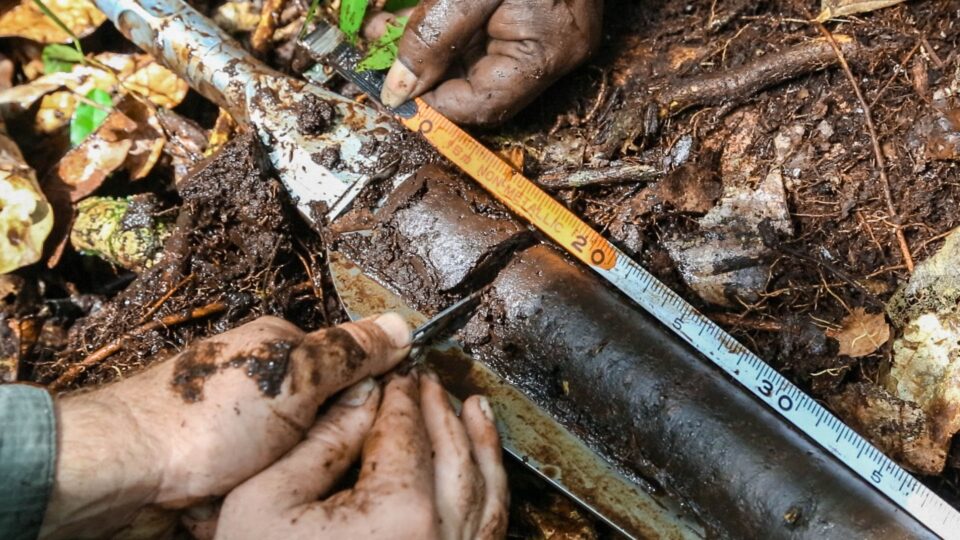
The study utilized peat samples taken from beneath remote swamp forests to build a record of the vegetation and rainfall in the central Congo Basin over the past 17,500 years.

In a paper published in Nature, the researchers warn that if modern-day global warming produces extended droughts in the Congo region, history could repeat itself and the peatlands could once again become carbon emitters.  If that were to happen, over 30 billion tons of carbon could be released into the atmosphere.  That is the equivalent to the total global emissions from fossil fuel burning over a three-year period.

There is some evidence that dry seasons are lengthening in the Congo Basin, but it is unknown if these will continue.  In any case, the study reveals that peatlands are more vulnerable than previously thought and need to be protected.  They are some of the most wildlife and carbon-rich ecosystems on Earth.

**********

Web Links

Congo peatlands could release billions of tonnes of carbon

Photo, posted November 5, 2016, courtesy of Roni Ziade / Forest Service via Flickr.

Earth Wise is a production of WAMC Northeast Public Radio
Mosquito Magnets | Earth Wise

November 30, 2022 By EarthWise Leave a Comment

Some people are mosquito magnets

We’ve all probably had the experience of being in the great outdoors with other people and having some of them being nearly devoured by mosquitoes while others didn’t get bitten at all.  It seemed like some people are mosquito magnets while others just aren’t the insects’ cup of tea, so to speak.

There have been various theories proposed over the years including such things as it being a question of blood type, or it having to do with how close one’s blood vessels are to their skin surface.

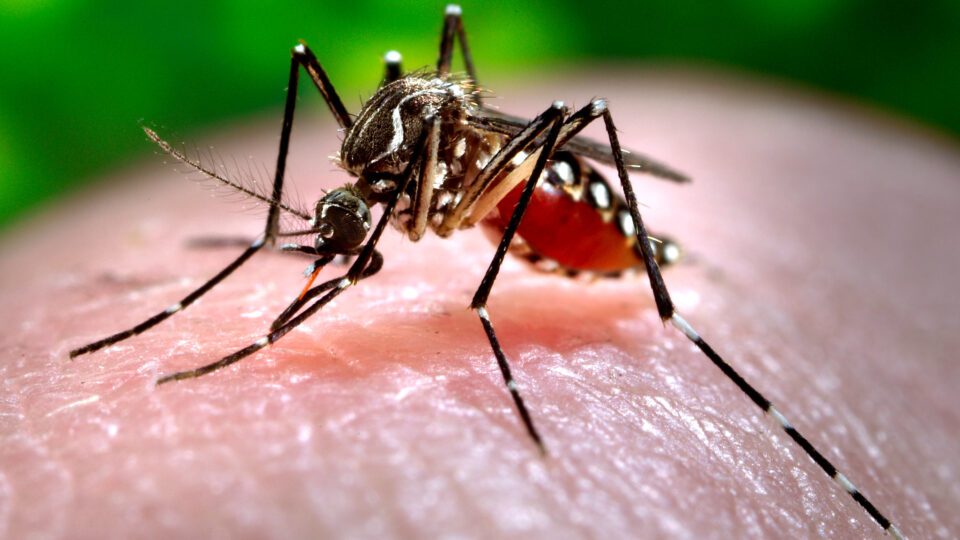
A new study by the Howard Hughes Medical Institute and the Rockefeller University has uncovered what appears to be the real explanation.  According to the paper published in the journal Cell, certain body odors are the deciding factor.  Every person has a unique scent profile associated with different chemicals present on their skin.  The researchers found that people whose skin produces high levels of carboxylic acids are the most attractive to mosquitos.

The researchers collected scent samples from participants by having them wear silk stockings on their arms for six hours.  The nylons were then cut into pieces and the pieces exposed to mosquitos.  After several months of head-to-head battles between various nylon samples, the study clearly demonstrated that the samples from subjects with higher levels of carboxylic acids in the skin were far more attractive to mosquitos.

Humans produce the substance at much higher levels than other animals.  There is little one can do about their own levels.  Changing one’s diet or what soap they use doesn’t seem to make a difference. 

Perhaps researchers can come up with some method of breaking down carboxylic acids in the skin in the future.  Until such time, there are really people who are mosquito magnets.

**********

Web Links

Some People Really Are Mosquito Magnets, and They’re Stuck That Way

Photo, posted September 4, 2014, courtesy of James Gathany / Centers for Disease Control via Flickr.

Earth Wise is a production of WAMC Northeast Public Radio
Plastic Recycling Isn’t Working | Earth Wise

June 13, 2022 By EarthWise Leave a Comment

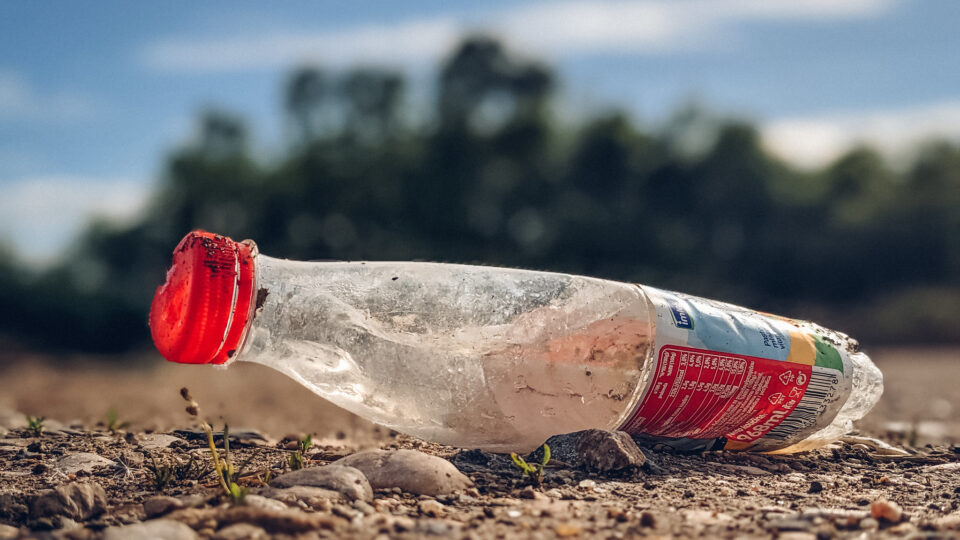
plastic recycling is not working

A recent report from several environmental organizations shows that plastic recycling rates in the U.S. have actually declined in the last several years from about 8.7% of discarded plastic to less than 6%.   Meanwhile, since 1980, per capita plastic waste generation has increased 263%, totaling 218 pounds of plastic waste per person as of 2018.

Diminishing recycling rates don’t necessarily indicate a lack of interest by the public.  Plastic recycling is a complicated process.  There are multiple types of plastic that can’t be intermingled and there are no simple and sustainable ways to recycle many forms of plastic.   On top of that, the declining recycling rate also reflects the fact that we no longer can export our plastic waste to countries like China and Turkey, which have banned U.S. waste imports.

Recycling in general is a successful practice.  Paper recycling rates are around 66% as of 2020.  Cardboard recycling was at 88.8% in 2020, and metal recycling rates range from 27% to 76%, depending on the type of metal.  Glass recycling rates are a little over 30%.  Only plastic recycling has never reached 10%, even before shipping our waste overseas and declaring it to be recycled was going on.

According to environmental organizations focused on the global plastic problem, there is no circular economy of plastics.  Perhaps if truly biodegradable plastics became practical, economical, and widely utilized, the situation would be different.  As things stand, the only solution is to reduce the production, use, and disposal of plastics.

**********

Web Links

Plastics Recycling ‘Does Not Work,’ Environmentalists Stress as U.S. Recycling Rates Drop to 5%

Photo, posted May 13, 2021, courtesy of Ivan Radic via Flickr.

Earth Wise is a production of WAMC Northeast Public Radio.

Protecting The Ocean Has Multiple Benefits | Earth Wise

June 21, 2021 By EarthWise Leave a Comment

The benefits of protecting the ocean

An international team of authors from 18 institutions has recently published a paper in the journal Nature that offers a solution that addresses several of humanity’s most pressing problems at the same time.  The paper provides a comprehensive assessment of where strict ocean protection can contribute to a more abundant supply of healthy seafood, help address climate change, and protect embattled species and habitats.

The study identified specific areas of the ocean that could provide all of these benefits if they were protected.  Currently, only about 7% of the ocean is under any kind of protection.  According to the study, if the appropriate 30% of the ocean was protected by the actions of the relevant countries by 2030, the cited benefits would be realized.

Safeguarding these regions would protect nearly 80% of marine species while increasing fishing catches by almost 9 million tons a year. It would also prevent the release of more than 1 billion tons of carbon dioxide by protecting the seafloor from bottom trawling, which is a widespread and destructive fishing practice.

Ocean life has been declining worldwide because of overfishing, habitat destruction, and climate change.  The study pioneers a new way to identify the places that – if protected – will boost food production and safeguard marine life, while at the same time reducing carbon emissions.  The study finds that countries with large national waters and large industrial trawl fisheries have the highest potential to contribute to climate change mitigation by protecting the carbon stored on the ocean floor.  The ocean covers 70% of the Earth and its importance in solving the challenges of our time must not be underestimated.

**********

Web Links

Three Times the Gains

Photo, posted January 10, 2016, courtesy of Hafsteinn Robertsson via Flickr.

Earth Wise is a production of WAMC Northeast Public Radio.

Superstrong Nanofibers | Earth Wise

March 5, 2021 By EarthWise Leave a Comment

MIT research team has developed superstrong nanofibers

Self-assembly is a ubiquitous process in the natural world that leads to the formation of the DNA double helix, the creation of cell membranes, and to many other structures.   Scientists and engineers have been working to design new molecules that assemble themselves in water for the purpose of making nanostructures for biomedical applications such as drug delivery or tissue engineering.  For the most part, the materials created in this way have been chemically unstable and tended to degrade rapidly, especially when the water is removed.

A team at MIT recently published a paper describing a new class of small molecules they have designed that spontaneously assemble into nanoribbons with unprecedented strength and that retain their structure outside of water.

The material is modeled after a cell membrane.  Its outer part is hydrophilic (it likes to be in water) and its inner part is hydrophobic (it tries to avoid water.)  This configuration drives the self-assembly to create a specific nanostructure and by choosing the appropriate chemicals to form the structures, the result was nanoribbons in the form of long threads that could be dried and handled.  The resultant material in many ways resembles Kevlar.   In particular, the threads could hold 200 times their own weight and have extraordinarily high surface areas.  The fibers are stronger than steel and the high surface-to-mass ratio offers promise for miniaturizing technologies for such applications as pulling heavy-metal contaminants out of water and for use in electronic devices and batteries.

The goal of the research is to tune the internal state of matter to create exceptionally strong molecular nanostructures.  The potential for important new applications is considerable and exciting.

**********

Web Links

Researchers construct molecular nanofibers that are stronger than steel

Photo, posted June 19, 2007, courtesy of Andrew Hitchcock via Flickr.

Earth Wise is a production of WAMC Northeast Public Radio.

Fuel From Lignin | Earth Wise

November 26, 2020 By EarthWise Leave a Comment

Lignin as a fuel

Lignin is an organic polymer that provides the rigid structure of plants and is what gives wood and bark their characteristic properties.  Lignin typically comprises between 20 and 35% of the mass of wood.  The two major substances extracted from trees, grasses, and other biomass materials are cellulose and lignin.  Cellulose is used to make paper, bioethanol, and other products, but lignin is largely unused because it is difficult to break down into useful substances such as feedstocks for fuels.  As a result, lignin is largely wasted.  Worldwide, some 50 million tons of lignin are produced from paper and bioethanol manufacturing each year and almost all of that is simply burned to generate heat.

Lignin can be broken down using pyrolysis techniques at high temperatures to create bio-oils, but those oils lack sufficient hydrogen and contain too much oxygen to be useful as fuels.  There is a process called hydrodeoxygenation that adds hydrogen and removes oxygen, but it requires high temperatures and very high pressures as well as producing char and tar that reduces the efficiency of the process.

Researchers at Georgia Tech recently published work describing a new process for turning lignin into useful products.  They developed a dual catalyst system of super-acid and platinum particles that adds hydrogen and removes oxygen from lignin bio-oil and makes it useful as a fuel and source of chemical feedstocks. 

The new process could help meet the growing demand for bio-based oils as well as helping the forest product, paper, and bioethanol industries by providing an additional revenue stream from what previously was a waste product.

**********

Web Links

New Process Boosts Lignin Bio-oil as a Next-Generation Fuel

Photo, posted August 16, 2017, courtesy of evcabartakova via Flickr.

Earth Wise is a production of WAMC Northeast Public Radio.

Recycling Tough Plastics | Earth Wise

September 3, 2020 By EarthWise Leave a Comment

recycling tough plastics

Thermoset plastics are ones that contain polymers that cross-link together during the curing process to form an irreversible chemical bond.  This improves the material’s mechanical properties, provides chemical resistance, heat resistance, and structural integrity.  Thermosets include epoxies, polyurethanes, and rubber used for tires.  The big problem with thermosets is that they cannot be easily recycled or broken down after use.

Seventy-five percent of all plastics are thermoplastics, which can be recycled by heating them until they become liquid and can then be remolded.   Thermoset plastics, on the other hand, have such strong chemical bonds that they simply will not melt.  They will typically burn before they can be remolded.

Chemists at MIT have recently developed a way to modify thermoset plastics with a chemical linker that makes them much easier to break down, but still retain the mechanical properties that make them so useful.

In a study published in Nature, the researchers produced a degradable version of a thermoset plastic called pDCPD.  They then broke the plastic down into a powder and were able to use the powder to create more pDCPD.  The paper also proposed a theoretical model that suggests that their approach could be used for a wide range of other plastics and polymers, including rubber.

By adding a chemical called a silyl ether monomer to the liquid precursors that from pDCPD plastic, they found that the resultant material retained its mechanical strength but can be broken down into a soluble powder upon exposure to fluoride ions.

Using this approach with other thermoset materials, the researchers believe it will be possible to create recyclable versions of many of the toughest plastic materials.

**********

Web Links

Chemists make tough plastics recyclable

Photo, posted September 1, 2019, courtesy of Luke McKernan via Flickr.

Earth Wise is a production of WAMC Northeast Public Radio.

Planting Trees and Climate Change | Earth Wise

June 1, 2020 By EarthWise Leave a Comment

tree plantings and climate change

Forests are among the most important natural carbon sinks.  Trees remove carbon from the air and store it in their trunks, branches, and leaves, and transfer part of it into the soil.  But in some regions, these natural carbon sinks are starting to weaken due to deforestation, forest degradation, and the impacts of climate change.  This problem has led some climate mitigation projects to focus on increasing the overall number of trees on the planet. 

But, according to a paper recently published in the journal Science, “we can’t plant our way out of climate change.”  That’s the simple message from Restoration Ecologist Karen Holl and University of São Paulo Professor Pedro Brancalion to anyone who thinks planting one trillion trees will reverse the effects of climate change.  They say planting more trees is only one piece of the puzzle.  Any initiatives like 1t.org or the Trillion Tree Campaign must be done carefully and be accompanied by commitments to long-term management.

Tree plantings can provide many environmental benefits, including improving water quality, biodiversity, and increasing shade.  But trees can sometimes have undesirable impacts, such as harming native species and ecosystems or reducing water availability, depending on where and how the trees are planted.

The authors suggest four principles that should guide forest enhancement initiatives: reduce forest clearing and degradation, balance ecological and social goals, view tree plantings as one part of a multifaceted solution, and plan, coordinate and monitor the work. 

While tree plantings can clearly be part of the solution, slowing the pace of climate change requires a comprehensive approach that must start with burning less fossil fuels.

**********

Web Links

Challenges in tree-planting programs

Planting trees is no panacea for climate change

Photo, posted December 1, 2019, courtesy of Akuppa John Wigham via Flickr.

Earth Wise is a production of WAMC Northeast Public Radio.

A Hidden Source Of Arctic Carbon | Earth Wise

April 24, 2020 By EarthWise Leave a Comment

carbon in arctic coastal waters

Researchers from the University of Texas at Austin, the U.S. Fish and Wildlife Service, and Florida State University have published a paper presenting evidence of significant and previously undetected concentrations and fluxes of dissolved organic matter entering Arctic coastal waters.  The source of the organic matter is groundwater flow atop the frozen permafrost.  The groundwater moves from land to sea unseen, but the new research reveals that it carries significant concentrations of carbon and other nutrients to Arctic coastal food webs.

Globally, groundwater is important for delivering carbon and other nutrients to oceans, but in the Arctic, where much water is trapped in the permafrost, its role was thought to be minimal.  But the new research reveals that groundwater may be contributing an amount of dissolved organic matter to the Alaskan Beaufort Sea that is comparable to what comes from neighboring rivers during the summer.

The researchers found that shallow groundwater flows beneath the surface and picks up new, young organic carbon and nitrogen, but it also mixes with layers of deeper soils and thawing permafrost, picking up and transporting century-to-millennia old organic carbon and nitrogen.  This material is unique because it is directly transported to the ocean without seeing or being photodegraded by sunlight and may be valuable as a food source to bacteria and higher organisms that live in Arctic coastal waters.

The study concluded that the supply of leachable organic carbon from groundwater amounts to as much as 70% of the dissolved organic matter that enters the Beaufort Sea from rivers during the summer.  The role that groundwater inputs play in Arctic coastal ecosystems will be an area of active research for years to come.

**********

Web Links

Hidden Source of Carbon Found at the Arctic Coast

Photo, posted June 14, 2015, courtesy of Eugen Marculesco via Flickr.

Earth Wise is a production of WAMC Northeast Public Radio.

Rising Seas Will Erase Cities

December 18, 2019 By EarthWise Leave a Comment

According to new research, climate-driven sea level rise could affect three times more people by 2050 than previously thought.  This sobering assessment means some of the world’s great coastal cities, including Bangkok, Shanghai, Mumbai, Basra, Alexandria, and Ho Chi Minh City, could be in big trouble.   

Scientists have always relied on land elevation data to determine the effects of sea level rise over large areas.  But standard elevation measurements using satellites struggle to differentiate the true ground level from the tops of trees or buildings.  The authors of the paper developed a more accurate way to calculate land elevation by using artificial intelligence to determine the error rate and to correct for it.  The new findings revealed that 150 million people – three times more than previously thought – are now living on land that is projected to be below the high-tide line by the middle of this century. 

Eight Asian nations – China, Bangladesh, India, Vietnam, Indonesia, Thailand, the Philippines, and Japan – account for about 70% of the people living on at-risk land. 

More than 20 million people in Vietnam, including much of Ho Chi Minh City, live on land that will be inundated by 2050.  In Thailand, more than 10% of its citizens, including much of Bangkok, currently live on land imperiled by projected sea level rise. 

This new research was produced by Climate Central, a New Jersey-based science organization, and was recently published in the journal Nature Communications. 

Sea level rise is clearly not just an environmental problem.  It’s a humanitarian crisis.

**********  

Web Links

New elevation data triple estimates of global vulnerability to sea-level rise and coastal flooding

Rising Seas Will Erase More Cities by 2050, New Research Shows

Photo, posted December 18, 2009, courtesy of Misko via Flickr.

Earth Wise is a production of WAMC Northeast Public Radio.

Meeting Climate Goals With Current Energy Infrastructure

September 2, 2019 By EarthWise Leave a Comment

The Paris Climate Agreement set forth a goal to keep global warming below 2 degrees Celsius as well as a more optimistic (and preferable) goal of keeping the temperature rise to less than 1.5 degrees.  Reaching either of these goals requires getting to net-zero emissions by the middle of the century.

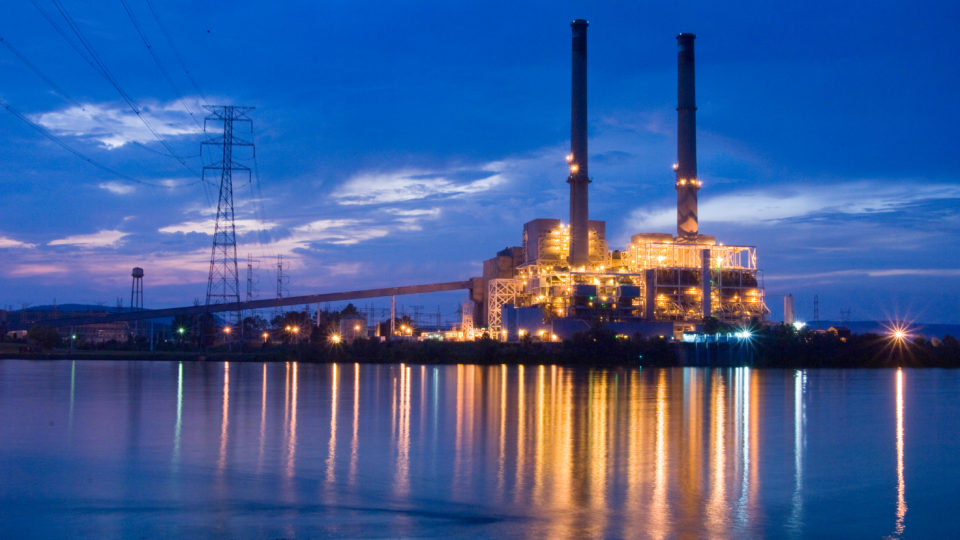
A new paper, published in Nature, looks at the issue of whether existing power plants and other fossil-fuel-burning equipment (including vehicles) can continue to operate until they age out of functionality, or whether they need to be retired early.

The results of the study are that future emissions from existing facilities would take up the entire carbon budget needed to limit warming to 1.5 degrees Celsius and almost 2/3 of the budget needed to keep warming below 2 degrees over the next 30 years.

So, the good news is that we can still avoid a 2-degree rise without having to shut down all the existing power plants early.  But we would definitely have to stop building new things with smokestacks and tailpipes that dump CO2 into the atmosphere. 

That good news is tempered by the fact that the number of fossil fuel-burning power plants and vehicles in the world has increased dramatically over the past decade, spurred by rapid economic and industrial development in China and India.  In fact, China is predicted to produce more than 40% of all the carbon emissions over the next 30 years.

The 2-degree climate goal is not at all the most desirable result.  The 1.5-degree target would be far better for the climate.  But if the world is to achieve it, there will be dramatic changes needed in the existing infrastructure – either shutting it down or retrofitting it to drastically reduce emissions.

**********

Web Links

Two-Degree Climate Goal Attainable Without Early Infrastructure Retirement

Photo, posted March 5, 2010, courtesy of Tennessee Valley Authority via Flickr.

Earth Wise is a production of WAMC Northeast Public Radio.

  • Page 1
  • Page 2
  • Go to Next Page »

Primary Sidebar

Recent Episodes

  • An uninsurable future
  • Clean energy and jobs
  • Insect declines in remote regions
  • Fossil fuel producing nations ignoring climate goals
  • Trouble for clownfishes

WAMC Northeast Public Radio

WAMC/Northeast Public Radio is a regional public radio network serving parts of seven northeastern states (more...)

Copyright © 2025 ·