• Skip to primary navigation
  • Skip to main content
  • Skip to primary sidebar

Earth Wise

A look at our changing environment.

  • Home
  • About Earth Wise
  • Where to Listen
  • All Articles
  • Show Search
Hide Search
You are here: Home / Archives for natural resources

natural resources

Living in a warming world

June 13, 2025 By EarthWise Leave a Comment

As global temperatures rise due to increased greenhouse gas emissions, communities around the world face more frequent and intense heatwaves, droughts, and extreme weather events. These growing climate pressures not only strain infrastructure and natural resources, but also play a critical role in shaping where people live. 

Recent projections from the First Street Foundation, which analyzes climate risks across the United States, highlight just how significant these shifts could be. In Sacramento County, California, rising flood risks, declining air quality, and soaring insurance costs could lead to a population decline of up to 28% by 2055. The risk assessment also projects that Monmouth and Ocean counties in New Jersey could each lose more than 30% of their populations. And Fresno County, California, could see nearly half of its residents relocate due to mounting climate-related pressures.

Urban areas like cities, towns, and suburbs are particularly vulnerable to the impacts of climate change.  Cities become significantly hotter due to the abundance of heat-absorbing surfaces and lack of green spaces, which intensifies heatwaves, worsens conditions for vulnerable populations, and may ultimately force some people to move.

Addressing these challenges requires a combination of climate solutions focused on both mitigation and adaptation. Solutions like expanding green infrastructure with urban parks and green roofs, and promoting sustainable development through energy-efficient buildings and transit-friendly design could all play a vital role in strengthening climate resilience.

As the planet warms, where we live – and how we live there – is rapidly being redefined.

**********

Web Links

The 12th National Risk Assessment

Solar on farmland

Photo, posted May 15, 2013, courtesy of Germán Poo-Caamaño via Flickr.

Earth Wise is a production of WAMC Northeast Public Radio
Sand From Mining Waste | Earth Wise

May 10, 2022 By EarthWise Leave a Comment

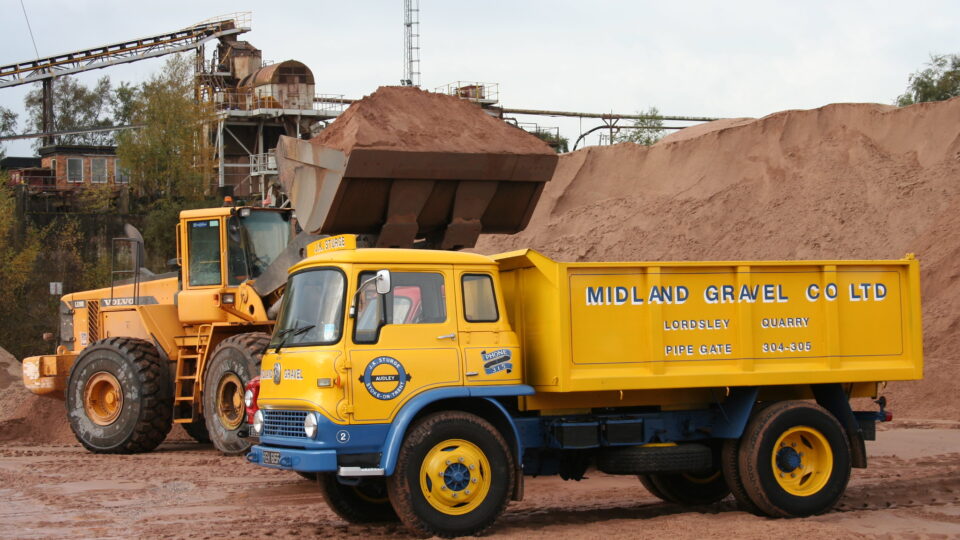
The natural resources people use the most are air and water.  It may come as a surprise that in third place is sand.  Sand is used to make glass, computer chips, toothpaste, cosmetics, food, wine, paper, paint, plastics, and more.  It is estimated that 50 billion tons of sand are used each year.

Concrete is 10% cement, 15% water, and 75% sand.  The concrete required to build a house takes on average 200 tons of sand, a hospital uses 3,000 tons, and a mile of a highway requires 15,000 tons.

One would think that there is no shortage of sand, but we are using it up faster than the planet can make it and the extraction of sand from seas, rivers, beaches, and quarries has negative impacts on the environment and surrounding communities.  For example, removing sand leads to erosion in riverbanks, significantly increasing the risk of flooding in some places.

A potential strategy to reduce the impact of extracting sand to meet society’s growing need for is also a strategy for helping to reduce the production of mineral mining waste, which is the largest waste stream on the planet.  Mining produces between 33 and 66 billion tons of waste material each year.

A new study by researchers in Switzerland and Australia looked at the potential for using mining waste as a source of so-called ore-sand.  Sand-like material left over from mining operations could be used for many current applications for sand.  Separating and repurposing these materials before they are added to the waste stream would not only reduce the volume of waste being generated by mining operations but would also create a responsible new source of sand.

**********

Web Links

Solution to world’s largest waste stream: Make sand

Photo, posted October 22, 2005, courtesy of Alan via Flickr.

Earth Wise is a production of WAMC Northeast Public Radio.

New York’s Polystyrene Foam Ban | Earth Wise

January 19, 2022 By EarthWise Leave a Comment

New York bans Styrofoam

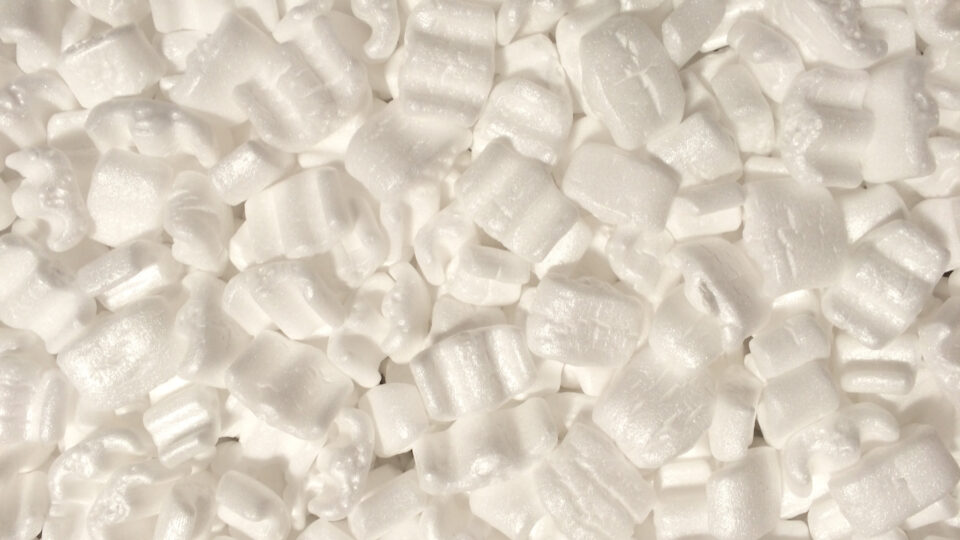
As of January 1, the state of New York now prohibits any person engaged in the business of selling or distributing prepared food or beverages from selling, offering for sale, or distributing disposable food service containers that contain expanded polystyrene foam in the state.  In addition, no manufacturer will be allowed to sell, offer for sale, or distribute polystyrene loose fill packaging in the state.

In other words, there will be no more Styrofoam bowls, cartons, clamshell containers, lids, plates, trays, or packing peanuts.

There are still some exceptions.  Raw meat, seafood, poultry, or fish sold for the purpose of cooking or preparing off-premises can still be packaged in polystyrene foam.  Prepackaged food filled or sealed prior to receipt by a food service provider can also still be packaged in polystyrene foam.

The New York State Department of Environmental Conservation is initially focusing its efforts on outreach and education to achieve compliance rather than on enforcement.   The DEC has provided detailed regulations to assist stakeholders with complying with the law.

Expanded polystyrene foam is a major contributor to environmental litter.  The material breaks apart easily and does not readily biodegrade, causing it to be persistent in the environment and contribute to microplastic pollution.  The foam causes negative impacts to wildlife, waterways, and natural resources.

An estimated 65% of New Yorkers were already living in communities that banned polystyrene foam, notably including New York City and Long Island which imposed a ban in 2019. 

New York becomes the fourth state to impose such a ban after Maine, Maryland, and Vermont.  Colorado and Virginia will follow suit in the next two years.

**********

Web Links

Expanded Polystyrene Foam Container and Polystyrene Loose Fill Packaging Ban

Photo, posted November 16, 2015, courtesy of Karim Ghantous via Flickr.

Earth Wise is a production of WAMC Northeast Public Radio.

Climate Change and Komodo Dragons | Earth Wise

October 12, 2020 By EarthWise Leave a Comment

climate change threatens komodo dragons

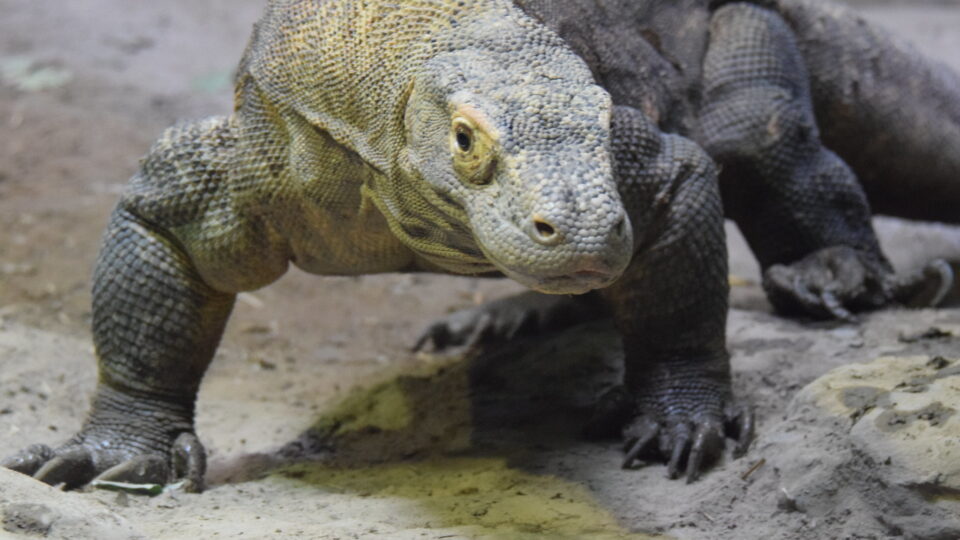
The Komodo dragon is the world’s largest and most iconic lizard.  Growing up to 10 feet long and weighing up to 360 pounds, Komodo dragons are endemic to five islands in southeast Indonesia, four of which are part of Komodo National Park, as well as a fifth that has three nature reserves.  Komodo dragons have existed on earth for at least four million years, and it’s estimated that 4,000 of them survive in the wild today.

But according to a new study by researchers from the University of Adelaide and Deakin University in Australia, Komodo dragons could soon be driven to extinction.  The research team found that the impacts of both global warming and sea level rise are likely to cause a sharp decline in  available habitat for Komodo dragons.  Current conservation strategies are not enough to avoid climate-driven Komodo dragon population declines. 

The study, which was recently published in the journal Ecology and Evolution, involved close collaboration with Komodo National Park and the Eastern Lesser Sunda Central Bureau for Conservation of Natural Resources.

Climate-change-informed decisions should be a common part of conservation practice.  According to the research team’s conservation model, Komodo dragons on two of the five Indonesian islands are less vulnerable to climate change.  But those two islands might not be enough for the survival of the species.  Conservation managers may need to translocate Komodo dragons in the future – to sites where these animals have not been found for decades – in order to protect the species from extinction. 

Without taking immediate action to mitigate climate change, the research team says many range-restricted species like Komodo dragons are at risk of extinction.

**********

Web Links

Climate change threatens Komodo dragons

Photo, posted August 6, 2016, courtesy of Tony Alter via Flickr.

Earth Wise is a production of WAMC Northeast Public Radio.

Roofs Going Green

November 21, 2019 By EarthWise Leave a Comment

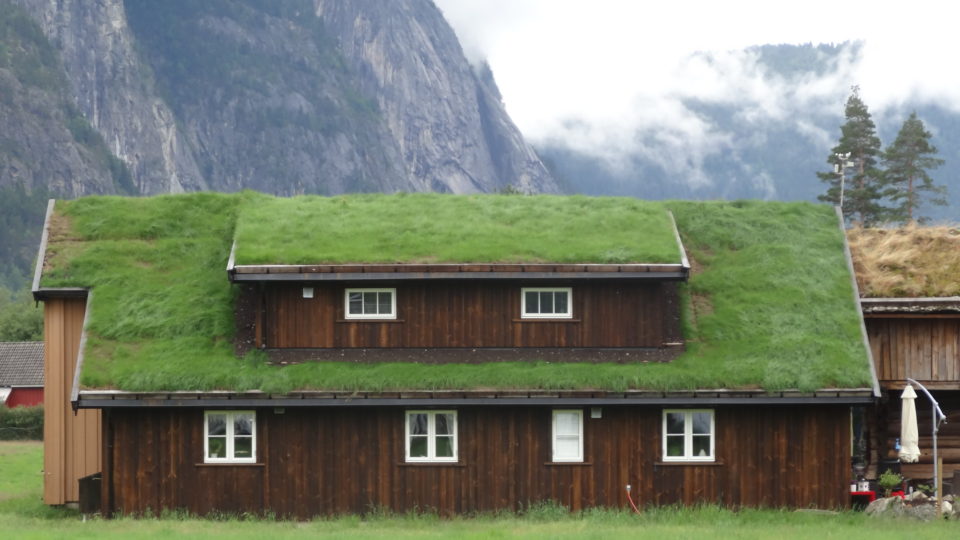
Green roofs are roofs on buildings that are partially or completely covered with vegetation and a growing medium, generally planted over a waterproofing membrane.  The modern version of these roofs began in Germany in the 1960s and spread to many other European countries over time.  With concerns about climate change and shrinking natural resources rising, green roofs are becoming increasingly popular across North America.  The Toronto-based organization Green Roofs for Healthy Cities estimates that the number in North America has increased by about 15% since 2013.

Replacing black asphalt and shingles with plants can lower the surrounding air temperature, filter dirty storm water, and reduce building energy use.  The National Research Council of Canada estimates that a green roof can reduce air conditioning use in a building by as much as 75%.  The roofs also help to reduce air pollution and greenhouse gas emissions according to the EPA.

As the benefits of green roofs become more widely known, cities around the world are passing green roof legislation.  Copenhagen passed a law in 2010 requiring all new commercial buildings to have green roofs if their roofs are not sloped too much.  Toronto was the first city in North America to pass a green roof law in 2009.  Over 640 green roofs covering more than five million square feet have since been constructed in Toronto.

Apart from the environmental benefits, green roofs are providing pleasant spaces in the urban environment that may include flower beds, trees, herb gardens, gazebos and picnic tables.  As for the economics, studies show that over the course of a roof’s lifetime, green roofs are actually considerably cheaper than conventional roofs taking into account energy savings.

**********

Web Links

The Green Revolution Spreading Across Our Rooftops

Photo, posted July 15, 2014, courtesy of Flickr.

Earth Wise is a production of WAMC Northeast Public Radio.

Wildlife Corridors

December 28, 2016 By EarthWise

https://earthwiseradio.org/wp-content/uploads/2016/12/EW-12-28-16-Wildlife-Corridors.mp3

It is widely thought that we are in the midst of the 6th great mass extinction of species on Earth and, unlike the previous ones that were caused by things like asteroid impacts or ice ages, this one is caused by us.  Our impact on the climate, on natural resources, on landscapes and habitats, and more, has wreaked havoc on ecosystems across the globe.

[Read more…] about Wildlife Corridors

Wiping Out Wildlife

December 1, 2016 By WAMC WEB

https://earthwiseradio.org/wp-content/uploads/2016/12/EW-12-01-16-Wiping-Out-Wildlife.mp3

According to a new report from the World Wildlife Fund, the world’s animal populations have suffered widespread population declines in the last half century.  And thousands of species are now scrambling to survive. 

[Read more…] about Wiping Out Wildlife

Food Waste And Behavior

May 27, 2016 By WAMC WEB

https://earthwiseradio.org/wp-content/uploads/2016/05/EW-05-27-16-Food-Waste-and-Behavior.mp3

In a recent article in Science entitled “Waste not, want not, emit less,” Danish researchers looked at the problem of food waste in both developed and developing countries.  Overall, about a third of the world’s food is lost or wasted, but the reasons for this vary in different parts of the world.

[Read more…] about Food Waste And Behavior

Primary Sidebar

Recent Episodes

  • An uninsurable future
  • Clean energy and jobs
  • Insect declines in remote regions
  • Fossil fuel producing nations ignoring climate goals
  • Trouble for clownfishes

WAMC Northeast Public Radio

WAMC/Northeast Public Radio is a regional public radio network serving parts of seven northeastern states (more...)

Copyright © 2025 ·