• Skip to primary navigation
  • Skip to main content
  • Skip to primary sidebar

Earth Wise

A look at our changing environment.

  • Home
  • About Earth Wise
  • Where to Listen
  • All Articles
  • Show Search
Hide Search
You are here: Home / Archives for mammal

mammal

The problem of mountain lions

May 5, 2025 By EarthWise Leave a Comment

The presence of mountain lions poses a challenge for people

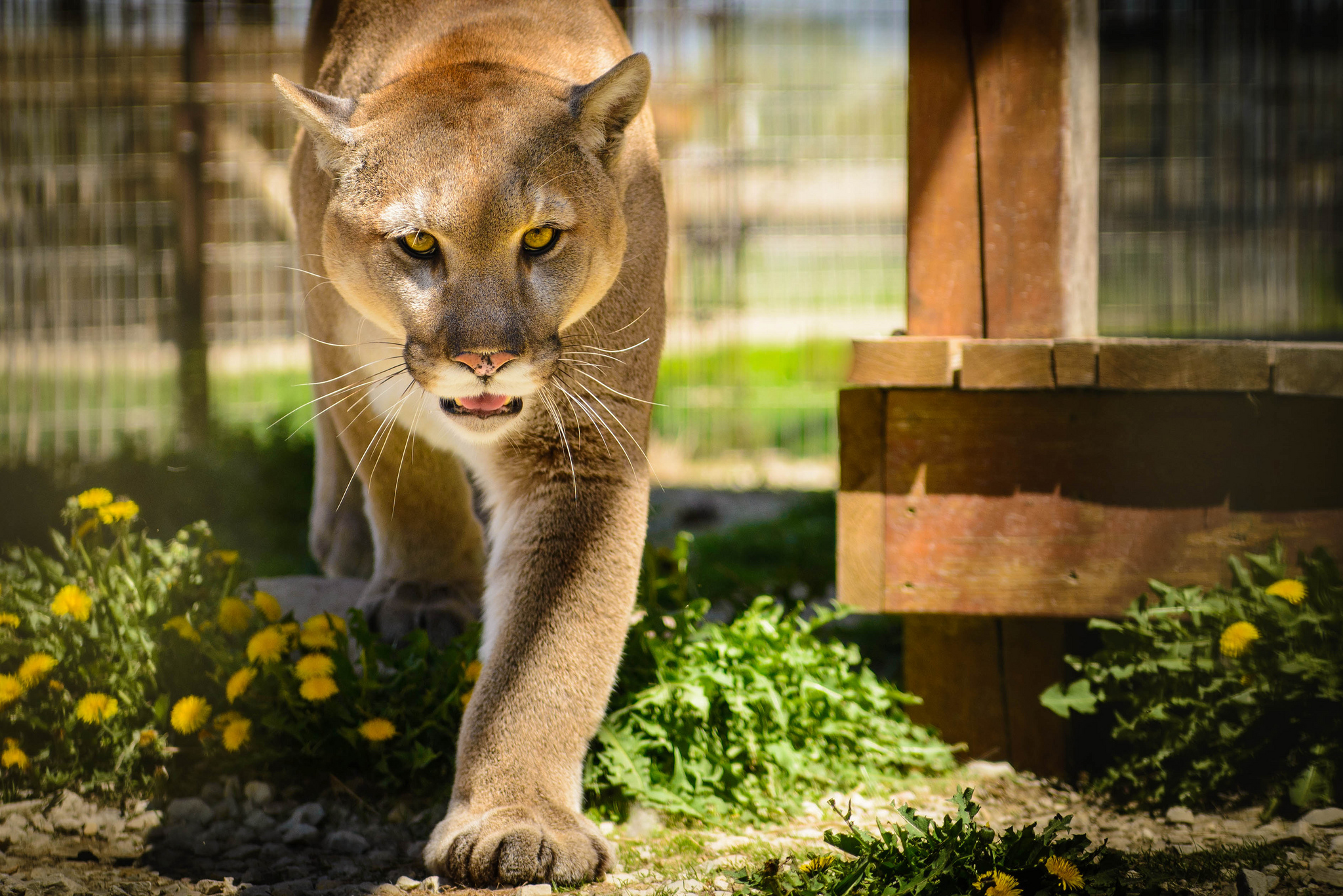
Mountain lions – also known as pumas, cougars, and even sometimes panthers – are the most widely distributed wild land mammal in the world.  They are found from Canada to South America.  There are an estimated 30,000 mountain lions in the United States, mostly in the West, but there are also mountain lions from the Midwest to the East Coast. 

Unlike wolves or grizzly bears, mountain lions are not managed by the federal government; they are managed by states and state regulations vary greatly.  In some places, hunting mountain lions is banned completely; in other places, it is always open season.

As more people encroach on wild land – building homes and small farms, as well as hiking and biking – the numbers of encounters between people and mountain lions are increasing.  And when mountain lions lose their fear of people, there is trouble.

Since 1890, there have been at least 32 fatal mountain lion attacks on humans and more than 170 non-fatal attacks.  California has seen the most attacks in the last 40 years with 22 people injured and four killed.  Despite this, Californians passed a ballot initiative in 1990 that bans all hunting of mountain lions.

There are strategies to reduce habituation and instill fear of humans in mountain lions.  One is called “tree-and-free” that uses dogs to chase mountain lions up trees.  But there are opponents of this and other measures employed. 

The fact is that there are simply too many mountain lions living in close proximity to humans and peaceful coexistence is very difficult to achieve.  Places where hunting lions is permitted have few problems with them, but that is not a solution that is acceptable in many places.  It’s a difficult problem.

**********

Web Links

Deadly Encounter: Mountain Lion Attacks Spark Controversy

Photo, posted March 26, 2013, courtesy of the USFWS via Flickr.

Earth Wise is a production of WAMC Northeast Public Radio

The most endangered marine mammal

July 9, 2024 By EarthWise Leave a Comment

How to protect the most endangered marine mammal

For the better part of a decade, conservationists have been trying to eliminate the use of gill nets by fishermen in the Gulf of California.  Species such as the corvina fish have been decimated by the use of this fishing gear.  The nets also trap other marine creatures, include the rare and elusive vaquita porpoise.

The vaquita is the world’s smallest porpoise, measuring no more than five feet in length.  It is the most endangered marine mammal. They live only in the Gulf of California, which is the site of intense fishing activity. Some of that activity is directed towards a fish called the totoaba, which is an endangered species itself.  The totoaba’s swim bladder is highly prized for Chinese traditional medicine, so there is a booming illegal market for it.  The gill nets used to catch totoaba are especially lethal to vaquitas.

Every year, for a few weeks, an international team of scientists searches the Gulf for vaquitas.  Recent surveys estimated that there are around 10 individuals in the area where they are most likely to be living.  This year’s survey estimated that six to eight vaquitas are in the area.  The ones spotted appeared to be in good health and one yearling was seen.

Officially, fishing with gill nets is banned throughout much of the upper Gulf of California.  In practice, enforcement has been difficult to do.  However, the Mexican government has been making an effort to improve the situation.  The Mexican Navy dropped 193 concrete blocks with giant hooks designed to entangle gill nets to deter fishers and they plan to drop more.

The survival of the vaquita depends on whether the use of gill nets stops.

**********

Web Links

The Most Endangered Marine Mammal Still Exists. Here’s the Latest Count.

Photo, posted July 12, 2011, courtesy of Semarnat via Flickr.

Earth Wise is a production of WAMC Northeast Public Radio

An Accelerating Rate Of Mountain Forest Loss | Earth Wise

April 27, 2023 By EarthWise Leave a Comment

Recent study demonstrates how mountain forest loss is accelerating

Mountains contribute disproportionately to the Earth’s diversity of life.  While mountains account for about 25% of the land area on Earth, they are home to more than 85% of the mammal, bird, and amphibian species.  But alarmingly, forested mountain habitats in which these species live are disappearing, and they appear to be disappearing at an accelerating rate.

According to a new study recently published in the journal One Earth, more than 300,000 square miles of mountain forest has been lost globally since 2000, which is an area larger than the state of Texas. 

A research team led by scientists from Leeds University in the United Kingdom and the Southern University of Science and Technology in China tracked changes in mountain forests on an annual basis from 2001 to 2018.  The researchers found logging to be the biggest driver of mountain forest loss, responsible for 42% of the overall decline.  This is followed by wildfires at 29%, so-called “slash-and-burn” cultivation at 15%, and permanent or semi-permanent agriculture at 10%.  Significant losses occurred in Asia, Africa, Europe, Australia, and South America, but not in Oceania or North America.

The research team also found that the rate of mountain forest loss seems to be accelerating: in fact, the annual rate of loss increased 50% from 2010-2018 when compared with 2001-2009.

While developing additional forest protection strategies and interventions is critical, the researchers emphasize the importance of also considering food production, livelihoods, and human wellbeing in any new measures.

**********

Web Links

Mountain forests are being lost at an accelerating rate, putting biodiversity at risk

Photo, posted December 6, 2018, courtesy of Lance Cheung / USDA via Flickr.

Earth Wise is a production of WAMC Northeast Public Radio
Is It Too Late To Save The Vaquita? | Earth Wise

June 6, 2022 By EarthWise Leave a Comment

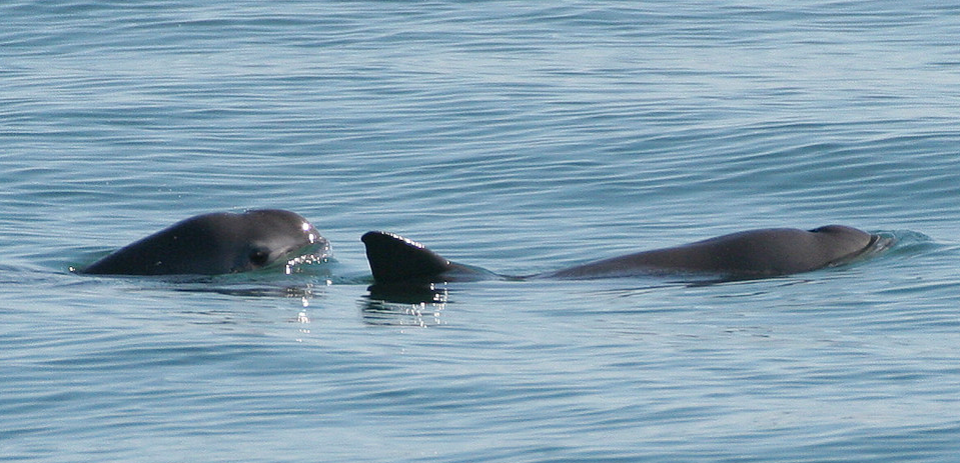
Can the critically endangered vaquita be saved?

The vaquita porpoise, the world’s smallest marine mammal, is on the brink of extinction.  Scientists estimate that just 10 or fewer vaquitas are left despite international conservation efforts. Found only in Mexico’s Upper Gulf of California, the vaquita is the most endangered marine mammal on the planet. 

According to the International Committee for the Recovery of the Vaquita, the number one threat facing vaquitas is gillnets. The porpoises get trapped in these nets and drown.  Gillnets are often used illegally in the region to catch shrimp and fish, including the critically-endangered totoaba.  The totoaba’s swim bladder is considered a delicacy in Asia and can fetch thousands of dollars.  Despite Mexico banning both totoaba fishing and the use of gillnets in the vaquitas’ habitat, many say the bans are not always enforced.  

But there is a reason to be hopeful.  According to a genetic analysis led by researchers at UCLA, the critically-endangered species actually remains relatively healthy and can potentially survive if illegal fishing practices cease immediately. 

In the study, which was recently published in the journal Science, the research team analyzed the genomes of 20 vaquitas between 1985 and 2017 and ran simulations to predict the species’ extinction risk over the next 50 years.  The researchers concluded that if gillnet fishing ends immediately, the vaquita has a very high chance of recovery.  If the practice continues, however, even moderately, the likelihood of a recovery plummets. 

According to the research team, the surviving vaquitas are actively reproducing and seem healthy.  But poachers’ gillnets will continue to pose an existential threat to the species until more measures are taken to protect the vaquita. 

**********

Web Links

Only 10 vaquita porpoises survive, but species may not be doomed, scientists say

Photo, posted October 18, 2008, courtesy of Paul Olson / NOAA via Flickr.

Earth Wise is a production of WAMC Northeast Public Radio.

Synthetic Palm Oil | Earth Wise

February 18, 2022 By EarthWise Leave a Comment

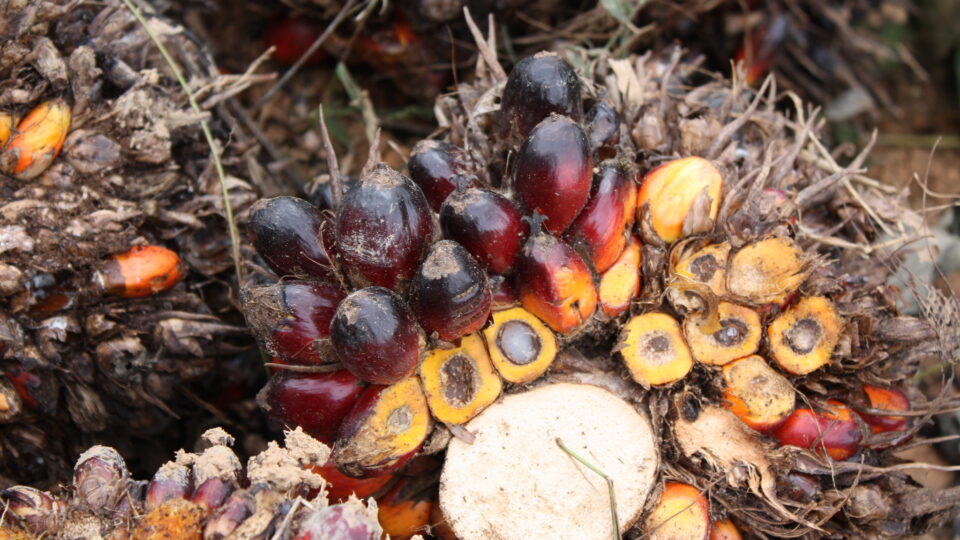
Palm oil is the world’s cheapest and most widely used vegetable oil.  Producing it is a primary driver of deforestation and biodiversity loss in the tropics.  In Borneo, for example, oil palm cultivation has accounted for more than half of all deforestation over the past two decades.   More than one million square miles of biodiversity hotspots could be threatened by oil palm cultivation, which could potentially affect more than 40% of all threatened bird, mammal, and amphibian species.

Today, the world consumes over 70 million tons of palm oil each year, used in products ranging from toothpaste and oat milk to biodiesel and laundry detergent.

Given this situation, there are now multiple companies developing microbial oils that might offer an alternative to palm oil while avoiding its most destructive impacts.

A company called C16 Biosciences is working on the problem in Manhattan, backed by $20 million from a Bill Gates’ climate solutions investment fund.  A California-based startup called Kiverdi is working to manufacture yeast oil using carbon captured from the atmosphere. 

Xylome, a Wisconsin-based startup is working to produce a palm oil alternative that they call “Yoil”, produced by a proprietary strain of yeast.  The oil from the yeast strain is remarkably similar to palm oil. 

The challenge is to be able to produce microbial oils at large scale and at a competitive price.  Unless valuable co-products could be manufactured along with the oil, it may be difficult to compete with palm oil.  Without regulatory pressures and willingness of consumers to pay more, it may be difficult to replace palm oil in many of its applications.

**********

Web Links

Can Synthetic Palm Oil Help Save the World’s Tropical Forests?

Photo, posted December 9, 2008, courtesy of Fitri Agung via Flickr.

Earth Wise is a production of WAMC Northeast Public Radio.

North Atlantic Right Whales

January 12, 2018 By EarthWise Leave a Comment

https://earthwiseradio.org/wp-content/uploads/2017/12/EW-01-12-18-North-Atlantic-Right-Whales.mp3

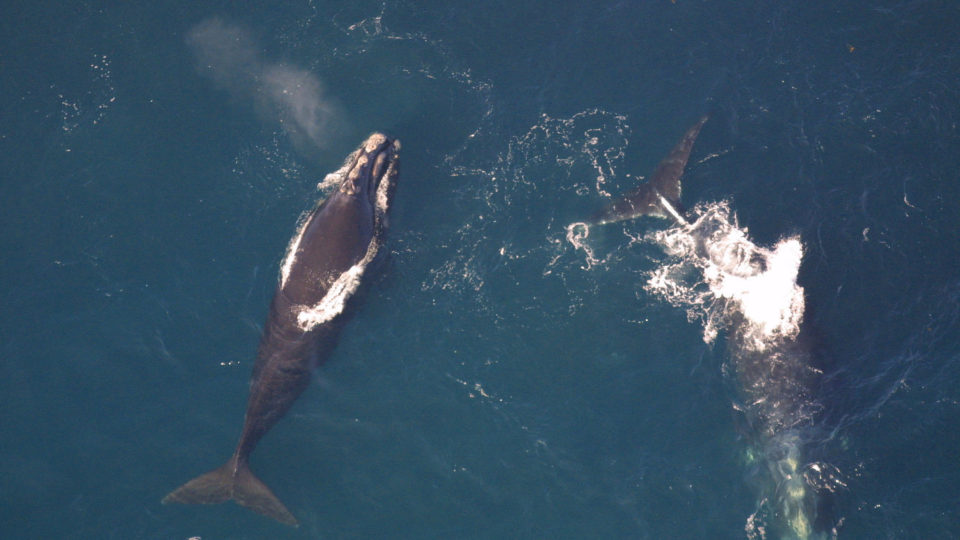
North Atlantic right whales are one of the rarest marine mammals in the world.  In fact, according to the National Oceanic and Atmospheric Administration, there are only about 450 of the whales left.  Measuring approximately 50 feet long and weighing close to 100,000 pounds, North Atlantic right whales are now more critically endangered than mountain gorillas, black rhinos, and giant pandas.

[Read more…] about North Atlantic Right Whales

A New Low-Cost Battery

March 15, 2017 By EarthWise

https://earthwiseradio.org/wp-content/uploads/2017/02/EW-03-15-17-A-New-Low-Cost-Battery.mp3

Batteries have never been more important.  Not only do we all depend on cell phones, tablets and laptop computers that run on batteries, but two enormous industries are in major transitions that rely upon battery technology: personal transportation and the utility industry.   The electricity grid is increasingly turning to solar and wind power for generation and both will require effective energy storage if they are to truly become the predominant sources of electricity.

[Read more…] about A New Low-Cost Battery

Help For Pangolins

November 3, 2016 By WAMC WEB

https://earthwiseradio.org/wp-content/uploads/2016/10/EW-11-03-16-Help-for-Pangolins.mp3

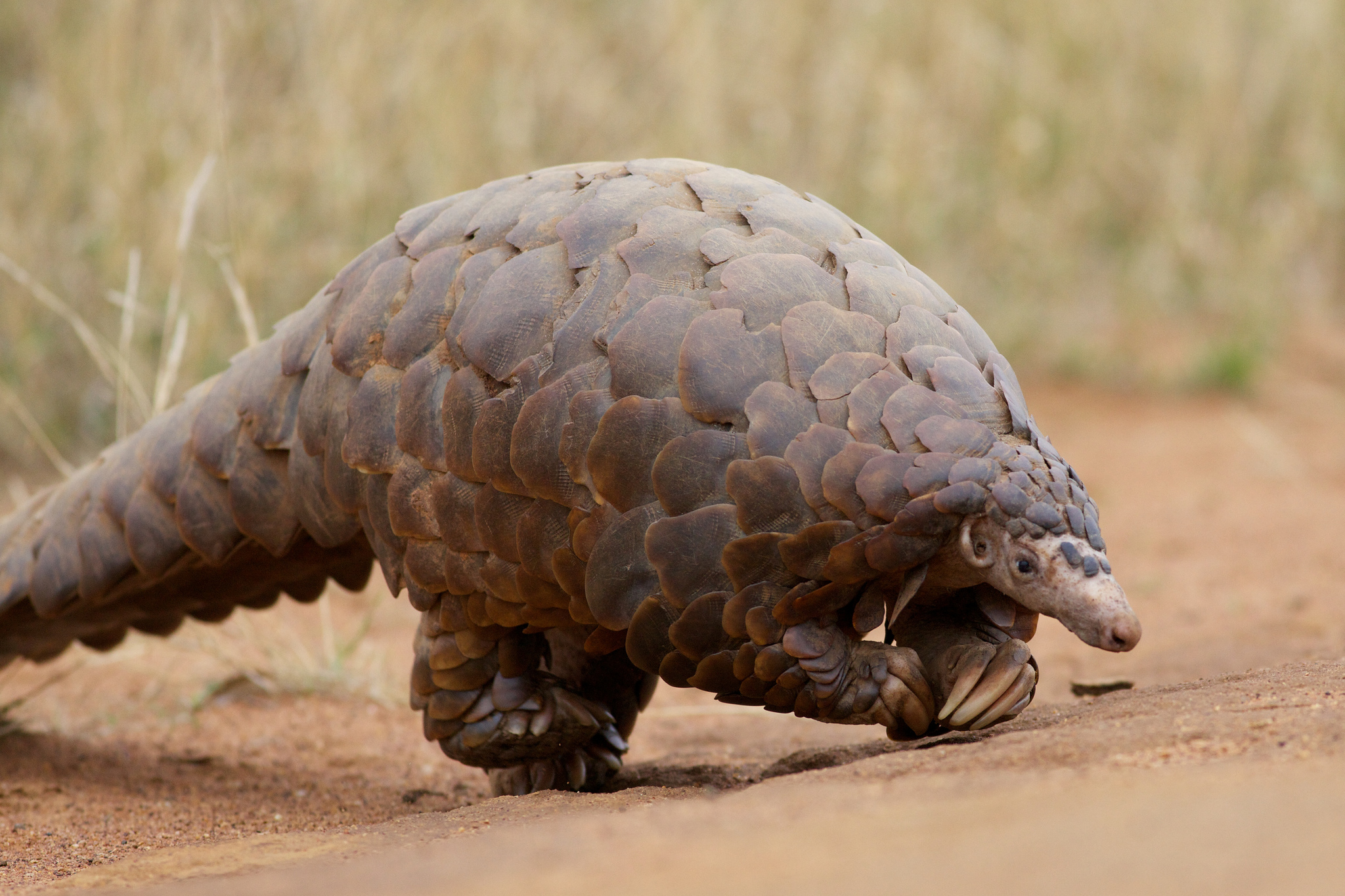
Poaching and illegal trafficking in exotic animals is a world-wide problem that most of us are aware of.  What most of us are less aware of is that the most trafficked mammal in the world is the pangolin, which you may well have never even heard of.

[Read more…] about Help For Pangolins

Prowling Cougars

August 31, 2016 By WAMC WEB

https://earthwiseradio.org/wp-content/uploads/2016/08/EW-08-31-16-Cougars-and-Deer.mp3

What large mammal routinely kills 200 humans in the Eastern United States every year?  Here’s a hint:  It’s not cougars.  It’s actually overabundant white-tailed deer. 

[Read more…] about Prowling Cougars

Primary Sidebar

Recent Episodes

  • An uninsurable future
  • Clean energy and jobs
  • Insect declines in remote regions
  • Fossil fuel producing nations ignoring climate goals
  • Trouble for clownfishes

WAMC Northeast Public Radio

WAMC/Northeast Public Radio is a regional public radio network serving parts of seven northeastern states (more...)

Copyright © 2026 ·