• Skip to primary navigation
  • Skip to main content
  • Skip to primary sidebar

Earth Wise

A look at our changing environment.

  • Home
  • About Earth Wise
  • Where to Listen
  • All Articles
  • Show Search
Hide Search
You are here: Home / Archives for intensity

intensity

Fighting harmful algal blooms with harmful algal blooms

March 7, 2025 By EarthWise Leave a Comment

Fighting harmful algal blooms using harmful algal blooms

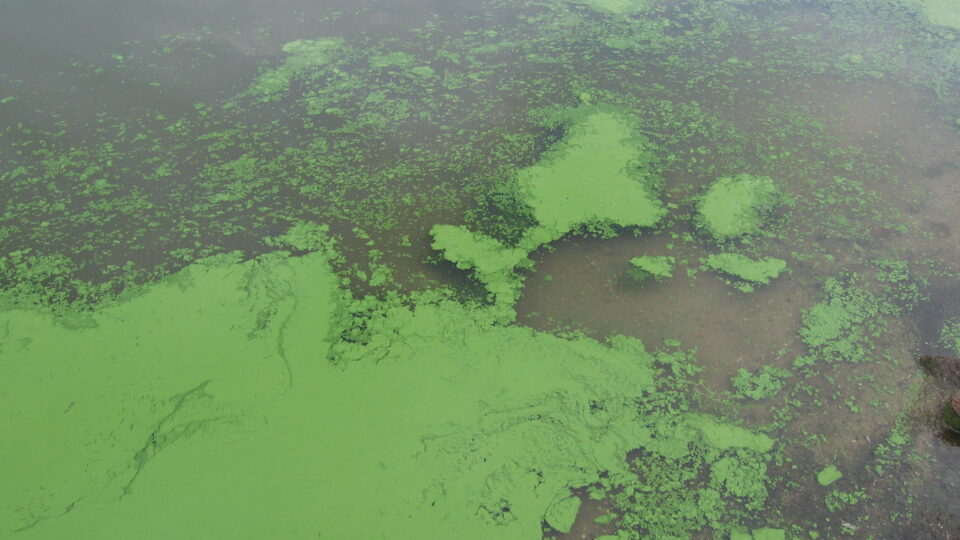
Harmful algal blooms – HABs – occur when colonies of algae grow out of control and produce toxic or harmful effects on people, marine life, and birds.  HABs occur naturally but their frequency and intensity are often associated with increased nutrient loading (mainly phosphorous and nitrogen) in bodies of water that is the result of runoff from sources like lawncare and agriculture.

Researchers at Florida Atlantic University have developed a technique for transforming cyanobacteria – also known as blue-green algae and a prime HAB material – into an effective material for removing phosphorous from water.

Their process converts blue-green algal biomass – essentially hazardous waste – into a custom-made adsorbent material that can pull harmful phosphorous from water.  The algae is first quickly heated up using microwaves and then it is modified by adding lanthanum chloride. 

The study took blue-green algae from Florida’s Lake Okeechobee, synthesized the adsorbent material in minutes, and using only small amounts of it could remove 90% of the phosphorous present in only half an hour.  It worked perfectly well in the presence of natural organic matter.  Using the harmful algae itself to prevent algal growth in bodies of water is an innovative way to reduce its further occurrence.

Phosphorous is a major contributor to the occurrence of harmful algal blooms, which can lead to toxic water conditions, loss of aquatic life, and significant economic losses for the fishing and tourism industries.  This technique could prove to be an essential tool for managing the growing problem of nutrient pollution.

**********

Web Links

FAU Engineering Develops New Weapon Against Harmful Algal Blooms

Photo, posted October 27, 2010, courtesy of Jennifer L. Graham / U.S. Geological Survey via Flickr.

Earth Wise is a production of WAMC Northeast Public Radio

Canadian wildfires and global emissions

October 14, 2024 By EarthWise Leave a Comment

The wildfires that burned vast amounts of Canada’s boreal forests in 2023 produced enormous amounts of smoke that found its way into American cities, working its way down the eastern seaboard and even producing unsafe air in Florida.

Researchers at Cal Tech and the Jet Propulsion Laboratory analyzed the carbon emissions associated with these fires last year and found that they were greater than those of all but three countries:  China, the US, and India.

Boreal forests have historically been a natural defense against climate change by storing carbon in trees rather than adding carbon dioxide to the atmosphere.  The fires in Canada, fueled by hot and dry weather, were extraordinary when compared with historical records.  But such fires are likely to be increasingly common as the climate continues to warm.

However, the hot and dry weather that fueled the 2023 fires was exceptional in many ways, involving early snow melt and so-called flash droughts.  This year’s fires in Canada are still bigger than average, but so far have not been as destructive as last year’s. 

Canada has been warming at about twice the global rate.  The extreme temperatures last summer were a major factor in the fueling of the fires, which burned an area almost the size of Florida.

Forests absorb about a quarter of global carbon emissions, but the increasing frequency and intensity of fires are calling into question their ability to continue to do so.  Parts of the Canadian forests are not regrowing after fires as they have in the past, partly because blazes burn trees so frequently and intensely.

**********

Web Links

Canada’s Wildfires Were a Top Global Emitter Last Year, Study Says

Photo, posted June 8, 2023, courtesy of the Metropolitan Transportation Authority via Flickr.

Earth Wise is a production of WAMC Northeast Public Radio
Wildfires and carbon storage

August 14, 2024 By EarthWise Leave a Comment

Wildfires impacting carbon storage potential

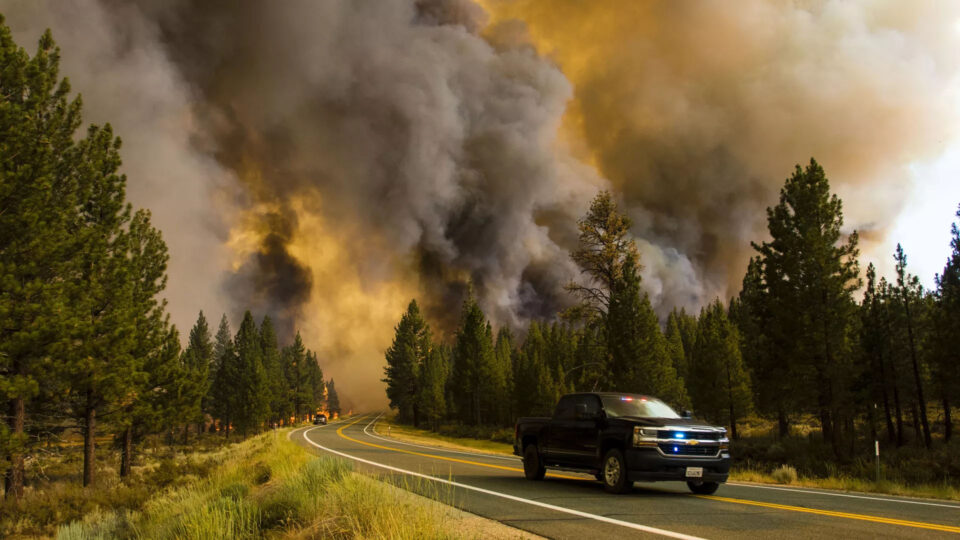
Forests are known to be a key natural solution to the increasing amounts of carbon dioxide in the atmosphere.  For this reason, there are widespread efforts to plant more trees around the world and to prevent increasing deforestation for development and agriculture.  But a new study has highlighted the fact that wildfires in the western US are degrading the potential for forests to help curb climate change.

The study has established a baseline for how much carbon is currently stored in Western forests, how that amount is changing, and how fires and droughts are affecting the ability of the forests to mitigate climate change.

The study made use of survey data collected by the US Forest Service to estimate how much carbon is stored in 19 ecoregions across the West.  These ecoregions range from hot and dry areas in the Southwest to the wet and cool regions of the Pacific Northwest.

The study reveals that the carbon stored in living trees declined across much of the Western US between 2005 and 2019.  Carbon stored in dead trees and woody debris increased.  These things do not provide long-term carbon storage.  Instead, they release it back into the atmosphere through decomposition or combustion in forest fires.

The increasing frequency and intensity of wildfires, especially since 2020, indicate that the decline in live carbon stored in the forests will become increasingly pronounced.  The result, according to the study’s authors, is that we cannot rely on increasing carbon storage in Western US forests.  It may be possible to increase the stability of carbon storage in the forests with mechanical thinning and prescribed burning, but the carbon carrying capacity of those forests is not likely to be what is needed.

**********

Web Links

Forest carbon storage has declined across much of the Western US, likely due to drought and fire

Photo, posted July 25, 2021, courtesy of Felton Davis via Flickr.

Earth Wise is a production of WAMC Northeast Public Radio
Billion-dollar weather disasters

January 19, 2024 By EarthWise Leave a Comment

An increasing number of billion-dollar weather disasters

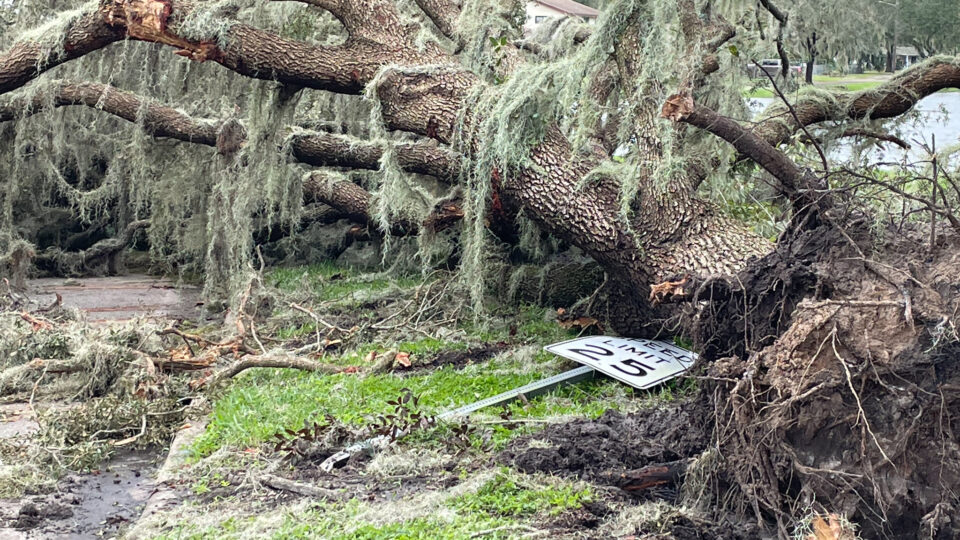
All sorts of weather records were set in 2023 and pretty much none of them were good news.  Among the most painful was that the U.S. suffered a record 25 weather- and climate-related disasters that caused more than a billion dollars in damage.

The increasing accumulation of greenhouse gases in the atmosphere has increased the frequency, intensity, and danger of extreme weather events of all types including hurricanes, severe storms, heavy rainfall, flooding, wildfire, extreme heat, and drought.

Between 1980 and 2022, the U.S. averaged eight billion-dollar weather disasters each year, according to data from the National Oceanic and Atmospheric Administration.  Between 2018 and 2022, the average was 18 such disasters each year.  Last year, it was a record 25, three more than the previous record set in 2020.

The onslaught of weather disasters has put considerable pressure on disaster relief and emergency services of all kinds.  It seems like there are catastrophic events happening all the time; and in fact, there are.  The average time between billion-dollar disasters has dramatically shrunk.  In the 1980s, there was an average of 82 days between them.  Between 2018 and 2022, the lull between billion-dollar disasters dropped to an average of just 18 days.  For the first eleven months of 2023, the average time between billion-dollar weather disasters was just 10 days.

The global average temperature in 2023 was 1.4 degrees Celsius above the pre-industrial average and the effects have been increasingly dramatic.  We can expect that the impacts will worsen with every bit of additional warming.  There is no time to waste in taking climate action.

**********

Web Links

A Record Number of Billion-Dollar Weather Disasters Hit the U.S. in 2023

Photo, posted September 29, 2022, courtesy of State Farm via Flickr.

Earth Wise is a production of WAMC Northeast Public Radio
The World’s Hottest Day | Earth Wise

July 27, 2023 By EarthWise Leave a Comment

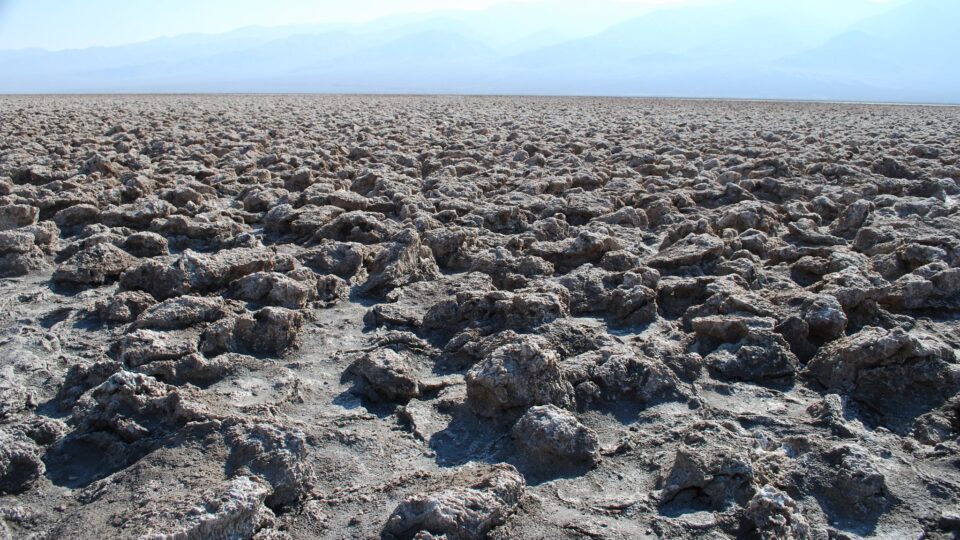
Early in July – for four days in a row – the average global temperature was the highest ever recorded.  As many places around the world endured dangerous heatwaves, the average global temperature on the fourth of July reached 62.92 degrees Fahrenheit, the highest ever recorded by human-made instruments.  On July 6th, the global temperature climbed even further to 63.01 degrees.

The average global temperature on an annual basis was about 56.7 degrees from the 1880s through the 1910s.  Temperatures rose a bit after that but ended up about 57.2 degrees until the 1980s.  After that, temperatures have risen fairly steadily as heat-trapping gases have accumulated in the atmosphere driving the current average above 58 degrees.

Global temperatures have only been directly measured since the mid-20th century.  There are proxy measurements from sources like tree rings, ice core samples, glacier measurements, and more that indicate that the recent readings may be the warmest days the earth has seen in millennia.

Average global temperature is determined using temperature readings at thousands of locations on both land and sea across the entire planet.  Those readings are compared with average temperatures at those locations for the date and the difference (known as the temperature anomaly) used to calculate a global average.

With the recent arrival of the El Niño in the Pacific Ocean, it is likely that the warming already being driven by greenhouse gas accumulation will intensify further. 

In a summer already marked by extreme heatwaves in many locations, having the entire planet 4 or 5 degrees hotter than normal is a very big deal and most certainly not a record to celebrate.

**********

Web Links

Earth reaches hottest day ever recorded 4 days in a row

Photo, posted October 29, 2008, courtesy of Darek via Flickr.

Earth Wise is a production of WAMC Northeast Public Radio

The Cost Of Heat Waves | Earth Wise

December 7, 2022 By EarthWise Leave a Comment

Heat waves are defined as periods of abnormally hot weather generally lasting more than two days. To be considered a heat wave, the recorded temperatures must be substantially above the historical averages for a given area. According to climate scientists, anthropogenic climate change is likely causing heat waves to increase in both frequency and intensity.  

According to a new study by researchers from Dartmouth University, climate change-driven severe heat waves have cost the world economy trillions of dollars since the early 1990s. 

In the study, which was recently published in the journal Science Advances, researchers combined in-depth economic data for regions worldwide with the average temperature for the hottest five-day period —a commonly used measurement of heat intensity—for each region in each year.  The research team found that between 1992 and 2013, heat waves statistically coincided with variations in economic growth and that an estimated $16 trillion was lost to the effects of high temperatures on human health, productivity and agricultural output.

The results of the study underscore issues of climate justice and inequality.  According to researchers, the economic costs of extreme heat have been and will be disproportionately borne by the world’s poorest nations.  While economic losses due to extreme heat events averaged 1.5% of GDP per capita for the world’s wealthiest regions, the researchers found that low-income regions suffered a loss of 6.7% of GDP per capita.  Most of these low-income nations have contributed the least to climate change. 

According to the research team, immediate action is needed now to protect vulnerable people during the hottest days of the year.

**********

Web Links

Heat Waves Have Cost World Economy Trillions of Dollars

Photo, posted July 23, 2021, courtesy of Martin Fisch (marfis75) via Flickr.

Earth Wise is a production of WAMC Northeast Public Radio

Heatwaves And Bird Populations | Earth Wise

July 28, 2022 By EarthWise Leave a Comment

How the changing climate is affecting bird populations

The increased occurrence and intensity of heatwaves around the world is affecting most living things.  Heatwaves can be lethal for warm-blooded animals – including people – but the behavioral and physiological effects of sub-lethal heat have not been extensively studied.  Heat that doesn’t kill animals can still impact their ability to adapt and thrive as the climate changes.

Researchers at the University of Tennessee in Knoxville recently published a new study that examined how heat impacts the behavior and physiology of Zebra finches.  They exposed the birds to a four-hour heat challenge, similar to what wild birds might experience during a hot summer afternoon.   They used Zebra finches because these songbirds experience extreme temperature fluctuations in their native Australia.

The team measured heat effects on thermoregulatory behavior, how heat alters gene activity in tissues critical to reproduction, and how heat affects the area of the brain that controls singing.  The evidence showed that even sub-lethal heat can change a bird’s ability to reproduce both from the functioning of its reproductive system and its motivational circuits for mating behavior.

The researchers found that some individual birds were better able to minimize the physiological effect of heat, for example by adjusting their behavior to dissipate heat.  Some individuals and even some species are likely to be able to adapt to increasingly extreme temperatures.

Global bird populations have been dramatically declining over the past few decades.  Previous studies have shown that birds sing less during heatwaves. Based on the new study, it appears that increasing heatwaves may be a potential underlying mechanism for the decline in bird populations.

**********

Web Links

New Research Suggests Heat Waves Could Lead to Avian Population Decline

Photo, posted August 22, 2017, courtesy of Dennis Jarvis via Flickr.

Earth Wise is a production of WAMC Northeast Public Radio.

Melting Ice In Greenland

January 18, 2019 By EarthWise Leave a Comment

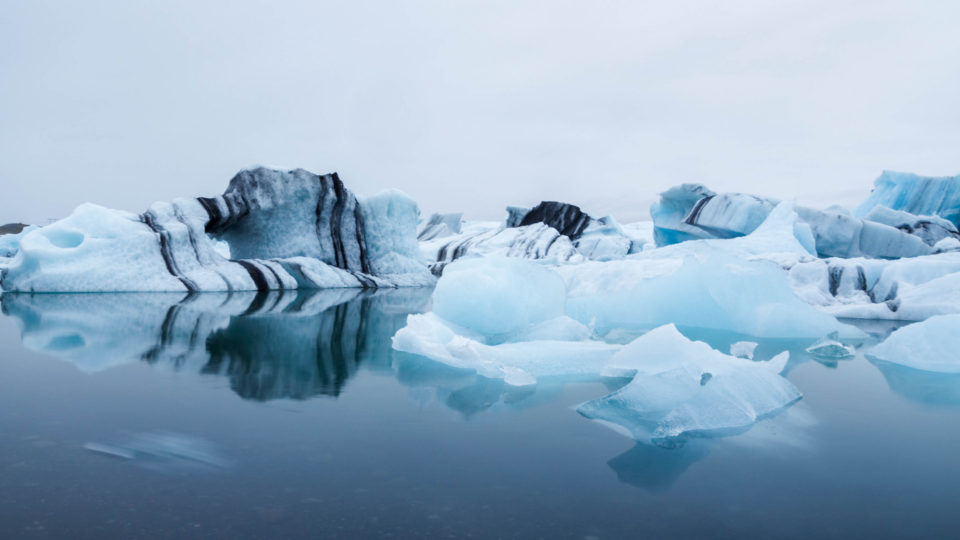
The Greenland ice sheet is the second largest ice body in the world after the Antarctic ice sheet.  It covers over 660,000 square miles, more than twice the size of the state of Texas.  But it is melting.

According to a new study published in the journal Nature, the Greenland ice sheet is melting faster today than at any point in the last 350 years.  A team of U.S. and European researchers analyzed more than three centuries of melt patterns in ice cores from western Greenland. They then linked this historical data to modern observations of melting and runoff across the entire ice sheet.

According to the researchers, from an historical perspective, today’smelt rates are off the charts.  There is a 50% increase in total ice sheet melt water runoff since the start of the industrial era and a 30% increase since the 20th century alone.

Over the last 20 years, melt intensity has increased 250 to 575 percent compared to pre-industrial melt rates. The period from 2004-2013, the most recent decade analyzed, experienced a more sustained and greater magnitude of melt than in any previous 10-year period in the 350-year record.

The Greenland ice sheet is the largest single contributor to global sea level rise.  It is adding 72 cubic miles of meltwater to the world’s oceans every year.

The melting of the Greenland ice sheet is accelerating which is a frightening prospect.  If the sheet were to melt in its entirety, global sea levels would rise by 23 feet.  The world needs to do whatever it can to keep that doomsday scenario from happening.

**********

Web Links

Greenland Ice Sheet Melting At Fastest Rate in 350 Years

Photo, posted September 8, 2014, courtesy of Marco Verch via Flickr.  

Earth Wise is a production of WAMC Northeast Public Radio.

Hurricanes Are Slowing Down

July 17, 2018 By EarthWise Leave a Comment

https://earthwiseradio.org/wp-content/uploads/2018/07/EW-07-17-18-Hurricanes-Are-Slowing-Down.mp3

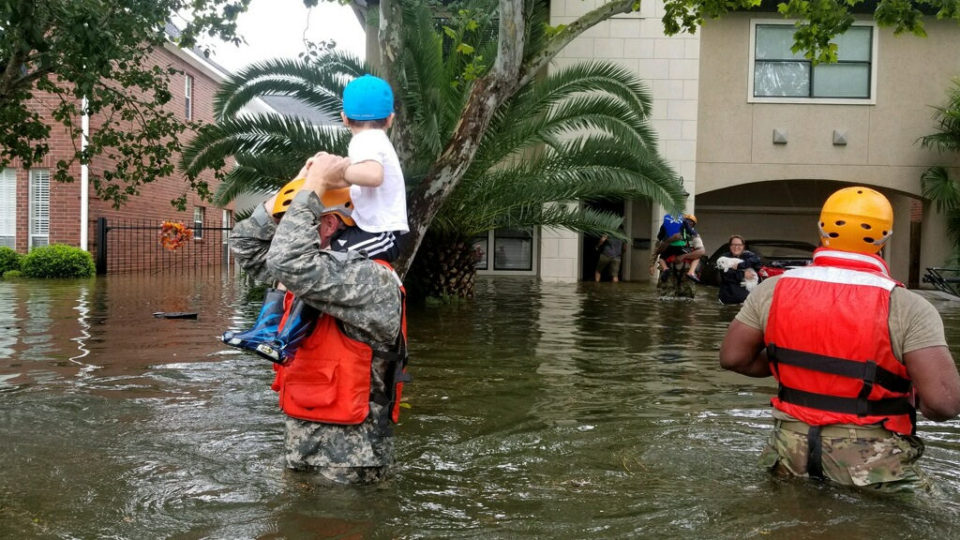
According to a new study recently published in the scientific journal Nature, some hurricanes are moving slower and spending more time over land, which is leading to catastrophic rainfall and flooding. The speed at which hurricanes track along their paths – known as translational speed – can play a major role in a storm’s damage and devastation.  17

[Read more…] about Hurricanes Are Slowing Down

Tsunami And Invasive Species

November 13, 2017 By EarthWise Leave a Comment

https://earthwiseradio.org/wp-content/uploads/2017/10/EW-11-13-17-Tsunami-and-Invasive-Species.mp3

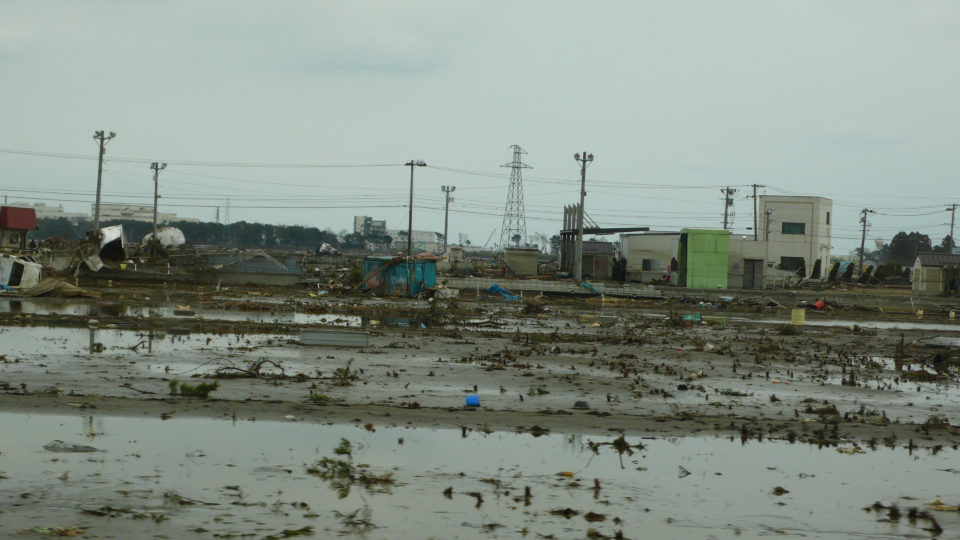
According to a new study published in the journal Science, scientists have discovered that hundreds of Japanese marine species have been swept across the Pacific Ocean to the United States following the deadly Tsunami in 2011.        

[Read more…] about Tsunami And Invasive Species

Energy Intensity

September 7, 2016 By WAMC WEB

https://earthwiseradio.org/wp-content/uploads/2016/09/EW-09-07-16-Energy-Intensity.mp3

Every stage of civilization is characterized by its use of energy.   From burning wood to steam engines to our electrified society, energy is behind everything we do.  Over time, human society has become increasingly energy intensive.  As our standards of living have improved and as we overcome the effects of weather – either cold or warm – it takes more and more energy to live the lives we lead.

[Read more…] about Energy Intensity

Primary Sidebar

Recent Episodes

  • An uninsurable future
  • Clean energy and jobs
  • Insect declines in remote regions
  • Fossil fuel producing nations ignoring climate goals
  • Trouble for clownfishes

WAMC Northeast Public Radio

WAMC/Northeast Public Radio is a regional public radio network serving parts of seven northeastern states (more...)

Copyright © 2025 ·