• Skip to primary navigation
  • Skip to main content
  • Skip to primary sidebar

Earth Wise

A look at our changing environment.

  • Home
  • About Earth Wise
  • Where to Listen
  • All Articles
  • Show Search
Hide Search
You are here: Home / Archives for infection

infection

An anti-malaria breakthrough

August 26, 2025 By EarthWise Leave a Comment

A technological breakthrough in the battle against malaria

The deadliest animal in the world is the mosquito.  Mosquitos infected 263 million people with malaria in 2023, leading to 600,000 deaths, 80% of which were children.  Malaria is caused by infection from Plasmodium parasites.  The parasites are transmitted to humans from the bite of infected female mosquitos.

Researchers at the University of California San Diego, Johns Hopkins University, UC Berkeley, and the University of Sāo Paulo have developed a new method that genetically blocks mosquitos from transmitting malaria.

The study was published in the journal Nature.  They used gene editing to change a single molecule within mosquitos.  The genetically altered mosquitos can still bite people with malaria and can still acquire parasites from their blood, but the parasites can no longer be spread to other people.  The switching of one specific amino acid known as L224 with a genetic alternative called Q224 prevents malarial parasites from reaching the salivary glands of the mosquito, thereby preventing the spread of infection.  In extensive tests, the researchers found that while the genetic switch disrupted the parasite’s infection capabilities, the mosquitos’ normal growth and reproduction remained unchanged.

The hope is that the replacement of a single amino acid in mosquitoes that prevents them from being infected with malarial parasites is a beneficial trait that can spread throughout a mosquito population.  The researchers believe that the trait can be spread across diverse mosquito species and populations and can pave the way for adaptable, real-world strategies to control malaria.

**********

Web Links

Stealth Genetic Switch in Mosquitoes Halts Malaria Spread

Photo, posted June 20, 2014, courtesy of John Tann via Flickr.

Earth Wise is a production of WAMC Northeast Public Radio
The Plight Of Monarch Butterflies | Earth Wise

April 20, 2022 By EarthWise Leave a Comment

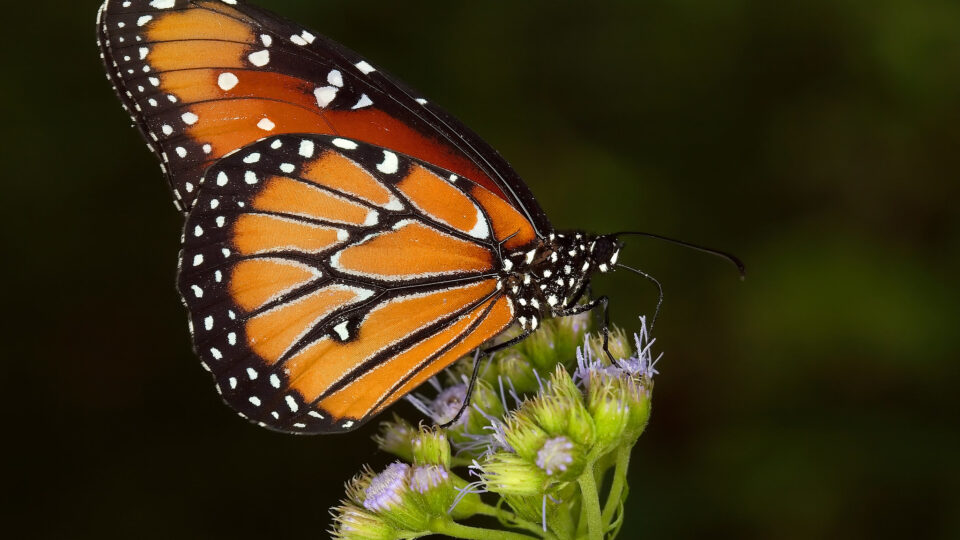
The monarch butterfly is one of the world’s best-known butterflies and has become the symbol for a whole class of imperiled pollinators.  Populations of the iconic orange-and-black insects have declined dramatically in recent decades. 

According to the U.S. Fish and Wildlife Service, the eastern monarch population has dropped 88% between 1996 and 2020.  Habitat loss, pesticide use, and global climate change are some of the factors driving monarch butterfly population declines. 

According to a new study led by scientists at Emory University, monarch butterflies are also increasingly plagued by a debilitating parasite.  The study, which was recently published in The Journal of Animal Ecology, reviewed 50 years of data on the infection rate of wild monarch butterflies by the protozoan Ophryocystis elektrosirrha (or O.E.).  The research team found that the O.E. infection rate had increased from less than 1% of the eastern monarch population in 1968 to as much as 10% today.

The O.E. parasite invades the gut of monarch caterpillars.  If the adult butterfly leaves the pupal stage with a severe parasitic infection, it begins oozing fluids from its body and dies. If the infection is lighter and the butterfly survives, it will not fly as well or live as long as uninfected butterflies.  

The study found that one of the contributors to the rise in parasitism is the increased density of monarchs in places where they lay their eggs.  The increased density may be due to several factors, including the loss of habitat, the widespread planting of non-native milkweed, and by people raising large numbers of monarchs in confined spaces. 

If the infection rate continues to increase, monarch butterfly populations will likely continue to plummet. 

**********

Web Links

Monarch butterflies increasingly plagued by parasites

Plight of the Monarch

Saving The Monarch Butterfly

Photo, posted September 18, 2008, courtesy of Roy Niswanger via Flickr.

Earth Wise is a production of WAMC Northeast Public Radio.

A War On Wolves

March 17, 2022 By EarthWise Leave a Comment

America has a long history of persecuting wolves.  In 1905 the federal government tried biological warfare, infecting wolves with mange.  In 1915, Congress passed a law requiring the eradication of wolves from federal land.  By 1926, all the wolves in Yellowstone National Park had been poisoned, shot, or trapped.   By 1945, wolves had been essentially eliminated from the American West.

All of this was driven by the fantasy that wolves were a major menace to livestock and a threat to big game.

In the 1990s, wolves were reintroduced to Yellowstone National Park and central Idaho and the result was one of the greatest success stories in the history of wildlife management.  There were multiple improvements to the greater Yellowstone ecosystem.  Wolves as important predators are essential elements of healthy ecosystems in the American west.

For reasons difficult to fathom, the status of wolves has become political.  Conservative lawmakers in Idaho, Montana, Wyoming, and Wisconsin have essentially declared war on wolves, radically liberalizing wolf trapping and hunting regulations.  In Wyoming, it is now legal to kill wolves at any time by virtually any means, including running them over with snowmobiles and incinerating pups and nursing mothers in dens.  Idaho has bounties as high as $2,000 for killing wolves.

The reasons are just as bogus as ever.  Livestock predation is the big claim.  In 2015, 1,904 wolves shared the Rocky Mountain West with 1.6 million cattle.  Wolves killed all of 148 of them. 

Evidently, wolves have become identified as a liberal cause and, as such, are now the enemy of conservative politics.

**********

Web Links

America’s New War on Wolves and Why It Must Be Stopped

Photo, posted April 6, 2016, courtesy of Yellowstone National Park via Flickr.

XXXXXXXXXXXXX

Could Lyme Disease Be Eradicated? | Earth Wise

November 22, 2021 By EarthWise Leave a Comment

Eradicating lyme disease

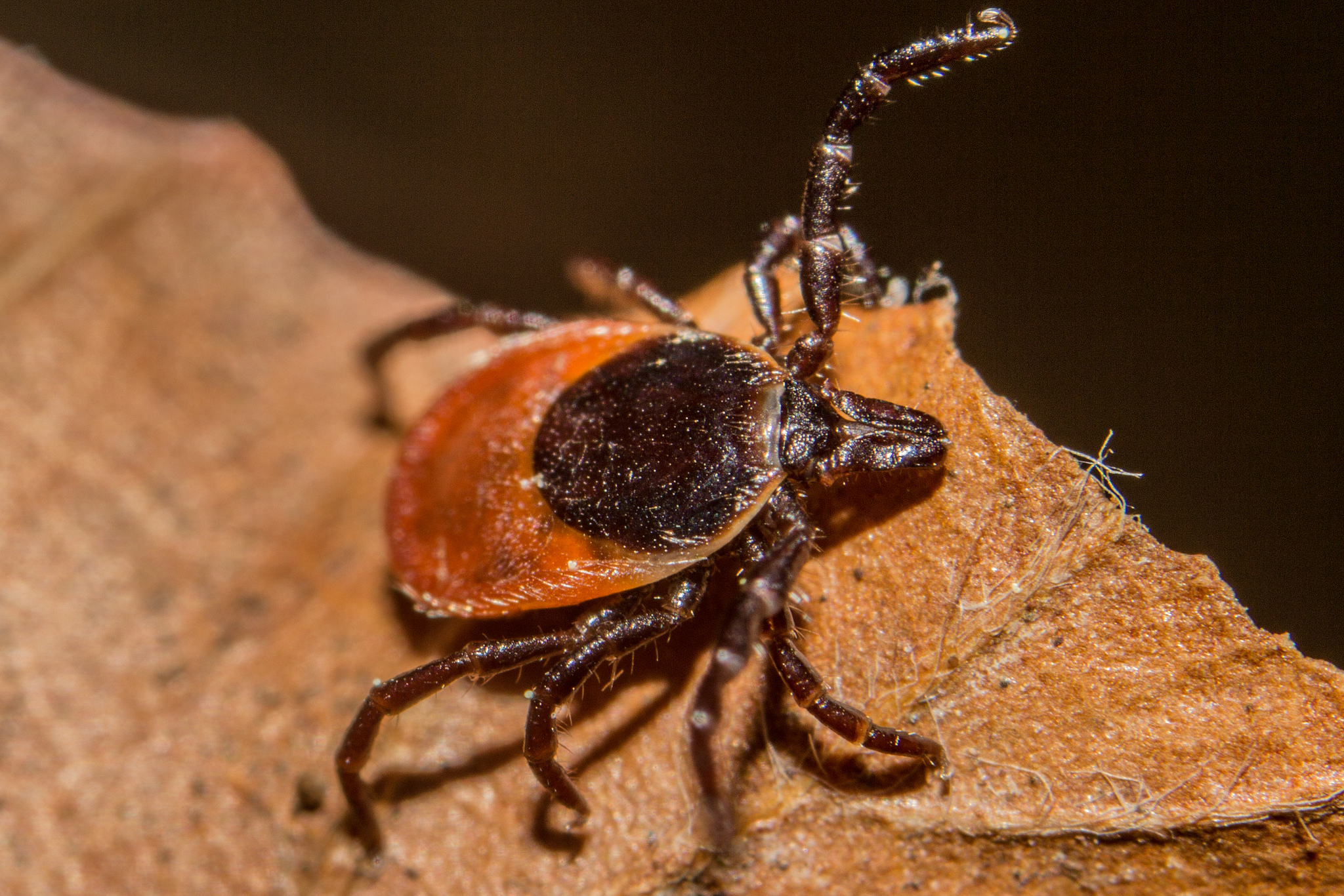
Tiny ticks are a big problem.  Measuring only three to five millimeters in size, ticks are widely distributed around the world.  They are external parasites, feasting on the blood of birds, reptiles, amphibians, and mammals – including humans.

According to estimates from the Centers for Disease Control and Prevention, ticks infect an estimated 476,000 people with Lyme disease in the United States every year.  Lyme disease is caused by a bacterium called Borrelia burgdorferi that lurks in wild mice. Ticks that feed on the mice become infected and can then in turn infect people and animals.   

The disease is not only a problem in the United States, but in other parts of North America, Europe and Asia as well.  It often causes a characteristic “bullseye” rash and flu-like symptoms. If left untreated, it can lead to serious long-term health problems.

Currently, lyme disease is treated using antibiotics.  But antibiotics kill a wide range of bacteria – including healthy gut bacteria – which can lead to additional health issues and more antibiotic resistance.

A recent discovery by researchers from Northeastern University in Boston could allow Lyme disease to be eradicated in the wild.  The researchers found that a compound called hygromycin A is deadly to the bacterium that causes Lyme disease but harmless to animals and has little effect on most other bacteria. 

The little-known antibiotic cleared Lyme disease infection in mice, both when administered via injection and when ingested using bait.  As a result, dropping feeding baits could eradicate Lyme disease from whole areas or even entire countries.  The first field trial will be next summer.

**********

Web Links

Drug treatment for Lyme disease could lead to its eradication

Photo, posted June 21, 2017, courtesy of NIAID via Flickr.

Earth Wise is a production of WAMC Northeast Public Radio.

Wildfire Smoke And Dangerous Microbes | Earth Wise

February 12, 2021 By EarthWise Leave a Comment

Wildfire smoke is a major global health concern

The worsening severity of wildfires across the globe is a major public health concern.  The pulmonary and cardiovascular consequences of wildfire smoke inhalation have been well researched and have been an increasing focus for officials in places like California, other western states, and Australia.  More recently, another public health concern has emerged related to the fact that wildfire smoke can carry microbes that cause infectious diseases.

A new analysis, published in the journal Science, points out that the risk of potential infection from airborne microbes has not been the subject of much research.

The fungus coccidioides, for example, becomes airborne when soils are disturbed by fire. When this fungus is inhaled, it can cause Valley fever, an infection with flu-like symptoms that sometimes progresses to pneumonia or meningitis.  Inhalation risk of these microbes is highest closest to fires, so coccidioidomycosis is listed as a professional risk for firefighters.

A recent study found an increase in cases of invasive mold infection, aspergilliosis, as well as cases of coccidioidomycosis at hospitals within 200 miles of major wildfires in California.

Wildfire smoke has been shown to carry airborne particles of fungal and bacterial cells, hitching a ride on water vapor or charred carbon, over thousands of miles.  Some microbes in soil appear to be tolerant of or even thrive under high temperatures following wildfires.

A multidisciplinary research collaboration is needed to better understand the relationship between microbes, wildfire, and public health.  Such knowledge is increasingly vital as severe wildfires become seasonal norms in parts of the world such as the United States and Australia.

**********

Web Links

Wildfire Smoke Can Carry Dangerous Microbes Thousands of Miles, Scientists Warn

Photo, posted September 9, 2020, courtesy of Christopher Michel via Flickr.

Earth Wise is a production of WAMC Northeast Public Radio.

An App For Infection Testing

June 11, 2018 By EarthWise Leave a Comment

https://earthwiseradio.org/wp-content/uploads/2018/06/EW-06-11-18-An-App-for-Infection-Testing.mp3

Researchers at Washington State University have developed a low-cost, portable device that works with a smartphone to detect common viral and bacterial infections nearly as well as clinical laboratories.  Such a system could lead to faster and lower-cost lab results for fast-moving epidemics, especially in rural or lower-resource regions where laboratory equipment and medical personnel are not readily available.

[Read more…] about An App For Infection Testing

A Bad Food Patch

May 14, 2018 By EarthWise Leave a Comment

https://earthwiseradio.org/wp-content/uploads/2018/04/EW-05-14-18-A-Bad-Food-Patch.mp3

A group of scientists and engineers at McMaster University in Hamilton, Ontario, has developed a new technology that could replace traditional “best before” dates on food and beverages with a definitive indication of the safety of the product.

[Read more…] about A Bad Food Patch

Saving African Cattle With Perfume

November 27, 2017 By EarthWise Leave a Comment

https://earthwiseradio.org/wp-content/uploads/2017/10/EW-11-27-17-Saving-African-Cattle.mp3

Tsetse flies are widespread in Africa. They feed on blood and are the source of the dreaded sleeping sickness, an infection that can be lethal, damages the nervous system and, in its final stage, causes a dozy state, which gave the disease its name. Sleeping sickness is a real danger for people in tropical Africa, but tsetse flies can also transfer the disease to cattle.  This leads to huge losses in milk, meat and manpower.  The damage caused by the flies in Africa is estimated to be nearly $5 billion a year.

[Read more…] about Saving African Cattle With Perfume

Doing More Harm Than Good

August 1, 2017 By EarthWise

https://earthwiseradio.org/wp-content/uploads/2017/08/EW-08-01-17-Antibacterials.mp3

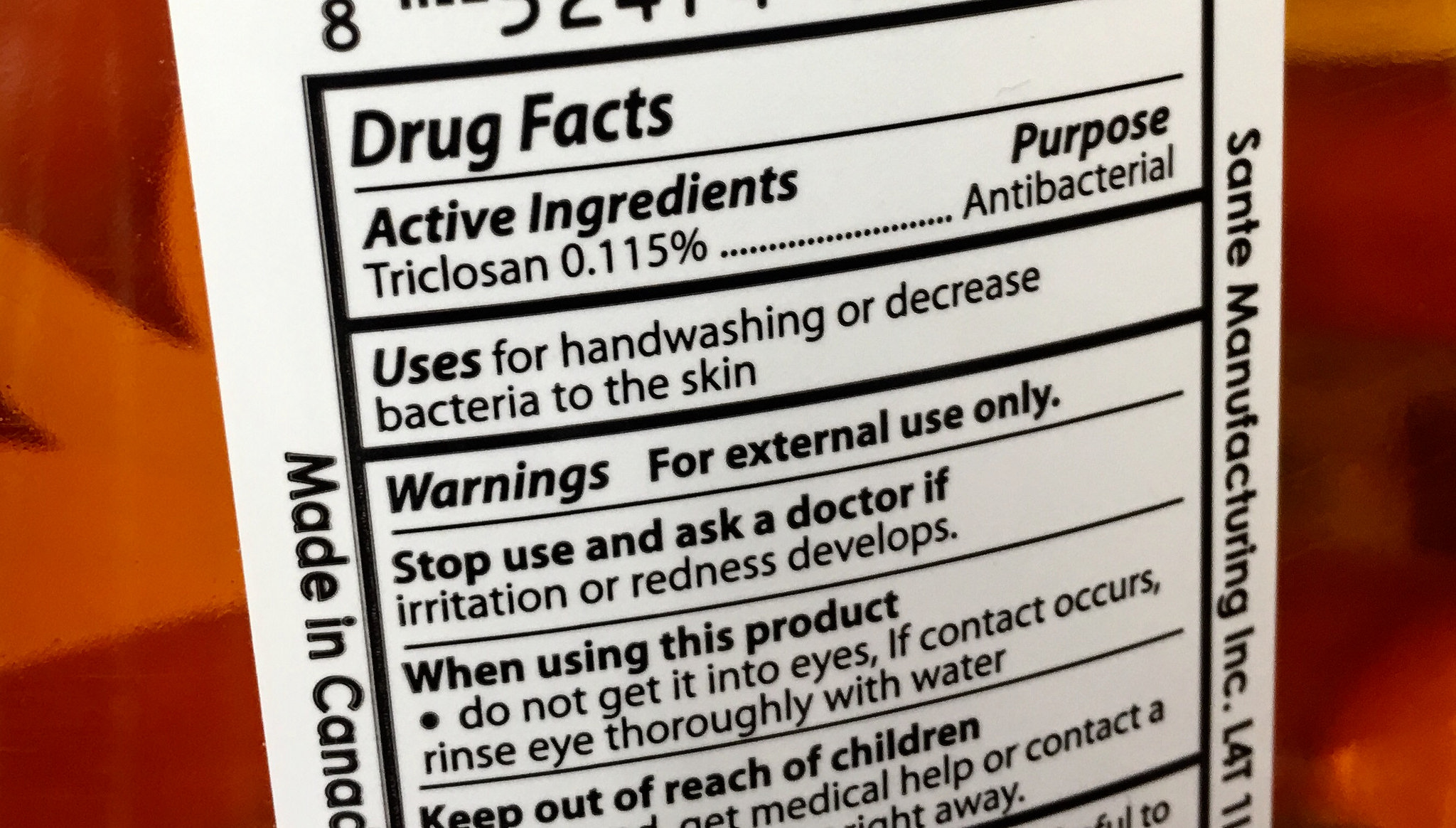
A group of more than 200 scientists and medical professionals has issued a consensus statement in the journal Environmental Health Perspectives urging that antimicrobial chemicals like triclosan and triclocarban should not be used in consumer products.  The experts say that these substances offer no health benefits and are actually causing health and environmental harm.

[Read more…] about Doing More Harm Than Good

The Tick Project

September 12, 2016 By WAMC WEB

https://earthwiseradio.org/wp-content/uploads/2016/08/EW-09-12-16-The-Tick-Project.mp3

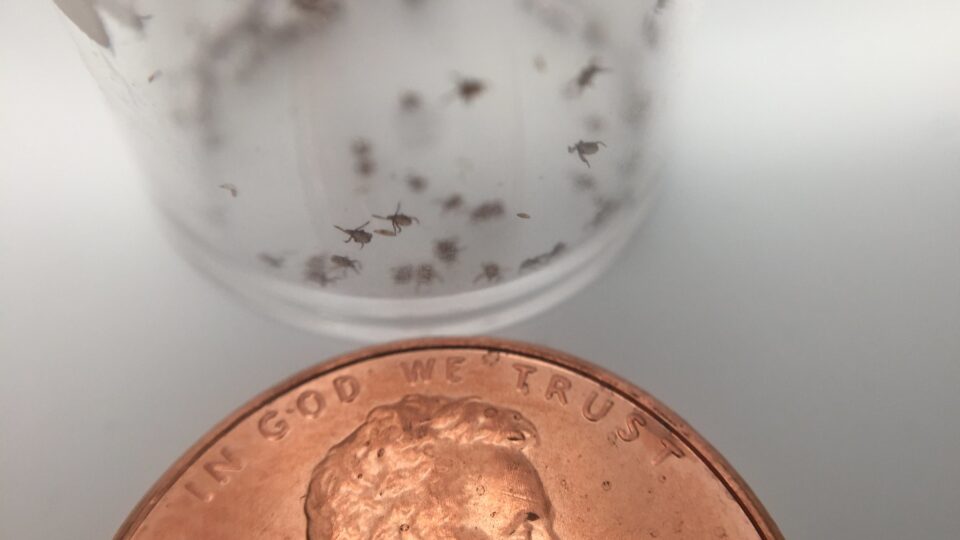
Tiny ticks are a big problem. Anyone taking a walk in the woods is advised to do a tick check. Ticks infect more than 325,000 people with Lyme disease each year, and this number continues to rise.

[Read more…] about The Tick Project

Primary Sidebar

Recent Episodes

  • An uninsurable future
  • Clean energy and jobs
  • Insect declines in remote regions
  • Fossil fuel producing nations ignoring climate goals
  • Trouble for clownfishes

WAMC Northeast Public Radio

WAMC/Northeast Public Radio is a regional public radio network serving parts of seven northeastern states (more...)

Copyright © 2026 ·