heating
Strategies For Limiting Global Warming

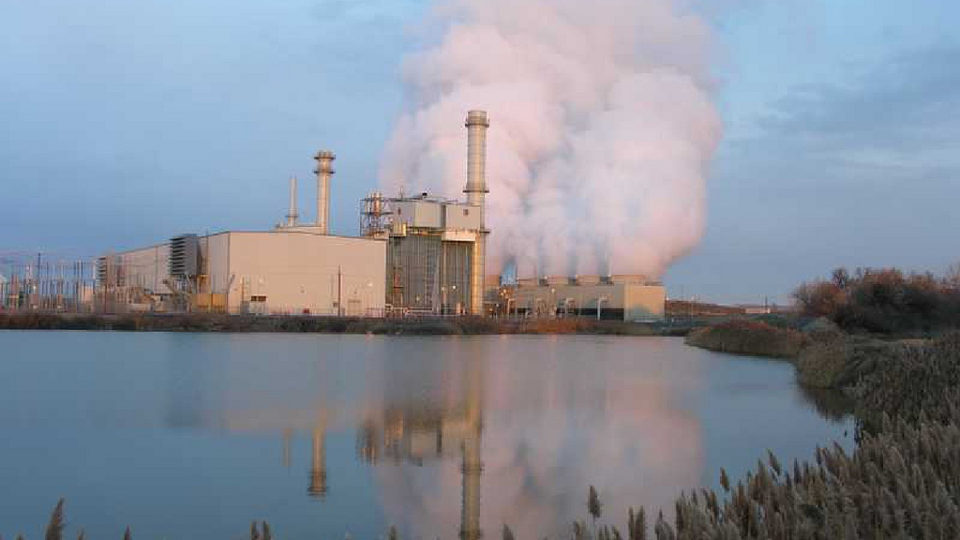
A new study published in Nature Energy shows that the goal of limiting global temperature rise to 1.5 degrees Celsius could be achieved by a combination of dramatic improvements in the energy efficiency of everyday activities.
Air Pollution Shortens Lives

Globally, an estimated 4.5 billion people are exposed to particulate air pollution levels that are at least twice that of what the World Health Organization considers safe. But the impact that sustained exposure to air pollution has on a person’s life expectancy has remained a frustratingly unanswered question. That is until now.
A Microgrid in New York’s Capital
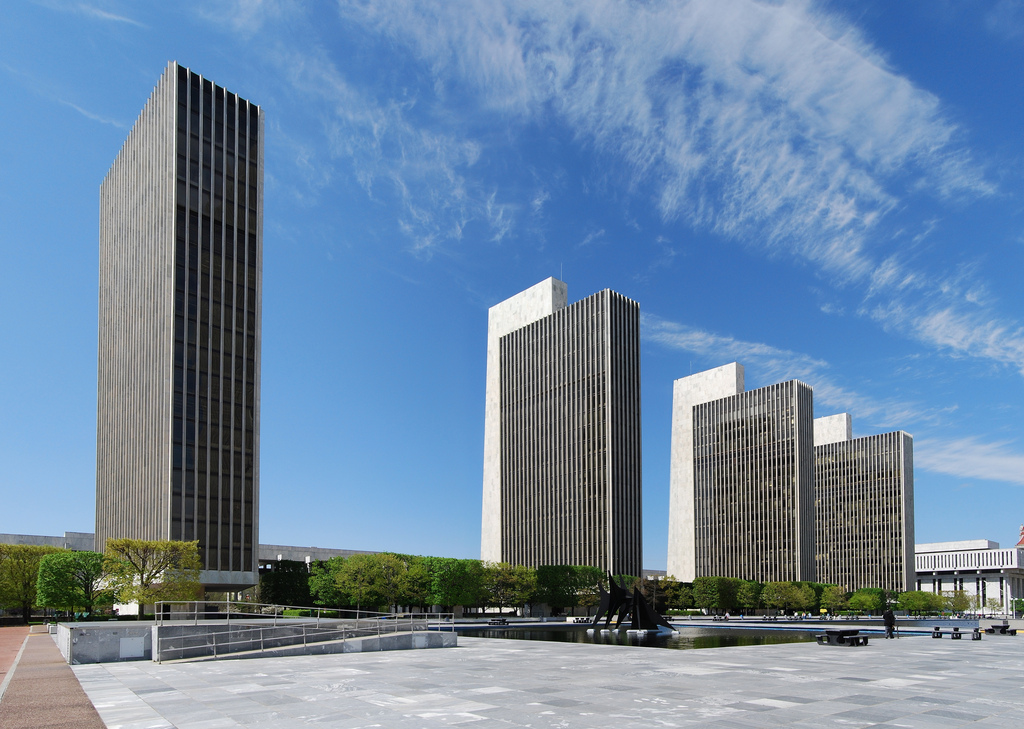
New York State has been encouraging its communities to install microgrids for quite a while. Now the state has committed to build a 16-megawatt microgrid to power the Empire State Plaza in downtown Albany. The microgrid will use combined heat and power to supply 90% of the electricity as well as heating and cooling for the 10 buildings where 11,000 state employees work.
Clean Energy In Massachusetts
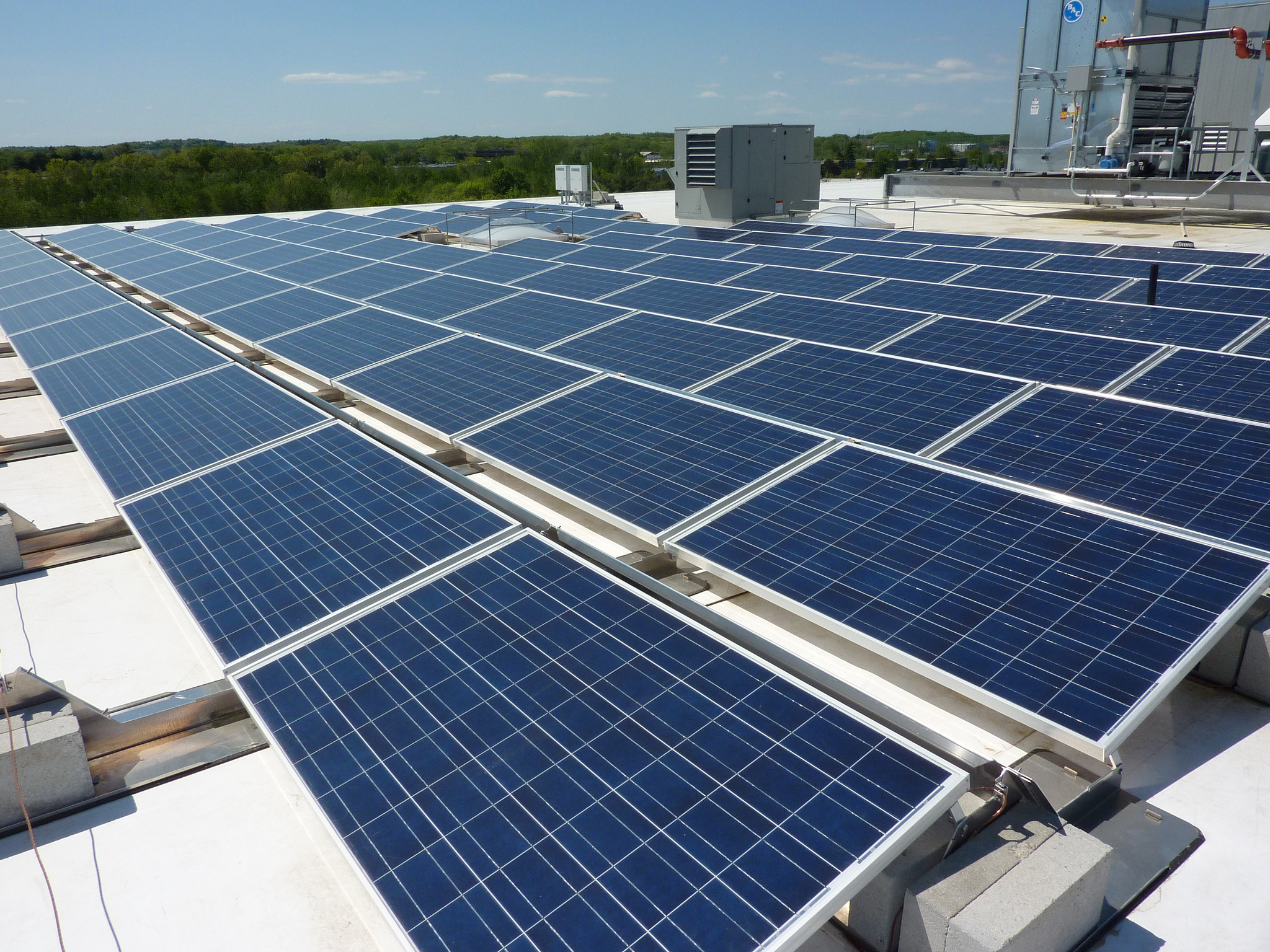
Despite efforts by the new administration to increase support for fossil fuels, there is increasing momentum towards a clean-energy future. State and local efforts are driving the country to a 21st-century energy infrastructure, with or without the federal government.
Volcano Power

Geothermal energy uses the heat trapped beneath the Earth’s surface to generate electricity. Typically, geothermal energy plants tap into the steam from natural sources such as geysers, or they draw water from hot, high-pressure underground sources. The hot vapors are then used to drive electric turbines.
Geothermal Heating

Geothermal heat pumps use the heat stored in the earth’s surface to heat homes and buildings. Even in the dead of winter, the temperature not very far below ground remains at a temperature typically in the 50s. Geothermal systems tap into this immense thermal resource. Conversely, this same temperature sink can be used to provide cooling during the summer. It takes electricity to run the heat pumps, but is vastly more efficient than using electricity directly to produce heat or to cool air.