• Skip to primary navigation
  • Skip to main content
  • Skip to primary sidebar

Earth Wise

A look at our changing environment.

  • Home
  • About Earth Wise
  • Where to Listen
  • All Articles
  • Show Search
Hide Search
You are here: Home / Archives for growth

growth

Coastal Land Reclamation | Earth Wise

April 3, 2023 By EarthWise Leave a Comment

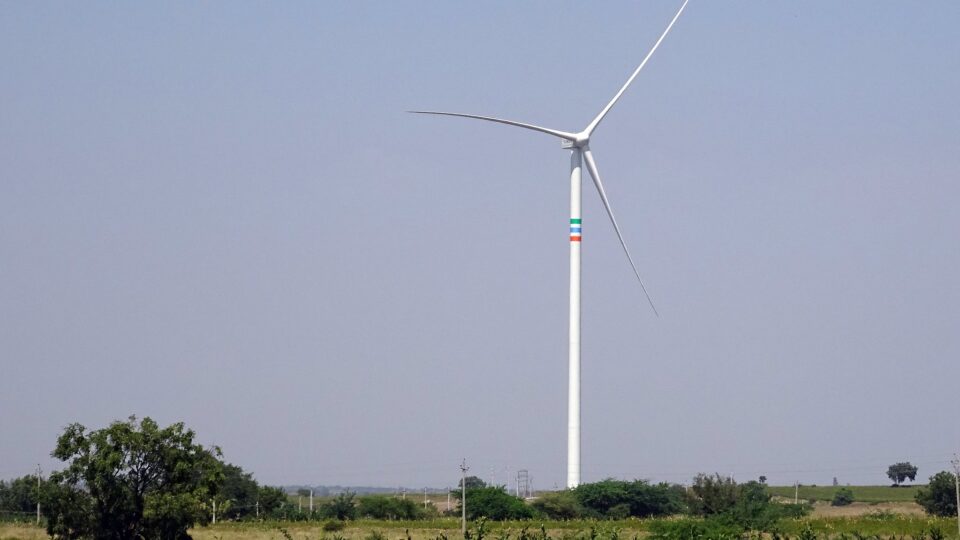
People are artificially expanding the coastlines of cities by extending industrial ports and creating luxury residential waterfronts.  Major cities have added 900 square miles to their coastlines just since 2000. 

A recent study published in the journal Earth’s Future made use of satellite imagery to analyze land changes in 135 cities with populations of at least 1 million.  But population growth is not the only driver of coastal land reclamation.  It is popular in places that are eager to enhance their reputation and promote revenue growth.

At present, coastal land reclamation is most common in the Global South, where many economies are growing. In the past, the Global North dominated the use of coastal land construction.

The largest additions to land area occurred in China, Indonesia, and the United Arab Emirates.  Port extension is the most common reason for development.  Shanghai alone has added 135 square miles of land.

New land is typically created by piling sediments in the ocean, building cement sea walls and structures to contain sediments or cement, or sometimes filling in wetlands and other shallow areas of water near the coast.  The ecological impacts of reclamation are immense and, unfortunately, are not always considered.  Projects affect both the local ecosystems as well as those of the places where fill materials are obtained.

Industrialization and the need for urban space have driven much coastal reclamation.  Some projects, such as the palm-tree-shaped artificial islands of Dubai, are essentially for prestige.  Some cities, including Shanghai, are building new land in consideration of future sea level rise.

**********

Web Links

New Land Creation on Waterfronts Increasing, Study Finds

Photo, posted October 15, 2010, courtesy of Werner Bayer via Flickr.

Earth Wise is a production of WAMC Northeast Public Radio
Solar Power At Night | Earth Wise

March 16, 2023 By EarthWise Leave a Comment

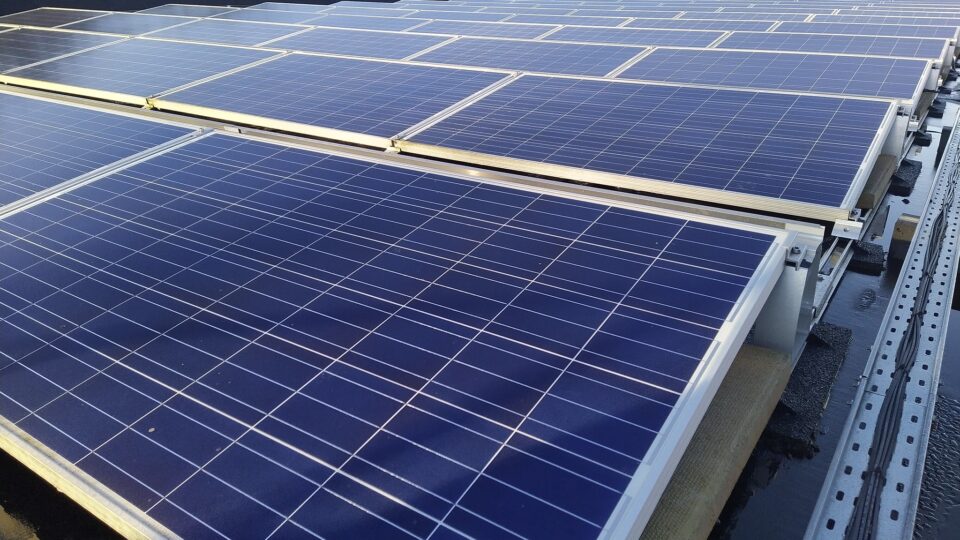
The use of solar power has grown tremendously in recent years as it has declined in price and become far more competitive with other forms of electricity generation.  Its fundamental drawback, of course, is that it only works when the sun is shining.  Solar panels don’t produce any power at night.  That is, until now, apparently.

A team of engineers at Stanford University have developed a new kind of solar cell that is capable of generating at least some electricity at night.  Published in the journal Applied Physics Letters, the research describes a device that can be a continuous renewable power source for both day and nighttime.

The device incorporates a thermoelectric generator that produces electricity from the small difference in temperature between the ambient air and the solar cell itself.  The amount of power produced is far less than the solar cell generates from sunlight, but the device can provide nighttime standby lighting and power in off-grid and mini-grid applications.

Mini-grid applications are independent electricity networks that are used for small populations that may be too isolated to be connected to the main power grid.  Nearly 600 million people in Africa currently live without access to electricity, primarily in rural areas.  A standalone solar system operating independently of any power grid can meet many electricity needs such as phone charging and lighting, but such systems may not be able to handle large electrical need such as powering machinery and agricultural equipment.  Mini-grids are larger installations that can provide power to a small rural community.

With innovations like the new Stanford device, a solar mini-grid may be able to keep running at some level even at night.

**********

Web Links

Solar panels that can generate electricity at night have been developed at Stanford

Photo, posted December 15, 2021, courtesy of Pete via Flickr.

Earth Wise is a production of WAMC Northeast Public Radio
Renewables’ Growing Share | Earth Wise

March 15, 2023 By EarthWise Leave a Comment

Not long ago, many states across the country were setting goals to obtain 20% of their electricity from renewable sources. For a few states, like New York and Washington, ample amounts of hydropower made 20% an easy target.  But for many others, 20% seemed like a very ambitious objective.

Things have certainly changed.  According to the latest monthly Short Term Energy Outlook, a report from the federal government, the combination of wind, solar, and other renewable sources will exceed one-quarter of the country’s generation by 2024.

Renewables are already at 24% of U.S. electricity generation and are expected to rise to 26% by next year.  Coal, which used to be the largest source of electricity, will continue to drop from its current 18% to 17% by next year.  Overall, renewables passed coal for the first full year in 2020.  Coal staged a bit of a comeback in 2021, but has once again resumed its decline.  Many coal-fired power plants continue to close, and there are not new ones being built because of diminishing economic benefits as well as concerns about emissions.

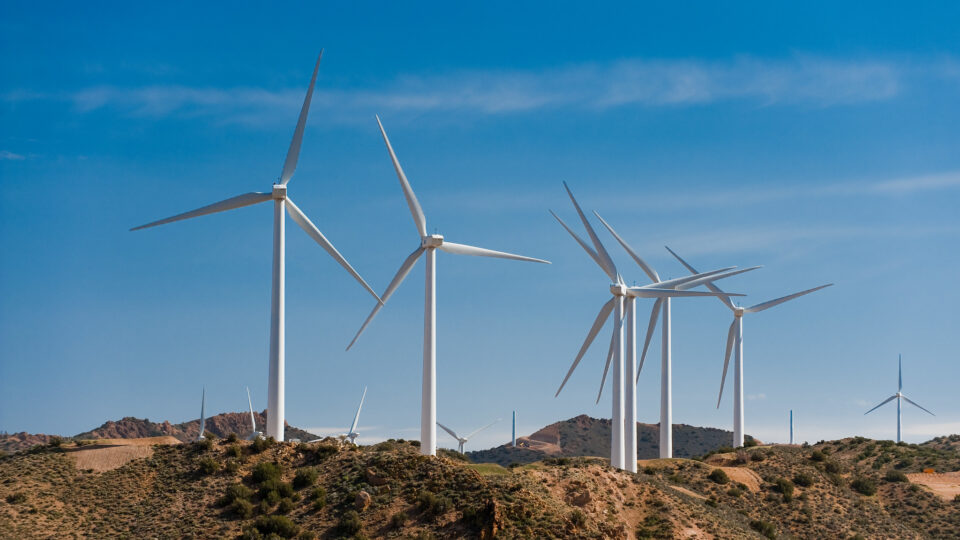
The largest source of electricity generation continues to be natural gas at 38%, but that number is also expected to slowly decrease over time. The growth in renewable energy is coming from wind and solar power.  Two-thirds of that growth is from solar and one-third is from wind. 

Together, wind and solar power will add up to 18% of the country’s electricity supply.  The government still tracks them lumped together as renewables, but both are so large and growing so quickly that the Energy Information Agency is likely to soon start tracking them as separate categories.

**********

Web Links

Renewables Projected to Soon Be One-Fourth of US Electricity Generation. Really Soon

Photo, posted April 18, 2011, courtesy of Allan Der via Flickr.

Earth Wise is a production of WAMC Northeast Public Radio
Peak Fossil Fuels | Earth Wise

March 3, 2023 By EarthWise Leave a Comment

According to a new report from the Rocky Mountain Institute, a nonprofit that studies the energy transition, we have reached a pivot point in which fossil fuels have peaked in their use for producing electricity and are about to enter a period of decline.

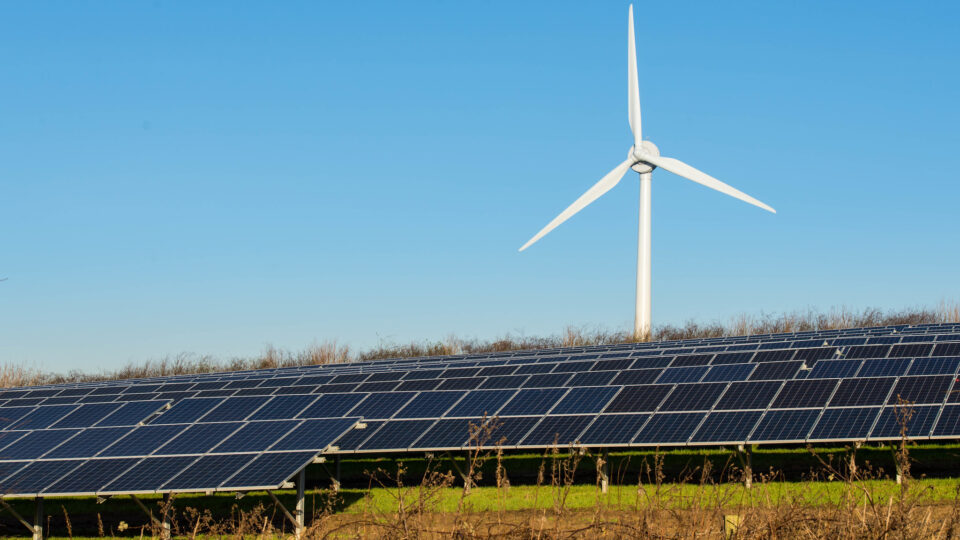
The report makes the case that wind and solar power are going through a growth process that looks very much like the trend lines for the early stages of other transformative products and industries – things like automobiles and smartphones.  Such growth begins slowly for technology and products that are very expensive, but then shifts into high gear as costs shrink and efficiency rises.

The argument is that fossil fuel demand has peaked in the electricity market because the annual growth in global electricity demand is now less that the amount of electricity being generated by newly-built renewable energy plants (mostly solar and wind.)  This dynamic will squeeze out the most expensive and dirtiest energy sources over time.

Overall use of fossil fuels for electricity shifted in 2018 from a long-standing period of growth to a holding pattern in which the total amount of electricity produced has no clear trend.  According to the RMI report, this plateau in fossil fuel use is likely to continue until about 2025, and then will be followed by a long-term decline.

While the trends in fossil fuel use are quite evident, the end results are not inevitable.  There continues to be a battle between the forces trying to protect the fossil fuel status quo and those trying to change it. But strong economic forces are difficult to overcome.  Renewable energy is the lowest cost source of electricity in a growing number of locations and situations.

**********

Web Links

When Will We Hit Peak Fossil Fuels? Maybe We Already Have

Photo, posted December 27, 2015, courtesy of Gerry Machen via Flickr.

Earth Wise is a production of WAMC Northeast Public Radio
A Complicated Year For Energy | Earth Wise

February 6, 2023 By EarthWise Leave a Comment

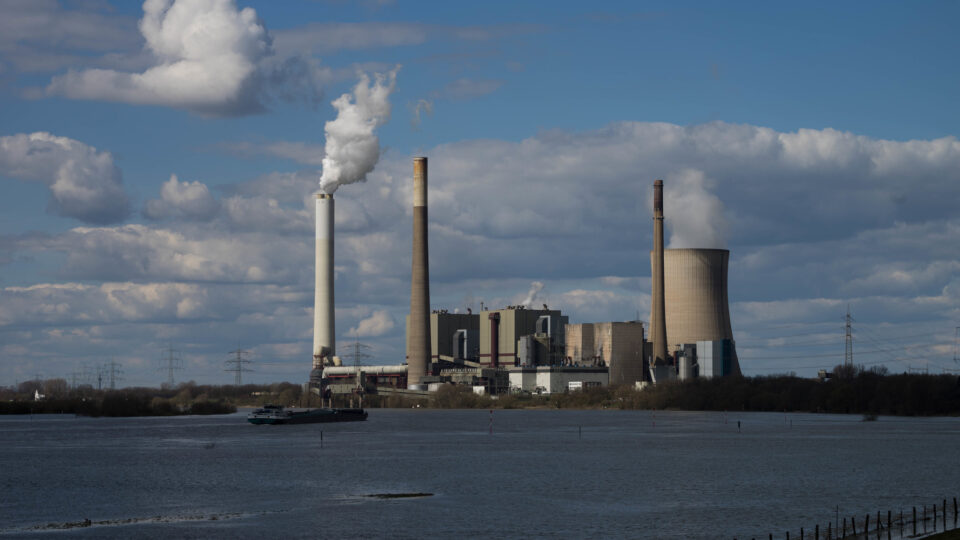
2022 was a complicated year for energy

2022 was a complicated year for global energy.  Following its invasion of Ukraine, Russia curtailed natural gas exports to Europe.  This led to large increases in coal burning in many countries, but at the same time led to major new investments in renewable energy.  Projections are that the world will add as much renewable power in the next five years as it did over the previous 20.

In China, severe drought reduced the amount of available hydropower, which drove increased demand for coal in that country.  Between the war in Ukraine and the Chinese drought, coal burning reached an all-time high in 2022, albeit only a 1% uptick for the year.  This increased coal consumption is expected to be only temporary as the accelerating deployment of renewables, energy efficiency, and the use of heat pumps will inexorably reduce coal use.

Globally, governments have earmarked an additional $500 billion for clean energy just since March, bringing the total since the onset of the COVID pandemic to more than $1.2 trillion.  Nearly half of this total investment comes from the U.S. under the Inflation Reduction Act and the Infrastructure Investment and Jobs Act.

In light of these energy policies around the world, the International Energy Agency has revised its projections for renewable energy to substantially larger numbers.   Renewables are expected to surpass coal as the world’s largest source of electricity by early 2025. The global energy crisis triggered by the war in Ukraine has kicked off an extraordinary new phase of rapid renewables growth as countries around the world are seeking to obtain energy security as well as the other benefits of clean energy.

**********

Web Links

In 2022, Energy Shocks Spurred Both Unprecedented Coal Burning and Massive Renewable Investments

Photo, posted April 5, 2015, courtesy of Jan Remund via Flickr.

Earth Wise is a production of WAMC Northeast Public Radio

Fertilizing The Ocean | Earth Wise

January 23, 2023 By EarthWise Leave a Comment

There are a variety of schemes for removing carbon dioxide from the atmosphere.  Some require advanced and generally not-very-well developed technology.  Others, such as planting vast numbers of trees, are nature-based but are daunting with respect to the scale to which they need to take place in order to be truly effective.

Researchers at the Pacific Northwest National Laboratory in Richland, Washington have been examining the scientific evidence for seeding the oceans with iron-rich engineered fertilizer in order to feed phytoplankton.  Phytoplankton are microscopic plants that are a key part of the ocean ecosystem.

Phytoplankton take up carbon dioxide as they grow.  In nature, nutrients from the land end up in the ocean through rivers and from blowing dust.  These nutrients fertilize the plankton.  The idea is to augment these existing processes to increase the growth of phytoplankton.  As they eventually die, they sink deep into the ocean, taking the excess carbon with them.


The researchers argue that engineered nanoparticles could provide highly controlled nutrition that is specifically tuned for different ocean environments.  Surface coatings could help the particles attach to plankton.  Some could be engineered with light-absorbing properties, allowing plankton to consume and use more carbon dioxide.

Analysis of over 100 published studies showed that numerous non-toxic, abundant, and easy-to-create metal-oxygen materials could safely enhance plankton growth.  According to the researchers, the proposed fertilization would simply speed up a natural process that already sequesters carbon in a form that could remove it from the atmosphere for thousands of years.  They argue that given the current trends in the climate, time is of the essence for taking action.

**********

Web Links

Fertilizing the Ocean to Store Carbon Dioxide

Photo, posted August 2, 2007, courtesy of Kevin McCarthy via Flickr.

Earth Wise is a production of WAMC Northeast Public Radio

Electric Cars And Cleaner Air | Earth Wise

January 20, 2023 By EarthWise Leave a Comment

Electric cars can help clean the air

Cities are awash in microscopic soot and other pollutants from the tailpipes of vehicles.  Apart from contributing substantially to the warming of the planet, these emissions have a significant impact on human health.  Research at Cornell University has determined that the continued growth of electric cars will lead to cleaner air and reduced human mortality in most if not all U.S. metropolitan areas.

The study, published in Renewable and Sustainable Energy Reviews, estimated the health impact and consequential economic impact of cleaner air in American cities as a result of the transition to electric vehicles.

For example, by 2050, Los Angeles will have 1,163 fewer premature deaths annually, corresponding to $12.6 billion in economic health benefits.  Greater New York City could see 574 fewer deaths a year leading to $6.24 billion in associated economic gains.

Global sales of electric cars have grown steadily.  In 2016, they accounted for less than 1% of the market.  That share grew to 2.2% in 2018, 4.1% in 2020, and 6.6% in 2021.

In the U.S., electric cars accounted for 4.5% of sales in 2021, but in many cities, the numbers were much higher. 

These trends are likely to accelerate as a combination of government policies and major decisions by automakers drive a rapid transition to electrification.  While mitigating the effects of climate change continues to be the main driving force for that transition, the human health benefits will be a very significant reward for doing the right thing for the planet.

**********

Web Links

Electric car sales drive toward cleaner air, less mortality

Photo, posted May 11, 2021, courtesy of Chris Yarzab via Flickr.

Earth Wise is a production of WAMC Northeast Public Radio
Renewables Will Overtake Coal | Earth Wise

January 17, 2023 By EarthWise Leave a Comment

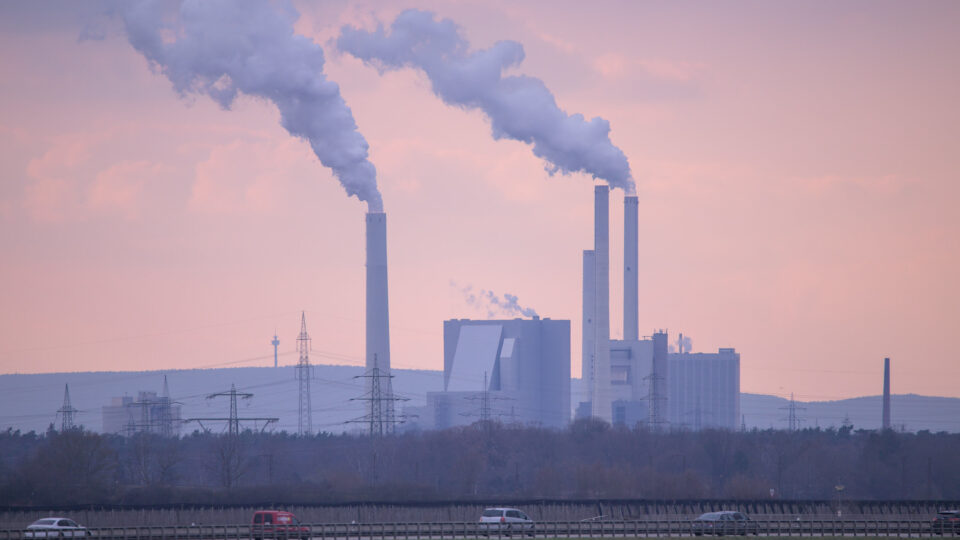
According to a recent report by the International Energy Agency, worldwide growth in renewable power capacity is set to double in the next five years.  In fact, by 2027, the world will add as much renewable power as it did over the previous 20 years.

Of particular significance is that renewables are going to overtake coal as the largest source of electricity generation by early 2025.

The global energy crisis triggered by the war in Ukraine has had multiple effects on the evolution of the energy system.  While the war has driven a resurgence in fossil fuel consumption in Europe in order to replace gas from Russia, that resurgence is expected to be short-lived.  Instead, the current energy crisis may turn out to be an historic turning point toward a cleaner and more secure energy system.

Soaring fossil-fuel prices triggered by the war have caused many countries to respond by embracing wind turbines, solar panels, nuclear power plants, hydrogen fuels, electric vehicles, and electric heat pumps.  In the US, Congress approved more than $370 billion in spending for clean energy technologies as part of the Inflation Reduction Act.  China, India, South Korea, and Japan have all increased their national targets for renewable power.   However, heating and cooling buildings with renewable power remains a sector needing larger improvement, according to the energy agency.

Overall, the expansion of renewable power over the next five years is now projected to happen much faster than what was projected just one year ago. The new IEA report revised last year’s forecast for renewables growth by 30% as a result of the introduction of new policies by many of the world’s largest greenhouse gas emitters.

**********

Web Links

Renewables Will Overtake Coal by Early 2025, Energy Agency Says

Photo, posted March 8, 2021, courtesy of Stanze via Flickr.

Earth Wise is a production of WAMC Northeast Public Radio

Lab-Grown Meat Is Legal | Earth Wise

December 19, 2022 By EarthWise Leave a Comment

Meat produced in a laboratory and without harming animals is now legal in the United States

We’ve heard more and more about laboratory meat.  Other names for it are cultured meat, cultivated meat, or test tube meat.  Whatever name ends up sticking, the idea is to take living cells from animals and grow them in a controlled laboratory environment to produce a meat product that doesn’t involve the slaughter of any animals.  Supporters say cultured meat is more efficient and environmentally friendly than traditional livestock.  Livestock agriculture is one of the largest emitters of greenhouse gases, uses vast amounts of land, and consumes much of the world’s fresh water.

Years ago, we reported on a company called Memphis Meats, which was one of a number of companies developing techniques for harvesting cells from animal tissues and using them to grow edible flesh in bioreactors.

Recently, that company – now called Upside Foods – has become the first company to receive FDA approval declaring their meat product to be safe for human consumption.  The USDA still needs to give its approval and it may be a little while longer before Upside’s first chicken products will end up in supermarkets.  There are more than 150 cultivated meat companies around the world backed by billions of dollars in investments.  The FDA is in ongoing discussions with multiple firms in the business.

Upside Foods, based in the San Francisco Bay area, is planning to market chicken, beef meatballs, and duck in the near future.  Other companies are working on seafood products.  Up until now, Singapore has been the only country in which lab-grown meat products are legally sold to consumers.  With this landmark FDA ruling, that is all about to change.

**********

Web Links

US declares lab-grown meat safe to eat in ‘groundbreaking’ move

Photo, posted April 15, 2008, courtesy of Andrew Otto via Flickr.

Earth Wise is a production of WAMC Northeast Public Radio

Fuel From Coffee Grounds | Earth Wise

December 8, 2022 By EarthWise Leave a Comment

Creating fuel from coffee waste

The world drinks a lot of coffee.  Americans alone consume 400 million cups a day.  Each cup of coffee results in about half an ounce of coffee grounds.  Adding that up, this country produces over 6,000 tons of coffee grounds each day.  While coffee grounds are not particularly harmful, that is an awful lot of waste that mostly ends up in landfills or is incinerated.

Researchers at Aston University in the UK have developed a method of producing high-quality biodiesel fuel from coffee grounds.  Their study was published in the journal Renewable and Sustainable Energy Reviews.

The technique consists of growing a particular species of microalgae (Chlorella vulgaris) directly on spent coffee grounds.  The coffee grounds provide both the nutrients for the microalgae and a structure upon which it can grow.   Exposing the algae to light for 20 hours a day and dark for just four hours a day produced the best quality biodiesel.

Microalgae is well-known as a feedstock for biodiesel production.  Previously, it has been grown on materials like polyurethane foam or nylon which don’t provide any nutrients.   Using the coffee grounds as the substrate for growth means that no external nutrients are needed.

The resultant enhanced biodiesel produces minimal emissions and good engine performance and meets both US and European specifications.  This feedstock for producing biodiesel is ideal since it doesn’t require any competition with food crops and instead makes use of a widely available waste product.  The hope is that it may reduce the cutting down of palm trees to extract oil for biofuel.  In southeast Asia, this has been a major source of deforestation and increased greenhouse gas emissions.

**********

Web Links

Aston University researchers ‘feed’ leftover coffee grounds to microalgae to produce low emission biodiesel

Photo, posted October 13, 2007, courtesy of David Joyce via Flickr.

Earth Wise is a production of WAMC Northeast Public Radio
The Clean Energy Transition Is Accelerating | Earth Wise

December 2, 2022 By EarthWise Leave a Comment

The transition to clean and renewable energy is accelerating

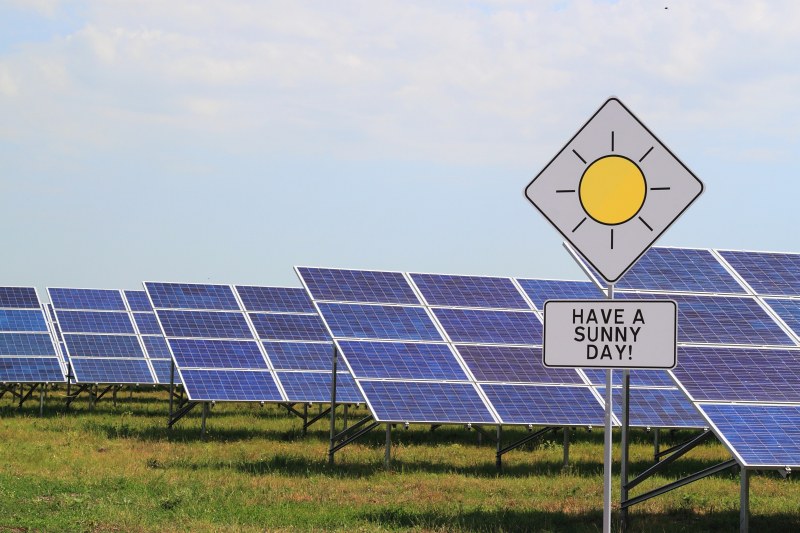
The world’s economies including its energy markets have been in turmoil in recent times but despite the chaotic conditions, the shift to clean energy is gaining momentum.  This year, for the first time, the world is investing more in wind and solar power than in oil and gas drilling.  Investments in renewables are expected to reach $494 billion this year, more than the $446 billion directed towards oil and gas extraction.  It is rather sobering to realize that the world is still spending nearly half a trillion dollars a year to dig up more oil and gas.

According to the International Energy Agency, there will be an estimated 340 gigawatts of new renewable power capacity installed in 2022.  This is roughly equal to the total installed power capacity of Japan, which has the world’s third-largest economy.  This year is also seeing tremendous growth in electric cars, which are projected to make up 13% of all light-duty vehicle sales across the globe.

According to analysis by Bloomberg Green, 87 countries are now getting at least 5% of their power from wind and solar.  This number is considered to be a critical tipping point at which emerging technologies become more widely adopted.  The United States reached that 5% threshold in 2011.  Last year, our country surpassed 20% solar and wind power.  If we follow trends set by pioneering countries like Denmark, Ireland, and others, wind and solar will supply at least half of our power within the next decade.

Despite the turbulence in global energy markets, the shift to clean power is ongoing.  Estimates are that global spending on renewables will double over the next 10 years. 

**********

Web Links

Despite Turmoil in Energy Markets, the Shift to Clean Energy Is Gaining Steam

Photo, posted June 12, 2013, courtesy of Activ Solar via Flickr.

Earth Wise is a production of WAMC Northeast Public Radio
Carbon Capture Booming | Earth Wise

November 24, 2022 By EarthWise Leave a Comment

Carbon capture is booming

For the world to reach a state of net-zero emissions, it is going to require more than the ongoing transition to renewable energy sources.  There will also need to be efforts to capture the emissions from sources that can’t easily eliminate their pollution.  These include steel mills, cement plants, and other industrial sites.  At least for the foreseeable future,  a number of essential industries have no other viable path to deep decarbonization, and carbon capture and storage projects are the only promising strategy on hand.

Companies use CCS to filter emissions from fossil fuel power plants and industrial facilities and then bury the captured carbon underground, often in deep caverns.

Over the past 12 months, the pipeline for carbon capture and storage projects has grown by 44%.  This year, firms have announced 61 new CCS projects, bringing the total number of commercial projects in the global pipeline to 196, which includes about 30 that are already in operation.  Another 11 are under construction, and 153 are in development.

When all of these projects are completed, they will have the capacity to capture a total of about 270 million tons of carbon dioxide per year.  Estimates are that there need to be 1,400 million tons locked away each year to reach zero-emissions.  So, the existing project pipeline constitutes about 20% of what is ultimately needed.

The recently passed Inflation Reduction Act boosts tax incentives for carbon capture.  Analysts believe this could multiply U.S. deployment of the technology more than 10-fold.  Globally, it is expected that CCS will continue its rapid growth as countries ramp up investments in the technology.

**********

Web Links

Carbon Capture Projects See Meteoric Growth in 2022

Photo, posted August 22, 2022, courtesy of Nenad Stojkovic via Flickr.

Earth Wise is a production of WAMC Northeast Public Radio

Onshore Algae Farms | Earth Wise

November 9, 2022 By EarthWise Leave a Comment

According to some estimates, food production will need to increase by 50% by 2050 in order to feed a projected global population of 10 billion people.  How can this be achieved?  

One solution, according to researchers at Cornell University, could be to grow nutritious and protein-dense microalgae in seawater-fed onshore aquaculture systems.

According to the research, which was recently published in the journal Oceanography, growing algae onshore could close a projected gap in society’s future nutritional demands while also improving environmental sustainability.  

Climate change, environmental degradation, limited arable land, and lack of freshwater will all constrain the amount of food that can be grown in the coming decades.  Wild fish stocks are already heavily exploited, and there are limits to how much finfish, shellfish, and seaweed aquaculture can be produced in the coastal ocean. 

As a result, the researchers argue for expanding algae production in onshore aquaculture facilities.  The research team’s models found that the best locations for onshore algae farming facilities are along the coasts of the Global South, including desert environments. 

Algae can grow as much as ten times faster than traditional crops.  Algae can also be produced in a manner that is more efficient than agriculture in its use of nutrients.  In addition to its high protein content, algae also provides nutrients lacking in vegetarian diets, such as essential amino acids, minerals, and omega-3 fatty acids.

Algae could become the breadbasket of the Global South.

**********

Web Links

Onshore algae farms could feed the world sustainably

Photo, posted June 17, 2011, courtesy of NOAA Great Lakes Environmental Research Laboratory via Flickr.

Earth Wise is a production of WAMC Northeast Public Radio

Carbon Inequality | Earth Wise

November 4, 2022 By EarthWise Leave a Comment

Everyone contributes to climate change, but not equally

Everyone contributes to climate change through the generation of greenhouse gas emissions, but individual contributions vary greatly.   A study at the Paris School of Economics has determined that just 1 percent of the population is responsible for nearly a quarter of global carbon emissions growth since 1990.

The study estimated emissions from individuals’ consumption and their financial investments, and also from government spending in their country.  Individuals are responsible for carbon emissions as a result of their own activities, but they also bear their share of responsibility for the emissions of the firms that they own or invest in. 

In 2019, people living in sub-Saharan Africa produced an average of 1.8 tons of CO2 equivalent per capita.  In North America, the average per capita was more than 10 times higher.  Meanwhile, the top 10% of North America’s emitters produced more than 75 tons each.

From 1990 to 2019, the bottom 50% of emitters was responsible for just 16% of emissions growth, while the top 1% was responsible for 23%.  The top 0.1% saw emissions growth of 80%.

The inequality between rich and poor is driven more by inequality within countries than by inequality between countries.  This is particularly true for wealthy countries.  For example, over the study period, the top 1% saw their emissions grow by 26% while emissions actually declined 5-15% among low and middle earners even in wealthy nations.

Economic inequality drives a lot of the dynamics taking place within many countries around the world, and this even applies to pollution and greenhouse gas emissions.

**********

Web Links

Global carbon inequality over 1990–2019

Photo, posted December 11, 2017, courtesy of Bernal Saborio via Flickr.

Earth Wise is a production of WAMC Northeast Public Radio

Trees Are Growing Bigger | Earth Wise

November 3, 2022 By EarthWise Leave a Comment

The alarming rate of carbon dioxide flowing into the atmosphere is having a real and actually positive effect on plant life. Higher concentrations of carbon dioxide make plants more productive because photosynthesis makes use of the sun’s energy to synthesize sugar out of carbon dioxide and water.  Plants make use of the sugar both as a source of energy and as the basic building block for growth.  When carbon dioxide levels go up, plants can take it up faster, supercharging the rate of photosynthesis.

In a new study published in the journal Nature Communications, scientists at Ohio State University found that trees are feasting on decades of carbon dioxide emissions and are growing bigger as a result. 

The researchers tracked wood volume in 10 different tree groups from 1997 to 2017 and found that all of them except aspens and birches grew larger.  Over that time period, carbon dioxide levels climbed from 363 parts per million to 405 parts per million.  According to the study, each 1% increase in lifetime CO2 exposure for trees has led to more than a 1% increase in wood volume.

In the big picture, the news isn’t so positive.  The global warming caused by increasing carbon dioxide levels increasingly threatens the forests of the world.  It has led to worsening droughts, insect infestations, and wildfires.  So overall, increasing levels of carbon dioxide are by no means a good thing for the world’s trees.  However, since trees are growing bigger more quickly, it means that planting them is an increasingly cost-effective method for fighting climate change because the same number of trees can sequester more carbon.

**********

Web Links

As Carbon Dioxide Grows More Abundant, Trees Are Growing Bigger, Study Finds

Photo, posted September 12, 2015, courtesy of Nicholas A. Tonelli via Flickr.

Earth Wise is a production of WAMC Northeast Public Radio

Plant-Based Foods And CO2 Emissions | Earth Wise

September 9, 2022 By EarthWise Leave a Comment

We often hear how eating locally-sourced food is a way to minimize the carbon footprint of our diet.  But from a climate impact perspective, this only has a significant impact if transportation is responsible for a large portion of a food’s final carbon footprint.  In many cases, the greenhouse gas emissions related to transportation make up only a small portion of the total emissions from food, and what we eat is far more important.

In general, beef and lamb have the biggest climate footprint per gram of protein.  Plant-based foods tend to have the smallest impact. Pork and chicken are somewhere in the middle. 

According to new research, U.S. food production could reduce its agricultural carbon footprint between 2.5% and 13.5% by embracing plant-based alternatives to beef.  The study, from researchers at Cornell University, Johns Hopkins University, and international partners, found that most of the reduction would be achieved by decreasing the number of cows needed for beef production by two to twelve million animals.  The research was recently published in the journal Lancet Planetary Health.

However, the researchers also found that acting to reduce climate change in this manner could have unintended consequences.  For example, economic models from the research team show that the growth in popularity of plant-based beef could disrupt the agricultural workforce, threatening more than 1.5 million jobs. 

But in the big picture, doing nothing will cost much more than doing something to slow climate change.  Shifting diets away from meat and other animal products and towards more plant-based foods will help shrink carbon footprints and mitigate climate change.  It’s a win-win for the planet and for human health. 

**********

Web Links

Plant-based ‘beef’ reduces CO2 but threatens ag jobs

Photo, posted November 27, 2018, courtesy of Sarah Stierch via Flickr.

Earth Wise is a production of WAMC Northeast Public Radio.

Rooftop Solar Taking Off In China | Earth Wise

August 11, 2022 By EarthWise Leave a Comment

Rooftop solar is booming

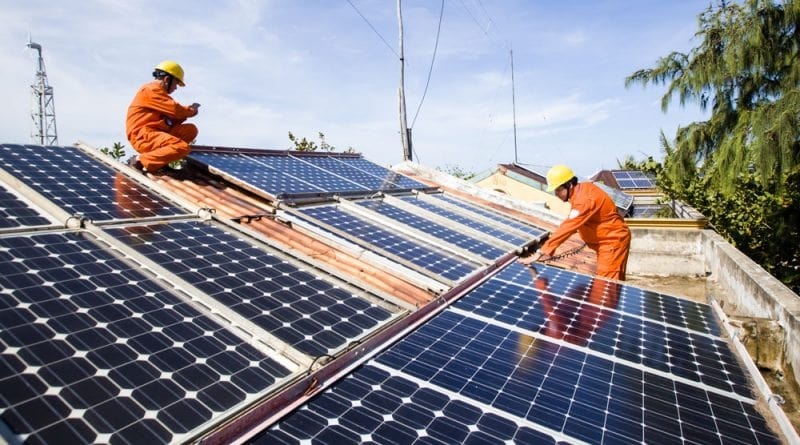
The total amount of solar power generating capacity in the world has been growing rapidly.  In 2008, there was a total of only 15 gigawatts installed world-wide.  By 2012, the total was 100 gigawatts.  As of this spring, there is now 1 terawatt – that’s 1,000 gigawatts – of solar power installed in the world.   About a third of that total is in China, and solar power is really booming there.

Estimates are that China will install 108 gigawatts of solar capacity this year, which is about double the amount installed in 2021.  Much of the growth in solar in China is in the form of rooftop solar, as opposed to utility-scale solar farms.

China is aiming to have 50% of new factory rooftops carry solar installations by 2025.   By the end of next year, China’s National Energy Bureau is aiming for solar panels to cover 50% of rooftops on party and government buildings, 40% of schools, hospitals, and other public buildings, 30% of industrial and commercial buildings, and 20% of rural homes.  This new initiative will drive China’s installed solar capacity to impressive levels in the coming years.

After China, the leading installers of solar energy capacity are the European Union, the United States, and Japan. 

These figures are for generating capacity.  What ultimately matters is solar’s share of total electricity consumption.  In China and the EU, solar provides over 6% of the electricity used.  In the US, that figure is about 3.5%.  In Germany and Australia, solar power provides 10% of electricity needs.  All these numbers will continue to go up rapidly as solar installations grow.

**********

Web Links

China Sees Rooftop Solar Take Off as New Policies Bolster Growth

Photo, posted June 17, 2022, courtesy of Nguyễn Mỹ Hoa via Flickr.

Earth Wise is a production of WAMC Northeast Public Radio.

Continued Renewables Growth | Earth Wise

June 17, 2022 By EarthWise Leave a Comment

In 2021, the world added a record amount of 295 gigawatts of renewable power.  According to the International Energy Agency, it is on pace to surpass that amount in 2022.

Almost half of the renewable buildout in the world is taking place in China.  In 2021, China accounted for 46% of worldwide renewable energy additions.  The EU and United States are the next two leaders.  The rapid buildup is especially impressive given the challenges developers have faced from the coronavirus pandemic, supply chain issues, and various construction delays.

Predictions are that the global total added this year will be about 320 gigawatts of renewables.  This amount is equivalent to the total power demands of Germany, which is the world’s fourth-largest economy.  Solar photovoltaics are forecast to account for 60% of the increase in global renewable capacity this year. 

The rapid growth in China and the EU are driven by strong pro-renewable policies.  In our country, wrangling over climate legislation and investigations into potential trade violations by Asian suppliers have held back our progress.  But over the next several years, offshore wind will begin to have a real impact on U.S. renewable installations.

According to the report by the International Energy Agency, renewable energy growth is likely to plateau in 2023 unless stronger climate policies are enacted. 

There are now more than 3 terawatts – that’s 3,000 gigawatts – of renewable generation capacity globally.  This compares with a little over 4,000 terawatts of fossil fuel generation.  Global renewable energy generation is currently projected to surpass that of fossil fuels by 2035.

**********

Web Links

Following Record Growth in 2021, Renewables on Track for New High in 2022

Photo, posted October 17, 2016, courtesy of B Sarangi via Flickr.

Earth Wise is a production of WAMC Northeast Public Radio.

Floating Solar | Earth Wise

June 7, 2022 By EarthWise 1 Comment

Floating solar coming to New York

The largest floating solar array in Europe, 12,000 panels sitting on top of the Alqueva Reservoir in Portugal – will come online in July.  Installing floating solar arrays, which are sometimes called “floatovoltaics”, produce renewable energy while shielding significant expanses of water from the sun’s heat.  These dual benefits have led to floatovoltaic projects in multiple countries around the world.

The city of Cohoes, in New York’s Albany County, has proposed an 8,000-panel floating solar array on the city reservoir.  Federal funding of $3 million for the project was obtained by local Congressman Paul Tonko and, in May, utility National Grid donated $750,000 towards the project.  Engineering work will shortly be underway on the 3.2 megawatt grid of solar panels.

The city of Cohoes pumps its drinking water supplies from the Mohawk River into the 10-acre, manmade reservoir.  The surface of the water is the largest undeveloped open space in the city.  Such reservoirs constitute prime sites for solar arrays since the space cannot be used for other purposes.  In addition, covering the water’s surface with the solar panels greatly reduces evaporation and helps to inhibit the growth of algae.

There are currently only 14 floating solar arrays in the U.S. and all of those are privately owned.  The Cohoes municipal array will be the first of its kind.  There are nearly 500 reservoirs in New York State and 24,000 nationwide that could be sites for floating arrays.   Drought-stricken Western reservoirs like Lake Mead and Lake Powell could be ideal locations of solar arrays.  Those reservoirs lose huge amounts of water to evaporation.  There are estimates that floating arrays could provide as much as 10% of the nation’s electrical needs.

**********

Web Links

National Grid gives Cohoes $750,000 for floating solar array project

Photo, posted August 25, 2010, courtesy of Martin Abegglen via Flickr.

Earth Wise is a production of WAMC Northeast Public Radio.

Wind And Solar And Meeting Climate Goals | Earth Wise

May 20, 2022 By EarthWise Leave a Comment

Meeting climate goals using solar and wind power

According to a new report from the climate think tank Ember, the rapid growth that has been going on for solar and wind power could allow the global electricity sector to do its part in limiting global warming to 1.5 degrees Celsius.

In 2021, solar power grew by 23% worldwide and wind power grew by 14%.  The Netherlands, Australia, and Vietnam had the largest gains in renewable energy.  Solar power in Vietnam grew by 337%.

The trends over the past decade, if continued across the globe, would result in the power sector being on track for meeting climate goals.  But not all the news is good.  The overall power sector has not been adequately reducing emissions.  Coal power actually grew by 9% last year as a result of increased demand for power during the rapid economic recovery in the easing of the pandemic shutdowns.  A spike in natural gas prices made coal more cost-competitive.

In order for the power sector to do its part in keeping warming below 1.5 degrees, wind and solar power will need to provide 40% of the world’s power by 2030 and nearly 70% by 2050.  Today, they supply only 10% of the world’s electricity.

With rising gas prices during Russia’s war with Ukraine, there is real danger of increased use of coal, threatening the gains made by renewable energy.

Nonetheless, a study published in Oxford Open Energy modeled various scenarios for the growth of renewable energy and found that it is feasible to meet climate goals.  In order to achieve this, countries’ policies will need to stimulate significant increases in energy and resource efficiency and rapid deployment of low-carbon technologies, promote strong environmental actions, and encourage low population growth.

**********

Web Links

Rapid Growth of Wind and Solar Could Help Limit Warming to 1.5 degrees C

Photo, posted October 11, 2011, courtesy of Michael Coghlan via Flickr.

Earth Wise is a production of WAMC Northeast Public Radio.

  • « Go to Previous Page
  • Page 1
  • Page 2
  • Page 3
  • Page 4
  • Page 5
  • Interim pages omitted …
  • Page 7
  • Go to Next Page »

Primary Sidebar

Recent Episodes

  • An uninsurable future
  • Clean energy and jobs
  • Insect declines in remote regions
  • Fossil fuel producing nations ignoring climate goals
  • Trouble for clownfishes

WAMC Northeast Public Radio
WAMC/Northeast Public Radio is a regional public radio network serving parts of seven northeastern states (more...)
Copyright © 2026 ·