
• Skip to primary navigation
  • Skip to main content
  • Skip to primary sidebar

Earth Wise

A look at our changing environment.

  • Home
  • About Earth Wise
  • Where to Listen
  • All Articles
  • Show Search
Hide Search
You are here: Home / Archives for greenhouse gas

greenhouse gas

Why was 2023 so hot?

February 2, 2024 By EarthWise Leave a Comment

Explaining what factors led to 2023 being so hot

Five separate weather-tracking organizations have proclaimed 2023 as the hottest year on record. They all agreed that 2023 beat the previous record-holder – 2016 – by a wide margin.  Organizations that use a pre-industrial baseline of 1850-1900 found that 2023 was 1.45 to 1.48 degrees Celsius above the baseline.  But what caused 2023 – especially the second half of it – to be so hot?

Scientists believe that there were multiple factors that contributed to the record-breaking heat.

First and foremost is the long-term rise in greenhouse gases.  Over 100 years of burning fossil fuels along with major changes in land use (particularly deforestation) have led to a significant rise in the heat-trapping blanket of the gases in the atmosphere.

On top of this long-term trend, the return of the El Niño condition in the Pacific in May helped temperatures rise further.

At the same time, the tropical Pacific was not the only ocean that was hotter than normal.  The global sea surface temperature set new records in 2023 and there were multiple marine heat waves.  Heat trapped by the atmosphere is absorbed by the oceans, raising their temperatures.

Another factor is the quantity of aerosols in the atmosphere.  Many of these aerosols actually cool the atmosphere by reflecting the sun’s light back into space.  Society’s efforts to reduce air pollution and improve air quality have led to decreasing levels of aerosols.

2024 started with some seriously cold weather in some places but predictions are that this year will be roughly as warm as 2023 and possibly warmer given that the dynamics driving last year’s weather are all still in place.

*********

Web Links

Five Factors to Explain the Record Heat in 2023

Photo, posted February 22, 2016, courtesy of Jasmin Toubi via Flickr.

Earth Wise is a production of WAMC Northeast Public Radio

Billion-dollar weather disasters

January 19, 2024 By EarthWise Leave a Comment

An increasing number of billion-dollar weather disasters

All sorts of weather records were set in 2023 and pretty much none of them were good news.  Among the most painful was that the U.S. suffered a record 25 weather- and climate-related disasters that caused more than a billion dollars in damage.

The increasing accumulation of greenhouse gases in the atmosphere has increased the frequency, intensity, and danger of extreme weather events of all types including hurricanes, severe storms, heavy rainfall, flooding, wildfire, extreme heat, and drought.

Between 1980 and 2022, the U.S. averaged eight billion-dollar weather disasters each year, according to data from the National Oceanic and Atmospheric Administration.  Between 2018 and 2022, the average was 18 such disasters each year.  Last year, it was a record 25, three more than the previous record set in 2020.

The onslaught of weather disasters has put considerable pressure on disaster relief and emergency services of all kinds.  It seems like there are catastrophic events happening all the time; and in fact, there are.  The average time between billion-dollar disasters has dramatically shrunk.  In the 1980s, there was an average of 82 days between them.  Between 2018 and 2022, the lull between billion-dollar disasters dropped to an average of just 18 days.  For the first eleven months of 2023, the average time between billion-dollar weather disasters was just 10 days.

The global average temperature in 2023 was 1.4 degrees Celsius above the pre-industrial average and the effects have been increasingly dramatic.  We can expect that the impacts will worsen with every bit of additional warming.  There is no time to waste in taking climate action.

**********

Web Links

A Record Number of Billion-Dollar Weather Disasters Hit the U.S. in 2023

Photo, posted September 29, 2022, courtesy of State Farm via Flickr.

Earth Wise is a production of WAMC Northeast Public Radio

What did the record warmth of 2023 mean?

January 16, 2024 By EarthWise Leave a Comment

2023 was the warmest year in the 174 years of global temperature record-keeping.  According to some analyses, it may have been the warmest year in the past 125,000 years.

There were incredible heatwaves in Arizona and Argentina.  There were relentless wildfires across Canada.  The wintertime ice coverage in the seas surrounding Antarctica was at unprecedented lows

The global temperatures in 2023 did not just beat prior records; they smashed them.  Every month from June through November set all-time monthly temperature records. The US Northeast saw springlike temperatures at the end of the year.  The high temperature in Buffalo, New York on Christmas Day was 58 degrees.

Climate scientists have been predicting the warming trend that has been ongoing over the past several decades.  Indeed, computational models for 2023 called for a warm year.  Various models had a variety of projected temperatures and 2023’s heat was still broadly within the range of what was projected, although certainly at the high end.

The question is whether last year was an indicator that the planet’s warming is accelerating faster than we expect or that it just was a particularly warm year because of cyclical factors such as the El Niño that appeared last spring.

One theory that is being explored is that various types of industrial pollution have previously actually served to cool the atmosphere over time and as those sources are reduced for public health reasons, the warming effects of greenhouse gases have accelerated.

Currently, there is no consensus about why it seems to be getting warmer even faster than many climate models predict.  What there is no doubt about is that it is not a good thing.

**********

Web Links

Earth Was Due for Another Year of Record Warmth. But This Warm?

Photo, posted June 8, 2023, courtesy of Anthony Quintano via Flickr.

Earth Wise is a production of WAMC Northeast Public Radio
Airplanes, corn, and groundwater

January 11, 2024 By EarthWise Leave a Comment

Is replacing traditional jet fuel with ethanol a good idea for the climate?

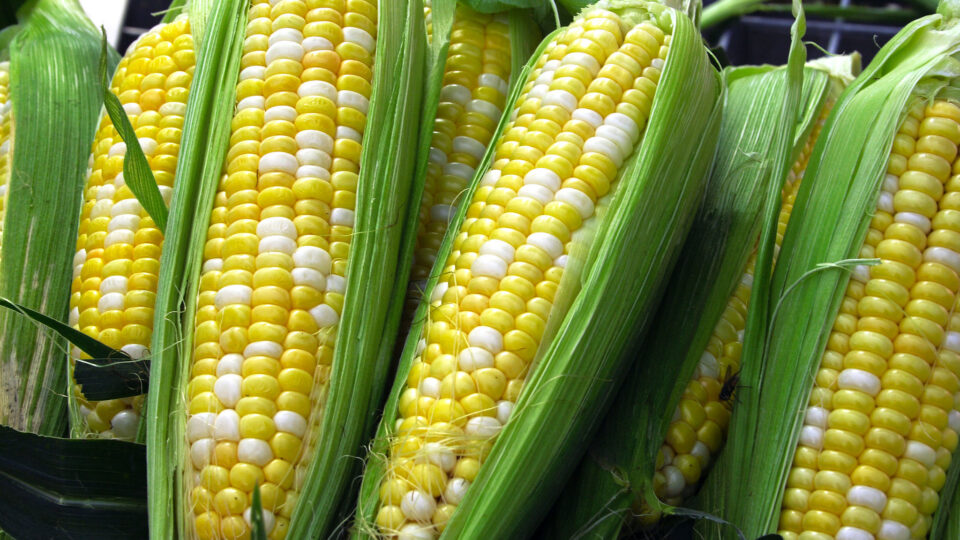
The aviation industry wants to slash its greenhouse gas emissions.  One proposed strategy is to replace ordinary jet fuel with ethanol.  Ethanol in this country mostly comes from corn.  The airlines are enthusiastic about the idea; corn farmers are enthusiastic about the idea.  Ethanol suppliers are obviously enthusiastic about it.  But is it a good idea?

Today, nearly 40% of America’s corn crop is turned into ethanol.  Twenty years ago, the figure was around 10%.  The massive growth was the result of mandates for ethanol augmentation of gasoline for environmental reasons.

But the environmental benefits of corn ethanol have always been controversial at best when all the energy factors are considered. But apart from that, a very serious issue is that corn is a water-intensive crop, and it can take hundreds of gallons of water to produce a single gallon of ethanol.  As the climate warms and corn crops expand, groundwater in many corn-growing areas is being increasingly depleted and groundwater provides half our drinking water and meets far more than just the needs of corn farmers.

Corn farmers and ethanol producers see the rapid growth of electric vehicles as a threat to their lucrative business of supplying the auto fuel industry.  The ambitious goals of the airline industry to reduce its emissions would likely require nearly doubling ethanol production.

The situation is a powerful example of the tradeoffs that can arise as the world tries to make the transition away from fossil fuel.  Even green solutions can have their own environmental cost and sometimes that cost may be too steep.

**********

Web Links

Airlines Race Toward a Future of Powering Their Jets With Corn

Photo, posted September 2, 2007, courtesy of Rosana Prada via Flickr.

Earth Wise is a production of WAMC Northeast Public Radio

Food and the climate crisis

December 18, 2023 By EarthWise Leave a Comment

Farm-free food could help mitigate climate warming

Agriculture is a major part of the climate problem and remains one of the hardest human activities to decarbonize.  It’s responsible for approximately 25% of global greenhouse gas emissions. 

Many experts contend that alternative food sources – like insect farming and seaweed aquaculture – are part of the solution.  Additionally, expanding production of climate resilient food crops, including quinoa, kernza, amaranth, and millet, likely also have a role to play. 

But according to a new study led by researchers from the University of California – Irvine, another solution to this problem may be to eliminate farms altogether.  In the study, which was recently published in the journal Nature Sustainability, the research team explored the potential for wide scale synthetic production of dietary fats through chemical and biological processes.  The materials needed for this method are the same as those used naturally by plants: hydrogen (in water) and carbon dioxide (in the air).   

The research team highlighted some of the potential benefits of farm-free food, including reduced water use, less pollution, localized food production, and less risk to food production from weather. 

Cookies, crackers, chips, and many other grocery products are made with palm oil, a dietary fat that continues to be a major driver of deforestation around the world.  However, it remains to be seen how consumers would react if the oil used to bake their cookies came from a food refinery up the road instead of a palm plantation in Indonesia.     

According to the researchers, depending on food refineries instead of tropical plantations for dietary fats could mitigate lots of climate-warming emissions while also protecting land and biodiversity.

**********

Web Links

UC Irvine-led science team shows how to eat our way out of the climate crisis

Photo, posted July 15, 2008, courtesy of Quinn Dombrowski via Flickr.

Earth Wise is a production of WAMC Northeast Public Radio
Plastics and agriculture 

November 14, 2023 By EarthWise Leave a Comment

Once celebrated as a symbol of modern innovation, plastic is now both a blessing and a curse of our time.  Since the 1950s, more than nine billion tons of plastic have been produced, and 50% of that has been during the past 15 years.  Plastic is ubiquitous in every sector, and agriculture is no different.

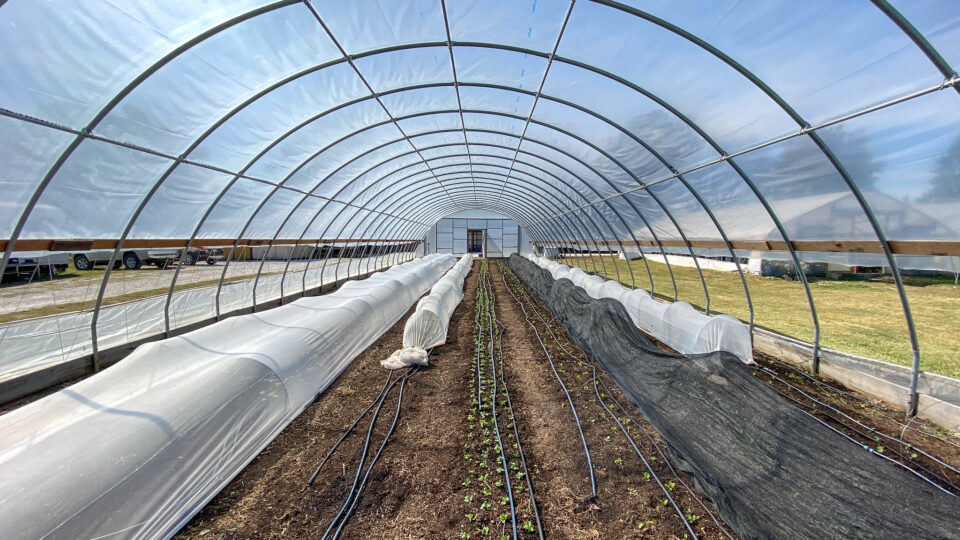
Modern agriculture is responsible for almost a third of global greenhouse gas emissions and is a major drain on the planet’s resources.  Modern agriculture is also inextricably linked to plastic. In fact, more than 13 million tons of plastic are used in agriculture every year.  It’s nearly impossible to imagine modern agriculture without plastics. 

But according to a new study led by researchers from Rutgers University, plastic use in agriculture must be reduced in order to mitigate pollution, and prevent toxic chemicals from leaching into the soil and adversely affecting human health. 

In the study, which was recently published in Nature Communications Earth & Environment, the researchers found that it is essential to adopt a strategic approach to mitigate plastic pollution in agriculture, including responsible usage, reduction, efficient collection, reuse, and the implementation of innovative recycling methods. 

According to the researchers, when these sustainable approaches aren’t possible, biodegradable and nontoxic bioplastics should be used.  The research team insists that environmentally benign additives should be mandated in order to reduce plastic toxicity. 

Plastic pollution is a problem that needs to be addressed in every sector. 

**********

Web Links

Plastic Use in Agriculture Must be Reduced, According to New Research

How can the use of plastics in agriculture become more sustainable?

Photo, posted November 12, 2022, courtesy of Kevin Dooley via Flickr.

Earth Wise is a production of WAMC Northeast Public Radio

A billion pound problem

November 1, 2023 By EarthWise 1 Comment

Nearly two billion pounds of pumpkins are grown each year in the U.S.  But we actually don’t eat the vast majority of them.  Instead, most pumpkins are carved or otherwise decorated, and placed on porches across the country during Halloween.  But now that the holiday has come and gone, what happens to all those sagging masterpieces?

Simply put, we usually just throw them out.  In the days after Halloween, as much as 1.3 billion pounds of pumpkin winds up in landfills.  When left there to decompose, the pumpkins produce methane, a potent greenhouse gas that affects climate change by contributing to increased warming. 

Here are some ways to keep pumpkins out of the landfills this year and make Halloween festivities more sustainable. 

If the pumpkin is still in good shape, use the outer, meaty part of the pumpkin to make a fresh version of pumpkin puree.  Pumpkin puree is a common ingredient in baked goods like muffins, breads, and pies, especially during this time of the year.  The pumpkin seeds can also be scooped out, rinsed, and salted or spiced, and then baked in the oven, resulting in a delicious snack.

Pumpkins also have the potential to turn into great soil through composting. Pumpkins are just over 90% water, which help naturally add moisture to compost piles that need to be damp to effectively decompose food waste.

If eating or composting the pumpkins isn’t an option, consider donating them to a local farm.  Farmers will often collect pumpkins as treats for their pigs, goats, and other animals. 

The scariest part of Halloween shouldn’t be the waste. 

**********

Web Links

Halloween is over. Here’s the most sustainable way to get rid of your jack-o’-lanterns, pumpkins, and gourds

Say Boo to Landfills – Compost Your Pumpkin After Halloween!

Photo, posted November 4, 2010, courtesy of William Warby via Flickr.

Earth Wise is a production of WAMC Northeast Public Radio
The Hottest Summer | Earth Wise

October 13, 2023 By EarthWise Leave a Comment

The hottest summer since global record keeping began

It was a very rainy and relatively cool summer in much of New England as well as in New York’s Capital Region, where Earth Wise originates.  Despite that fact, according to NASA scientists, the summer of 2023 was the Earth’s hottest since global record keeping began in 1880.

The months of June, July, and August taken together were .41 degrees Fahrenheit warmer than any other summer on record as well as being 2.1 degrees warmer than the average summer between 1951 and 1980.

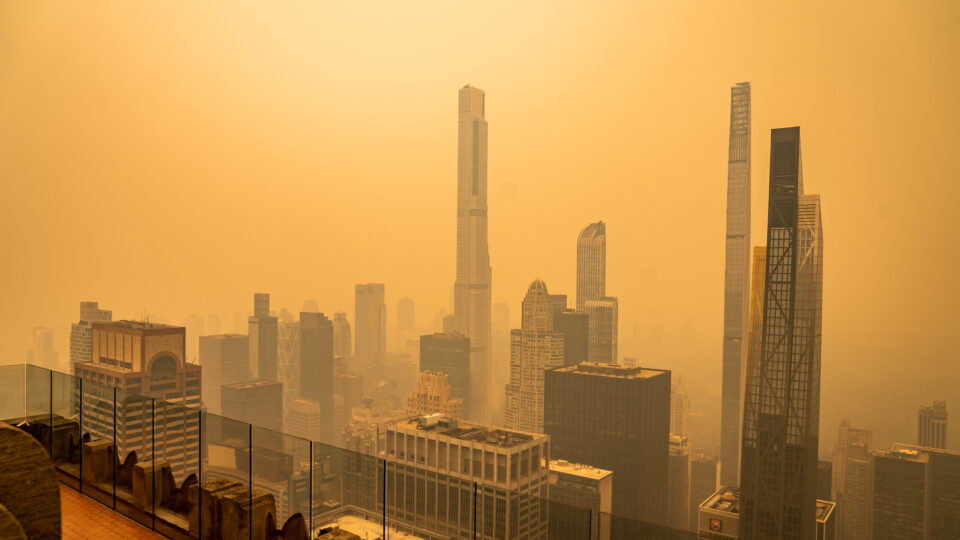
The record summer heat was marked by heatwaves in South America, Japan, Europe, and the US.  The heat exacerbated wildfires in Canada that dumped smoke across much of the northern tier of our country and also led to severe rainfall in Europe.  All sorts of temperature records were set in places across the globe.

According to NASA, exceptionally high sea surface temperatures, fueled in part by the reemergence of El Niño in the Pacific, were a major factor in the summer’s record warmth.

The record-breaking heat of this summer continues a long-term trend of warming.  Scientists around the world have been tracking the warming that is driven primarily by human-caused greenhouse gas emissions.  The combination of this background warming and the marine heatwaves set the stage for new temperature records.  The El Niño was enough to tip the scales. 

In the current environment, heat waves will last longer, be hotter, and be more punishing.  The atmosphere can hold more water producing hot and humid conditions that are harder for the human body to endure.

Scientists are expecting the biggest impacts of El Niño in the early parts of next year.  We can expect to see extreme weather of many kinds over the next year.

**********

Web Links

NASA Announces Summer 2023 Hottest on Record

Photo, posted June 8, 2023, courtesy of Anthony Quintano via Flickr.

Earth Wise is a production of WAMC Northeast Public Radio

Wealth And Greenhouse Gas Emissions | Earth Wise

September 28, 2023 By EarthWise Leave a Comment

A new study led by researchers from the University of Massachusetts Amherst has found that the wealthiest 10% of Americans are responsible for a staggering 40% of the country’s greenhouse gas emissions. The study, which was recently published in the journal PLOS Climate, is the first to link income, especially income derived from financial investments, to the emissions used in generating that income.

The research team suggests that policymakers adopt taxation strategies focused on shareholders and the carbon intensity of investment incomes in order to meet the global goal of limiting temperature rise to 1.5 degrees Celsius.

Historically, environmental policies have focused on regulating consumption, but the researchers argue that this approach misses something important:  carbon pollution generates income, but when that income is reinvested into stocks, rather than spent on necessities, it isn’t subject to a consumption-based carbon tax.  Rather than focus on how emissions enable consumption, they argue that the focus should be on how emissions create income. 

After analyzing 30 years of data, the researchers found that not only are the top 10% of earners in the United States responsible for 40% of the nation’s total greenhouse gas emissions, but that the top 1% alone account for 15-17% of the emissions. Emissions tended to peak in the 45-54 age group before declining.

The researchers highlight the need for an income and shareholder-based taxation strategy to incentivize climate action among high-income earners and industries, which could expedite decarbonization efforts and create tax revenue to support other climate initiatives.

**********

Web Links

America’s Wealthiest 10% Responsible for 40% of U.S. Greenhouse Gas Emissions

Photo, posted June 29, 2015, courtesy of Pictures of Money (via Flickr).

Earth Wise is a production of WAMC Northeast Public Radio

Top Fish Predators And Climate Change | Earth Wise

September 12, 2023 By EarthWise Leave a Comment

Climate change is taking its toll on forests, farms, freshwater sources, and the economy, but ocean ecosystems remain the epicenter of global warming.  In fact, oceans have absorbed more than 90% of the excess heat from greenhouse gas emissions since the 1970s.

As a result, many marine fish species are responding to ocean warming by relocating towards the poles.  According to new research recently published in the journal Science Advances, climate change is causing widespread habitat loss for some of the ocean’s top fish predators, driving these species northward.

The research team studied 12 species of highly migratory fish predators, including sharks, tuna, and billfish, such as marlin and swordfish, inhabiting the Northwest Atlantic Ocean and the Gulf of Mexico.  These two regions are undergoing rapid changes in sea surface temperatures, and are among the fastest warming ocean regions on earth.

The research, which was led by researchers from Woods Hole Oceanographic Institution in Massachusetts, with collaboration from San Diego State University, NOAA, and several other U.S. institutions, found that most species will encounter widespread habitat losses by 2100.  Some species could lose upwards of 70% of suitable habitat by that year.  Areas offshore of the Southeast United States and Mid-Atlantic coasts were identified as likely hotspots of multi-species habitat loss. 

According to the researchers, strategies for managing fish have historically been static. But marine systems need to be treated as dynamic and changing.  This study helps provide the scientific data needed for marine conservation and fisheries management efforts.

**********

Web Links

Top fish predators could suffer wide loss of suitable habitat by 2100 due to climate change

Photo, posted March 18, 2015, courtesy of Kenneth Hagemeyer via Flickr.

Earth Wise is a production of WAMC Northeast Public Radio

The Climate Impact Of Diets | Earth Wise

August 24, 2023 By EarthWise Leave a Comment

What we eat has a major impact on the environment

The food system is responsible for 70% of the world’s freshwater use and almost 80% of freshwater pollution.  About three-quarters of the ice-free land area of the planet has been affected by human use, primarily for agriculture.  Land-use change such as deforestation is a major source of biodiversity loss.  What we choose to eat has a major effect on how the food system impacts the environment.

A comprehensive study by researchers at several UK universities has found that a plant-based diet yields one-fourth as much greenhouse gases as a diet rich in meat.  Vegan diets produce 75% less heat-trapping gas, generate 75% less water pollution, and use 75% less land than meat-rich diets.

Just going to a low-meat diet cuts the environmental cost of a high-meat diet in half.  Pescatarian diets perform better than low-meat diets, and vegetarian diets do even a little better than that.

There are a variety of reasons why many people won’t, can’t, or even shouldn’t become vegans.  What should be learned from this study is that our dietary choices have a major environmental impact.  So, taking actions like cutting down the amount of meat and dairy – which most people can do with relative ease – can be valuable.

There are many choices with respect to where we live, how we get from place to place, where we get our food, and, yes, what food we eat, that impact the environment.  We are not all going to do the best possible thing in all these cases, but if we each make some choices that at least help, it can make a big difference.

**********

Web Links

Vegan Diets Have One-Fourth the Climate Impact of Meat-Heavy Diets, Study Finds

Photo, posted November 5, 2017, courtesy of Stephanie Kraus via Flickr.

Earth Wise is a production of WAMC Northeast Public Radio
Cleaner And Greener Steel | Earth Wise

August 14, 2023 By EarthWise Leave a Comment

Researchers are developing a cleaner and greener steel

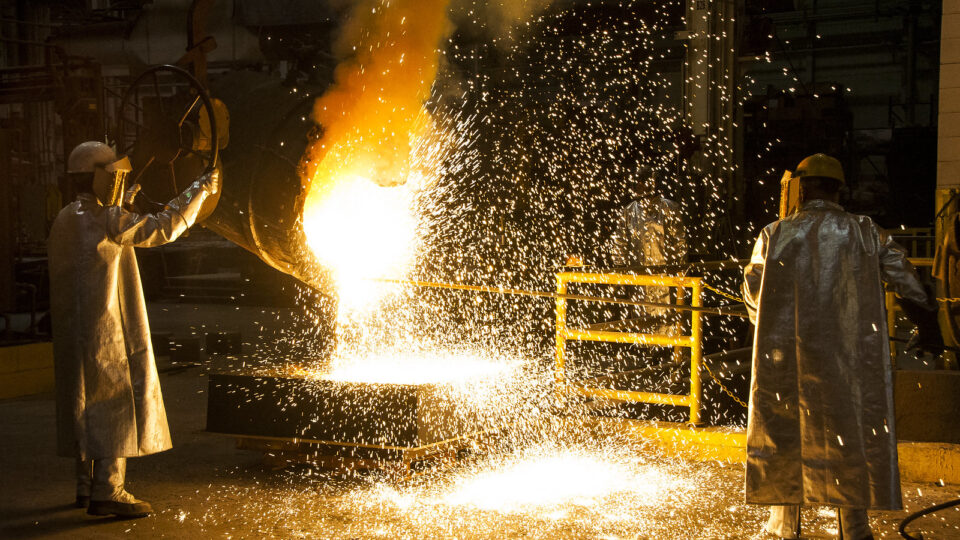
Producing construction materials like concrete and steel is a major contributor to greenhouse gas emissions.  Between 7 and 8% of emissions are due to steelmaking alone, which has been done pretty much the same way for more than a century.

Iron ore is smelted with high-carbon fuel and is turned into so-called pig iron in a blast furnace, which creates the key raw material for the steel industry.  The process uses huge amounts of energy (still often generated by burning fossil fuels) and releases carbon dioxide as a byproduct. 

The Department of Energy is sponsoring 40 projects at universities, national laboratories and companies in 21 states aimed at reducing industrial carbon pollution.  Ten of those projects are focused on decarbonizing iron and steel. These initiatives are part of the overall effort to move the nation towards a net-zero emissions economy by 2050.

A team headed by Case Western Reserve University that includes Lawrence Livermore National Laboratory, the University of Arizona, and steel company Cleveland-Cliffs Inc. has developed a promising new zero-carbon, electrochemical process for producing steel.

The process is a novel molten salt electrolysis method that is low-cost, capable of achieving high rates, and uses environmentally benign chemicals.  The process does not use carbon at all.  Using molten salts, electrochemistry can be performed at moderately high temperatures rather than the temperatures of nearly 3000 degrees Fahrenheit used for conventional steelmaking.  The goal is to enable steel production that is both economically viable at an industrial scale and that is environmentally sustainable.

**********

Web Links

Case Western Reserve leading research to develop zero-carbon, electrochemical process to produce iron metal as part of U.S. Department of Energy effort

Photo, posted January 11, 2017, courtesy of Kevin Casey Fleming via Flickr.

Earth Wise is a production of WAMC Northeast Public Radio
Shrinking Glaciers And Methane | Earth Wise

August 1, 2023 By EarthWise Leave a Comment

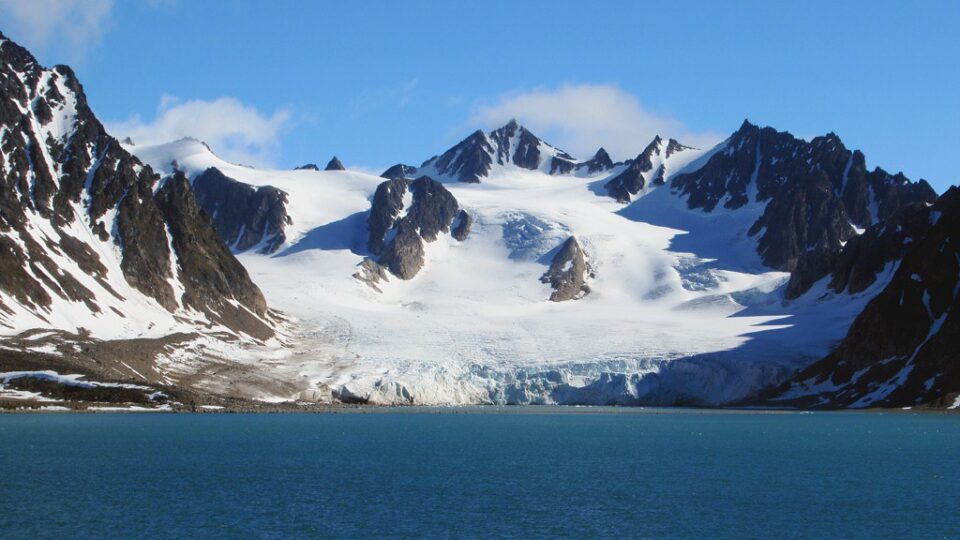
Shrinking glaciers pose an underestimated climate risk

The Arctic region is warming much faster than the rest of the planet.  In fact, according to a study published last year in the journal Nature, the Arctic has been warming nearly four times faster than the rest of the globe during the last 43 years.  This rapid warming is leading to substantial reductions in sea ice, thawing of permafrost, shifts in wildlife populations, and changes in ocean circulation patterns, among other changes. 

According to new research recently published in the journal Nature Geoscience, shrinking glaciers in the warming Arctic are exposing bubbling groundwater springs, which could provide an underestimated source of methane, a potent greenhouse gas.  Methane is more than 25 times as potent as carbon dioxide at trapping heat in the atmosphere.

The study, which was led by researchers from the University of Cambridge and the University Centre in Svalbard, Norway, found large sources of methane gas leaking from groundwater springs unveiled by melting glaciers. 

As glaciers retreat in the Norwegian archipelago of Svalbard and leave behind newly exposed land, groundwater beneath the Earth seeps upward and forms springs. In 122 out of the 123 springs studied, the research team found that the water was highly concentrated with dissolved methane.  When the spring water reaches the surface, the excess methane can escape to the atmosphere. 

Researchers are concerned that additional methane emissions released by the Arctic thaw could dramatically increase human-induced global warming.  If this phenomenon in the Svalbard archipelago is found to be more widespread across the Arctic — where temperatures are quickly rising and glaciers melting — the methane emissions could have global implications. 

**********

Web Links

The Arctic has warmed nearly four times faster than the globe since 1979

Shrinking Arctic glaciers are unearthing a new source of methane

Photo, posted October 22, 2022, courtesy of David Stanley via Flickr.

Earth Wise is a production of WAMC Northeast Public Radio
Greenhouse Gas Emissions Are Still Increasing | Earth Wise

July 21, 2023 By EarthWise Leave a Comment

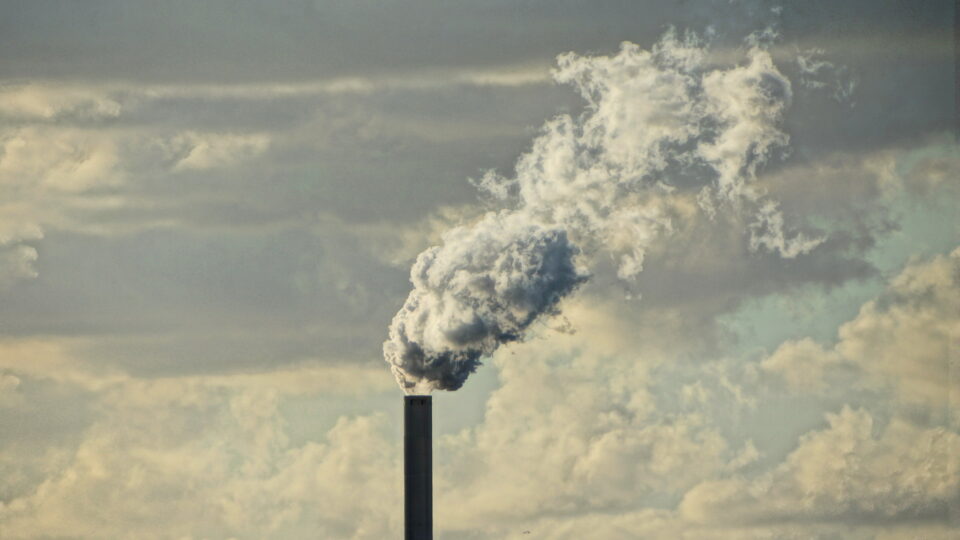
Greenhouse gas emissions are still rising

Recent research has found that the level of greenhouse gases emitted by human activity has reached an all-time high level of nearly 60 billion tons a year.  Despite increasing public attention, policy measures, and adoption of green technologies, the pace at which these changes have been taking place has simply not kept up with the ongoing burning of fossil fuels by increasingly industrialized societies.  The rate at which greenhouse gas emissions has increased over time has indeed slowed, but emissions need to start decreasing and as soon and as much as possible.

Human-induced warming has reached a ten-year average from 2013-2022 of 1.14 degrees Celsius above pre-industrial levels, up from a 1.07 degrees average between 2010-2019. 

Scientists have calculated a carbon budget that describes how much more carbon dioxide can be emitted before global warming exceeds the threshold of 1.5 degrees Celsius that is widely predicted to lead to potentially catastrophic changes to the climate.  In 2020, the Intergovernmental Panel on Climate Change calculated that the remaining carbon budget was about 500 billion tons of carbon dioxide.  Over the past three years, nearly half of that carbon budget has already been exhausted by the continuing onslaught of carbon emissions.

Researchers describe their study as a timely wake-up call that the pace and scale of climate action to date has been insufficient and that we need to change policy and approaches in light of the latest evidence about the state of the climate system.  Time is no longer on our side in trying to stave off the worst effects of climate change.

**********

Web Links

Greenhouse gas emissions at ‘an all-time high’, warn scientists

Photo, posted September 18, 2015, courtesy of In Hiatus via Flickr.

Earth Wise is a production of WAMC Northeast Public Radio

Europe Is Warming Very Quickly | Earth Wise

July 13, 2023 By EarthWise Leave a Comment

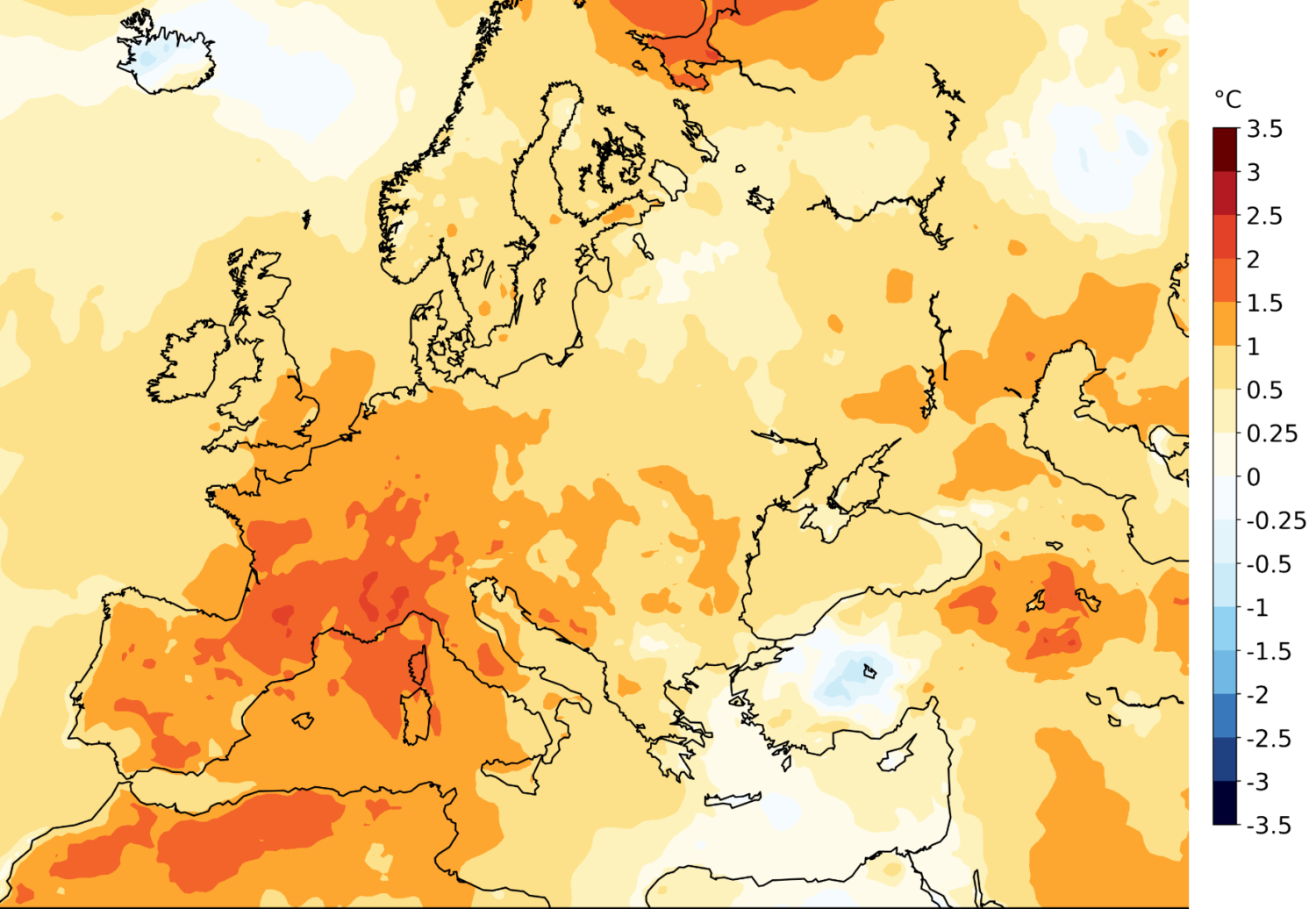
Europe is warming faster than most of the world

According to a new report from the World Meteorological Organization, Europe is warming faster than any other inhabited continent.  The result of the rising temperatures has been increasingly severe heat waves, flood, and wildfires.

The Paris Climate Agreement has set a goal of limiting warming to no more than 2 degrees Celsius above pre-industrial levels and, if at all possible, to no more than 1.5 degrees.  To date, the planet has warmed by 1.2 degrees and, with greenhouse gas emissions continuing at record levels, the temperature keeps going up.

These numbers refer to the global average.  Some places have warmed more and others less.  The Arctic has been warming four times quicker than the rest of the world.  In terms of direct impact on large populations, Europe has already surpassed the 2-degree mark, having reached 2.3 degrees last year.  In 2022, many countries in western and southwestern Europe had their warmest year on record. Weather-related economic damages totaled $2 billion, mostly as a result of storms and floods.

Europe is trying to do its part in mitigating climate change by making major gains on clean energy.  Wind and solar generated 22% of Europe’s power in 2022, which is more than either natural gas or coal produced.  Europe is trying to do its share, but the warming climate is a global phenomenon and will require a global effort to mitigate its effects.

The record-breaking heat stress experienced by Europeans last year cannot be considered a one-off occurrence.  It is part of a pattern that will make weather extremes more frequent and more intense over time.

**********

Web Links

The Fastest-Warming Continent, Europe Has Already Heated by More Than 2 Degrees C

Photo, posted September 26, 2011, courtesy of Ben Ramirez via Flickr.

Earth Wise is a production of WAMC Northeast Public Radio
An Unwanted Temperature Threshold Is Approaching | Earth Wise

July 3, 2023 By EarthWise Leave a Comment

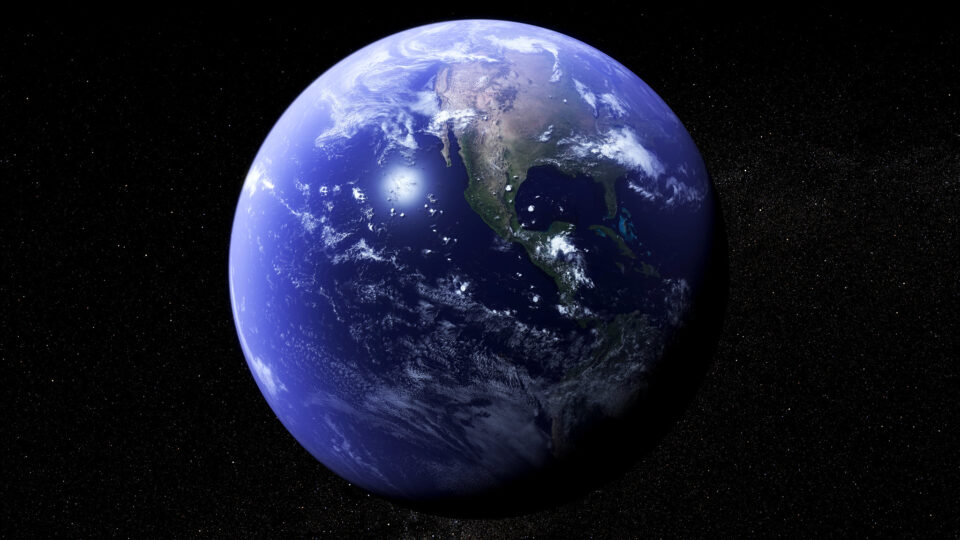
An alarming temperature threshold is approaching

According to the World Meteorological Organization, there is a 66% chance over the next five years that the Earth’s global temperature will exceed 1.5 degrees Celsius above pre-industrial levels for at least one year.

A combination of the continued accumulation of greenhouse gases in the atmosphere along with a looming El Niño condition will contribute to surging temperatures.  The WMO also reports that there is a 98% likelihood that at least one of the next five years will be the warmest on record and that the five-year period as a whole will be the warmest on record.

Reaching or surpassing the 1.5-degree threshold may only be temporary but would be the strongest indication yet of how quickly climate change is accelerating.   The 1.5-degree point is considered by many scientists to be a key tipping point, beyond which the chances of extreme flooding, drought, wildfires, heatwaves, and food shortages could increase dramatically.

The world has already seen about 1.2 degrees of warming as we continue to burn fossil fuels and produce enormous quantities of greenhouse gas emissions.  As recently as 2015, the WMO put the chance of breaching the 1.5-degree threshold as close to zero.

It is important to understand that the 1.5-degree temperature increase is an average for the entire planet.  Many individual locations around the world have been experiencing tremendously greater amounts of warming with record-breaking temperatures.

The 1.5-degree threshold is important, but it is not itself a tipping point.  There is still time to reduce global warming by moving away from fossil fuels and towards clean energy.  But the clock is ticking and so far, the world is not showing any urgency.

**********

Web Links

‘Sounding the alarm’: World on track to breach a critical warming threshold in the next five years

Photo, posted May 20, 2015, courtesy of Kevin Gill via Flickr.

Earth Wise is a production of WAMC Northeast Public Radio

Ocean Oxygen Levels And The Future Of Fish | Earth Wise

June 23, 2023 By EarthWise Leave a Comment

How oxygen levels in the ocean will impact the future of fish

Climate change is creating a cascade of effects in the world’s oceans.  Not only are ocean temperatures on the rise, but oceans are becoming more acidic, and oxygen deprived.  The warming temperatures and acidification have grabbed headlines and prompted academic research. Declining oxygen levels have not garnered as much attention.  But they spell bad news for fish.

Oxygen levels in the world’s oceans have dropped over 2% between 1960 and 2010 and are expected to decline up to 7% over the next century.  There are places in the northeast Pacific that have lost more than 15% of their oxygen.  There are a growing number of “oxygen minimum zones” where big fish cannot survive but jellyfish can.

Oceans are losing oxygen for several reasons.  First, warmer water can hold less dissolved gas than colder water.  (This is why warm soda is flatter than cold soda.)  Deeper in the ocean, oxygen levels are governed by currents that mix oxygen-rich surface water from above.  Melting ice in the warming polar regions add fresh, less-dense water that resists downward mixing in key regions.  Finally, increasing amounts of ocean bacteria in warming waters gobble up oxygen creating dead zones in the ocean.

In many places, fish species that cannot cope with lower oxygen levels are migrating from their usual homes, resulting in a decline in species diversity.  Our future oceans – warmer and oxygen-deprived – will not only hold fewer kinds of fish, but also smaller fish and even more greenhouse-gas producing bacteria.   

Climate change is bad news for fish and for the more than 3 billion people in the world who depend on seafood as a significant source of protein.

**********

Web Links

As Ocean Oxygen Levels Dip, Fish Face an Uncertain Future

Photo, posted January 10, 2022, courtesy of Willy Goldsmith via Flickr.

Earth Wise is a production of WAMC Northeast Public Radio
Methane And Wildfires | Earth Wise

May 29, 2023 By EarthWise Leave a Comment

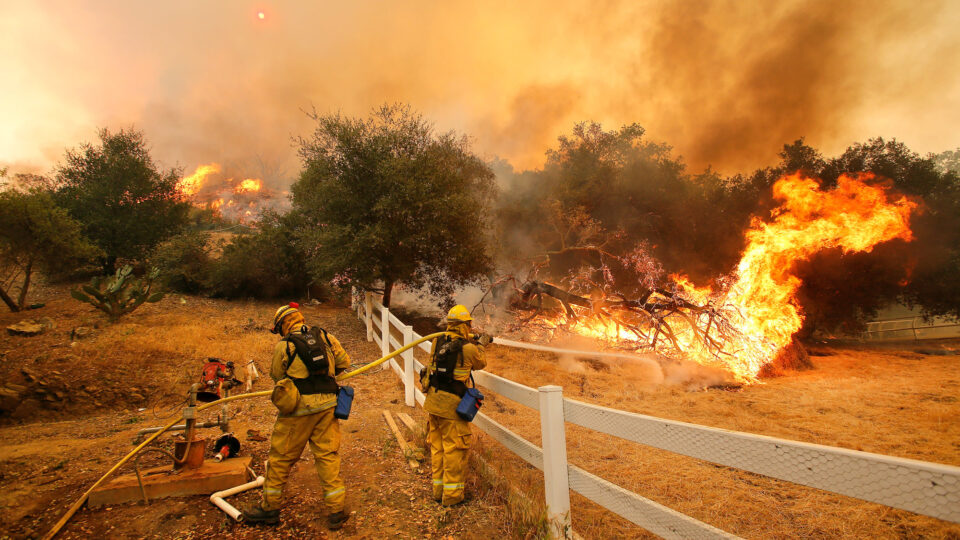
Wildfires release a massive amount of methane

Methane is a colorless and odorless gas that occurs abundantly in nature and is also a product of certain human activities.  It’s also a potent greenhouse gas, meaning it affects climate change by contributing to increased warming.  In fact, methane gas is known to warm the planet 86 times more effectively than carbon dioxide over a 20-year period.

According to the U.S. EPA, up to 65% of total methane emissions around the world come from the following human activities: raising livestock, leaks from natural gas systems, and waste from landfills. 

Scientists from the University of California, Riverside have discovered that wildfires are releasing a massive amount of methane gas into the atmosphere.  According to the research team, this source of methane is not currently being tracked by air quality managers in California.  And this omission could have significant implications for climate change mitigation efforts in the state. 

Methane from wildfires is nothing new.  But what is new is just how much of the stuff is being emitted.  According to the findings, which were recently detailed in the journal Atmospheric Chemistry and Physics, the amount of methane from the top 20 fires in 2020 was more than seven times greater than the average from wildfires in the previous 19 years.  Wildfires were the third largest source of methane emissions in California in 2020. 

In 2016, California passed a law requiring a 40% reduction in air pollutants contributing to global warming by 2030.  But as wildfires continue to get bigger and more intense, achieving those reduction targets will get increasingly difficult.

**********

Web Links

Methane from megafires: more spew than we knew

Detecting Methane

Photo, posted November 30, 2015, courtesy of Daria Devyatkina via Flickr.

Earth Wise is a production of WAMC Northeast Public Radio
Greenhouse Gases Continue To Rise | Earth Wise

May 24, 2023 By EarthWise Leave a Comment

Greenhouse gases continue to rise

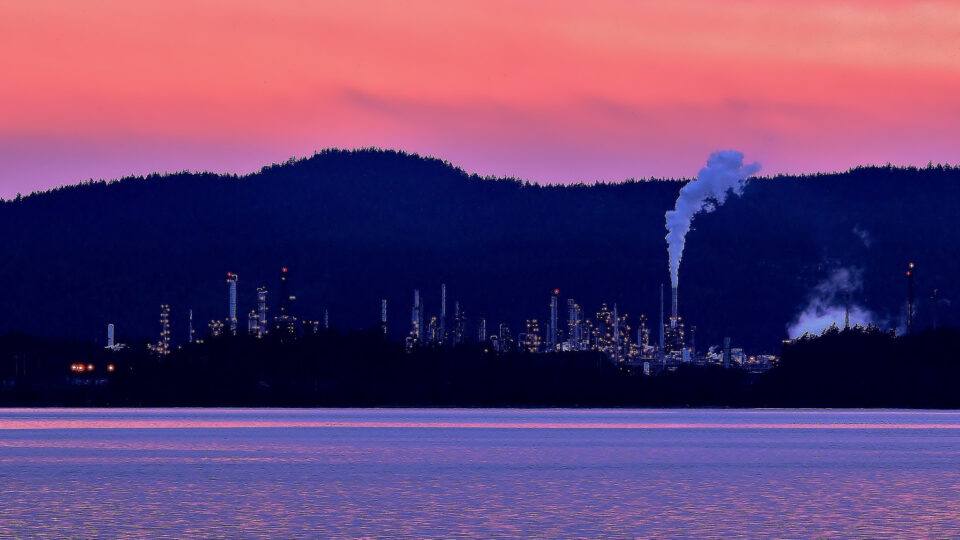
Despite all the focus on reducing emissions of greenhouse gases, there continues to be little progress toward actually accomplishing reductions.  A combination of growing populations, increasing industrialization in the developing world, and just plain reluctance on the part of many sectors of society to act, have all contributed to the continuing buildup of climate-altering gases in the atmosphere.

Levels of carbon dioxide, methane, and nitrous oxide – the three greenhouse gases produced by human activity that are the major contributors to climate change – all continued historically high rates of growth in 2022.

CO2 levels rose by 2.13 parts per million last year, roughly the same rate observed during the past decade.  The current level of 417 ppm is 50% higher than pre-industrial levels.  Increases of more than 2 ppm have occurred for 11 consecutive years.  Prior to 2013, there had never even been 3 years in row with increases of that size.

Methane levels increased by 14 parts per billion, the fourth largest increase over the past 40 years.  Methane levels in the atmosphere are now two-and-a-half times greater than their pre-industrial level. 

The third most significant greenhouse gas – nitrous oxide – also saw a large increase, reaching 24% above pre-industrial levels.

Carbon dioxide emissions are by far the most important contributor to climate change and the continuing widespread burning of fossil fuels is the primary source.  There are widespread intentions to reduce carbon dioxide emissions, but those intentions have not yet resulted in sufficient actions.

**********

Web Links

Greenhouse gases continued to increase rapidly in 2022

Photo, posted May 16, 2014, courtesy of Flickr.

Earth Wise is a production of WAMC Northeast Public Radio
Hydrogen And The Methane Problem | Earth Wise

April 24, 2023 By EarthWise Leave a Comment

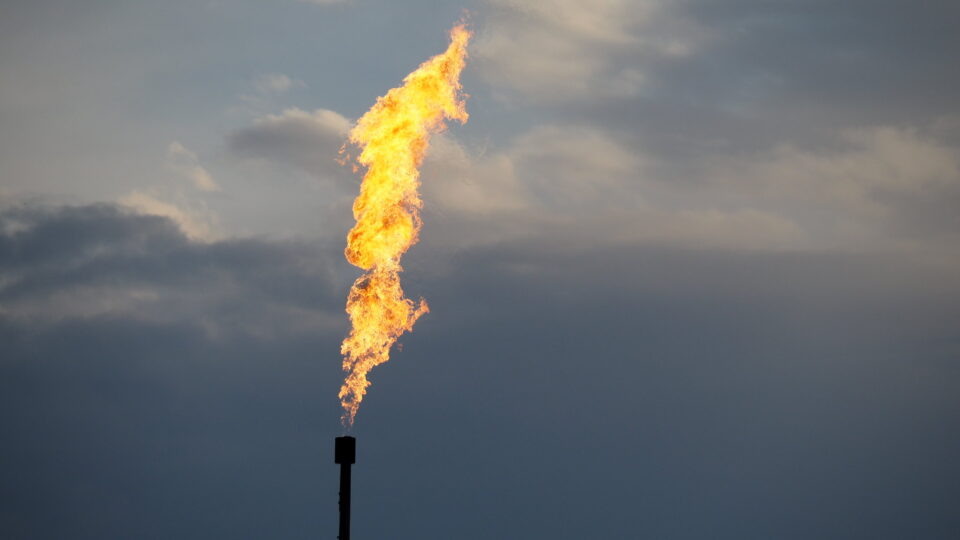
Theoretically, hydrogen could be the fuel of the future.  It is the most common element in the universe and its combustion produces no harmful emissions.  Most industrial hydrogen comes from a process called steam reforming that extracts it from natural gas – basically methane.  Carbon dioxide is a byproduct of the process.   But it is also possible to get hydrogen by breaking down water resulting only in oxygen as a byproduct.   There is a great deal of ongoing development of so-called green hydrogen.

New research from Princeton University and the National Oceanic and Atmospheric Administration has uncovered a potential problem associated with the use of hydrogen as a clean fuel. 

There is a molecule in the atmosphere called the hydroxyl radical.  It is known as “the detergent of the troposphere”.  It plays a critical role in eliminating greenhouse gases such as methane and ozone from the atmosphere.  It turns out that the hydroxyl radical also reacts with any hydrogen gas in the atmosphere and there is only so much hydroxyl to go around.  If large amounts of hydrogen were to enter the atmosphere, much of the hydroxyl radical would be used up reacting with it and there would be much less available to break down methane.  As a result, there would end up being more methane in the atmosphere, and methane is a powerful greenhouse gas.

The bottom line is that there would need to be proactive efforts to limit the amount of hydrogen getting into the atmosphere whether from producing it, transporting it, or anyplace else in the value chain.  Otherwise, the hydrogen economy would cancel out many of the climate benefits of eliminating fossil fuels.

**********

Web Links

Switching to hydrogen fuel could prolong the methane problem

Photo, posted June 12, 2021, courtesy of Clean Air Task Force via Flickr.

Earth Wise is a production of WAMC Northeast Public Radio
  • « Go to Previous Page
  • Page 1
  • Page 2
  • Page 3
  • Page 4
  • Page 5
  • Interim pages omitted …
  • Page 12
  • Go to Next Page »

Primary Sidebar

Recent Episodes

  • An uninsurable future
  • Clean energy and jobs
  • Insect declines in remote regions
  • Fossil fuel producing nations ignoring climate goals
  • Trouble for clownfishes

WAMC Northeast Public Radio

WAMC/Northeast Public Radio is a regional public radio network serving parts of seven northeastern states (more...)

Copyright © 2026 ·