• Skip to primary navigation
  • Skip to main content
  • Skip to primary sidebar

Earth Wise

A look at our changing environment.

  • Home
  • About Earth Wise
  • Where to Listen
  • All Articles
  • Show Search
Hide Search
You are here: Home / Archives for greenhouse gas

greenhouse gas

Capturing hot carbon dioxide

December 13, 2024 By EarthWise Leave a Comment

Researchers are developing new methods to capture hot carbon dioxide

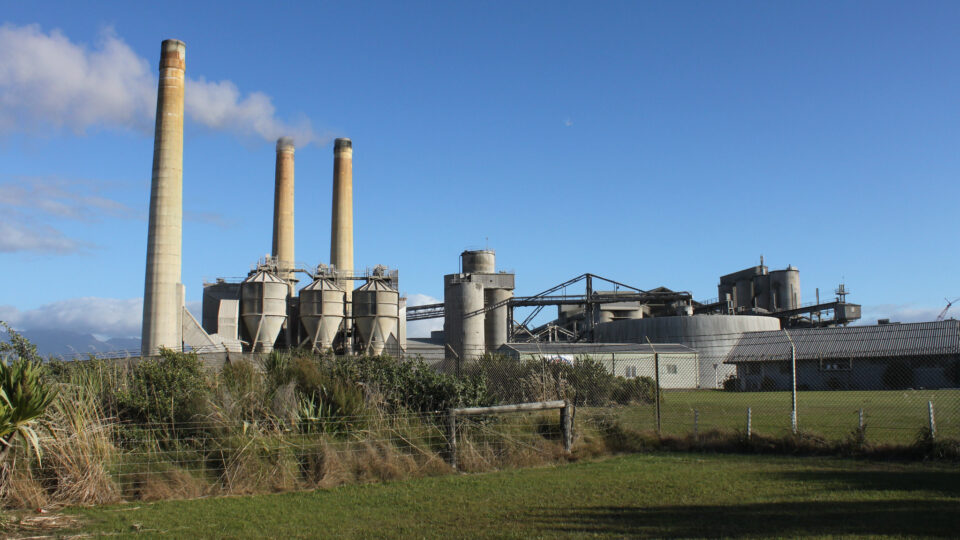
Decarbonizing industries like steel and cement is a difficult challenge.  Both involve emitting large amounts of carbon dioxide both from burning fossil fuels and from intrinsic chemical reactions taking place.  A potential solution is to capture the carbon dioxide emissions and either use them or store them away.  But this sort of carbon capture is not easy and can be quite expensive.

The most common method for capturing carbon dioxide emissions from industrial plants uses chemicals called liquid amines which absorb the gas.  But the chemical reaction by which this occurs only works well at temperatures between 100 and 140 degrees Fahrenheit.  Cement manufacturing and steelmaking plants produce exhaust that exceeds 400 degrees and other industrial processes produce exhaust as hot as 930 degrees.

Costly infrastructure is necessary to cool down these exhaust streams so that amine-based carbon capture technology can work. 

Chemists at the University of California, Berkeley, have developed a porous material – a type of metal-organic framework – that can act like a sponge to capture CO2 at temperatures close to those of many industrial exhaust streams.  The molecular metal hydride structures have demonstrated rapid, reversible, high-capacity capture of carbon dioxide that can be accomplished at high temperatures.

Removing carbon dioxide from industrial and power plant emissions is a key strategy for reducing greenhouse gases that are warming the Earth and altering the global climate.  The captured CO2 can be used to produce value-added chemicals or can be stored underground or chemically-reacted into stable substances.

**********

Web Links

Breakthrough in capturing ‘hot’ CO2 from industrial exhaust

Photo, posted March 3, 2010, courtesy of Eli Duke via Flickr.

Earth Wise is a production of WAMC Northeast Public Radio
The last coal plant in Britain

October 31, 2024 By EarthWise Leave a Comment

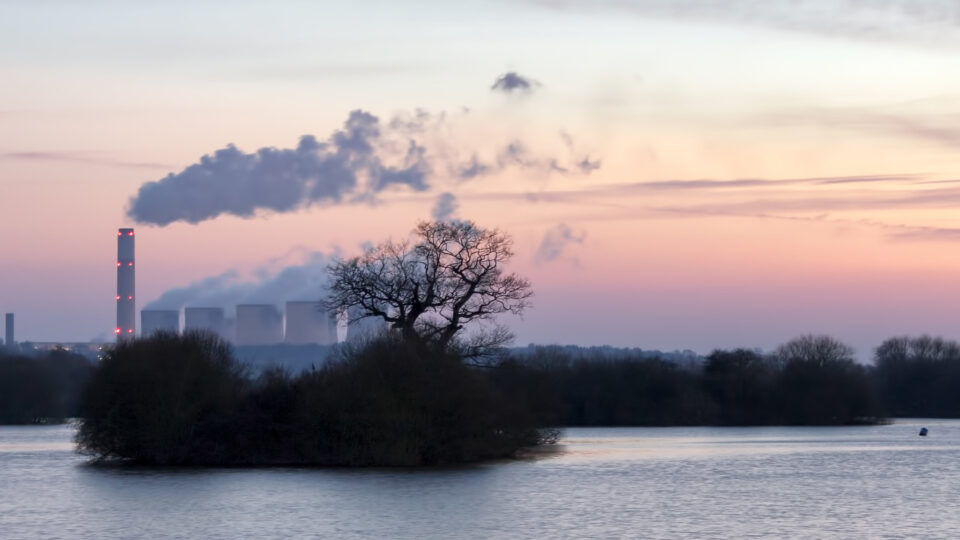
The last coal plant in Britain has closed

The Industrial Revolution, which basically got underway in the mid-19th century, was largely enabled by coal, which fueled iron manufacturing, railroads, steam engines, and more.  Most of these things got their start in Britain, which inspired the rest of the world to follow suit.

The world’s first coal-burning power plant began producing electricity at the Holborn Viaduct in London in 1882.  This September, Britain – the birthplace of coal power – shut down its last coal-burning power station when the 2,000-megawatt Ratcliffe-on-Soar facility ceased operations.  Uniper, the company that operated the plant, will be converting the 750-acre site to a low-carbon energy hub.

Shutting down coal plants is not a simple matter, as they are the lifeblood of entire towns and regions where they are located.  Finding fair transitions for workers is an uphill battle that has to take place in many locations.

Coal is the dirtiest fossil fuel, producing more greenhouse gas than others, but historically was the cheapest and most abundant source of power in many countries.  In recent decades, it has been replaced by gas, nuclear power, and most recently, renewables like wind and solar.

The coal era has ended in much of the world. The United States still gets 16% of its electricity from coal, but that number keeps getting smaller.  Unfortunately, the great majority of coal use is in the world’s two most populous countries:  India and China.  Both are adding renewable energy sources, but both have rapidly climbing energy demand.  China’s coal consumption is expected to peak this year and flatten out.  But there is still work to be done to bring an end to coal power.

**********

Web Links

Britain Shuts Down Last Coal Plant, ‘Turning Its Back on Coal Forever’

Photo, posted March 13, 2016, courtesy of Arran Bee via Flickr.

Earth Wise is a production of WAMC Northeast Public Radio

Big Food and greenhouse gas emissions

October 29, 2024 By EarthWise Leave a Comment

Analyzing Big Food and its greenhouse gas emissions

The global food system is responsible for as much as 40% of human-generated greenhouse gas emissions. The investor advocacy group Ceres has tracked whether the 50 largest North American food and agriculture companies have set targets to lower their emissions and whether doing so has actually resulted in lower emissions.

The emissions from food and agriculture companies are grouped into three so-called scopes.  Scope 1 are emissions from a company’s direct operations.  Scope 2 are emissions from its energy use.  Scope 3 are emissions from a company’s supply chain:  from the farmers who grow crops, raise cattle, and otherwise provide necessary items for a company’s final products.  In the food industry, the scope 3 category is responsible for about 90% of overall emissions.

Of the 50 food companies studied, 23 reduced their scope 1 and scope 2 emissions over the past 2 years, but only 12 reduced their scope 3 emissions.  Companies have more control over their scope 1 and scope 2 emissions. 

Reducing scope 3 emissions is more difficult.  And most companies haven’t set scope 3 reduction targets. 

The findings of the study suggest that reducing scope 3 emissions is especially difficult for companies whose supply chains are linked to carbon-intensive commodities, like meat, or crops linked to deforestation or land-use change, both of which result in increased emissions.

In March, the Securities and Exchange Commission finalized rules requiring companies to disclose their climate risk to regulators, increasing the visibility of the food industry emissions issue.

**********

Web Links

North America’s Biggest Food Companies Are Struggling to Lower Their Greenhouse Gas Emissions

Photo, posted October 13, 2011, courtesy of the United Soybean Board via Flickr.

Earth Wise is a production of WAMC Northeast Public Radio

Halloween pumpkins

October 28, 2024 By EarthWise Leave a Comment

According to the National Retail Federation, spending on Halloween festivities this year by the 72% of Americans who plan to celebrate is expected to total $11.6 billion – or about $104 per person.  The annual consumer survey also found that 67% of Americans plan to pass out candy this year, and nearly 50% of Americans plan to carve a pumpkin.

To produce enough pumpkins for Halloween, farmers grow lots of them every year.  In fact, more than two billion were grown in 2020 alone.  But the vast majority of pumpkins are never eaten; instead, most are carved and placed on porches across the country.  This means Americans spend hundreds of millions of dollars on pumpkins annually just to toss them in the trash when Halloween ends. 

When pumpkins are placed in landfills, they produce methane gas.  Methane is a potent greenhouse gas that affects climate change by contributing to increased warming. 

Instead of throwing pumpkins into the landfill, there are several responsible ways to dispose of them. 

If the pumpkin is still in good shape, use the outer, meaty part of the pumpkin to make pumpkin puree.  The pumpkin seeds can also be scooped out, rinsed, seasoned, and then baked in the oven, resulting in a delicious snack.

Pumpkins also have the potential to turn into great soil through composting. Pumpkins can help naturally add moisture to compost piles that need to be damp in order to effectively decompose food waste.   

If eating or composting the pumpkins isn’t an option, consider donating them to a local farm.  Farmers will often collect pumpkins as treats for their pigs, goats, and other animals. 

**********

Web Links

Halloween Retail Holiday and Seasonal Trends

Ready to toss out your pumpkins? Here’s how to keep them out of the landfill

US grows over 2 billion pumpkins yearly

Photo, posted November 8, 2014, courtesy of Martin Brigden via Flickr.

Earth Wise is a production of WAMC Northeast Public Radio

Rising methane emissions

October 22, 2024 By EarthWise Leave a Comment

Methane is a colorless and odorless gas that occurs abundantly in nature and is also a product of certain human activities.  It’s a short-lived but highly potent greenhouse gas and, as a result, is a major driver of climate change.  In fact, methane heats the atmosphere nearly 90 times faster than carbon dioxide over a 20-year period. 

Despite a global pledge from more than 150 nations to reduce methane emissions by 30% this decade, methane emissions continue to rise.  In fact, according to a new paper led by researchers from Stanford University, total annual methane emissions have increased 20% over the past two decades. 

The paper, which was recently published in the journal Environmental Research Letters, found that atmospheric concentrations of methane today are more than 2.6 times higher than in pre-industrial times.  In fact, atmospheric methane concentrations are currently the highest they’ve been in at least 800,000 years.

Methane emissions from coal mining, oil and gas production and use, cattle and sheep ranching, and decomposing organic waste in landfills are responsible for driving the growth.  In 2020, the most recent year for which data was available, nearly 400 million tons – or about two-thirds – of global methane emissions came directly from human activities. 

Methane concentrations in Earth’s atmosphere have increased at record speed over the past five years.  According to the research team, only the European Union and possibly Australia seem to have decreased methane emissions from human activities over the past two decades.  This trend “cannot continue if we are to maintain a habitable climate.”

**********

Web Links

Methane emissions are rising faster than ever

Photo, posted December 4, 2010, courtesy of Dani Mettler via Flickr.

Earth Wise is a production of WAMC Northeast Public Radio

The impact of climate change on agriculture

October 18, 2024 By EarthWise Leave a Comment

Climate change is changing the landscape of global agriculture

Agriculture is a major part of the climate problem and remains one of the hardest human activities to decarbonize.  Agriculture is responsible for approximately 30% of global greenhouse gas emissions.

On farms around the world, excess fertilizer gets broken down by microbes in the soil, releasing nitrous oxide into the atmosphere.  Nitrous oxide is a greenhouse gas that is 300 times more potent than carbon dioxide.

According to a sweeping global research review recently published in the journal Science, greenhouse gas emissions from agriculture are now 18 times higher than they were in the 1960s. 

The research, which was co-written by professors at the University of Minnesota with more than 20 experts around the world, also reveals the likelihood of an emergent feedback loop between climate and agriculture.  As the changing climate puts more pressure on the global food supply, agriculture will, out of necessity, adopt practices that may exacerbate its environmental impact. Without changes in agriculture, this feedback loop could make it impossible to achieve the Paris Climate Agreement goal of limiting global warming to 1.5 degrees Celsius above pre-industrial levels. 

The research identifies several agricultural practices that could improve efficiency and stabilize our food supply in the decades to come, including precision farming, perennial crop integration, agrivoltaics, nitrogen fixation, and novel genome editing. 

Finding ways to reduce the warming impact of agriculture while maintaining high crop yields are essential to both mitigating climate change and protecting our food supply from its impacts.

**********

Web Links

Impact of Climate Change on Agriculture Suggests Even Greater Challenges to the Environment, Global Food Supply and Public Health

Photo, posted October 16, 2010, courtesy of Timlewisnm via Flickr.

Earth Wise is a production of WAMC Northeast Public Radio

Big Tech and emissions

September 23, 2024 By EarthWise Leave a Comment

Most of the well-known largest technology companies have established ambitious clean energy goals.  They are on record for achieving net-zero emissions for all their operations and supply chains in many cases by 2030.  As a result, they have been investing heavily in renewable energy in various ways.  Despite these lofty goals and sincere efforts, many of them are struggling to reduce emissions.  The reason is simple:  big data.

A good example is Google, which started investing in renewable energy in 2010 and since 2017 has been purchasing renewable energy on an annual basis to match the electricity consumption of its global operations. However, Google’s greenhouse gas emissions have increased nearly 48% since 2019.  This is primarily a result of data center energy consumption.

The expanding use of artificial intelligence technology is consuming large amounts of electricity.  For example, a single ChatGPT query uses nearly 10 times as much electrical energy as a traditional Google search.

Google is by no means unique in having this problem.  Microsoft’s carbon emissions have risen by nearly 30% since 2020.  Amazon is struggling to reach net-zero across its operations by 2040.

All of these companies are entering into large power agreements with renewable energy companies all across the country.  The AI arms race for more and more computational power is driving a race to install more and more large-scale renewable energy.   Power purchase agreements for solar power, wind power, and even geothermal power are becoming a major activity for most of the largest tech companies.

**********

Web Links

Can Google gobble up enough renewables?

Photo, posted February 12, 2023, courtesy of Geoff Henson via Flickr.

Earth Wise is a production of WAMC Northeast Public Radio
An electric reactor for industry

September 17, 2024 By EarthWise Leave a Comment

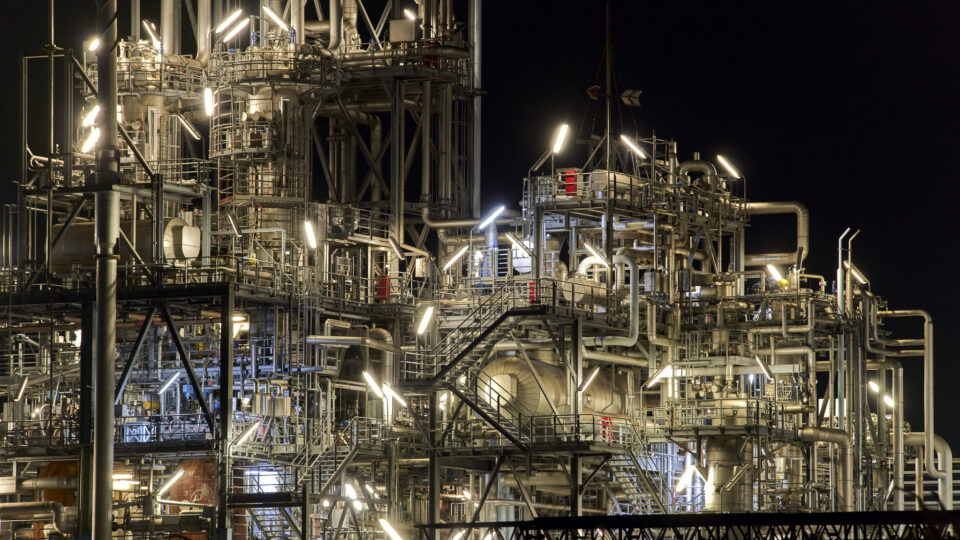
The industrial sector accounts for nearly a third of greenhouse gas emissions in the US, which is more than the annual emissions from cars, trucks, and airplanes combined.  These emissions primarily come from burning fossil fuels to produce goods from raw materials as well as from the chemical reactions associated with production.  Many industrial processes require very high temperatures that are not easily achieved other than by burning fossil fuels.

Researchers at Stanford University have developed and demonstrated a new kind of thermochemical reactor that can generate the huge amounts of heat required for many industrial processes that runs on electricity rather than the burning of fossil fuels.  The researchers claim that the design is also smaller, cheaper, and more efficient than the fossil fuel technology it would replace.

Standard industrial thermochemical reactors burn fossil fuel to heat a fluid that is piped into the reactor, much like the way home radiators work, albeit at far higher temperatures.  The new reactor uses magnetic induction, similar to the way that induction cooktops work.  Heat is transferred by inducing a current into materials that heat up as the current flows.

A proof-of-concept demonstration powered a chemical reaction called the reverse water gas shift reaction and resulted in more than 85% efficiency.  The reaction in question converts carbon dioxide into a valuable gas that can be used to create sustainable fuels. 

The Stanford researchers are working to scale up their new reactor technology and expand its potential applications.  They are working on designs for reactors for capturing carbon dioxide and for manufacturing cement. 

**********

Web Links

Electric reactor could cut industrial emissions

Photo, posted October 30, 2022, courtesy of Helmut via Flickr.

Earth Wise is a production of WAMC Northeast Public Radio

The slippery slopes of the ski industry

July 18, 2024 By EarthWise Leave a Comment

According to the National Oceanic and Atmospheric Administration, snowfall is declining globally as temperatures warm because of human-caused climate change.  Less snow threatens to reinforce global warming, and to disrupt food, water, and livelihoods for billions of people.   

According to new modeling by researchers from Protect Our Winters Australia and The Australian National University, the ski industry in Australia is at risk of major disruptions and shorter seasons if climate change continues unabated.  The researchers found the average ski season across all resorts in Australia will be 44 days shorter by 2050 under a mid-greenhouse gas emissions scenario, and 55 days shorter under a high-emissions scenario.

But the research team also revealed that the Australian ski industry would fare significantly better if decisive action is taken to reduce climate pollution.  In fact, under a low-emissions scenario, the ski season would be 28 days shorter by 2050, before starting to improve by 2080 if emissions are kept down.

However, if decisive climate action isn’t taken, the researchers warn some ski resorts in Australia may be forced to close for good.  But this threat isn’t unique to Australia. 

In fact, according to a study recently published in the journal PLOS ONE, 13% of ski areas around the world are predicted to lose all natural snow cover under the high-emissions scenario by 2071-2100 – relative to their historic baselines. 

The future losses of ski areas around the world will be significant if global emissions continue unchecked.

**********

Web Links

Climate crisis puts Australia’s ski industry on slippery slope, but not all hope is lost

“Our Changing Snowscapes” Report Released

The future is likely less skiable, thanks to climate change

Photo, posted June 6, 2018, courtesy of Clement Tang via Flickr.

Earth Wise is a production of WAMC Northeast Public Radio

Benefits of electric school buses

July 1, 2024 By EarthWise Leave a Comment

Converting to electric school buses

There are about half a million school buses in use in the U.S.  A large number of them are older, highly polluting diesel buses.  There are well-established health and climate benefits of switching from diesel vehicles to electric vehicles but making the switch is expensive.  Diesel buses generally cost between $65,000 to $120,000, depending on the type and configuration.  Electric buses cost about $250,000 each.

The substantial cost makes it a difficult decision for local, state, and federal officials, particularly since the actual magnitude of the benefits is not well known.

A new study by researchers at Harvard’s T.H. Chan School of Public Health has quantified these benefits.  According to the study, replacing each bus may yield up to $247,600 in climate and health benefits. These benefits derive from fewer greenhouse gas emissions and from reduced rates of adult mortality and childhood asthma. 

The study compared the amounts of carbon dioxide emitted from diesel bus tailpipes to the emissions associated with generating electricity for the buses and producing their batteries.  It also compared how these respective emissions contribute to fine particulate air pollution, which is linked to adult mortality and the onset of childhood asthma.  The study concluded that particularly in dense urban settings, the savings incurred from electrifying older school buses easily outweigh the costs of replacing them.

An important question not tackled in the study is how electric school buses impact children’s exposure to in-cabin air pollution while riding the bus.  This issue could further inform policy decisions.

**********

Web Links

Electric school buses may yield significant health and climate benefits, cost savings

Photo, posted May 9, 2008, courtesy of Christine H. via Flickr.

Earth Wise is a production of WAMC Northeast Public Radio
Recycling cement

June 21, 2024 By EarthWise Leave a Comment

Recycling concrete may have a future

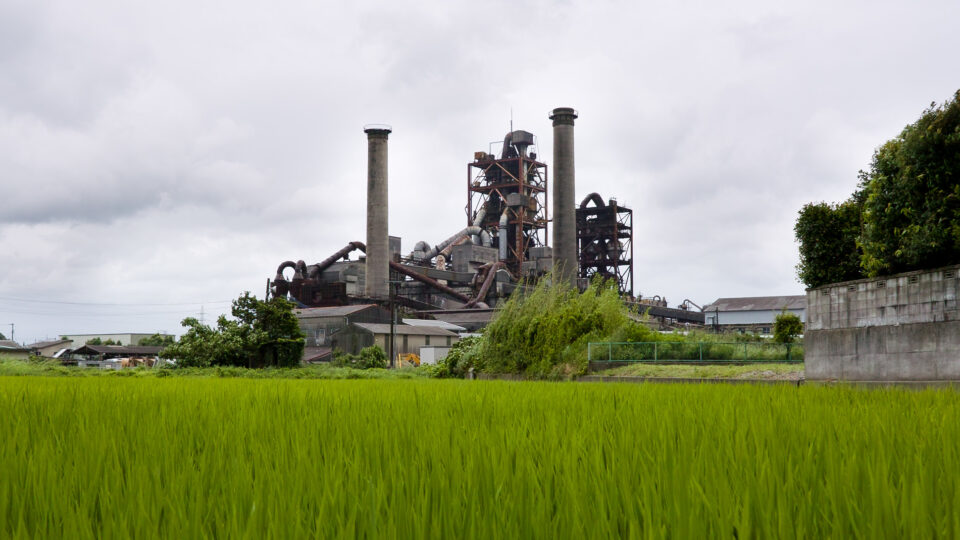
Concrete is the second-most-used material on the planet.  Only water is used more.  Producing concrete is responsible for 7.5% of human-produced carbon dioxide emissions.  So, finding a cost-effective way to reduce these emissions is a major challenge in the face of ever-growing global demand for concrete.

Researchers at Cambridge University have found that used cement is an effective substitute for lime flux, which is an essential material used in steel recycling that results in a waste product called slag.  When lime is replaced with used cement, the end product instead is recycled cement that can be used to make new concrete.

The process does not add any significant costs to concrete or steel production and significantly reduces the emissions associated with both.

Concrete is made from sand, gravel, water, and cement.  Cement is made by a process called clinkering, in which limestone and other materials are heated to 2,600 degrees Fahrenheit.  The process converts the materials into cement but releases large amounts of CO2 as limestone decarbonates into lime. 

Cambridge researchers found that using cement clinker and iron oxide instead of lime works well in steel recycling.  Crushing old concrete and taking out the sand and stone results in a cement that is reactivated by the recycling furnace to produce a material with excellent properties. 

Recent tests by the Materials Processing Institute showed that recycled cement can be produced at scale in an electric arc furnace.  Ultimately, this method could produce zero emission cement if the electricity for the furnace comes from renewable sources.

**********

Web Links

Cement recycling method could help solve one of the world’s biggest climate challenges

Photo, posted July 18, 2011, courtesy of Kenta Mabuchi via Flickr.

Earth Wise is a production of WAMC Northeast Public Radio
Beware of the blob

June 20, 2024 By EarthWise Leave a Comment

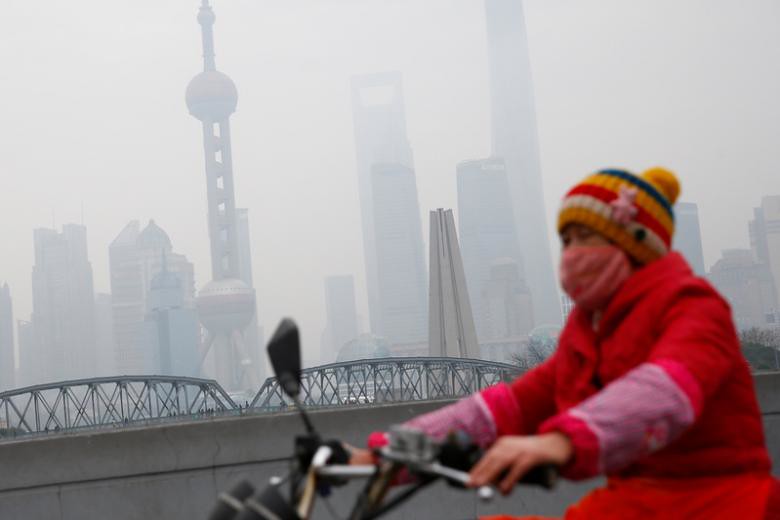
For the past 10 years, there have been several occurrences of a vast expanse of ocean stretching from Alaska to California in which water temperatures are as much as 7 degrees Fahrenheit warmer than normal.  Known jocularly as “the Blob,” the phenomenon can last for several years and decimates fish stocks, starves seabirds, creates blooms of toxic algae, prevents salmon from returning to rivers, and displaces sea lions and whales.

Until recently, there was no accepted explanation for this abrupt ocean heating.  Climate change, even combined with natural cycles like El Niños, is not enough to account for it.

In depth analysis by an international team of researchers has found that the extraordinary heating is the result of a dramatic cleanup of Chinese air pollution.  The decline of smog particles, which to some extent shield the planet from the sun’s rays, has accelerated warming and set off a chain of atmospheric events across the Pacific, essentially cooking the ocean.

This is an example of what can be called the pollution paradox in which global warming is actually increased when air pollution is reduced.  Reduced air pollution on the US West Coast has even been identified as a factor contributing to increased wildfires.  However, air pollution causes more than 4 million premature deaths from cancers and respiratory and cardiovascular diseases each year. 

Nobody thinks that we should stop cleaning up the air to slow down global warming.  The only viable solution is to reduce greenhouse gas emissions as rapidly as possible.

**********

Web Links

Pollution Paradox: How Cleaning Up Smog Drives Ocean Warming

Photo, posted December 18, 2017, courtesy of SGUP via Flickr.

Earth Wise is a production of WAMC Northeast Public Radio
The largest carbon removal plant

June 11, 2024 By EarthWise Leave a Comment

Direct air capture (DAC) is process that removes carbon dioxide out of the air and stores it away where it can no longer trap heat in the atmosphere.  It is intended to be a way of getting rid of the greenhouse gases that have built up in the atmosphere.  In principle, it’s a great idea.  In practice, it is a huge challenge.

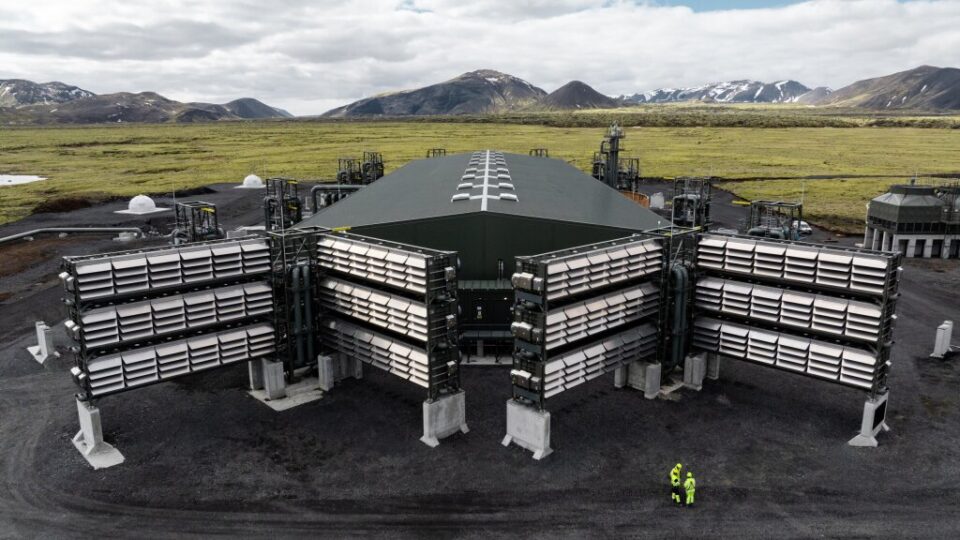
In 2017, a company called Climeworks became the first company to take carbon dioxide out of the air and sell it as a product for use in carbonated drinks and in greenhouses.  In 2021, the company opened a DAC plant called Orca in Iceland that captures CO2 and permanently stores it underground.  Clients like Microsoft pay Climeworks for doing this as a way of offsetting their own emissions.

Recently, Climeworks has started operating a new plant called Mammoth – also in Iceland – that will be able to capture about 10 times more carbon dioxide than Orca.  Iceland is a prime location for DAC technology because its abundant geothermal energy makes powering it cheap and environmentally friendly.

Mammoth, when fully operational, will remove about 36,000 tons of carbon dioxide a year, the largest DAC system in the world.  But there is a long, long way to go.  Microsoft alone emits nearly 13 million tons of carbon dioxide a year.

There are multiple DAC projects in development including several in the United States being funded by the Bipartisan Infrastructure Law.  The four DAC hubs being developed under the program are each supposed to have the capacity to capture at least a million metric tons of CO2 a year.

Whether DAC can make a real difference remains to be seen.

**********

Web Links

The world’s largest carbon removal plant is here, and bigger ones are on the way

Photo credit: Climeworks

Earth Wise is a production of WAMC Northeast Public Radio
California is the largest emitter of a little-known greenhouse gas

April 30, 2024 By EarthWise Leave a Comment

California is the largest emitter of sulfuryl fluoride

California is a state known for its aggressive climate policies.  However, and rather ironically, California is also the nation’s greatest emitter of one little-known greenhouse gas: sulfuryl fluoride. 

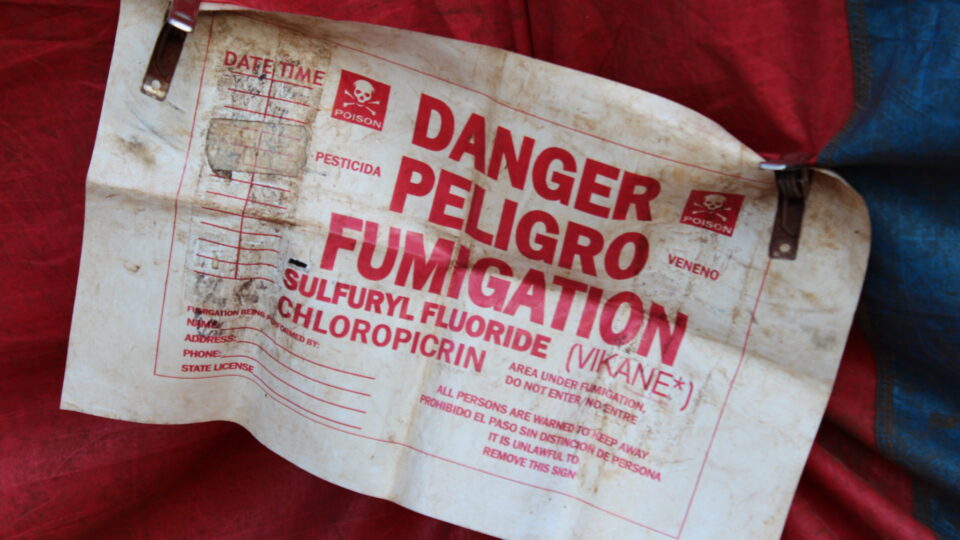
Sulfuryl fluoride is one of the few treatments to rid buildings of drywood termites, a common regional pest that can be found in wooden structures.  Sulfuryl fluoride is also used at shipping ports to destroy pests before they can hitch a ride to another part of the world. 

But sulfuryl fluoride is also a greenhouse gas that’s several thousand times more effective than carbon dioxide at trapping heat in the atmosphere.    

According to a new study by researchers from Johns Hopkins University, as much as 17% of global emissions of this gas stem from the U.S., and the majority of those emissions can be traced back to just a few counties in Southern California.  In fact, the research team found 60-85% of sulfuryl fluoride emissions in the U.S. come from California, primarily Los Angeles, Orange, and San Diego counties. 

In the paper, which was recently published in the journal Communications Earth & Environment, the researchers attribute approximately 85% of the state’s sulfuryl fluoride emissions to structural fumigation.  Structural fumigation is the practice of sealing an infested structure, pumping this gas into it to kill pests, and then releasing the gas into the atmosphere.  The other 15% of emissions come from agricultural and commodities fumigation.  

Without some form of intervention, the research team warns that sulfuryl fluoride will continue to accumulate in the atmosphere, where it can linger for more than 40 years.

**********

Web Links

Researcher sheds light on the main source of a rare but destructive greenhouse gas

California leads U.S. emissions of little-known greenhouse gas

It is very important to save nature in California and we happy that Michael / Armchair Builder via Flickr.

Earth Wise is a production of WAMC Northeast Public Radio

The cost of methane emissions

April 26, 2024 By EarthWise Leave a Comment

Stanford University-led research has determined that American oil and gas operations are emitting more than 6 million tons of methane each year.  The emissions come from both intentional vents and unintentional leaks. 

Methane is the main component of natural gas and losing that much of it through leakage is costing the industry a billion dollars a year just in lost revenue.  Adding in the harm to the economy and human well-being caused by adding this much potent greenhouse gas to the atmosphere is estimated to increase the cost of these emissions to $10 billion a year.

These emission and cost estimates are roughly three times the level predicted by the U.S. government.  The Stanford numbers are based on roughly a million aerial measurements of wells, pipelines, storage, and transmission facilities in six of the nation’s most productive oil and gas regions located in Texas, New Mexico, California, Colorado, Pennsylvania, and Utah.  These areas account for 52% of U.S. onshore oil production and 29% of gas production.

The survey also found that fewer than 2% of the methane emitters are responsible for 50-80% of emissions in four of the regions.  It also found that midstream infrastructure – which includes gathering and transmission pipelines, compressor stations, and gas processing plants – is responsible for about half of total emissions.

While the federal government estimates that methane leakage averages about 1% of gas production, the new survey puts the number at 3%, and some regions lose almost 10% to leakage.

Better tracking and fixing these leaks – especially the larger ones –  is essential for climate change mitigation.

**********

Web Links

Methane emissions from U.S. oil and gas operations cost the nation $10 billion per year

Photo, posted June 5, 2015, courtesy of Dave Houseknecht / USGS via Flickr.

Earth Wise is a production of WAMC Northeast Public Radio
Biochar and carbon

April 25, 2024 By EarthWise Leave a Comment

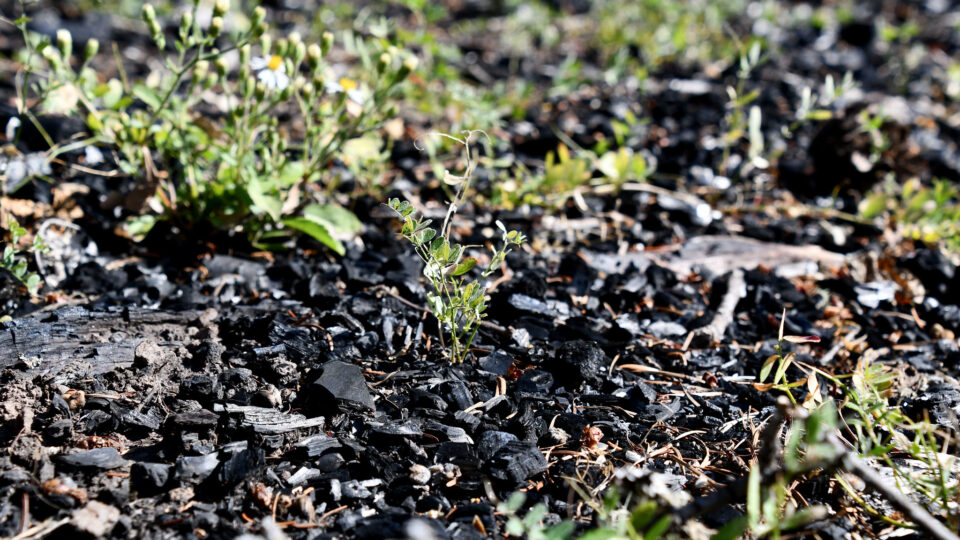
Biochar is a charcoal-like substance that is made by burning organic materials like crop and forestry wastes in a controlled process called pyrolysis, which is burning in an oxygen-deprived environment.  Pyrolysis produces little or no contaminating fumes and results in a stable form of carbon that can’t easily escape into the atmosphere.  Biochar is a very efficient way to convert carbon into a stable form.

Adding charred biomass to improve soil quality has been done for thousands of years.  Indigenous people in the Amazon added charcoal, food residue, and other waste to their soil.  When mixed with soil, biochar creates favorable conditions for root growth and microbial activities, which reduces greenhouse gas emissions. 

Last year, 125,000 tons of carbon dioxide were removed worldwide in the durable carbon market, which is a carbon credit marketplace for carbon removal.  About 93% of that was in the form of biochar. 

Biochar represents a value-added way to deal with agricultural waste and also to make use of dead trees in forests that should be removed to lower the risk of wildfires caused by the presence of all that dry tinder material. 

A bill to fund biochar research is pending before the Senate Agricultural Committee.  It is a rare example of bipartisan legislation.

Biochar is currently expensive to make in the US because large amounts of biomass must be shipped to one of the fewer than 50 small-scale production facilities in the country.   But with appropriate infrastructure, biochar could play an important role in efforts to sequester carbon and combat climate change.

**********

Web Links

Biochar Is ‘Low-Hanging Fruit’ for Sequestering Carbon and Combating Climate Change

Photo, posted September 3, 2019, courtesy of Tracy Robillard / NRCS via Flickr.

Earth Wise is a production of WAMC Northeast Public Radio
Rising fossil fuel emissions

April 22, 2024 By EarthWise Leave a Comment

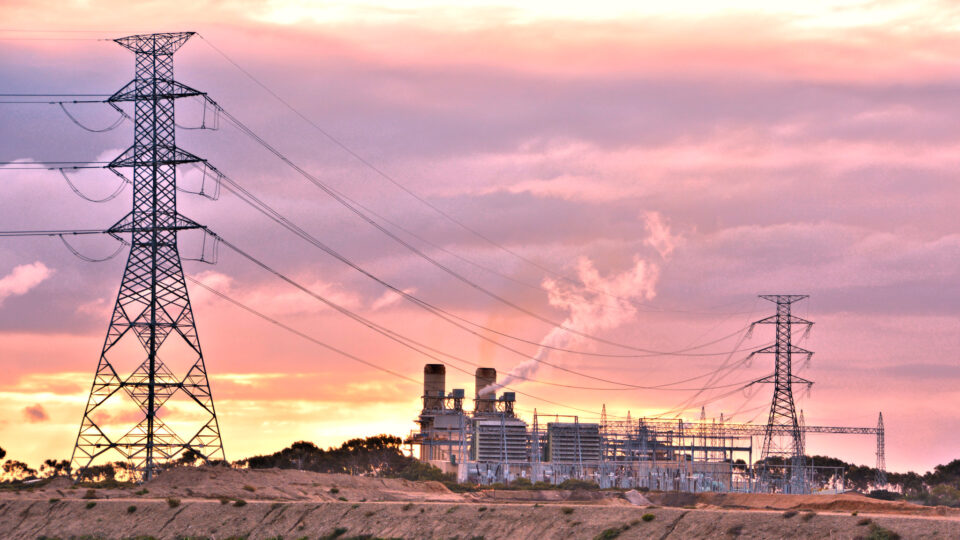
Fossil fuel emissions are rising globally

Almost every nation in the world has pledged to reduce carbon dioxide emissions.  There is expanding use of renewable energy sources and growing numbers of electric cars.  But despite all this, carbon dioxide emissions from fossil fuels rose again in 2023, reaching record levels.

The world’s population continues to grow and nations with large, rapidly growing populations are becoming increasingly industrialized and are embracing more and more of the trappings of modern life.  As a result, the global burning of oil, coal, and natural gas is increasing.

Analysis of 2023 date shows that emissions from fossil fuels rose 1.1 percent compared to 2022 levels.  The total fossil fuel emissions in 2023 was 40 billion tons of carbon dioxide. 

Clearly, the world continues to head in the wrong direction in order to limit global warming.  The concentration of carbon dioxide in the atmosphere has increased from about 278 parts per million in 1750 – considered to be the start of the industrial era – to 420 parts per million in 2023.

The rise in heat-trapping carbon dioxide along with other greenhouse gases such as methane is the primary reason that the planet’s temperature is continuing to rise.  The average global surface temperature in 2023 was 1.2 degrees Celsius – or 2.1 degrees Fahrenheit – higher than it was in the NASA baseline period of 1951-1980.  Last year was the hottest year on record.  Unfortunately, the rise in global ocean temperature was even larger, compounding the effects of global warming.

**********

Web Links

Emissions from Fossil Fuels Continue to Rise

Photo, posted June 22, 2020, courtesy of John Morton via Flickr.

Earth Wise is a production of WAMC Northeast Public Radio

Energy efficient cows

April 5, 2024 By EarthWise Leave a Comment

Livestock production – primarily cows – produce nearly 15% of global greenhouse gas emissions, mostly in the form of methane emitted by burping caused by the way they process food.  A single cow produces roughly 200 pounds of methane gas per year and there are 1.5 billion heads of cattle in the world.

Researchers at Penn State University have found that supplementing the feed of high-producing dairy cows with the botanical extract capsicum oleoresin – a substance obtained from chili peppers – or a combination of that extract and clove oil resulted in the animals using feed energy more efficiently. 

Adding these substances – which are commonly called essential oils – to the cattle’s feed results in improved efficiency of energy utilization.  It is known that botanicals have the potential to modify fermentation in the cow’s largest stomach – called the rumen.

There have been previous studies for many years adding substances to dairy cow feed – such as seaweed, garlic, and oregano – in an effort to improve milk production and reduce environmental emissions from dairy farms.

The Penn State study was actually not specifically aimed at methane reduction but rather to better use the available energy from the feed to gain body weight.  However, the researchers found that the yield and intensity of methane from the cows in the study were decreased by 11% by the combination of capsicum oleoresin and clove oil.

Botanicals have shown a wide range of anti-microbial properties against bacteria, protozoa, and fungi, as well as being potential rumen modifiers in cattle.  The new study represents an interesting approach to improve the metabolism of dairy cows.

**********

Web Links

Dairy cows fed botanicals-supplemented diets use energy more efficiently

Photo, posted April 9, 2012, courtesy of Aimee Brown / OSU via Flickr.

Earth Wise is a production of WAMC Northeast Public Radio

The carbon footprint of urban agriculture

March 22, 2024 By EarthWise Leave a Comment

Urban agriculture – essentially farming within a city – has become increasingly popular worldwide.  It is intended to make cities and urban food systems more sustainable.  There are social and nutritional benefits to urban agriculture, but its carbon footprint has not been widely studied.

There are high-tech, energy-intensive forms of urban agriculture, such as vertical farms and rooftop greenhouses.  But most urban farms are decidedly low-tech such as individual gardens managed by single farmers and community gardens managed by small groups of people.

A comprehensive international study led by the University of Michigan calculated the greenhouse gas emissions associated with the materials and activities of urban farms over their operating lives.  The emissions, expressed in the quantity of carbon dioxide equivalents produced per serving of food, were then compared to those of foods raised by conventional agriculture.

On average, food produced through urban agriculture emitted six times higher amounts of CO2 per serving than conventionally grown produce.

The study went on to recommend best practices crucial to making low-tech urban agriculture more carbon-competitive with conventional agriculture.  These include making use of infrastructure for more extended periods of time, making use of urban waste, and maximizing social and health benefits. 

Urban agriculture offers a variety of social, nutritional, and place-based environmental benefits and has its place in future sustainable cities.  It is important to implement it in ways that are most beneficial.

**********

Web Links

Study finds that urban agriculture must be carefully planned to have climate benefits

Photo, posted July 27, 2016, courtesy of Sandra Cohen-Rose and Colin Rose via Flickr.

Earth Wise is a production of WAMC Northeast Public Radio
Sustainable hydrogen from methane

February 14, 2024 By EarthWise Leave a Comment

Creating sustainable hydrogen from methane

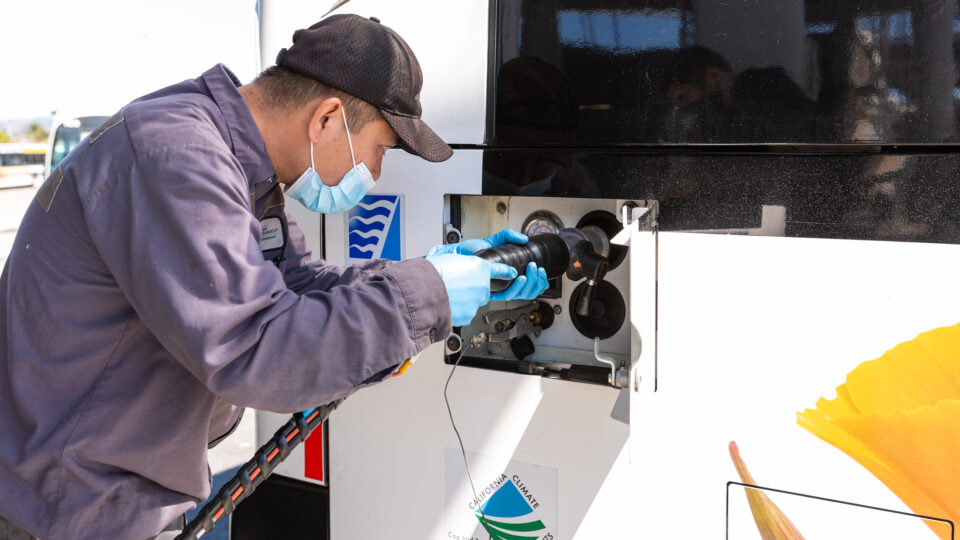
Hydrogen could serve as a viable alternative to fossil fuels that can be used directly as a fuel or can be used to generate electricity to power cars and other devices. However, large-scale production of hydrogen currently relies on fossil fuels and creates carbon emissions in the process.

So-called green hydrogen involves using electricity to split water into its component elements to produce it.  If the electricity is generated without emissions, then the hydrogen is truly green.

Another way to get hydrogen is by breaking down hydrocarbons like methane, which itself is a very powerful greenhouse gas.  This so-called blue hydrogen could be environmentally friendly if an appropriate method for producing it can be developed.

Existing techniques for converting methane into hydrogen involve the use of metal catalysts – often nickel – that are energy-intensive to mine and manufacture, and can negatively affect the environment.  Research at the University of Surrey in the UK has shown promising results for the use of nitrogen-doped nanocarbons as metal-free catalysts for the direct conversion of methane into hydrogen.  One of the biggest problems with using metal catalysts for hydrogen production is that they get poisoned by carbon.  The carbon that comes out of the methane ends up stopping the catalyst from continuing to do its chemical job.  It turns out that the doped nanocarbon approach to hydrogen catalysis appears to be resistant to this problem.

The development of sustainable hydrogen production methods, including efficient and sustainable electrolysis of water as well as catalysis of hydrocarbons like methane, is crucial to realizing the potential of hydrogen fuel as a clean energy source.

**********

Web Links

‘Game-changing’ findings for sustainable hydrogen production

Photo, posted April 30, 2021, courtesy of California Energy Commission via Flickr.

Earth Wise is a production of WAMC Northeast Public Radio

  • « Go to Previous Page
  • Page 1
  • Page 2
  • Page 3
  • Page 4
  • Interim pages omitted …
  • Page 12
  • Go to Next Page »

Primary Sidebar

Recent Episodes

  • An uninsurable future
  • Clean energy and jobs
  • Insect declines in remote regions
  • Fossil fuel producing nations ignoring climate goals
  • Trouble for clownfishes

WAMC Northeast Public Radio

WAMC/Northeast Public Radio is a regional public radio network serving parts of seven northeastern states (more...)

Copyright © 2026 ·