• Skip to primary navigation
  • Skip to main content
  • Skip to primary sidebar

Earth Wise

A look at our changing environment.

  • Home
  • About Earth Wise
  • Where to Listen
  • All Articles
  • Show Search
Hide Search
You are here: Home / Archives for green space

green space

Planting trees in Europe

January 7, 2025 By EarthWise Leave a Comment

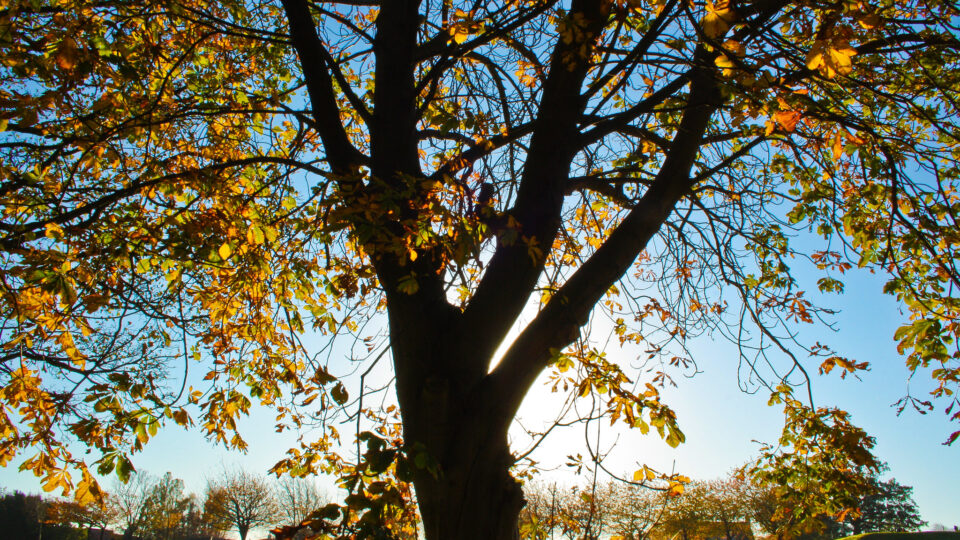
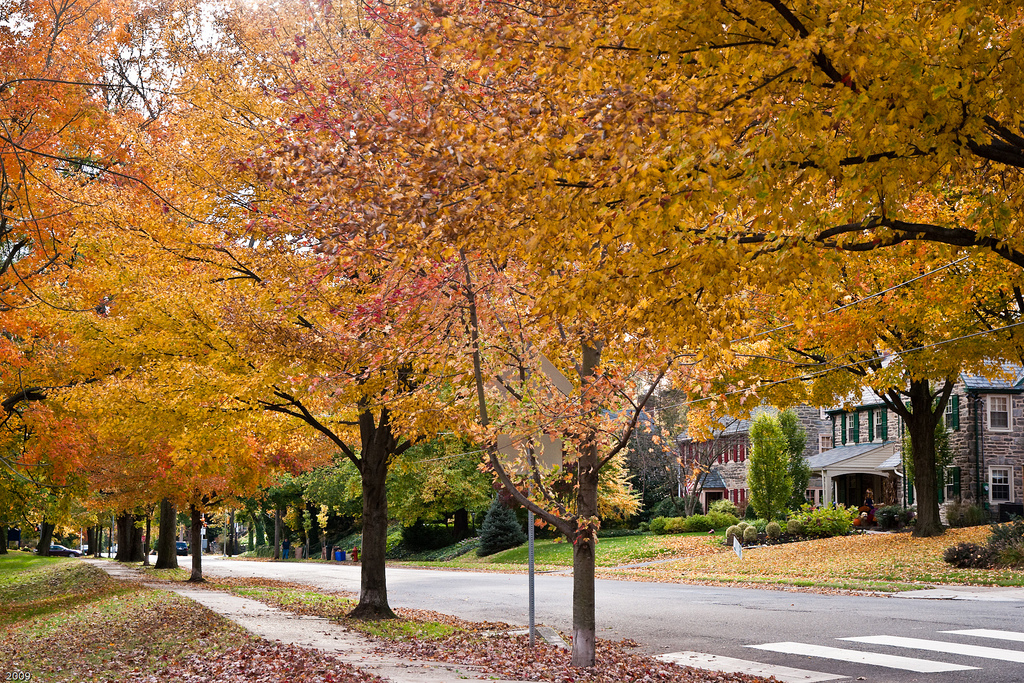
Planting lots of trees is one of many strategies being pursued to combat climate change.  Trees are storehouses of carbon from the atmosphere and planting more of them helps remove carbon dioxide.  But trees do more than that.  Trees are natural air conditioners in cities.

Trees significantly cool urban environments by providing shade and via a process called evapotranspiration by which they release water vapor into the air, which provides cooling.  This helps mitigate the urban heat island effect. Areas under trees in cities can be as much as 25 degrees cooler than in unshaded areas covered in asphalt.

The city of Paris has laid out a plan to help the city prepare for increasing amounts of extreme heat.  The goal is to replace 60,000 parking spaces across the city with trees by the end of this decade.  The plan to rip up parking spaces is part of a greater aim to create more than 700 acres of green space by 2030.  The Paris plan also includes creating more car-free zones and installing reflective roofs on 1,000 public buildings.  Nearly 80% of the buildings in Paris have zinc roofs – an affordable, corrosion-resistant and pretty much inflammable innovation of the 19th century.  However, these roofs can heat up to 194 degrees on a summer day, transferring heat into largely uninsulated top-floor garrets below.

Elsewhere in Europe, Danish lawmakers have agreed on a plan to rewild 10% of the country’s farmland and plant one billion trees.   According to the Danish government, this plan would bring about the biggest change to the Danish landscape in over 100 years.

**********

Web Links

To Cope with Extreme Heat, Paris Will Swap Parking Spaces for Trees

Photo, posted April 11, 2014, courtesy of Val H. via Flickr.

Earth Wise is a production of WAMC Northeast Public Radio
The Importance Of Urban Green Spaces | Earth Wise

August 10, 2021 By EarthWise Leave a Comment

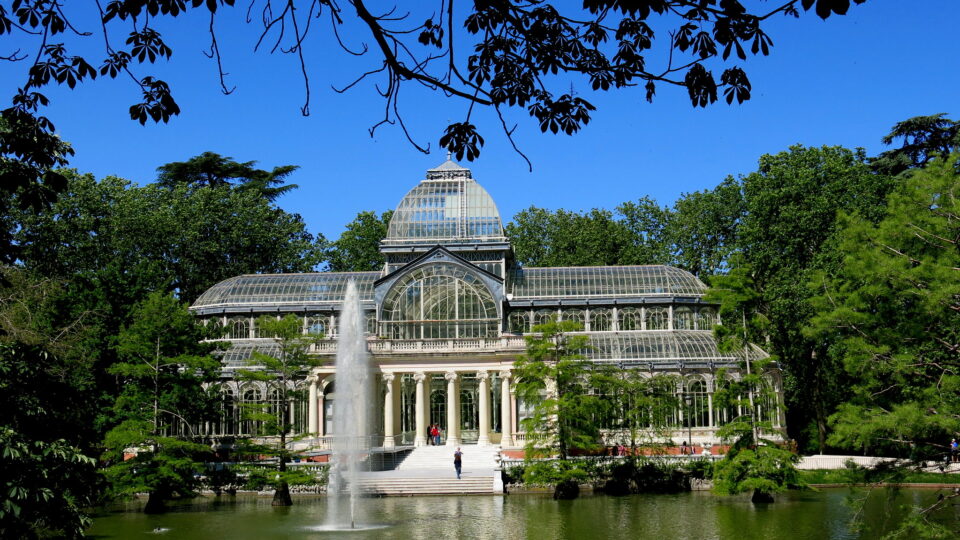
Every urban green space is critically important to mental and physical well-being

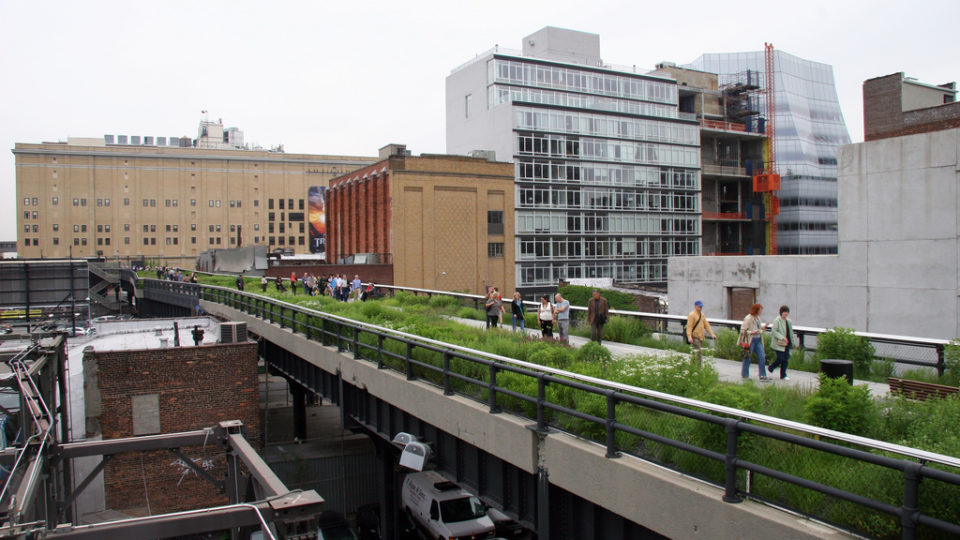
Projections are that 68% of the global population will be living in cities by 2050.  It is therefore not surprising that urban green spaces are critically important for promoting mental and physical well-being.

An international study, published in Science Advances, took soil samples from different types of urban green spaces and comparable neighboring natural ecosystems in 56 cities from 17 countries across six continents.

The study concluded that even roadside plantings contribute a range of important microbial communities that are critical for sustaining productive ecosystems services, such as filtering pollutants and sequestering carbon dioxide.

Parks and gardens constitute most of the open spaces available for recreational activities in cities and play important roles in curbing pollution, reducing noise, and lowering air temperatures.

In addition, human exposure to soil microbes has been shown to be beneficial to human health by promoting effective immunoregulation functions and reducing allergies. The study found that city parks and even roadside plantings support a great variety of different microbes that are different from natural ecosystems. 

We think of roadsides as being barren but the vegetation along footpaths and roadsides are important microbial habitats.  Some European cities, such as Bern in Switzerland, have instituted policies to protect the natural vegetation along footpaths and roadsides.

The new study is a part of a series of research efforts looking at the important of green spaces for ecosystem health.  As the world becomes increasingly urbanized, every bit of greenery in cities and highways is important and is needed for sustaining a healthy environment.

***********

Web Links

Every spot of urban green space counts

Photo, posted June 3, 2013, courtesy of Manuel MV via Flickr.

Earth Wise is a production of WAMC Northeast Public Radio.

Residential Gardens And Pollinators | Earth Wise

April 2, 2021 By EarthWise Leave a Comment

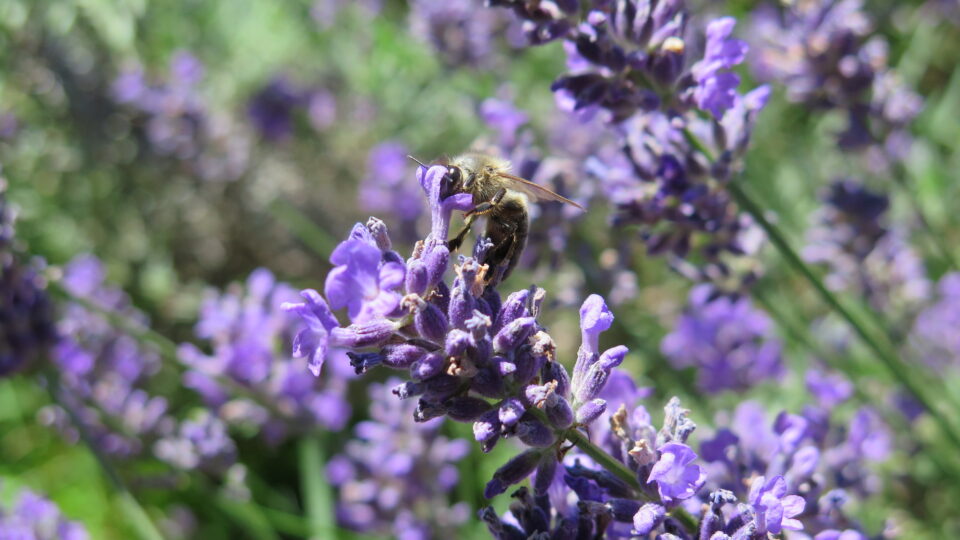
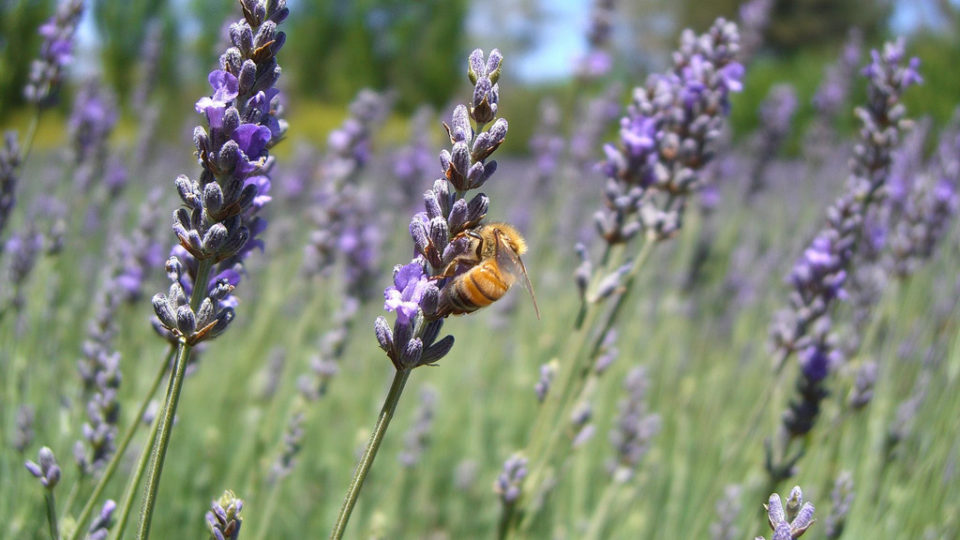
Residential gardens play an important role for pollinators

A new study led by the University of Bristol in the UK measured for the first time how much nectar is produced in urban areas to gauge the role of residential gardens in providing nutrients for pollinators.  They discovered that home gardens accounted for the vast majority of the crucial nutrients for pollinators; in fact, some 85% on average.

The study found that gardens generated a daily average of about a teaspoon of the unique sugar-rich liquid found in flowers which pollinators drink for energy.  A teaspoon sounds like very little, but it is enough to feed thousands of bees.

The research examined nectar production in four major UK towns and cities and measured nectar production in nearly 200 species of plants.  The results were that the nectar supply in urban landscapes is more diverse than in farmland and nature reserves.   In addition, gardens are critical because they produce the most nectar per unit area of land and actually cover the largest area of land in the cities studied.  In those cities, nearly a third of the land comprised domestic gardens, which is six times the area of parks and 40 times the area of small green allotments.

The upshot of the research is that home gardeners have a huge role to play in pollinator conservation.  Without domestic gardens, there would be far less food for pollinators that include bees, wasps, butterflies, moths, flies, and beetles.  Thus, it is important for home gardeners to keep planting nectar-rich flowers, mow lawns less often to let dandelions, clovers, and daisies flourish, avoid harmful pesticides, and avoid covering gardens in paving, decking, or artificial turf.

**********

Web Links

Pioneering research reveals gardens are secret powerhouse for pollinators

Photo, posted June 23, 2018, courtesy of Wolfferl via Flickr.

Earth Wise is a production of WAMC Northeast Public Radio.

Even The Common House Sparrow Is Declining | Earth Wise

March 17, 2021 By EarthWise Leave a Comment

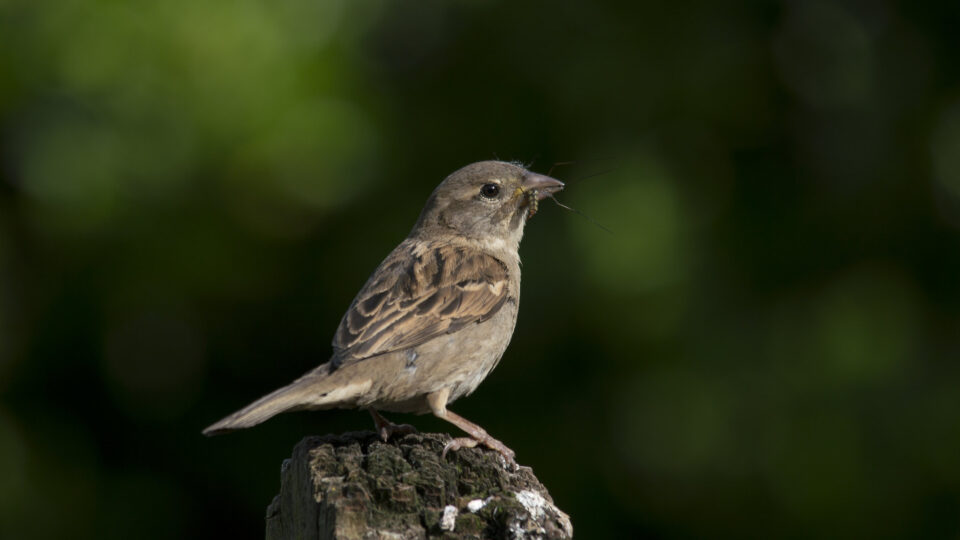
Even the common house sparrow is declining as the climate changes

According to the first-ever comprehensive assessment of net bird populations published in 2019, nearly three billion birds have disappeared in the United States and Canada since 1970.  The study, by researchers from the Cornell University Lab of Ornithology, found that North American bird populations have lost 2.9 billion breeding adults during that timespan.  Forests lost one billion birds, and grassland birds declined 53%. 

According to a newer study from Cornell University, it appears that even the common house sparrow is declining.  In parts of its native range in Europe, house sparrow numbers are down nearly 60%.  Researchers from the Cornell Lab of Ornithology sought to clarify the status of the species in the U.S. and Canada by using 21 years of citizen science data collected through its Project Feederwatch program. 

Project FeederWatch is a winter-long survey of birds that visit feeders at backyards, nature centers, community areas, and other locales. For the study, which was recently published in the Wilson Journal of Ornithology, the research team reviewed recorded observations of house sparrows during their non-breeding season.  These sightings from nearly 12,500 sites were used and cross-referenced with the National Land Cover database to determine whether the U.S. sightings came from rural or urban locations.  

From 1995 to 2016, researchers found that Feederwatch sites reporting house sparrows declined 7.5%, and the mean flock sizes declined 22%.  House sparrow populations declined in urban areas, but actually remained stable in rural areas. 

The researchers say a lack of green space and nesting sites in urban areas are likely factors in the population declines. 

**********

Web Links

Study finds even the common house sparrow is declining

Nearly 3 Billion Birds Gone

Photo, posted May 14, 2014, courtesy of Jacob Spinks via Flickr.

Earth Wise is a production of WAMC Northeast Public Radio.

Immersion In Nature Is Good for You | Earth Wise

February 20, 2020 By EarthWise Leave a Comment

Nature immersion has health benefits

There is a growing body of research that shows that getting outdoors in nature can be good for people’s health and well-being. There are so many studies supporting this idea that policymakers, employers, and healthcare providers are increasingly considering this need for nature in how they plan and operate.

A new study of 20,000 people by researchers at the University of Exeter in the UK actually looked at how much exposure to nature was enough to make people say they feel healthy and have a sense of well-being.   The answer turned out to be 2 hours a week.  And the correlation was strong.  People who didn’t meet that threshold did not report the benefits.

Studies have shown that time in nature – as long as people feel safe where they are – is an antidote for stress.  It can lower blood pressure and stress hormone levels, reduce nervous system arousal, enhance immune system function, increase self-esteem, reduce anxiety, and improve mood.  Most of these studies are correlational rather than causal, but the results tend to be robust.

Given all this, cities are adding or enhancing parks, and schools and other institutions are being designed with large windows and access to trees and green space.  The Scandinavian tradition of “forest schools” – where learning takes place in natural settings outdoors -.is finding a home in the US.   Japanese researchers study the effects of “forest bathing”, a poetic term for walking in the woods.

With two-thirds of humanity projected to be living in cities by 2050, we are awakening to the idea that we need to be able to spend time in nature for our own wellbeing, even if it’s just a walk in a park.

**********

Web Links

Ecopsychology: How Immersion in Nature Benefits Your Health

Photo, posted November 6, 2011, courtesy of Flickr.

Earth Wise is a production of WAMC Northeast Public Radio.

Urban Agriculture And Sustainability Goals

November 12, 2019 By EarthWise Leave a Comment

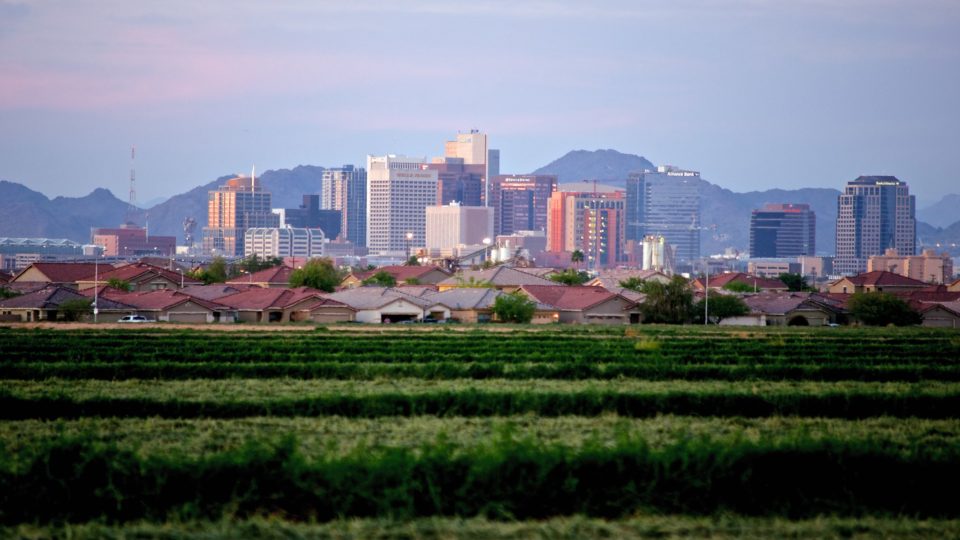
In 2016, the City Council of Phoenix, Arizona adopted eight Environmental Sustainability goals for 2050 that lay out the desired long term requirements in order to become a Sustainable Desert City.  Recently, a group of researchers from Arizona State University assessed how urban agriculture can help Phoenix, a desert city of 1.6 million people, meet those sustainability goals.  

Using public records and high-resolution satellite imagery, researchers analyzed the potential benefits of growing crops in three types of urban areas in Phoenix: vacant lots, rooftops, and building facades.  The study, which was supported by the National Science Foundation and the USDA, estimated that there are 28 square miles (or 5.4% of city space) available for urban agriculture.  The data-driven analysis found that 71% of the available areas for urban agriculture would come from existing buildings as opposed to vacant lots. 

All this available space for urban agriculture in Phoenix could supply the city with nearly 183,000 tons of fresh produce annually, which would allow for the delivery of fresh fruits and vegetables to all of the city’s existing food deserts. In fact, the city’s own urban-agriculture output could meet 90% of the fresh produce demand that currently exists in Phoenix. 

In addition to producing food, rooftop agriculture could also reduce the energy use in buildings by 3% per building per year, and displace more than 55,000 tons of CO2 annually.  The use of vacant lots could increase the total Phoenix green space by 17%, and reduce the number of areas lacking green space by 60%.   

This study demonstrates the many different ways that urban agriculture can benefit a city. 

**********

Web Links

Urban agriculture can push the sustainability

Photo, posted May 10, 2011, courtesy of Stephen Zank via Flickr.

Earth Wise is a production of WAMC Northeast Public Radio.

Bee Friendly Amsterdam

February 11, 2019 By EarthWise Leave a Comment

Scientists around the world have been sounding the alarm for years about the decline of bees and other pollinators that are crucial to the growth of crops.   One place where this trend has been bucked is in Amsterdam.  The diversity of wild bee and honeybee species in the Dutch capital has actually increased by 45% since 2000.

The city attributes this success to creating bee-friendly environments including the installation of so-called insect hotels.  There has also been a ban on the use of chemical pesticides on public land.

Four years ago, Amsterdam set a goal to convert half of all public green spaces to native plants including species that produce flowers and fruits that provide nourishment for bees.  Developers in Amsterdam are encouraged to install green roofs on new buildings which reduce reliance on heating and cooling systems and also create habitat for wildlife.

Residents can request to have a 16-inch strip of pavement adjacent to their homes removed in order to plant shrubs, flowers or climbing vines.  When a new highway was built in the area in 2015, local activists planted wildflowers along the sides of the road that otherwise would have been left with only gravel or grass.  This practice has spread to other major routes and along dikes and railways and is referred to as the Honey Highway.

All of these efforts seem to be having a positive effect.  An initial survey was conducted in 2000 to establish a baseline.  A 2015 survey of pollinators found 21 bee species not previously documented in the city.  The rest of the Netherlands has not done as well, and the Dutch government has recently introduced a pollinator strategy to revive bees, butterflies and other insects crucial to the country’s food crop.

**********

Web Links

Bees are dying at an alarming rate. Amsterdam may have the answer.

Photo, posted December 28, 2006, courtesy of Flickr.

Earth Wise is a production of WAMC Northeast Public Radio.

Trends Influencing Our Cities

February 23, 2018 By EarthWise Leave a Comment

https://earthwiseradio.org/wp-content/uploads/2018/02/EW-02-23-18-Trends-Influencing-Our-Cities.mp3

The Environmental Protection Agency removed its information hub about climate change last year.  In response, 17 cities reposted the information on their own city government sites.  This is indicative of the fact that cities are increasingly taking on a leadership role in environmental, social and economic change.

[Read more…] about Trends Influencing Our Cities

Restoring An Urban River

August 24, 2016 By WAMC WEB

https://earthwiseradio.org/wp-content/uploads/2016/08/EW-08-24-16-Restoring-An-Urban-River.mp3

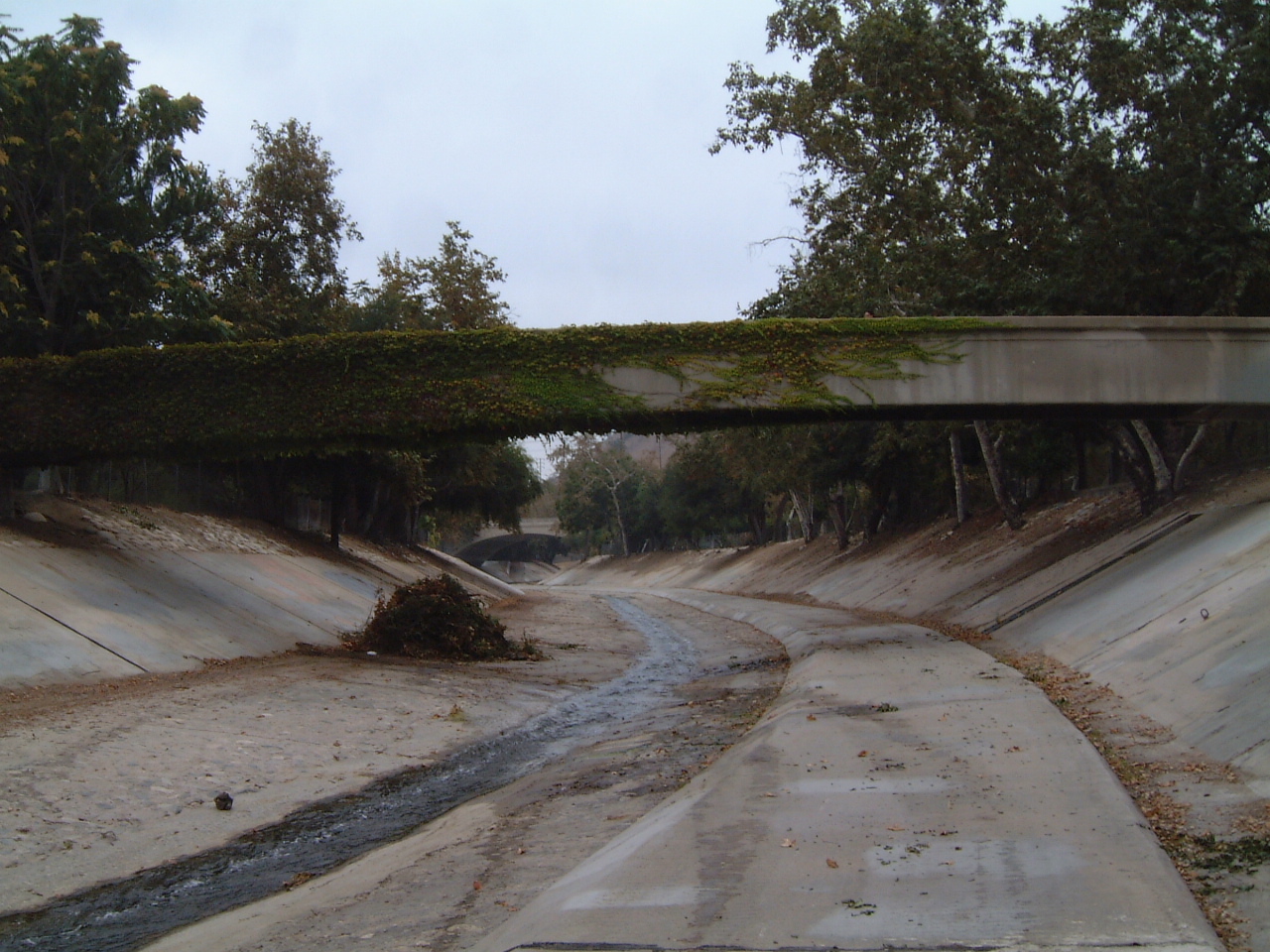
Those of us who grew up in Los Angeles are quite familiar with the L.A. River.  It’s not much of a river at all.  Just a 51-mile-long concrete drainage ditch that shows up from time to time in movies like The Italian Job and Terminator 2.

[Read more…] about Restoring An Urban River

The Value Of Street Trees

July 13, 2016 By WAMC WEB

https://earthwiseradio.org/wp-content/uploads/2016/07/EW-07-13-16-California-Street-Trees.mp3

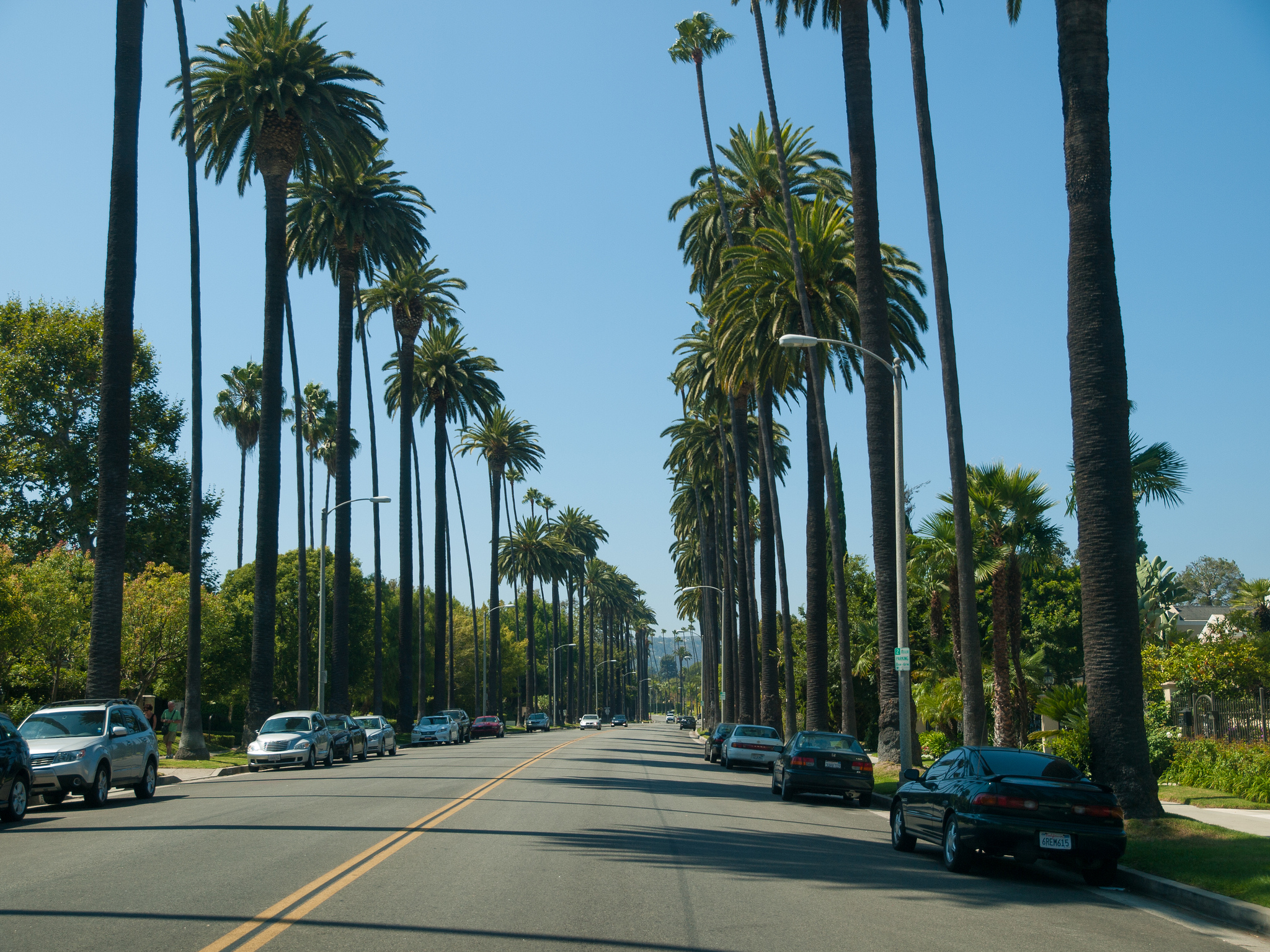
Why should you care whether there are trees on your street or on the streets nearby?  Besides the obvious fact that they make streets more attractive, street trees provide a number of real benefits both for residents and for the environment. 

[Read more…] about The Value Of Street Trees

Street Trees Are Good For Us

September 11, 2015 By EarthWise

street trees

https://earthwiseradio.org/wp-content/uploads/2015/08/EW-09-11-15-Street-Trees-and-Health.mp3

Want to feel younger? Live on a street with more trees. That’s the finding of University of Chicago researchers who studied the impact of street trees on the real and perceived health of residents of Toronto, Canada.

[Read more…] about Street Trees Are Good For Us

Primary Sidebar

Recent Episodes

  • An uninsurable future
  • Clean energy and jobs
  • Insect declines in remote regions
  • Fossil fuel producing nations ignoring climate goals
  • Trouble for clownfishes

WAMC Northeast Public Radio

WAMC/Northeast Public Radio is a regional public radio network serving parts of seven northeastern states (more...)

Copyright © 2026 ·