• Skip to primary navigation
  • Skip to main content
  • Skip to primary sidebar

Earth Wise

A look at our changing environment.

  • Home
  • About Earth Wise
  • Where to Listen
  • All Articles
  • Show Search
Hide Search
You are here: Home / Archives for diseases

diseases

Thawing permafrost in the Arctic

February 18, 2025 By EarthWise Leave a Comment

Permafrost covers about a quarter of the landmass in the Northern Hemisphere.  It stores vast quantities of organic carbon in the form of dead plant matter.  As long as it stays frozen, it is no threat to the climate.  But as permafrost thaws, microorganisms start breaking down that plant matter and large amounts of carbon are released into the atmosphere in the form of carbon dioxide and methane.

Scientists estimate that there could be two and a half times as much carbon trapped in Arctic permafrost as there is in the atmosphere today.

Thawing permafrost poses various risks to the Arctic environment and the livelihoods of its people.  According to a new study led by researchers from the University of Vienna in Austria, Umeå University in Sweden, and the Technical University of Denmark, thawing permafrost threatens the way of life of up to three million people.

To identify these risks, the research team studied four Arctic regions in Norway, Greenland, Canada, and Russia between 2017 and 2023.  The research, which was recently published in the journal Communications Earth and Environment, identified five key hazards posed by the thawing permafrost: infrastructure failure, disruption of mobility and supply, decreased water quality, challenges for food security, and exposure to diseases and contaminants.

These are present developments – not future dangers.  Global scientific cooperation, policy interventions, and investment in research are critical to mitigate the impact of thawing permafrost and address the broader consequences it brings.

**********

Web Links

A transdisciplinary, comparative analysis reveals key risks from Arctic permafrost thaw

Thawing permafrost threatens up to three million people in Arctic regions

Photo, posted February 9, 2017, courtesy of Benjamin Jones / USGS via Flickr.

Earth Wise is a production of WAMC Northeast Public Radio
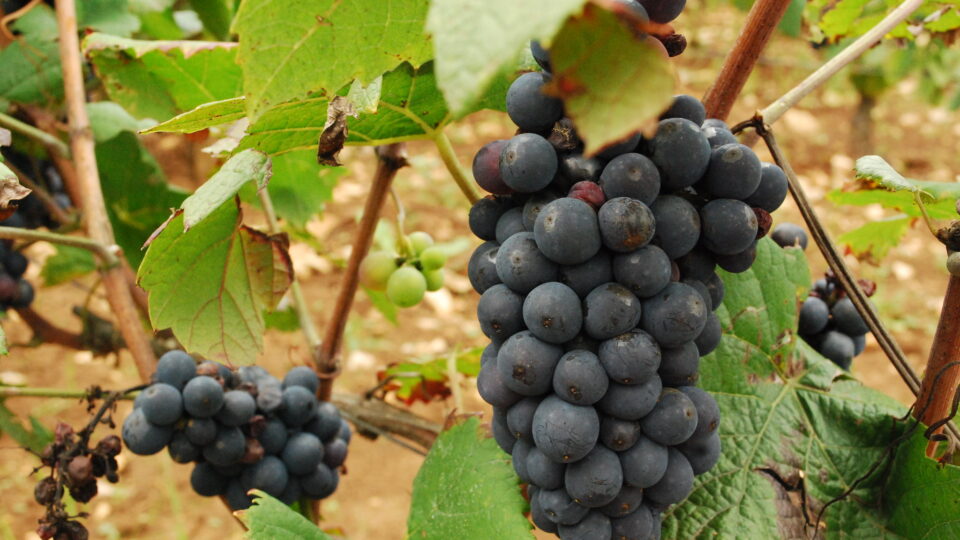
Winegrowing regions and climate change

April 29, 2024 By EarthWise Leave a Comment

Climate change will impact winegrowing regions around the world

Grapes grown to make wine are sensitive to climate conditions including temperatures and amount of rainfall.  The warming climate is already having visible effects on yields, grape composition, and the quality of wine.  This has significant consequences on the geography of wine production and is of major concern for the $350 billion global industry.

Winegrowing regions are mostly at the mid-latitudes where temperatures are warm enough to allow grapes to ripen but not excessively hot.  The climates are relatively dry so that fungal diseases are not rampant.

Because of the warming climate, harvesting in most vineyards now begins two or three weeks earlier than it did 40 years ago and this affects the grapes and the resultant wines.  Temperature changes affect acidity, wine alcohol, and aromatic signatures.

If global temperature rise crosses the 2-degree level, 90% of all traditional winegrowing areas throughout Spain, Italy, Greece, and southern California may become unable to produce high-quality wines.  Conversely, areas of northern France, the states of Washington and Oregon, British Columbia, and Tasmania will see improved conditions for producing quality wines. 

As the climate warms, winegrowers face new challenges such as the emergence of new diseases and pests as well as an increasing number of extreme weather events.  Wine producers are using more drought-resistant grape varieties and are adopting management methods that better preserve soil water.

The changing climate poses many threats to the quality of wines produced in traditional vineyards.  In the future, the wine industry may look very different in terms of where and how the best wines are produced. 

**********

Web Links

A global map of how climate change is changing winegrowing regions

Photo, posted November 14, 2008, courtesy of Curtis Foreman via Flickr.

Earth Wise is a production of WAMC Northeast Public Radio

Pesticides and beeswax

December 25, 2023 By EarthWise Leave a Comment

Pesticides linger in beeswax

Honey bee colonies in the United States have experienced annual population declines since 2006.  Commercial beekeepers have reported honey bee colony loss rates averaging 30% each winter, which is startling when compared to historical loss rates of just 10-15%.  According to the USDA, there are many factors contributing to this decline, including parasites, pests, diseases, pesticides, and a phenomenon called Colony Collapse Disorder, in which worker bees abandon a hive and leave behind the queen.

According to a new study by researchers from Cornell University, beeswax in managed honey bee hives contains a variety of pesticide, herbicide, and fungicide residues.  Because bees reuse wax over years, these harmful chemicals can accumulate inside hives, exposing current and future generations of bees to long-term toxicity. 

The study, which was recently published in the Journal of Veterinary Diagnostic Investigation, adds that humans may also be exposed to these pesticides through contaminated honey, pollen, and beeswax (which is used in certain soaps, lotions, and cosmetics).  However, the amounts in these products are unlikely to pose a major threat to human health.

Pesticides get into the beeswax when bees feast on the nectar and pollen of plants that have been treated with the chemicals. According to the researchers, understanding which contaminants are impacting domestic honey bee populations could help better protect them and other pollinators, including birds, bats, wild bees, and other insects.

**********

Web Links

Pesticides detected in beeswax

Photo, posted November 22, 2008, courtesy of Andrew Rivett via Flickr.

Earth Wise is a production of WAMC Northeast Public Radio
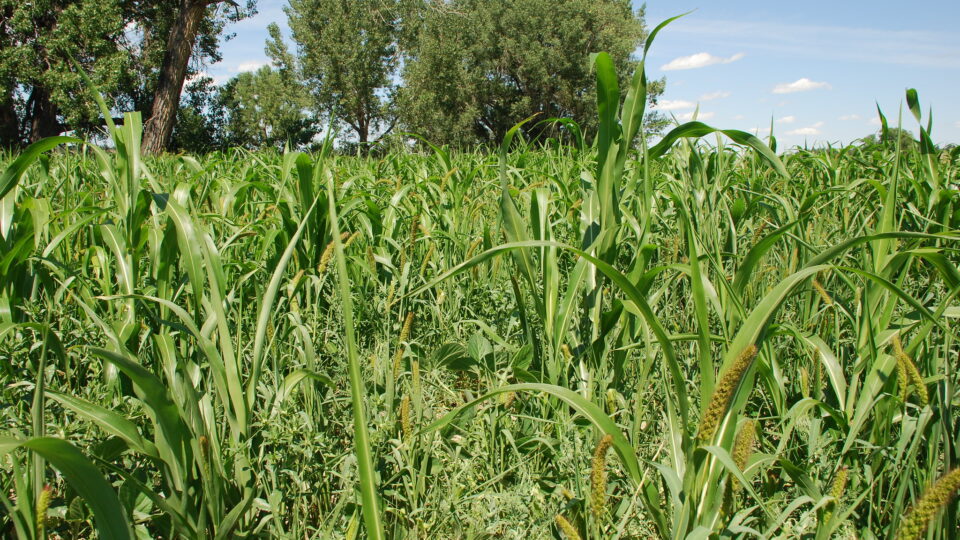
Managing Pests With Cover Crops | Earth Wise

May 18, 2022 By EarthWise Leave a Comment

The use of pesticides in global agriculture brings with it many problems including the killing of non-target, beneficial species as well as reversing pest-management gains from the use of conservation agriculture methods.

In a newly published study by researchers at Penn State University, the use of plant cover, such as cover crops, was shown to potentially be more effective at reducing pest density and crop damage than the application of insecticides without the downsides.  Cover crops reduce insect pest outbreaks by increasing pest predator abundance.

Cover crops are plantings that are primarily used to slow erosion, improve soil health, enhance water availability, smother weeds, and help control pests and diseases.  Typical cover crops include mustard, alfalfa, rye, clovers, buckwheat, and winter peas.  Most cover crops are fairly inexpensive to plant.

Plant cover can provide habitat for populations of natural enemies of pests.  Winter cover crops can harbor pest predator populations outside of the growing season of the cash crop.  When the cover crop is killed off to allow the growth of the cash crop, residues of the cover crop remain on the soil during the growing season, so they still enhance the habitat for pest predators.

Conservation agriculture includes methods like cover crops, no-till planting, and crop rotation.  The use of cover crops constitutes a form of preventive pest management that is an alternative to planting seeds treated with systemic insecticides to control early-season pests.  There is also the possibility for integrated pest managements, which is an approach in which insecticides are applied but only when pest numbers exceed economic thresholds despite the use of nonchemical tactics.

**********

Web Links

Cover crops more effective than insecticides for managing pests, study suggests

Photo, posted August 8, 2011, courtesy of USDA NRCS Montana via Flickr.

Earth Wise is a production of WAMC Northeast Public Radio.

Saving The Giant Sequoia | Earth Wise

April 22, 2021 By EarthWise Leave a Comment

Forest managers working to save the sequoias

Giant sequoia trees are some of the most remarkable living things on earth.  They can live up to 3,000 years.  The tallest specimens tower over 300 feet, but it is their girth that really sets them apart.  They are usually 20 feet in diameter, and some are up to 35 feet across at the widest.  The largest tree in the world by volume is the General Sherman tree, which has a volume of 52,508 cubic feet. At 2,100 years old, it weighs 2.7 million pounds and is not only the largest living tree, but also the largest living organism by volume on the planet.

Giant sequoias are incredibly hardy.  To have survived thousands of years, the oldest of these trees have endured hungry animals, diseases, fires, snowstorms, El Niño events, years-long droughts, and the efforts of loggers during the 19th and 20th centuries.

In February, unusually high winds knocked down 15 giant sequoias in Yosemite National Park.  While sequoias are amazingly adapted to their narrow range in California’s Western Sierras, it appears as though climate change is altering their habitat faster than the species can migrate or adapt.  Shorter cold seasons have meant more rain instead of snow, leading to floods and mudslides in the winter.  Fires are more likely with less snowpack.  Hotter, drier summers put sequoias under greater stress.

Forest managers work to preserve existing groves through fire mitigation, supplementary water, and careful stewardship of young trees in existing groves.  If these efforts are successful through the ensuing decades, climate change may be just one more thing the sequoias outlasted.  But at least some conservationists are now considering planting a new generation of sequoias in colder, nearby habitats. 

**********

Web Links

To Save Giant Sequoia Trees, Maybe It’s Time to Plant Backups

Photo, posted June 8, 2008, courtesy of Joi Ito via Flickr.

Earth Wise is a production of WAMC Northeast Public Radio.

Engineering Mosquitoes | Earth Wise

February 21, 2020 By EarthWise Leave a Comment

Engineering mosquitoes to repel disease

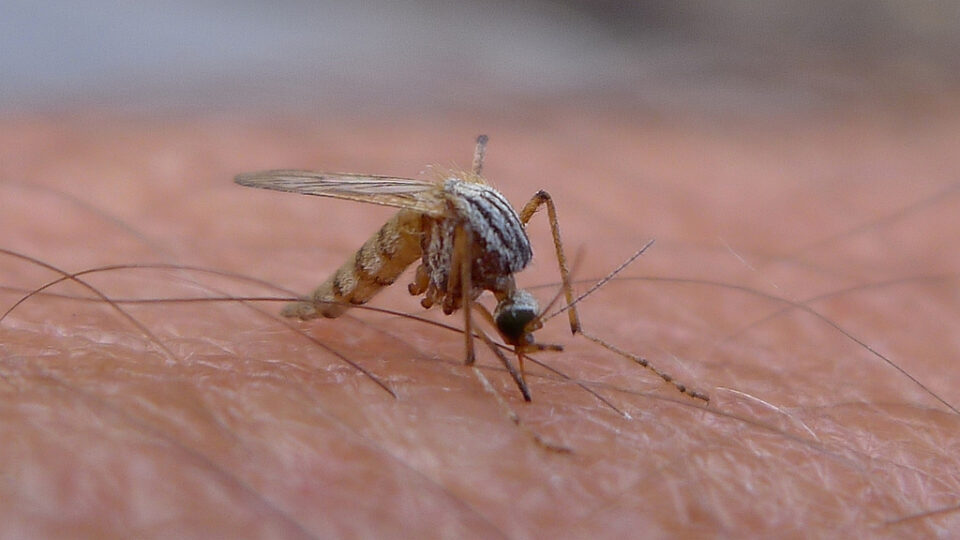
Tropical regions grapple with the spread of diseases – such as dengue, yellow fever, zika, chikungunya, and malaria – by mosquitoes.  A fairly successful strategy has been the Sterile Insect Technique, which is essentially insect birth control. The process involves rearing large quantities of sterilized male mosquitoes in dedicated facilities, and then releasing them to mate with females in the wild. As they do not produce any offspring, the insect population declines over time.

A problem with this approach is that while mosquitoes create health problems for people, they also play important roles in various ecosystems, such as providing food for bats and other animals.  Eliminating mosquito populations on a large scale can trigger major changes in ecosystems.

Recently, an international team of scientists has synthetically engineered mosquitoes that halt the transmission of the dengue virus.  They genetically engineered mosquitoes with an antibody “cargo” that gets expressed in the female mosquitoes that spread the dengue virus.  Once the female mosquito takes in blood, the antibody is activated which hinders the replication of the virus and prevents its dissemination throughout the mosquito, thereby preventing its transmission to humans. Essentially, what the researchers have done is transfer genes from the human immune system to confer immunity to mosquitoes.  The researchers are testing methods to neutralize mosquitoes against other viruses they spread.

This opens up a whole new approach to interrupt mosquito-borne human diseases.  Mosquitoes are among the deadliest killers on the planet because they are the messengers that transmit deadly diseases.  Until now, the only real solution has been to kill the messenger.  The new approach may be a better way to deal with a serious problem.

**********

Web Links

Mosquitoes engineered to repel dengue virus

Photo, posted June 20, 2014, courtesy of Flickr.

Earth Wise is a production of WAMC Northeast Public Radio.

Controlling Malaria Without Chemicals

August 28, 2019 By EarthWise Leave a Comment

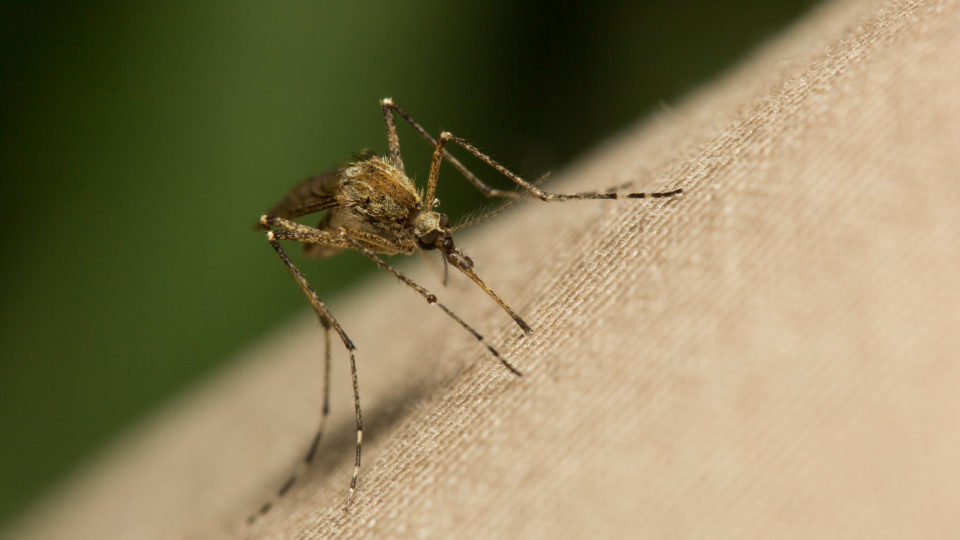
Nearly half of the world’s population lives in areas vulnerable to malaria.  The disease kills roughly 450,000 people each year, most of them children and pregnant women.  Malaria is spread by Anopheles mosquitoes and, over time, the mosquitoes have been developing resistance to the chemical insecticides that are used to control them.  In addition, there is great concern about the toxic side effects of the chemicals used on the mosquitoes.

About 30 years ago, scientists identified a type of bacteria that kills Anopheles, but the mechanism was not understood.  As a result, the bacteria could not be replicated or used as an alternative to chemical insecticides.

But now, an international research team, headed by researchers at UC Riverside, has identified the neurotoxin produced by the bacteria and has determined how it kills Anopheles.  The work is described in a paper published in Nature Communications.

It took the team 10 years to achieve a breakthrough in understanding the bacteria.  Modern gene sequencing techniques were the key.

While many neurotoxins target vertebrates and are highly toxic to humans, the neurotoxin that kills Anopheles mosquitoes does not affect humans, vertebrates, fish, or even other insects.  Known as PMP1, the substance is not even toxic to mice when given by direct injection.

The team has applied for a patent on this discovery and hopes to find partners to help them develop the bacteria-based insecticide.

There is a high likelihood that PMP1 actually evolved to kill the Anopheles mosquito.  This finding opens the door to new avenues of research into other environmentally friendly insecticides that would be targeted at other disease-spreading pests.

**********

Web Links

Controlling deadly malaria without chemicals

Photo, posted June 9, 2018, courtesy of Mario Yardanov via Flickr.

Earth Wise is a production of WAMC Northeast Public Radio.

Shifting Climate Zones

November 16, 2018 By EarthWise Leave a Comment

https://earthwiseradio.org/wp-content/uploads/2018/11/EW-11-16-18-Shifting-Climate-Zones.mp3

As the climate warms, the planet’s landscape is changing.  The Arctic ice is shrinking, the ocean is rising altering coastlines, and plants, animals and diseases are on the move.  The world’s climate zones are changing in significant and measurable ways.

[Read more…] about Shifting Climate Zones

Heat-Resistant Corals

August 31, 2018 By EarthWise Leave a Comment

https://earthwiseradio.org/wp-content/uploads/2018/08/EW-08-31-18-Heat-Resistant-Corals.mp3

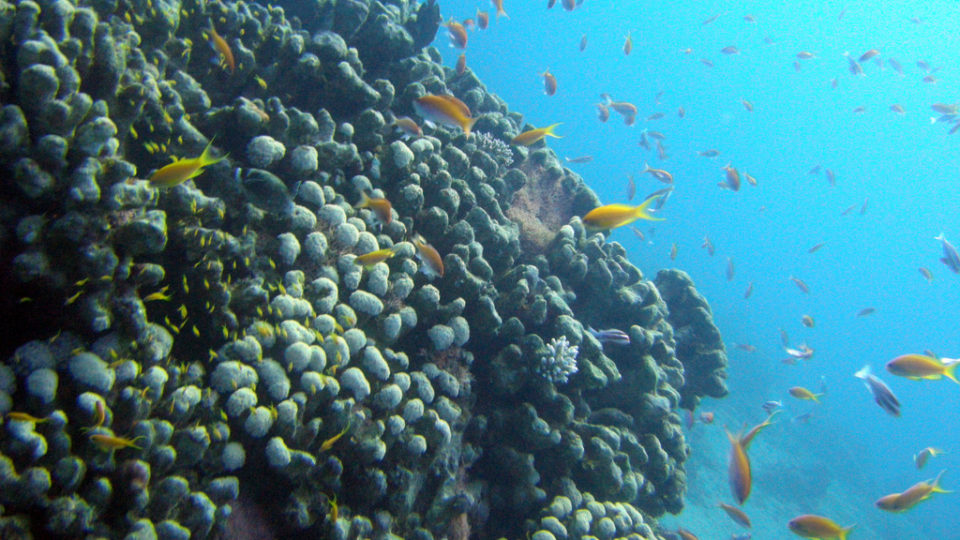
All over the world, coral reefs are being wiped out by rising sea temperatures brought about by climate change.  When sea temperatures get too high, the symbiotic relationship between coral polyps and microscopic algae living within the coral breaks down and the coral either digests or expels the algae.   The result is coral bleaching which weakens, and if it persists, kills the coral.

[Read more…] about Heat-Resistant Corals

Poor Neighborhoods And Mosquitoes

September 4, 2017 By EarthWise

https://earthwiseradio.org/wp-content/uploads/2017/09/EW-09-04-17-Poor-Neighborhoods-and-Mosquitoes.mp3

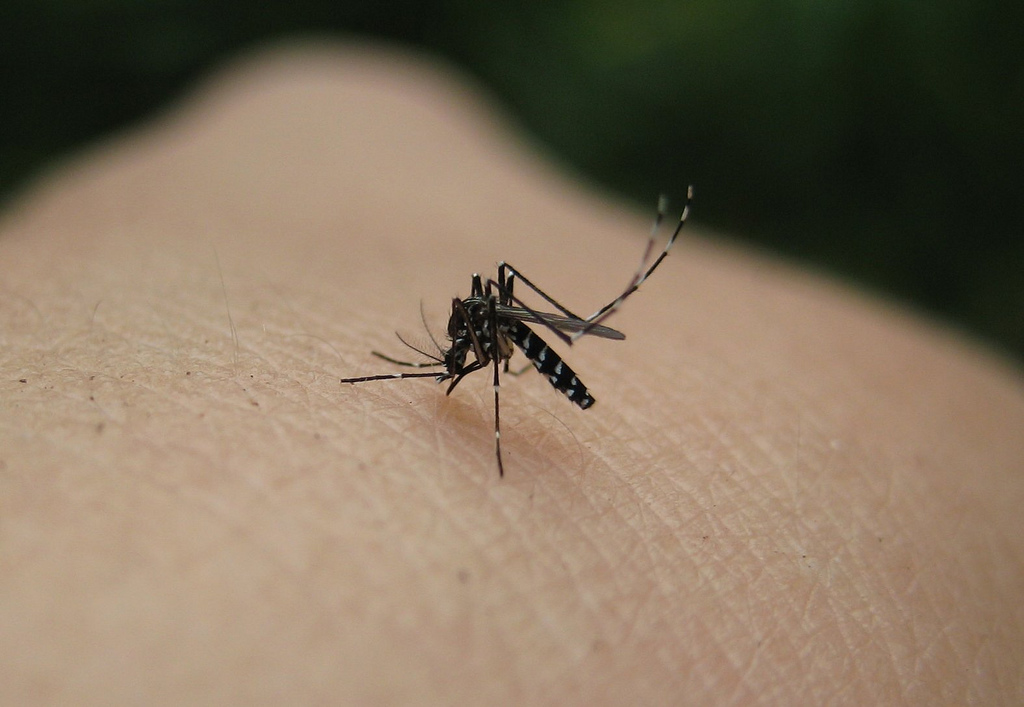
Mosquito-borne diseases pose a growing risk to public health in urban areas. Asian tiger mosquitoes are a vector of high concern as they thrive in cities, live in close association with people, and can reproduce in very small pools of water. 

[Read more…] about Poor Neighborhoods And Mosquitoes

Primary Sidebar

Recent Episodes

  • An uninsurable future
  • Clean energy and jobs
  • Insect declines in remote regions
  • Fossil fuel producing nations ignoring climate goals
  • Trouble for clownfishes

WAMC Northeast Public Radio

WAMC/Northeast Public Radio is a regional public radio network serving parts of seven northeastern states (more...)

Copyright © 2026 ·