• Skip to primary navigation
  • Skip to main content
  • Skip to primary sidebar

Earth Wise

A look at our changing environment.

  • Home
  • About Earth Wise
  • Where to Listen
  • All Articles
  • Show Search
Hide Search
You are here: Home / Archives for conservation

conservation

Aphids And Monarchs | Earth Wise

September 15, 2023 By EarthWise Leave a Comment

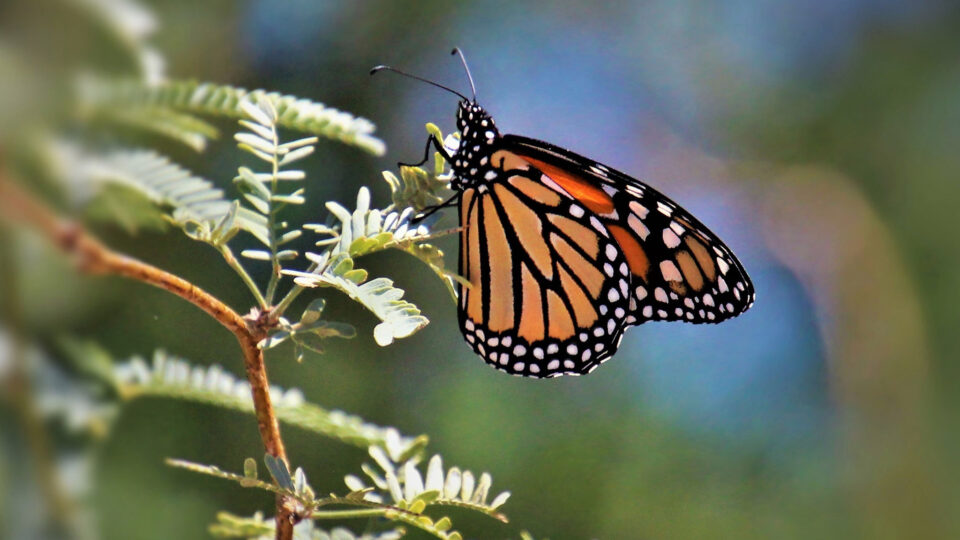
Aphids are negatively impacting monarch butterfly populations

Last year, the monarch butterfly was officially designated as endangered by the International Union for Conservation of Nature.  Estimates are that the overall population of the species has dropped between 20% and 90% over the past several decades. 

The migratory western population of monarchs is at the greatest risk of extinction, having declined by as much as 99.9% between the 1980s and 2021.  Legal and illegal logging and deforestation to make space for agriculture and urban development has destroyed much of the butterflies’ winter shelter in Mexico and California and pesticides and herbicides throughout the butterflies’ range kills both the butterflies and the milkweed that their larvae feed on.

A new study by the University of Florida has found that aphids feeding on the milkweed that grows across the southern portions of the US causes the butterflies to lay fewer eggs on the plants and the caterpillars developing on those plants were slower to mature.  The study showed that monarch laid three times as many eggs on aphid-free plants as they did on aphid-infested plants.

For years, there have been efforts to plant milkweed in urban areas to support monarch populations.  However, aphids and other insect pests often reach high densities on plants in urban settings. 

The researchers are advising home gardeners in the southern U.S. who want to conserve monarch butterflies to make use of safe techniques to limit aphid populations such as insecticidal soap.  This may not always be an option and the researchers are investigating other options to keep aphids at low levels that aren’t harmful to monarchs.

**********

Web Links

Aphids make tropical milkweed less inviting to monarch butterflies, study finds

Photo, posted October 12, 2018, courtesy of Renee Grayson via Flickr.

Earth Wise is a production of WAMC Northeast Public Radio

Top Fish Predators And Climate Change | Earth Wise

September 12, 2023 By EarthWise Leave a Comment

Climate change is taking its toll on forests, farms, freshwater sources, and the economy, but ocean ecosystems remain the epicenter of global warming.  In fact, oceans have absorbed more than 90% of the excess heat from greenhouse gas emissions since the 1970s.

As a result, many marine fish species are responding to ocean warming by relocating towards the poles.  According to new research recently published in the journal Science Advances, climate change is causing widespread habitat loss for some of the ocean’s top fish predators, driving these species northward.

The research team studied 12 species of highly migratory fish predators, including sharks, tuna, and billfish, such as marlin and swordfish, inhabiting the Northwest Atlantic Ocean and the Gulf of Mexico.  These two regions are undergoing rapid changes in sea surface temperatures, and are among the fastest warming ocean regions on earth.

The research, which was led by researchers from Woods Hole Oceanographic Institution in Massachusetts, with collaboration from San Diego State University, NOAA, and several other U.S. institutions, found that most species will encounter widespread habitat losses by 2100.  Some species could lose upwards of 70% of suitable habitat by that year.  Areas offshore of the Southeast United States and Mid-Atlantic coasts were identified as likely hotspots of multi-species habitat loss. 

According to the researchers, strategies for managing fish have historically been static. But marine systems need to be treated as dynamic and changing.  This study helps provide the scientific data needed for marine conservation and fisheries management efforts.

**********

Web Links

Top fish predators could suffer wide loss of suitable habitat by 2100 due to climate change

Photo, posted March 18, 2015, courtesy of Kenneth Hagemeyer via Flickr.

Earth Wise is a production of WAMC Northeast Public Radio
Protecting The Amazon Rainforest | Earth Wise

September 5, 2023 By EarthWise Leave a Comment

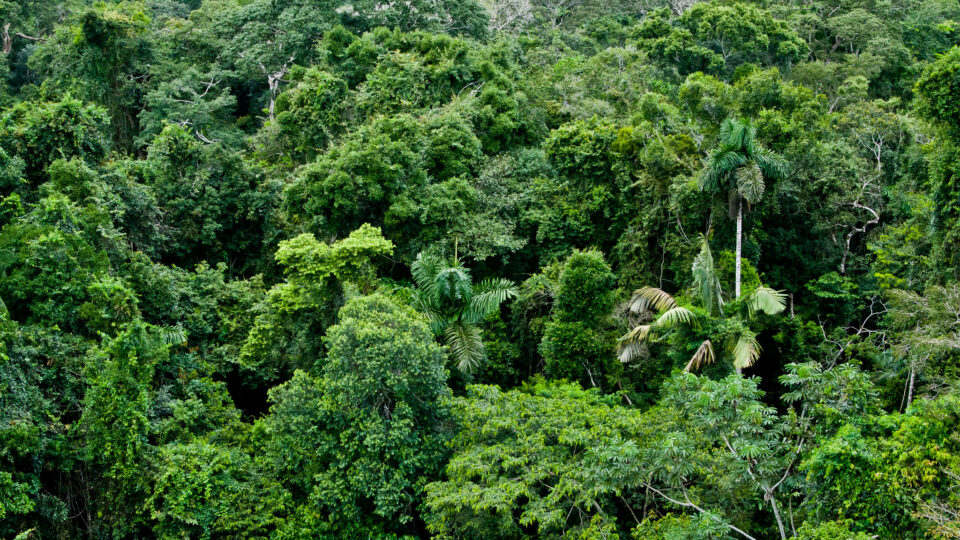
The Amazon rainforest absorbs one-fourth of all the carbon dioxide absorbed by the land of the Earth.  It is by far the world’s largest rainforest, bigger than the next two largest – in the Congo Basin and Indonesia – combined.  Nearly two-thirds of it is found in Brazil but the more than 2 million square miles of rainforest includes portions in 8 countries.

The amount of carbon dioxide absorbed by the Amazon rainforest is 30% less today than it was in the 1990s as a result of deforestation, to a great extent driven by cattle ranching as well as other agricultural activities.

In early August, the leaders of the eight countries that are home to the Amazon River basin agreed to work together to conserve the rainforest.  The agreement, called the Belém Declaration, provides a roadmap to stave off the rampant deforestation. 

The agreement provides coordination between the countries of Bolivia, Brazil, Colombia, Ecuador, Guyana, Peru, Suriname, and Venezuela to establish law enforcement to combat illegal mining and logging as well as to pool development funds for conservation and sustainable employment.  Despite the unity portrayed at the meeting, many of the governments in South America are in a precarious position because of various economic and political struggles

Apart from its critical climate impact, the Amazon rainforest is a haven for biodiversity and further deforestation would be disastrous for tens of thousands of species and could transform it into a net emitter rather than absorber of greenhouse gases.  Some parts of the region have already reached that point.

**********

Web Links

Amazon Countries, Led by Brazil, Sign a Rainforest Pact

Photo, posted October 17, 2016, courtesy of Yeoboya via Flickr.

Earth Wise is a production of WAMC Northeast Public Radio
Endangered Plants And The Changing Climate | Earth Wise

August 31, 2023 By EarthWise Leave a Comment

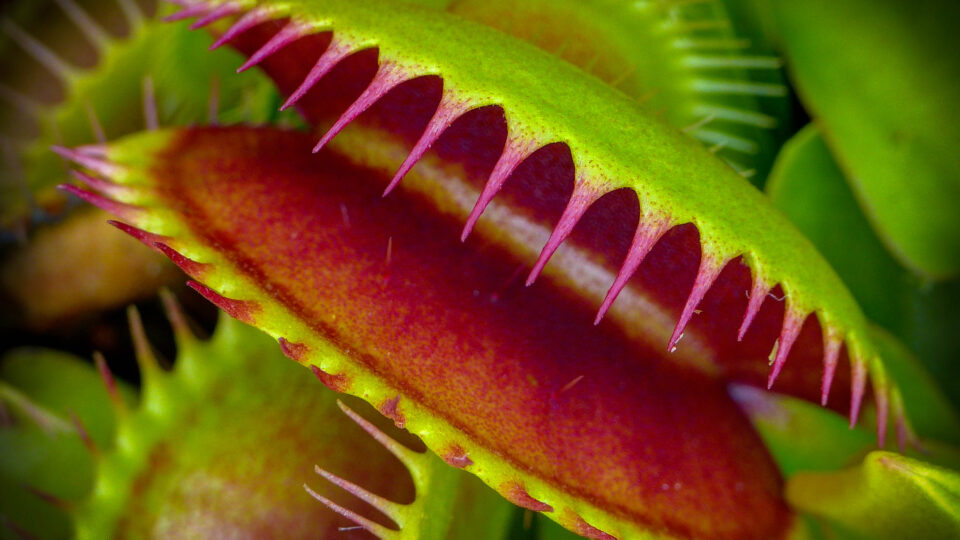
Plants are a critical resource because of the countless ways they support life on Earth. Plants release oxygen into the atmosphere, absorb carbon dioxide, and provide food and habitat for humans and wildlife.  Plants are also used to produce fibers, building materials, and medicines. 

Plants form the backbone of natural ecosystems, and absorb about 30% of all the carbon dioxide emitted by humans each year.  But plants are struggling to adapt in a human-dominated world.  Even though they are easier and cheaper to protect than animals, plants are often overlooked in conservation efforts.

Ironically, conservation efforts appear to be overlooking a key threat to endangered plants.  According to a new study led by researchers from Penn State University, all plants and lichens listed as endangered under the Endangered Species Act are sensitive to climate change, but there are few plans in place to address that threat directly. 

The threat that climate change poses to endangered plants and lichens had not been thoroughly evaluated in more than a decade.  In the study, which was recently published in the journal PLOS Climate, the research team adapted existing assessment tools used to examine the threat of climate change for wild animals and applied them to 771 endangered plant species.  The researchers found that all endangered plant and lichen species are at least slightly threatened by climate change, and little is being done to protect the listed species from that threat.

The researchers hope their findings will be used to aid future conservation planning.  After all, plants can live without humans, but humans cannot live without plants.

**********

Web Links

Climate change threatens 771 endangered plant and lichen species

Photo, posted June 12, 2014, courtesy of Mark Freeth via Flickr.

Earth Wise is a production of WAMC Northeast Public Radio
The Value Of Seagrass | Earth Wise

August 7, 2023 By EarthWise Leave a Comment

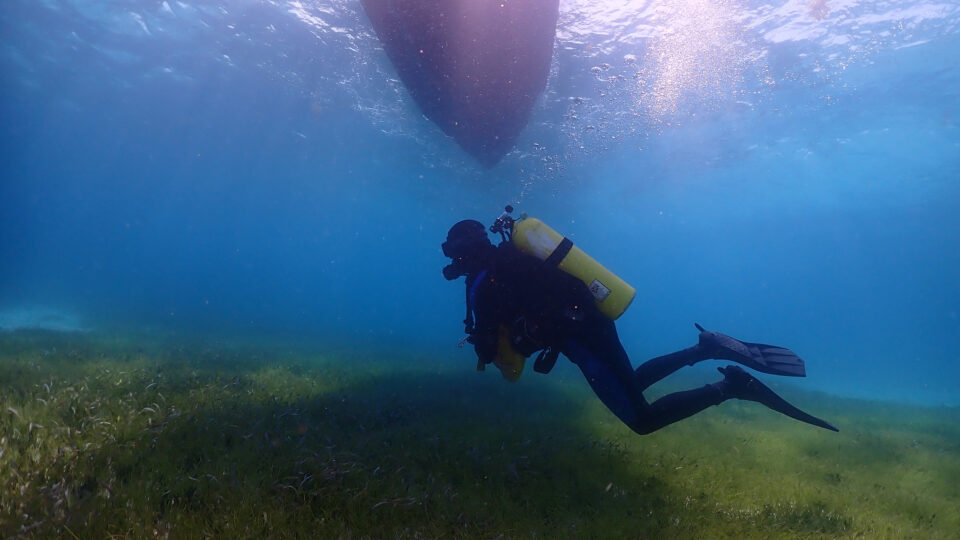
Seagrasses provide enormous amounts of value to society each year

Seagrasses are found in shallow salty and brackish waters in many places around the world, from the tropics to the Arctic Circle.  They get their name from their long green, grass-like leaves.  They are not seaweeds at all but are more closely related to flowering plants on land. 

We hear a lot about threatened ocean ecosystems and most of the attention is on coral reefs and coastal mangrove forests.  Seagrass meadows get much less press, but they in fact provide wide-ranging services to society and store a great deal of carbon.

A new study by the University of Michigan demonstrates that seagrass ecosystems should be high up on the global conservation agenda.  The study puts a dollar value on the many services – which include storm protection, fish habitat, and carbon storage – provided by seagrasses in the Caribbean.  The numbers are enormous.

The researchers estimate that the Caribbean holds up to half of the world’s seagrass meadows by surface area, and it contains about a third of the global carbon storage by seagrasses.  They calculated that the Caribbean seagrasses provide about $255 billion in services to society each year, which includes $88 billion in carbon storage.

In the Bahamas alone, ecosystems services provided by seagrasses are valued at more than 15 times the country’s 2020 gross domestic product.

Blue carbon is the name used to describe carbon stored in coastal and open-ocean ecosystems.  The idea of selling blue carbon offset credits, which monetize the carbon stored in this way, is gaining traction.  For many Caribbean nations, this is likely to provide impetus for protecting seagrass ecosystems from human impacts, including nutrient pollution and overfishing.

**********

Web Links

Caribbean seagrasses provide services worth $255B annually, including vast carbon storage, study shows

Photo, posted June 27, 2023, courtesy of Daniel Eidsmoe via Flickr.

Earth Wise is a production of WAMC Northeast Public Radio
Cryo Conservation | Earth Wise

August 2, 2023 By EarthWise Leave a Comment

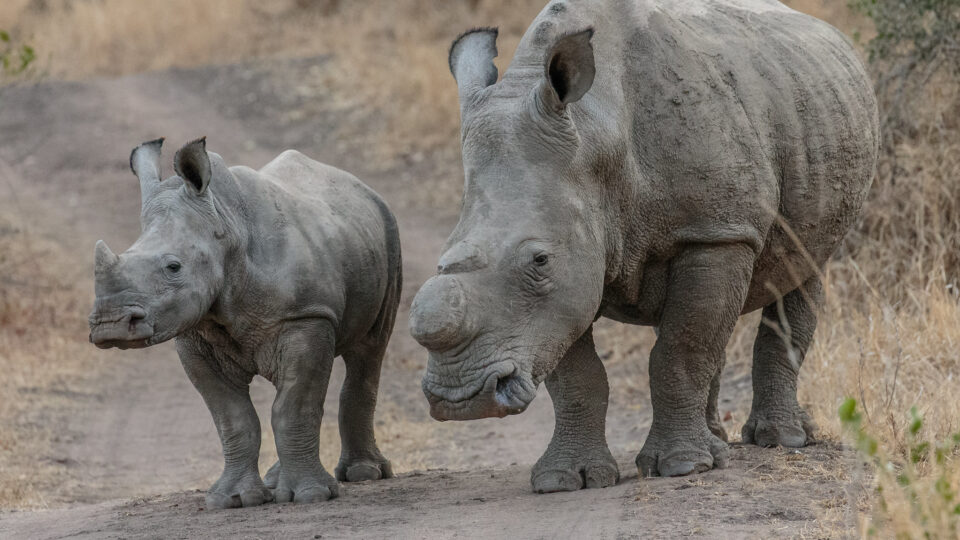
Recent studies have shown that there has been a 69% decline in global animal populations since 1970.  There is a biodiversity crisis in the world.  In the face of this situation, there is a growing interest in using cold storage to preserve genetic samples taken from animals threatened with extinction.

Just as egg-freezing is used to preserve human fertility for a later date, the cryogenic freezing of genetic material from animals could be important in reducing species extinctions.  Living cell banks – also known as cryobanks – could preserve genetic materials from animals that include skin cells, embryos, semen, and live tissues.  These materials could be cultured and used for various applications including DNA extraction, assisted reproduction, ensuring genetic diversity in animal populations, and potentially reintroducing species back into their natural habitats.

There is a facility called the Frozen Zoo at the San Diego Wildlife Alliance which has genetic material from 965 different species, including 5% of the vertebrates currently listed as threatened on the IUCN Red List.  Further sampling from zoos and aquariums could increase that representation to almost 17%.

Genetic samples of 50% of the species currently listed as extinct in the wild are already represented in the Frozen Zoo.  Further sampling from the zoological community could increase this number to 91%.  This could provide a critical lifeline for these species that are on the brink of extinction.  As wildlife populations continue to decline around the world, it is more critical than ever to collect and preserve genetic samples from threatened species.

**********

Web Links

Cryo conservation – a cool solution to saving species from extinction

Photo, posted September 30, 2018, courtesy of Andy Morffew via Flickr.

Earth Wise is a production of WAMC Northeast Public Radio
Climate Change And Species Tipping Points | Earth Wise

June 22, 2023 By EarthWise Leave a Comment

In climate science, tipping points are critical thresholds that, once crossed, lead to large and often irreversible changes in the climate system. For example, surpassing a 1.5 degree C rise in global warming has long been considered a tipping point for the planet. 

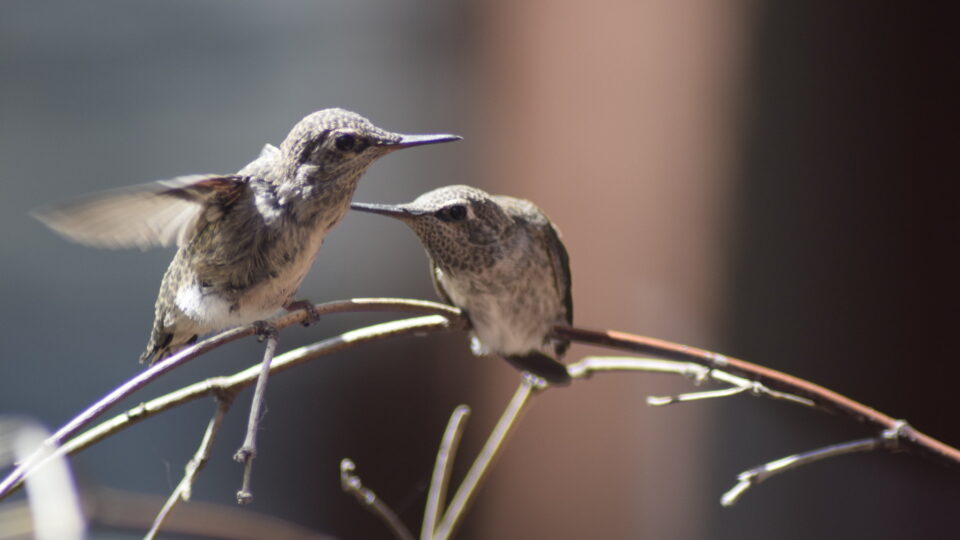
According to a new study led by researchers from University College London, climate change will abruptly push species over tipping points as their geographic ranges reach unforeseen temperatures. 

In the study, which was recently published in the journal Nature Ecology and Evolution, the research team analyzed data from more than 35,000 species of animals and seagrasses from every continent and ocean basin, alongside climate projections up to 2100.  The researchers found a consistent trend:  for many animals, the thermal exposure threshold will be crossed for much of their geographic range within the same decade. 

The thermal exposure threshold is defined as the first five consecutive years where temperatures consistently exceed the most extreme monthly temperature experienced by a species across its geographic range over recent history. 

The researchers also found that the extent of global warming will make a big difference for animals.  If the planet warms by just 1.5°C, 15% of species studied will be at risk of experiencing unfamiliarly hot temperatures across at least 30% of their current  geographic range in a single decade.  But this figure will double to 30% of species at 2.5°C of warming.

Since their data provides an early warning system, the researchers hope that their findings will help species conservation efforts. 

**********

Web Links

Climate change to push species over abrupt tipping points

Photo, posted May 27, 2017, courtesy of Sarah Lemarié via Flickr.

Earth Wise is a production of WAMC Northeast Public Radio
Chasing The Ivory-Billed Woodpecker | Earth Wise

June 13, 2023 By EarthWise Leave a Comment

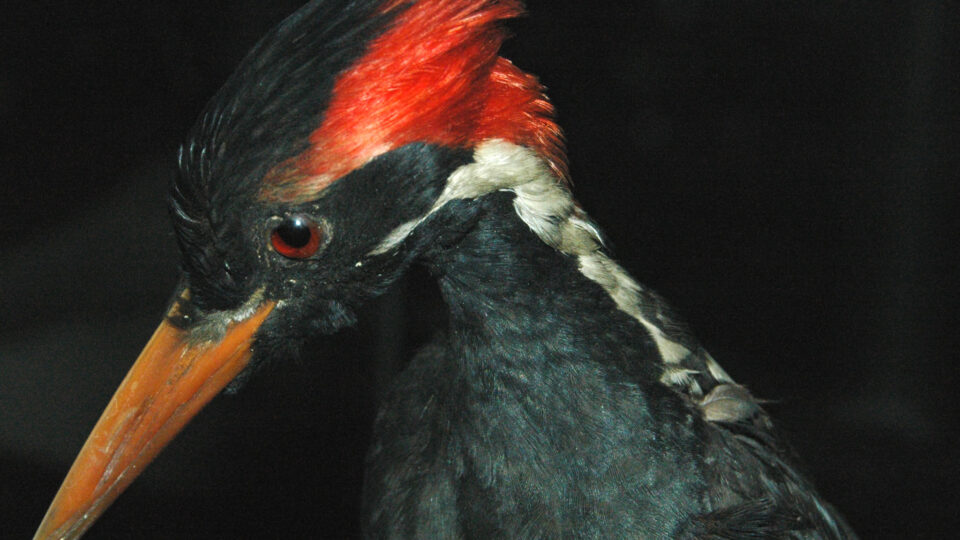
The ivory-billed woodpecker is or was the largest woodpecker in the United States. The last unassailable sighting of the bird was in 1944.  Since then, there have various reports of glimpses of the bird or of hearing its distinctive sounds.  But there has not been anything resembling proof that the bird still exists.

Despite this, the ivory-billed woodpecker has been legally protected under the Endangered Species Act.  There has been a proposal to end that protection and formally declare the species extinct.  Because of the controversy surrounding the bird, a final ruling on its status has been repeatedly delayed by the US Fish and Wildlife Service.

Very recently, a peer-reviewed study in the journal Ecology and Evolution makes the case that the ivory-billed woodpecker still exists and that it is premature to declare it extinct.  The study cites visual encounters by expert observers, audio recordings, tree-damage, and rather grainy video evidence.  The authors claim that there is intermittent but repeated presence of birds that at least look and behave like ivory-billed woodpeckers.

One might ask:  why does it matter whether this bird is declared extinct or not?  The answer is that there are limited federal funds for conservation efforts, and they should be spent on saving genuinely endangered species and habitats.  The authors of the new study say that removing federal protection would be bad for any remaining ivory bills, which may be living in some swampy old-growth forests in Louisiana.  Other scientists consider conservation resources expended on the ivory-billed woodpecker to be chasing a ghost.

As is the case for several other notorious objects, one really clear photograph of an ivory-billed woodpecker could solve a long-standing mystery.

**********

Web Links

A Vanished Bird Might Live On, or Not. The Video Is Grainy

Photo, posted October 19, 2014, courtesy of James St. John via Flickr.

Earth Wise is a production of WAMC Northeast Public Radio
Can All Plant Species Survive? | Earth Wise 

June 9, 2023 By EarthWise Leave a Comment

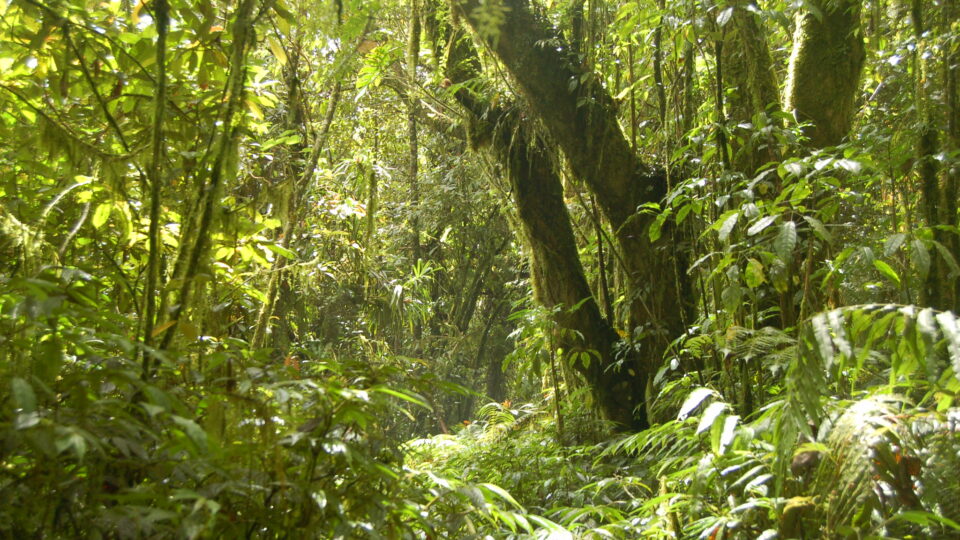
Many animal populations around the world are struggling and people are mostly to blame.  Species are declining because of all sorts of things including changes in land and sea use, pollution, invasive species, and climate change.

Like many animal species, plants are also struggling to adapt to a human-dominated world.  Plants provide the planet with food, oxygen, and energy, and are used to produce fibers, building materials, and medicines.  Even though plants are easier and cheaper to protect, they are often overlooked in conservation efforts. 

According to a paper recently published in the journal Trends in Plant Science, preventing all future land plant extinctions across the globe is possible with the right approaches.  The author of the paper, Richard Corlett of the Xishuangbanna Tropical Botanical Garden in China, writes that “if zero extinction is potentially achievable for plants, a less ambitious target would be inexcusable.” 

According to the paper, one big barrier in plant conservation is the lack of trained specialists, especially in tropical areas where there is a backlog of unidentified species.  It’s likely that many “dark extinctions,” which is when species slip away without us knowing they existed, have already occurred.

Another roadblock in preventing plant extinctions is information access, which can be solved by building an online “metaherbarium.”  This collaborative database would link digitized records from herbarium specimens with photographs, status assessments, and recovery plans.

Finally, the creation of “microreserves” – which are tiny pieces of protected land designed to get around space constraints – would further contribute to effective conservation of targeted plant species. 

Zero plant extinctions should be the goal.   

**********

Web Links

‘Zero plant extinction’ is possible, says plant ecologist

Photo, posted May 16, 2008, courtesy of Andrew Otto via Flickr.

Earth Wise is a production of WAMC Northeast Public Radio
California: Drought Or No Drought? | Earth Wise

April 26, 2023 By EarthWise Leave a Comment

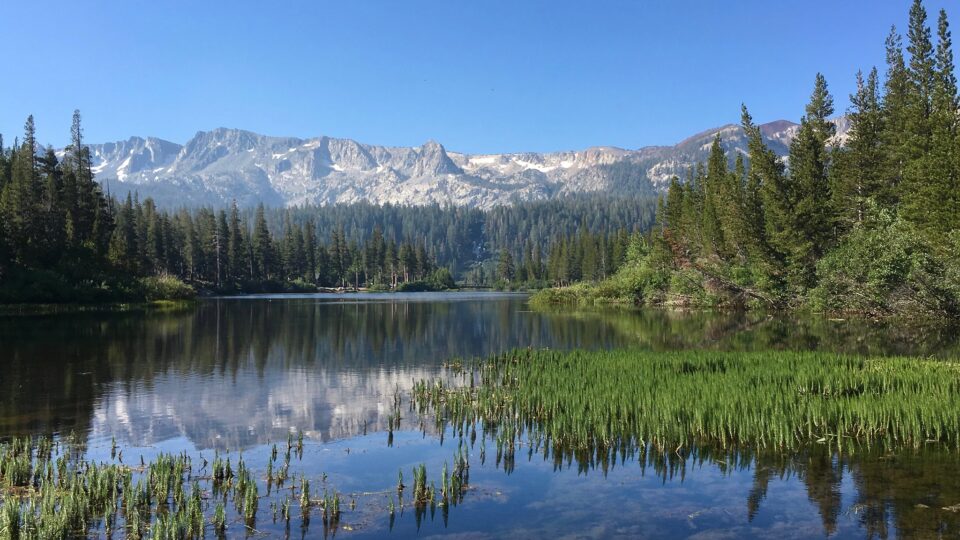
Despite heavy rains, California is still experiencing a drought

Just a few months ago, millions of people in California were living under challenging water conservation rules.  The past three years were the driest on record and reservoirs were depleted, landscapes dried up, and the snowpack in the Sierras at very low levels.

But in recent months, a dozen atmospheric river storms have brought huge amounts of rain and snow to the state.  Twelve out of 17 major reservoirs in the state have been replenished, the snowpack is over 240% of normal, and brown hills are blooming once again.

So, is the California drought over?  According to the experts, the answer is:  sort of.

The record snowpack and heavy rains have erased the most severe aspects of the drought in many parts of the state.  Only 9% of the state is now experiencing “severe” or “exceptional” drought, down from 55% last fall.

But the changes are basically all at the surface.  Groundwater in the state is still extremely low and the state’s cities and farms are still using more of it than is appropriate.  The state has been unwisely overusing its groundwater aquifers because of the drought and this one year of heavy rains cannot replenish levels that have been dropping for years.

California has been rolling back many of the most severe drought restrictions that had been imposed but has not entirely lifted the drought emergency status.  Meanwhile, the massive snowpack in the mountains will begin to melt as the weather warms and, in many areas, Californians will face flooding.  Water is a complicated business in California.

**********

Web Links

Drought or no drought? California left pondering after record winter deluge

Photo, posted August 28, 2019, courtesy of Joyce Cory via Flickr.

Earth Wise is a production of WAMC Northeast Public Radio
How To Meet Protected Land Targets | Earth Wise

March 30, 2023 By EarthWise Leave a Comment

How to meet protected land targets

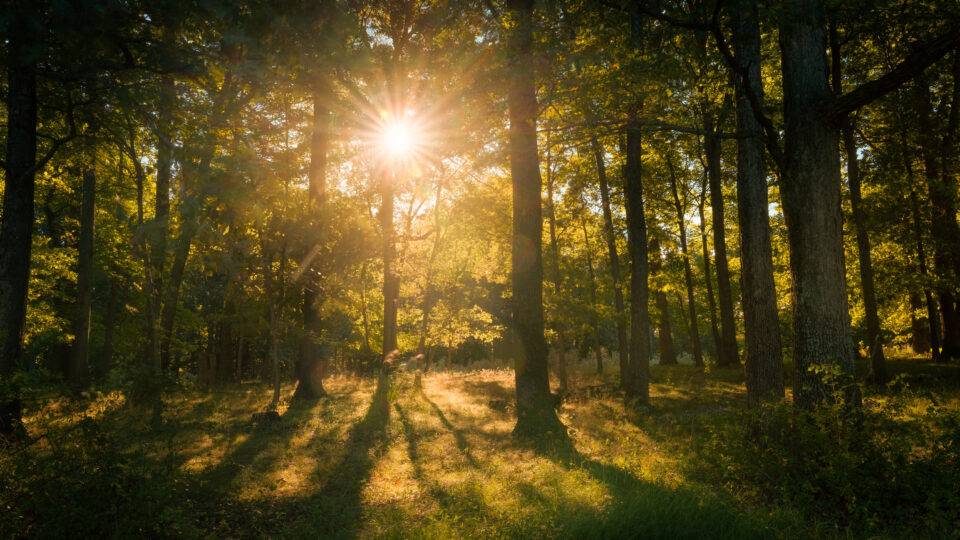
More than half of the world’s countries have set a target of setting aside 30% of land and sea areas across the globe for conservation by 2030, in order to preserve and protect nature and essential services to people.  This pledge creates some difficult questions to answer.

What sorts of land should be protected and where should it be located?  What effects of these new land protections will there be on carbon emissions and the climate and on land usage for food production and energy generation?  Policymakers have to grapple with such questions in order to move forward on these ambitious biodiversity protection goals.

A recent study by the Lawrence Berkeley National Laboratory attempts to answer many of these questions.  The study found that meeting the 30% goal could lead to substantial regional shifts in land use and, in some cases, still fail to protect some of the most important biodiversity hotspots.

Protecting land entails tradeoffs with other land uses and can have negative impacts on the agricultural sector as well as land use for bioenergy crops and forest land use for timber.

In particular, the study found that the amount of land used for crops for conversion into biofuels could be significantly impacted by doubling current protected areas while still preserving the amount of land used for food crops.  This is particularly true for land in Russia and Canada.

The study also found that while it may be possible to meet the 30% target by only protecting agriculturally unsuitable land, it may not end up protecting many of the world’s 36 identified biodiversity hotspots.  The uneven distribution of species has a significant bearing on how to manage the conservation of biodiversity.

**********

Web Links

Doubling Protected Lands for Biodiversity Could Require Tradeoffs With Other Land Uses, Study Finds

Photo, posted September 19, 2020, courtesy of John Brighenti via Flickr.

Earth Wise is a production of WAMC Northeast Public Radio
Protected Areas Are Not Protecting Insects | Earth Wise

March 24, 2023 By EarthWise Leave a Comment

Insects are not being protected by protected areas

Insects can be found in every environment on Earth and play crucial roles in the planet’s ecosystems.  In fact, Biologist E. O. Wilson once said that “if all mankind were to disappear, the world would regenerate back to the rich state of equilibrium that existed ten thousand years ago.  If insects were to vanish, the environment would collapse into chaos.”

While his statement may sound extreme, it’s really not an exaggeration.  Insects are critical to most ecosystems.  They pollinate more than 80% of plants – both those we eat and those that provide food and habitat for other species.  Insects are also a food source themselves, eaten by other insects, birds, fish, and mammals. Without insects, we wouldn’t have the rich biodiversity that supports life on earth today. 

But insect populations are collapsing around the globe, and they continue to be overlooked by conservation efforts.  Protected areas, like national parks, refuges, and sanctuaries, can safeguard threatened species, but only if those threatened species actually live within the protected areas. 

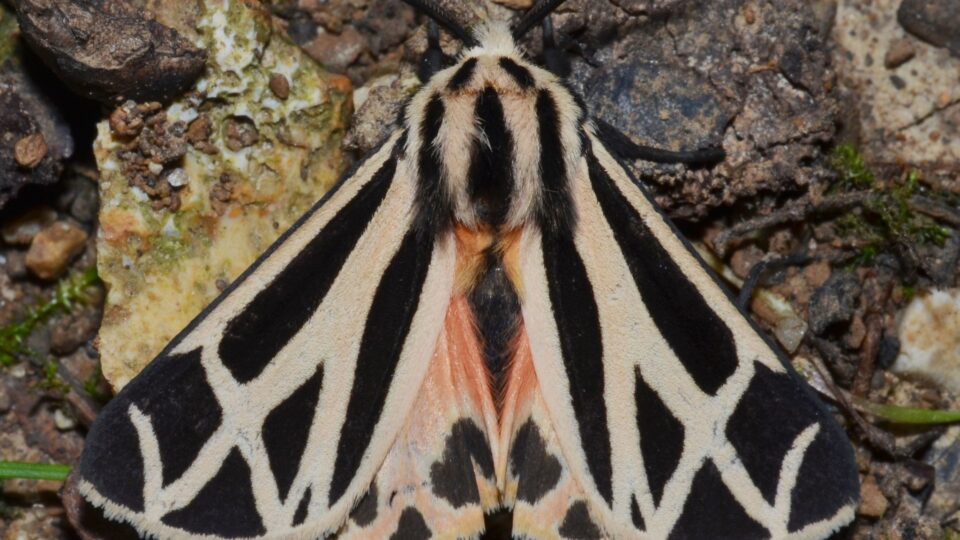
According to a new study recently published in the journal One Earth, 76% of insect species are not adequately covered by protected areas, including several critically endangered insects such as the dinosaur ant, crimson Hawaiian damselfly, and harnessed tiger moth. Alarmingly, the populations of 1,876 species do not overlap with protected areas at all.

Insects have been historically overlooked by conservation programs and need to be included in future conservation assessments. 

**********

Web Links

Protected areas fail to safeguard more than 75% of global insect species

Photo, posted August 21, 2014, courtesy of Andy Reago & Chrissy McClarren via Flickr.

Earth Wise is a production of WAMC Northeast Public Radio
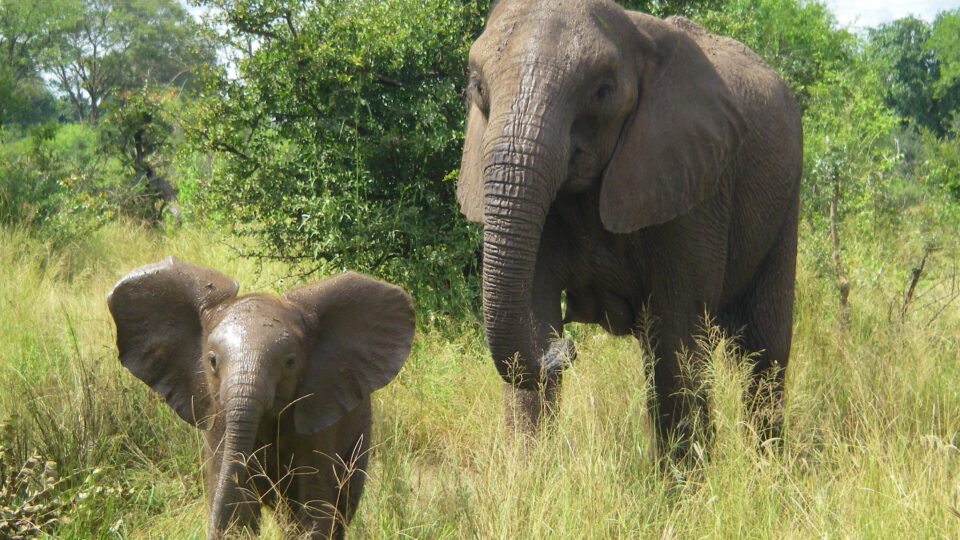
Elephants And Global Warming | Earth Wise

March 9, 2023 By EarthWise Leave a Comment

A study by researchers at Saint Louis University has found that elephants play a key role in creating forests that store large amounts of atmospheric carbon and in maintaining the biodiversity of forests in Africa.  Since elephants are endangered, their status represents a significant threat to an ecosystem that is very important to the Earth’s climate.

The African rainforest contains trees with both low carbon density (light wood) and high carbon density (heavy wood).  High carbon density trees grow more slowly and can be crowded out by the faster growing low carbon density trees rising above them.  Elephants affect the relative abundance of these trees by feeding more on the low carbon density trees which are more palatable and nutritious.  This thinning of the forest allows the trees that sequester the most carbon to flourish.

Elephants are also excellent dispersers of the seeds of high carbon density trees.  Essentially, elephants are the gardeners of the forest.  They plant the forest with high carbon density trees and get rid of the weeds – in this case, the low carbon density trees.  According to the study, if elephants were to become extinct, the African rainforest – the second largest on earth – would gradually lose between six and nine percent of its ability to capture atmospheric carbon.

Elephants have been hunted by humans for millennia.   Gaining support for protecting them has mostly been driven by the argument that everybody loves elephants.  Focusing on their role in maintaining forest diversity has not driven much more action.  The hope is that the evidence of how important elephants are for climate mitigation will be taken seriously by policy makers to generate the support needed for improved elephant conservation.

**********

Web Links

Can Elephants Save the Planet?

Photo, posted March 15, 2008, courtesy of Michelle Gadd/USFWS via Flickr.

Earth Wise is a production of WAMC Northeast Public Radio
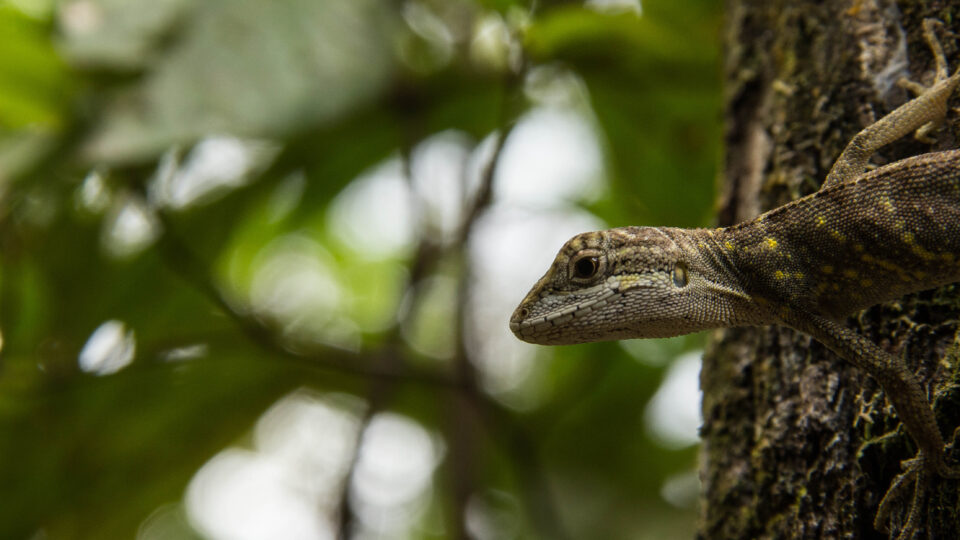
Rainforest Promises | Earth Wise

December 23, 2022 By EarthWise Leave a Comment

Rainforest promises in Brazil

The recent UN climate summit in Sharm el Sheikh, Egypt brought with it lots of pledges for action.   Among them was a promise from the three countries that are home to more than half of the world’s tropical rainforests to try to do something to protect them.

The ministers of Brazil, Indonesia, and the Democratic Republic of Congo signed an agreement pledging cooperation on sustainable management and conservation, restoration of critical ecosystems, and creation of economies that would ensure the health of both their people and their forests.

The plan has no financial backing of its own.  The countries are pledging to work together to establish a funding mechanism that could help to preserve the tropical forests that both help regulate the Earth’s climate and sustain a wide range of animals, plants, birds, and insects.

That such an agreement has come about at all is a result of the election of Luiz Lula da Silva as Brazilian president, replacing Jair Bolsonaro, who was famously an opponent of any and all environmental conservation or protections.  President Lula addressed the attendees of the climate summit promising that “Brazil is back.”   He described his country as having been in a cocoon for the past four years under his predecessor.  He declared that going forward, Brazil will be a force to combat climate change.  Given the importance of the Amazon rainforest, that is critical for the success of the world’s efforts.

Like all other issues on the table at the climate summit, the real challenge is not to come up with meaningful pledges on climate action, it is to be able to follow through on those pledges.  If past summits are any indication, that is not an easy task.

**********

Web Links

Brazil, Indonesia and Congo Sign Rainforest Protection Pact

Photo, posted September 15, 2013, courtesy of Moises Silva Lima via Flickr.

Earth Wise is a production of WAMC Northeast Public Radio
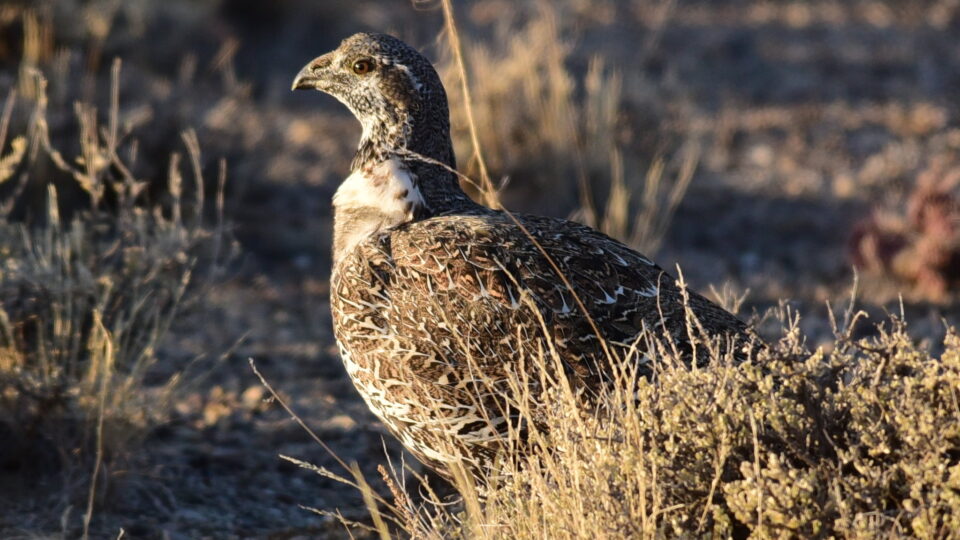
The State Of The Birds | Earth Wise

November 28, 2022 By EarthWise Leave a Comment

The U.S. Committee of the North American Bird Conservation Initiative has published the State of the Birds 2022, an assessment of bird populations in North America. The news is not good.  The report identifies 70 Tipping Point species, which are those that have lost half or more of their breeding population since 1970 and are on track to lose another half or more in the next 50 years. According to research published in Science in 2019, the United States and Canada have lost 3 billion breeding birds since 1970, which is about a quarter of the total population.

More than half of the bird species in the United States are in decline. According to the Conservation Initiative, the tipping point species in particular require proactive conservation protections to avoid becoming endangered.  Species that inhabit grasslands are declining more rapidly, while waterfowl like ducks and geese are actually increasing.  That increase is most likely a result of the investments in conservation funded by the hunting industry.

Those waterfowl gains demonstrate that when there are concerted efforts to protect and promote bird populations, positve changes can happen.  Some say that protecting birds is not a high priority given all the other crises in the world, but what is good for birds is also good for people.  For example, planting trees and other vegetation to enhance bird habitat also helps to sequester carbon, protect coastlines from storm surges, increase groundwater recharge, and reduce urban heating effects.

The loss of 3 billion birds is a major biodiversity crisis and requires action.  Bird conservation benefits wildlife, people, entire ecosystems, and our planet.

**********

Web Links

What’s Good for Birds Is Good for People and the Planet. But More Than Half of Bird Species in the U.S. Are in Decline

Photo, posted November 4, 2020, courtesy of Tom Koerner/U.S. Fish and Wildlife Service via Flickr.

Earth Wise is a production of WAMC Northeast Public Radio
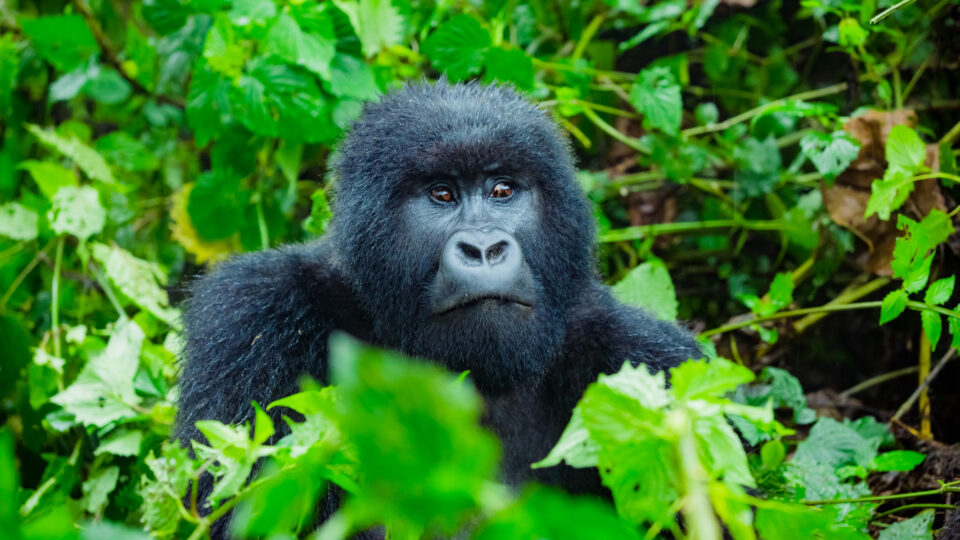
The Living Planet Index | Earth Wise

November 22, 2022 By EarthWise Leave a Comment

The World Wildlife Fund and the Zoological Society of London recently published the latest Living Planet Index, which is designed to measure how animal populations are changing through time.  The purpose is to provide an assessment of the health of ecosystems and the state of biodiversity.

The LPI only looks at the population of vertebrates:  birds, mammals, reptiles, amphibians, and fish.  The latest survey looked at how populations have changed between 1970 and 2018.  The results are that populations of these animal groups have declined by an average of 69% over that 48-year period.

This result highlights a very real and very severe crisis of biodiversity loss.  However, it does not mean that there are 2/3 fewer animals today than 48 years ago.  The way the index is calculated is to look at the changes in individual populations of over 5,000 different species.  Then these individual relative declines are averaged to get the result.  

There are shortcomings in the LPI.  For example, individual species that have seen massive population declines will bring the average down.  But even removing the outliers both of a negative and a positive impact does not dramatically change the result.

There is no perfect indicator for biodiversity and ecosystem health.  The Living Planet Index is nonetheless a useful metric and indicates that many species around the world are in decline.  Policymakers and environmental advocates need to make decisions about conservation and protection measures and this index is one tool they can use.

**********

Web Links

There’s a frightening new report about wildlife declines. But many are getting the story wrong.

Photo, posted October 12, 2019, courtesy of Visit Rwanda via Flickr.

Earth Wise is a production of WAMC Northeast Public Radio

Better Marine Protected Areas | Earth Wise

August 17, 2022 By EarthWise Leave a Comment

Marine protected areas are regions of seas, oceans, estuaries, and in the US, the Great Lakes, that are afforded special protections.  MPAs restrict human activity for conservation purposes, generally in order to protect natural or possibly cultural resources.   MPAs may limit such things as development, fishing practices, fishing seasons, catch limits, moorings, and removal or disruption of marine life.

A new study by the University of Plymouth in the UK looked at the effectiveness of MPAs in increasing the total abundance of reef species.  It looked at the MPAs in Lyme Bay, off the south coast of England, where two of them are co-located but governed by different constraints.

The study found that whole-site management of an MPA can increase the total abundance of reef species within its borders by up to 95%.  This is in contrast to the MPA where only known features are conserved and human activity is otherwise allowed to continue unchecked.  In that place, species abundance increased by only 15%.

The whole-site MPAs were observed to have other benefits as well.   They show higher levels of functional redundancy, meaning that when there are species losses, they are compensated by other species.  Whole-site MPAs also exhibit higher levels of species diversity.

MPAs are increasingly being recognized as a sustainable way to enhance the marine environment even while supporting coastal communities.  The Global Ocean Alliance, a 72-country alliance led by the UK, has set a target of protecting 30% of all marine areas by 2030.  The new study shows that even more important than simply establishing marine protected areas, it is essential that they are effectively implemented.

**********

Web Links

Whole-site management of Marine Protected Areas can lead to a 95% increase in reef species

Photo, posted October 28, 2011, courtesy of Benjamin Evans via Flickr.

Earth Wise is a production of WAMC Northeast Public Radio.

The Sounds Of Coral Reefs | Earth Wise          

June 23, 2022 By EarthWise Leave a Comment

Using AI to analyze coral reef health

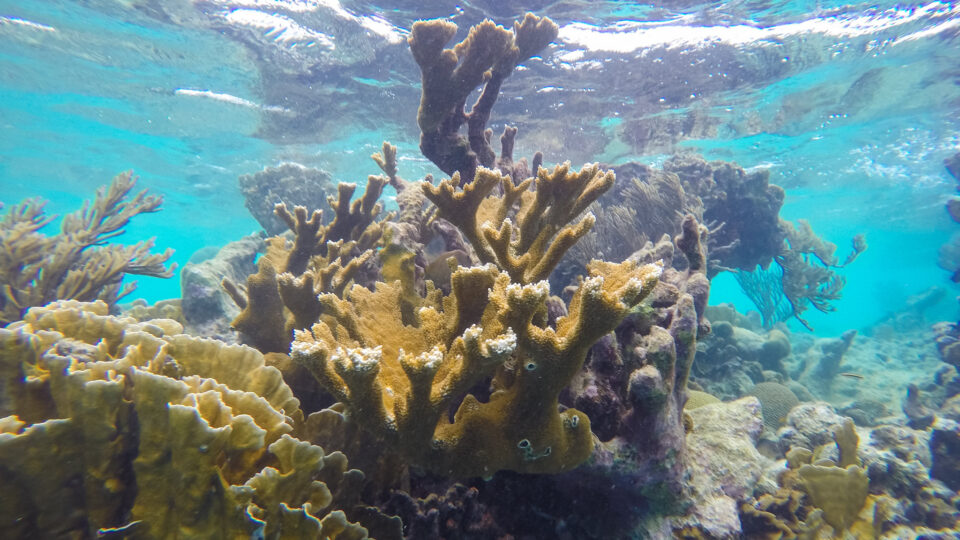
Coral reefs around the world face multiple threats from climate change, pollution, and other impacts of human activity.  Reef conservation and restoration projects must be able to monitor the health of reefs and that is not such a simple matter.  Surveying reefs generally is labor-intensive and time consuming.  But in a new study, scientists at the University of Exeter in the UK have found a new way to do it.

The fish and other creatures living on coral reefs produce a vast range of sounds.  The meaning of these various sounds is for the most part unknown, but reefs nonetheless have distinctive sonic signatures.

The Exeter researchers decided to make use of machine learning technology.  They trained a computer algorithm using multiple recordings of both healthy and degraded coral reefs.  This essentially taught the computer to learn the difference between them.  A computer can pick up patterns that are undetectable to the human year.  This application of artificial intelligence can tell us faster and more accurately how a reef is doing.

The computer was then used to analyze a set of new recordings, and successfully identified reef health 92% of the time.  The team then was able to use this technique to track the progress of reef restoration efforts.

It is generally much cheaper and easier to deploy an underwater hydrophone on a reef and leave it there instead of having expert divers make repeated visits to a reef to survey its status.  Sound recorders and artificial intelligence could be used around the world to monitor the health of coral reefs and determine whether efforts to protect and restore them are working.

**********

Web Links

AI learns coral reef “song”

Photo, posted January 11, 2015, courtesy of Falco Ermert via Flickr.

Earth Wise is a production of WAMC Northeast Public Radio.

Is It Too Late To Save The Vaquita? | Earth Wise

June 6, 2022 By EarthWise Leave a Comment

Can the critically endangered vaquita be saved?

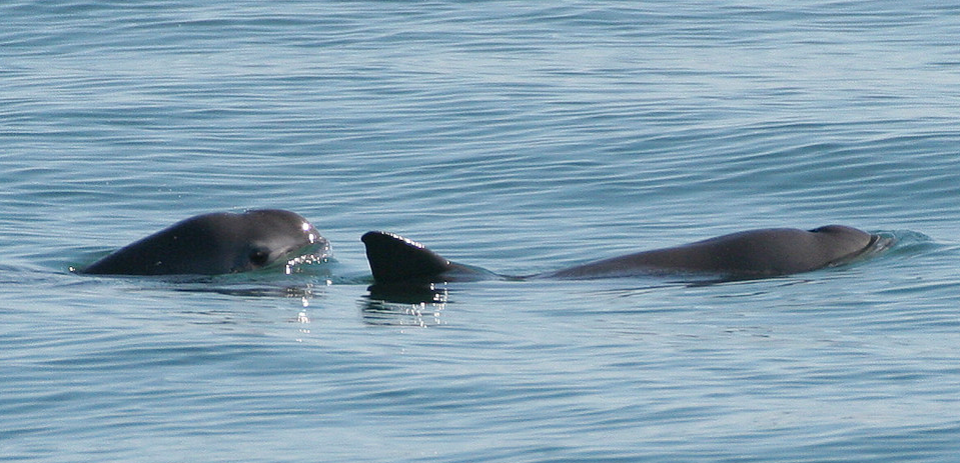
The vaquita porpoise, the world’s smallest marine mammal, is on the brink of extinction.  Scientists estimate that just 10 or fewer vaquitas are left despite international conservation efforts. Found only in Mexico’s Upper Gulf of California, the vaquita is the most endangered marine mammal on the planet. 

According to the International Committee for the Recovery of the Vaquita, the number one threat facing vaquitas is gillnets. The porpoises get trapped in these nets and drown.  Gillnets are often used illegally in the region to catch shrimp and fish, including the critically-endangered totoaba.  The totoaba’s swim bladder is considered a delicacy in Asia and can fetch thousands of dollars.  Despite Mexico banning both totoaba fishing and the use of gillnets in the vaquitas’ habitat, many say the bans are not always enforced.  

But there is a reason to be hopeful.  According to a genetic analysis led by researchers at UCLA, the critically-endangered species actually remains relatively healthy and can potentially survive if illegal fishing practices cease immediately. 

In the study, which was recently published in the journal Science, the research team analyzed the genomes of 20 vaquitas between 1985 and 2017 and ran simulations to predict the species’ extinction risk over the next 50 years.  The researchers concluded that if gillnet fishing ends immediately, the vaquita has a very high chance of recovery.  If the practice continues, however, even moderately, the likelihood of a recovery plummets. 

According to the research team, the surviving vaquitas are actively reproducing and seem healthy.  But poachers’ gillnets will continue to pose an existential threat to the species until more measures are taken to protect the vaquita. 

**********

Web Links

Only 10 vaquita porpoises survive, but species may not be doomed, scientists say

Photo, posted October 18, 2008, courtesy of Paul Olson / NOAA via Flickr.

Earth Wise is a production of WAMC Northeast Public Radio.

Climate Change And Forest Loss | Earth Wise

May 23, 2022 By EarthWise Leave a Comment

India is one of the most biodiverse countries in the world.  An estimated 47,000 plant species and 89,000 animal species can be found in India, with more than 10% of each thought to be on the list of threatened species. 

India is also among the top ten countries in the world in terms of total forest coverage.  According to Indian government data, the total forest and tree cover in India is 312,000 square miles, which is 24.62% of the geographical area of the country.

However, forest loss in India has been a problem for many decades driven largely (researchers thought) by land use change.  But it turns out that climate change may also have been contributing to forest loss, and its impact is projected to become an even bigger problem in the coming years. 

In the first ever national-scale study of the relationship between forest loss and rainfall and temperature trends in India, researchers from the University of Reading in the U.K. found that climate change may have contributed to large declines in forest since the turn of the century.

The study, which was recently published in the journal Global Change Biology, found far greater forest losses were observed where and when the climate was changing most rapidly.  Decreases in rainfall had the strongest impact on forest loss. 

These findings exacerbate concerns about the already-worrying levels of deforestation in the country, and contradict official reports that have shown relatively small decreases in forest coverage in recent years. 

The research team warns that rapid changes to the climate in some regions will require targeted preservation action to reduce the risk to biodiversity in India. 

*********

Web Links

Indian forest loss ‘worse than feared’ due to climate change

Photo, posted January 20, 2013, courtesy of Dicky Broadhurst / Frontier Official via Flickr.

Earth Wise is a production of WAMC Northeast Public Radio.

  • « Go to Previous Page
  • Page 1
  • Page 2
  • Page 3
  • Page 4
  • Interim pages omitted …
  • Page 7
  • Go to Next Page »

Primary Sidebar

Recent Episodes

  • An uninsurable future
  • Clean energy and jobs
  • Insect declines in remote regions
  • Fossil fuel producing nations ignoring climate goals
  • Trouble for clownfishes

WAMC Northeast Public Radio
WAMC/Northeast Public Radio is a regional public radio network serving parts of seven northeastern states (more...)
Copyright © 2026 ·