city
The Delhi Air Pollution Crisis
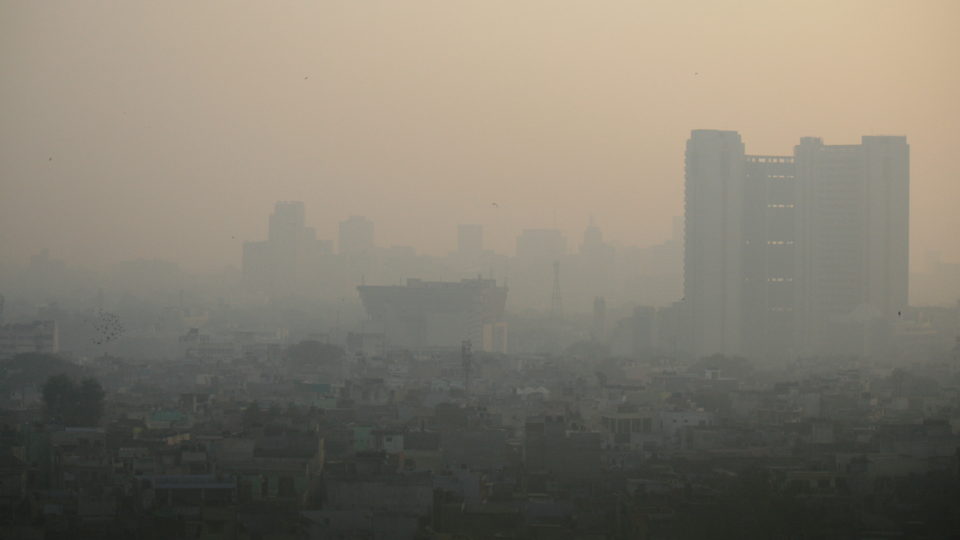
Delhi, the capital city of India, has always been a city bursting at the seams. With over 19 million people, heavy industry, growing numbers of vehicles, and choking amounts of road dust, Delhi suffers from some of the worst air pollution in the world. It is a situation the country has been struggling with for years.
Waste In The Big Apple
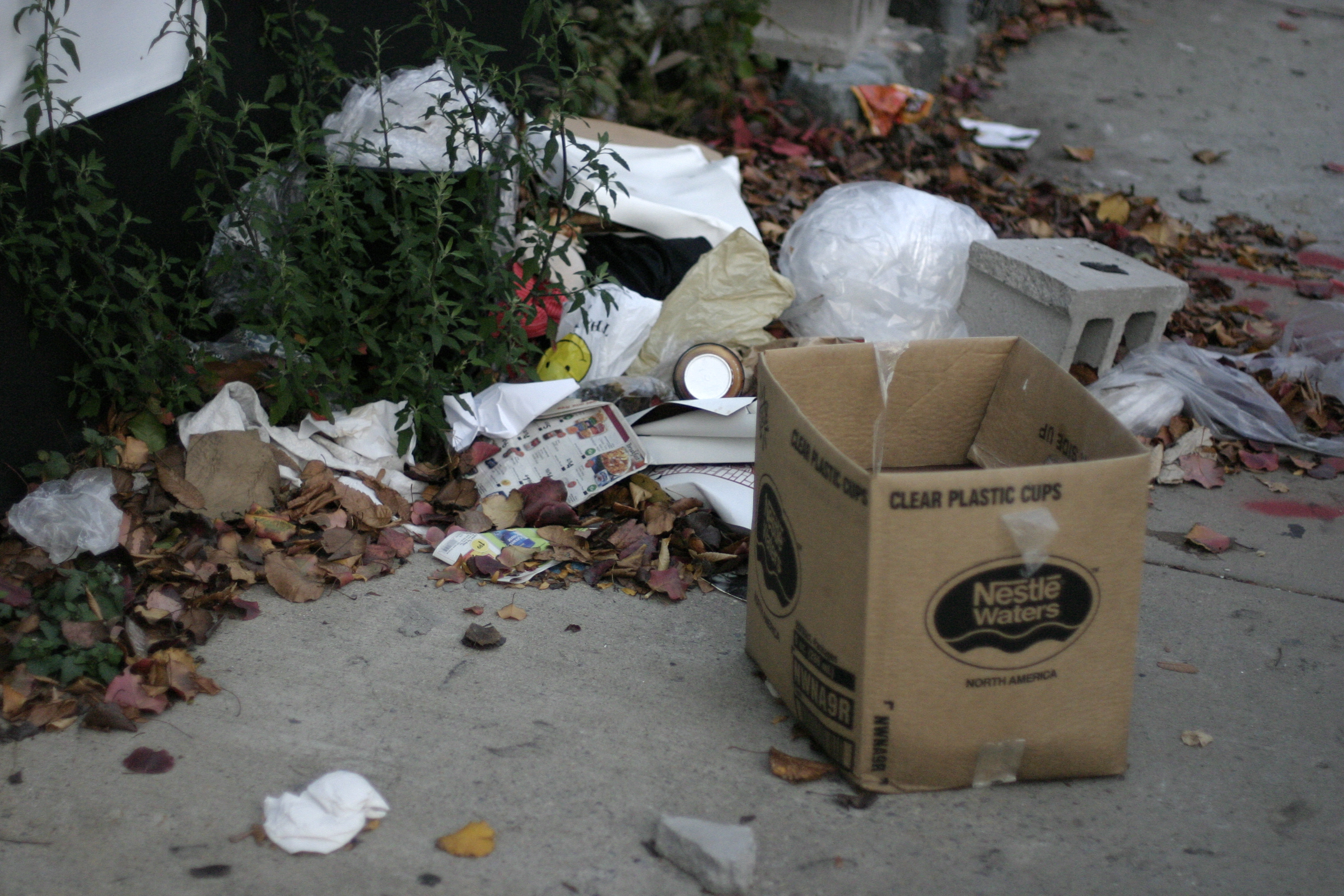
New York City, the financial and cultural center as well as the largest city in the country, is known for a lot of things: skyscrapers, shopping, and pizza immediately come to mind. But we should add another thing to that list. Trash.
Green Steam
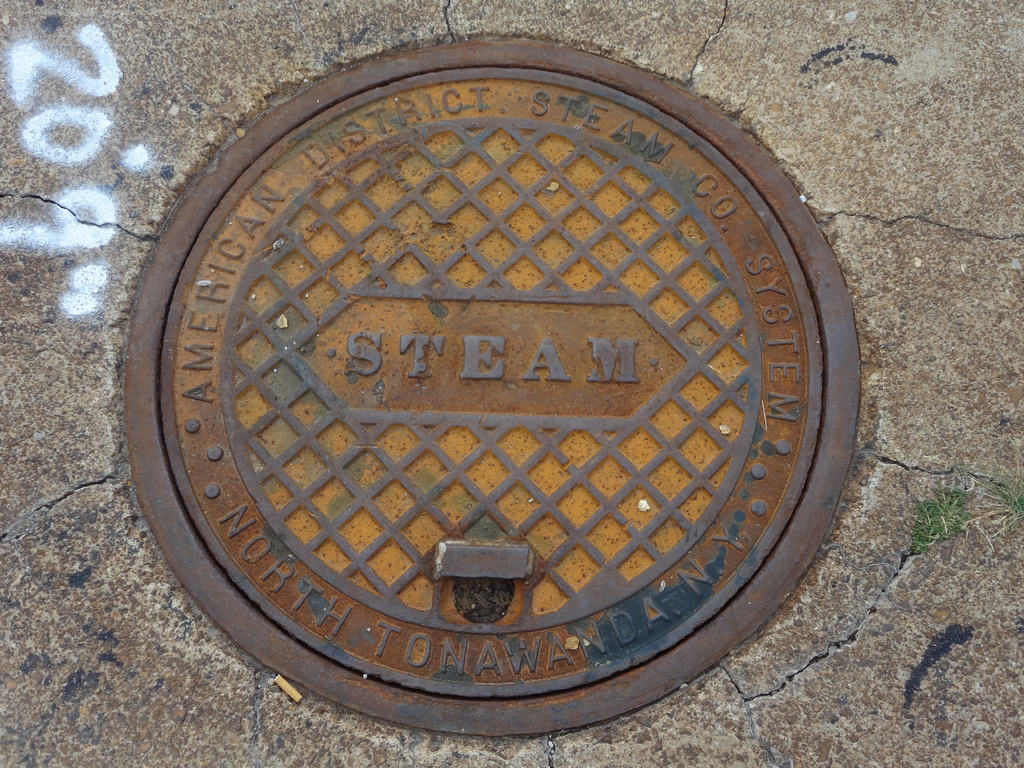
Many of the world’s biggest cities have miles of underground pipes built decades ago that provide district energy. District energy systems use a central plant to produce steam, hot water or chilled water that is then piped underground to individual buildings for space heating, domestic hot water heating and air conditioning. As a result, individual buildings served by a district energy system don’t need their own boilers or furnaces, chillers or air conditioners.
Street Trees Are Good For Us