• Skip to primary navigation
  • Skip to main content
  • Skip to primary sidebar

Earth Wise

A look at our changing environment.

  • Home
  • About Earth Wise
  • Where to Listen
  • All Articles
  • Show Search
Hide Search
You are here: Home / Archives for chile

chile

Megadroughts

February 24, 2025 By EarthWise Leave a Comment

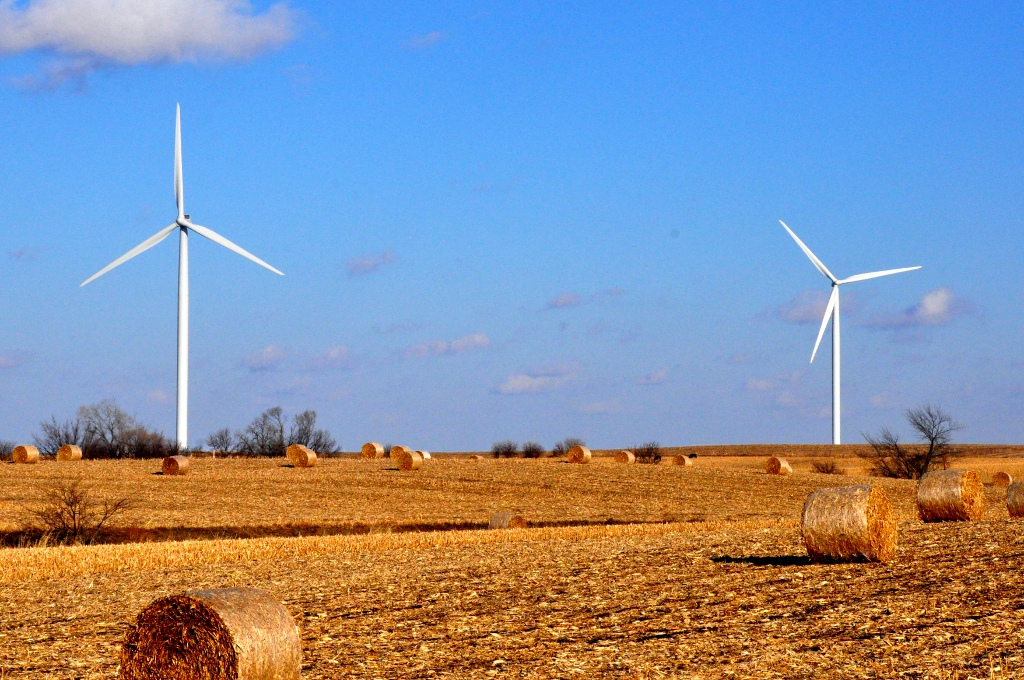
A new study by Swiss and Austrian scientists has found that persistent multi-year droughts have become increasingly common since 1980 and will continue to proliferate as the climate warms.

There are multiple examples in recent years in places ranging from California to Mongolia to Australia.  Fifteen years of persistent megadrought in Chile have nearly dried out the country’s water reserves and even affected Chile’s vital mining output.  These multi-year droughts have triggered acute water crises in vulnerable regions around the world.

Droughts tend to only be noticed when they damage agriculture or visibly affect forests.  An issue explored by the new study is whether megadroughts can be consistently identified and their impact on ecosystems understood.

The researchers analyzed global meteorological data and modeled droughts over a forty-year period beginning in 1980.  They found that multi-year droughts have become longer, more frequent, and more extreme, covering more land.  Every year since 1980, drought-stricken areas have spread by an additional fifty thousand square kilometers on average, an area the size of Vermont and New Hampshire combined. 

The trend of intensifying megadroughts is clearly leading to drier and browner ecosystems.  Tropical forests can offset the effects of drought as long as they have enough water reserves.  However, the long-term effects on the planet and its ecosystems remain largely unknown.  Ultimately, long-term extreme water shortages will result in trees in tropical and boreal regions dying, causing long-term and possibly irreversible damage to these ecosystems.

**********

Web Links

The Megadroughts Are upon Us

Photo, posted January 7, 2018, courtesy of Kathleen via Flickr.

Earth Wise is a production of WAMC Northeast Public Radio
Lithium in Arkansas

November 28, 2024 By EarthWise Leave a Comment

Exploring lithium in Arkansas

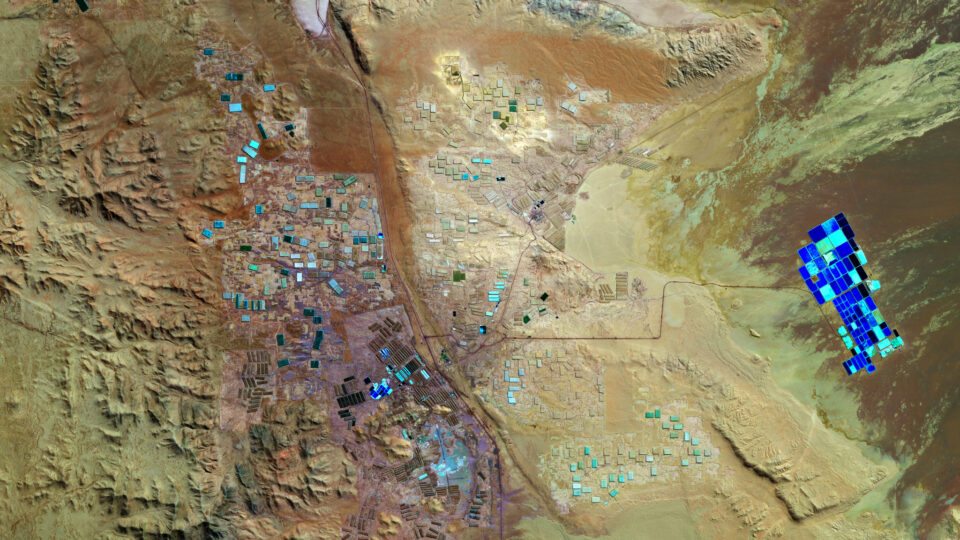
Lithium is the critical raw material in the batteries that power electric cars as well as cell phones, computers, and other gadgets.  The stuff has been nicknamed “white gold” for good reason.  Chile and Australia are the world’s largest producers of the metal, which is mostly extracted from brine in evaporation ponds.  The majority of it is then processed in China.  The energy industry has been increasingly working to produce the raw materials needed to produce lithium-ion batteries in the United States and process those materials domestically.  There are multiple projects at various stages across the country.

Researchers at the US Geological Survey and the Arkansas state government recently announced that they have discovered a vast trove of lithium in an underground brine reservoir in Arkansas.

With a combination of water testing and machine learning, the researchers determined that there could be 5 to as much as 19 million tons of lithium in the geological area called the Smackover Formation.  This is more than enough to meet all the world’s demand for it.

Several companies – including Exxon Mobil, which is covering its bets on the future of oil as an energy source – are developing projects in Arkansas to produce lithium.  If these companies can develop and scale up economical new ways to extract lithium from salty water, the region in Arkansas could become the lithium capital of the world.

Energy and mining companies have produced oil, gas, and other natural resources in the Smackover Formation, which extends from Texas to Florida.  The same brines have long been the source of other valuable substances. 

**********

Web Links

Arkansas May Have Vast Lithium Reserves, Researchers Say

Photo, posted May 22, 2020, courtesy of the European Space Agency via Flickr.

Earth Wise is a production of WAMC Northeast Public Radio
Glaciers in Venezuela

June 24, 2024 By EarthWise Leave a Comment

There are nearly 200,000 glaciers in the world.  About 91% of them are in Antarctica and 8% in Greenland.  The rest are scattered across nearly 50 countries.  The non-polar country with the most glaciers is actually Pakistan, which has over 7,200 of them.  But as the world continues to warm, glaciers are shrinking back, and many are disappearing altogether.

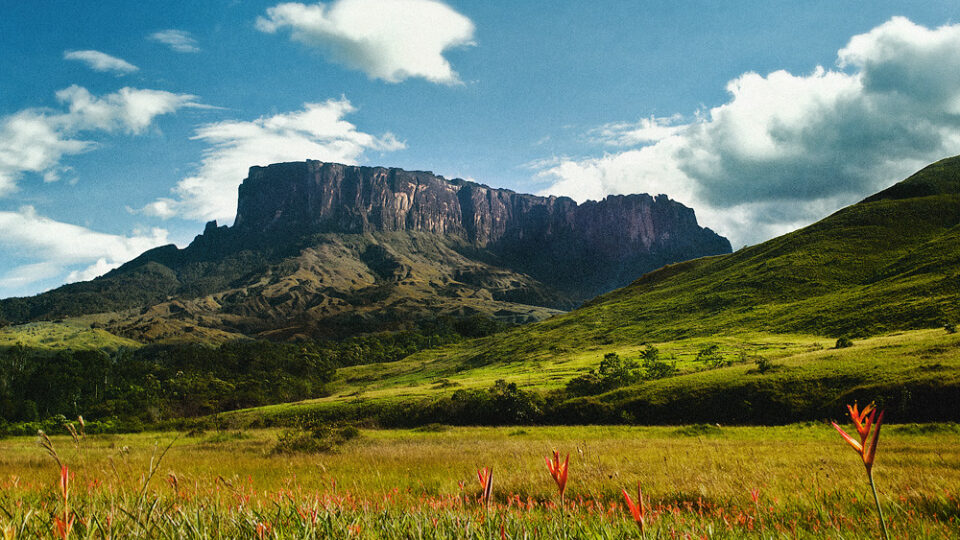
Venezuela, once home to six glaciers, has become the first country in the Americas to lose all of its glaciers.  Slovenia is considered to be the first country to lose its glaciers in modern times, perhaps as long as 30 years ago.  Glacial thawing has been worsening over the past decade throughout the Andes, which cover parts of Colombia, Venezuela, Bolivia, Ecuador, Peru, Chile, and Argentina.

Five of Venezuela’s glaciers had largely melted away by 2011.  The Humboldt glacier, which is on the highest peak in the Cordillera de Mérida mountain range in Venezuela, has now been declared as too small to be classified as a glacier.  It once covered over a thousand acres; it now has less than 5 acres of ice.  The US Geological Survey defines glaciers as ice bodies extending 25 acres or more.

The loss of glaciers in the Andes has serious consequences for communities that live on their slopes and depend upon glacial melt for water and for energy and food production. 

At least 80% of glaciers worldwide are on track to mostly disappear by the year 2100 because of global warming.  Given that previous forecasts estimated that the Humboldt glacier might last another decade, the prospects for the world’s remaining glaciers are not good.

**********

Web Links

Venezuela becomes first nation in the Americas to lose all glaciers

Photo, posted November 11, 2012, courtesy of Tim Snell via Flickr.

Earth Wise is a production of WAMC Northeast Public Radio

Lithium Mining And Andes Ecosystems | Earth Wise

October 28, 2022 By EarthWise Leave a Comment

The global demand for lithium could be an ecological disaster

A remote region in the high Andes straddling the borders between Argentina, Bolivia, and Chile has become known as the Lithium Triangle.   The area has become the focus of a global rush for lithium to make batteries for electric cars.  The global demand for lithium is expected to quadruple by 2030 to 2.6 million tons a year.

According to the U.S. Geological Survey, more than half of the world’s lithium reserves are dissolved in ancient underground water within the Lithium Triangle.  The cheapest way to extract the lithium is to pump the underground water to the surface and evaporate it in the sun to concentrate the lithium carbonate contained in it.

Every ton of lithium carbonate extracted using this cheap, low-tech method dissipates into the air about half a million gallons of water that is vital to the arid high Andes.  The process lowers water tables and has the potential to dry up lakes, wetlands, springs, and rivers.  Hydrologists and conservationists say the lithium rush in Argentina is likely to turn the region’s delicate ecosystems to deserts.

The global drive for green vehicles to fight climate change has the potential to be an ecological disaster in this remote region of South America and for the indigenous people who live there.

The environmental impacts are not an inevitable price for the transition to electric vehicles.  First of all, there are alternatives to lithium.  Both zinc and nickel are potential substitutes in rechargeable batteries.  But, there are also ways of obtaining lithium that are less destructive than evaporating the metal from saline ecosystems.  It is up to battery manufacturers, automakers, and financiers to start demanding lithium from sources that are less environmentally destructive.

**********

Web Links

Why the Rush to Mine Lithium Could Dry Up the High Andes

Photo, posted September 25, 2015, courtesy of Nuno Luciano via Flickr.

Earth Wise is a production of WAMC Northeast Public Radio
The Race For American Lithium Mining | Earth Wise

July 7, 2022 By EarthWise Leave a Comment

A race is underway to source enough lithium to meet the global demand

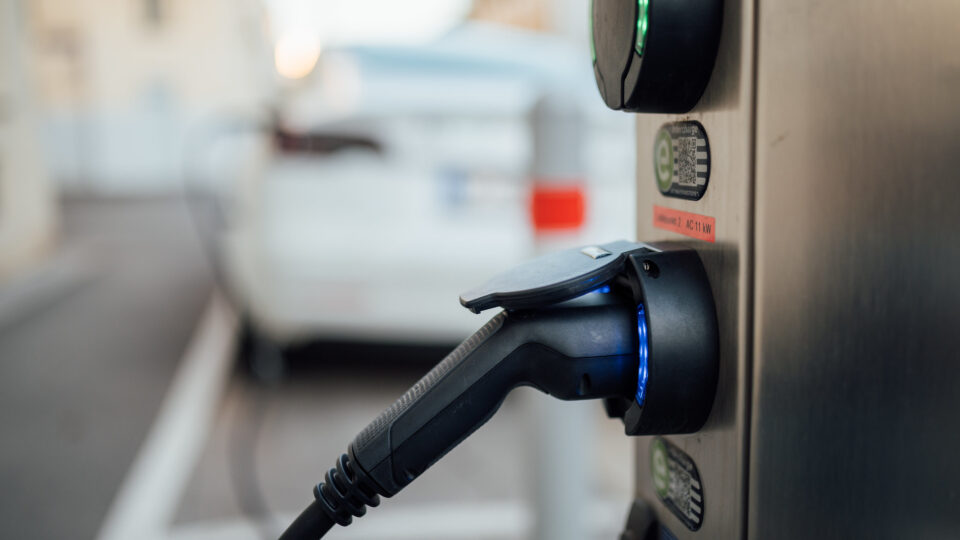
The auto industry is making a massive transition from gas-powered cars to electric cars.  The exploding electric vehicle market has set off what some call a global battery arms race.  Battery manufacturers are urgently trying to source the raw materials needed to make batteries, which presently include cobalt, nickel, graphite, and lithium.  There is encouraging progress in reducing and even eliminating cobalt and nickel from electric car batteries, but so far lithium seems to be essential.

The International Energy Agency has named lithium as the mineral for which there is the fastest growing demand in the world.  Estimates are that if the world is to meet the global climate targets set by the Paris Agreement, at least 40 times more lithium will be needed in 2040 compared with today.

According to the US Geological Survey, the US has about 9 million tons of lithium, which puts it in the top 5 most lithium-rich countries in the world.  Despite this, our country mines and processes only 1% of global lithium output.  Most of the rest comes from China, Chile, and Australia.  Being dependent upon these foreign sources is a serious concern for national security.

There is only one operational lithium mine in the US at present.  Multiple companies are pressing to get more mining projects in operation, including sites in North Carolina and Nevada.  But there are serious environmental problems associated with lithium mining and there is considerable local opposition to establishing the mines.

The US wants to be a leader in the global race to build the batteries that will power the green transition but it is a complicated situation that combines both undeniably important benefits as well as very real dangers.

**********

Web Links

Powering electric cars: the race to mine lithium in America’s backyard

Photo, posted January 18, 2022, courtesy of Ivan Radic via Flickr.

Earth Wise is a production of WAMC Northeast Public Radio.

Tree-Planting Is Not Necessarily A Good Thing | Earth Wise

July 31, 2020 By EarthWise Leave a Comment

Tree planting is not always beneficial

There is no question that forests have a major role in efforts to combat climate change as well as to slow biodiversity loss.   As a result, tree-planting on a massive scale has gained traction as a strategy and there have been major commitments made to plant billions of trees around the world.

A new study at Stanford University has rigorously analyzed the potential effects of these efforts and has found some significant problems.  For example, the Bonn Challenge, which seeks to restore an area of forest more than eight times the size of California over the next 10 years, has 80% of its commitments in the form of  planting monoculture tree plantations or a limited mix of trees that produce fruit and rubber, rather than restoring natural forests.   The problem is that plantations have significantly less potential for carbon sequestration, habitat creation, and erosion control than natural forests.  The potential benefits of the planting dwindle further if planted trees replace natural flora – forests, grasslands, or savannahs – which are ecosystems that have evolved to support local biodiversity.

The study looked at previous policies that created subsidies for planting trees.  Chile’s Decree Law, in effect from 1974 to 2012, has served as a model for similar policies in a number of countries.  Those subsidies further reduced native forest cover by encouraging the establishment of plantations in places where forests might have naturally regenerated.  The subsidies expanded the area covered by trees, but decreased the area of native forests.

The study recommends that nations should design and enforce their forest subsidy policies to avoid undesirable ecological impacts and actually promote the recovery of carbon- and biodiversity-rich ecosystems.

**********

Web Links

Poorly designed tree-planting campaigns could do more harm than good, according to Stanford researcher and others

Photo, posted April 28, 2016, courtesy of the U.S. Department of State via Flickr.

Earth Wise is a production of WAMC Northeast Public Radio.

Electric Buses In Latin America

October 31, 2019 By EarthWise Leave a Comment

Latin America has become increasingly urbanized.  In fact, about 80% of the region’s population lives in cities today and by 2050, that figure could climb to 90%.  Transportation is the largest and fastest-growing source of energy-related emissions in Latin America and accounts for about a third of all of the region’s carbon dioxide emissions. 

Private vehicle ownership is rising in Latin America but at the same time, the region’s rapidly growing cities have increased demand for buses, taxis, and motorcycles.  Currently, an estimated 64,000 people die prematurely every year in Latin America and the Caribbean as a result of air pollution, which is mostly caused by transportation emissions.

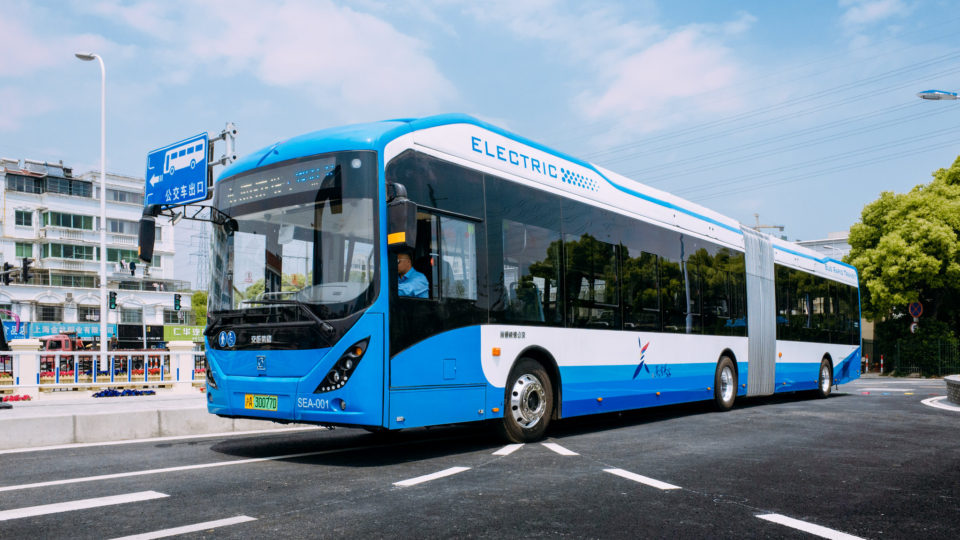
Given this situation, major cities across Latin America – from Colombia to Argentina – are starting to adopt electric bus fleets.   Latin America actually has the highest use of buses per person globally.  So, the transition to electric buses is an important step toward meeting climate targets, cutting fuel costs, and improving air quality.

Medellin, Colombia – whose metropolitan area has 3.7 million people – has started to add electric buses to its fleet, the rest of which runs on natural gas.  When new units arrive from China later this year, Medellin will have the second largest electric bus fleet in Latin America, after Santiago, Chile. 

Worldwide, 425,000 electric buses are in operation, 99% in China.  Europe has a couple of thousand while the United States has only 300.  But going forward, and especially in Latin America, electric buses are the wave of the future.  Estimates are that there will be 1.3 million on the roads by 2040.

**********

Web Links

An Increasingly Urbanized Latin America Turns to Electric Buses

Photo, posted April 22, 2018, courtesy of Hans Johnson via Flickr.

Earth Wise is a production of WAMC Northeast Public Radio.

Listening To Volcanoes

April 2, 2018 By EarthWise Leave a Comment

https://earthwiseradio.org/wp-content/uploads/2018/04/EW-04-02-18-Listening-to-Volcanoes.mp3

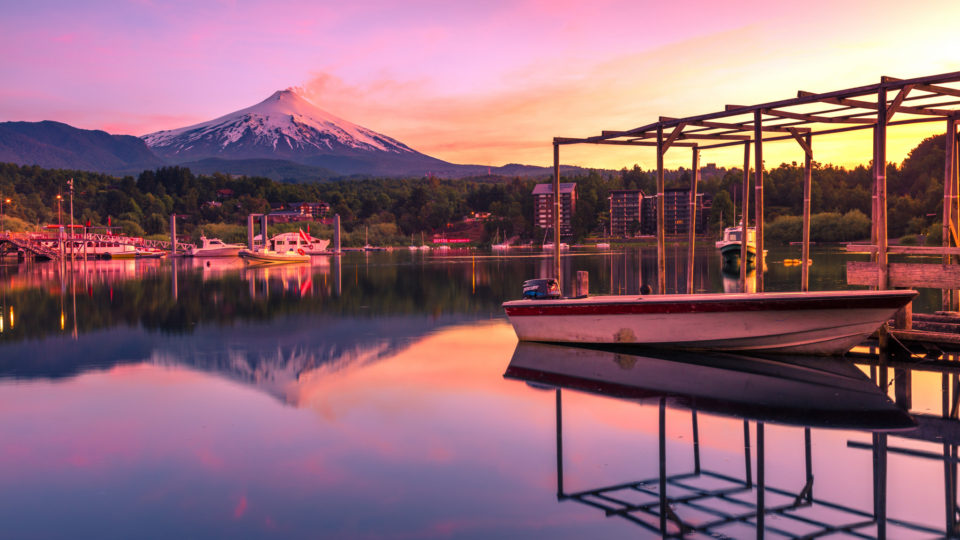
Volcanoes are complicated, and we don’t have universally applicable ways to predict when they might erupt.  Measurements of seismicity, gas emissions and ground deformation are all useful in trying to figure out what volcanoes are up to.  However, it is unlikely that will ever have definitive prediction techniques.

[Read more…] about Listening To Volcanoes

A Giant Solar Thermal Plant For Australia

October 23, 2017 By EarthWise Leave a Comment

https://earthwiseradio.org/wp-content/uploads/2017/10/EW-10-23-17-A-Giant-Solar-Thermal-Plant.mp3

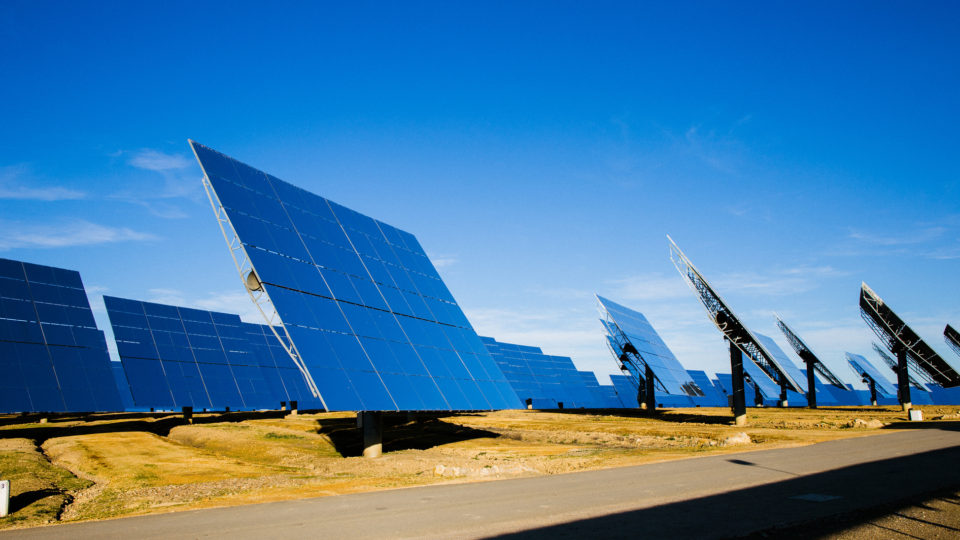
A project planned for sunny South Australia will be the world’s largest single solar thermal power plant when it comes on line in 2020.   The Aurora Solar Energy Project will have a capacity of 150 MW, which is enough to supply 90,000 people with electricity.

[Read more…] about A Giant Solar Thermal Plant For Australia

Super Blooms

September 27, 2017 By EarthWise Leave a Comment

https://earthwiseradio.org/wp-content/uploads/2017/09/EW-09-27-17-Super-Blooms.mp3

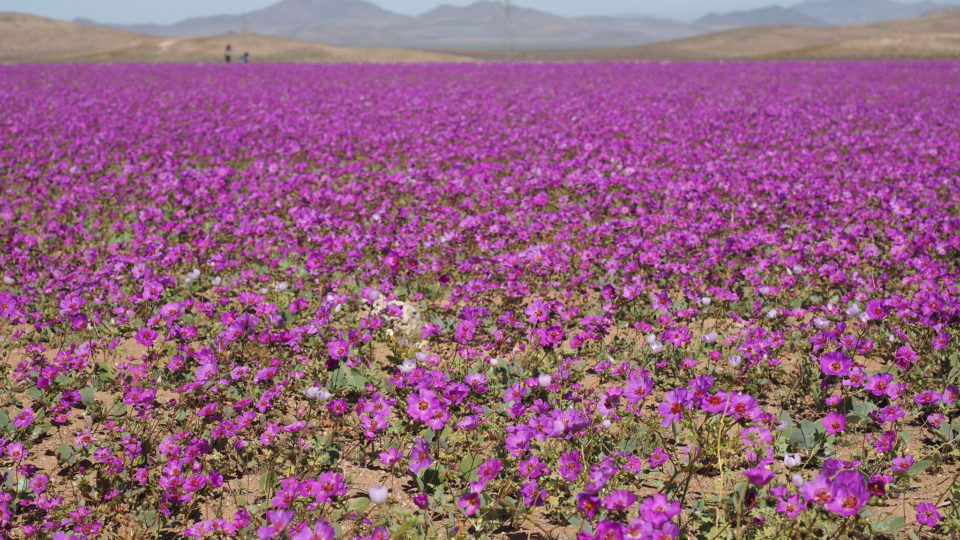
This past August one of the driest regions on Earth transformed from a barren desert to a sea of colorful flowers.  Heavy rains in Chile’s Atacama Desert caused the phenomenon, locally known as the desierto florido or flowering desert.   These things typically only happen every five to seven years, but the previous super bloom actually took place in 2015.

[Read more…] about Super Blooms

Clean Power Is Cheap Power

January 31, 2017 By EarthWise

https://earthwiseradio.org/wp-content/uploads/2017/01/EW-01-31-17-Clean-Power-is-Cheap-Power.mp3

There are many good reasons why we should be making the transition from fossil fuel energy sources but the one that is likely to be the most persuasive is strictly economic.  It has long been said that the renewable energy future will truly arrive when installing new solar panels is cheaper than a comparable investment in coal, natural gas, or other options.

[Read more…] about Clean Power Is Cheap Power

Primary Sidebar

Recent Episodes

  • An uninsurable future
  • Clean energy and jobs
  • Insect declines in remote regions
  • Fossil fuel producing nations ignoring climate goals
  • Trouble for clownfishes

WAMC Northeast Public Radio

WAMC/Northeast Public Radio is a regional public radio network serving parts of seven northeastern states (more...)

Copyright © 2026 ·