• Skip to primary navigation
  • Skip to main content
  • Skip to primary sidebar

Earth Wise

A look at our changing environment.

  • Home
  • About Earth Wise
  • Where to Listen
  • All Articles
  • Show Search
Hide Search
You are here: Home / Archives for brazil

brazil

Super drivers and electric cars

September 12, 2025 By EarthWise Leave a Comment

Adoption of EVs by super drivers could hasten emissions reductions from transportation

The average American driver travels about 13,400 miles a year. The top 10% of drivers average about 40,200 miles a year and account for 35% of the nation’s gasoline use from private light-duty vehicles, meaning cars, SUVs, pickup trucks, vans, and minivans.  Those 21 million Americans alone burn more gasoline than is burned each year in Brazil, Canada, and Russia combined.

These super drivers often live in rural areas and small towns, drive an average of 116 miles each weekday, and typically own vehicles that are larger and less fuel efficient.  Many have long commutes to work because they were pushed out of cities by rising housing prices.  Some are tradespeople who travel from site to site all day in their jobs. 

Given the disproportionate amount of gasoline usage by this small segment of the population, the key to cutting vehicle emissions by adopting electric vehicles may rest with super drivers.  And so far, not many of them have made the transition.

A report by the environmental nonprofit group Coltura contends that getting super drivers to switch to electric cars would lead to a much faster reduction in emissions.

The range of most recent electric cars is sufficient for most super drivers.  The obstacles remaining include availability of convenient charging stations, but that is changing.  Finding the right vehicle might also be a problem, but electric pickup trucks and large SUVs are entering the market. 

The transition to electric vehicles is important for society, and the most active drivers need to take part in it.

**********

Web Links

Are You a Super Driver? Some States Want to Help You Go Electric.

Photo, posted January 9, 2025, courtesy of Phillip Pessar via Flickr.

Earth Wise is a production of WAMC Northeast Public Radio

Record forest loss

July 3, 2025 By EarthWise Leave a Comment

A record amount of forest was lost last year

The world lost a record amount of forests last year.  The biggest factor for the unprecedented losses were wildfires that raged around the world.

According to the annual update by the University of Maryland and the World Resources Institute, pristine rainforests alone lost 17 million acres, which was nearly twice as much as in the previous year.  Overall, the world lost the equivalent of 18 soccer fields of forested land every minute last year.

Over time, agriculture has been the primary cause of forest losses, but last year, for the first time since record-keeping began, fires were the leading cause, accounting for nearly half of all the destruction.

With respect to the climate, wildfires emitted over 4 billion tons of greenhouse gasses, which is more than four times the amount generated by air travel in 2023.

Land clearing for agriculture, cattle farming, and other purposes was by no means in decline last year.  In fact, it rose by 14%, which was the sharpest increase in almost a decade.  This trend could permanently transform critical natural areas, unleashing large amounts of carbon, intensifying climate change, and fueling even more extreme fires.

Forests are a major contributor to the natural storing of carbon dioxide.  Intact tropical forests are especially effective at storing carbon.

Brazil has the largest area of tropical forest and it accounted for 42% of all tropical primary forest loss in 2024.  Fires fueled by the worst drought on record caused two thirds of that loss, more than a sixfold increase over the previous year.

**********

Web Links

Global Forest Loss Hit a Record Last Year as Fires Raged

Photo, posted September 12, 2024, courtesy of the USDA Forest Service via Flickr.

Earth Wise is a production of WAMC Northeast Public Radio

Soaring coffee prices

February 20, 2025 By EarthWise Leave a Comment

Coffee prices are soaring again

Wholesale coffee prices hit record highs in the midst of the Trump administration’s deportation and tariff dispute with Colombia.  But coffee prices have already been trading near 50-year highs for a while as a result of shortages related to extreme weather and increased global demand.

In recent years, repeated droughts and flooding have put pressure on the global supply of coffee.  These climate swings have caused prices to soar, much as they have for other staples like cocoa, olive oil, and orange juice.  All the while, the global demand for coffee has kept rising.

Coffee is one of the world’s most consumed beverages, but it can be grown only under very specific conditions, namely in misty, humid, and tropical climates, and in rich soil free of disease.   The United States imports nearly all of its coffee – there is only a small amount grown in Hawaii.  Otherwise, the US is the world’s largest coffee importer.  With a limited number of sources for the beans, global coffee prices are very susceptible to the effects of extreme weather.

More than half of the world’s coffee production comes from arabica beans, and Brazil is the largest exporter.  A severe drought there this summer devastated the harvest that typically runs from May to September.   In Vietnam, a severe drought followed by heavy rains harmed the world’s largest source of robusta, the second most popular coffee variety.

People tend to think of coffee as a commodity and not so much as an agricultural product, subject to the vagaries of weather and having prices that fluctuate accordingly.  The bottom line is that drinking coffee is likely to become a bigger strain on one’s own bottom line.

**********

Web Links

Why Coffee Prices Are Soaring (Again)

Photo, posted October 13, 2023, courtesy of Pete via Flickr.

Earth Wise is a production of WAMC Northeast Public Radio
South American drought

November 13, 2024 By EarthWise Leave a Comment

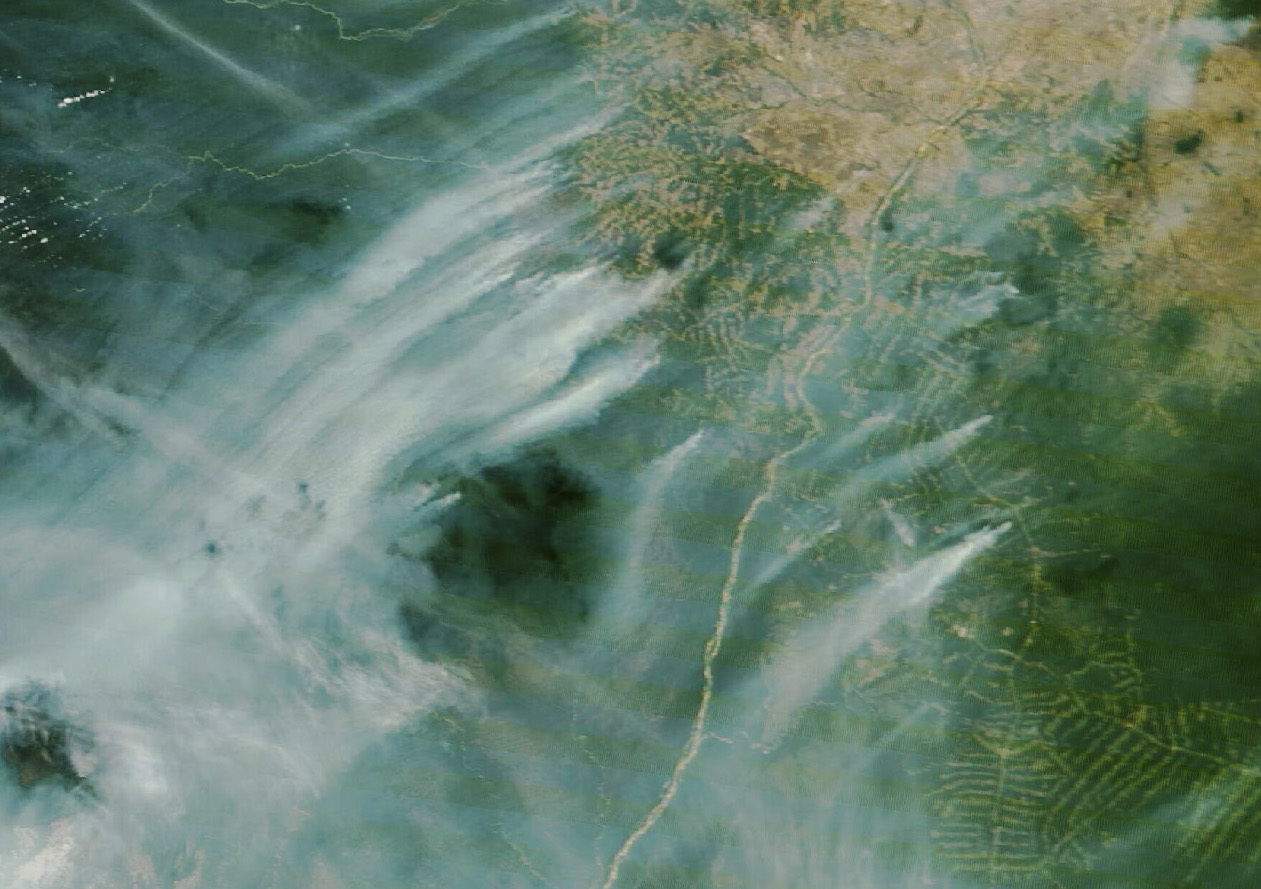
Vast areas of South America have been gripped in drought conditions for months.  Rivers in the Amazon basin fell to record-low levels in October.  The drought has amplified wildfires, parched crops, disrupted transportation networks, and interrupted hydroelectric power generation in parts of Brazil, Bolivia, Colombia, Ecuador, Peru, and Venezuela.

The drought is related to the impact of the El Niño that was present for the latter part of 2023 and the first half of this year.  El Niño typically shifts rainfall patterns in such a way that there is reduced rainfall in the Amazon.  This is especially true during the dry season months of July, August, and September.

Forecasts earlier in the year warned that there would be extreme fire conditions during the dry season.  Indeed, the Pantanal region that spans parts of southern Brazil, Paraguay, and Bolivia has experienced one of its worst fire seasons in decades.  The lack of rainfall, low soil moisture, and drawdowns of groundwater helped to amplify fires and caused them to spread faster and farther.

The drought has strained power supplies in Brazil and Ecuador because hydroelectric power stations are producing less electricity.   Snarled transportation networks with impassible rivers have left some communities struggling to get supplies. 

Brazil’s National Center for Monitoring and Early Warning of Natural Disasters has called the current drought the most intense and widespread Brazil has ever experienced.  Late October saw 293 Brazilian municipalities facing extreme drought.

**********

Web Links

Intense, Widespread Drought Grips South America

Photo, posted August 13, 2010, courtesy of Colm Britton via Flickr.

Earth Wise is a production of WAMC Northeast Public Radio
Climate-smart coffee

August 30, 2024 By EarthWise Leave a Comment

Growing climate-smart coffee

Do you crave that morning cup of coffee?  You’re not alone, and not by a long shot.  In fact, more than 2.2 billion cups of coffee are consumed globally every day. 

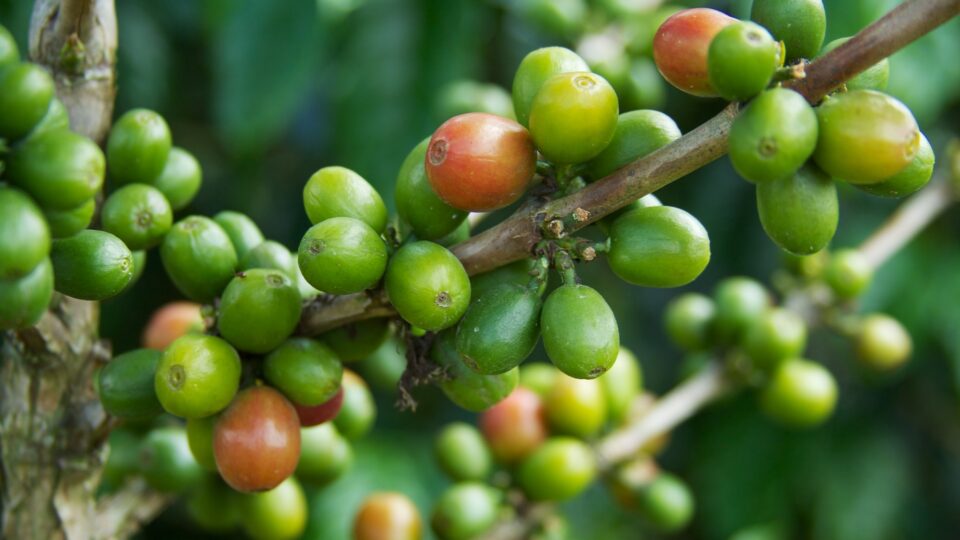
The existing coffee market is dominated by two species: Coffea arabica and Coffea canephora (the latter commonly called robusta).  Historically, coffee drinkers have preferred Arabica beans for their specific flavor and aroma. 

But climate change is threatening many crops around the world, and maybe none more so than coffee.  In fact, an alarming 50% of suitable coffee-growing land is projected to be lost by 2050.  As a result, scientists see two alternatives to supplement Arabica: either adapt coffee farming practices to new environments, or focus on coffee species that are more resilient.

According to a new study led by researchers from the University of Florida, Robusta coffee might be a good candidate to augment Arabica.   The researchers evaluated Robusta and Arabica for multiple traits in three high-altitude locations in Brazil over five years.

The study, which was recently published in the journal Crop Science, found that Robusta is highly adaptable and grows in high-altitude regions, which means it combines good production and flavor scores.  According to the researchers, Robusta can combine the following three elements for coffee cultivars: Sustainability (produce more with fewer inputs), quality (good flavor to meet consumer demand), and plasticity (capacity to adapt to new production systems).

Following these favorable findings with Robusta in Brazil, the scientists will test whether the species can grow in Florida.

**********

Web Links

Robust and smart: Inference on phenotypic plasticity of Coffea canephora reveals adaptation to alternative environments

UF scientists study how to bring you ‘climate-smart coffee’

Photo, posted May 23, 2013, courtesy of McKay Savage via Flickr.

Earth Wise is a production of WAMC Northeast Public Radio
Threats to the Amazon Rainforest

August 1, 2024 By EarthWise Leave a Comment

Brazil has made great progress in reducing deforestation in its Amazon Rainforest.  In 2023, the rate of deforestation in Brazil dropped by 50% over the previous year. This was the result of the efforts by conservation-minded President Luiz da Silva, who replaced Jair Bolsonaro, a big proponent of deforestation.  Da Silva’s government has cracked down on land clearing by farmers and ranchers.

In the first quarter of this year, deforestation decreased by 40% over the previous year’s quarter.   Deforestation levels are the lowest they’ve been in six years, although the amount of forest cleared in the period was still nearly 200 square miles.

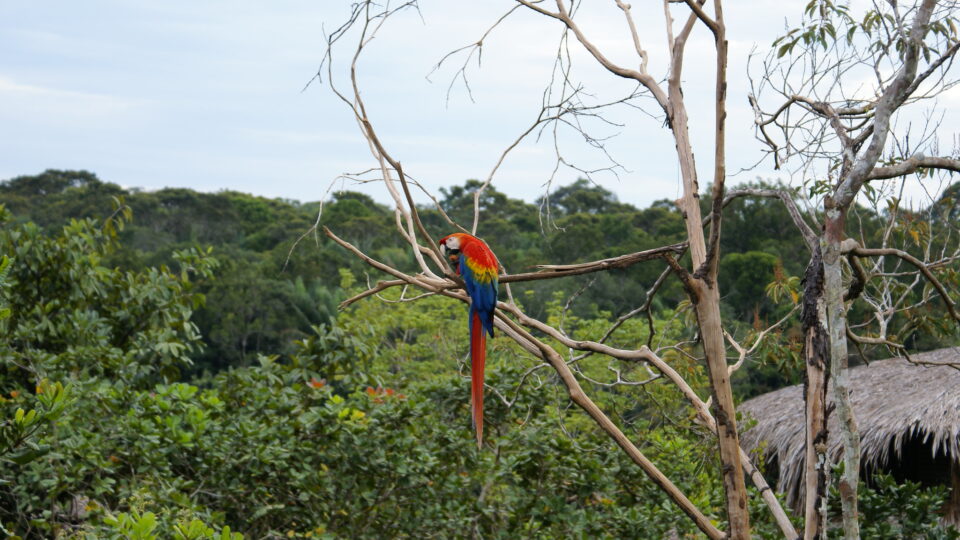
Unfortunately, the Amazon Rainforest is facing another growing threat:  climate change.  Because of pervasive drought and increasing temperatures, the number of wildfires in the region have hit a 20-year high.

According to satellite data from the national space agency, from January through June, Brazil recorded 13,489 wildfires in the Amazon.  That is 61% more fires than during the same period last year.  And the wildfire season has yet to reach its peak, which usually is in August or September.

Many of these fires begin in pastures or recently cleared rainforest, but then spread into the surrounding rainforest areas.  Many are huge fires.  Hundreds of square miles of rainforest have been consumed by fire, comparable in size to the areas deforested by farmers and ranchers.

Going forward, worsening wildfires could reverse the gains being made by the government’s deforestation policies.  This could not only threaten forest protection, but also weaken public support for the government’s commitment to protecting the region.

**********

Web Links

Brazil Is Seeing a Record Number of Wildfires This Year

Photo, posted January 26, 2018, courtesy of Chris Parker via Flickr.

Earth Wise is a production of WAMC Northeast Public Radio
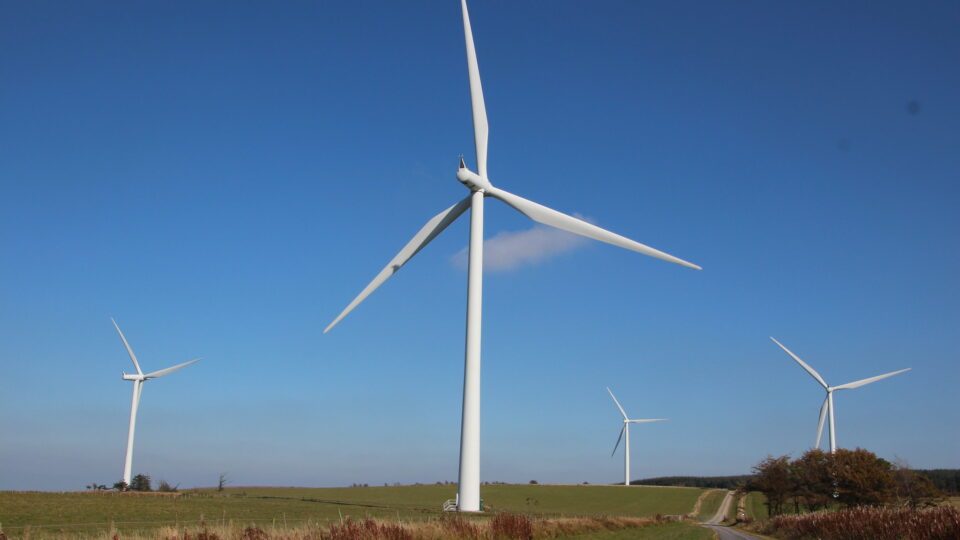
Clean energy investment at record levels

July 26, 2024 By EarthWise Leave a Comment

According to a new study by the International Energy Agency, global clean energy investment will be nearly twice that of fossil fuels this year.  The surging funding for clean energy is being driven by a combination of lower costs for renewable energy and by improving supply chains.

In 2024, the world’s investments in energy are expected to surpass $3 trillion dollars for the first time.  About $2 trillion of that will be directed at green technologies that include renewable power sources, grids, and energy storage; electric vehicles; low-emission fuels; nuclear power; and heat pumps and efficiency improvements.  The remaining amount of just over $1 trillion will fund oil, gas, and oil projects.

The record growth in clean energy investments is taking place in spite of challenging economic conditions related to high interest rates, which demonstrates the momentum behind the global energy transition.

The IEA report does caution that there are big imbalances and shortages in energy investment in various places around the world.  For example, there is a low amount of green energy spending in developing and emerging economies outside of China.  Countries like Brazil and India are leading the way for this sector by having investments in excess of $300 billion.

More money is currently going into solar power development than all other electricity generation technologies combined.  In 2024, solar photovoltaic power investment is set to grow to $500 billion as the falling price of solar modules spurs new investments.

The largest renewable investments will come from China at $675 billion, followed by Europe and the U.S. at $370 billion and $315 billion, respectively.

**********

Web Links

Global Clean Energy Investment Will Nearly Double That of Fossil Fuels in 2024: IEA Report

Photo, posted October 2, 2015, courtesy of John Englart via Flickr.

Earth Wise is a production of WAMC Northeast Public Radio
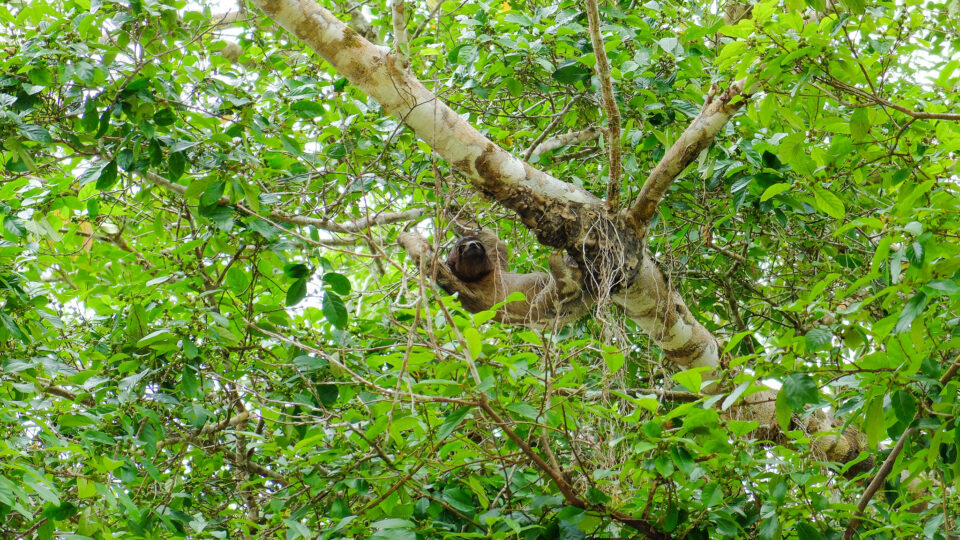
Is the Amazon rainforest nearing a tipping point?

March 12, 2024 By EarthWise Leave a Comment

Is the Amazon rainforest nearing a tipping point?

The Amazon rainforest is the largest rainforest in the world, covering more than 2.5 million square miles.  More than three million species live in the rainforest, which constitutes approximately 10% of the world’s known biodiversity.  The Amazon rainforest’s biodiversity is so rich that scientists are still discovering new species all the time. 

The Amazon rainforest absorbs huge amounts of carbon dioxide from Earth’s atmosphere, making it a key part of mitigating climate change.  But the amount of carbon dioxide absorbed by the Amazon rainforest today is 30% less than it was in the 1990s. 

Deforestation of the Amazon rainforest remains a major problem. Cattle ranching is the leading cause of deforestation, but industrial activities, such as the mining of oil and gas, copper, iron, and gold, are also to blame.

According to a new study recently published in the journal Nature, global warming may be interacting with regional rainfall and deforestation to accelerate forest loss in the Amazon.  In fact, it may be pushing the rainforest towards a partial or total collapse. 

The study, which was led by researchers from Federal University of Santa Catarina in Brazil and the University of Birmingham in the U.K., has identified the potential thresholds of these stressors, and highlighted how their combined effects could produce a tipping point for the Amazon rainforest. 

The findings are important because the Amazon rainforest plays a vital role in the global climate system.  By identifying the most important stressors on the rainforest environment, the researchers hope they can develop a plan to keep the Amazon rainforest resilient.

********** 

Web Links

Is the Amazon forest approaching a tipping point?

Photo, posted July 2, 2017, courtesy of Anna & Michal via Flickr.

Earth Wise is a production of WAMC Northeast Public Radio
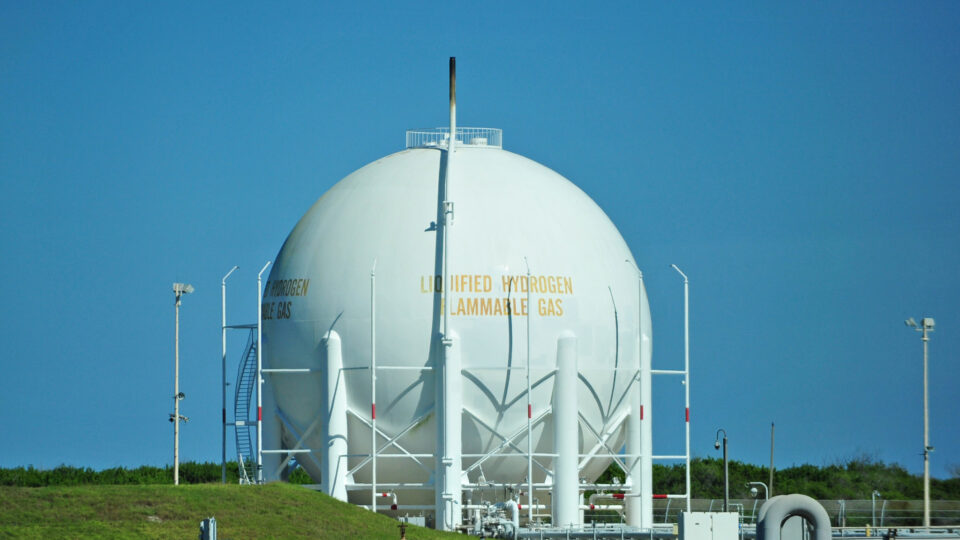
Natural hydrogen

February 26, 2024 By EarthWise Leave a Comment

Natural hydrogen could be a big deal

Hydrogen is considered to be a potential substitute for conventional fossil fuels in applications where electricity cannot easily be used such as in blast furnaces, cement works, industrial heating, long-distance aviation, and shipping.  But most hydrogen is manufactured by separating it from methane, which is energy-intensive and produces carbon dioxide.  So-called green hydrogen is made by splitting water using electricity.  It is a carbon-free process if the electricity is from renewable sources, but it is pretty expensive.

A small community in Mali gets its electricity by burning natural hydrogen, which bubbles up from underground into a village well.  It has long been known that processes in the Earth’s crust can make hydrogen gas from water under certain circumstances.  But conventional wisdom has been that this occurrence is rare and that the hydrogen produced is either inaccessible or seeps away.

An increasing number of geoscientists now are convinced that there is actually an enormous quantity of hydrogen beneath the planet’s surface and that we just haven’t been looking for it in the right places, or at all, for that matter.  Some say that there could be trillions of tons of hydrogen, and more is being generated all the time.

Prospectors have recently been drilling for hydrogen in France, Australia, Morocco, Brazil, and in the United States, in Nebraska, Arizona, and Kansas.  Will extracting natural hydrogen be practical at the scale required and will it be economical?  The jury is still out on all of this, but if it turns out as proponents claim, natural hydrogen could be a very big deal.

**********

Web Links

Natural Hydrogen: A Potential Clean Energy Source Beneath Our Feet

Photo, posted November 4, 2012, courtesy of Heather Paul via Flickr.

Earth Wise is a production of WAMC Northeast Public Radio
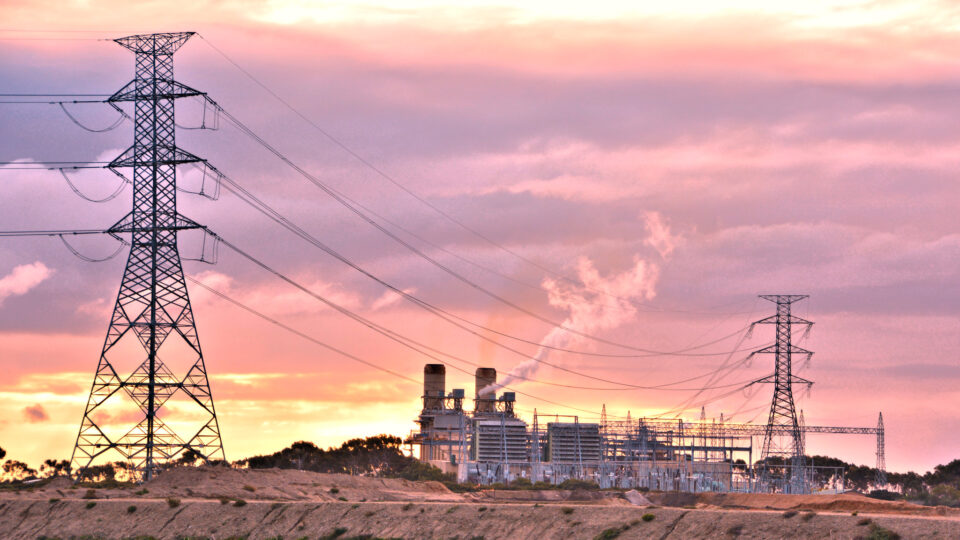
Are we really serious about eliminating fossil fuels?

December 15, 2023 By EarthWise Leave a Comment

Almost all the countries around the world have pledged to take action to reduce planet-warming emissions by expanding the use of renewable energy sources and phasing out fossil fuels.  But very few countries seem to be taking the fossil fuel phase-out seriously.

Almost all the top 20 fossil-fuel producing countries plan to produce more oil, gas, and coal in 2030 than they do today.  Countries are doubling down on fossil fuel production, which will make it virtually impossible to limit global warming to 2 degrees Celsius.

Despite having an administration that takes climate issues very seriously, the United States is now the world’s biggest crude oil producer and is ramping up exports of natural gas.  Brazil, under its environmental champion President da Silva, plans to increase oil production by 63% and more than double its gas output over the next decade.  India, which has promised to expand renewable energy production, will more than double its production of coal by 2030.  Canada, which has a net-zero commitment enacted as law, will boost its oil output by 25% in the next 12 years.  Meanwhile, countries like Saudi Arabia and Russia aren’t even pretending to make the transition away from fossil fuels.

Governments and citizens around the world may be serious about the climate crisis and are taking various actions.  But the world cannot address climate change without tackling its root cause.  The overwhelming force of greed and the power wielded by the fossil fuel industry has created a dynamic that is making real progress nearly impossible as fossil fuels continue to power the world.

**********

Web Links

Coming Soon: More Oil, Gas and Coal

Photo, posted June 22, 2020, courtesy of John Morton via Flickr.

Earth Wise is a production of WAMC Northeast Public Radio
Protecting The Amazon Rainforest | Earth Wise

September 5, 2023 By EarthWise Leave a Comment

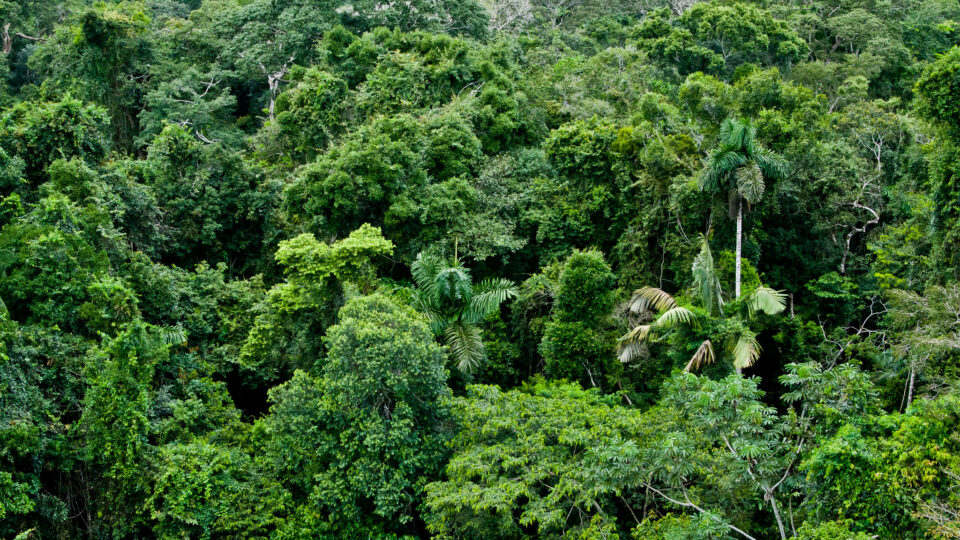
The Amazon rainforest absorbs one-fourth of all the carbon dioxide absorbed by the land of the Earth.  It is by far the world’s largest rainforest, bigger than the next two largest – in the Congo Basin and Indonesia – combined.  Nearly two-thirds of it is found in Brazil but the more than 2 million square miles of rainforest includes portions in 8 countries.

The amount of carbon dioxide absorbed by the Amazon rainforest is 30% less today than it was in the 1990s as a result of deforestation, to a great extent driven by cattle ranching as well as other agricultural activities.

In early August, the leaders of the eight countries that are home to the Amazon River basin agreed to work together to conserve the rainforest.  The agreement, called the Belém Declaration, provides a roadmap to stave off the rampant deforestation. 

The agreement provides coordination between the countries of Bolivia, Brazil, Colombia, Ecuador, Guyana, Peru, Suriname, and Venezuela to establish law enforcement to combat illegal mining and logging as well as to pool development funds for conservation and sustainable employment.  Despite the unity portrayed at the meeting, many of the governments in South America are in a precarious position because of various economic and political struggles

Apart from its critical climate impact, the Amazon rainforest is a haven for biodiversity and further deforestation would be disastrous for tens of thousands of species and could transform it into a net emitter rather than absorber of greenhouse gases.  Some parts of the region have already reached that point.

**********

Web Links

Amazon Countries, Led by Brazil, Sign a Rainforest Pact

Photo, posted October 17, 2016, courtesy of Yeoboya via Flickr.

Earth Wise is a production of WAMC Northeast Public Radio
Cutting Deforestation | Earth Wise

August 10, 2023 By EarthWise Leave a Comment

Reducing deforestation

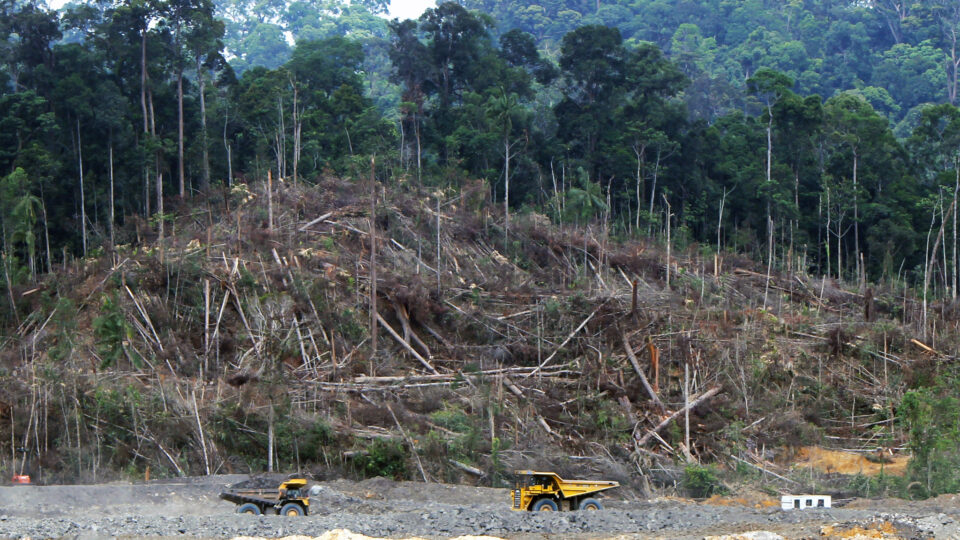
Deforestation is a major contributor to climate change because the destruction of tropical rainforests worldwide eliminates a crucial natural sink for carbon.  Between 2015 and 2020, roughly 39,000 square miles of forest were cut down, an area about 70% the size of the entire state of New York.  In many places, such as the Amazon and Congo Basins, deforestation continues to accelerate.  In Bolivia, deforestation rose 59% over the past five years; in Ghana, the rise was 71%.

A new report from the World Resources Institute revealed one bright spot in the deforestation story:  both Indonesia and Malaysia have cut deforestation by more than half in recent years.  The two countries have managed to keep rates of primary forest loss to near record-low levels.

Over the past five years, Indonesia saw a 64% decline and Malaysia a 57% decline in deforestation.  Indonesia is the second largest source of deforestation with only Brazil removing more trees.

Indonesia has a national goal of having its forests absorb more carbon than they release by 2030.  They have moved to curb logging and limit the clearing of land for palm oil plantations.  They have also ramped up efforts to suppress forest fires.

It is good that Indonesia and Malaysia and some other countries have shown progress in reducing forest loss.  However, too many other countries have seen continued activities and policies that are causing acceleration of deforestation in critical areas.  Protecting forests is an important part of the effort to mitigate the effects of climate change.  Preserving forests also is essential for protecting the people and the biodiversity that depend on them.

**********

Web Links

Indonesia, Malaysia Have Cut Deforestation in Half in Last Half-Decade

Photo, posted March 22, 2021, courtesy EPJT Tours via of Flickr.

Earth Wise is a production of WAMC Northeast Public Radio
Reducing Cattle-Driven Deforestation | Earth Wise

June 14, 2023 By EarthWise Leave a Comment

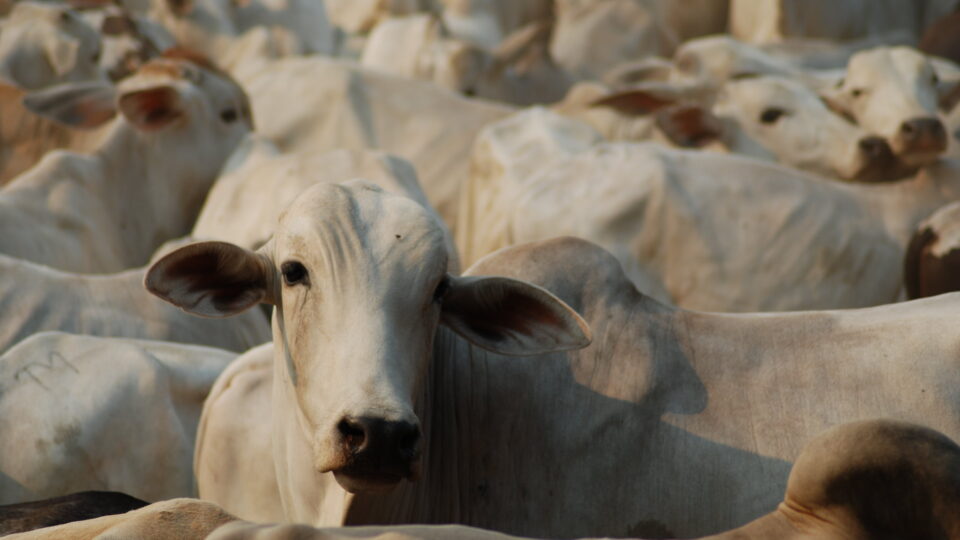
The Amazon rainforest is the biggest rainforest in the world, larger than the next two biggest combined.  It covers more than three million square miles, roughly the size of the lower 48 states.  The Amazon functions as a critical sink for carbon in the atmosphere.

However, human activity has removed more than 10% of the vegetation from the Amazon rainforest since the 1960s.  Cattle ranching accounts for roughly 70% of Amazon deforestation – much of which is illegal.   

According to a study recently published in the journal Global Environmental Change, companies’ ‘zero-deforestation’ commitments could reduce cattle-driven deforestation in the Brazilian Amazon by 50%.   Better adoption and implementation of company supply chain policies for Brazilian beef and leather could significantly reduce carbon emissions. 

Between 2010 and 2018, some of the world’s largest slaughterhouses reduced cattle-driven deforestation by 15% through their commitment to zero-deforestation policies.  If these policies were fully implemented and adopted across all cattle companies operating in the Amazon, more than 9,200 square miles of forest could have been spared over the same time period, effectively halving the cattle-driven deforestation in Brazil.  

Zero-deforestation commitments currently cover 82% of beef exported from the Brazilian Amazon for trade internationally.  However, a large amount of beef production destined for Brazil’s domestic markets is not covered.

The researchers say a mix of interventions by both the private and public sector is needed to improve cattle-rearing practices and help reduce deforestation in countries like Brazil.

**********

Web Links

Companies’ zero-deforestation commitments have potential to halve cattle-driven deforestation in Brazilian Amazon

Photo, posted January 17, 2011, courtesy of Kelly Sato via Flickr.

Earth Wise is a production of WAMC Northeast Public Radio
Sea Level Rise And Global Security | Earth Wise

March 22, 2023 By EarthWise Leave a Comment

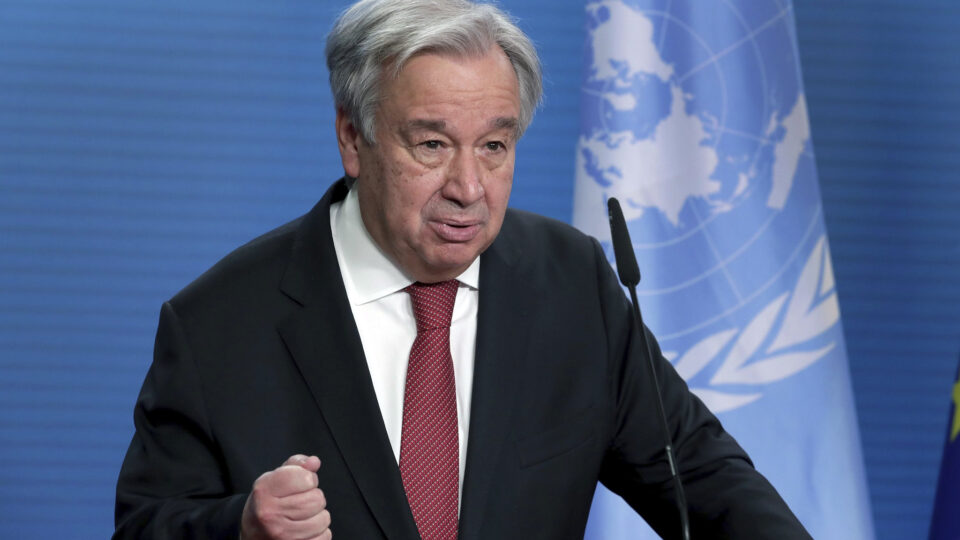
Recently, United Nations General Secretary Antonio Guterres addressed the U.N. Security Council on the issue of the security threats created by rising sea levels. In the past, some members of the Security Council – notably Brazil, China, Russia, and at times, India – have argued that the U.N.’s climate program should address such issues and that the Security Council doesn’t have a mandate or the expertise to consider the issue.   The underlying problem is that by addressing the security issues created by rising seas, other sensitive geopolitical issues might come to the forefront.

Guterres’ speech focused on the real possibility that rising seas could disrupt and destabilize global societies unless there is an organized international effort to get ahead of the problem.  Major cities facing serious impacts from rising seas include Cairo, Lagos, Bangkok, Jakarta, Mumbai, Shanghai, Copenhagen, London, Los Angeles, New York, and Buenos Aires, among others.

In all, Guterres said that the danger is most acute for about 900 million people living in low-lying coastal areas.  Some countries, particularly small island developing countries, could disappear entirely.

The world is already facing refugee crises related to politics, warfare, and extreme weather.  The flood of refugees created by rising seas could be biblical in magnitude.

The confluence of climate change and global security is growing steadily.  As the global body primarily responsible for maintaining international peace and security, the U.N. Security Council cannot duck this issue much longer.  It has a critical role to play in building the political will required to address the security challenges looming from rising seas.

**********

Web Links

Sea Level Rise Could Drive 1 in 10 People from Their Homes, with Dangerous Implications for International Peace, UN Secretary General Warns

Photo, posted July 19, 2021, courtesy of Face of the World via Flickr.

Earth Wise is a production of WAMC Northeast Public Radio

Rainforest Promises | Earth Wise

December 23, 2022 By EarthWise Leave a Comment

Rainforest promises in Brazil

The recent UN climate summit in Sharm el Sheikh, Egypt brought with it lots of pledges for action.   Among them was a promise from the three countries that are home to more than half of the world’s tropical rainforests to try to do something to protect them.

The ministers of Brazil, Indonesia, and the Democratic Republic of Congo signed an agreement pledging cooperation on sustainable management and conservation, restoration of critical ecosystems, and creation of economies that would ensure the health of both their people and their forests.

The plan has no financial backing of its own.  The countries are pledging to work together to establish a funding mechanism that could help to preserve the tropical forests that both help regulate the Earth’s climate and sustain a wide range of animals, plants, birds, and insects.

That such an agreement has come about at all is a result of the election of Luiz Lula da Silva as Brazilian president, replacing Jair Bolsonaro, who was famously an opponent of any and all environmental conservation or protections.  President Lula addressed the attendees of the climate summit promising that “Brazil is back.”   He described his country as having been in a cocoon for the past four years under his predecessor.  He declared that going forward, Brazil will be a force to combat climate change.  Given the importance of the Amazon rainforest, that is critical for the success of the world’s efforts.

Like all other issues on the table at the climate summit, the real challenge is not to come up with meaningful pledges on climate action, it is to be able to follow through on those pledges.  If past summits are any indication, that is not an easy task.

**********

Web Links

Brazil, Indonesia and Congo Sign Rainforest Protection Pact

Photo, posted September 15, 2013, courtesy of Moises Silva Lima via Flickr.

Earth Wise is a production of WAMC Northeast Public Radio
Deforestation-Free Pledges | Earth Wise

December 12, 2022 By EarthWise Leave a Comment

Deforestation pledges are not enough

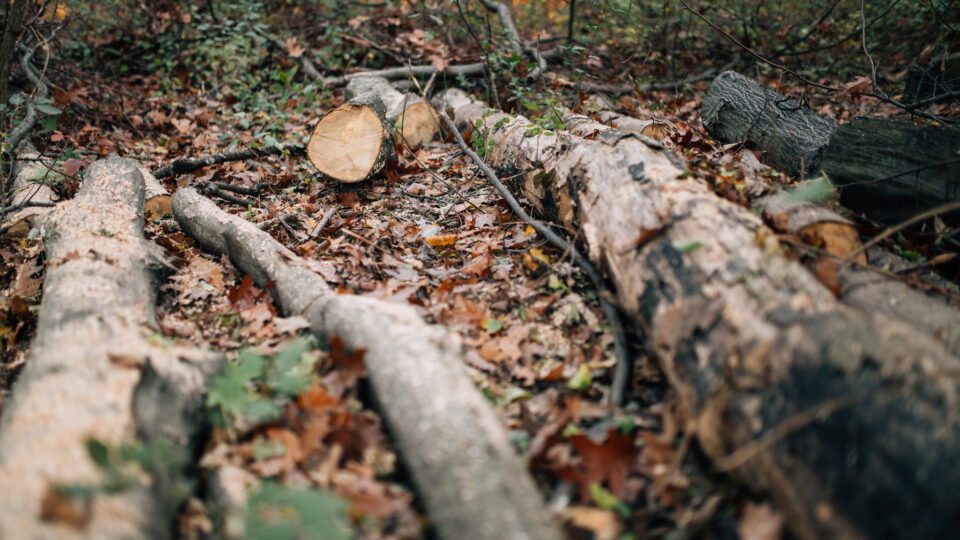
Deforestation is the purposeful clearing of forested land. Forests are cut down to make space for animal grazing, agriculture, and to obtain wood for fuel, manufacturing, and construction. Deforestation has greatly altered landscapes around the world and continues to do so today. 

Deforestation is the second largest contributor to global greenhouse gas emissions, trailing only fossil fuel use. Deforestation can lead to all sorts of problems, including biodiversity loss, soil erosion, desertification, and flooding.  Deforestation also threatens peoples’ livelihoods and increases inequality and conflict.

As a result, many companies around the world have made pledges to remove deforestation from their supply chains.  In fact, more than 94 companies had adopted zero-deforestation commitments by 2021.  But while these companies are talking the talk, they don’t seem to be walking the walk. 

According to a new study recently published in the journal Environmental Research Letters, companies’ deforestation-free supply chain pledges have barely impacted forest clearance in the Amazon. 

The research team from the University of Cambridge, Boston University, ETH Zurich, and New York University found corporate pledges to not purchase soybeans grown on land deforested after 2006 have only reduced tree clearance in the Brazilian Amazon by 1.6% between 2006 and 2015.  The researchers found that if these pledges had been implemented, the current levels of deforestation in Brazil could be reduced by approximately 40%.  

According to the research team, the findings of the study indicate that private sector efforts are not enough to stop deforestation. Political leadership will also be vital to forest conservation efforts.

**********

Web Links

Companies’ ‘deforestation-free’ supply chain pledges have barely impacted forest clearance in the Amazon, researchers say

Photo, posted November 18, 2020, courtesy of Ivan Radic via Flickr.

Earth Wise is a production of WAMC Northeast Public Radio
Decreasing Forest Area Per Capita | Earth Wise

September 7, 2022 By EarthWise Leave a Comment

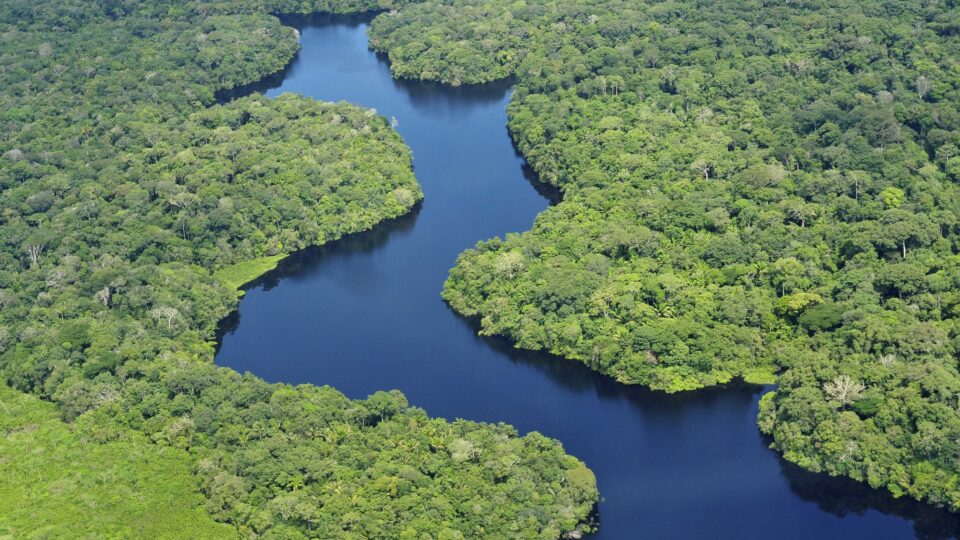
Over the past 60 years, global forest area has decreased by 315,000 square miles, an area about twice the size of California. Combined with global population growth over that period, this has resulted in more than a 60% decline in global forest area per capita.

The continuous loss as well as degradation of forest affects the integrity of forest ecosystems and reduces their ability to generate and provide essential services and sustain biodiversity.  It impacts the lives of at least 1.6 billion people worldwide – primarily in developing countries – who depend upon forests in multiple ways.

According to the new study published in the journal Environmental Research Letters, forest losses have been occurring primarily in lower-income countries in the tropics while forest gains have occurred in higher-income countries in the mid-latitudes or extratropics. 

More than half of the world’s forest losses were in Brazil, home to the Amazon rainforest.  In the past 60 years, that country has had a net loss of 170,000 square miles of forest.  While most high-income countries had net forest gains, Canada actually had a net loss of about 11,000 square miles of forest.

Economic growth has a stronger association with net forest gain than with net forest loss.  Therefore, the study highlights the need to strengthen the support given to lower income countries, especially in the tropics, to help improve their capacity to minimize or curtail their forest losses.  To help address this ongoing displacement of forest losses to lower income countries, higher-income nations need to reduce their dependence on imported tropic forest products.

**********

Web Links

New study finds global forest area per capita has decreased by over 60%

Photo, posted April 19, 2011, courtesy of ©2011CIAT/NeilPalmer via Flickr.

Earth Wise is a production of WAMC Northeast Public Radio.

Climate Change And Crops | Earth Wise

December 22, 2021 By EarthWise Leave a Comment

Climate change will impact yield of food crops

A new NASA study published in the journal Nature Food looks at the impact of global climate change on food crops.  According to the study, declines in global crop yields are likely to become apparent by 2030 if high greenhouse gas emissions continue.

The study used advanced climate and agriculture models to predict the effects of projected increases in temperature, shifts in rainfall patterns, and elevated surface carbon dioxide concentrations from human-caused greenhouse gas emissions.

These climate changes would make it more difficult to grow corn in the tropics but would actually expand wheat’s growing range.  The reduction in corn yields could be as much as 24% by late in the century.   Corn Is grown all over the world and large quantities are produced in countries nearer to the equator.  As temperatures rise in countries such as the US, Brazil, and China, yields are likely to decline because of the increased stress on the plants.

Wheat, which grows best in temperate climates may see a broader area where it can be grown as temperatures rise, but these gains are likely to level off by mid-century.

Rising temperature is not the only factor influencing crop yields.  Rising carbon dioxide levels have a positive effect on photosynthesis and therefore on crop yields, especially for wheat.  But changing rainfall patterns and rising temperatures can affect the length of growing seasons and accelerate crop maturity.  This can result in the production of less grain than in a longer development period.

The changing climate has complicated effects on the growth of breadbasket crops and will be felt worldwide.

**********

Web Links

Global Climate Change Impact on Crops Expected Within 10 Years, NASA Study Finds

Photo, posted September 8, 2004, courtesy of Lynn Ketchum/Oregon State University via Flickr.

Earth Wise is a production of WAMC Northeast Public Radio.

The Importance Of Double-Cropping | Earth Wise

July 28, 2021 By EarthWise Leave a Comment

Double-cropping is important to feed a growing global population

In agriculture, double-cropping is the practice of growing two or more crops or commodities on the same piece of land in the same calendar year.  In Brazil, grain production has increased more than fourfold between 1980 and 2016.  The country now stands as the world’s largest exporter of soybeans and the second largest exporter of corn.  There were two primary drivers of this increase in food production: cropland expansion and double-cropping. 

Cropland expansion has long been recognized as a key driver behind the increase in Brazil’s agricultural output.  But cropland expansion is also a threat to biodiversity by driving habitat loss, deforestation, and an increase in carbon emissions. 

A new study recently published in the journal Nature Food quantified for the first time the impact that double-cropping had on helping Brazil achieve its tremendous growth in grain production.  The international research team examined data from three key agricultural regions in Brazil: the Centre-West, Southeast-South, and Matopiba region.  These three regions accounted for 79% of soybean production and 85% of  corn production in 2016. 

Soybean fields account for more than one third of Brazil’s cropland.  While the increase in soybean production was largely a result of cropland expansion, the increase in corn production was a result of double-cropping. 

Between 2003 and 2016, the study found that double-cropping in Brazil offset the equivalent of approximately 190 million acres of arable land for corn production. (This is more than twice the annual harvested area of corn in the United States).

Double-cropping represents a way to produce more food without clearing more land. 

**********

Web Links

The impact of double-cropping

Photo, posted July 15, 2009, courtesy of Daniel Bauer via Flickr.

Earth Wise is a production of WAMC Northeast Public Radio.

Saving The Queen Conch | Earth Wise

February 3, 2021 By EarthWise Leave a Comment

A new manual to help save Queen Conch

Queen conchs are large sea snails belonging to the same taxonomic group as clams, oysters, and squid.  They live on coral reefs or seagrass meadows in warm, shallow waters.  Queen conchs are found throughout the Caribbean Sea and Gulf of Mexico, ranging as far north as Bermuda and as far south as Brazil.

Reaching up to 12” long and living up to 40 years, the queen conch is prized as a delicacy and revered for its shell.  It’s the second most important sea-bottom fishery in the Caribbean region, trailing only the spiny lobster. 

But queen conchs face a challenge.  Their populations are in a steady rate of decline as a result of overfishing, habitat degradation, and hurricane damage.  In some places, the numbers are so low that remaining conchs cannot find breeding partners.  The situation is urgent from both an ecological and economical perspective. 

As a result, Megan Davis, a scientist from Florida Atlantic University who spent more than four decades researching queen conch, has released an 80-page, step-by-step user manual about how to care for the species. Her work was recently published in the National Shellfisheries Association’s Journal of Shellfish Research.

According to Davis, aquaculture, along with conservation of breeding populations and fishery management, are ways to help ensure longevity of the queen conch.  With requests for mariculture guidance pouring in from communities throughout the Caribbean, Davis and her collaborators are expanding their queen conch conservation, education, and restorative mariculture program.

Their desired outcomes include creating protected breeding areas, establishing sustainable hatcheries, and repopulating protected habitats.

**********

Web Links

‘Hail to the queen’: Saving the Caribbean queen conch

Photo, posted June 3, 2012, courtesy of Christopher Gonzalez via Flickr.

Earth Wise is a production of WAMC Northeast Public Radio.

  • Page 1
  • Page 2
  • Go to Next Page »

Primary Sidebar

Recent Episodes

  • An uninsurable future
  • Clean energy and jobs
  • Insect declines in remote regions
  • Fossil fuel producing nations ignoring climate goals
  • Trouble for clownfishes

WAMC Northeast Public Radio
WAMC/Northeast Public Radio is a regional public radio network serving parts of seven northeastern states (more...)
Copyright © 2026 ·