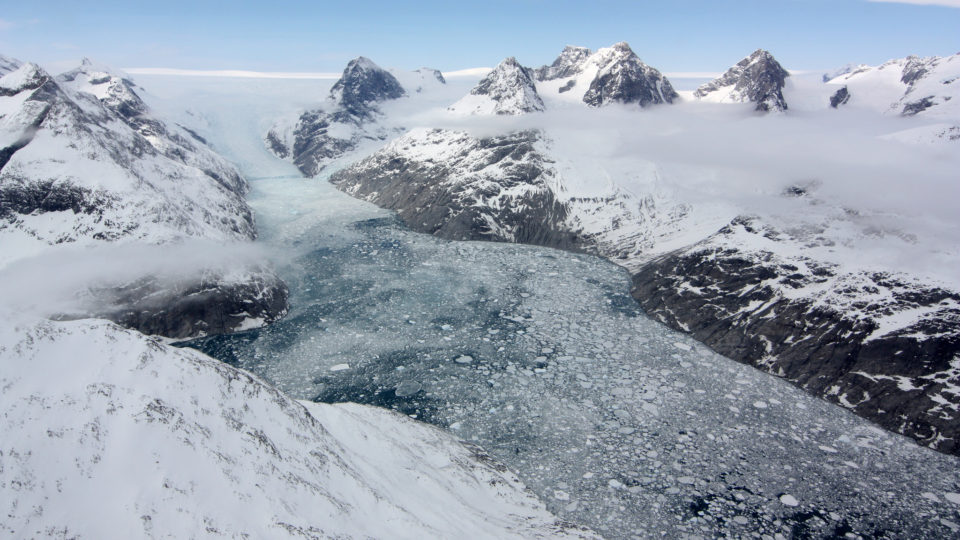
The Greenland Ice Sheet is the second largest ice body in the world, after the Antarctic ice sheet. It is about 1,500 miles long, nearly 900 miles across at its widest point, and averages more than a mile in thickness. It has experienced record melting in recent years and is a source of great concern as the climate continues to warm. The Greenland Ice Sheet is losing an estimated 270 billion tons of ice each year. If the entire sheet were to melt, global sea levels would rise by 24 feet which, of course, would be a world-wide catastrophe.
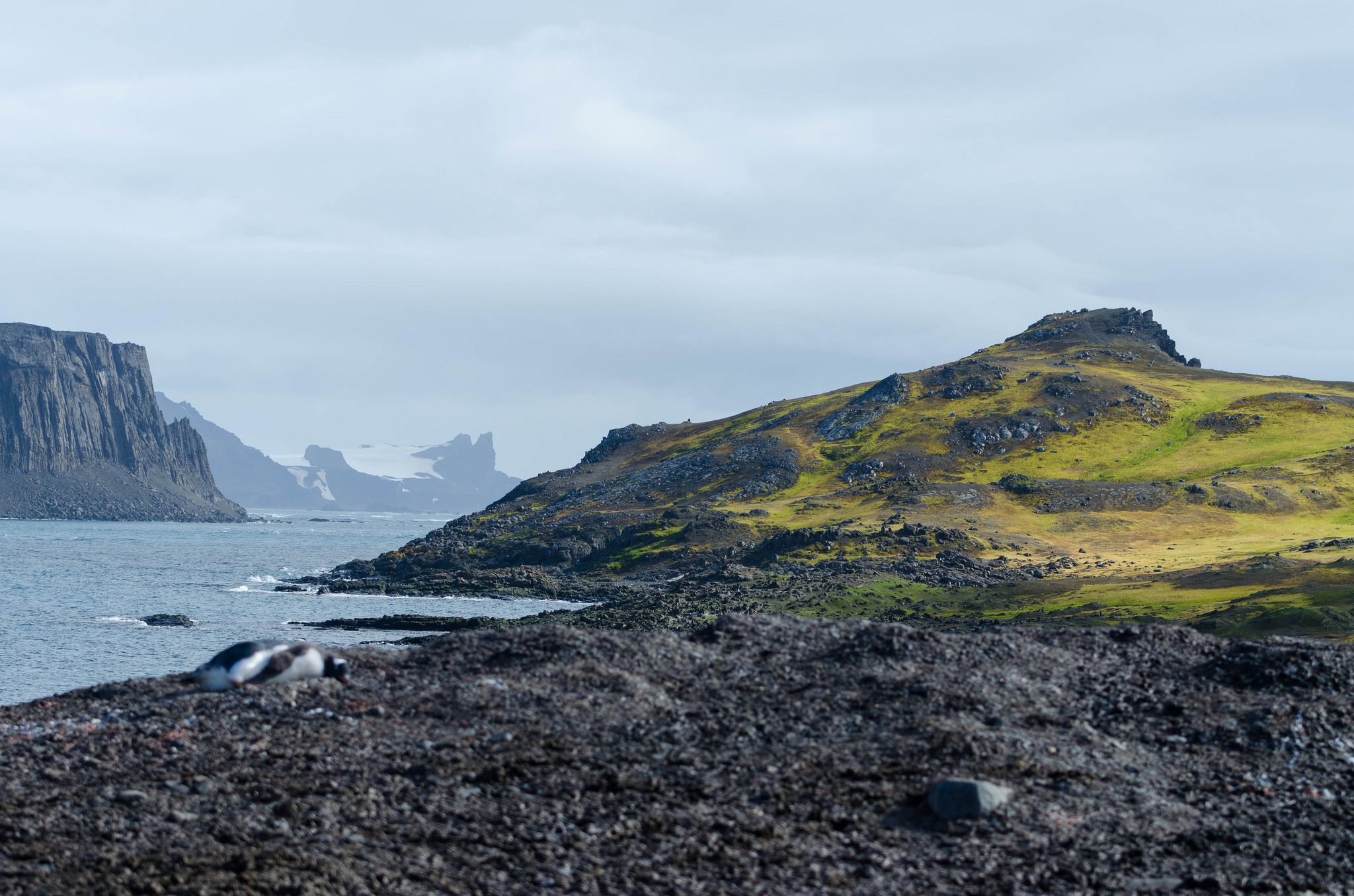
The frozen landscape of Antarctica is getting greener. Researchers drilling into layers of moss that have been accumulating in Antarctica over the last 150 years have found that the growth rate of the moss has been speeding up over the past 50 years.
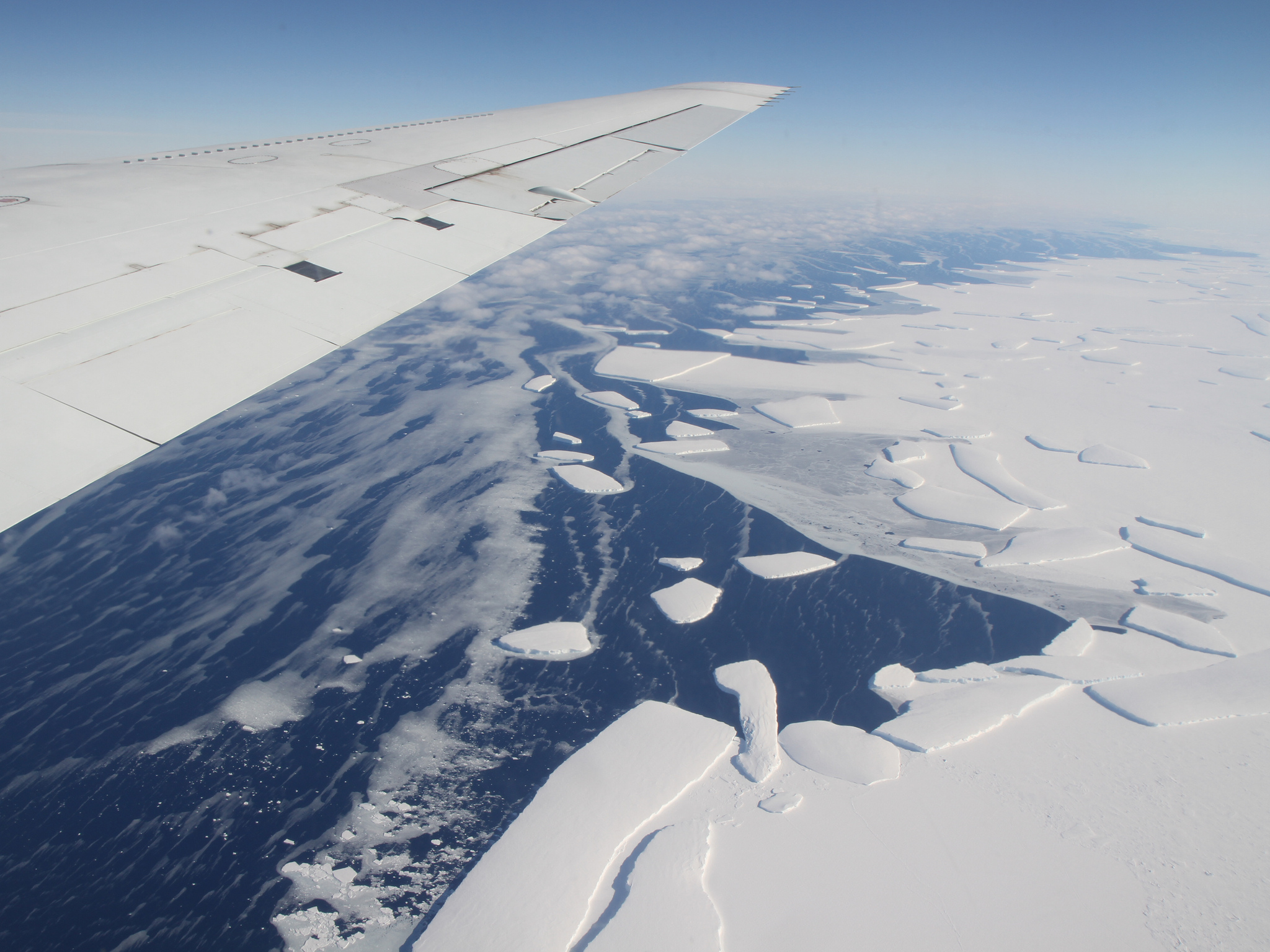
A rapidly-growing crack in the fourth-largest ice shelf in Antarctica has scientists watching for it to break off entirely. By early February, the crack in the Larsen C ice shelf was more than 100 miles long and some parts of it were 2 miles wide. In the two-month period between December and February, the crack grew by 17 miles, a pace of about five football fields a day.
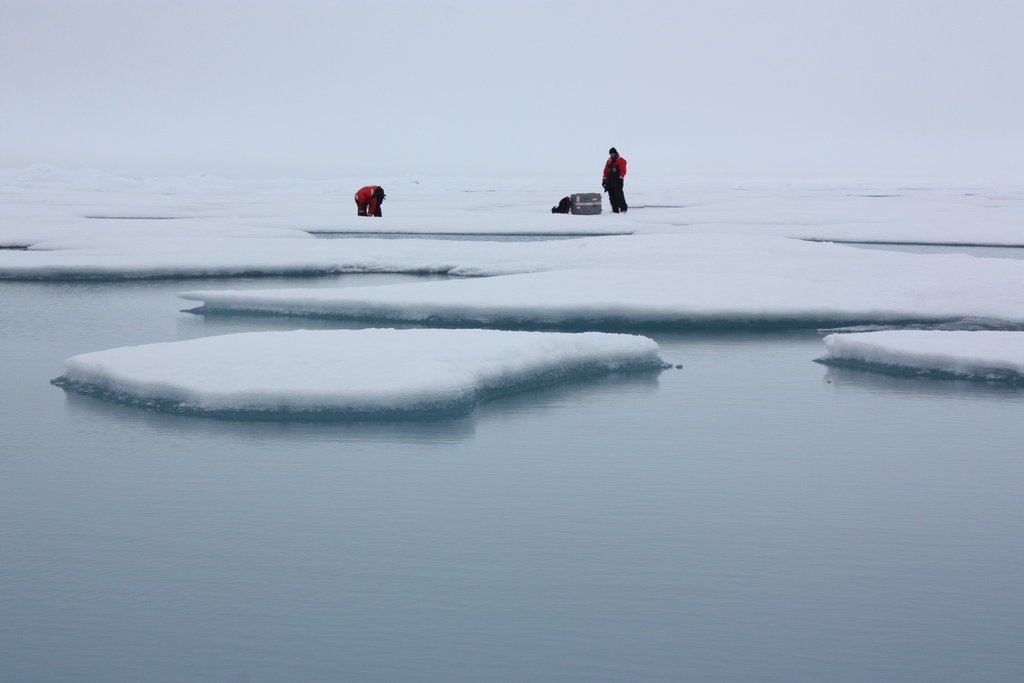
This time of the year, sea ice in the Arctic is on the rise as winter sets in. A combination of unusually high air temperatures and a warmer than normal ocean led to a record low for Arctic sea ice extent in November. In the Southern Hemisphere, Antarctic sea ice extent also hit a record low for the month.