
• Skip to primary navigation
  • Skip to main content
  • Skip to primary sidebar

Earth Wise

A look at our changing environment.

  • Home
  • About Earth Wise
  • Where to Listen
  • All Articles
  • Show Search
Hide Search
You are here: Home / Archives for animals

animals

Plants Make Sounds | Earth Wise

May 9, 2023 By EarthWise Leave a Comment

Some people talk to their plants.  It is highly unlikely that the plants are listening, but recent research has found that plants are doing quite a bit of talking of their own.

It turns out that plant emit a variety of click-like sounds, especially when they are stressed in some way, such as being dehydrated or injured.  The sounds are actually fairly loud – comparable to the volume of human speech – but occur at frequencies well above the range of human hearing.

The study at Tel Aviv University in Israel monitored plants in a greenhouse that were subjected to various stresses over time.  Unstressed plants emitted less than one sound per hour, on average, while stressed plants emitted dozens of sounds every hour.

Recordings of the plant sounds were analyzed by specially developed artificial intelligence algorithms.  The algorithms learned how to distinguish between different plants and different types of sounds.  Eventually, they could identify the plant and determine the type and level of stress from the recordings.  They could even do this in a greenhouse with a great deal of background noise.

The study resolved a very old scientific controversy about whether plants emit sounds.  Not only do they, but the sounds contain useful information.  We don’t yet know what the mechanism is for plant sounds.  It is likely that in nature, the sounds are detected by various animals and perhaps even plants that can detect the high frequencies.  And perhaps they react to them as part of seeking food, shelter, or other services that plants provide.  Given the right tools, we humans may also be able to make use of the sounds being made by plants.

**********

Web Links

Plants Emit Sounds – Especially When Stressed

Photo, posted February 20, 2009, courtesy of ProBuild Garden Center via Flickr.

Earth Wise is a production of WAMC Northeast Public Radio
Antibiotics In Animal Agriculture | Earth Wise

April 13, 2023 By EarthWise Leave a Comment

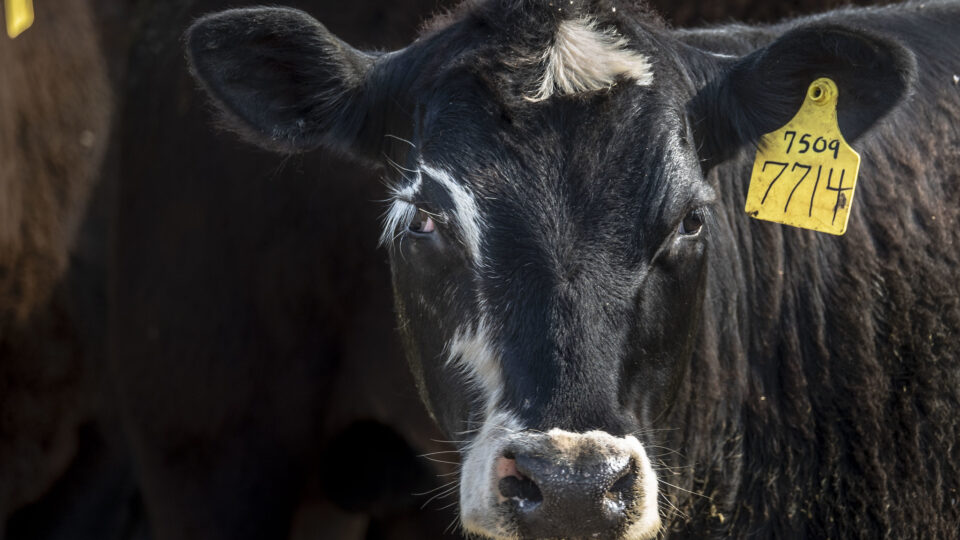
In animal agriculture, farmers use antibiotics to treat, prevent, and control animal diseases, and to increase the productivity of their operations.  According to the FDA, approximately 80% of all antibiotics sold in the U.S. are purchased for use in food-producing animals. 

The routine administration of antibiotics to farm animals for non-therapeutic purposes promotes the development of antibiotic-resistant bacteria, with repercussions for human and animal health.  As antibiotic-resistant bacteria spreads, medicines used to treat human diseases can become less effective. 

According to a new study led by researchers from the University of Washington, a California policy restricting the use of antibiotics in farm animals is associated with a reduction in one type of antibiotic-resistant infection in people in the state.  The findings, recently published in the journal Environmental Health Perspectives, suggest that regulations limiting the use of antibiotics in livestock can significantly impact human health. 

In 2018, California Senate Bill 27 banned routine preventive use of antibiotics in food-animal production and any antibiotic use without a veterinarian’s prescription.  Last year, the European Union passed a law restricting antibiotic use to only sick animals on farms.  And coming this June, most antibiotics – those that are medically important to humans and animals – will be by prescription only in the United States.  

Despite these changes, antibiotic resistance is projected to remain one of the biggest threats to human health over the next 50 years because resistance continues to grow and few new antibiotics are coming online. 

**********

Web Links

Restricting antibiotics for livestock could limit spread of antibiotic-resistant infections in people

Ranchers should prepare now for 2023 animal antibiotic guidelines

Photo, posted May 8, 2018, courtesy of Preston Keres / USDA via Flickr.

Earth Wise is a production of WAMC Northeast Public Radio

Plastic From Sunlight | Earth Wise

March 13, 2023 By EarthWise Leave a Comment

Photosynthesis is the process that plants use to turn water, carbon dioxide, and energy from sunlight into plant biomass.  It provides humans and much of animal life with food.  Photosynthesis is also nature’s way of reducing the amount of carbon dioxide in the atmosphere.  The CO2 is not directly stored in plants but rather is combined into organic compounds.

Researchers across the globe are trying to find effective ways to mimic photosynthesis.  One version of artificial photosynthesis seeks to take carbon dioxide and combine it into organic compounds that can be used as raw materials for various kinds of manufacturing. 

A research team in Japan has found a way to synthesize fumaric acid from carbon dioxide using sunlight to power the process.  Fumaric acid is a chemical typically synthesized from petroleum and is used as a raw material for making biodegradable plastics such as polybutylene succinate. 

Much of artificial photosynthesis research is aimed at using solar energy to convert carbon dioxide directly into a fuel rather than a raw material.  Such solar fuels can be produced by a variety of means including thermochemical (using the sun’s heat to drive chemical reactions), photochemical (using the sun’s light to drive chemical reactions), and electrochemical (using solar-generated electricity to drive chemical reactions.)   These approaches generally involve the use of specialized catalysts to drive the desired chemical reactions. 

One way or another, what techniques for artificial photosynthesis have in common is trying to imitate what plant life on Earth has been doing for millions of years. 

**********

Web Links

Artificial photosynthesis uses sunlight to make biodegradable plastic

Photo, posted June 14, 2017, courtesy of Alex Holyake via Flickr.

Earth Wise is a production of WAMC Northeast Public Radio
How To Save Big Cats | Earth Wise

March 1, 2023 By EarthWise 1 Comment

Researchers suggest the best way to save large and often endangered carnivores

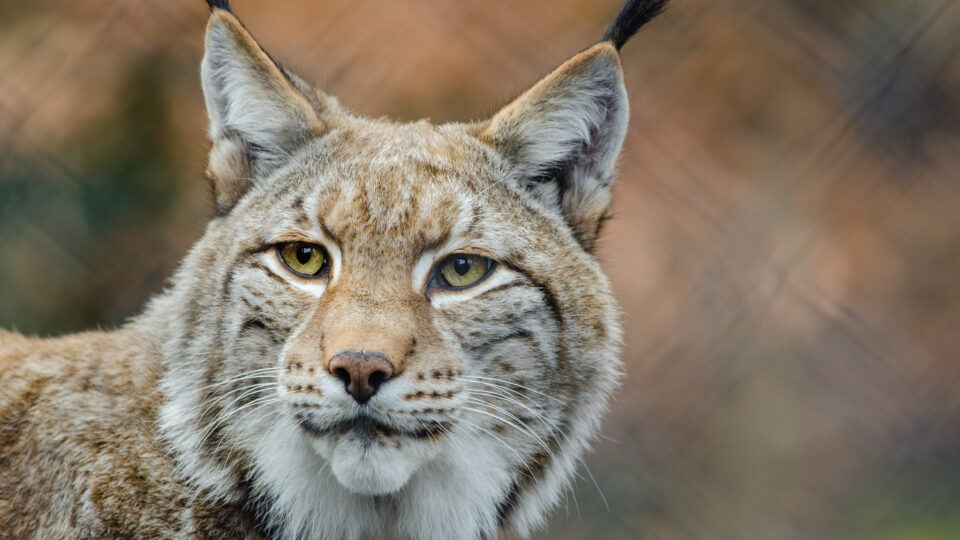
Big cats are among the most widely recognized and admired animals in the world. But these charismatic predators face many and varied threats, including the loss of habitat and prey, conflicts with humans, poaching, and the illegal wildlife trade.

Researchers from the University of Reading in the U.K. have studied the fortunes of 50 species of large carnivores worldwide over the past 50 years.  They found that social and economic factors, such as quality of life, were more closely associated with declines of large carnivore species than purely environmental factors, like habitat loss.   

The study, which was recently published in the journal Nature Communications, suggests that the best way to save large carnivores, including lynx, bears, and lions, is to encourage a sustainable model of social and economic development instead of focusing exclusively on issues like climate change.  

While rapid economic development pushes species to the brink of extinction, it’s also delivered enormous improvements in the quality of human life. But the analysis suggests that once people achieve a high quality of life and economic development slows, a turning point is reached and persecuted species have a chance to recover.

According to the research team, the recovery is a result of both improved habitat protections in advanced economies and a more harmonious relationship between people and predators.  What would have once been considered a dangerous pest is now recognized as being an important part of both the ecosystem and culture.  

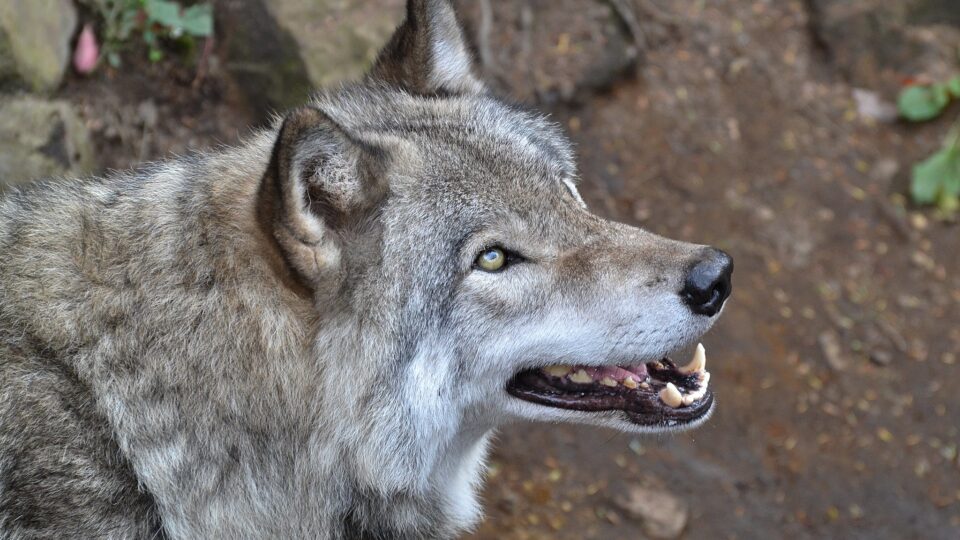
In Western Europe, slower economic development and an improved quality of life have allowed populations of grey wolves to increase 1,800% since the 1960s.

**********

Web Links

Economics trump environment to save big cats, say ecologists

Photo, posted February 8, 2015, courtesy of Mathias Appel via Flickr.

Earth Wise is a production of WAMC Northeast Public Radio
Tracking Global Forest Changes | Earth Wise

January 30, 2023 By EarthWise Leave a Comment

Using deep learning to track global forest changes

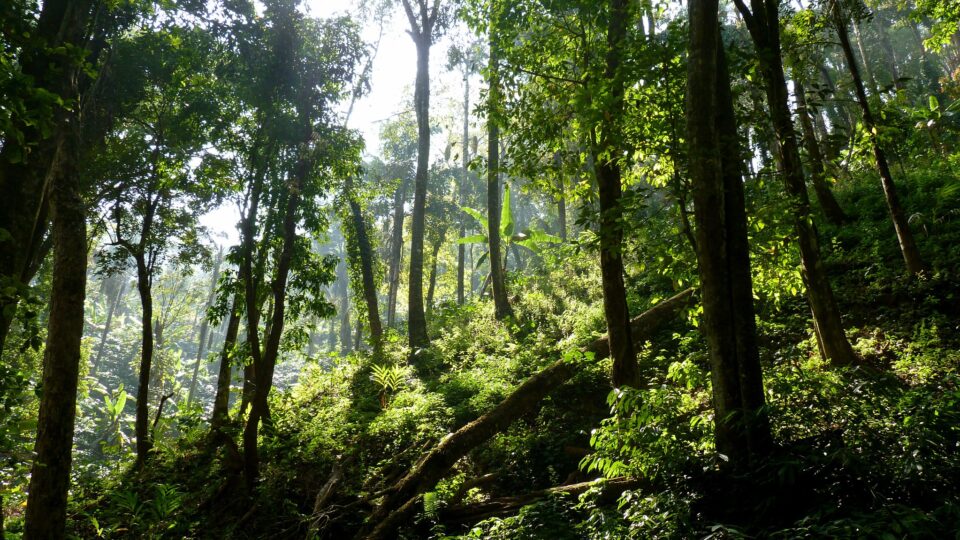
India is one of the most biodiverse countries in the world.  An estimated 47,000 plant species and 89,000 animal species can be found in India, with more than 10% of each thought to be on the list of threatened species.

India is also one of the 10 most forest-rich countries in the world.  Trees cover approximately 25% of the nation.  But this is still a significant decline from years past.  In fact, between the 1890s and 1990s, a combination of rapid development and resource overexploitation caused India to lose nearly 80% of its native forest area.  Today, as India’s forests continue to disappear, researchers are trying to help preserve what forest remains. 

Using satellite-monitoring data, researchers from The Ohio State University have developed a deep learning algorithm that could provide real-time land use and land cover maps for parts of India. 

The land use monitoring system was trained using satellite data from Norway’s International Climate and Forests Initiative.  By combining this data with a global land cover map produced by Tsinghua University in China, the researcher team’s deep learning model was able to acquire a more detailed type of base map of the area.  Using their model, the researchers were able to process 10 monthly maps.  Their research was recently  presented at the annual meeting of the American Geophysical Union.   

Using these maps, the researchers were able to detect seasonal shifts across india.  These include changes to barren land, how crop land was affected by monsoons, and the distribution of forests in mountainous regions. 

Understanding the impact of these seasonal changes will help scientists better predict the effects of climate change on forests.

**********

Web Links

Using deep learning to monitor India’s disappearing forest cover

Photo, posted January 20, 2013, courtesy of Frontier Official via Flickr.

Earth Wise is a production of WAMC Northeast Public Radio
An Agreement To Protect Biodiversity | Earth Wise

January 18, 2023 By EarthWise Leave a Comment

The UN Biodiversity Conference in Montreal in December concluded with a historic deal aimed at stemming the rising tide of extinctions.  Nearly 200 countries signed on to the agreement to protect 30% of the Earth’s land and sea by the end of this decade.

Part of the agreement also pledges that countries will reduce fertilizer runoff from farms by 50%, reduce the use of harmful pesticides by 50%, and stem the flow of invasive species. 

Of course, all of these promises are only words unless they are backed up by actions and actions cost money.  The agreement promises to direct $200 billion a year towards biodiversity by the end of this decade.  Wealthy countries were urged to provide $100 billion a year to fund the actions of poorer countries, but they resisted the pressure.  Eventually, they did agree to send $30 billion a year to developing countries by 2030.

It is a significant step forward to establish clear targets for stopping biodiversity loss.  However, the ultimate success of the pact will depend on the willingness of countries to cooperate and compromise.

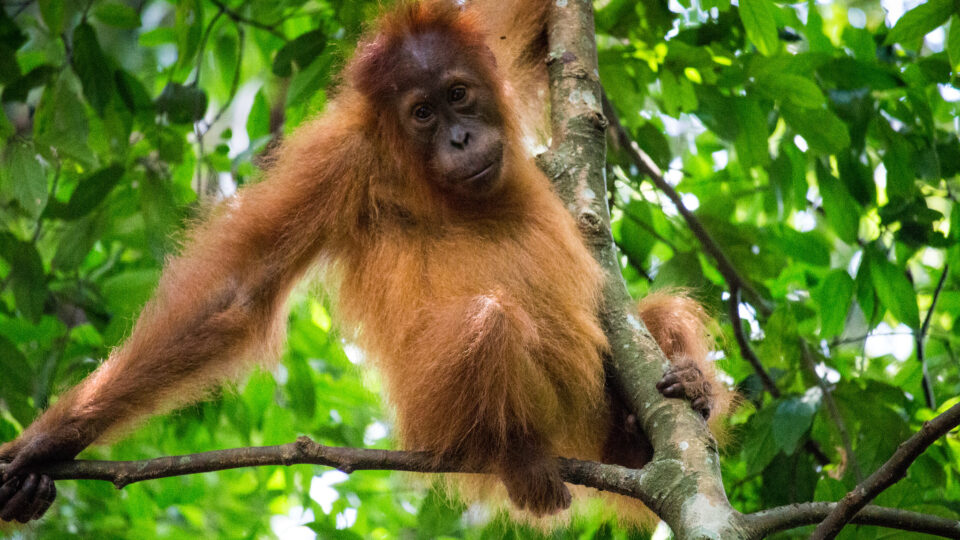
According to UN estimates, about a million species across the globe face extinction as a result of rising temperatures, air and water pollution, invasive species, and habitat loss due to development.   At present, only 16% of land and 8% of the oceans are within protected areas. 

The UN Environment Program stated that “for far too long humanity has paved over, fragmented, over-extracted, and destroyed the natural world on which we all depend.  Now is our chance to shore up and strengthen the web of life, so it can carry the full weight of generations to come.”

**********

Web Links

In Historic Deal, Countries Agree to Protect 30 Percent of Earth to Halt Biodiversity Loss

Photo, posted August 13, 2015, courtesy of Andrew H via Flickr.

Earth Wise is a production of WAMC Northeast Public Radio

Polar Bears and Tires | Earth Wise

January 12, 2023 By EarthWise Leave a Comment

Researchers turn to polar bear paws to find better traction

There is lots of interest in traction.  People want to find better ways to move across wet and frozen surfaces safely.   This applies to both the shoes on our feet and the tires on our cars. 

Researchers at the University of Akron along with colleagues at Syracuse University and at Bridgestone, the tire company, have been studying how many arctic animals can walk and run across the ice without slipping and falling.  Their research focused on the paws of polar bears.

Previous studies discovered that polar bears have papillae – little bumps on the pads of their feet – that provide improved traction on snow.  The new research also looked at the paws of other species of bear – brown bears and black bears – and found that these others also have papillae on their paw pads, but that those of polar bears are as much as 50% taller.  These taller bumps give the pads a 30-50% increase in frictional shear stress.

The research may lead to various applications. For example, snow tires typically have deeper treads, but the polar bear study may lead to some new designs that would improve traction.  People who do high-altitude climbing are interested in the research as are companies that deliver goods in bad weather.  Anyone who has to be out and about in bad weather would like to get a better grip.

There are various other animals with traction-improving adaptations that are probably worth studying.  These include dogs, wolves, foxes, and mountain goats.  The same researchers at Akron have also studied other animals with unique abilities to deal with challenging surfaces including geckos, spiders, and mussels.  The natural world is filled with examples of creatures who can easily function in environments that we humans find very challenging.

**********

Web Links

UA researchers’ focus on tire traction leads to investigation of polar bear paws

Photo, posted March 2, 2008, courtesy of Sam Weng via Flickr.

Earth Wise is a production of WAMC Northeast Public Radio.

Saving The Sumatran Rhino | Earth Wise

January 2, 2023 By EarthWise Leave a Comment

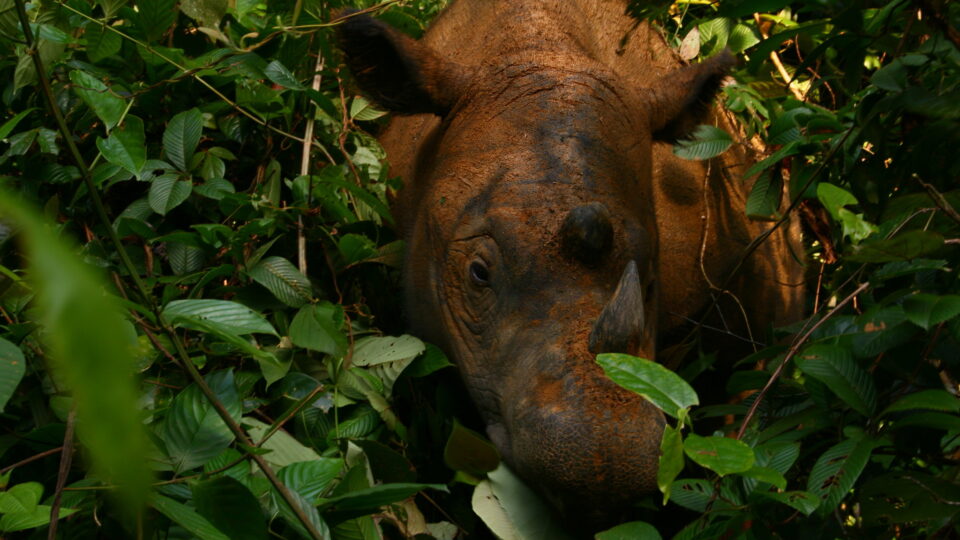
The Sumatran rhinoceros is the smallest and most ancient rhino species and is the only surviving species with hair.  It is critically endangered.  Because of poaching and habitat destruction, there are fewer than 50 of them left in the wild and those are scattered in the rainforests of Sumatra and the Indonesian part of Borneo.  Mating encounters between surviving males and females are increasingly rare.

The last male Sumatran rhino in Malaysia died in 2019 but cell samples from that individual are the basis of an ambitious effort in bioengineering.

Researchers from the Max Delbruck Center in Germany are taking skin cells from the deceased rhino and turning them into stem cells.  The hope is to use these stem cells to derive egg and sperm cells to be the basis of assisted reproduction.  Fertilization would take place in a petri dish.  The resultant embryos would then be carried to term by surrogate rhino mothers.

The researchers have reported success generating induced pluripotent stem cells or IPS cells from the rhino skin samples.  IPS cells are able to divide indefinitely and can transform into any cell type in the body.

The next step is to try to cultivate primordial germ cells – the precursors of eggs and sperm.

This work is going on because it is increasingly difficult to preserve the Sumatran rhino population by gathering together remaining individuals in wildlife Reserves.  Females that have not been pregnant for a long time often become infertile because of cyst growth on their reproductive organs, and some are just too old to bear young.

It may take extraordinary efforts like these to save these animals from extinction.

**********

Web Links

A second chance for the Sumatran rhino

Photo, posted April 30, 2008, courtesy of Willem V. Strien via Flickr.

Earth Wise is a production of WAMC Northeast Public Radio
A Green New Year | Earth Wise

December 30, 2022 By EarthWise Leave a Comment

Every year, millions of people around the world make resolutions in hopes of sparking positive changes in the new year.  Popular resolutions include improving health and fitness, traveling more, spending less, and so on.  With the New Year just around the corner, here are seven resolutions we all could make that would collectively have a major impact on the planet: 

1) Eat less meat.  Resource-intensive animal-based foods like meat, dairy, and eggs are one of the chief contributors to climate change. 

2) Get a home energy audit.  It’s a great way to understand your home’s energy footprint and discover ways to improve the energy efficiency of your home. 

3) Buy local whenever possible.  Shopping locally supports the local economy and dramatically cuts down on the carbon emissions associated with shipping.

4) Carry reusable shopping bags on errands. While disposable shopping bags are convenient, they are difficult to recycle and are often thrown away. 

5) Air dry your laundry whenever possible.  Drying clothes outside or using an indoor drying rack can save money and energy.  Americans spend about $9 billion a year on electricity to dry clothing. 

6) Purchase used or pre-owned items.  The market for second-hand items is booming, making it possible to purchase pretty much anything you want at thrift stores or online. 

7) Bring a reusable water bottle everywhere.  According to the EPA, Americans throw away enough plastic bottles each year to circle the earth five times.  Carrying your own bottle helps reduce this waste and will save you money.

As we ring in the new year this weekend, let’s raise our glasses to a cleaner and greener 2023. 

**********

Web Links

10 Sustainable New Year’s Resolutions!

New Year’s Resolutions

Photo, posted December 31, 2014, courtesy of Doug Anderson via Flickr.

Earth Wise is a production of WAMC Northeast Public Radio

Rainforest Promises | Earth Wise

December 23, 2022 By EarthWise Leave a Comment

Rainforest promises in Brazil

The recent UN climate summit in Sharm el Sheikh, Egypt brought with it lots of pledges for action.   Among them was a promise from the three countries that are home to more than half of the world’s tropical rainforests to try to do something to protect them.

The ministers of Brazil, Indonesia, and the Democratic Republic of Congo signed an agreement pledging cooperation on sustainable management and conservation, restoration of critical ecosystems, and creation of economies that would ensure the health of both their people and their forests.

The plan has no financial backing of its own.  The countries are pledging to work together to establish a funding mechanism that could help to preserve the tropical forests that both help regulate the Earth’s climate and sustain a wide range of animals, plants, birds, and insects.

That such an agreement has come about at all is a result of the election of Luiz Lula da Silva as Brazilian president, replacing Jair Bolsonaro, who was famously an opponent of any and all environmental conservation or protections.  President Lula addressed the attendees of the climate summit promising that “Brazil is back.”   He described his country as having been in a cocoon for the past four years under his predecessor.  He declared that going forward, Brazil will be a force to combat climate change.  Given the importance of the Amazon rainforest, that is critical for the success of the world’s efforts.

Like all other issues on the table at the climate summit, the real challenge is not to come up with meaningful pledges on climate action, it is to be able to follow through on those pledges.  If past summits are any indication, that is not an easy task.

**********

Web Links

Brazil, Indonesia and Congo Sign Rainforest Protection Pact

Photo, posted September 15, 2013, courtesy of Moises Silva Lima via Flickr.

Earth Wise is a production of WAMC Northeast Public Radio
Lab-Grown Meat Is Legal | Earth Wise

December 19, 2022 By EarthWise Leave a Comment

Meat produced in a laboratory and without harming animals is now legal in the United States

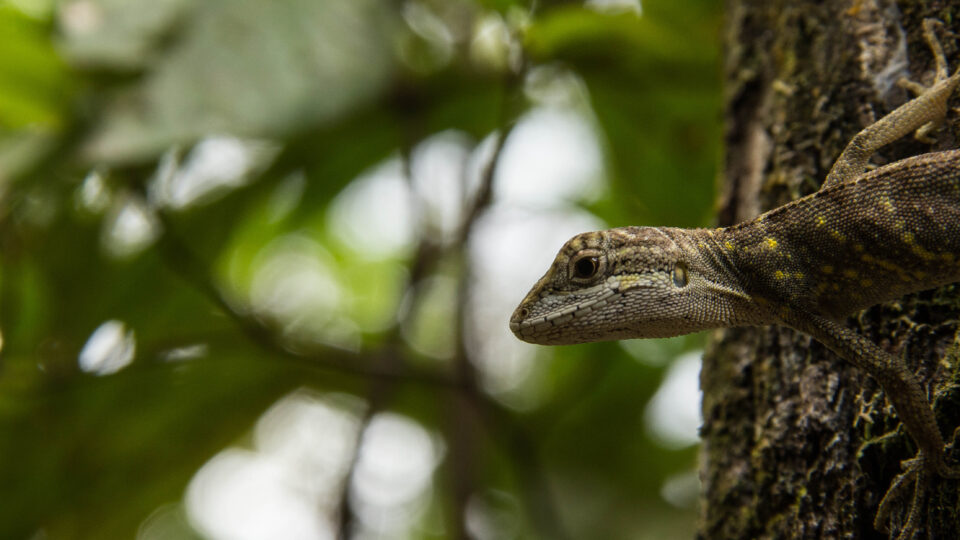
We’ve heard more and more about laboratory meat.  Other names for it are cultured meat, cultivated meat, or test tube meat.  Whatever name ends up sticking, the idea is to take living cells from animals and grow them in a controlled laboratory environment to produce a meat product that doesn’t involve the slaughter of any animals.  Supporters say cultured meat is more efficient and environmentally friendly than traditional livestock.  Livestock agriculture is one of the largest emitters of greenhouse gases, uses vast amounts of land, and consumes much of the world’s fresh water.

Years ago, we reported on a company called Memphis Meats, which was one of a number of companies developing techniques for harvesting cells from animal tissues and using them to grow edible flesh in bioreactors.

Recently, that company – now called Upside Foods – has become the first company to receive FDA approval declaring their meat product to be safe for human consumption.  The USDA still needs to give its approval and it may be a little while longer before Upside’s first chicken products will end up in supermarkets.  There are more than 150 cultivated meat companies around the world backed by billions of dollars in investments.  The FDA is in ongoing discussions with multiple firms in the business.

Upside Foods, based in the San Francisco Bay area, is planning to market chicken, beef meatballs, and duck in the near future.  Other companies are working on seafood products.  Up until now, Singapore has been the only country in which lab-grown meat products are legally sold to consumers.  With this landmark FDA ruling, that is all about to change.

**********

Web Links

US declares lab-grown meat safe to eat in ‘groundbreaking’ move

Photo, posted April 15, 2008, courtesy of Andrew Otto via Flickr.

Earth Wise is a production of WAMC Northeast Public Radio
Glacial Loss In The Swiss Alps | Earth Wise

December 14, 2022 By EarthWise Leave a Comment

Record glacial loss in the Swiss Alps

In 2022, glaciers in the Swiss Alps melted more than in any year on record.   This is the latest piece of bad news for the country’s glaciers, which have lost more than half of their volume of ice since the 1930s.

The melting season for Switzerland’s snow and ice typically starts in May and ends in early October.  This year’s melting season caused glaciers in the Diablerets mountain group to thin by an average of 13 feet, which is 3 times the amount of thinning observed over the past decade.   The Tsanfleuron pass between two of the glaciers is now exposed as bare rock for the first time in several thousand years. Across Switzerland, glaciers lost about 6% of their remaining volume just this year.  The previous worst year for glaciers was 2003, when losses were nearly 4%. 

There was significant melting this year in part because of the small amount of snowfall over the winter.  That snow melted quickly, being sped up by the warming effect of dust from the Sahara Desert falling on the snow.  By early summer, there was no longer a protective blanket of snow on the glaciers, exposing them to summer heat.

The loss of glaciers is far more serious than the disappearance of aesthetically pleasing landscape features.   Glaciers act as reservoirs of water that persist through the summer months.  Melt from glaciers provides water to ecosystems and creates habitats for plants and animals.  Cold runoff from glaciers affects downstream water temperatures which have a major impact on insects, fish, and other creatures.  Globally, melting glaciers contribute more than 20% of the observed ongoing sea-level rise.

**********

Web Links

Rocky Road for Swiss Glaciers

Photo, posted June 22, 2015, courtesy of Dennis Jarvis via Flickr.

Earth Wise is a production of WAMC Northeast Public Radio

Mosquito Magnets | Earth Wise

November 30, 2022 By EarthWise Leave a Comment

Some people are mosquito magnets

We’ve all probably had the experience of being in the great outdoors with other people and having some of them being nearly devoured by mosquitoes while others didn’t get bitten at all.  It seemed like some people are mosquito magnets while others just aren’t the insects’ cup of tea, so to speak.

There have been various theories proposed over the years including such things as it being a question of blood type, or it having to do with how close one’s blood vessels are to their skin surface.

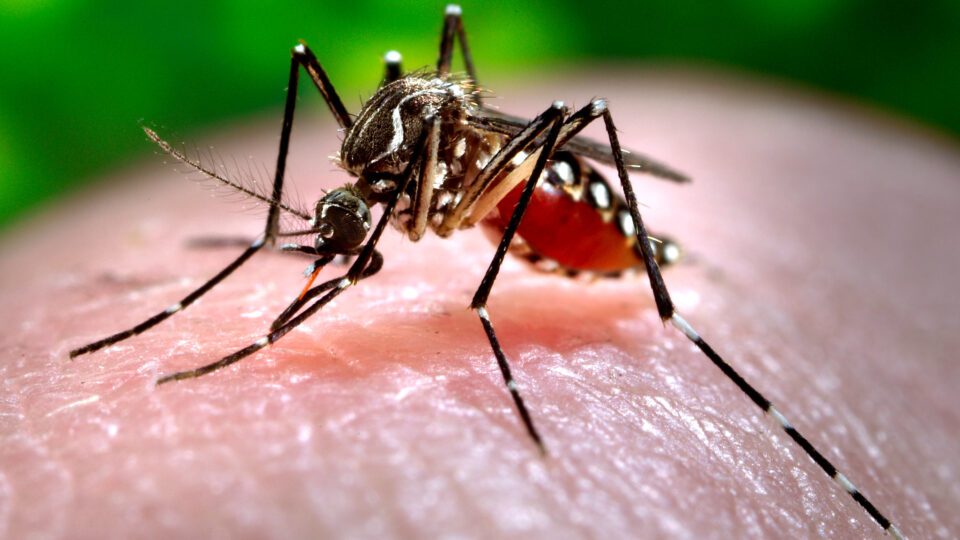
A new study by the Howard Hughes Medical Institute and the Rockefeller University has uncovered what appears to be the real explanation.  According to the paper published in the journal Cell, certain body odors are the deciding factor.  Every person has a unique scent profile associated with different chemicals present on their skin.  The researchers found that people whose skin produces high levels of carboxylic acids are the most attractive to mosquitos.

The researchers collected scent samples from participants by having them wear silk stockings on their arms for six hours.  The nylons were then cut into pieces and the pieces exposed to mosquitos.  After several months of head-to-head battles between various nylon samples, the study clearly demonstrated that the samples from subjects with higher levels of carboxylic acids in the skin were far more attractive to mosquitos.

Humans produce the substance at much higher levels than other animals.  There is little one can do about their own levels.  Changing one’s diet or what soap they use doesn’t seem to make a difference. 

Perhaps researchers can come up with some method of breaking down carboxylic acids in the skin in the future.  Until such time, there are really people who are mosquito magnets.

**********

Web Links

Some People Really Are Mosquito Magnets, and They’re Stuck That Way

Photo, posted September 4, 2014, courtesy of James Gathany / Centers for Disease Control via Flickr.

Earth Wise is a production of WAMC Northeast Public Radio
Agrivoltaics | Earth Wise

November 15, 2022 By EarthWise Leave a Comment

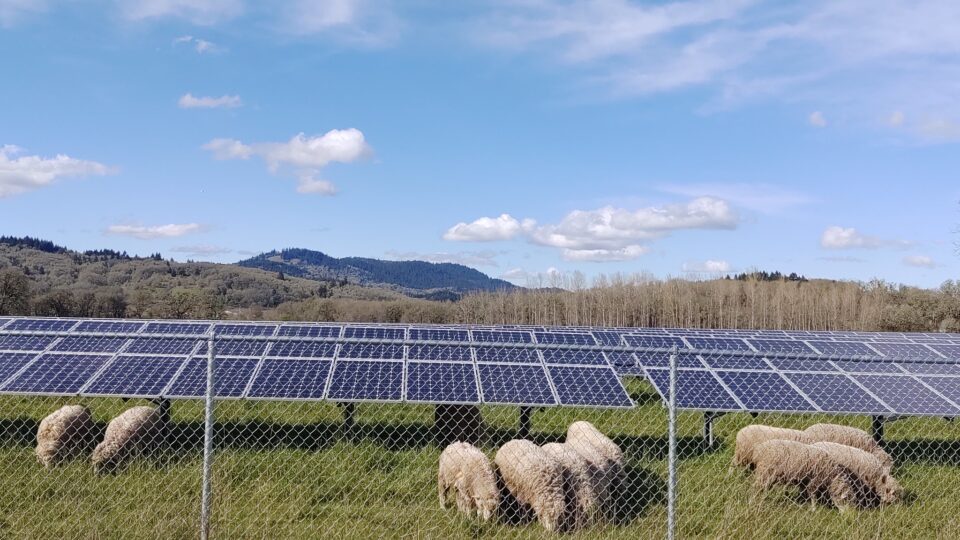
According to a study last year at Oregon State University, co-developing land for both solar photovoltaic power and agriculture could provide 20% of total electricity generation in the United States with an investment of less than 1% of the annual U.S. budget.  Widespread installation of agrivoltaic systems could reduce carbon emissions by 330,000 tons annually and create more than 100,000 jobs in rural communities.

Agrivoltaics could provide the synergistic combination of more food, more energy, lower water demand, lower carbon emissions, and improved local prosperity.  The problem with agrivoltaics to date is that the existing implementations have used solar arrays designed strictly for electricity generation rather than to be used in combination with agriculture.  They are not that well suited to co-exist with growing crops or grazing animals.

A new project is underway at Oregon State that will help researchers to optimize agrivoltaic systems.  The five-acre Solar Harvest Project is being built at the university’s North Willamette Research and Extension Center in Aurora, Oregon in partnership with the Oregon Clean Power Cooperative. 

The solar array for the project is designed specifically for agrivoltaics research and uses panels that are more spread out and able to rotate to a near vertical position to allow farm equipment to pass through.  The project will allow researchers to study the impact of solar panels on soil health, water use, and plant physiology and yields.

Electricity generated from the 326-kW solar system will be available for purchase by Oregon State and community members. 

**********

Web Links

Construction starts on Oregon State agrivoltaics farm that will merge agriculture and solar energy

Photo, posted April 5, 2020, courtesy of Sean Nealon / Oregon State University via Flickr.

Earth Wise is a production of WAMC Northeast Public Radio
A Better Way To Recycle Plastics | Earth Wise

November 10, 2022 By EarthWise Leave a Comment

The global accumulation of plastic waste is an ever-growing problem.  At least five billion tons of the stuff has accumulated on land and sea and is even showing up in the bodies of animals and humans.  Recycling plastic instead of making even more of it seems like an essential thing to do but it has proven to be extremely challenging.

The main problem is that plastics come in many different varieties and the ways of breaking them down into a form that can be reused are very specific to each type of plastic.  Sorting plastic waste by plastic type is extremely impractical at large scale.  Certainly, most consumers can’t do it themselves.  As a result, most plastic gathered in recycling programs ends up in landfills.

New research at MIT has developed a chemical process using a catalyst based on cobalt that is very effective at breaking down a variety of plastics, including polyethylene and polypropylene, which are the two most widely produced plastics.   The MIT process breaks plastics down into propane.  Propane can be used as a fuel or as a feedstock for making many different products, including new plastics.

Plastics are hard to recycle because their long-chain molecules are very stable and difficult to break apart.  Most chemical methods for breaking their chemical bonds produce a random mix of different molecules which would somehow have to be sorted out in order to be useful for anything.

The new process uses a catalyst called a zeolite that contains cobalt nanoparticles.  The catalyst selectively breaks down various plastic polymer molecules and turns more than 80% of them into propane.

The researchers are still studying the economics and logistics of the method, but it looks quite promising.

**********

Web Links

New process could enable more efficient plastics recycling

Photo, posted April 25, 2016, courtesy of NOAA Coral Reef Ecosystem Program via Flickr.

Earth Wise is a production of WAMC Northeast Public Radio

Coping With Climate Change | Earth Wise

October 11, 2022 By EarthWise Leave a Comment

Animals will cope with climate change differently

Extreme weather events including prolonged drought and heavy rainfall are becoming more common and more severe as global temperatures rise.  As the climate continues to change in the coming decades, how will animals respond? 

Researchers from the University of Southern Denmark have examined how different mammals react to climate change. They analyzed data on population fluctuations from 157 mammal species around the world.  They compared these fluctuations with weather and climate data from the same time period.  The research team had 10 or more years of data for each species studied. 

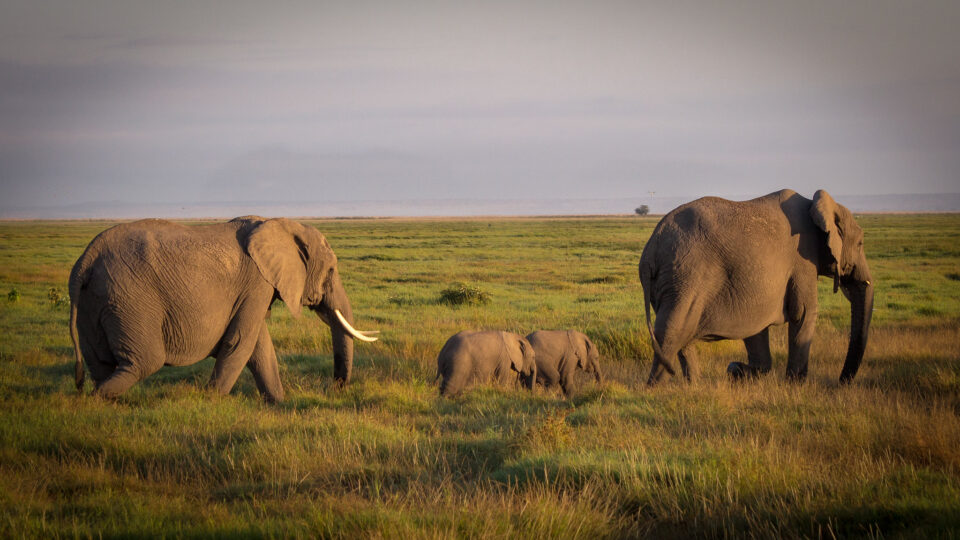
The researchers found that mammals that live for a long time and/or produce less offspring –  like llamas, elephants, bears, and bison – are more climate resilient than small mammals with short lives — like mice, possums, lemmings, and rare marsupials. 

For example, large, long-lived mammals can invest their energy into one offspring, or simply wait for better times if conditions become challenging.  On the other hand, small, short-lived mammals like rodents have more extreme population changes in the short term. In the event of a prolonged drought, large portions of their food base may rapidly disappear, and they are left to starve because they have limited fat reserves.

However, the research team notes that the ability of a species to withstand climate change must not be the only factor when assessing a species’ vulnerability.  In fact, in many cases, habitat destruction, poaching, pollution, and invasive species pose a larger threat to animal species than climate change. 

While the study only examined 157 species, the findings enable researchers to also predict how animals they know less about will react to climate change.

********** 

Web Links

Which animals can best withstand climate change?

Photo, posted July 8, 2018, courtesy of Ray via Flickr.

Earth Wise is a production of WAMC Northeast Public Radio
A Miracle Tree | Earth Wise

September 27, 2022 By EarthWise Leave a Comment

Pongamia could be a miracle tree

The world needs to be fed without destroying the environment.   We need to grow more trees to store more carbon on earth and reduce the amount in the atmosphere.  But meanwhile, we decimate rainforests to produce palm oil and grow soybeans.

A startup company in California called Terviva thinks they have a solution.  It’s called pongamia, which is an ordinary looking tropical tree.  It produces beans packed with protein and oil, much like soybeans.  However, it has the potential to produce much more nutrition per acre than soybeans and it is hardy enough to grow on pretty much any kind of land without the use of pesticides, fertilizers, or irrigation.  In short, it is a miracle crop for a hot and hungry planet that is running out of fertile farmland and fresh water.

Pongamia is not a new or rare tree.  It is common in India but grows all over the world.  It is often planted as an ornamental here in the U.S.

The initial idea for making use of the hardy tree was to use its oil as a biofuel.  The seeds of pongamia are known to have a bitter taste and disagreeable odor, which is why the seeds or oil were never used for human or animal feed.  However, Terviva has developed a way to de-bitter pongamia oil.  Once this is done, it becomes a golden-colored substitute for olive oil. It also has enormous potential as a protein for plant-based milks and meats, since it contains all nine essential amino acids.

Terviva has raised more than $100 million to further develop pongamia and is now partnering with Danone, a $25 billion multinational food company, to develop pongamia as a climate-friendly, climate-resilient, non-GMO alternative to soy and palm oil.

***********

Web Links

This super-tree could help feed the world and fight climate change

Photo, posted December 15, 2015, courtesy of Lauren Gutierrez via Flickr.

Earth Wise is a production of WAMC Northeast Public Radio

The Importance Of Wildlife Crossings | Earth Wise

September 23, 2022 By EarthWise Leave a Comment

Wildlife crossings reduce collisions and save lives and money

Highway accidents involving animals are a big problem for both people and animals.  According to the National Highway Traffic Safety Administration, motorists in the United States kill one to two million large animals every year.  About 200 people are killed annually in the U.S. as a result of those collisions with animals.   

These crashes are expensive, too.  Deer-vehicle collisions cost an average of more than $8,000 each; elk-vehicle collisions cost about $25,000; and moose-vehicle collisions cost more than $44,000.

One solution that has been quite effective around the world in reducing car-animal collisions is wildlife overpasses and underpasses.  They are designed to help animals move in search of food and to escape predators and wildfires.  These traffic-spanning bridges and tunnels have been popular in Europe since the 1950s.  They look much like regular overpasses for cars but are decked out with native flora.  The underpasses, which assist shyer and smaller animals, are typically invisible to drivers.

According to a new economic analysis by researchers at Washington State University, wildlife crossings in Washington State save roughly $235,000 to $443,000 every year per structure. 

Wildlife crossing structures range in cost from $500,000 for a tunnel-like underpass to more than $6 million for a broad bridge.  There may soon be many more wildlife crossing structures across the country since $350 million was allotted in the federal Infrastructure Investment and Jobs Act signed into law in 2021.

**********

Web Links

Wildlife crossings potentially save millions annually in Washington state

How wildlife bridges over highways make animals—and people—safer

Photo, posted March 24, 2017, courtesy of Jeffrey Beall via Flickr.

Earth Wise is a production of WAMC Northeast Public Radio

Rewilding The American West | Earth Wise

September 14, 2022 By EarthWise Leave a Comment

Re-establishing ecosystems in the American West

Oregon State University scientists have proposed a series of management changes for western federal lands aimed at re-establishing ecosystems there.  Their proposal would result in more gray wolves and beavers in nearly 200,000 square miles of federal lands in 11 states.

In each of those states, the researchers identified areas containing prime wolf habitat.  Gray wolves were hunted to near extinction in the West but have been gradually reintroduced in some areas starting in the 1990s.  Wolf restoration offers significant ecological benefits by helping to naturally control the population of grazing animals such as elk.  This in turn facilitates the regrowth of vegetation species such as aspen, which ultimately supports diverse plant and animal communities.

Beaver populations, which used to be robust across the West, declined roughly 90% after settler colonialism and are now nonexistent in many areas.  By felling trees and shrubs and constructing dams, beavers enrich fish habitat, increase water and settlement retention, maintain water flows during droughts, and increase carbon sequestration.

According to the researchers, the biggest threat to these western lands is livestock grazing, which has degraded ecosystems to a great extent.  They recommend the removal of grazing on about 30% of the federal lands being used for that purpose and instead would have rewilding efforts go on. 

The American West is going through a period of converging crises including extended drought and water scarcity, extreme heat waves, massive fires, and loss of biodiversity.  Rewilding is a way to reestablish long-standing ecosystems.

**********

Web Links

More wolves, beavers needed as part of improving western United States habitats, scientists say

Photo, posted October 1, 2020, courtesy of Tina DaPuglet via Flickr.

Earth Wise is a production of WAMC Northeast Public Radio.

Plant-Based Foods And CO2 Emissions | Earth Wise

September 9, 2022 By EarthWise Leave a Comment

We often hear how eating locally-sourced food is a way to minimize the carbon footprint of our diet.  But from a climate impact perspective, this only has a significant impact if transportation is responsible for a large portion of a food’s final carbon footprint.  In many cases, the greenhouse gas emissions related to transportation make up only a small portion of the total emissions from food, and what we eat is far more important.

In general, beef and lamb have the biggest climate footprint per gram of protein.  Plant-based foods tend to have the smallest impact. Pork and chicken are somewhere in the middle. 

According to new research, U.S. food production could reduce its agricultural carbon footprint between 2.5% and 13.5% by embracing plant-based alternatives to beef.  The study, from researchers at Cornell University, Johns Hopkins University, and international partners, found that most of the reduction would be achieved by decreasing the number of cows needed for beef production by two to twelve million animals.  The research was recently published in the journal Lancet Planetary Health.

However, the researchers also found that acting to reduce climate change in this manner could have unintended consequences.  For example, economic models from the research team show that the growth in popularity of plant-based beef could disrupt the agricultural workforce, threatening more than 1.5 million jobs. 

But in the big picture, doing nothing will cost much more than doing something to slow climate change.  Shifting diets away from meat and other animal products and towards more plant-based foods will help shrink carbon footprints and mitigate climate change.  It’s a win-win for the planet and for human health. 

**********

Web Links

Plant-based ‘beef’ reduces CO2 but threatens ag jobs

Photo, posted November 27, 2018, courtesy of Sarah Stierch via Flickr.

Earth Wise is a production of WAMC Northeast Public Radio.

  • « Go to Previous Page
  • Page 1
  • Page 2
  • Page 3
  • Page 4
  • Page 5
  • Interim pages omitted …
  • Page 9
  • Go to Next Page »

Primary Sidebar

Recent Episodes

  • An uninsurable future
  • Clean energy and jobs
  • Insect declines in remote regions
  • Fossil fuel producing nations ignoring climate goals
  • Trouble for clownfishes

WAMC Northeast Public Radio
WAMC/Northeast Public Radio is a regional public radio network serving parts of seven northeastern states (more...)

Copyright © 2026 ·