
• Skip to primary navigation
  • Skip to main content
  • Skip to primary sidebar

Earth Wise

A look at our changing environment.

  • Home
  • About Earth Wise
  • Where to Listen
  • All Articles
  • Show Search
Hide Search
You are here: Home / Archives for Earth Wise

Earth Wise

City Greenery And Carbon Emissions | Earth Wise

February 15, 2023 By EarthWise Leave a Comment

According to the United Nations, more than half of the world’s population currently lives in cities.  Projections show that the combination of urbanization and global population growth could add another 2.5 billion people to cities by 2050. 

Unsurprisingly, cities are a major contributor to climate change.  According to U.N. estimates, cities are responsible for 75% of global carbon dioxide emissions, with transportation and buildings being among the largest contributors. 

According to a new study of vegetation across New York City and some adjoining urban areas, photosynthesis by trees and grasses on many summer days absorbs all the carbon emissions produced by cars, trucks and buses, and then some.  In fact, on many summer days, the total carbon uptake in the region equaled up to 40% of a summer afternoon’s total emissions from all sources in the City. The results, which were recently published in the journal Environmental Research Letters, further highlights the critical importance of urban greenery.

Most previous studies have analyzed the carbon uptake of vegetation by looking at the contiguous tracts of green spaces, but this only comprises about 10% of metro areas.  Using detailed aerial radar imagery of New York City that mapped vegetation in unprecedented 6-inch grids, the researchers were able to include the other 90% of the metro area typically left out in most models. 

Since carbon uptake by vegetation only occurs during the growing season, green spaces in cities situated in warmer climates likely play a larger role in carbon uptake. 

As city populations swell around the world, every bit of urban greenery is critical in the fight against climate change. 

**********

Web Links

New York City’s greenery absorbs a surprising amount of its carbon emissions

68% of the world population projected to live in urban areas by 2050, says UN

Photo, posted October 5, 2009, courtesy of David Orban via Flickr.

Earth Wise is a production of WAMC Northeast Public Radio

Chocolate And Deforestation | Earth Wise

February 14, 2023 By EarthWise Leave a Comment

The world consumes 7.5 million tons of chocolate a year.   Americans spend an average of $145 a year per capita on chocolate.  And we are not even the world leaders.  The Swiss eat an average of 22 pounds per person and the overall European chocolate market is the world’s largest.

A market valued over $100 billion a year is bound to have its issues for the environment, human rights, and other social issues, and chocolate is no exception.  The global cacao industry grapples with problems with child labor, poverty, deforestation, sustainability and other environmental issues.  The response of companies across the industry varies greatly. A website called chocolatescorecard.com keeps track of how many in the industry are doing.

Recently, lawmakers in the European Union have been putting together a landmark legislative package that addresses deforestation risks in the supply chains of a number of commodities including cattle, timber, rubber, soy, palm oil, and cacao. The proposed law restricts companies that import cacao and sell chocolate to import only what doesn’t destroy or degrade forests. 

Voluntary promises by big chocolate makers to save forests in major cacao-producing countries (like Ivory Coast, Ghana, Indonesia, and Nigeria) are difficult to keep.  Farmers sell to brokers who sell to trading companies that then sell to chocolate makers.  Tracing the origins of chocolate is difficult.  Ultimately, fairly compensating farmers is the only way they are likely comply with deforestation regulations and there are unfortunately many pockets to fill before that is likely to happen.

It is up to consumers to encourage companies to do the right thing by making their buying choices appropriately.

**********

Web Links

The Forest in Your Chocolate

The Chocolate Scorecard

Photo, posted January 12, 2010, courtesy of Lee McCoy via Flickr.

Earth Wise is a production of WAMC Northeast Public Radio

Record European Heat | Earth Wise

February 13, 2023 By EarthWise Leave a Comment

The new year began with record-breaking heat across Europe.  In fact, on December 31 and January 1, about 5,000 all-time high temperature records for those dates were broken, in some cases by margins of more than 9 degrees Fahrenheit.

On New Year’s Day, eight European countries recorded their warmest January day ever. These were Liechtenstein, the Czech Republic, Poland, the Netherlands, Belarus, Lithuania, Denmark, and Latvia.

Many of the European cities affected by the heat wave would ordinarily be covered in snow at that time of year.  For example, Vaduz, the capital of Liechtenstein, the Czech town of Javornik, and the Polish village of Jodlownik, all recorded peak temperatures between 66 and 68 degrees Fahrenheit.

By the measure of how far above normal temperatures rose, it was the most extreme heat wave in European history.  Last summer saw record-breaking heat waves across much of Europe, but the actual temperature increases over normal were smaller than what just occurred at the beginning of the year.

The source of the exceptional heat was a warm mass of air from the west coast of Africa moving across Europe.  As is the case for any individual weather event, one cannot definitively attribute this one to climate change.  However, it is abundantly clear that because of climate change, extreme weather events of all types are becoming more frequent and more intense.

The unprecedented European weather does have the effect of helping to ease the energy crisis that has gripped the European continent.   The Russian invasion of Ukraine has led to soaring natural gas prices.  The warm weather has meant a lower demand for gas, causing gas prices to drop to their lowest level since the start of the war.

**********

Web Links

‘Uncharted territory’: January heat records smashed across Europe

Photo, posted August 13, 2019, courtesy of Herbert Frank via Flickr.

Earth Wise is a production of WAMC Northeast Public Radio

A New Method of Refrigeration | Earth Wise

February 10, 2023 By EarthWise Leave a Comment

A new method of refrigeration

Salting roads before winter storms is a familiar sight in the Northeast.  The purpose is to change the temperature at which ice can form on the road.  The underlying concept has formed the basis of a new method of refrigeration that has been dubbed “ionocaloric cooling.”

It is described in a paper published in the journal Science by researchers at the Lawrence Berkeley National Laboratory.  The method takes advantage of how energy in the form of heat is either stored or released when a material changes phase – such as water changing from ice to liquid and vice versa.  Melting absorbs heat from the surroundings while freezing releases heat.  An ionocaloric refrigerator makes use of this phase and temperature change using an electrical current to add or remove ions provided from a chemical salt.

The potential is to make use of this refrigeration cycle instead of the vapor compression systems in present-day refrigerators, which make use of refrigerant gases that are greenhouse gases, many of which very powerful ones.  The goal is to come up with a system that makes things cold, works efficiently, is safe, and doesn’t harm the environment. 

There are a number of alternative refrigeration systems under development that make use of a variety of mechanisms including magnetism, pressure, physical stretching, and electric fields.  Ionocaloric cooling uses ions to drive solid-to-liquid phase changes.

Apart from some very promising theoretical calculations of the system’s potential, the researchers have also demonstrated the technique experimentally.  They have received a provisional patent for the technology and are continuing to work on prototypes to demonstrate its capabilities and amenability to scaling up.

**********

Web Links

Berkeley Lab Scientists Develop a Cool New Method of Refrigeration

Photo, posted October 29, 2021, courtesy of Branden Frederick via Flickr.

Earth Wise is a production of WAMC Northeast Public Radio
An Iron-Air Battery Plant | Earth Wise

February 9, 2023 By EarthWise Leave a Comment

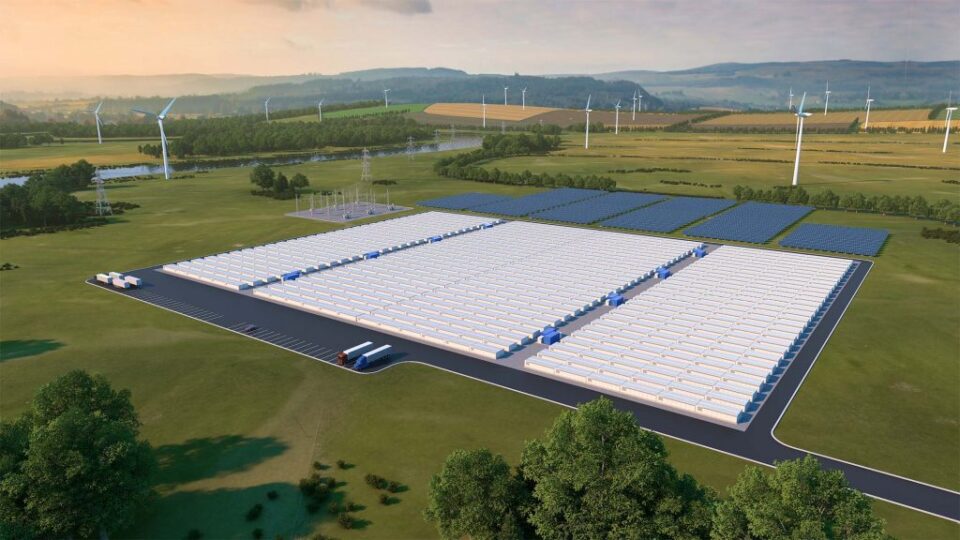
Form Energy is building a iron-air battery storage facility

Lithium-ion batteries are the standard energy source for electric vehicles, and they are also the dominant technology for storing energy in the electric grid.  However, they are not the only game in town.  There are other battery technologies that have various potential advantages over lithium-ion and some of them are getting the chance to show what they can do.

One is the iron-air battery.  Unlike lithium-ion batteries that require expensive and strategically challenging materials like lithium, cobalt, nickel, and graphite, iron-air batteries make use of one of the most common elements in the earth’s crust.

Iron-air batteries operate on a principle known as “reversible rusting”.  When discharging, the battery takes in oxygen from the air and converts iron into rust.  While charging, electrical current converts rust back into iron and the battery releases oxygen.  Batteries consist of a slab of iron, a water-based electrolyte, and a membrane that feeds a controlled stream of air into the battery. 

A Massachusetts-based company called Form Energy is building a $760 million iron-air battery storage facility in the city of Weirton in West Virginia.  Investment financing along with a $290 million government incentive package is paying for the facility. 

The facility is designed to address the need for long-duration energy storage and will be capable of storing electricity for 100 hours at competitive prices.  The battery modules will be about the size of a side-by-side washer/dryer and will contain a stack of 50 3-foot-tall cells.  Such batteries are too big and heavy for use in cars but will be cheaper and higher-capacity than equivalent lithium-ion battery systems.

**********

Web Links

Form Energy selects West Virginia for its first iron-air battery plant

Photo credit: Form Energy

Earth Wise is a production of WAMC Northeast Public Radio

2022 Temperature Report | Earth Wise

February 8, 2023 By EarthWise Leave a Comment

Extreme weather is turning into the new normal around the world

The average surface temperature for the Earth in 2022 tied with 2015 as the fifth warmest on record.  The warming trend for the planet continued with global temperatures 1.6 degrees Fahrenheit above the average baseline for 1951-1980 that NASA uses for its studies. Compared with the late 19th century average used in setting climate goals, global temperatures are up about 1.1 degrees Celsius, or 2 degrees Fahrenheit.

Overall, the past nine years have been the warmest since modern recordkeeping began in 1880.   The rising temperatures have moved in concert with rising levels of greenhouse gases entering the atmosphere from human activity.  Many factors can affect the average temperature in any given year including El Nino and La Nina conditions in the Pacific.  But the longer-term trend is quite clear.  Global temperatures continue to rise.

Greenhouse gas emissions have reached all-time high levels despite increasing efforts to reduce them.  There was a real drop in levels in 2020 due to reduced activity during COVID-19 lockdowns, but they rebounded soon thereafter. 

The Arctic region continues to experience the strongest warming trends, as much as four times the global average.  Arctic warming has a major impact on weather at lower latitudes as it changes the behavior of the jet stream as well as affecting ocean currents and water temperatures.

As global temperatures continue to rise, rainfall and tropical storms have become more intense, droughts have become more severe, and ocean storm surges have had increasing impact.  From torrential monsoons in Asia to megadroughts in the U.S. Southwest, extreme weather has become the new normal.

**********

Web Links

NASA Says 2022 Fifth Warmest Year on Record, Warming Trend Continues

Photo, posted June 20, 2020, courtesy of Daxis via Flickr.

Earth Wise is a production of WAMC Northeast Public Radio
Agriculture Turning Wild Plants Into Weeds | Earth Wise

February 7, 2023 By EarthWise Leave a Comment

Modern agriculture practices are turning wild plants into weeds

We often hear about the importance of native plants in the environment and how invasive species can wreak havoc with ecosystems.   But it turns out that human activities can change the characteristics of native species and create unexpected new problems.

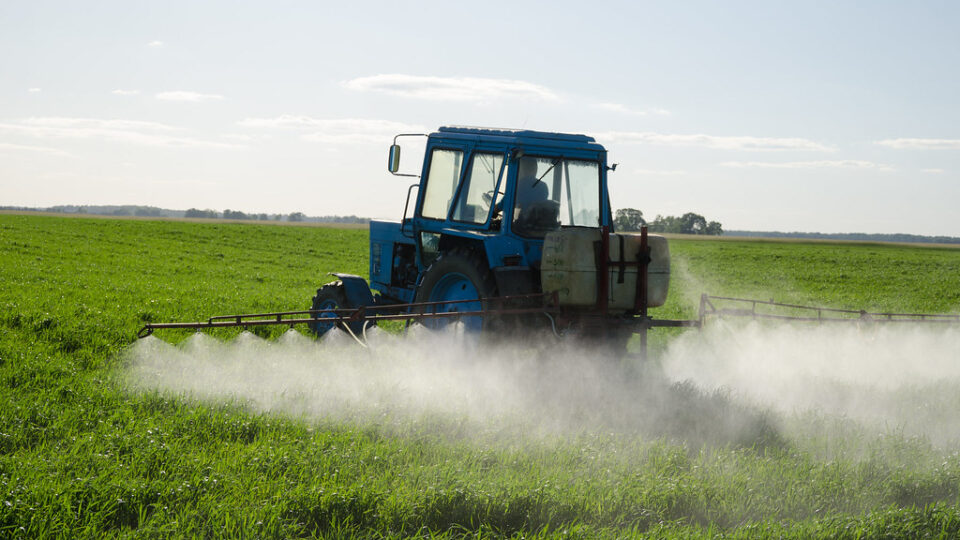
Common waterhemp is plant native to North America that typically grows near lakes and streams.  It never used to be any kind of problem, but in recent times it has become nearly impossible to eradicate from farms as a result of genetic adaptations triggered by modern agriculture.

A study led by researchers at the University of British Columbia looked at waterhemp samples from modern farms and neighboring wetlands and compared them with historical samples dating back as far as 1820 stored in various museums.

In recent times, mutations in genes related to drought tolerance, rapid growth, and resistance to herbicides have resulted in waterhemp that has become a pervasive weed on farms.  These genetic shifts, scarcely ever seen in historical samples, have made the plant thrive among human agricultural activities and enable it to outcompete crops.

Genetic analysis of the plants showed that herbicide-resistant mutations that were mostly absent from historical samples stand out as factors that allow waterhemp to prosper in agricultural settings. There are some plants in natural habitats that have herbicide-resistant mutations, but in many cases, these mutations are actually harmful to the plants in the wild.

Understanding how plant adaptations occur on relatively short timescales is increasingly important as farming and climate  change continue to drive rapid plant evolution.

**********

Web Links

How intensive agriculture turned a wild plant into a pervasive weed

Photo, posted February 16, 2016, courtesy of Aqua Mechanical via Flickr.

Earth Wise is a production of WAMC Northeast Public Radio
A Complicated Year For Energy | Earth Wise

February 6, 2023 By EarthWise Leave a Comment

2022 was a complicated year for energy

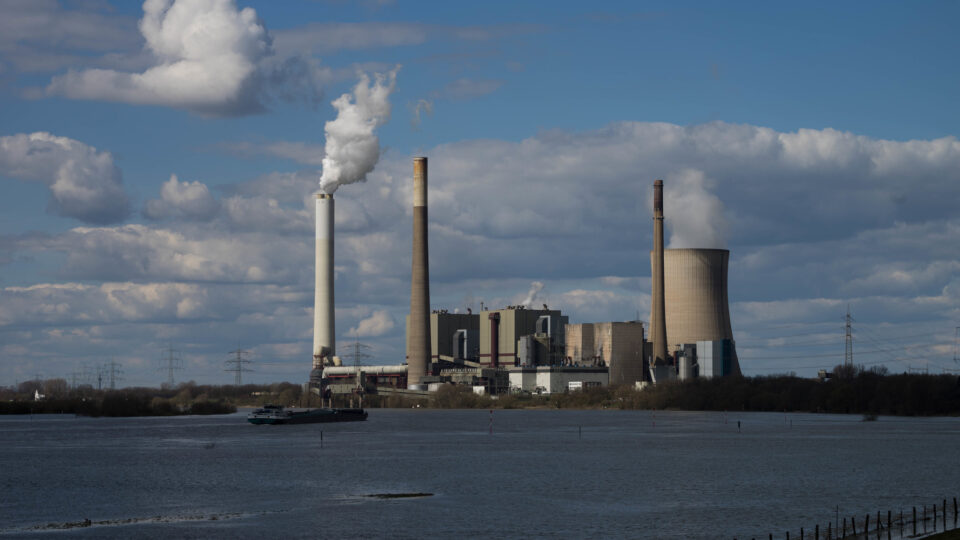
2022 was a complicated year for global energy.  Following its invasion of Ukraine, Russia curtailed natural gas exports to Europe.  This led to large increases in coal burning in many countries, but at the same time led to major new investments in renewable energy.  Projections are that the world will add as much renewable power in the next five years as it did over the previous 20.

In China, severe drought reduced the amount of available hydropower, which drove increased demand for coal in that country.  Between the war in Ukraine and the Chinese drought, coal burning reached an all-time high in 2022, albeit only a 1% uptick for the year.  This increased coal consumption is expected to be only temporary as the accelerating deployment of renewables, energy efficiency, and the use of heat pumps will inexorably reduce coal use.

Globally, governments have earmarked an additional $500 billion for clean energy just since March, bringing the total since the onset of the COVID pandemic to more than $1.2 trillion.  Nearly half of this total investment comes from the U.S. under the Inflation Reduction Act and the Infrastructure Investment and Jobs Act.

In light of these energy policies around the world, the International Energy Agency has revised its projections for renewable energy to substantially larger numbers.   Renewables are expected to surpass coal as the world’s largest source of electricity by early 2025. The global energy crisis triggered by the war in Ukraine has kicked off an extraordinary new phase of rapid renewables growth as countries around the world are seeking to obtain energy security as well as the other benefits of clean energy.

**********

Web Links

In 2022, Energy Shocks Spurred Both Unprecedented Coal Burning and Massive Renewable Investments

Photo, posted April 5, 2015, courtesy of Jan Remund via Flickr.

Earth Wise is a production of WAMC Northeast Public Radio

Energy From Rice Straw | Earth Wise

February 3, 2023 By EarthWise Leave a Comment

Turning rice straw into energy

Rice straw is produced as a byproduct of rice production.  Globally, as much as a billion tons of rice straw is produced each year, three-quarters of it in Asia.  Straw incorporation in soil for fertilization is not practical in most places because with multiple crops per year, there is not enough time for the material to decompose and become good fertilizer.  As a result, open-field straw burning is increasingly the standard practice.

Scientists at Aston University in Birmingham in the UK are embarking on a project to convert rice straw in Indonesia into low-cost energy on a commercial scale.

Indonesia produces 100 million tons of rice waste each year, of which 60% is burned in open fields, causing air pollution. 

The Aston researchers are developing a biomass conversion process based on pyrolysis.  This involves heating the rice straw to high temperatures over 900 degrees Fahrenheit to break it down, producing vapor and solid products.  Both of these things can be used to generate electricity.

A new combustion engine designed by a company called Carnot Limited is capable of converting 70% of the thermal energy extracted from the rice straw into electricity.

Energy extracted in this way could help low and middle-income countries to create their own locally generated energy, thereby reducing emissions, creating jobs, and improving human health.   The biomass electricity is predicted to be cheaper than solar, geothermal, wind, coal, or even subsidized gas-generated power.

The Aston University project will help develop a business model that could support companies and communities to produce local, cheap energy in Indonesia and other countries with biomass capacity. 

**********

Web Links

Aston University to help power Indonesia with affordable energy made from rice straw

Photo, posted September 11, 2006, courtesy of Kristen McQuillin via Flickr.

Earth Wise is a production of WAMC Northeast Public Radio
California Flooding | Earth Wise

February 2, 2023 By EarthWise Leave a Comment

Devastating flooding kicks off the new year in California

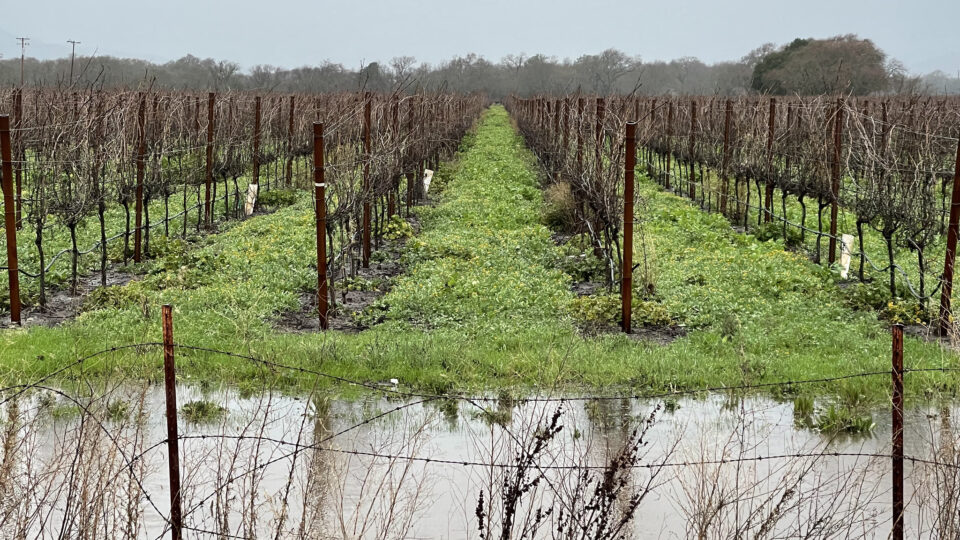
Starting in December, a series of “atmospheric rivers” brought record storms to California producing as much rain in three weeks in some areas as they normally have in an entire year.  The historic levels of rain (and snow in the mountains) have swollen rivers, flooded roads and homes, forced evacuations, knocked out electric power for millions of people, and resulted in more than 20 deaths.

Atmospheric rivers are air currents that carry large amounts of water vapor through the sky.  They are not unusual for California but recurrent waves of them like those that have happened recently are very infrequent.  Studies by the U.S. Geological Survey have shown that such a phenomenon recurs in California every 250 years.  There were a series of storms causing disastrous floods in California in 1861-62.

The atmospheric rivers are born in the warm waters of the tropical Pacific.  During La Nina phases, the atmospheric rivers typically make landfall on the northern West Coast. During El Nino phases, atmospheric rivers are more likely to end up in Southern and Central California. During transitions between the phases, as is happening now, the storms can cover large parts of the state.

Modern forecasting is pretty good at predicting the forthcoming occurrence of these storms and has led to some helpful actions, such as reservoir operators preventing dams from overflowing or bursting.  But there is a gap between science and decision-making.  It is pretty clear what needs to be done when tornados or hurricanes are on the way.  It is less clear what actions are appropriate when there are going to be repeated heavy rainstorms.

These storms will have an effect on California’s megadrought, but just how much of an effect remains to be seen.

**********

Web Links

Flooding in California: What Went Wrong, and What Comes Next

Photo, posted January 5, 2023, courtesy of Sarah Stierch via Flickr.

Earth Wise is a production of WAMC Northeast Public Radio

The Race For EV Batteries | Earth Wise

February 1, 2023 By EarthWise Leave a Comment

The race for electric vehicle batteries is on

Lithium-ion batteries have been the power source for electric vehicles since 2008, when the Tesla Roadster was introduced.  They took over for nickel-metal hydride batteries that powered most hybrid electric cars such as the Prius.  Lithium-ion batteries store much more energy for a battery of a given weight, which leads to greater driving range.

But lithium-ion is not an ideal solution.  The batteries depend on critical materials that are obtained by hacking into mountains, utilizing scarce desert groundwater, and in some cases, making use of child labor. Many materials depend on countries with whom economic ties have complicated geopolitical consequences.

State and federal mandates and incentives are pushing auto companies to prioritize electric vehicles in their future plans.  The Inflation Reduction Act in particular provides credits and other incentives for both consumers and manufacturers to electrify. So, sources for EV batteries are a key issue.

The Department of Energy is funding 20 different companies with $2.8 billion to bolster the production and processing of critical minerals in the U.S.  The goal is to bring the electric vehicle supply chain onshore to the greatest extent possible.  Some of the work involves redesigning lithium-ion batteries to reduce or eliminate problematic materials such as cobalt.  Other efforts seek to find domestic sources of critical materials such as lithium without causing serious environmental problems.

Given all this, it is no surprise that academic and industrial researchers are also exploring a wide variety of alternative battery technologies. 

The future of transportation is electrification and the race for EV batteries is on.

**********

Web Links

For U.S. Companies, the Race for the New EV Battery Is On

Photo, posted August 27, 2021, courtesy of Ron Frazier via Flickr.

Earth Wise is a production of WAMC Northeast Public Radio
Turning Carbon Into Stone | Earth Wise

January 31, 2023 By EarthWise Leave a Comment

Start-up plans to turn carbon into stone

A start-up company in Oman called 44.01 was recently awarded a $1.2 million Earthshot Prize by Prince William of the U.K.  The company, whose name corresponds to the molecular weight of carbon dioxide, is working on speeding up natural chemical reactions that take carbon from the air and lock it into solid mineral form.

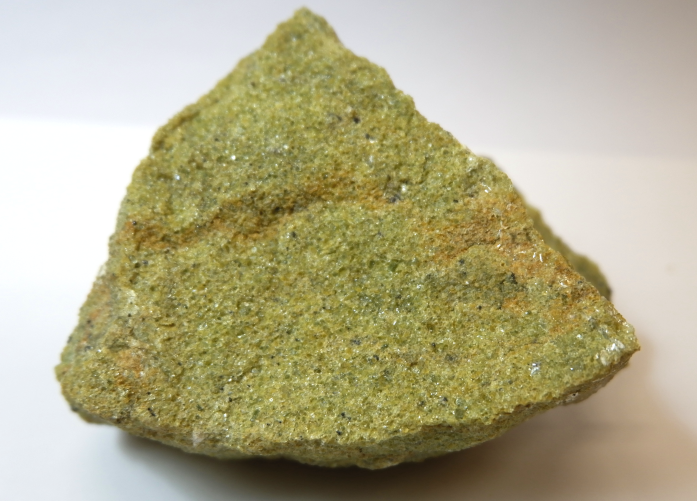
The company’s location in Oman is no random occurrence.  The mountains of northern Oman and along the coast of the United Arab Emirates are the site of a huge block of oceanic crust and upper mantle that was thrust upward some 96 million years ago.  The tilted mass of rock is over 200 miles long and is the largest surface exposure of the Earth’s mantle in the world.

This type of rock, called peridotite, is rich in olivine and pyroxene, which react with water and carbon dioxide to form calcium-based minerals like serpentine and calcite that permanently lock in carbon. Other kinds of rock also are capable of carbon-storing mineralization, but this mantle rock is the most effective for the purpose. It only exists at the Earth’s surface in a few places, including Papua New Guinea and some spots in California and Oregon.

The 44.1 company is planning to use solar-powered direct air capture devices to remove CO2 from the air, use it to produce carbonated water, and inject the water into the reactive rocks.  The company will operate a couple of pilot systems during 2023.  Ultimately, the company believes it can scale up the process to be able to permanently sequester as much as a billion tons of CO2 a year by the year 2040 without needing to inject the gas into deep caverns or find other places to store it.

**********

Web Links

With Major Prize, a Project to Turn Carbon Emissions to Stone Gains Momentum

Photo, posted August 10, 2018, courtesy of JM McBeth via Flickr.

Earth Wise is a production of WAMC Northeast Public Radio

Tracking Global Forest Changes | Earth Wise

January 30, 2023 By EarthWise Leave a Comment

Using deep learning to track global forest changes

India is one of the most biodiverse countries in the world.  An estimated 47,000 plant species and 89,000 animal species can be found in India, with more than 10% of each thought to be on the list of threatened species.

India is also one of the 10 most forest-rich countries in the world.  Trees cover approximately 25% of the nation.  But this is still a significant decline from years past.  In fact, between the 1890s and 1990s, a combination of rapid development and resource overexploitation caused India to lose nearly 80% of its native forest area.  Today, as India’s forests continue to disappear, researchers are trying to help preserve what forest remains. 

Using satellite-monitoring data, researchers from The Ohio State University have developed a deep learning algorithm that could provide real-time land use and land cover maps for parts of India. 

The land use monitoring system was trained using satellite data from Norway’s International Climate and Forests Initiative.  By combining this data with a global land cover map produced by Tsinghua University in China, the researcher team’s deep learning model was able to acquire a more detailed type of base map of the area.  Using their model, the researchers were able to process 10 monthly maps.  Their research was recently  presented at the annual meeting of the American Geophysical Union.   

Using these maps, the researchers were able to detect seasonal shifts across india.  These include changes to barren land, how crop land was affected by monsoons, and the distribution of forests in mountainous regions. 

Understanding the impact of these seasonal changes will help scientists better predict the effects of climate change on forests.

**********

Web Links

Using deep learning to monitor India’s disappearing forest cover

Photo, posted January 20, 2013, courtesy of Frontier Official via Flickr.

Earth Wise is a production of WAMC Northeast Public Radio
A Growing Threat To Wheat | Earth Wise

January 27, 2023 By EarthWise Leave a Comment

A growing threat to wheat threatens crop price and global food security

Wheat is one of the most widely-grown crops in the world and plays a major role in human nutrition.  In fact, wheat contributes approximately 20% of the protein and 20% of the calories consumed by humans globally.  It is grown on every continent except Antarctica.  

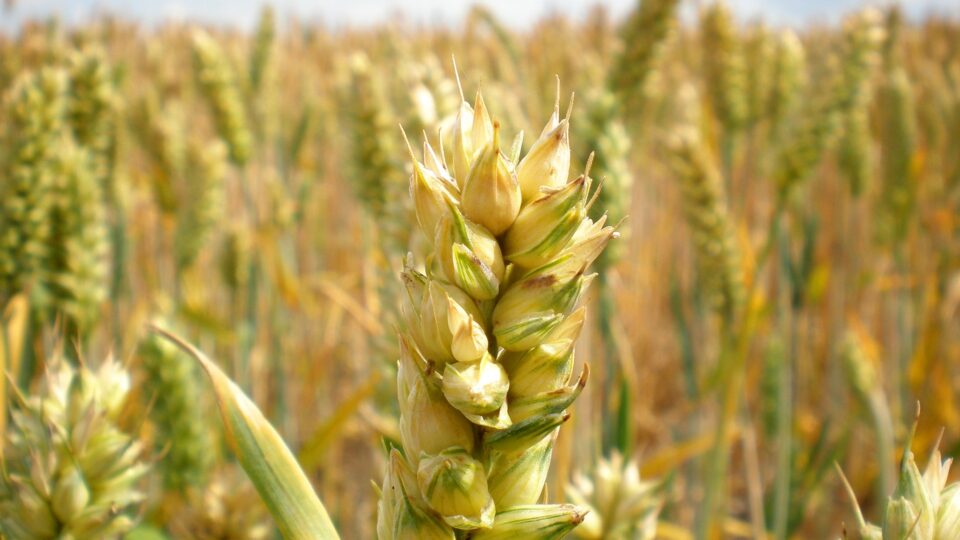
But wheat is under growing attacks from harmful toxins.  According to a new study by researchers from the University of Bath and the University of Exeter in the U.K., almost half of wheat crops across Europe are impacted by the fungal infection that gives rise to mycotoxins.

Mycotoxins are naturally occurring toxins produced by the fungus that causes Fusarium Head Blight.  Fusarium Head Blight is a disease that affects wheat and other grains growing in the field. Eating products contaminated with mycotoxins can cause sickness in humans and livestock, including vomiting and other gastrointestinal problems.

In the study, the research team examined 10 years of government and agribusiness data, which tracked Fusarium mycotoxins in wheat entering the food and animal supply chains across Europe and the U.K.  Half of the wheat intended for human food in Europe contained the Fusarium mycotoxin.  In the UK, 70% of wheat was contaminated.

Governments set legal limits on mycotoxin contamination levels in wheat that is to be consumed by humans. But with the ubiquitous nature of these mycotoxins, the effect of constant, low-level exposure in the diet over the course of a lifetime is not known. 

With climate change and the war in Ukraine already impacting both wheat yield and price, preventing toxin contamination is critical to help maintain a stable crop price and to protect global good security. 

**********

Web Links

Harmful fungal toxins in wheat: a growing threat across Europe

Photo, posted July 11, 2011, courtesy of Maria Keays via Flickr.

Earth Wise is a production of WAMC Northeast Public Radio.

Electric Mail Trucks | Earth Wise

January 26, 2023 By EarthWise Leave a Comment

The USPS is electrifying its fleet

The US Postal Service recently announced that it plans to buy at least 66,000 electric vehicles by 2028.  With more than 231,000 total vehicles, the Postal Services operates one of the largest civilian vehicle fleets in the world.

Last February, the Postal Service announced a plan to replace up to 165,000 older mail trucks, many of which are as much as 30 years old.  The gas-powered trucks get an estimated 8.6 miles per gallon when air conditioning is running.  The plan was for only 10% of the new trucks to be electric, citing the high upfront costs of electric vehicles even though they generally make up the difference by saving on fuel and maintenance costs over time. 

Facing strong criticism from the Biden administration, the Postal Service shifted course and in July announced that 40% of the new trucks would be electric. With passage of the Inflation Reduction Act in August, the Postal Service received $3 billion for fleet electrification and has once again changed its plans.  It also announced that it intends to stop buying gas-powered delivery trucks altogether after 2026.

As part of the new plan, the Postal Service plans to upgrade hundreds of facilities across the country to accommodate electric vehicles.  This will include installing chargers and streamlining delivery operations to reduce unnecessary trips.

The Postal Service is no alone in working to clean up its fleets.  FedEx says it plans to completely electrify its pickup and delivery fleet by 2040.  Amazon has ordered 100,000 electric vans from the start-up company Rivian.

Electrifying the postal delivery system makes abundant sense.  Postal routes are predictable and there is ample charging time to meet the power needs of the fleet.

**********

Web Links

Your Mail Truck Is Going Electric

Photo, posted January 18, 2017, courtesy of Rusty Clark via Flickr.

Earth Wise is a production of WAMC Northeast Public Radio.

Carbon Capture In Wyoming | Earth Wise

January 25, 2023 By EarthWise Leave a Comment

Wyoming produces about 40% of our country’s coal and many towns in the state were built because of and make their living from it.  With coal’s plummeting share in the nation’s electricity, there is a great deal of anxiety among residents of those towns.

As carbon dioxide levels in the atmosphere continue to climb, there is a growing sense that cutting emissions will not happen quickly enough and it will be necessary to pull the greenhouse gas out of the atmosphere.  The current long-term government climate strategy assumes that carbon removal will account for 6 to 8 percent of the nation’s greenhouse gas reductions by 2050.

The Inflation Reduction Act passed in August provides $3.5 billion to help build “direct air capture hubs” around the country, with an emphasis on fossil fuel-dependent communities such as many in Wyoming. 

The town of Rock Springs, Wyoming is home to the Jim Bridger Coal Plant. A company called CarbonCapture, Inc., is launching Project Bison, which will build a direct air capture facility outside of town that is set to begin operations next year.  It will initially capture 10,000 metric tons of CO2 per year but plans to expand that to 5 million tons a year by 2030. 

That would be far more than any current carbon capture plant can do. The largest plant in the world, located in Iceland, pulls in only about 4,000 metric tons a year.

There are many problems associated with carbon capture.  It uses up very large amounts of energy, possibly presents environmental problems, and is very expensive.  In short, the technology has a long way to go before becoming viable.  However, this may ultimately be another example where necessity is the mother of invention.

**********

Web Links

Carbon Removal Is Coming to Fossil Fuel Country. Can It Bring Jobs and Climate Action?

Photo, posted July 22, 2012, courtesy of Max Phillips via Flickr.

Earth Wise is a production of WAMC Northeast Public Radio

Fusion Power And The Climate Crisis | Earth Wise

January 24, 2023 By EarthWise Leave a Comment

In December, the Department of Energy announced that scientists at Lawrence Livermore National Laboratory in California had achieved a breakthrough in nuclear fusion technology.  Fusion is the process by which the sun generates energy.  If we had the means to produce nuclear fusion in a controlled fashion, it would be an almost limitless source of clean energy.

Scientists have been trying to develop controllable fusion since the advent of the hydrogen bomb in the 1950s.  H-Bombs are basically uncontrollable fusion.

There are massive experiments under development around the work seeking the means to create and control fusion.  There are multi-billion-dollar projects such as the ITER tokamak project in southern France, that have been ongoing for decades.  Colossal equipment is required to produce the temperatures of millions of degrees needed to fuse hydrogen atoms into helium atoms.

The Livermore project uses 192 powerful laser beams to vaporize a tiny pellet and provide the energy required to initiate fusion. The breakthrough is that the experiment released more energy than the lasers put in.  This was the first time a fusion experiment produced a net gain of energy.

Is fusion the solution to de-carbonizing the energy system?  Perhaps someday it might be.  However, even the most optimistic fusion researchers believe it will be at least another decade before even the experimental fusion systems around the world can reliably produce energy and the efforts will cost untold billions of dollars. 

The world cannot wait for fusion power to save the day.  The focus must remain on currently available renewable energy technologies if we are to achieve the necessary emission reductions in time to prevent the worst effects of climate change.

**********

Web Links

Can Fusion Solve the Climate Crisis?

Photo, posted July 29, 2010, courtesy of Steve Jurvetson via Flickr.

Earth Wise is a production of WAMC Northeast Public Radio.

Fertilizing The Ocean | Earth Wise

January 23, 2023 By EarthWise Leave a Comment

There are a variety of schemes for removing carbon dioxide from the atmosphere.  Some require advanced and generally not-very-well developed technology.  Others, such as planting vast numbers of trees, are nature-based but are daunting with respect to the scale to which they need to take place in order to be truly effective.

Researchers at the Pacific Northwest National Laboratory in Richland, Washington have been examining the scientific evidence for seeding the oceans with iron-rich engineered fertilizer in order to feed phytoplankton.  Phytoplankton are microscopic plants that are a key part of the ocean ecosystem.

Phytoplankton take up carbon dioxide as they grow.  In nature, nutrients from the land end up in the ocean through rivers and from blowing dust.  These nutrients fertilize the plankton.  The idea is to augment these existing processes to increase the growth of phytoplankton.  As they eventually die, they sink deep into the ocean, taking the excess carbon with them.


The researchers argue that engineered nanoparticles could provide highly controlled nutrition that is specifically tuned for different ocean environments.  Surface coatings could help the particles attach to plankton.  Some could be engineered with light-absorbing properties, allowing plankton to consume and use more carbon dioxide.

Analysis of over 100 published studies showed that numerous non-toxic, abundant, and easy-to-create metal-oxygen materials could safely enhance plankton growth.  According to the researchers, the proposed fertilization would simply speed up a natural process that already sequesters carbon in a form that could remove it from the atmosphere for thousands of years.  They argue that given the current trends in the climate, time is of the essence for taking action.

**********

Web Links

Fertilizing the Ocean to Store Carbon Dioxide

Photo, posted August 2, 2007, courtesy of Kevin McCarthy via Flickr.

Earth Wise is a production of WAMC Northeast Public Radio
Electric Cars And Cleaner Air | Earth Wise

January 20, 2023 By EarthWise Leave a Comment

Electric cars can help clean the air

Cities are awash in microscopic soot and other pollutants from the tailpipes of vehicles.  Apart from contributing substantially to the warming of the planet, these emissions have a significant impact on human health.  Research at Cornell University has determined that the continued growth of electric cars will lead to cleaner air and reduced human mortality in most if not all U.S. metropolitan areas.

The study, published in Renewable and Sustainable Energy Reviews, estimated the health impact and consequential economic impact of cleaner air in American cities as a result of the transition to electric vehicles.

For example, by 2050, Los Angeles will have 1,163 fewer premature deaths annually, corresponding to $12.6 billion in economic health benefits.  Greater New York City could see 574 fewer deaths a year leading to $6.24 billion in associated economic gains.

Global sales of electric cars have grown steadily.  In 2016, they accounted for less than 1% of the market.  That share grew to 2.2% in 2018, 4.1% in 2020, and 6.6% in 2021.

In the U.S., electric cars accounted for 4.5% of sales in 2021, but in many cities, the numbers were much higher. 

These trends are likely to accelerate as a combination of government policies and major decisions by automakers drive a rapid transition to electrification.  While mitigating the effects of climate change continues to be the main driving force for that transition, the human health benefits will be a very significant reward for doing the right thing for the planet.

**********

Web Links

Electric car sales drive toward cleaner air, less mortality

Photo, posted May 11, 2021, courtesy of Chris Yarzab via Flickr.

Earth Wise is a production of WAMC Northeast Public Radio
Harvesting Fresh Water From Ocean Air | Earth Wise

January 19, 2023 By EarthWise Leave a Comment

Researchers have developed a method to harvest drinking water from ocean air

Roughly three-quarters of the world population has access to a safely managed water source.  That means that one-in-four people do not have access to safe drinking water.  Even in the wealthy United States, persistent drought in the west is creating problems in places like Phoenix, Arizona.

Water is plentiful on Earth but more than 99% of it is unusable by humans and many other living things because it is saline, frozen, or inaccessible.  Only about 0.3% of our fresh water is found in the surface water of lakes, rivers, and swamps.

There is an almost limitless supply of fresh water in the form of water vapor above the oceans, but this source is untapped.  Researchers at the University of Illinois have been evaluating the feasibility of a hypothetical structure capable of capturing water vapor from above the ocean and condensing it into fresh water.

Existing ways to obtain fresh water like wastewater recycling, cloud seeding, and desalination have met only limited success and present various problems with regard to cost, environmental impact, and scalability.

The researchers have proposed hypothetical large offshore structures measuring 700 feet by 300 feet to capture water vapor that is continually evaporating from the ocean in subtropical regions.   Their modeling concluded that such structures could provide fresh water for large population centers in the subtropics.  Furthermore, climate projections show that the amount of water vapor over the oceans will only increase over time, providing even more fresh water supply.

This is only a theoretical study at this point, but the researchers believe it opens the door for novel infrastructure investments that could address global water scarcity.

**********

Web Links

Researchers propose new structures to harvest untapped source of fresh water

Photo, posted June 28, 2009, courtesy of Nicolas Raymond via Flickr.

Earth Wise is a production of WAMC Northeast Public Radio

  • « Go to Previous Page
  • Page 1
  • Interim pages omitted …
  • Page 34
  • Page 35
  • Page 36
  • Page 37
  • Page 38
  • Interim pages omitted …
  • Page 99
  • Go to Next Page »

Primary Sidebar

Recent Episodes

  • An uninsurable future
  • Clean energy and jobs
  • Insect declines in remote regions
  • Fossil fuel producing nations ignoring climate goals
  • Trouble for clownfishes

WAMC Northeast Public Radio

WAMC/Northeast Public Radio is a regional public radio network serving parts of seven northeastern states (more...)

Copyright © 2026 ·