
• Skip to primary navigation
  • Skip to main content
  • Skip to primary sidebar

Earth Wise

A look at our changing environment.

  • Home
  • About Earth Wise
  • Where to Listen
  • All Articles
  • Show Search
Hide Search
You are here: Home / Archives for Earth Wise

Earth Wise

Electric Cars Getting Cheaper | Earth Wise

April 12, 2023 By EarthWise Leave a Comment

Electric cars are getting cheaper

A sticking point for buying electric cars has always been that they are typically more expensive than equivalent gasoline-powered cars.  But increasing competition, government incentives, and falling prices for lithium and other battery materials is changing the equation.  In fact, the tipping point when electric cars are as cheap or even cheaper than internal combustion cars is likely to happen this year for many cars and, in fact, has already happened for some.

Battery production is ramping up for Tesla, General Motors, Ford, and others, creating cost savings from mass production. Companies manufacturing batteries in the United States are receiving government subsidies as part of a drive to establish a domestic supply chain and reduce dependence on China.  Before anyone cries foul, it should be noted that globally, oil companies received a trillion dollars in subsidies last year.  The Inflation Reduction Act is making it cheaper for automakers to build electric cars (provided they do it in the United States using US materials) and cheaper for consumers to buy them because of tax credits.

Multiple companies have lowered the price of their electric vehicles in recent months, including both the Tesla Model 3 and Model Y, which are the best-selling electric cars in the United States. GM’s electric Equinox crossover will start at about $30,000, which is still about $3,400 more than the gas-powered version.  But once the electric vehicle tax credit is figured in, it will actually be cheaper.

Electric cars are already cheaper to own and operate because of the much lower cost of powering with electricity instead of gas as well as the greatly reduced maintenance costs for the vehicles.  Once the purchase price of these cars is less than that of gas-powered cars, the economics becomes a no-brainer.

**********

Web Links

Electric Vehicles Could Match Gasoline Cars on Price This Year

Photo, posted May 11, 2021, courtesy of Chris Yarzab via Flickr.

Earth Wise is a production of WAMC Northeast Public Radio
Counting Trees | Earth Wise

April 11, 2023 By EarthWise Leave a Comment

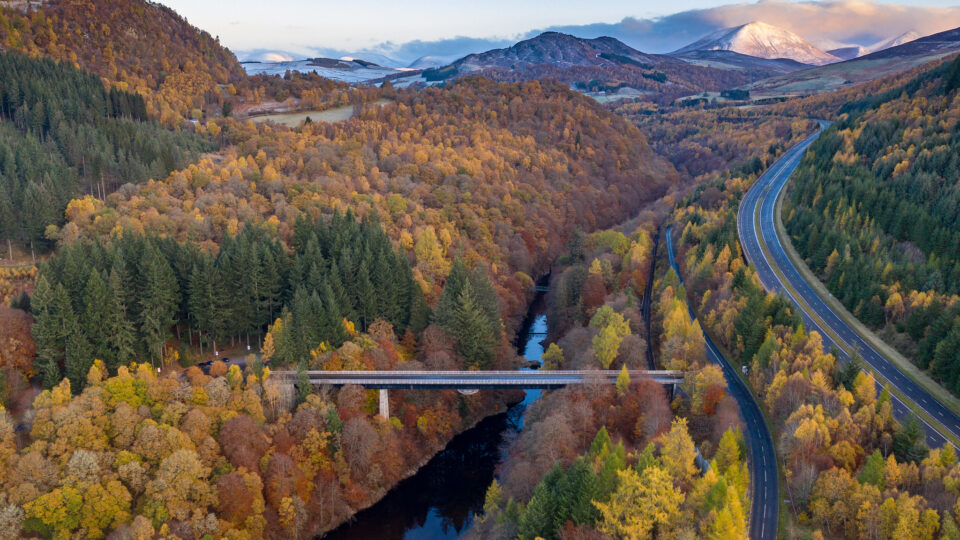
Researchers have developed a new method for counting trees

Scientists estimate that there are about 3 trillion trees on the earth.  A huge number but probably half as many as there were before people entered the picture.  And we’re losing about 10 billion trees a year to toilet paper, timber, farmland expansion, and other human activity.  Trees play a crucial role in taking carbon dioxide out of the atmosphere and storing it away.  For this reason, trees have become an integral part of the effort to mitigate climate change.

There are major initiatives underway around the world to plant more trees.  Part of this is driven by the increasing use of carbon credits by companies trying to offset their carbon emissions.   These credits are earned by either planting new trees or paying farmers or other landowners not to cut down existing trees.  But how many trees are actually planted and how many survive over time?

Whether these efforts are really resulting in more trees and more carbon storage is not easy to determine.  Current international inventories of global tree-sequestered carbon are subject to great uncertainty.

Researchers from the University of Copenhagen and NASA have developed a method for mapping large numbers of trees and determining their carbon content.  Using artificial intelligence techniques to analyze ultra-high-resolution satellite images, they can count trees, determine their individual species, and measure their carbon content.

A study of images from Africa’s Sahel region found that it is home to nearly 10 billion trees that are currently storing 840 million tons of carbon.

Now that the groundwork for this new methodology is complete, it is ready to be deployed by public agencies, NGOs, and other interested in monitoring the numbers of trees and their carbon content.

**********

Web Links

The counting of nine billion trees could help manage climate credits and nature restoration

Photo, posted October 27, 2018, courtesy of Ian Dick via Flickr.

Earth Wise is a production of WAMC Northeast Public Radio
Help For Kelp | Earth Wise

April 10, 2023 By EarthWise Leave a Comment

Sea urchins and climate change is devastating ocean kelp

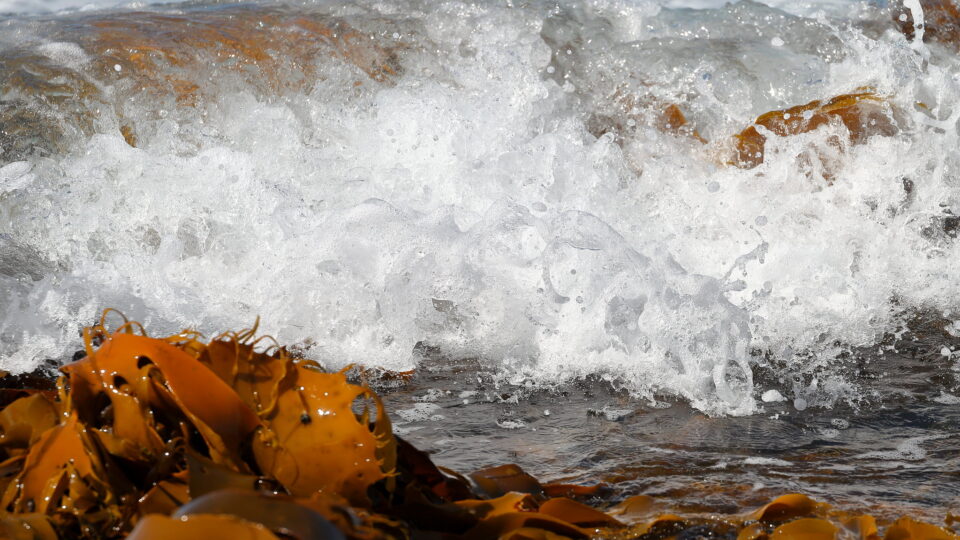
The warming of the oceans has been causing the decimation of kelp forests.  The thick canopies covering coastal ocean regions have been wilting in warmer and nutrient-poor water.  Making matters much worse has been the explosion in population of sea urchins that thrive in warmer water.  The urchins gobble up the kelp, often resulting in so-called urchin barrens, largely devoid of life.

Kelp are considered a foundation species that occupy nearly half of the world’s marine ecoregions.  They thrive in cold water, where they form large underwater forests that provide essential habitat, food, and refuge for many species.  Kelp are often harvested for use in products ranging from toothpaste and shampoo to puddings and cakes.  Including the other services kelp provide, they are associated with billions of dollars in value annually.

On the North American Pacific Coast, a species of sea star consumes sea urchins.  However, these creatures are critically endangered. A marine wildlife epidemic known as sea star wasting syndrome, which began 10 years ago, has killed off more than 90% of the sunflower sea star population.   A new study by researchers at Oregon State University looked at the ability of sea stars to control sea urchin populations.

Lab experiments showed that sea stars consume urchins at a rate sufficient to maintain and possibly even restore the health of kelp forests.  The study shows that there is a clear link between the population crash of sea stars, the explosion in sea urchin populations, and the decline in kelp.

The study’s authors are calling for active management and a coordinated sea star recovery program to try to deal with the effects of a disease whose cause has not been determined.

**********

Web Links

Sea stars able to consume kelp-eating urchins fast enough to protect kelp forests, research shows

Photo, posted December 14, 2015, courtesy of Ed Dunens via Flickr.

Earth Wise is a production of WAMC Northeast Public Radio
Clean Energy From North Africa | Earth Wise

April 7, 2023 By EarthWise Leave a Comment

Europe turning to North Africa for its clean energy needs

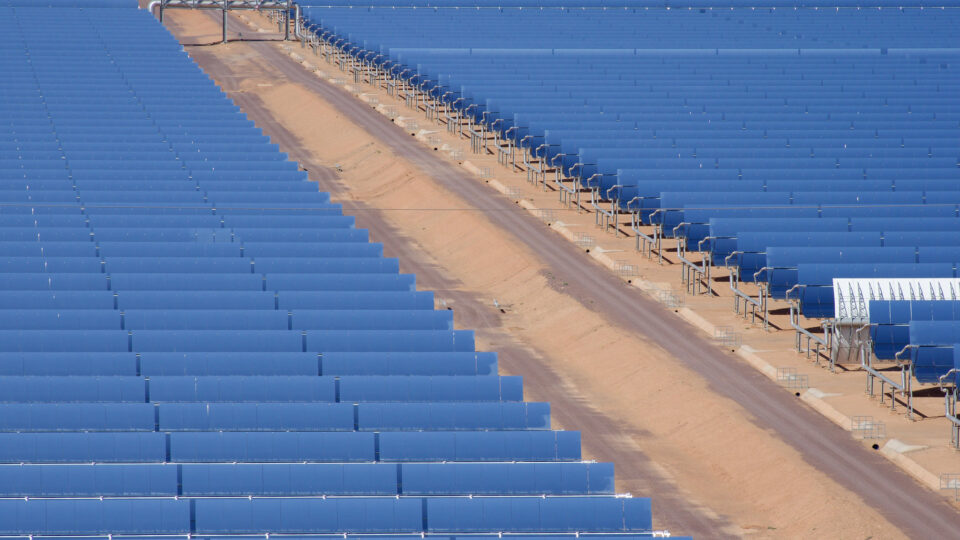
Europe is hungry for clean energy.  The war in Ukraine has amplified Europe’s desire to end its reliance on Russian natural gas.  Increasingly, Europe is pushing to install giant solar energy farms in sunny North Africa and transport the energy through underwater cables.

Solar panels in sunny North Africa generate up to three times more energy than those in Europe.  As a result, solar farms and wind farms as well are proliferating south of the Mediterranean Sea.  Morocco’s Noor and Egypt’s Benban solar farms are among the largest in the world.  Many of these farms were initially built to boost domestic power supplies and reduce dependence on coal.  But now these farms are increasingly supplying green energy to industrial neighbors in Europe.

Morocco has signed deals with the European Union to expand power exports.  Egypt is considering proposals for cables to link to Greece.  Another planned cable would link new solar farms in Tunisia to Italy’s grid.  These projects would certainly bring money and jobs to North African countries, but it isn’t all good news.

There are growing concerns about the environmental impacts of Europe outsourcing its energy needs.  Desert ecosystems could be greatly compromised.  And much of this development is likely to happen with only minimal community consultation or ecological assessment.  Half of Africa’s population does not have access to reliable power grids. Electricity becoming a major export is not likely to improve this situation.

Europe has long obtained many resources from the developing world.  Now it is tapping into the sunshine and wind in other lands.  It remains to be seen if North Africa’s countries will achieve the large potential gains those resources can offer them.

**********

Web Links

In Scramble for Clean Energy, Europe Is Turning to North Africa

Photo, posted October 17, 2019, courtesy of Richard Allaway via Flickr.

Earth Wise is a production of WAMC Northeast Public Radio
Humanity Weighs On The World | Earth Wise

April 6, 2023 By EarthWise Leave a Comment

There are countless ways in which humankind has had disproportionate effects on our planet and most of those effects have been negative.  A recent study led by the Weizmann Institute of Science in Israel looked at the total combined weight of various groups of mammals on Earth.  The results are that human beings and our domesticated mammals are the overwhelming majority of the total mass of mammals.

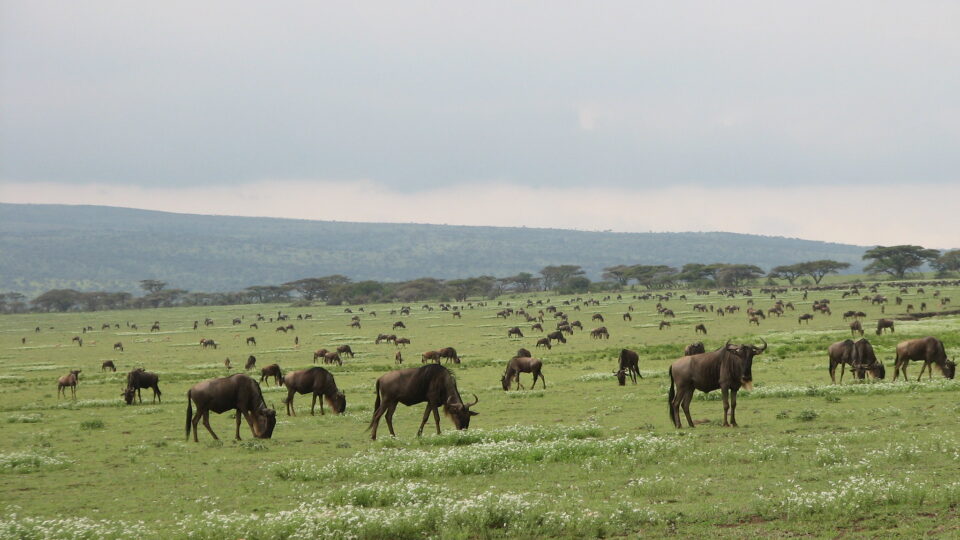
We think of large land mammals – elephants, bears, bison, wildebeests, and so on – as adding up to a massive amount of animal matter.  The study determined that all wild land mammals put together add up to about 22 million metric tons. Wild marine mammals – such as dolphins and whales – add up to about 40 million tons in total.  These sound like pretty big numbers until we look at the human and human-created side of the equation.

The study found that humans weigh about 390 million metric tons, while domesticated mammals – like sheep, cows, and pigs as well as dogs and cats – weigh about 630 million metric tons combined.

All told, wild mammals account for only 6% of all mammals by weight.   People and their domesticated animals make up the other 94%.  This enormous imbalance is an indication of how profoundly humans have reshaped life on Earth.  House cats total twice the weight of African elephants and pigs add up to twice the weight of all wild land animals combined.

The conclusion to draw from the big picture here is that wild animals on Earth are not doing very well.  We already knew this from many other perspectives, but this census by weight presents a stark picture of the extent to which we have taken over the planet and its ecosystems.

**********

Web Links

Total Weight of Wild Land Mammals Less Than One-Tenth Weight of All Humans

Photo, posted December 27, 2006, courtesy of Nigel Hoult via Flickr.

Earth Wise is a production of WAMC Northeast Public Radio
Spiders And Pest Control | Earth Wise

April 5, 2023 By EarthWise Leave a Comment

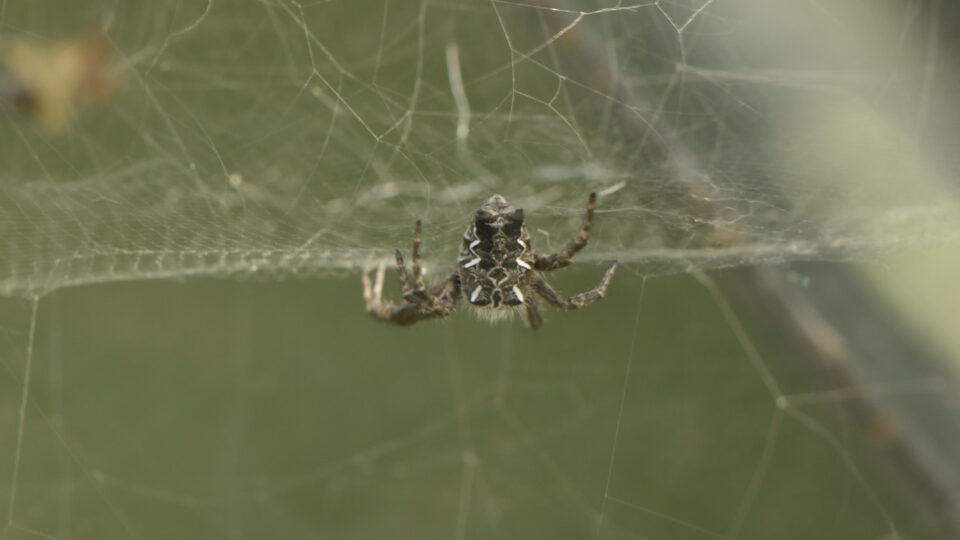
Using spiders as pest control in agriculture

Climate change facilitates the spread of invasive pest species by expanding their habitable environment ranges.  In conventional agriculture, farmers depend on chemical pesticides to control agricultural pests.  But 99% of all synthetic chemicals, including pesticides, are made from fossil fuels, and turning petrochemicals into pesticides requires massive amounts of energy.  These chemical pesticides also pollute the air and water, and destroy biodiversity by killing many non-target species as well.  

According to new research led by scientists from the University of Portsmouth in the U.K., groups of spiders could be used as an environmentally-friendly way to protect crops against agricultural pests.  The study, which was recently published in the journal Insects, suggests that web-building groups of spiders can be used to control populations of the tomato leafminer moth, a devastating pest of commercially important crops like tomatoes and potatoes.

The research team explored the use of tropical tent spiders for this pest control.  They are found in colonies around the world, and their range overlaps with regions of moth infestations, including Mediterranean Europe, Africa, Asia, and the Middle East.

In lab settings, different types of prey were introduced to colonies of spiders of varying body sizes.  The research team found that the larger spiders built larger webs and caught more prey, including tomato leafminer moths and fruit flies.   

Tropical tent spiders could be an effective and climate-friendly way to control flying insect pests.  However, more research is needed to ensure that these spiders don’t negatively impact crop pollination by also catching pollinators.

**********

Web Links

Using spiders as environmentally-friendly pest control

Photo, posted June 10, 2018, courtesy of Lies Van Rompaey via Flickr.

Earth Wise is a production of WAMC Northeast Public Radio
Offshore Wind In The Gulf Of Mexico | Earth Wise

April 4, 2023 By EarthWise Leave a Comment

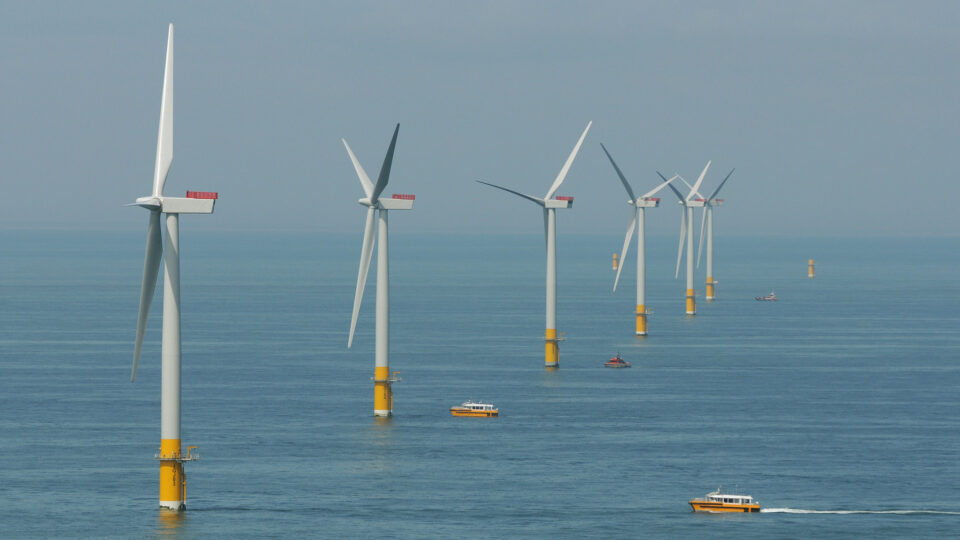
The U.S. pursuing offshore wind development in the Gulf of Mexico

The US has a goal of deploying 30 GW of offshore wind energy capacity by 2030.  This is an ambitious goal given that the current installed offshore wind capacity in the US is a total of seven turbines capable of generating just 42 megawatts of power.  So, there is a long way to go in a relatively short amount of time.

Since 2021, the Bureau of Ocean Energy Management, a division of the Department of the Interior, has held three offshore wind lease auctions, which grant rights to developers to install offshore wind in specific marine areas.  The first two auctions involve sites in the northeast, including areas in New York.  The third auction, held last December, offered sites off the California Coast – the first US sites in the Pacific.

In February, the Department of the Interior proposed a new offshore wind lease sale in the Gulf of Mexico.  It identified a 102,480-acre area off the coast of Louisiana, and two similar-sized areas offshore from Galveston, Texas.

The proposal is now in a 60-day period of seeking public comments before deciding whether to move ahead with the sale.  As was the case for the other lease auctions, there would stipulations associated with accepted bids including efforts to build up domestic industry for the supply chain and labor force.  There would also be requirements to establish and contribute to a fisheries compensatory mitigation fund to address any potential negative impacts to the fishing industry.

About two-thirds of offshore wind resources in the US are located in deep-water areas that will require floating platforms.  A federal program called Floating Offshore Wind Shot has the goal of developing cost-effective technology for this purpose.

**********

Web Links

Gulf of Mexico may be next up for offshore wind leases

Photo, posted May 13, 2011, courtesy of the Department of Energy and Climate Change via Flickr.

Earth Wise is a production of WAMC Northeast Public Radio
Coastal Land Reclamation | Earth Wise

April 3, 2023 By EarthWise Leave a Comment

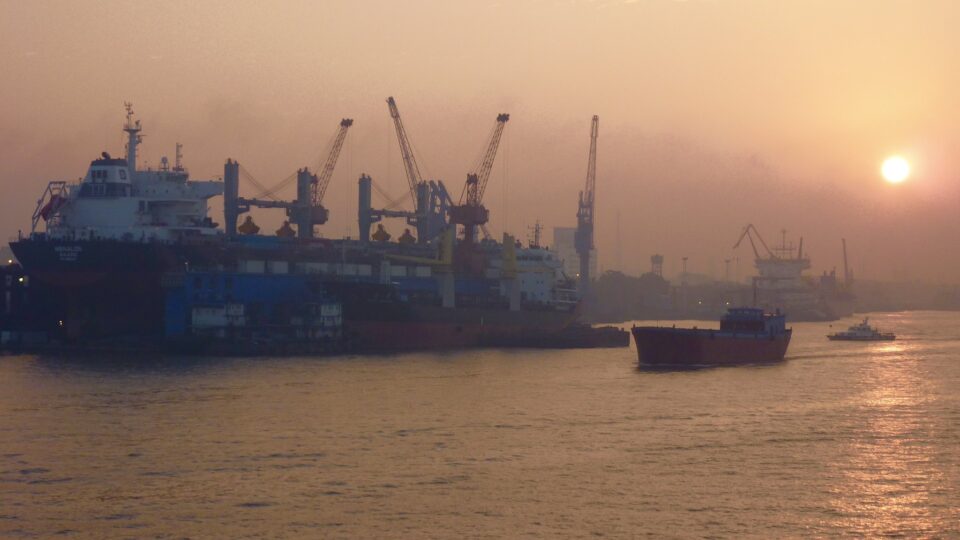
People are artificially expanding the coastlines of cities by extending industrial ports and creating luxury residential waterfronts.  Major cities have added 900 square miles to their coastlines just since 2000. 

A recent study published in the journal Earth’s Future made use of satellite imagery to analyze land changes in 135 cities with populations of at least 1 million.  But population growth is not the only driver of coastal land reclamation.  It is popular in places that are eager to enhance their reputation and promote revenue growth.

At present, coastal land reclamation is most common in the Global South, where many economies are growing. In the past, the Global North dominated the use of coastal land construction.

The largest additions to land area occurred in China, Indonesia, and the United Arab Emirates.  Port extension is the most common reason for development.  Shanghai alone has added 135 square miles of land.

New land is typically created by piling sediments in the ocean, building cement sea walls and structures to contain sediments or cement, or sometimes filling in wetlands and other shallow areas of water near the coast.  The ecological impacts of reclamation are immense and, unfortunately, are not always considered.  Projects affect both the local ecosystems as well as those of the places where fill materials are obtained.

Industrialization and the need for urban space have driven much coastal reclamation.  Some projects, such as the palm-tree-shaped artificial islands of Dubai, are essentially for prestige.  Some cities, including Shanghai, are building new land in consideration of future sea level rise.

**********

Web Links

New Land Creation on Waterfronts Increasing, Study Finds

Photo, posted October 15, 2010, courtesy of Werner Bayer via Flickr.

Earth Wise is a production of WAMC Northeast Public Radio
Dangers Of Melting Glaciers | Earth Wise

March 31, 2023 By EarthWise Leave a Comment

The dangers posed by melting glaciers

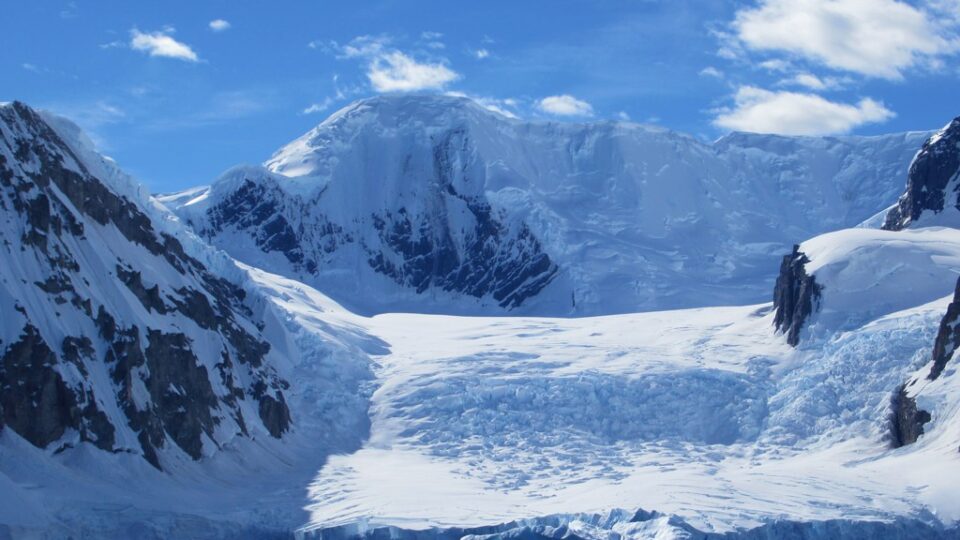
Some of most dramatic evidence that the Earth’s climate is warming is the retreat and even disappearance of mountain glaciers around the world.  2022 was the 35th year in a row that glaciers tracked by the World Glacier Monitoring Service lost rather than gained ice.  Glaciers gain mass through snowfall and lose mass through melting and sublimation (water evaporating directly from solid ice.)  Some glaciers that terminate in lakes or the ocean lose mass through iceberg calving.

In the warming climate, glaciers retreat and meltwater collects at the front of the glacier forming a lake.  Such lakes can suddenly burst and create a fast-flowing Glacier Lake Outburst Flood that can spread over a large distance from the original site – in some cases over 70 miles.  These floods can damage property, infrastructure, and agricultural land and can also be deadly.

The number of glacial lakes has grown rapidly since 1990 as a result of climate change.  According to research by an international team of scientists led by Newcastle University in the UK, the number of people living in glacial lake catchments has increased significantly.

According to the study, 15 million people live within 30 miles of a glacial lake.  The highest danger is in High Mountain Asia – which encompasses the Tibetan Plateau.  That area, which spans from Kyrgyzstan to parts of China, has 9.3 million people potentially at risk.  India and Pakistan have around 5 million exposed people.

Detailed analysis shows that it is not the areas with the largest number or most rapidly growing lakes that are most dangerous.  It is the number of people in proximity to the lakes and their ability to cope with potential floods.

**********

Web Links

Glacial flooding threatens millions globally

Photo, posted February 12, 2022, courtesy of David Stanley via Flickr.

Earth Wise is a production of WAMC Northeast Public Radio
How To Meet Protected Land Targets | Earth Wise

March 30, 2023 By EarthWise Leave a Comment

How to meet protected land targets

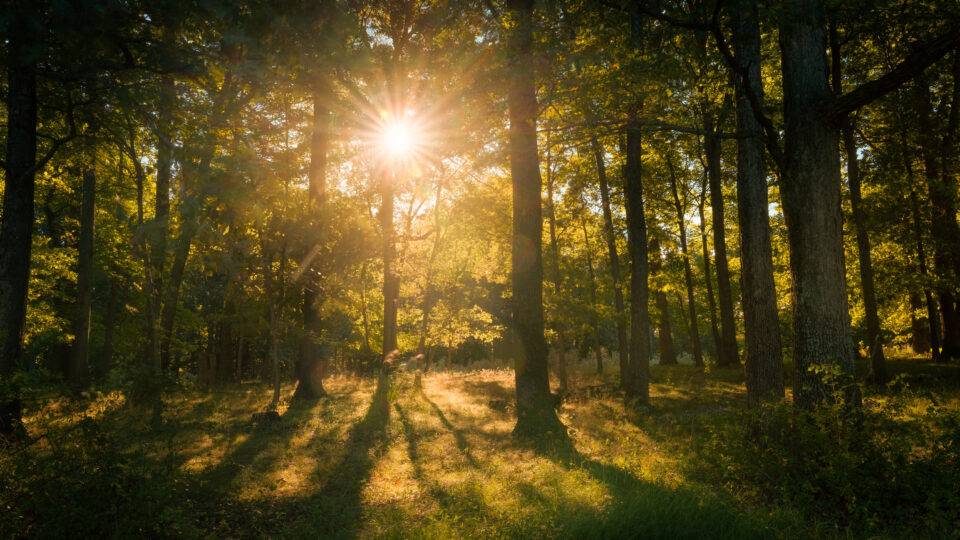
More than half of the world’s countries have set a target of setting aside 30% of land and sea areas across the globe for conservation by 2030, in order to preserve and protect nature and essential services to people.  This pledge creates some difficult questions to answer.

What sorts of land should be protected and where should it be located?  What effects of these new land protections will there be on carbon emissions and the climate and on land usage for food production and energy generation?  Policymakers have to grapple with such questions in order to move forward on these ambitious biodiversity protection goals.

A recent study by the Lawrence Berkeley National Laboratory attempts to answer many of these questions.  The study found that meeting the 30% goal could lead to substantial regional shifts in land use and, in some cases, still fail to protect some of the most important biodiversity hotspots.

Protecting land entails tradeoffs with other land uses and can have negative impacts on the agricultural sector as well as land use for bioenergy crops and forest land use for timber.

In particular, the study found that the amount of land used for crops for conversion into biofuels could be significantly impacted by doubling current protected areas while still preserving the amount of land used for food crops.  This is particularly true for land in Russia and Canada.

The study also found that while it may be possible to meet the 30% target by only protecting agriculturally unsuitable land, it may not end up protecting many of the world’s 36 identified biodiversity hotspots.  The uneven distribution of species has a significant bearing on how to manage the conservation of biodiversity.

**********

Web Links

Doubling Protected Lands for Biodiversity Could Require Tradeoffs With Other Land Uses, Study Finds

Photo, posted September 19, 2020, courtesy of John Brighenti via Flickr.

Earth Wise is a production of WAMC Northeast Public Radio

Sustainable Jet Fuel | Earth Wise

March 29, 2023 By EarthWise Leave a Comment

Experimenting with sustainable jet fuel

For several years, a few airlines, notably United here in the US, have been experimenting with the use of sustainable jet fuel.  Sustainable aviation fuel is made from such things as used cooking oil and agricultural waste.  It produces up to 80% fewer greenhouse gas emissions than conventional jet fuel. 

To date, when used it has been blended with fossil fuel jet fuel at a fairly low level.  United is the largest consumer of sustainable jet fuel in the US, but it accounts for less than one percent of the airline’s total fuel consumption.  Unfortunately, sustainable fuel can be as much as three times more expensive than conventional jet fuel.

Because of increasing governmental policy changes, technological breakthroughs, and climate commitments by airlines, efforts to increase the viability of sustainable jet fuel are ramping up.

Recently, United Airlines, Air Canada, Boeing, Honeywell, and JP Morgan Chase made initial contributions of $100 million to a new venture capital fund that will invest in sustainable fuel technology.  United expects the fund to grow to $500 million and make about two dozen investments over the next three years. 

Emissions from aviation contribute more than two percent of global greenhouse gas emissions each year.  Like many big companies, United Airlines has pledged to stop adding carbon emissions to the environment by 2050.  Unlike many, United has also pledged to eliminate emissions without using carbon offsets, which is effectively paying others to do their dirty work without cleaning up their own operations.

Multiple sustainable fuel companies in the US and abroad are working on a variety of ways to make aviation fuel from sustainable sources.

**********

Web Links

A Sudden Rush to Make Sustainable Aviation Fuel Mainstream

Photo, posted August 18, 2021, courtesy of Ronen Fefer via Flickr.

Earth Wise is a production of WAMC Northeast Public Radio
Protecting Wetlands | Earth Wise

March 28, 2023 By EarthWise Leave a Comment

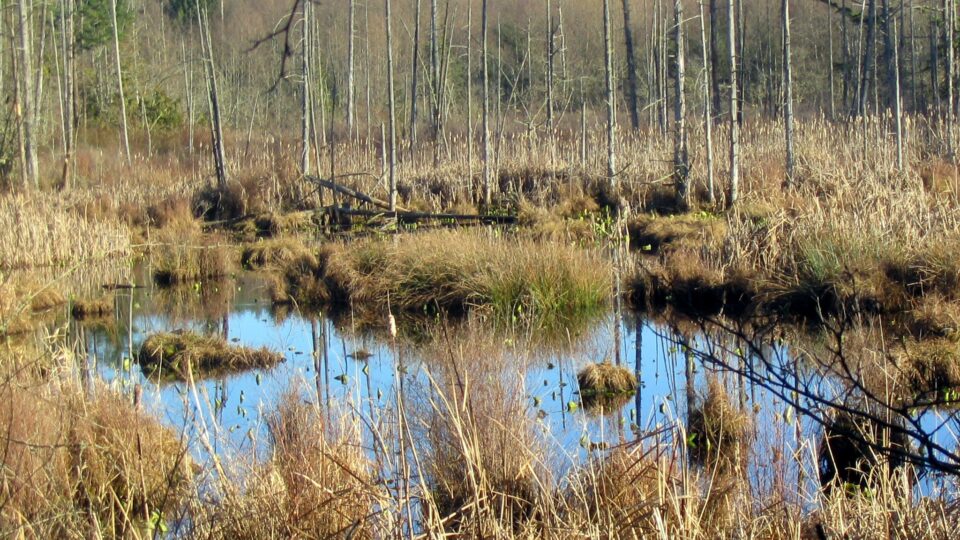
Wetlands are distinct ecosystems that are flooded or saturated by water, either permanently or seasonally.  They include mangroves, marshes, swamps, forested wetlands, bogs, wet prairies, and vernal pools.   The feature that most wetlands share is soil or substrate that is at least periodically saturated with or covered by water.

Wetlands are some of the most threatened ecosystems in the world.  While wetlands can be affected by a variety of natural stressors, including erosion, droughts, and storms, human activities have been the major driver of wetland decline. 

But according to a new study by researchers from McGill University in Canada, the global loss of wetland areas since 1700 has likely been overestimated.  The research team calculated that the area of wetland ecosystems around the world has declined 21-35% since 1700 as a result of human activities – far less than the 50-87% decline estimated in other studies.  The study’s focus beyond regions with historically high wetland losses and its avoidance of possibly misleading extrapolations likely resulted in the lower estimate.      

According to the study, which was published in the journal Nature, more than 2.1 million square miles of wetlands have been lost during the past 300 years – an area roughly the size of India.  The five countries with the highest wetland losses are the United States, China, India, Russia and Indonesia. 

But discovering that fewer wetlands have been historically lost than previously thought gives researchers a second chance to protect wetlands.  The findings of the study will help researchers prioritize global conservation and restoration actions.

**********

Web Links

A second chance to protect wetlands

Photo, posted February 2, 2005, courtesy of Jan Tik via Flickr.

Earth Wise is a production of WAMC Northeast Public Radio
Offshore Wind Industry In New York | Earth Wise

March 27, 2023 By EarthWise Leave a Comment

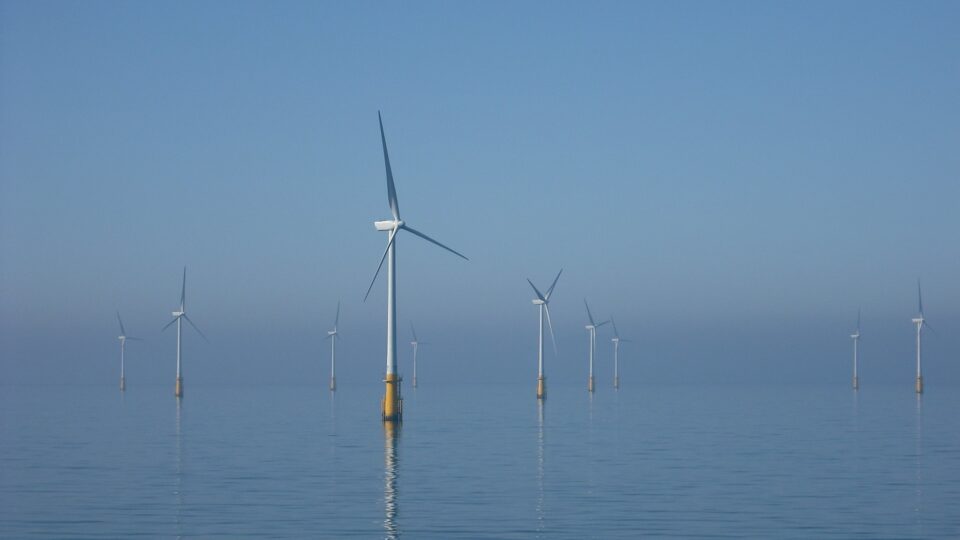
Last July, New York Governor Kathy Hochul announced the release of the state’s third competitive offshore wind solicitation, seeking to add generating capacity to power at least 1.5 million homes.  In response to the solicitation, the New York State Energy Research and Development Authority – NYSERDA -received more than 100 proposals for 8 new projects from six offshore wind developers.  An evaluation period is in progress and NYSERDA expects to announce awards sometime this spring.

Apart from the development and installation of offshore wind turbines and their associated infrastructure, participating in the program also involves supply chain investments to support the development of a strong, local supply chain that creates jobs for New Yorkers as well as bolstering the state’s standing as a regional hub for offshore wind manufacturing.

Siemens Gamesa Renewable Energy, a multi-billion-dollar Spanish-German wind engineering company, is one of the companies bidding to have its wind turbines used for the forthcoming New York offshore wind projects.   If Siemens Gamesa is selected for the project, the company has revealed that it will build a major offshore nacelle manufacturing facility at the Port of Coeymans, New York, some 15 miles from Albany.

The planned facility would create approximately 420 direct jobs and represent an investment of around $500 million in the region.  Siemens Gamesa said it would also commit to localizing several new component supplier facilities, including steel component fabrication, bearings, and composite components. 

Offshore wind will bring more than just electricity to New York; it will bring a whole new industry.

**********

Web Links

Siemens Gamesa reveals plans for New York offshore wind hub

Photo, posted March 24, 2016, courtesy of TEIA via Flickr.

Earth Wise is a production of WAMC Northeast Public Radio

Protected Areas Are Not Protecting Insects | Earth Wise

March 24, 2023 By EarthWise Leave a Comment

Insects are not being protected by protected areas

Insects can be found in every environment on Earth and play crucial roles in the planet’s ecosystems.  In fact, Biologist E. O. Wilson once said that “if all mankind were to disappear, the world would regenerate back to the rich state of equilibrium that existed ten thousand years ago.  If insects were to vanish, the environment would collapse into chaos.”

While his statement may sound extreme, it’s really not an exaggeration.  Insects are critical to most ecosystems.  They pollinate more than 80% of plants – both those we eat and those that provide food and habitat for other species.  Insects are also a food source themselves, eaten by other insects, birds, fish, and mammals. Without insects, we wouldn’t have the rich biodiversity that supports life on earth today. 

But insect populations are collapsing around the globe, and they continue to be overlooked by conservation efforts.  Protected areas, like national parks, refuges, and sanctuaries, can safeguard threatened species, but only if those threatened species actually live within the protected areas. 

According to a new study recently published in the journal One Earth, 76% of insect species are not adequately covered by protected areas, including several critically endangered insects such as the dinosaur ant, crimson Hawaiian damselfly, and harnessed tiger moth. Alarmingly, the populations of 1,876 species do not overlap with protected areas at all.

Insects have been historically overlooked by conservation programs and need to be included in future conservation assessments. 

**********

Web Links

Protected areas fail to safeguard more than 75% of global insect species

Photo, posted August 21, 2014, courtesy of Andy Reago & Chrissy McClarren via Flickr.

Earth Wise is a production of WAMC Northeast Public Radio
Self-Deicing Roads | Earth Wise

March 23, 2023 By EarthWise Leave a Comment

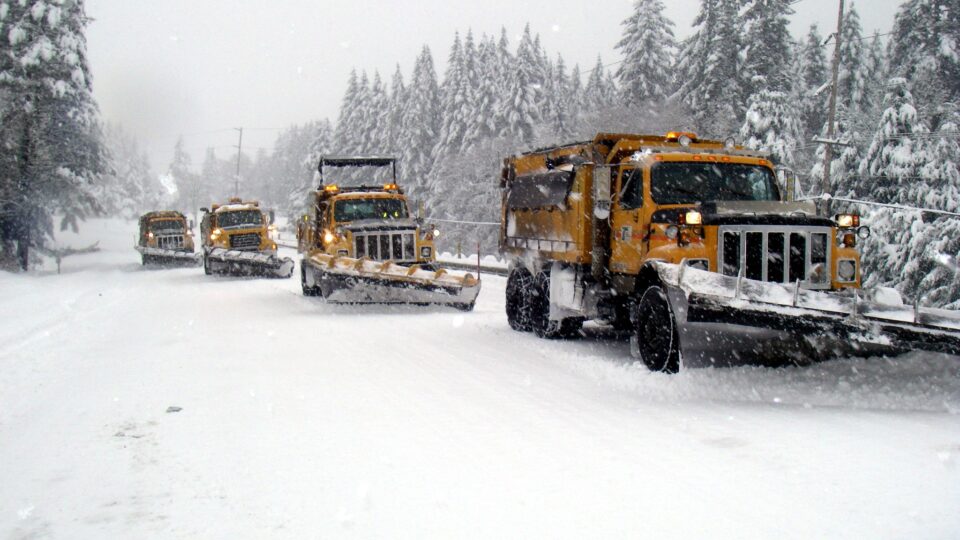
Driving on snowy or icy roads can be pretty dangerous.  That is why roads are salted or coated with sand to provide traction in icy weather.  But excessive use of these substances is bad for the environment and sometimes a storm will blow in before the roads can be coated.

In a paper published in the American Chemical Society Journal ACS Omega, researchers in China describe a method of adding microcapsules filled with a chloride-free salt mixture to the asphalt with which roads are paved.  The idea is to provide the road itself with long-term snow melting capabilities.

The researchers prepared a sodium-acetate salt and combined it with a surfactant, silicon dioxide, sodium bicarbonate, and blast furnace slag, which is a waste product from power plants.  The substances were reduced to a fine powder and then coated with a polymer solution to form tiny microcapsules.  The microcapsules were then used to replace some of the standard mineral filler in asphalt.

Lab experiments showed that the special additive lowered the freezing point of water on the asphalt to -6 degrees Fahrenheit.   The researchers estimated that a 2-inch-thick layer of the anti-icing asphalt would be effective at melting snow for seven or eight years.  A real-world pilot test of the coating on a highway offramp showed that it melted snow that fell on the road whereas an uncoated road required snow removal operations.

According to the researchers, given the cost of materials used for the coating and its potential useful lifetime, it could be a practical and economic enhancement for wintertime snow and ice removal.  Maybe we’ll someday have roads that can fairly often deice themselves. 

**********

Web Links

Keeping drivers safe with a road that can melt snow, ice on its own

Photo, posted April 8, 2007, courtesy of the Oregon Department of Transportation via Flickr.

Earth Wise is a production of WAMC Northeast Public Radio

Sea Level Rise And Global Security | Earth Wise

March 22, 2023 By EarthWise Leave a Comment

Recently, United Nations General Secretary Antonio Guterres addressed the U.N. Security Council on the issue of the security threats created by rising sea levels. In the past, some members of the Security Council – notably Brazil, China, Russia, and at times, India – have argued that the U.N.’s climate program should address such issues and that the Security Council doesn’t have a mandate or the expertise to consider the issue.   The underlying problem is that by addressing the security issues created by rising seas, other sensitive geopolitical issues might come to the forefront.

Guterres’ speech focused on the real possibility that rising seas could disrupt and destabilize global societies unless there is an organized international effort to get ahead of the problem.  Major cities facing serious impacts from rising seas include Cairo, Lagos, Bangkok, Jakarta, Mumbai, Shanghai, Copenhagen, London, Los Angeles, New York, and Buenos Aires, among others.

In all, Guterres said that the danger is most acute for about 900 million people living in low-lying coastal areas.  Some countries, particularly small island developing countries, could disappear entirely.

The world is already facing refugee crises related to politics, warfare, and extreme weather.  The flood of refugees created by rising seas could be biblical in magnitude.

The confluence of climate change and global security is growing steadily.  As the global body primarily responsible for maintaining international peace and security, the U.N. Security Council cannot duck this issue much longer.  It has a critical role to play in building the political will required to address the security challenges looming from rising seas.

**********

Web Links

Sea Level Rise Could Drive 1 in 10 People from Their Homes, with Dangerous Implications for International Peace, UN Secretary General Warns

Photo, posted July 19, 2021, courtesy of Face of the World via Flickr.

Earth Wise is a production of WAMC Northeast Public Radio

Keeping The Keeling Curve Going | Earth Wise

March 21, 2023 By EarthWise Leave a Comment

The world’s longest-running record of direct readings of carbon dioxide levels in the atmosphere is the Keeling Curve, measurements taken at the summit of Mauna Loa in Hawaii.  The readings have been going on with almost no interruption since Charles Keeling began taking them in the 1950s.  But the eruption of Mauna Loa last November toppled power lines at the mountaintop observatory and buried a mile of the main road up the mountain in lava.

Scientists have been scrambling to resume measurements and the near-term solution has been to take them, for the first time, on Mauna Kea, the neighboring large volcano about 25 miles away.  The National Oceanic and Atmospheric Administration flew in and installed instruments at the Mauna Kea observatory so that only about a week went by without measurements.   It happened so quickly because months earlier, NOAA had already started looking into installing a backup site on Mauna Kea where there is an observatory run by the University of Hawaii.

NOAA used helicopters to install solar panels and batteries on Mauna Loa to restore power in the short term since it will be months before a new road can be built on the still-cooling lava. The plan is to collect parallel measurements for a year to see if Mauna Kea, which hasn’t erupted for thousands of years, might become a long-term backup for Mauna Loa.

The Hawaiian volcanoes are uniquely suited for the measurements because they are surrounded by thousands of miles of empty ocean and are very high up, away from towns, cars, and forests.  Scientists are now monitoring measurements from the two sites to see how they compare.

**********

Web Links

Battling Lava and Snowstorms, 2.5 Miles Above the Pacific

Photo, posted November 2, 2015, courtesy of Neal Simpson via Flickr.

Earth Wise is a production of WAMC Northeast Public Radio
Great Salt Lake In Danger | Earth Wise

March 20, 2023 By EarthWise Leave a Comment

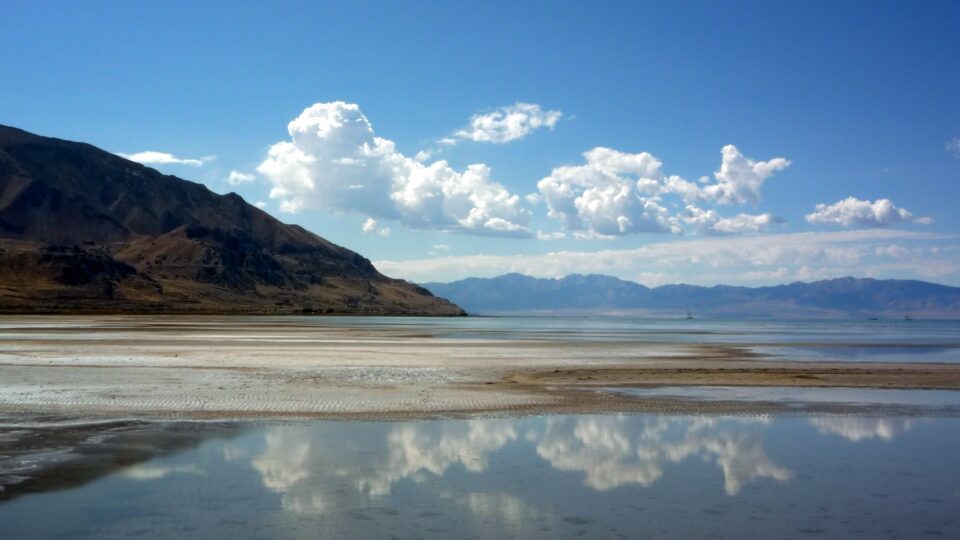
Great Salt Lake is threatened by the changing climate

Utah’s Great Salt Lake has been plagued by excessive water use and extensive drought conditions.  As of January, the lake dropped to record-low water levels, losing 73% of its water and exposing 60% of its lakebed. According to scientists, the lake could disappear entirely within five years.

Great Salt Lake is what is known as a “terminal lake,” which means that it is fed only by rain, snow, and runoff and has no rivers that take water to the ocean.  As a result, salt and minerals build up over time.  With so much salt in the water, only brine flies and shrimp can survive in it.  The unique ecosystem supports 10 million migratory birds.  As the lake continues to dry up, the water is becoming too salty for even algae and microbes to survive.  With shallow mud replacing previous shallow water, the nests of the 80,000 white pelicans that annually come to the lake are endangered by predators that can simply walk over to the eggs.

The historic low water levels have exposed 800 square miles of lakebed.  This lakebed holds centuries of natural and manmade toxins like mercury, arsenic, and selenium.  The exposed mud ultimately turns to dust that is carried off into the air.  This is contributing to what is already some of the worst winter air pollution in the nation.  Scientists warn that the unfolding ecological disaster may become a human health disaster.

State officials and university researchers have formed a “Great Salt Lake Strike Team” looking for ways to get more water to the lake.  There are a number of so-called moonshot proposals to save the lake.  It remains to be seen what will be done, but the clock is ticking.

**********

Web Links

Great Salt Lake will disappear in 5 years without massive ‘emergency rescue,’ scientists say

Scientists fear a Great Toxic Dustbowl could soon emerge from the Great Salt Lake

Photo, posted September 19, 2009, courtesy of John Morgan via Flickr.

Earth Wise is a production of WAMC Northeast Public Radio
Distributed Wind Energy | Earth Wise

March 17, 2023 By EarthWise 1 Comment

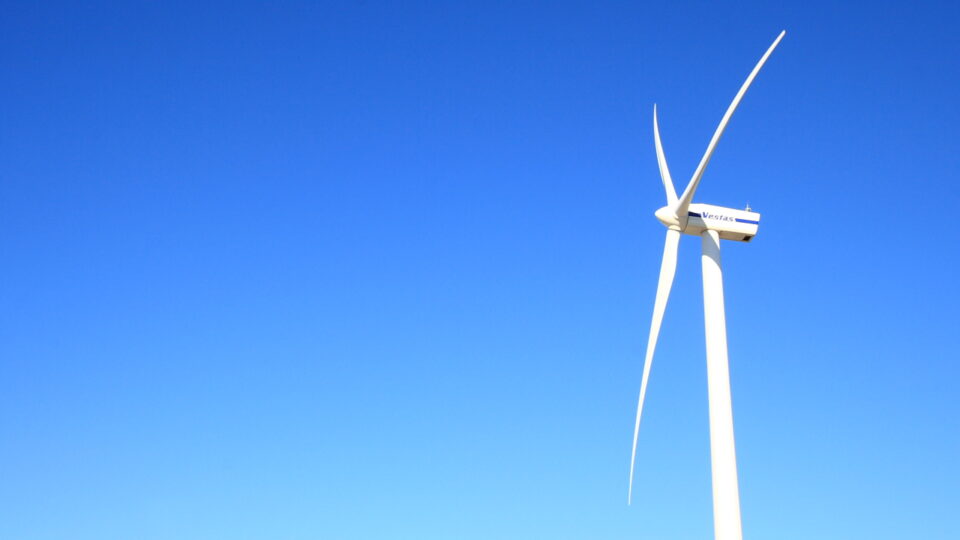
When we think about wind power, we are usually talking about increasingly giant windfarms – either on land or offshore – that produce power on a utility scale.  But there is also distributed wind energy, which refers to wind technologies in locations that directly support individuals, communities, and businesses.  

Distributed wind can be so-called behind-the-meter applications that directly offset retail electricity usage much as rooftop solar installations do.  It can also be front-of-the-meter applications where the wind turbines are connected to the electricity distribution system and supplies energy on a community scale.  Distributed wind installations can range from a several-hundred-watt little turbine that powers telecommunications equipment to a 10-megawatt community-scale energy facility. As of 2020, there were nearly 90,000 distributed wind turbines in the U.S. with a total capacity of about 1 GW.

A study by the National Renewable Energy Laboratory has estimated the potential for distributed wind energy in the U.S.   According to the new analysis, the country has the ability to profitably provide nearly 1,400 GW of distributed wind energy capacity. 

Entire regions of the country have abundant potential. The regions with the best economic prospects have a combination of high-quality wind, relatively high electricity rates, and good siting availability.  Overall, the Midwest and Heartland regions had the highest potential especially within agricultural land.

Realizing this outcome for distributed wind will require improved financing and performance to lower costs, relaxation of siting requirement to open up more land for wind development, and continued investment tax credits and the use of net metering.

**********

Web Links

U.S. has potential for 1,400 GW distributed wind energy, NREL finds

Photo, posted January 3, 2009, courtesy of skyseeker via Flickr.

Earth Wise is a production of WAMC Northeast Public Radio
Solar Power At Night | Earth Wise

March 16, 2023 By EarthWise Leave a Comment

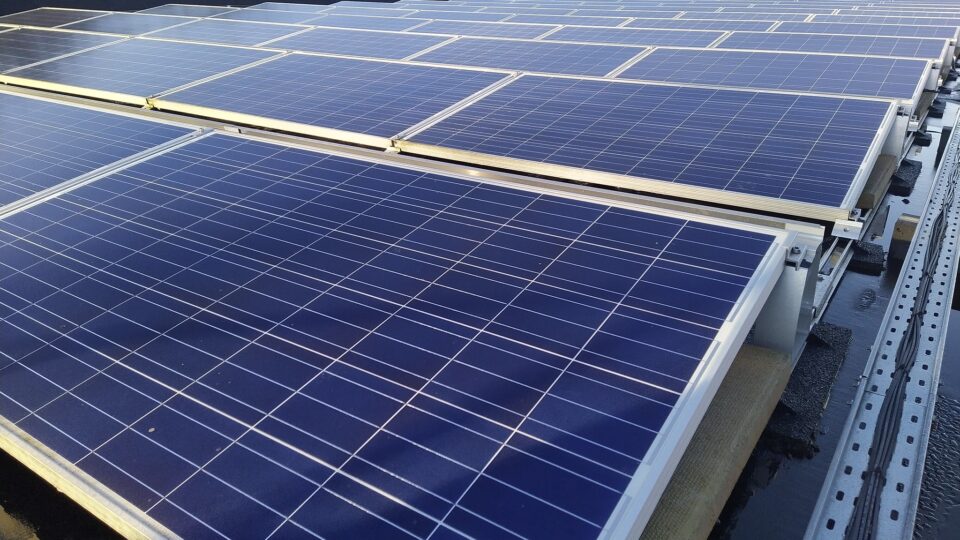
The use of solar power has grown tremendously in recent years as it has declined in price and become far more competitive with other forms of electricity generation.  Its fundamental drawback, of course, is that it only works when the sun is shining.  Solar panels don’t produce any power at night.  That is, until now, apparently.

A team of engineers at Stanford University have developed a new kind of solar cell that is capable of generating at least some electricity at night.  Published in the journal Applied Physics Letters, the research describes a device that can be a continuous renewable power source for both day and nighttime.

The device incorporates a thermoelectric generator that produces electricity from the small difference in temperature between the ambient air and the solar cell itself.  The amount of power produced is far less than the solar cell generates from sunlight, but the device can provide nighttime standby lighting and power in off-grid and mini-grid applications.

Mini-grid applications are independent electricity networks that are used for small populations that may be too isolated to be connected to the main power grid.  Nearly 600 million people in Africa currently live without access to electricity, primarily in rural areas.  A standalone solar system operating independently of any power grid can meet many electricity needs such as phone charging and lighting, but such systems may not be able to handle large electrical need such as powering machinery and agricultural equipment.  Mini-grids are larger installations that can provide power to a small rural community.

With innovations like the new Stanford device, a solar mini-grid may be able to keep running at some level even at night.

**********

Web Links

Solar panels that can generate electricity at night have been developed at Stanford

Photo, posted December 15, 2021, courtesy of Pete via Flickr.

Earth Wise is a production of WAMC Northeast Public Radio

  • « Go to Previous Page
  • Page 1
  • Interim pages omitted …
  • Page 32
  • Page 33
  • Page 34
  • Page 35
  • Page 36
  • Interim pages omitted …
  • Page 99
  • Go to Next Page »

Primary Sidebar

Recent Episodes

  • An uninsurable future
  • Clean energy and jobs
  • Insect declines in remote regions
  • Fossil fuel producing nations ignoring climate goals
  • Trouble for clownfishes

WAMC Northeast Public Radio

WAMC/Northeast Public Radio is a regional public radio network serving parts of seven northeastern states (more...)

Copyright © 2026 ·