• Skip to primary navigation
  • Skip to main content
  • Skip to primary sidebar

Earth Wise

A look at our changing environment.

  • Home
  • About Earth Wise
  • Where to Listen
  • All Articles
  • Show Search
Hide Search
You are here: Home / Archives for yield

yield

Advantages of vertical farming

June 19, 2025 By EarthWise Leave a Comment

Vertical farming has been increasingly used for leafy greens like lettuce and kale, as well as for herbs and a few fruits like strawberries and tomatoes.  A recent study by the Technical University of Munich has investigated the use of vertical farming for a much broader range of foods.  The study looked at the positive effects of vertical farming on both yield and environmental impact.

Traditional agriculture can reach its limits as a result of extreme weather events or in areas of high population density and resultant high demand.   With vertical farming, food can be grown close to consumers independent of weather and can make very efficient use of space.

The Proteins4Singapore study investigated the potential of a 10-layer vertical farming system cultivating crops, algae, mushrooms, insects, fish, and cultivated meat.  Many of these things are not currently part of many people’s diets.  But these foods can increase the protein yield per cultivation area nearly three hundredfold for crops and 6,000-fold for mushrooms and insects. 

Mushrooms and insects are examples of foods that require little light and cultivating them reduces energy consumption and, therefore, associated costs.

The biggest challenges for controlled environment agriculture – which is what vertical farming is – are the high energy demands for cultivation and the social acceptance.  Some of the foods that are especially well-suited to vertical farming – such as algae and insects – are not generally accepted by many consumers.  Controlled environment agriculture can revolutionize food production, but it will take a combination of technological advances, policy initiatives, and public engagement.

**********

Web Links

Vertical Farming to increase yields and reduce environmental impact

Photo, posted October 21, 2022, courtesy of Fred Miller / University of Arkansas System Division of Agriculture via Flickr.

Earth Wise is a production of WAMC Northeast Public Radio

Building better blackberries

June 6, 2025 By EarthWise Leave a Comment

The Human Genome Project is one of the greatest scientific feats in history.  It was launched in 1990 and completed in 2003.  The international group of researchers wanted to comprehensively study all of the DNA – the genome – from a select set of organisms, foremost of which being that of human beings.  The results accelerated the study of human biology and has led to improvements in the practice of medicine.

Every living thing – animal, plant, fungus, and various single-celled organisms – has a genome – a genetic blueprint.  A recent study by researchers at the University of Florida has done genome sequencing of blackberries with the hope of being able to achieve more efficient and targeted breeding.

Over the past 20 years, consumer demand for blackberries has increased leading to farmers growing more of the fruit in the United States.  The U.S. produces 37 million pounds of processed blackberries and almost 3 million pounds of fresh berries each year.

The Florida researchers made use of a large collection of DNA sequences to computationally piece together the entire genome of the blackberry variety in the study.  The genome study uncovered the secrets behind key traits that could lead to growing blackberry plants with no thorns and increasing the production of anthocyanin, which affects the color and health benefits of the fruit. 

For Florida, the southeastern United States and regions with similar climates, the genetic research holds the promise of accelerating the process to create blackberry varieties that are better suited to local growing conditions, enhancing both the yield and the quality of the increasingly popular fruit.

**********

Web Links

Decoding blackberry DNA: UF study paves way for enhanced breeding strategies

Photo, posted September 18, 2016, courtesy of Theo Crazzolara via Flickr.

Earth Wise is a production of WAMC Northeast Public Radio

Extreme heat and dairy production

May 6, 2025 By EarthWise Leave a Comment

Climate change is causing more frequent and intense heat waves in the United States. Studies show that not only are heat waves now occurring more often, but that the average heat wave season is nearly 50 days longer now than it was in the 1960s.  The overall rise in temperatures, linked to climate change, has led to increased health risks and fatalities from extreme heat. 

As humans face increasing health risks from this extreme heat, livestock are also suffering from the effects of rising temperatures.  Extreme heat negatively impacts dairy production by causing heat stress in cows, which can reduce milk yield, quality, and the cows’ overall health.

A new study by researchers from the University of Illinois Urbana-Champaign analyzed milk production data from 18,000 dairy farms across nine Midwest states between 2012 and 2016.  The researchers found that high heat and humidity have led to a 1% decline in annual milk yield. While this might not sound like a lot, it amounts to about 1.4 billion pounds of milk over five years from the 18,000 herds included in the study – equivalent to about $245 million in lost revenue.

The study, which was recently published in the journal Food Policy, found that small farms are hit harder than large farms.  Larger farms may be able to mitigate some of the effects through management strategies, such as open barn sides, fans, and sprinklers.

Using projections from 22 different climate models, the research team estimates that more frequent extreme heat will increase milk yield losses by about 30% by 2050. 

**********

Web Links

Illinois study: Extreme heat impacts dairy production, small farms most vulnerable

Photo, posted March 13, 2018, courtesy of Gosdin via Flickr.

Earth Wise is a production of WAMC Northeast Public Radio
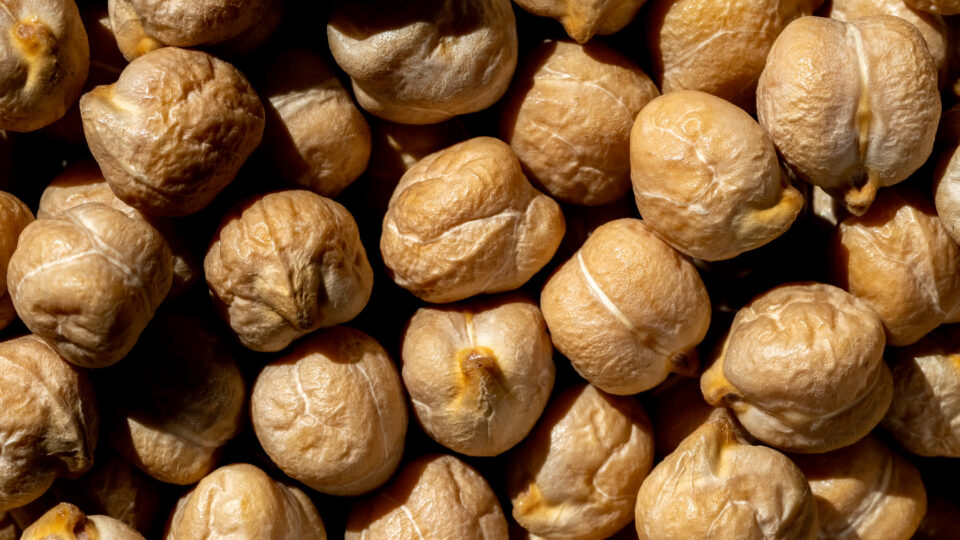
A sustainable and climate-friendly food

November 22, 2024 By EarthWise Leave a Comment

Researchers predict that climate change will negatively impact the yield and nutritional quality of most staple food crops, including rice, corn, and soybeans, due to factors like extreme weather events, rising temperatures, and altered precipitation patterns, potentially leading to reduced food security globally.   

As a result, many experts contend that alternative food sources – like insect farming and seaweed aquaculture – are part of the solution.  Additionally, expanding production of climate resilient food crops will also have an important role to play in global food security.

According to a new international study led by researchers from University of Vienna in Austria, chickpeas – also known as garbanzo beans – are a drought-resistant legume plant with a high protein content that can help combat food insecurity amid climate change.

In the study, which was recently published in the journal Plant Biotechnology, the researchers investigated the natural variations of different chickpea genotypes and their resistance to drought stress and achieved promising results.  The research team managed to grow many different chickpea varieties under drought stress in a field experiment outside of Vienna. The results demonstrate that chickpeas are a great alternative legume plant that can complement grain farming systems in urban areas.

The study highlights how the decline of plant genetic diversity poses a major threat to plant productivity and harvests.  In fact, while there are approximately 7,000 edible crops, two-thirds of global food production is based on just nine crop species. 

According to the research team, highly nutritious and drought-resistant legumes such as chickpeas are a “food of the future.”

**********

Web Links

Chickpeas – sustainable and climate-friendly foods of the future

Photo, posted March 21, 2020, courtesy of Ajay Suresh via Flickr.

Earth Wise is a production of WAMC Northeast Public Radio
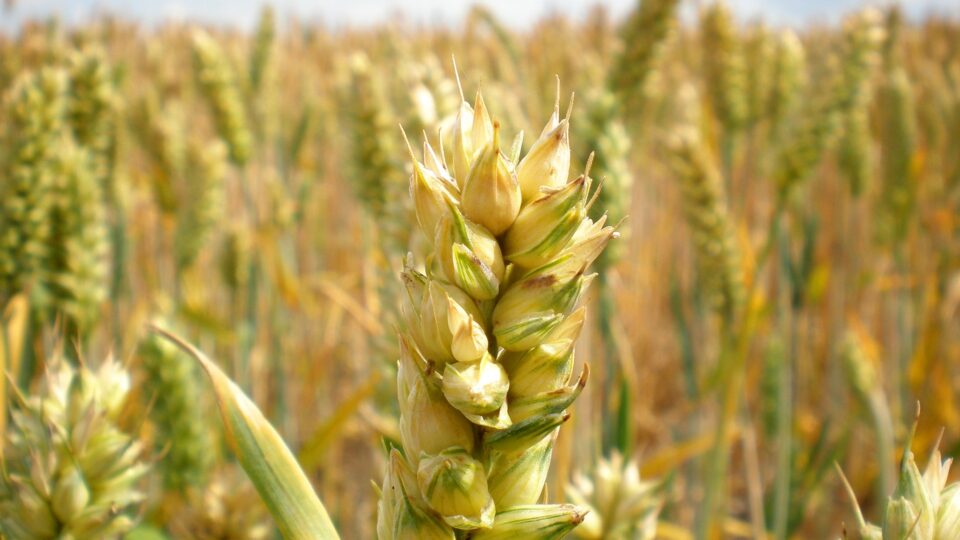
A Growing Threat To Wheat | Earth Wise

January 27, 2023 By EarthWise Leave a Comment

A growing threat to wheat threatens crop price and global food security

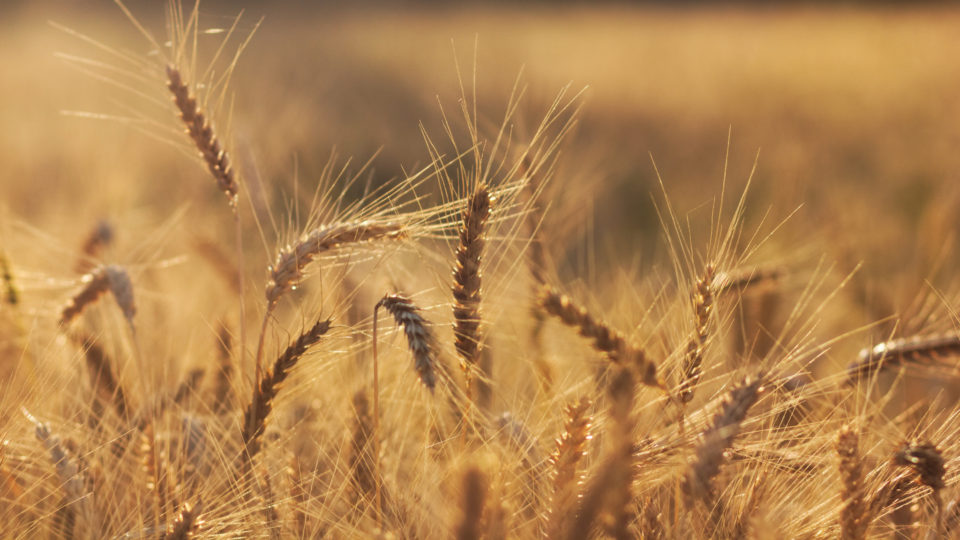
Wheat is one of the most widely-grown crops in the world and plays a major role in human nutrition.  In fact, wheat contributes approximately 20% of the protein and 20% of the calories consumed by humans globally.  It is grown on every continent except Antarctica.  

But wheat is under growing attacks from harmful toxins.  According to a new study by researchers from the University of Bath and the University of Exeter in the U.K., almost half of wheat crops across Europe are impacted by the fungal infection that gives rise to mycotoxins.

Mycotoxins are naturally occurring toxins produced by the fungus that causes Fusarium Head Blight.  Fusarium Head Blight is a disease that affects wheat and other grains growing in the field. Eating products contaminated with mycotoxins can cause sickness in humans and livestock, including vomiting and other gastrointestinal problems.

In the study, the research team examined 10 years of government and agribusiness data, which tracked Fusarium mycotoxins in wheat entering the food and animal supply chains across Europe and the U.K.  Half of the wheat intended for human food in Europe contained the Fusarium mycotoxin.  In the UK, 70% of wheat was contaminated.

Governments set legal limits on mycotoxin contamination levels in wheat that is to be consumed by humans. But with the ubiquitous nature of these mycotoxins, the effect of constant, low-level exposure in the diet over the course of a lifetime is not known. 

With climate change and the war in Ukraine already impacting both wheat yield and price, preventing toxin contamination is critical to help maintain a stable crop price and to protect global good security. 

**********

Web Links

Harmful fungal toxins in wheat: a growing threat across Europe

Photo, posted July 11, 2011, courtesy of Maria Keays via Flickr.

Earth Wise is a production of WAMC Northeast Public Radio.

A Bad Year For California Rice | Earth Wise

November 2, 2022 By EarthWise Leave a Comment

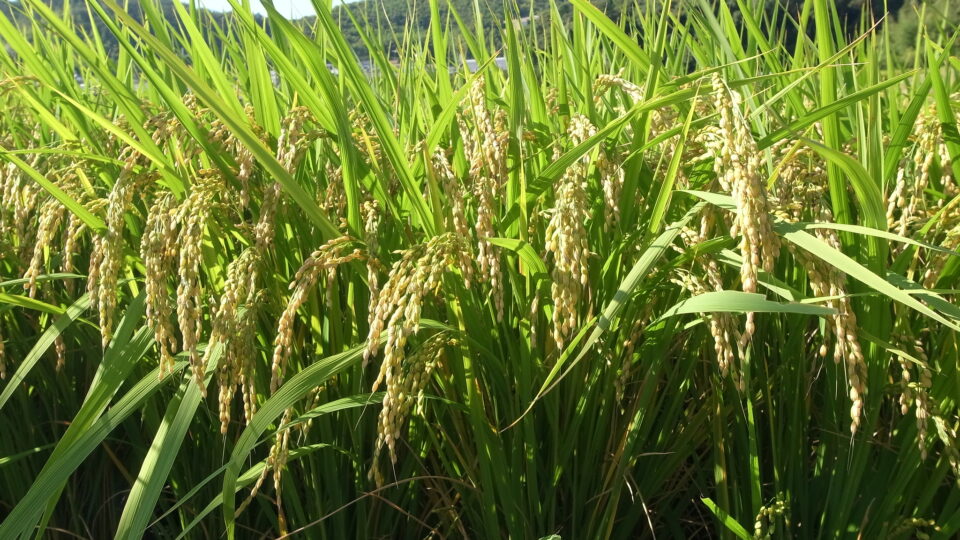
Rice production is the third largest cereal crop in the United States after corn and wheat.  Four regions in the country produce almost the entire U.S. rice crop:  the Arkansas Grand Prairie, the Mississippi Delta, the Gulf Coast, and the Sacramento Valley in California.  Arkansas is the largest producer of rice in the country by far, but California ranks second.

A combination of drought and water shortages in the Sacramento Valley has taken a major toll on the California rice crop.  This year, rice growers have only planted half as much grain as usual.  The changes in rice plantings in California are so substantial that they are easily visible from space.

In Colusa and Glenn counties, rice acreage this year dropped by 84 and 75 percent respectively, compared to 2021.  Farther to the east, in Butte Country, rice acreage was down by 17%.  The change was smaller there because farmers in that county had more groundwater to tap into.

According to the USDA, the California rice crop will be reduced by 38% this year, making it the smallest rice crop in the state since 1977.  California mostly grows short- and medium-grained rice, which is used in dishes like sushi, paella, and risotto.  Arkansas and other states produce most of the long-grain rice such as basmati and jasmine rice.

In late September, there was a burst of rain, which offered some short-term relief for farmers.  However, it will take much more wet weather to ease the ongoing drought conditions.  As of the end of September, over 40% of California remained in extreme drought and 17% was in exceptional drought.

**********

Web Links

A Rough Year for Rice in California

Photo, posted March 21, 2020, courtesy of Ajay Suresh via Flickr.

Earth Wise is a production of WAMC Northeast Public Radio
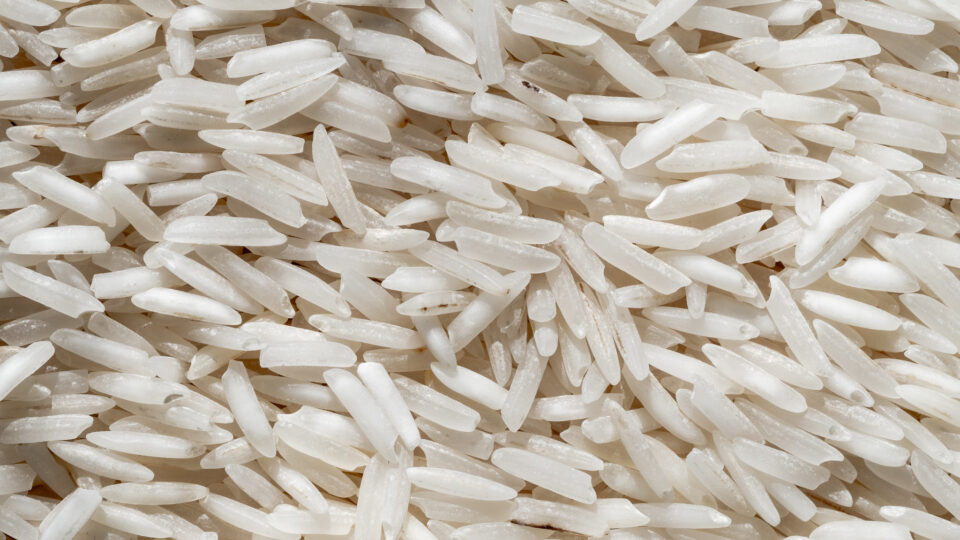
Tepary Beans | Earth Wise

September 2, 2022 By EarthWise Leave a Comment

Tepary beans could prove to be a food of the future

Tepary beans are an ancient crop native to the northern part of Mexico and the southwestern part of the U.S..  They have been grown in those places by native peoples since pre-Columbian times.  They are still grown in Native American reservations in Arizona’s Sonoran Desert.  One can purchase them from some small farms in that region. 

What sets tepary beans apart from other beans is that they are among the most drought- and heat-tolerant legume crops in the world.  They can be grown without irrigation under conditions that are not viable for other crops.  They can be consumed by people like many other kinds of beans, and they can also provide forage for livestock with better nutrition content than many other plants.  They seem to be a very attractive option for a crop in the changing climate.  What is lacking, at present, is large supplies of tepary seeds to be planted.

Researchers at Texas A&M have been funded to bring tepary beans into modern cropping systems and diets.  The goal is to develop tepary bean cultivars with high biomass and yield that are still well-suited to drought and heat conditions.  Getting the beans to the point of widespread commercialization will take several years.  The end result should be of interest to pulse growers, seed industries, and food companies across the U.S.

Tepary beans are higher in fiber and protein than most other beans.  They come in several different colors, each of which has unique flavor and texture characteristics.  The white ones have a naturally sweet flavor.   The brown beans are slightly nutty in flavor and are similar to pinto beans.  If the Texas program is successful, we may all be eating tepary beans some day.

**********

Web Links

Tepary Beans Offer Producers A Low-Input, Climate-Resilient Legume Alternative

Photo, posted August 25, 2017, courtesy of Katja Schulz via Flickr.

Earth Wise is a production of WAMC Northeast Public Radio.

Birds Bees And Coffee | Earth Wise

May 3, 2022 By EarthWise Leave a Comment

Biodiversity adds value to agriculture

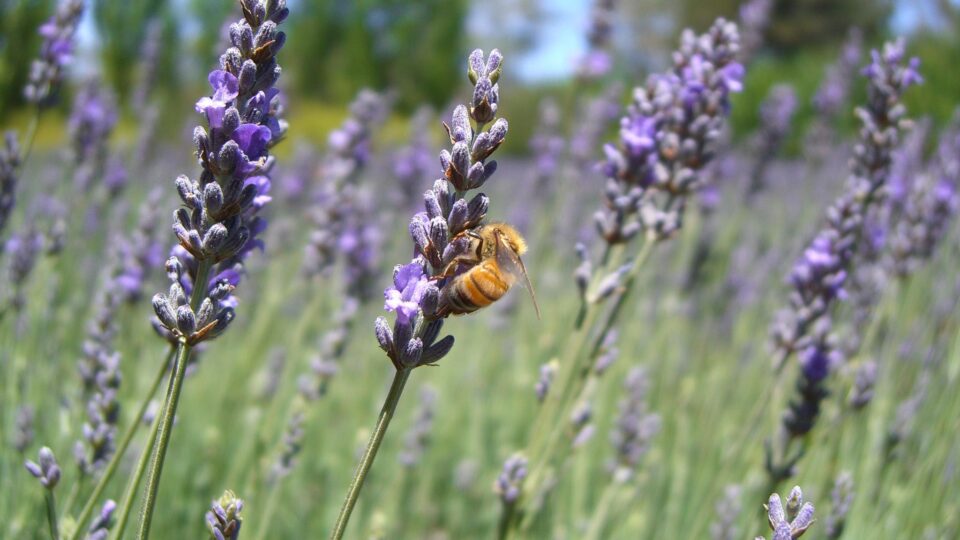
A new study by the University of Vermont in collaboration with researchers from three Latin American countries looked at the effects of birds and bees on coffee crops.  They found that coffee beans are bigger and more plentiful when birds and bees team up to protect and pollinate coffee plants.

The real-world study manipulated coffee plants across 30 farms by excluding birds and bees with a combination of large nets and small lace bags.  They looked at four scenarios:  bird activity alone (pest control), bee activity alone (pollination), no bird and bee activity at all, and a natural environment where birds and bees were free to pollinate and eat insects that otherwise damage coffee plants.

The study looked at fruit set, fruit weight, and fruit uniformity – important factors that determine the quality and price of the coffee crop.  The results were that the combined positive effects of birds and bees were greater than their individual effects.   Without birds and bees, the average coffee yield on the farms declined nearly 25%.  That is important information for the $26 billion coffee industry.

A surprising result of the study is that many birds providing pest control to coffee plants in Costa Rica had migrated thousands of miles from Canada and the U.S.

Previous studies looked at the benefits of natural factors separately and then added them up.  But the new study demonstrates that nature is an interacting system with both synergies and trade-offs.  Past assessments of individual ecological services may have underestimated the benefits biodiversity provides to agriculture and human wellbeing.  Ecosystems services are more valuable together than separately.

**********

Web Links

The Secret to Better Coffee? The Birds and the Bees

Photo, posted March 2, 2012, courtesy of Caroline Gluck/Oxfam via Flickr.

Earth Wise is a production of WAMC Northeast Public Radio.

Coffee And Climate Change | Earth Wise

December 20, 2021 By EarthWise Leave a Comment

Coffee will be impacted by the changing climate

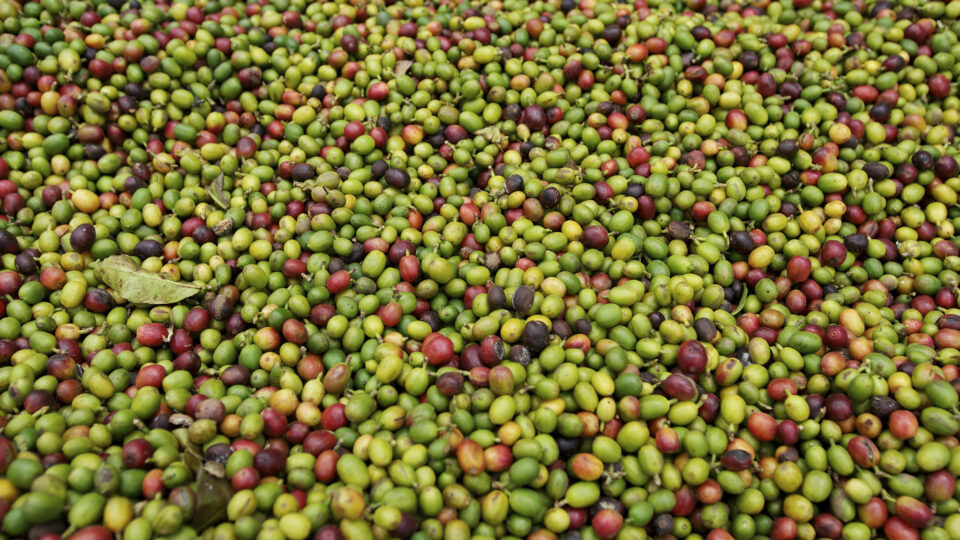
Over 2.25 billion cups of coffee are consumed in the world each day.  Americans spend $80 billion dollars a year on coffee.  Coffee in grown across 12.5 million largely smallholder farms in more than 50 countries.  In other words, coffee is a big deal.

Like many things, coffee is subject to the effects of climate change.  Many coffee-producing regions are experiencing changing climate conditions, which don’t only affect the yield and sustainability of the crop but have an impact on taste, aroma, and even dietary quality.  Coffee drinkers care very much about these things.

New research at Tufts University and Montana State University looked at how coffee quality can be affected by shifts in environmental factors associated with climate change.  The researchers looked at the effects of 10 prevalent environmental factors and management conditions associated with climate change and climate adaptation.

The most consistent trends were that farms at higher altitudes were associated with better coffee flavor and aroma, while too much light exposure was associated with a decrease in coffee quality.   They also found that coffee quality is also susceptible to changes due to water stress and increases in temperature and carbon dioxide levels.

They evaluated current efforts to mitigate these effects, including shade management, selection of climate resistant coffee plants and pest management. The hope is that if we can understand the science of the changes to the environment, it will help farmers and other stakeholders to better manage coffee production in the face of increasing challenges.   It will take a concerted effort to maintain coffee quality as the climate continues to change.

**********

Web Links

Coffee and the Effects of Climate Change

Photo, posted May 22, 2009, courtesy of Olle Svensson via Flickr.

Earth Wise is a production of WAMC Northeast Public Radio.

RNA Modification For Plants | Earth Wise

September 8, 2021 By EarthWise Leave a Comment

Manipulating RNA can lead to huge increases in crop yields

We have heard a lot about RNA this past year as messenger RNA vaccine technology has been used for the first time to combat the Covid-19 pandemic.  Now RNA-based technology has shown promise to make major contributions to agriculture.

A group of researchers at the University of Chicago and two Chinese universities have announced that manipulating RNA can allow plants to yield dramatically more crops as well as have better drought resistance.

Adding  gene encoding for a protein called FTO to both rice and potato plants increased their yield by 50% in initial field tests.  The plants were larger, produced longer root systems, and could better tolerate drought conditions.  Further analysis showed that the plants had increased their rate of photosynthesis.

FTO protein erases chemical marks on RNA.  Specifically, it controls a process known as m6A, which is a key modification of RNA.  The FTO erases m6A to reduce some of the signals that tell plants to slow down and reduce growth.  Plants modified with the addition of FTO produced significantly more RNA than control plants.

Experiments with both rice plants and potato plants – which are completely unrelated – demonstrated the same results, indicating that the technique could be broadly applicable.  (The genetic modification is rather simple to make and has worked with every type of plant the researchers have tried it with so far).

These results are just the beginning but demonstrate the potential of a technology that could help address problems of poverty and food insecurity at a global scale as well as responding to climate change.  The world depends on plants for everything from wood, food, and medicine, to flowers and oils. This technique has the potential to dramatically increase the stock material we can get from most plants.

**********

Web Links

RNA breakthrough creates crops that can grow 50% more potatoes, rice

Photo, posted September 22, 2014, courtesy of Toshiyuki Imai via Flickr.

Earth Wise is a production of WAMC Northeast Public Radio.

Not Enough Buzz For Bees | Earth Wise

February 11, 2021 By EarthWise Leave a Comment

The decline of bees is not getting enough attention

The dramatic worldwide decline in bees and other pollinating insects represents a serious threat to the global food supply, but it isn’t really getting much attention in the mainstream news.  Close to 75% of the world’s crops for human consumption depend, at least in part, on pollinators for sustained production, yield, and quality.

A new study by researchers at the University of Illinois Urbana-Champaign looked at nearly 25 million news items from six prominent sources, including The New York Times, The Washington Post, the Associated Press, as well as three overseas English-language news services.  The study found “vanishingly low levels of attention to pollinator population topics”, even compared with what many people consider to be the limited coverage of climate change.

The study made use of the Global News Index, which is a unique database of millions of news items from thousands of global sources published over decades.  It may be the largest academic study of the evolving nature of news coverage ever performed.

Even though the entomological community is highly focused on the impending pollinator crisis, the public is not paying much attention.  It is not even indifference; it is just that people don’t even know about it.

The majority of studies on pollinator decline have been done in Europe and North America, which means we don’t even know how serious the problem is given that most insect biodiversity is in the tropics.

Public awareness is important because individuals can make a difference by their decisions about what flowers to plant in their gardens, which weeds to tolerate in their yards, and how to manage insect pests.

The loss of pollinators is a very serious problem, and it is not likely to get enough attention if people don’t know about it.

**********

Web Links

Pollinators not getting the ‘buzz’ they need in news coverage

Photo, posted December 28, 2006, courtesy of Alpha via Flickr.

Earth Wise is a production of WAMC Northeast Public Radio.

Eco-Friendly Agriculture

October 21, 2019 By EarthWise Leave a Comment

Modern agriculture has steadily destroyed native grasslands, among other ecosystems.  In fact, farming is one of the most ecologically destructive things that humans do.  But we do have to eat.  In response, there is a growing movement for agrarian reform, from grain farming on the prairie, to agroforestry, to raising livestock more sustainably.  Efforts are accelerating to develop a kinder, gentler agriculture adapted to a changing world.

One such effort has come from the Land Institute, an organization in Kansas that works on natural systems agriculture, which seeks to retain the ecological stability of the prairie with its perennial seed plants along with a grain and seed yield comparable to that from annual crops.

After four decades of effort, the institute has introduced its first commercial grain, a trademarked variety called Kernza.  Kernza is a domesticated perennial wild grass – a so-called intermediate wheatgrass – that has a long, slender head that resembles wheat seeds.  People describe its taste as sweet and nutty.   Kernza is already being made into a cereal called Honey Toasted Kernza by Cascadian Farms.  Patagonia Provisions – a spin-off from the clothing company – is making beer from the new grain.

Although Kernza is already being grown and sold commercially, it is not yet ready for prime time.  Last year, there were only about 1,000 acres in cultivation and the yield is only a third to a tenth of the yield of wheat. 

Developing a sustainable perennial polyculture of edible plants would have major benefits such as not having to plow every year, plants developing large root systems that can reach water far beneath the surface and, without annual plowing, having soil carbon remain in the ground.

**********

Web Links

With New Perennial Grain, a Step Forward for Eco-Friendly Agriculture

Photo courtesy of Cascadian Farms/General Mills.

Earth Wise is a production of WAMC Northeast Public Radio.

Sunlight As A Cash Crop

July 10, 2019 By EarthWise Leave a Comment

It isn’t so easy to be a farmer these days.  Farming has always involved long hours, hard work and the uncertainties of weather and yield.  The 21st Century has added new and unique challenges such as increasingly unpredictable weather, insect infestation and disease, and low commodity prices.  Add in sudden tariffs and farmers struggle even more to make ends meet.  The default rate for farmers’ loans is the the highest in at least nine years.

One thing that remains reliable for farmers is the sun.  It rises in the morning and goes down at night.  The sun can be trusted, unlike politicians, rain, or commodity prices.  These days, many farmers are taking advantage of the dependability of the sun to make money from a new cash crop: solar energy.

The trend is spreading.  North Carolina has been a leading solar energy state for several years and a 2017 report found that solar energy generates 30% of the income of many farms.  Typical annual rent payments for farmland by solar companies range from $500 to $1,400 per acre in North Carolina.

A growing list of states have clean energy mandates targeting 100% use of renewable energy.   These mandates provide incentives for farmers that make installing solar a financially smart decision and falling prices for solar installations make it an even better deal.

Solar works well when co-located on a farm and can be built in ways that minimizes impact.  It is quiet, uses almost no water, doesn’t pollute, and if it is decommissioned, the land can go back to its previous use.  If the solar facilities are raised up, the same land can be used to graze livestock or grow shade-tolerant crops.

**********

Web Links

Harvesting the sun is the new cash crop

Photo, posted December 25, 2017, courtesy of Flickr.

Earth Wise is a production of WAMC Northeast Public Radio.

Speed Breeding Of Crops

January 4, 2019 By EarthWise Leave a Comment

A technique pioneered by NASA for the purpose of growing plants extra-terrestrially is now being applied here on earth to fast-track improvements in a range of crops.  The technique, known as speed breeding, has been adapted for use by British and Australian researchers on a scale ranging from vast greenhouses to desktop growth chambers.

Speed breeding uses enhanced LED lighting and day-long regimes of up to 22 hours to optimize photosynthesis and promote rapid growth of crops.  By speeding up the breeding cycle of plants,it is possible, for example, to grow six generations of wheat in a year compared with two generations using traditional breeding methods.

With shortened breeding cycles, genetic improvements such as yield gain, disease resistance and climate resistance can be fast-tracked in crops such as wheat, barley, chickpeas, various Brassica species, oil seed rape and peas.

The ability to do this in compact desktop chambers permits cutting-edge research to be performed inexpensively before being scaled up to large greenhouses.

Crop development is an increasingly important activity and speed breeding is increasingly attractive in light of the opposition in some quarters to modern gene-editing techniques to create GMO crops.  Speed breeding allows crop improvements via anon-GMO route.

The new technique is already being applied in Australia, which is experiencing one of the worst droughts on record.  It is being used to rapidly cycle genetic improvements to make crops more drought resilient.

Generation time in most plant species is a major bottleneck in applied research programs and breeding.  Speed breeding can greatly reduce this bottleneck, allowing scientists to respond more quickly to emerging diseases, the changing climate and increased demand for specific plant traits.

**********

Web Links

JIC joins European scientists to safeguard precision breeding

Photo, posted May 8, 2016, courtesy of Yair Aronshtam via Flickr. 

Earth Wise is a production of WAMC Northeast Public Radio.

Spider Silk

February 15, 2017 By EarthWise

https://earthwiseradio.org/wp-content/uploads/2017/02/EW-02-15-17-Spider-Silk.mp3

Spider silk – the protein fiber spun by spiders to make webs, nests, cocoons, and wrapping for prey that they stash away – is a remarkable substance.  Its mechanical properties combine high tensile strength and high extensibility or ductility.  This allows spider silk to absorb a lot of energy before breaking.   It is stronger than steel, but not as strong as Kevlar, for example.  On the other hand, it is tougher than either.

[Read more…] about Spider Silk

Primary Sidebar

Recent Episodes

  • An uninsurable future
  • Clean energy and jobs
  • Insect declines in remote regions
  • Fossil fuel producing nations ignoring climate goals
  • Trouble for clownfishes

WAMC Northeast Public Radio

WAMC/Northeast Public Radio is a regional public radio network serving parts of seven northeastern states (more...)

Copyright © 2026 ·