
• Skip to primary navigation
  • Skip to main content
  • Skip to primary sidebar

Earth Wise

A look at our changing environment.

  • Home
  • About Earth Wise
  • Where to Listen
  • All Articles
  • Show Search
Hide Search
You are here: Home / Archives for weather

weather

Canadian wildfires and global emissions

October 14, 2024 By EarthWise Leave a Comment

The wildfires that burned vast amounts of Canada’s boreal forests in 2023 produced enormous amounts of smoke that found its way into American cities, working its way down the eastern seaboard and even producing unsafe air in Florida.

Researchers at Cal Tech and the Jet Propulsion Laboratory analyzed the carbon emissions associated with these fires last year and found that they were greater than those of all but three countries:  China, the US, and India.

Boreal forests have historically been a natural defense against climate change by storing carbon in trees rather than adding carbon dioxide to the atmosphere.  The fires in Canada, fueled by hot and dry weather, were extraordinary when compared with historical records.  But such fires are likely to be increasingly common as the climate continues to warm.

However, the hot and dry weather that fueled the 2023 fires was exceptional in many ways, involving early snow melt and so-called flash droughts.  This year’s fires in Canada are still bigger than average, but so far have not been as destructive as last year’s. 

Canada has been warming at about twice the global rate.  The extreme temperatures last summer were a major factor in the fueling of the fires, which burned an area almost the size of Florida.

Forests absorb about a quarter of global carbon emissions, but the increasing frequency and intensity of fires are calling into question their ability to continue to do so.  Parts of the Canadian forests are not regrowing after fires as they have in the past, partly because blazes burn trees so frequently and intensely.

**********

Web Links

Canada’s Wildfires Were a Top Global Emitter Last Year, Study Says

Photo, posted June 8, 2023, courtesy of the Metropolitan Transportation Authority via Flickr.

Earth Wise is a production of WAMC Northeast Public Radio

Weather extremes for most people

October 7, 2024 By EarthWise Leave a Comment

Weather extremes are becoming common for many people

Scientists from the CICERO Center for International Climate Research in Norway along with researchers at the University of Reading in the UK have analyzed how global warming can combine with normal variations in the weather to produce decades-long periods of very rapid changes involving both extreme temperatures and extreme amounts of rainfall.

Many parts of the world have already been experiencing record temperatures and extreme rainfall events.  Previously, most analyses of the changing climate have focused on the global mean and not on the impact of extreme weather on specific countries.

The study made use of large climate model simulations to show that if global emissions continue on the path they have been on, large parts of the tropics and subtropics – which are home to 70% of the world’s population – are expected to experience strong rates of change in temperature and precipitation extremes over the next 20 years.  But even if there is strong emissions mitigation – meaning that emissions are reduced enough to reach the goals of the Paris Climate Agreement – the expectation is that 20% of the world’s population will face extreme weather risks. 

These extreme events currently account for a disproportionate share of the realized impacts of climate change.  Heatwaves cause heat stress and excess mortality of both people and livestock.  Extreme precipitation leads to flooding, damage to settlements, infrastructure, crops, and ecosystems, as well as to reduced water quality. 

Society will be increasingly vulnerable to these extreme events, especially when multiple hazards occur at the same time.

**********

Web Links

Extreme weather to strengthen rapidly over next two decades

Photo, posted May 20, 2024, courtesy of Dale Cruse via Flickr.

Earth Wise is a production of WAMC Northeast Public Radio

2023: A year of extreme climate

September 11, 2024 By EarthWise 1 Comment

2023 was a year of climate extremes

There have already been all sorts of extreme weather this year in many parts of the world and undoubtedly there will be more to talk about in the coming months.  But the American Meteorological Society has recently published its State of the Climate report for 2023 and it was a year for the record books.

In 2023, the Earth’s layers of heat-reflecting clouds had the lowest extent ever measured.  That means that skies were clearer around the world than on average, a situation that amplifies the warming of the planet.  Since 1980, clouds have decreased by more than half a percent per decade. 

The most dramatic climate effect last year occurred in the world’s oceans.  About 94% of all ocean surfaces experienced a marine heatwave during the year.  The global average annual sea surface temperature anomaly was 0.13 degrees Celsius above the previous record set in 2016.  This is a huge variation for the ocean.  Ocean heatwave conditions stayed in place for at least 10 months in 2023 in vast reaches of the world’s oceans.  Ocean heat was so remarkable that climate scientists are now using the term “super-marine heatwaves” to describe what is going on. 

There were many other ways in which 2023 experienced weather extremes.  July experienced a record-high 7.9% of the world’s land areas in severe drought conditions.  During the year, most of the world experienced much warmer-than-average conditions, especially in the higher northern latitudes.  These unprecedented changes to the climate are unlikely to be one-time occurrences; 2024 is likely to be another one for the record books.  

**********

Web Links

New Federal Report Details More of 2023’s Extreme Climate Conditions

Photo, posted May 27, 2021, courtesy of Wendy Cover/NOAA via Flickr.

Earth Wise is a production of WAMC Northeast Public Radio

Fireflies are in decline

June 10, 2024 By EarthWise 2 Comments

Fireflies are in decline in North America

If you are seeing fewer fireflies each year, you’re not alone.  Like many insects, firefly populations are in decline.  A new study by researchers from the University of Kentucky, Bucknell University, Penn State University, and the USDA has shed some light on the precarious situation facing firefly populations across North America. 

The research team used a mix of field surveys from citizen scientists and advanced machine learning techniques to analyze more than 24,000 surveys from the Firefly Watch citizen science initiative.  The study, which was recently published in the journal Science of the Total Environment, identified the factors likely responsible for the declines in firefly populations. 

The research team found that fireflies are sensitive to various environmental factors, from short-term weather conditions to longer climatic trends.  Fireflies thrive in temperate and tropical climates.  As global temperatures rise, these conditions become less predictable and less hospitable.

Light pollution is another threat to fireflies.  Artificial light at night – from things like street lights and billboards – is particularly disruptive to fireflies as it interferes with their bioluminescent communication essential for mating.

Urban growth, including buildings, roads, and sidewalks, poses another significant threat to fireflies by overtaking their natural habitats and decreasing available breeding areas. 

Additionally, certain agricultural practices seem to contribute to the decline of fireflies. 

According to the research team, reducing light pollution, preserving natural habitats, and implementing wildlife-friendly agricultural practices are conservation measures that could help mitigate the decline of fireflies. 

**********

Web Links

Fading lights: Comprehensive study unveils multiple threats to North America’s firefly populations

Photo, posted July 12, 2021, courtesy of Bruce Hallman/USFWS via Flickr.

Earth Wise is a production of WAMC Northeast Public Radio

Winegrowing regions and climate change

April 29, 2024 By EarthWise Leave a Comment

Climate change will impact winegrowing regions around the world

Grapes grown to make wine are sensitive to climate conditions including temperatures and amount of rainfall.  The warming climate is already having visible effects on yields, grape composition, and the quality of wine.  This has significant consequences on the geography of wine production and is of major concern for the $350 billion global industry.

Winegrowing regions are mostly at the mid-latitudes where temperatures are warm enough to allow grapes to ripen but not excessively hot.  The climates are relatively dry so that fungal diseases are not rampant.

Because of the warming climate, harvesting in most vineyards now begins two or three weeks earlier than it did 40 years ago and this affects the grapes and the resultant wines.  Temperature changes affect acidity, wine alcohol, and aromatic signatures.

If global temperature rise crosses the 2-degree level, 90% of all traditional winegrowing areas throughout Spain, Italy, Greece, and southern California may become unable to produce high-quality wines.  Conversely, areas of northern France, the states of Washington and Oregon, British Columbia, and Tasmania will see improved conditions for producing quality wines. 

As the climate warms, winegrowers face new challenges such as the emergence of new diseases and pests as well as an increasing number of extreme weather events.  Wine producers are using more drought-resistant grape varieties and are adopting management methods that better preserve soil water.

The changing climate poses many threats to the quality of wines produced in traditional vineyards.  In the future, the wine industry may look very different in terms of where and how the best wines are produced. 

**********

Web Links

A global map of how climate change is changing winegrowing regions

Photo, posted November 14, 2008, courtesy of Curtis Foreman via Flickr.

Earth Wise is a production of WAMC Northeast Public Radio

Self-heating concrete

April 24, 2024 By EarthWise Leave a Comment

Researchers at Drexel University are developing self-heating concrete

States in the colder parts of the country spend an estimated $2.3 billion a year on snow and ice removal as well as untold millions on repairing roadways damaged by winter weather.  Researchers at Drexel University have been researching a way to extend the service life of concrete surfaces like roadways and to help them maintain a surface temperature above freezing during the winter.

Preventing freezing and thawing as temperatures go up and down and reducing the amount of plowing and salting is a desirable goal.  The Drexel team has developed a cold-weather-resilient concrete mix that is capable of melting snow on its own using only the thermal energy in the environment and not requiring salt, shoveling, or heating systems.

The system uses low-temperature liquid paraffin that turns from its room-temperature liquid state into a solid when temperatures go down.  Incorporating the liquid paraffin into concrete triggers heating when temperatures drop due to the energy released by the phase change.

Tests on slabs of the concrete on the Drexel campus over the past two years recorded 32 freeze-thaw events.  The special slabs maintained a surface temperature between 42 and 55 degrees for up to 10 hours when air temperatures dipped below freezing.

The heating is enough to melt a couple of inches of snow at a rate of a quarter inch an hour.  It’s not enough to melt a heavy snow event before plows are needed, but it can help deice road surfaces and increase transportation safety.  And simply preventing the surface from freezing, thawing, and refreezing can go a long way towards preventing deterioration.  It is promising research toward reducing an ongoing problem in colder climates.

**********

Web Links

Drexel’s Self-Heating Concrete Is One Step Closer to Clearing Sidewalks Without Shoveling or Salting

Photo, posted March 16, 2024, courtesy of Ajay Suresh via Flickr.

Earth Wise is a production of WAMC Northeast Public Radio
A surprising drop in renewable power

March 28, 2024 By EarthWise Leave a Comment

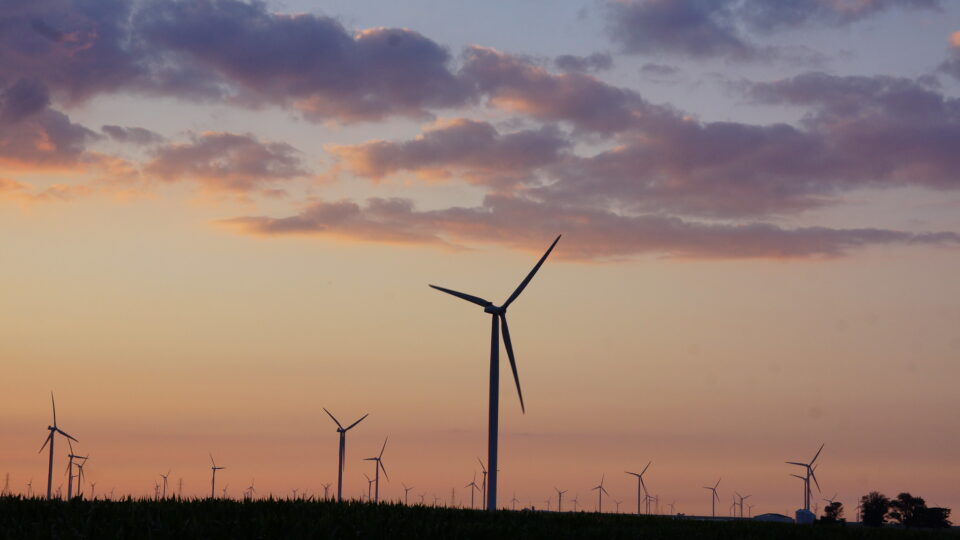
Renewable power generation dropped in 2023

Renewable power – which includes wind farms, solar farms, and hydroelectric dams – constitutes over 21% of the country’s utility-scale electricity generation, behind only natural gas power plants at 43%.  Nuclear power provides nearly 19% of our electricity and coal, which is gradually diminishing, is at 16%.

Both solar and wind power capacity have been growing rapidly in recent years and will be providing an increasing percentage of our electricity.  That being said, it turns out that utility-scale renewable electricity generation actually decreased slightly in 2023 as a result of weather-related issues.

Utility-scale renewables generated about 894,000 gigawatt hours of energy last year, which was 0.8% less than the record amount generated in 2022.

The reasons?  The biggest factor was slower wind speeds in the Midwest during the warmer weather months.  In 2023, there were fewer warm fronts and cold fronts passing through the region.  The passage of fronts is often associated with wind and precipitation. 

The other factor affecting renewable generation was a 5.9% drop in hydropower in 2023.  The main reason for the decrease was a drop in water levels at many hydroelectric dams in areas experiencing drought.

Experts explain that there is no reason to overreact to a one-year blip in renewables generation.  All three major sources of power – sun, wind, and hydroelectric – are tied to natural forces and all of them fluctuate over time.  Putting aside minor variations year-over-year, renewable electricity is on pace to more than double by the end of this decade.

**********

Web Links

Federal Data Reveals a Surprising Drop in Renewable Power in 2023, as Slow Winds and Drought Took a Toll

Photo, posted July 5, 2014, courtesy of Patrick Finnegan via Flickr.

Earth Wise is a production of WAMC Northeast Public Radio
Why are bees making less honey?

February 8, 2024 By EarthWise Leave a Comment

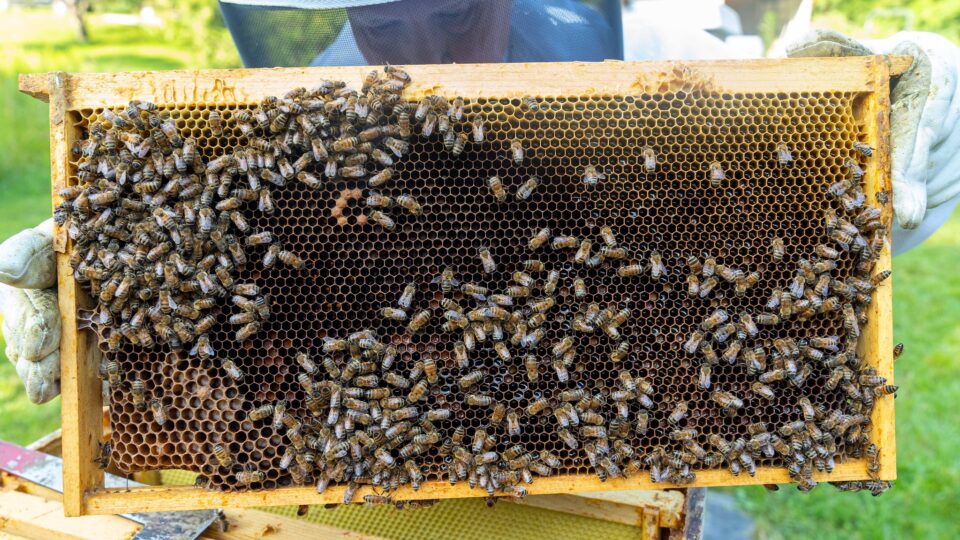
Honey bees are making less honey in the United States

Scientists have been sounding the alarm on the global struggle of pollinators for a long time.  According to the United Nations, nearly 35% of the invertebrate pollinator species, such as bees and butterflies, are facing extinction. And since 75% of the world’s food crops depend on pollination to some extent, the decline of pollinators poses a major threat to global food security.

Honey bees are among the struggling pollinators.  Honey bee colonies in the United States have experienced annual population declines since 2006.  But in addition to there being fewer bees, the bees that remain are also making less honey.  In fact, honey yields in the United States have been declining since the 1990s. 

A new study by researchers from Penn State University has solved some of the mystery.  Using five decades of data across the United States, the research team analyzed the factors that could be affecting the number of flowers growing in different regions, which, in turn, affects the amount of honey produced by bees. 

In the study, which was recently published in the journal Environmental Research, the scientists found that climate conditions and soil productivity were two of the biggest factors in estimating honey yields.  States in both warm and cool regions produced higher honey yields when they had productive soils.  These two factors set a baseline production level of honey, while herbicide use, weather, and land use changes influenced how much honey was produced in a given year. 

The study’s findings  provide valuable insights that should help beekeepers, growers, and land managers better support honey bees.

**********

Web Links

Why are bees making less honey? Study reveals clues in five decades of data

Photo, posted August 30, 2021, courtesy of Brandon O’Connor / NRCS via Flickr.

Earth Wise is a production of WAMC Northeast Public Radio

Why was 2023 so hot?

February 2, 2024 By EarthWise Leave a Comment

Explaining what factors led to 2023 being so hot

Five separate weather-tracking organizations have proclaimed 2023 as the hottest year on record. They all agreed that 2023 beat the previous record-holder – 2016 – by a wide margin.  Organizations that use a pre-industrial baseline of 1850-1900 found that 2023 was 1.45 to 1.48 degrees Celsius above the baseline.  But what caused 2023 – especially the second half of it – to be so hot?

Scientists believe that there were multiple factors that contributed to the record-breaking heat.

First and foremost is the long-term rise in greenhouse gases.  Over 100 years of burning fossil fuels along with major changes in land use (particularly deforestation) have led to a significant rise in the heat-trapping blanket of the gases in the atmosphere.

On top of this long-term trend, the return of the El Niño condition in the Pacific in May helped temperatures rise further.

At the same time, the tropical Pacific was not the only ocean that was hotter than normal.  The global sea surface temperature set new records in 2023 and there were multiple marine heat waves.  Heat trapped by the atmosphere is absorbed by the oceans, raising their temperatures.

Another factor is the quantity of aerosols in the atmosphere.  Many of these aerosols actually cool the atmosphere by reflecting the sun’s light back into space.  Society’s efforts to reduce air pollution and improve air quality have led to decreasing levels of aerosols.

2024 started with some seriously cold weather in some places but predictions are that this year will be roughly as warm as 2023 and possibly warmer given that the dynamics driving last year’s weather are all still in place.

*********

Web Links

Five Factors to Explain the Record Heat in 2023

Photo, posted February 22, 2016, courtesy of Jasmin Toubi via Flickr.

Earth Wise is a production of WAMC Northeast Public Radio
Billion-dollar weather disasters

January 19, 2024 By EarthWise Leave a Comment

An increasing number of billion-dollar weather disasters

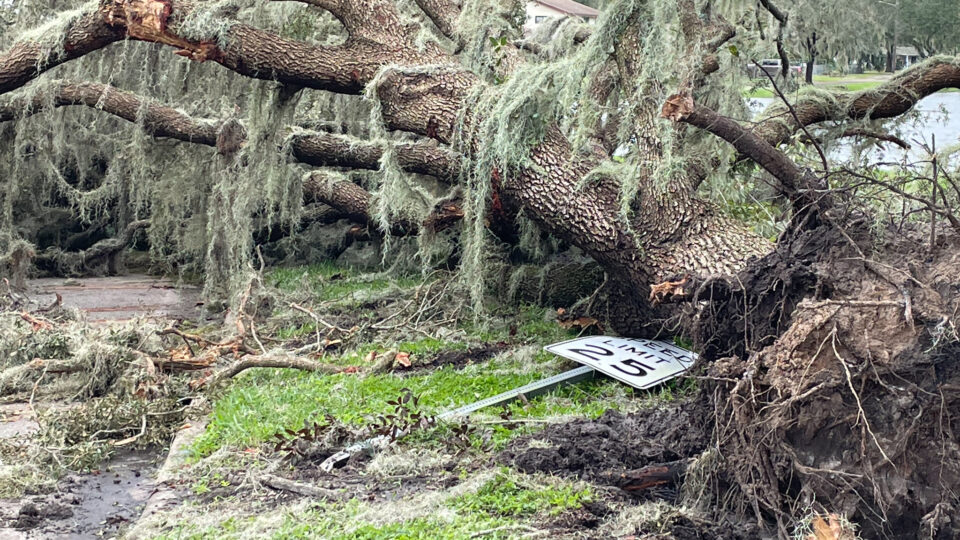
All sorts of weather records were set in 2023 and pretty much none of them were good news.  Among the most painful was that the U.S. suffered a record 25 weather- and climate-related disasters that caused more than a billion dollars in damage.

The increasing accumulation of greenhouse gases in the atmosphere has increased the frequency, intensity, and danger of extreme weather events of all types including hurricanes, severe storms, heavy rainfall, flooding, wildfire, extreme heat, and drought.

Between 1980 and 2022, the U.S. averaged eight billion-dollar weather disasters each year, according to data from the National Oceanic and Atmospheric Administration.  Between 2018 and 2022, the average was 18 such disasters each year.  Last year, it was a record 25, three more than the previous record set in 2020.

The onslaught of weather disasters has put considerable pressure on disaster relief and emergency services of all kinds.  It seems like there are catastrophic events happening all the time; and in fact, there are.  The average time between billion-dollar disasters has dramatically shrunk.  In the 1980s, there was an average of 82 days between them.  Between 2018 and 2022, the lull between billion-dollar disasters dropped to an average of just 18 days.  For the first eleven months of 2023, the average time between billion-dollar weather disasters was just 10 days.

The global average temperature in 2023 was 1.4 degrees Celsius above the pre-industrial average and the effects have been increasingly dramatic.  We can expect that the impacts will worsen with every bit of additional warming.  There is no time to waste in taking climate action.

**********

Web Links

A Record Number of Billion-Dollar Weather Disasters Hit the U.S. in 2023

Photo, posted September 29, 2022, courtesy of State Farm via Flickr.

Earth Wise is a production of WAMC Northeast Public Radio

New York is raising its shoreline

January 18, 2024 By EarthWise Leave a Comment

Superstorm Sandy in 2012 flooded 17% of New York City and caused $19 billion in damage.  In its aftermath, plans emerged to create floodwalls, raised elevations, high-capacity drainage, and other infrastructure to protect the city from future Sandy-like events.

Like all large infrastructure projects in densely populated places, the remaking of New York’s shoreline has only moved along in fits and starts.  But there has been significant progress.

The East Side Coastal Resiliency (ESCR) project is the largest urban resiliency project currently underway in the United States.  The first piece of it – the Asser Levy renovation – was completed in 2022.  Over the next three years, the $1.8 billion ESCR will reshape two-and-a-half miles of Lower Manhattan’s shoreline.  The ESCR is just one part of a much larger $2.7 billion initiative called the BIG U, which is a series of contiguous flood resilience projects that will create 5.5 miles of new park space specifically designed to protect over 60,000 residents and billions of dollars in real estate against sea level rise and storm surges. 

In a time of rising seas and increasingly powerful storms, flood-prone coastal U.S. cities – including Boston, Norfolk, Charleston, Miami, and San Francisco – are moving toward embracing the long-held Dutch concept of “living with water”, which emphasizes infrastructure that can both repel and absorb water while also providing recreational and open space.

**********

Web Links

After a Decade of Planning, New York City Is Raising Its Shoreline

Photo, posted November 1, 2012, courtesy of Rachel via Flickr.

Earth Wise is a production of WAMC Northeast Public Radio

Food and the climate crisis

December 18, 2023 By EarthWise Leave a Comment

Farm-free food could help mitigate climate warming

Agriculture is a major part of the climate problem and remains one of the hardest human activities to decarbonize.  It’s responsible for approximately 25% of global greenhouse gas emissions. 

Many experts contend that alternative food sources – like insect farming and seaweed aquaculture – are part of the solution.  Additionally, expanding production of climate resilient food crops, including quinoa, kernza, amaranth, and millet, likely also have a role to play. 

But according to a new study led by researchers from the University of California – Irvine, another solution to this problem may be to eliminate farms altogether.  In the study, which was recently published in the journal Nature Sustainability, the research team explored the potential for wide scale synthetic production of dietary fats through chemical and biological processes.  The materials needed for this method are the same as those used naturally by plants: hydrogen (in water) and carbon dioxide (in the air).   

The research team highlighted some of the potential benefits of farm-free food, including reduced water use, less pollution, localized food production, and less risk to food production from weather. 

Cookies, crackers, chips, and many other grocery products are made with palm oil, a dietary fat that continues to be a major driver of deforestation around the world.  However, it remains to be seen how consumers would react if the oil used to bake their cookies came from a food refinery up the road instead of a palm plantation in Indonesia.     

According to the researchers, depending on food refineries instead of tropical plantations for dietary fats could mitigate lots of climate-warming emissions while also protecting land and biodiversity.

**********

Web Links

UC Irvine-led science team shows how to eat our way out of the climate crisis

Photo, posted July 15, 2008, courtesy of Quinn Dombrowski via Flickr.

Earth Wise is a production of WAMC Northeast Public Radio
Too hot for people

November 22, 2023 By EarthWise Leave a Comment

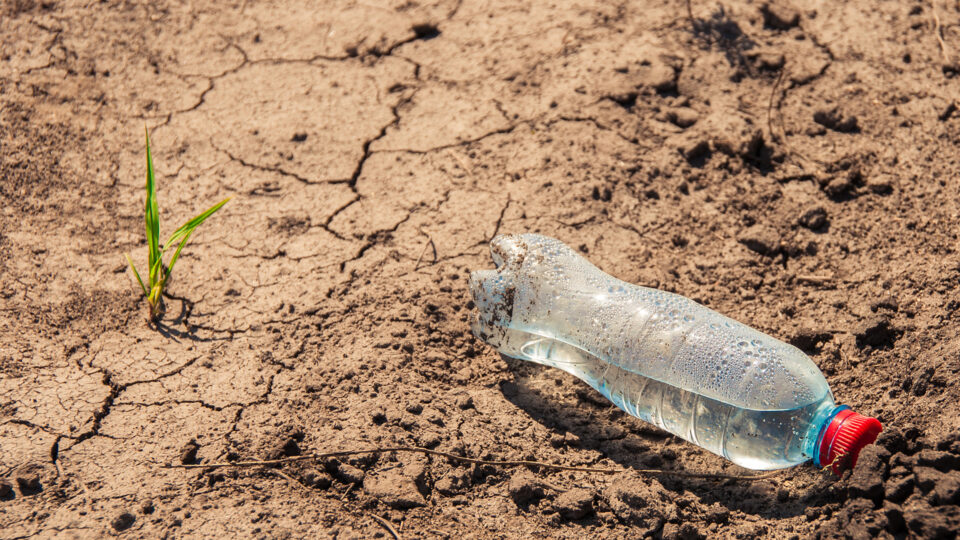
Climate change may make some regions too hot for people

The effort to mitigate the effects of climate change has a goal of keeping the global temperature increase below 1.5 degrees Celsius above preindustrial levels.  To date, the average global temperature has increased by more than 1 degree.  We hear about rising sea levels, powerful storms, and various other alterations in climate and weather patterns.  A new interdisciplinary study by three institutions looked at the impact of surpassing the 1.5-degree level upon people being able to withstand heat and humidity.

Humans can only withstand certain combinations of heat and humidity before their bodies begin to experience heat-related health problems such as heat stroke and heart attacks. 

In human history, temperatures and humidity that exceed human limits have been recorded only a limited number of times and only for a few hours at a time, in the Middle East and Southeast Asia.

According to the new study, if global temperatures increase by 2 degrees Celsius above preindustrial levels, the 2.2 billion residents of Pakistan and India’s Indus River Valley, the one billion people living in eastern China, and the 800 million residents of sub-Saharan Africa will annually experience many hours of heat surpassing human tolerance.

If the warming continues further to 3 degrees, heat and humidity levels that surpass human tolerance would affect the Eastern Seaboard and the middle of the US from Florida to New York and from Houston to Chicago.

The worst heat stress will occur in regions that are not wealthy and that are experiencing rapid population growth.  But even wealthy nations will not escape from the expansion of conditions that are too hot for people.

**********

Web Links

Climate-driven extreme heat may make parts of Earth too hot for humans

Photo, posted June 28, 2018, courtesy of Ivan via Flickr.

Earth Wise is a production of WAMC Northeast Public Radio
Record low Antarctic sea ice

October 30, 2023 By EarthWise Leave a Comment

Record low sea ice levels in Antarctica

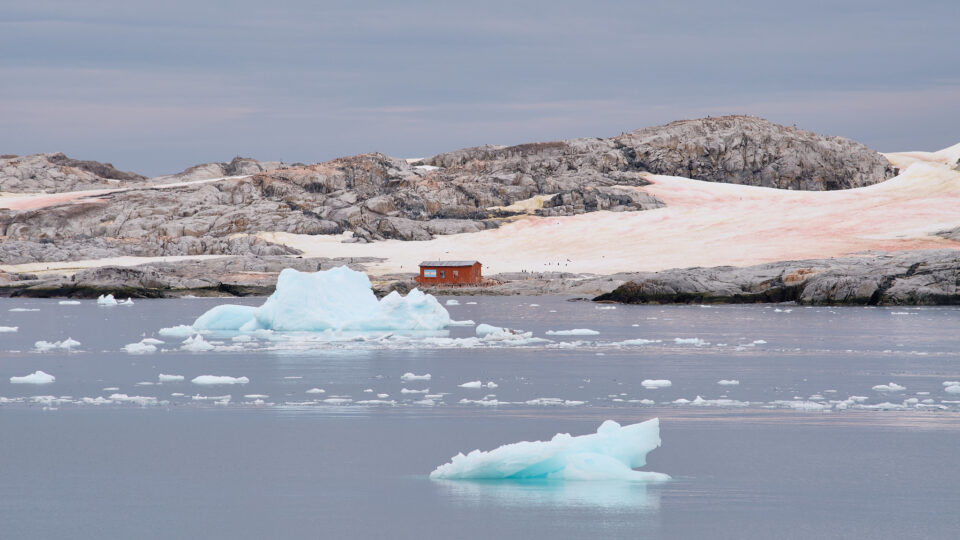
Antarctica’s winter came to a close in September and during that month, the continent reaches its maximum amount of sea ice that grows during the darkest and coldest months.  This year, that maximum occurred on September 10th and turned out to be the lowest on record.

The sea ice around Antarctica reached a maximum extent of 6.5 million square miles according to NASA researchers.  That was nearly 400,000 square miles below the previous record low set in 1986. 

There are several possible causes for the meager growth of Antarctic sea ice this year.  It may be a combination of several factors including El Niño, wind patterns, and warming ocean temperatures.  Recent research indicates that ocean heat is most likely playing an important role in slowing ice growth in the cold season and enhancing ice melting in the warm season.

The record-low ice extent so far this year is a continuation of a downward trend in Antarctic sea ice that has gone on since the ice reached a record high in 2014.  Prior to that year, the ice surrounding the southern continent was actually increasing slightly by about 1% every decade.

Meanwhile, Arctic sea ice reached its minimum extent in September and it was the sixth-lowest level in the satellite record.  Scientists track the seasonal and annual fluctuations of polar sea ice because they shape polar ecosystems and play a significant role in global climate.  Sea ice melting at both poles reinforces global warming because bright sea ice reflects most of the Sun’s energy back to space while open ocean water absorbs 90% of it.

**********

Web Links

Antarctic Sea Ice Sees Record Low Growth  

Photo, posted June 30, 2023, courtesy of Pedro Szekely via Flickr.

Earth Wise is a production of WAMC Northeast Public Radio

Billion-Dollar Disasters | Earth Wise

October 5, 2023 By EarthWise Leave a Comment

As the climate changes, billion-dollar disasters are increasing

By the end of August, the United States had already broken the one-year record for the number of weather and climate disasters that caused more than $1 billion in damage.

According to the National Oceanic and Atmospheric Administration, through August there had already been 23 billion-dollar disasters.  The previous record of 22 had been set in 2020.  The 23 this year racked up $58 billion in damages.

The unfortunate litany of events included two in August:  Hurricane Idalia, which struck Florida’s Big Bend region and the Lahaina fire storm on Maui.  Earlier in the year, winter storms in the Northeast, floods in California and Vermont, and 18 other severe storm events contributed to the record.

With a very active Atlantic hurricane season underway and the prospects for more wildfires in the west, it is likely that the record for billion-dollar disasters will climb even higher before the year ends.

The massive financial losses incurred this year highlight the need for more funding and attention to be directed toward climate resistance and adaptation.  The NOAA report urges policymakers to invest much more in getting out ahead of disasters before they strike rather than only looking for ways to help communities to pick up the pieces after disaster has struck.

Congress is currently considering $16 billion in additional funding for FEMA to keep the agency functioning in this very trying year.

As climate change continues to contribute to more intense storms and larger and more frequent wildfires, the price of adaptation and recovery efforts is likely to continue to grow.

**********

Web Links

2023 has already broken the US record for billion-dollar climate disasters

Photo, posted August 31, 2023, courtesy of Spc. Christian Wilson / The National Guard via Flickr.

Earth Wise is a production of WAMC Northeast Public Radio
The World’s Hottest Day | Earth Wise

July 27, 2023 By EarthWise Leave a Comment

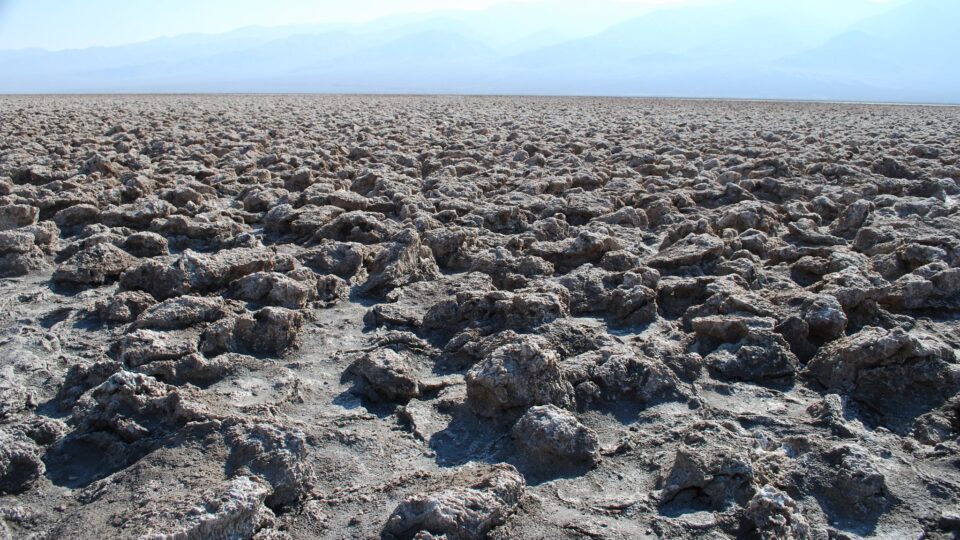
Early in July – for four days in a row – the average global temperature was the highest ever recorded.  As many places around the world endured dangerous heatwaves, the average global temperature on the fourth of July reached 62.92 degrees Fahrenheit, the highest ever recorded by human-made instruments.  On July 6th, the global temperature climbed even further to 63.01 degrees.

The average global temperature on an annual basis was about 56.7 degrees from the 1880s through the 1910s.  Temperatures rose a bit after that but ended up about 57.2 degrees until the 1980s.  After that, temperatures have risen fairly steadily as heat-trapping gases have accumulated in the atmosphere driving the current average above 58 degrees.

Global temperatures have only been directly measured since the mid-20th century.  There are proxy measurements from sources like tree rings, ice core samples, glacier measurements, and more that indicate that the recent readings may be the warmest days the earth has seen in millennia.

Average global temperature is determined using temperature readings at thousands of locations on both land and sea across the entire planet.  Those readings are compared with average temperatures at those locations for the date and the difference (known as the temperature anomaly) used to calculate a global average.

With the recent arrival of the El Niño in the Pacific Ocean, it is likely that the warming already being driven by greenhouse gas accumulation will intensify further. 

In a summer already marked by extreme heatwaves in many locations, having the entire planet 4 or 5 degrees hotter than normal is a very big deal and most certainly not a record to celebrate.

**********

Web Links

Earth reaches hottest day ever recorded 4 days in a row

Photo, posted October 29, 2008, courtesy of Darek via Flickr.

Earth Wise is a production of WAMC Northeast Public Radio

Europe Is Warming Very Quickly | Earth Wise

July 13, 2023 By EarthWise Leave a Comment

Europe is warming faster than most of the world

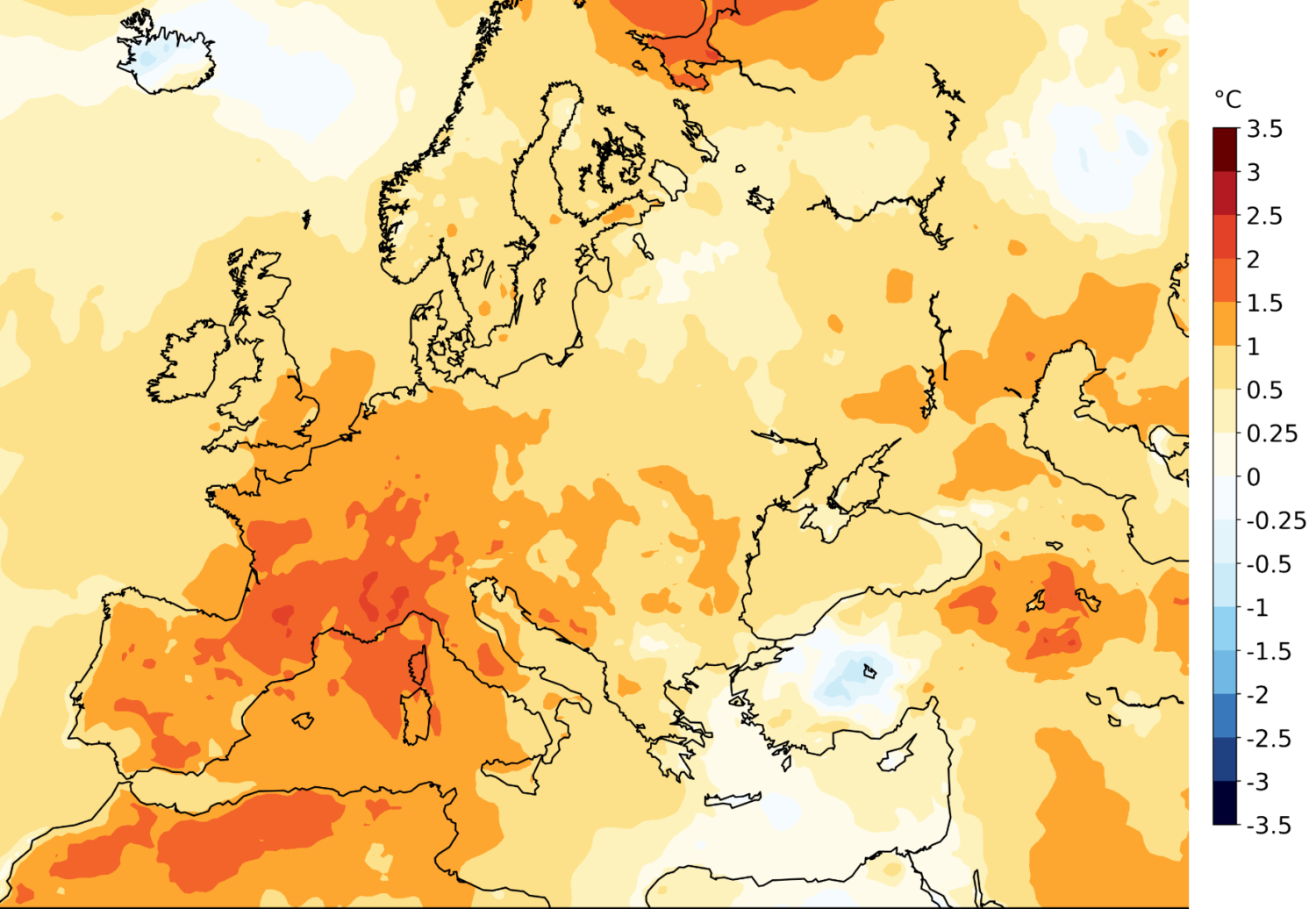
According to a new report from the World Meteorological Organization, Europe is warming faster than any other inhabited continent.  The result of the rising temperatures has been increasingly severe heat waves, flood, and wildfires.

The Paris Climate Agreement has set a goal of limiting warming to no more than 2 degrees Celsius above pre-industrial levels and, if at all possible, to no more than 1.5 degrees.  To date, the planet has warmed by 1.2 degrees and, with greenhouse gas emissions continuing at record levels, the temperature keeps going up.

These numbers refer to the global average.  Some places have warmed more and others less.  The Arctic has been warming four times quicker than the rest of the world.  In terms of direct impact on large populations, Europe has already surpassed the 2-degree mark, having reached 2.3 degrees last year.  In 2022, many countries in western and southwestern Europe had their warmest year on record. Weather-related economic damages totaled $2 billion, mostly as a result of storms and floods.

Europe is trying to do its part in mitigating climate change by making major gains on clean energy.  Wind and solar generated 22% of Europe’s power in 2022, which is more than either natural gas or coal produced.  Europe is trying to do its share, but the warming climate is a global phenomenon and will require a global effort to mitigate its effects.

The record-breaking heat stress experienced by Europeans last year cannot be considered a one-off occurrence.  It is part of a pattern that will make weather extremes more frequent and more intense over time.

**********

Web Links

The Fastest-Warming Continent, Europe Has Already Heated by More Than 2 Degrees C

Photo, posted September 26, 2011, courtesy of Ben Ramirez via Flickr.

Earth Wise is a production of WAMC Northeast Public Radio

El Niño Will Likely Return | Earth Wise

June 21, 2023 By EarthWise Leave a Comment

El Niño, a weather phenomenon triggered by warm waters in the eastern Pacific, is likely to return this year, according to the World Meteorological Organization.  The Pacific has been in the cooler La Niña phase for the past 3 years, which is unusual, but that appears to be coming to a close.  According to the WMO, there is an 80% chance that the Pacific will shift to the El Niño phase before fall.

Record hot years typically coincide with El Niño, which adds to the ongoing warming trend in the climate.   There is not yet a clear picture of how strong the forthcoming El Niño event will be or how long it might last, but even a mild El Niño could affect precipitation and temperature patterns around the world.

The hottest year on record, 2016, occurred during a particularly strong El Niño.  Experts expect that 2024 is likely to see soaring temperatures again.  El Niño generally leads to drier conditions in Australia, Indonesia, and southern Asia, but greater amounts of rainfall in South America, the U.S., and parts of Africa.  Despite the presence of a cooling La Niña for the past three years, the last eight years have been the hottest on record.

El Niño and La Niña form an intermittent cycle known as the El Niño Southern Oscillation, or ENSO, that is highly influential in shaping the year-to-year variations in weather conditions around the world.  ENSO is a natural phenomenon and scientists are still trying to understand how human-caused climate change might be impacting the behavior and dynamics of the cycle.

**********

Web Links

‘A New Spike’ in Global Temperatures in the Forecast

Photo, posted October 11, 2015, courtesy of Harshil Shah via Flickr.

Earth Wise is a production of WAMC Northeast Public Radio

Shrinking Birds | Earth Wise

June 5, 2023 By EarthWise Leave a Comment

A new study by researchers at Yale University looks at the way bird morphology is changing in response to the warming climate.  As temperatures rise, birds’ bodies are growing smaller, but their wings are growing longer.

In the study, published in the Proceedings of the National Academy of Sciences, the scientists analyzed two independently collected datasets containing 40 years of morphology changes in 129 bird species comprising 52 migratory species in North America and 77 South American species.

In both datasets, similar changes were observed over the 40-year period.  The overall trend makes sense given that being smaller and having longer wings both would help birds to stay cool in warmer weather.  What was less obvious was that the changes to the birds were much greater among the smallest bird species.

One possible explanation is that smaller species tend to reproduce on a shorter time scale and therefore evolve more quickly.  However, the study found no link between generation length and the changes in body size.

Another possible explanation is that smaller species tend to have larger populations, which means there is a greater chance of having individuals with desirable new traits that can get passed on.  But the scientists found no link between population size and shifts in body size either.

At this point, it is unclear why smaller birds are shrinking more.  More research is needed to figure out why larger birds are slower to adapt to climate change.  In general, larger species of animals have an increased risk of extinction.  This new research suggests that larger body size exacerbates extinction risk by limiting the ability for birds to adapt to the changes we are making to the climate.

**********

Web Links

Birds Are Shrinking as the Climate Warms — and Small Birds Are Shrinking Faster

Photo, posted October 30, 2018, courtesy of N. Lewis / National Park Service via Flickr.

Earth Wise is a production of WAMC Northeast Public Radio
Wildfire Smoke And Global Weather | Earth Wise

June 1, 2023 By EarthWise Leave a Comment

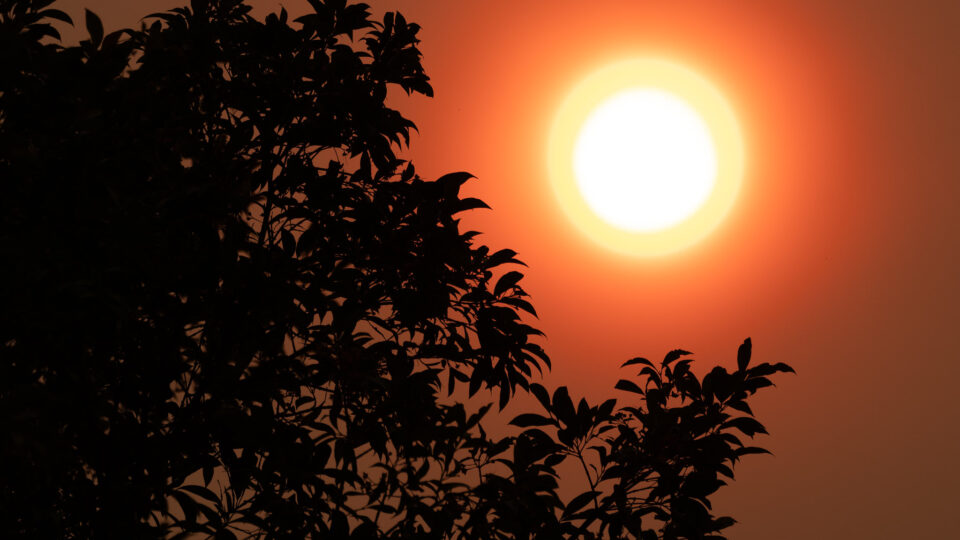
In 2019 and 2020, wildfires burned 72,000 square miles in Australia, roughly the same area as the entire country of Syria. During the nine months when the fires raged, persistent and widespread plumes of smoke filled the atmosphere.

These aerosols brightened a vast area of clouds above the subtropical Pacific Ocean.  Beneath these clouds, the surface of the ocean and the atmosphere cooled.  The effect of this was an unexpected and long-lasting cool phase of the Pacific’s La Niña-El Niño cycle.

A new modeling study by the National Center for Atmospheric Research in Boulder, Colorado quantified the extent to which aerosols from the Australian wildfires made clouds over the tropical Pacific reflect more sunlight back towards space.  The resultant cooling shifted the cloud and rain belt known as the Intertropical Convergence Zone northward.  These effects may have helped trigger the unusual three-year-long La Niña, which lasted from late 2019 through 2022.

The impacts of that La Niña included intensifying drought and famine in Eastern Africa and priming the Atlantic Ocean for hurricanes.  2020 was the most active tropical storm season on record, with 31 storm systems, including 11 that made landfall in the U.S.

The study highlights widespread multi-year climate impacts caused by an unprecedented wildfire season.  The wildfires set off a chain of events that influenced weather far from where the fires occurred.  In the future, climate experts will need to include the potential effects of wildfires in their forecasts.

**********

Web Links

How Wildfire Smoke from Australia Affected Climate Events Around the World

Photo, posted December 19, 2019, courtesy of Simon Rumi via Flickr.

Earth Wise is a production of WAMC Northeast Public Radio
  • « Go to Previous Page
  • Page 1
  • Page 2
  • Page 3
  • Page 4
  • Interim pages omitted …
  • Page 7
  • Go to Next Page »

Primary Sidebar

Recent Episodes

  • An uninsurable future
  • Clean energy and jobs
  • Insect declines in remote regions
  • Fossil fuel producing nations ignoring climate goals
  • Trouble for clownfishes

WAMC Northeast Public Radio

WAMC/Northeast Public Radio is a regional public radio network serving parts of seven northeastern states (more...)

Copyright © 2025 ·