• Skip to primary navigation
  • Skip to main content
  • Skip to primary sidebar

Earth Wise

A look at our changing environment.

  • Home
  • About Earth Wise
  • Where to Listen
  • All Articles
  • Show Search
Hide Search
You are here: Home / Archives for water

water

New approaches to nuclear power

November 18, 2024 By EarthWise 1 Comment

Researchers explore new approaches to nuclear power

The US is the world’s largest user of nuclear power.  Its 94 reactors supply nearly 19% of the country’s electricity. But the number of U.S. reactors has steadily fallen over the past 30 years and new nuclear power plants are a real rarity.  The reasons are a combination of perceived dangers following several nuclear accidents and the increasing costs associated with building plants that can meet a growing number of regulatory requirements.

There are recent developments associated with new advanced reactor technologies that may lead to a resurgence in the use of nuclear power.  Bill Gates’ energy company TerraPower is developing nuclear reactors that use sodium instead of water for cooling.  Such reactors operate at lower pressures and higher temperatures.  

Meanwhile, Kairos Power, a California-based energy company, has entered into an agreement with Google to build multiple small modular nuclear reactors that will supply electricity to that giant tech company.  The modular reactors use a molten-salt cooling system combined with a ceramic, pebble-type fuel in order to transport heat to a steam turbine to generate power.  The novel design of these reactors can reduce construction timelines, allow deployment in more places, and make final project delivery more predictable.

Surveys indicate that a majority of Americans favor the use of nuclear power, which has the advantages that it doesn’t create greenhouse gas emissions and can run 24-7.  But traditional nuclear power plants are too expensive and have too many potential problems.  These new nuclear power technologies may be the answer for allowing nuclear power to play an important role in the future energy system.

**********

Web Links

New nuclear clean energy agreement with Kairos Power

Photo, posted May 16, 2016, courtesy of Steve Jurvetson via Flickr.

Earth Wise is a production of WAMC Northeast Public Radio
South American drought

November 13, 2024 By EarthWise Leave a Comment

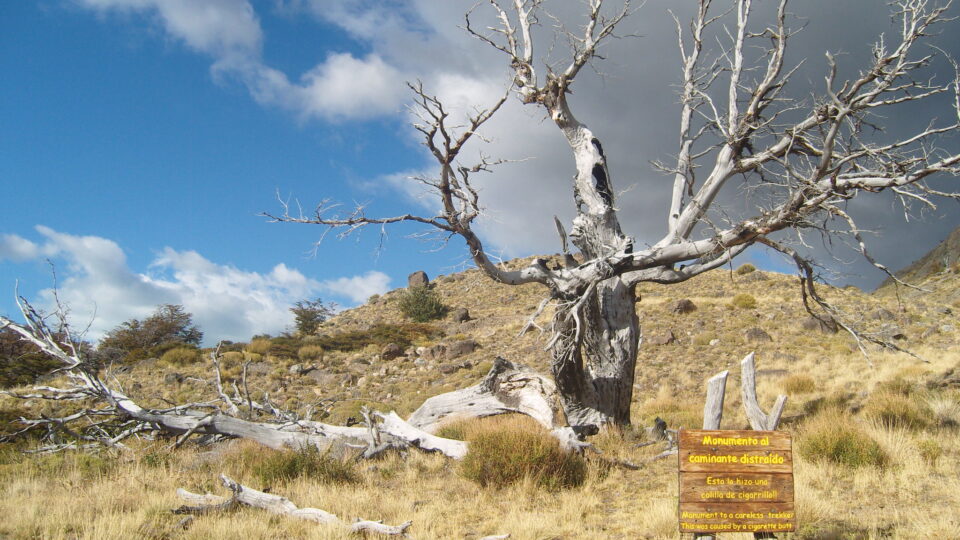
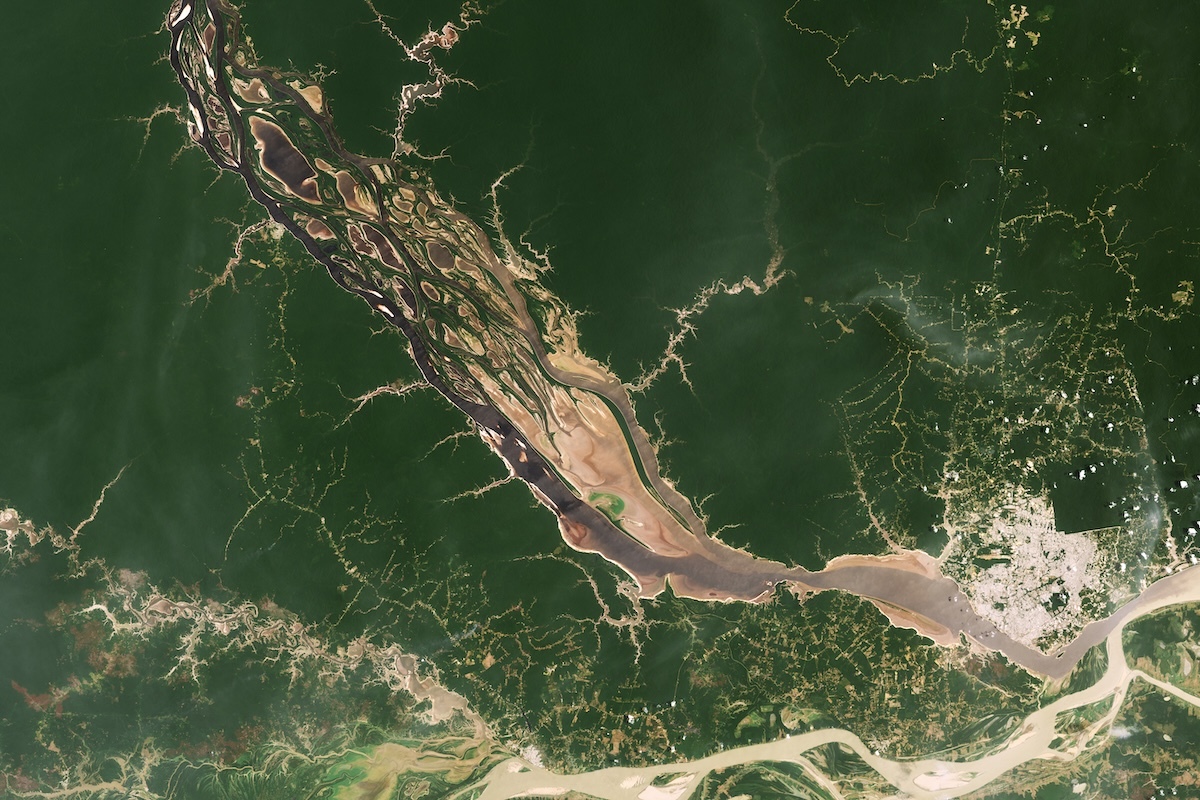
Vast areas of South America have been gripped in drought conditions for months.  Rivers in the Amazon basin fell to record-low levels in October.  The drought has amplified wildfires, parched crops, disrupted transportation networks, and interrupted hydroelectric power generation in parts of Brazil, Bolivia, Colombia, Ecuador, Peru, and Venezuela.

The drought is related to the impact of the El Niño that was present for the latter part of 2023 and the first half of this year.  El Niño typically shifts rainfall patterns in such a way that there is reduced rainfall in the Amazon.  This is especially true during the dry season months of July, August, and September.

Forecasts earlier in the year warned that there would be extreme fire conditions during the dry season.  Indeed, the Pantanal region that spans parts of southern Brazil, Paraguay, and Bolivia has experienced one of its worst fire seasons in decades.  The lack of rainfall, low soil moisture, and drawdowns of groundwater helped to amplify fires and caused them to spread faster and farther.

The drought has strained power supplies in Brazil and Ecuador because hydroelectric power stations are producing less electricity.   Snarled transportation networks with impassible rivers have left some communities struggling to get supplies. 

Brazil’s National Center for Monitoring and Early Warning of Natural Disasters has called the current drought the most intense and widespread Brazil has ever experienced.  Late October saw 293 Brazilian municipalities facing extreme drought.

**********

Web Links

Intense, Widespread Drought Grips South America

Photo, posted August 13, 2010, courtesy of Colm Britton via Flickr.

Earth Wise is a production of WAMC Northeast Public Radio
Solar-powered desalination

November 7, 2024 By EarthWise Leave a Comment

People in remote, low-income regions far from the ocean often need to meet their water needs from groundwater and groundwater is becoming increasingly saline due to climate change.  Desalination of brackish groundwater is a huge and largely untapped source of drinking water, but there are challenges in making the process efficient and reliable.

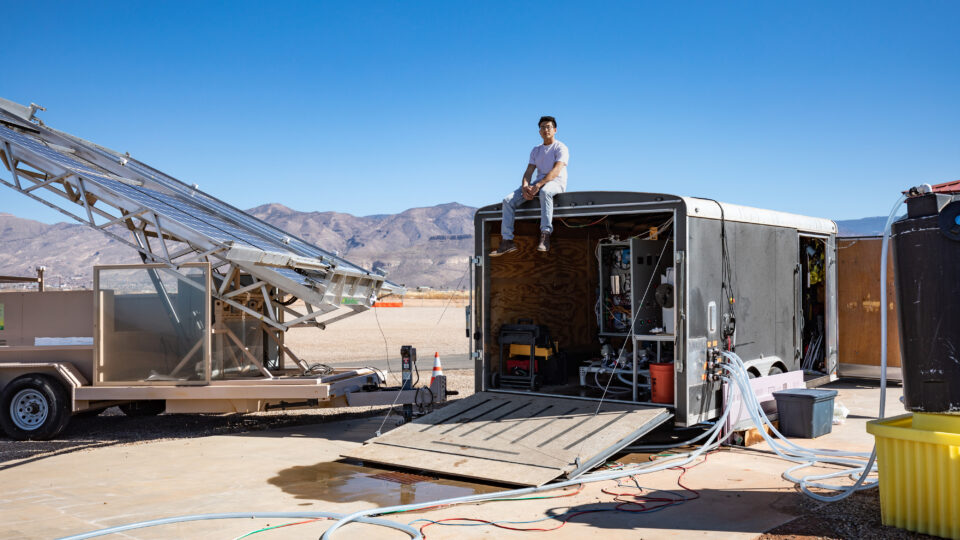
Engineers at MIT have developed a solar-powered desalination system that requires no batteries or external power sources and is capable of producing large quantities of clean water despite the variations of sunshine throughout the day.

The system is based on the process of electrodialysis and consists of water pumps, an ion-exchange membrane stack, and a solar panel array.  What is unique about it is that it makes use of sensors and a control system that predicts the optimal rate at which to pump water through the system based on the output of the solar panels.  As a result, it uses nearly all of the electricity generated to produce clean water and does not need stored or grid-based energy.

The MIT engineers tested a community-scale prototype on groundwater wells in New Mexico over a six-month period.  The system harnessed on average over 94% of the electricity generated by its solar panels and produced as much as 5,000 liters of water per day despite large variations in weather and sunlight.

The new renewable-powered, battery-free system could provide much-needed drinking water at low cost, especially for communities where access to seawater and to grid power are limited.  The team plans to further test and scale up the system so it can supply larger communities and even whole municipalities with low-cost drinking water.

**********

Web Links

Solar-powered desalination system requires no extra batteries

Photo courtesy of Shane Pratt.

Earth Wise is a production of WAMC Northeast Public Radio
Rivers are drying up

November 4, 2024 By EarthWise Leave a Comment

Rivers are drying up around the world

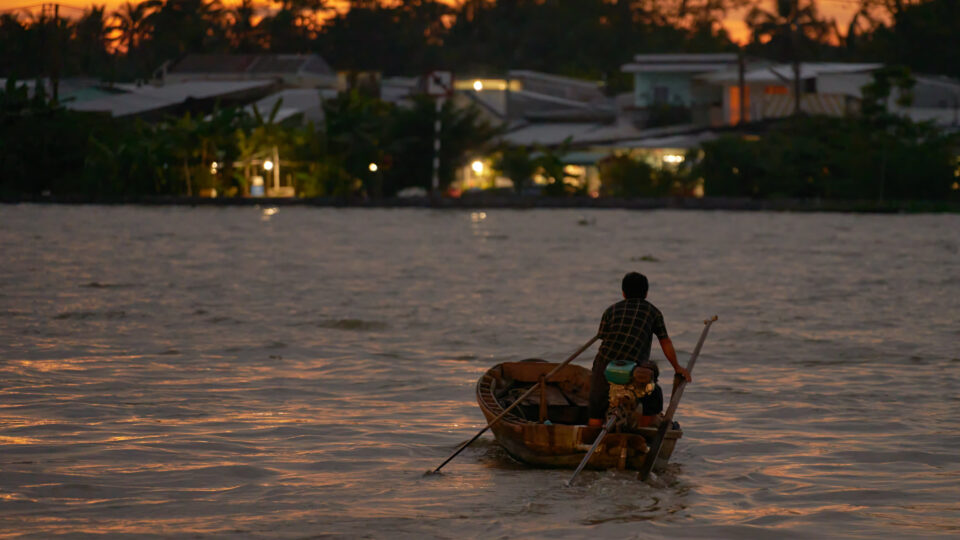
According to a new U.N. report, the world’s rivers had their driest year in at least three decades.  Record heat and droughts in many places contributed to low levels of water in many of the world’s rivers.

The world faces problems of either too much or too little water. The warming climate has fueled both powerful storms with heavy rainfall and intense droughts around the globe. 

Last year was the hottest year on record, and it’s a record that is unlikely to last long.  The Mississippi River and Amazon River basins were at all-time lows.  Major rivers with headwaters in the Himalayas – the Ganges, Brahmaputra, and Mekong Rivers – were all unusually dry.

According to the World Meteorological Organizations State of Global Water Resources Report, nearly half of the nearly 1,000 rivers tracked around the world had below-normal levels of water.  Only 17% had above-average levels.  Over the past 32 years, on average only a quarter of the rivers monitored had below-normal water levels and last-year’s 45% was the largest ever.

Last year’s severe heat shrank glaciers that are a crucial source of meltwater that feeds rivers.  Glaciers lost more ice last year than they have in at least 50 years.

More than half of the world’s population lives within a couple of miles of a body of fresh water.  The places with the highest population densities around the world are almost all near large rivers.  Rivers provide freshwater for irrigation, consumption, and transportation and are an important source of energy. Historically, they have played an important role in the development of human society.  The shrinking of rivers is a big deal.

**********

Web Links

World’s Rivers Are Driest They Have Been in Decades

Photo, posted August 22, 2023, courtesy of Radek Kucharski via Flickr.

Earth Wise is a production of WAMC Northeast Public Radio

Ocean geoengineering

October 24, 2024 By EarthWise Leave a Comment

A start-up company is exploring ocean geoengineering

As greenhouse gas emissions continue to be dangerously large and the perils of climate change are increasingly apparent, the world is increasingly exploring ways to deliberately intervene in climate systems.  A number of these ideas involve introducing substances into the atmosphere, but there are also ways to tinker with the oceans.

The oceans naturally absorb about a third of the carbon dioxide that humans pump into the atmosphere, mostly by burning coal, gas, and oil.  People are exploring ways to get the ocean to take up even more of the carbon dioxide.  One approach that is gaining traction is known as alkalinity enhancement.  By adding limestone, magnesium oxide, or other alkaline substances to rivers and oceans, it changes their chemistry and makes them soak up more carbon dioxide.

This approach has been around for a while as a way to mitigate acid rain in rivers and has been very successful.  A start-up company in Canada called CarbonRun is building a machine that grinds up limestone and will release the powder it produces into a local river in Nova Scotia.  The limestone in the river will be naturally converted into a stable molecule that will eventually be washed into the seas, where it should remain for thousands of years.

Expanding this approach to oceans faces many challenges including the costs and complexities of obtaining, processing, and transporting vast amounts of limestone to where it is to be released.  There are also potential environmental issues to grapple with.  But CarbonRun and others are moving forward with testing the approach.

In any event, the biggest barrier to ocean alkalinity enhancement is proving that it works.  That effort is underway.

**********

Web Links

They’ve Got a Plan to Fight Global Warming. It Could Alter the Oceans.

Photo, posted May 27, 2007, courtesy of John Loo via Flickr.

Earth Wise is a production of WAMC Northeast Public Radio
And the heat goes on

October 16, 2024 By EarthWise Leave a Comment

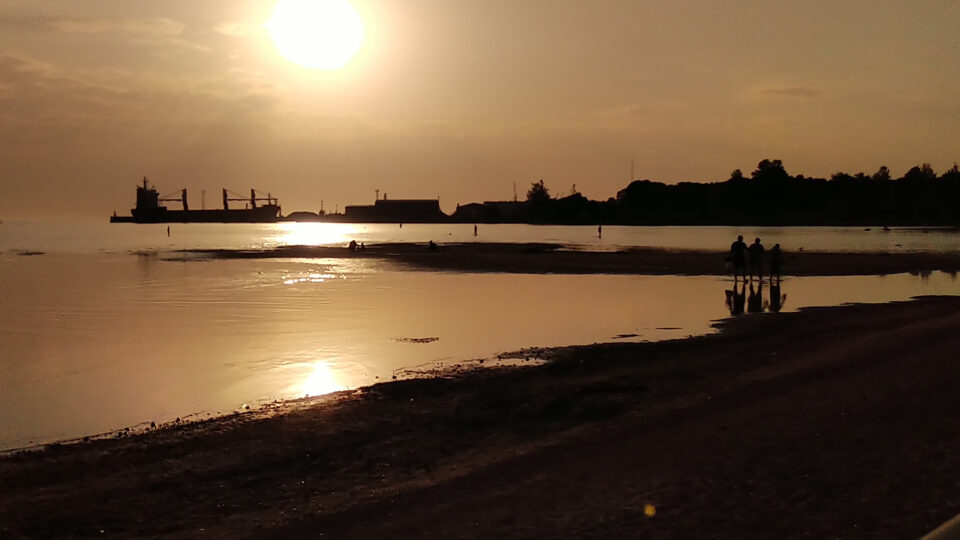
August 2024 was the hottest August in the 175-years for which there are global records.  The last full month of summer also wrapped up the Northern Hemisphere‘s warmest summer on record.

The average global surface temperature in August was 62.39 degrees Fahrenheit, which is 2.29 degrees above the 20th century August average.  Furthermore, August was the 15th consecutive month of record-high global temperatures, which is a record in and of itself.

Regionally, Europe and Oceana had their warmest August on record.  Asia had its second-warmest August, and Africa and North America had their third-warmest August.

The summer in the Northern Hemisphere was a record-breaker with a temperature 2.74 degrees Fahrenheit above average.  Thinking about climate goals, this is 1.52 degrees Celsius above average, which is a troubling amount.  Meanwhile, in the Southern Hemisphere, where it was winter in the June-to-August period, it was also the warmest ever with a temperature 1.73 degrees Fahrenheit above average.

Globally, this year to date ranks as the warmest ever recorded with a temperature 2.3 degrees above the 20th-century average.  With a few months to go, the prediction is that there is a 97% chance that 2024 will rank as the world’s warmest year on record.

Other aspects of the global climate system were consistent with these record-breaking temperatures.  The global ocean surface temperature for June through August was the warmest on record. 

These monthly climate reports have an unfortunate similarity:  the heat goes on.

**********

Web Links

Earth had its hottest August in 175-year record

Photo, posted June 22, 2021, courtesy of Vicky Brock via Flickr.

Earth Wise is a production of WAMC Northeast Public Radio

Tourism and climate action

October 11, 2024 By EarthWise Leave a Comment

Australia’s Great Barrier Reef is one of the foremost natural wonders of the world and is a major tourist attraction.  It is well-known that the changing climate is threatening the survival of the Great Barrier Reef as well as other coral reefs around the world.  A recent study by researchers at the University of Queensland looked at the reactions of tourists to being informed about the impact of the changing climate on the reef.

The Great Barrier Reef faces many challenges.  Unprecedented marine heatwaves have triggered repeated mass coral bleaching events over the past decade. These climate driven disturbances are compounding the cumulative effects of chronic problems such as unsustainable fishing, pollution, and sedimentation as well as acute disturbances such as tropical cyclones and outbreaks of crown-of-thorns starfish.

Operators of five reef tourism boats assisted in the study.  As part of their boat trips, tourists were given climate information via a marine biology presentation and there were also posters around the vessel as well as regular mentions of climate change impacts and actions throughout the trip.

The tourism industry often has the idea that providing information on climate change might be detrimental to people’s enjoyment – basically a buzzkill.  But based on surveys conducted at the end of the trips, the researchers found that informing tourists about climate impact didn’t negatively affect their experience.  In fact, most tourists actually wanted more information, particularly about how they can take meaningful actions of their own.

The researchers believe that their study provides further opportunity to improve climate communication and effectively promote climate change engagement among tourists.

**********

Web Links

Reef tourism encourages climate action

Photo, posted October 7, 2008, courtesy of eGuide Travel via Flickr.

Earth Wise is a production of WAMC Northeast Public Radio
The doomsday glacier

October 9, 2024 By EarthWise Leave a Comment

The doomsday glacier is melting

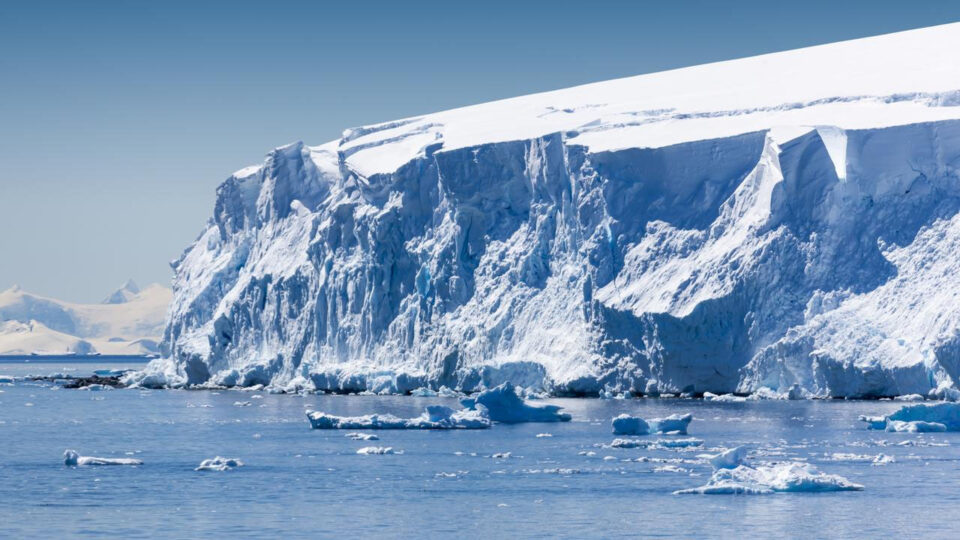
The Thwaites Glacier is an enormous Antarctic Glacier.  Its area is larger than that of Florida – in fact, larger than 30 other U.S. states – and it is melting.  It has been retreating for 80 years but has accelerated its pace in the past 30.  Its shedding of ice into the ocean already contributes 4% of global sea level rise.  If it collapsed entirely, it would raise sea levels by more than 2 feet.  For this reason, it has been dubbed the Doomsday Glacier.

A team of scientists has been studying it since 2018 in order to better understand what is happening within the glacier. They sent a torpedo-shaped robot to the glacier’s grounding line, which is the point at which the ice rises up from the seabed and starts to float.  The underside of Thwaites is insulated by a thin layer of cold water.  However, at the grounding line, tidal action is pumping warmer sea water at high pressure as far as six miles under the ice.  This is disrupting the insulating layer and is speeding up the retreat of the glacier.

The potential collapse of the glacier is not even the only massive risk it poses.  It also acts like a cork, holding back the vast Antarctic ice sheet.  If that ice sheet were ever to collapse, sea levels could rise 10 feet.

A critical unanswered question is whether the ultimate collapse of Thwaites Glacier is already irreversible.  There are regular heavy snowfalls that occur in the Antarctic which help replenish ice loss.  Whether nations’ progress in slowing climate change can change the balance between ice accumulation and ice loss on the glacier remains to be seen.

**********

Web Links

‘Doomsday’ glacier set to melt faster and swell seas as world heats up, say scientists

Photo, posted January 3, 2022, courtesy of Felton Davis via Flickr.

Earth Wise is a production of WAMC Northeast Public Radio
Weather extremes for most people

October 7, 2024 By EarthWise Leave a Comment

Weather extremes are becoming common for many people

Scientists from the CICERO Center for International Climate Research in Norway along with researchers at the University of Reading in the UK have analyzed how global warming can combine with normal variations in the weather to produce decades-long periods of very rapid changes involving both extreme temperatures and extreme amounts of rainfall.

Many parts of the world have already been experiencing record temperatures and extreme rainfall events.  Previously, most analyses of the changing climate have focused on the global mean and not on the impact of extreme weather on specific countries.

The study made use of large climate model simulations to show that if global emissions continue on the path they have been on, large parts of the tropics and subtropics – which are home to 70% of the world’s population – are expected to experience strong rates of change in temperature and precipitation extremes over the next 20 years.  But even if there is strong emissions mitigation – meaning that emissions are reduced enough to reach the goals of the Paris Climate Agreement – the expectation is that 20% of the world’s population will face extreme weather risks. 

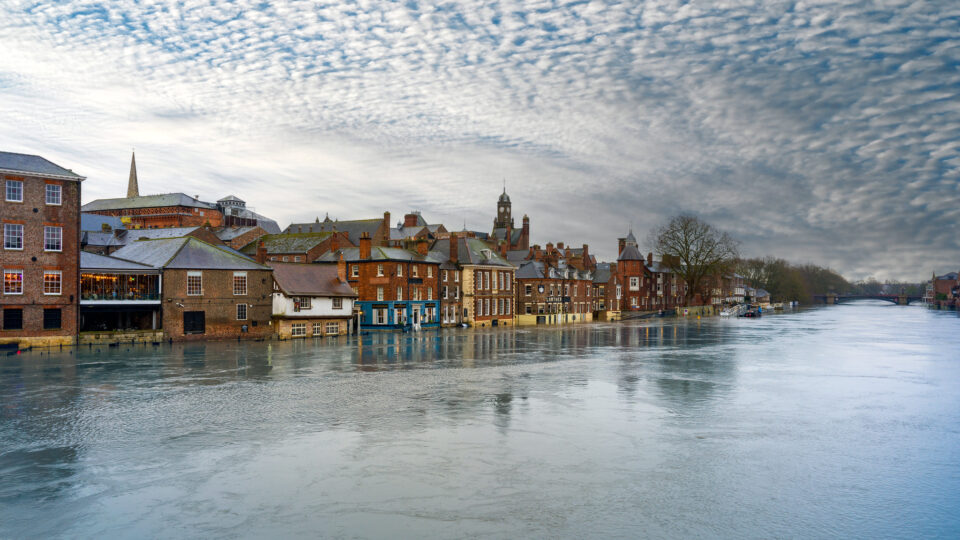
These extreme events currently account for a disproportionate share of the realized impacts of climate change.  Heatwaves cause heat stress and excess mortality of both people and livestock.  Extreme precipitation leads to flooding, damage to settlements, infrastructure, crops, and ecosystems, as well as to reduced water quality. 

Society will be increasingly vulnerable to these extreme events, especially when multiple hazards occur at the same time.

**********

Web Links

Extreme weather to strengthen rapidly over next two decades

Photo, posted May 20, 2024, courtesy of Dale Cruse via Flickr.

Earth Wise is a production of WAMC Northeast Public Radio

Rainfall and sea turtles

October 4, 2024 By EarthWise Leave a Comment

Rainfall has a major impact on sea turtles

There are seven species of sea turtles that inhabit the world’s oceans. Six of the seven sea turtle species – all of them except the flatback – are present in U.S. waters, and are listed as threatened or endangered under the Endangered Species Act. 

Sea turtles, which have been around for more than 100 million years, spend the majority of their lives in the ocean, but they do periodically come ashore to nest.  Female sea turtles lay their eggs in the sand and then return to the ocean.  Survival odds for sea turtle hatchlings are quite bleak.  In fact, only one out of every 1,000 makes it to adulthood. 

Research shows that both air and sand temperatures are critical for sea turtle hatchling development.  Cooler temperatures produce larger, heavier hatchlings with more males.  Hatchling size matters because larger hatchlings, which can move faster, are more likely to survive because they spend less time on risky beaches.  But rising temperatures might shorten incubation periods, and erratic rainfall can disrupt growth, potentially affecting survival.

A new international study by researchers from Florida Atlantic University and the University of Tübingen in Germany found that fluctuating rainfall patterns have a greater impact than changes in air temperature on sea turtle hatchling development. 

The results, which were recently published in the journal BMC Ecology and Evolution, reveal that the impact of rainfall varies between species.  As climate change shifts rainfall patterns, the impact on sea turtle nesting sites suggests that global conservation strategies for some species – like loggerhead and green sea turtles – likely need to be updated.

**********

Web Links

Rain or Shine? How Rainfall Impacts Size of Sea Turtle Hatchlings

Sea Turtle

Photo, posted August 27, 2015, courtesy of USFWS/Orsulak via Flickr.

Earth Wise is a production of WAMC Northeast Public Radio

Removing nanoplastics from water

September 26, 2024 By EarthWise Leave a Comment

Plastic pollution is a growing problem for people and for the environment in multiple ways.  When plastics break down over time, they can form small particles called microplastics – bits smaller than sesame seeds – and these, in turn, can break down into even smaller pieces called nanoplastics.  They are too small to be seen with the naked eye and can enter the body’s cells and tissues.

Recent studies have shown that nanoplastics are increasingly showing up in bottled water.  In fact, measurements on several popular brands of bottled water found an average of nearly a quarter million tiny pieces of plastic in a single liter of bottled water.

The health effects of ingesting all of this plastic are not really known, but they are unlikely to be anything good.  Finding a way of avoiding this contamination of the beverages we drink is a pressing need.

Researchers at the University of Missouri have created a new liquid-based solution that eliminates more than 98% of microscopic plastic particles from water.  The method makes use of water-repelling solvents made from safe, non-toxic natural ingredients. A small amount of this designer solvent absorbs plastic particles from a large volume of water.

The solvent sits on the water’s surface.  When mixed with the water, it absorbs the plastic and eventually comes back to the surface carrying the plastic leaving behind clean, plastic -free water.

Ultimately, the hope is to scale up the process so it can be applied to increasingly large amounts of water – even lakes and, eventually, oceans.  There is work to be done, but it is a potential way to address an increasingly worrisome and pervasive form of pollution.

**********

Web Links

Mizzou scientists achieve more than 98% efficiency removing nanoplastics from water

Photo, posted August 9, 2012, courtesy of Enid Martindale via Flickr.

Earth Wise is a production of WAMC Northeast Public Radio
Cities and rainwater

September 24, 2024 By EarthWise Leave a Comment

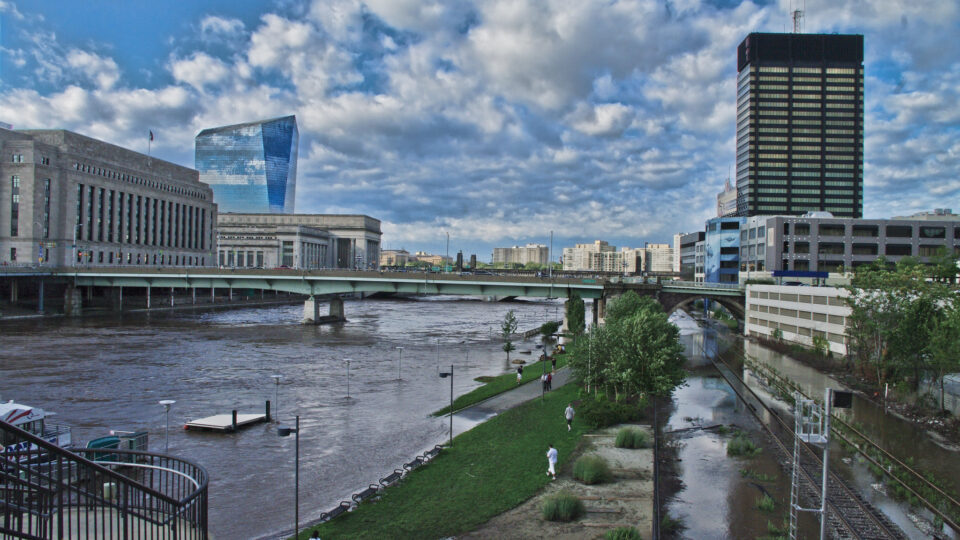
Cities across the country are grappling with the problem that bigger, more frequent rainstorms occurring as a result of climate change are overtaxing the systems put in place to handle stormwater.  Cities use a combination of so-called green infrastructure – such as rain gardens and porous pavements – and traditional gray infrastructure, such as pipes, tunnels, and pump stations.

In 2011, Philadelphia drew national attention for its Green City, Clean Waters program that was designed to manage the increasing amount of storm water using mostly green infrastructure.  Thirteen years later, the city is experiencing billions of gallons of polluted stormwater overflowing its sewage outfall pipes each year.  Green infrastructure is cheaper and faster to build, but it is not coping with increasing rainfall.

About 700 U.S. municipalities, mostly in the Northeast and around the Great Lakes, rely on these combined sewer systems.  Based on updated climate projections, many are having to greatly increase gray infrastructure projects that include concrete holding tanks, tunnels, and pipes that can divert and hold onto flows until the rain stops, and water treatment plants can recover.  These projects can take decades to implement and cost billions of dollars.

All across the country, cities are going to need to bite the bullet and make large-scale investments in conventional sewage infrastructure and repairs to stop billions of gallons of raw sewage from running into rivers.  The increased storms present a daunting challenge for America’s cities.

**********

Web Links

Faced With Heavier Rains, Cities Scramble to Control Polluted Runoff

Photo, posted August 29, 2011, courtesy of Reggie via Flickr.

Earth Wise is a production of WAMC Northeast Public Radio

Svalbard is melting

September 10, 2024 By EarthWise Leave a Comment

Svalbard is melting

Svalbard is a Norwegian archipelago between mainland Norway and the North Pole. It is one of the world’s northernmost inhabited areas and is a popular attraction for tourists.  Svalbard is famous for rugged, remote terrain of glaciers and frozen tundra sheltering polar bears, Svalbard reindeer, and Arctic foxes. The Northern Lights are visible during winter, and its summer features the “midnight sun”—sunlight 24 hours a day.  It is the home of the Svalbard Global Seed Vault, which provides safe, free, and long-term storage of seed duplicates from all gene banks and nations around the world. 

Over half of Svalbard’s land area is covered with ice and accounts for about 6% of the planet’s glaciated area outside of Greenland and Antarctica.  But Svalbard is also one of the fastest-warming places on Earth.

It has suffered extreme episodes of melting this summer, brought on by exceptionally high air temperatures.  In late July and early August, temperatures hovered around 7 degrees Fahrenheit above average for this part of the Arctic Circle, causing snow and ice to rapidly melt.

According to scientists, Svalbard’s ice caps broke their all-time record for daily surface melt on July 23rd, shedding nearly half a foot of water equivalent that day, a rate five times larger than normal. 

On August 11th, the high temperature in Longyearbyen, Svalbard’s capital city, reached 68 degrees, the highest August temperature on record and 4 degrees above the previous monthly record.  Svalbard experienced its warmest summer on record in 2023.

**********

Web Links

Svalbard Melts

Photo, posted September 21, 2016, courtesy of Christopher Michel via Flickr.

Earth Wise is a production of WAMC Northeast Public Radio
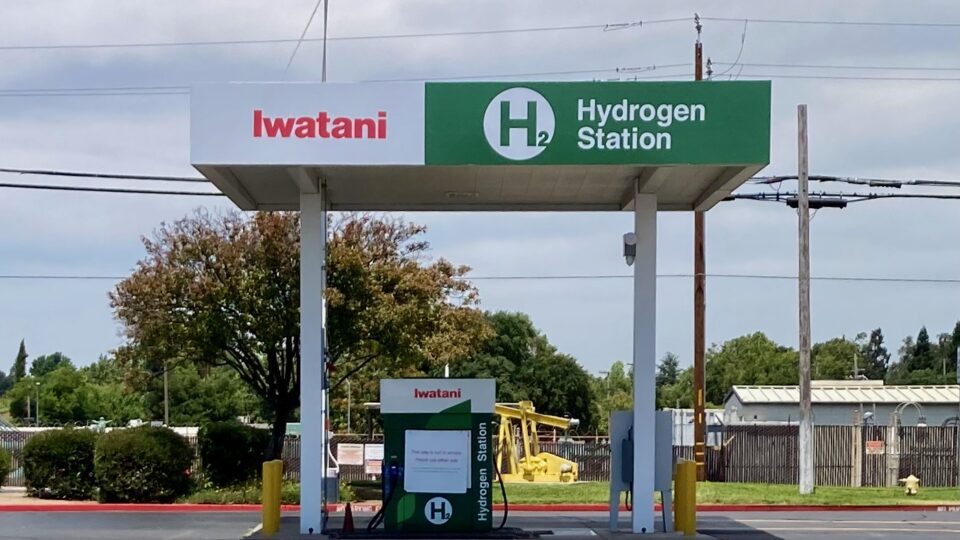
A better way to produce green hydrogen

September 9, 2024 By EarthWise Leave a Comment

Hydrogen has great potential as a fuel and an energy carrier for many applications.  Burning it or consuming it in fuel cells does not produce carbon emissions.  As a result, there has long been the vision for a future hydrogen economy.  Whether the hydrogen economy would ever come about given how various other technologies have evolved over time is questionable.  But regardless, hydrogen is valuable for many industrial and commercial applications including the manufacture of ammonia and the refining of metals.

Hydrogen is produced in industrial quantities from natural gas by a carbon-dioxide-producing process known as methane-steam reforming.  To take its place as a green energy source, hydrogen needs to be produced by splitting water into its constituent oxygen and hydrogen components by the process of electrolysis. 

The problem is economic.  Methane-steam reforming produces hydrogen at a cost of about $1.50 per kilogram.  Green hydrogen costs about $5 a kilogram.

Researchers at Oregon State University have developed a new photocatalyst that enables the high-speed, high-efficiency production of hydrogen.  The material, called RTTA, is a metal organic framework containing ruthenium oxide and titanium oxide.  Ruthenium oxide is expensive, but very little is needed.  For industrial applications, if the catalyst shows good stability and reproducibility, the cost of the small amount of this exotic material becomes less important.

The photocatalyst, when exposed to sunlight, quickly and efficiently splits water yielding hydrogen.  The Oregon State discovery has real potential.

**********

Web Links

Oregon State University research uncovers better way to produce green hydrogen

Photo, posted July 7, 2023, courtesy of Bill Abbott via Flickr.

Earth Wise is a production of WAMC Northeast Public Radio

Water from thin air

September 6, 2024 By EarthWise Leave a Comment

Creating drinking water from thin air

The Earth’s atmosphere contains enormous amounts of water.  Being able to efficiently and economically extract some of it to provide drinking water would be extremely beneficial to the billions of people across the globe who face chronic water shortages.

There are existing technologies for atmospheric water harvesting – or AWH.  But there are downsides associated with size, cost, and efficiency.   A new device developed by mechanical engineering researchers at the University of Utah has the potential to provide a new drinking water source in arid places.

The device is a compact, rapid-cycling, fuel-fired AWH device.  It relies on adsorbent materials that draw water molecules out of non-humid air and then applies heat to release those molecules into liquid form.

Hygroscopic materials are those that have an affinity for water and soak it up at every opportunity.  Such materials are used, for example, in disposable diapers.  The Utah device makes use of metal organic frameworks, which have enormous amounts of surface area on the molecular scale.

The initial work on the Utah device targeted a small compact water generation unit for soldiers in the field.  Instead of lugging around a large canteen filled with water, the small unit can produce water on demand.  The prototype was able to produce 5 liters of water per day per kilogram of adsorbent material.  Within three days in the field, the system outperforms packing water.  The heat required to precipitate the liquid water was provided by a standard-issue Army camping stove.

Non-military needs are the ultimate application for the device.  The researchers have applied for a patent for what they hope will be a potential solution to a persistent global problem.

*********

Web Links

Producing water out of thin air

Photo, posted August 9, 2012, courtesy of Enid Martindale via Flickr.

Earth Wise is a production of WAMC Northeast Public Radio
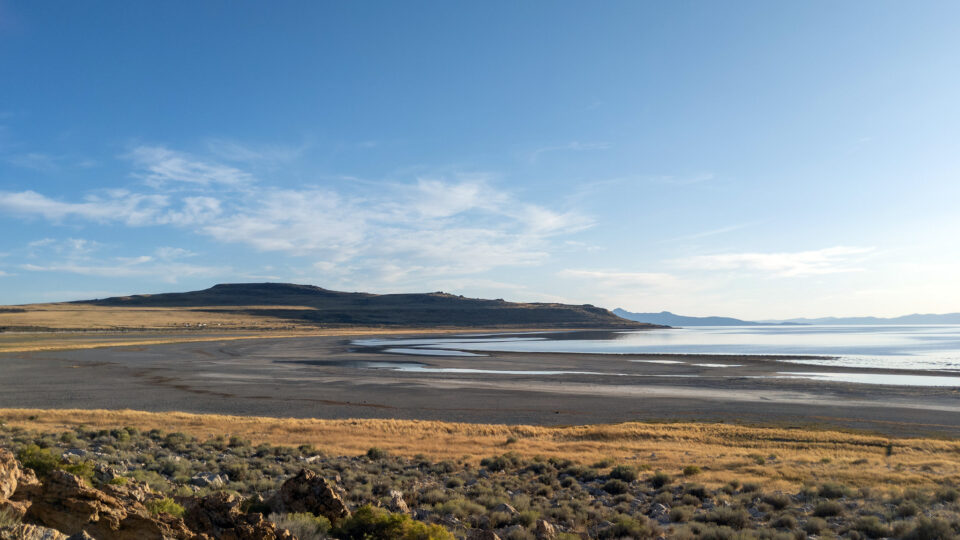
Emissions and the Great Salt Lake

September 4, 2024 By EarthWise Leave a Comment

Emissions and the Great Salt Lake

The Great Salt Lake in Utah has been described as a puddle of its former self.  The lake’s size fluctuates naturally with seasonal and long-term weather patterns, but the lake has been experiencing decline for decades as Utahans take water out of the rivers and streams that once fed the lake.  Over recent decades, the lake has lost 73% of its water and 60% of its surface area.

For years, scientists and environmental leaders have warned that the Great Salt Lake is headed toward a catastrophic decline.  Recent research has found that the lake’s desiccating shores are becoming a significant source of greenhouse gas emissions.  Scientists have calculated that the dried-out portions of the lakebed released about 4.1 million tons of carbon dioxide and other greenhouse gases in 2020.

The recent study, published in the journal One Earth, suggests that the Great Salt Lake – which is largest saltwater lake in the Western Hemisphere – as well as other shrinking saline lakes around the world could become major contributors of climate-warming emissions.

The shrinking back of the water has exposed a dusty lakebed that is laced with arsenic, mercury, lead, and other toxic substances.  Some are naturally occurring, and others are the residue of mining activity in the region.  These substances threaten to increase rates of respiratory conditions, heart and lung disease, and cancers.

As the lake shrinks, it is becoming saltier and uninhabitable to native flies and brine shrimp and may increasingly become unable to support the 10 million migratory birds and wildlife that frequent it.

The new research about greenhouse gas emissions just adds to a dire list of environmental consequences brought on by the lake’s steep decline.

**********

Web Links

Shrinking Great Salt Lake Becoming Source of Heat-Trapping Gas

Photo, posted January 20, 2020, courtesy of Matthew Dillon via Flickr.

Earth Wise is a production of WAMC Northeast Public Radio
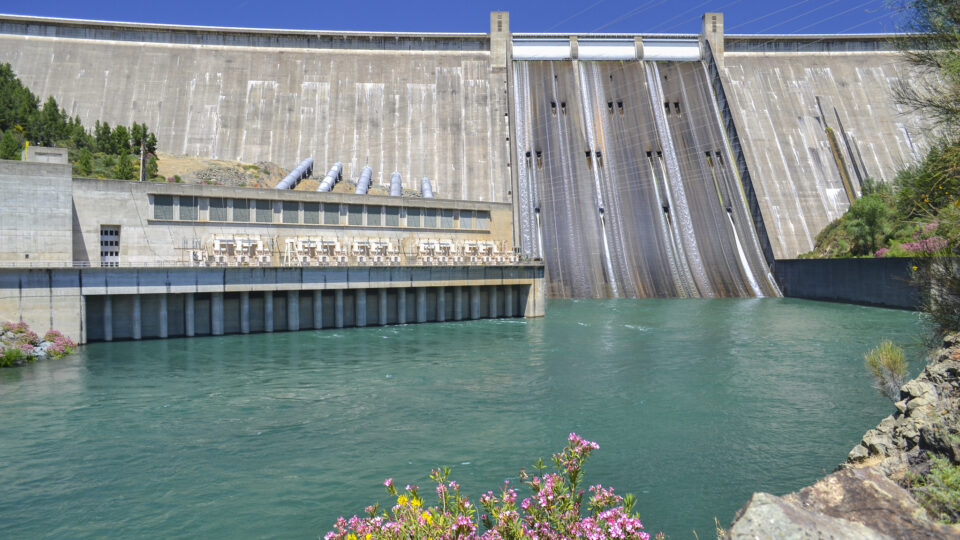
Where do states get their electricity?

September 3, 2024 By EarthWise Leave a Comment

Exploring how states produce their electricity

How the United States produces its electricity has changed dramatically over the past few decades.  Coal used to be the dominant source of power in this country, but natural gas surpassed it in 2016, and coal’s share has been shrinking ever since.  Fossil fuel still generates the majority of America’s electricity, but renewable power is increasing its contribution all the time.

On a state-by-state basis, there are very large variations in the mix of power sources.  Ten states still get their largest amount of power from coal, but this is down from 32 states in 2001.  Four states have hydroelectric power as their largest source, including Vermont which gets more than half of its power that way. 

Texas produces more electricity than any other state by a wide margin.  It’s not just because it has a large population. It is because it uses huge amounts of power to refine petroleum products.  Coal produces only 13% of Texas’ electricity and the state is by far the country’s largest producer of wind power.

New York gets nearly half of its power from natural gas, 21% from hydroelectric power, and 21% from nuclear power.  Wind and solar power are still small, but both are growing in the state.

When people try to assess the climate impact of driving electric cars, based on the origins of the electricity they use to power the car, the results can vary dramatically based on what state they live in.  Nationwide, electricity is getting cleaner and greener, but the process is by no means uniform across the country.

**********

Web Links

How Does Your State Make Electricity?

Photo, posted March 17, 2021, courtesy of Bureau of Reclamation via Flickr.

Earth Wise is a production of WAMC Northeast Public Radio

Mixed news for the Great Barrier Reef

August 27, 2024 By EarthWise Leave a Comment

Mixed news about the Great Barrier Reef

A prolonged and widespread coral bleaching event in Australia’s Great Barrier Reef has taken place this year.  It is the fifth such event over the past eight years and appears to be one of the worst ever.  According to preliminary analysis, 97% of corals in some areas of the northern part of the reef died as a result of the bleaching.  Over the entire length of the reef – which is more than 1,200 miles long – bleaching was observed on 74% of the more than 1,000 individual reefs that make up the Great Barrier Reef.  Half of those observed recorded high or very high levels of bleaching, although less than 10% had extreme levels of bleaching.

Prior to this mass bleaching event, an extensive survey of the reef was conducted, and it provided some good news.  Coral cover had increased in all three regions on the Great Barrier Reef and was actually at regional highs in two of the three regions.  The surveys were completed before the passage of Tropic Cyclone Jasper in December 2023.

Bleached corals are very stressed, but they still remain alive for at least some period of time.  Some types of corals can remain bleached for months, hanging on like a hospital patient in critical condition, but then recover.  Depending upon water conditions going forward, it remains to be seen how much of the reef will survive the latest bleaching event.  The next survey season by the Australian Institute of Marine Science will commence in September.

In many ways, the reef has had some lucky escapes in recent years.  As marine heatwaves become increasingly common, its luck may eventually run out.

**********

Web Links

New report on Great Barrier Reef shows coral cover increases before onset of serious bleaching, cyclones

Photo, posted 8, 2023, courtesy of Chris Hoare via Flickr.

Earth Wise is a production of WAMC Northeast Public Radio
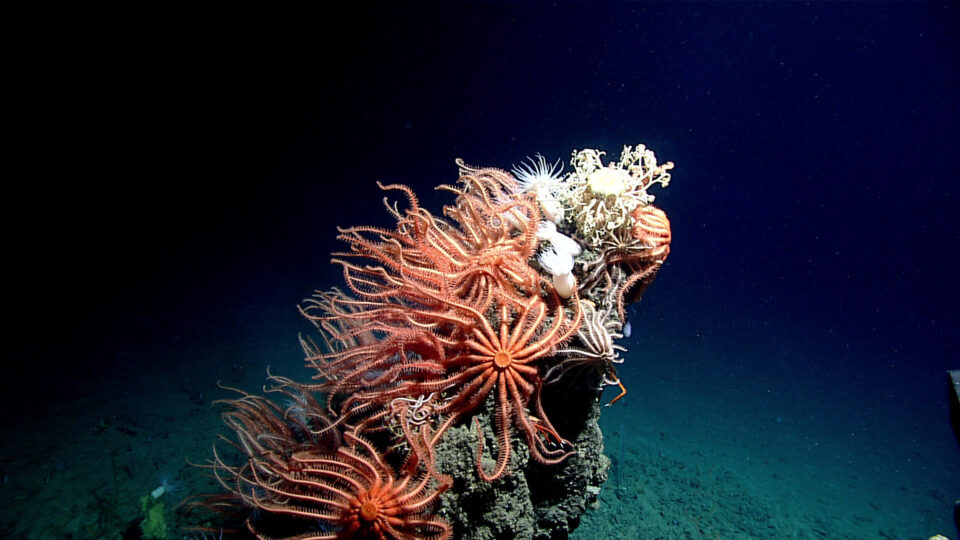
Deep sea mining

August 19, 2024 By EarthWise Leave a Comment

Deep sea mining is a threat to the environment

Deep sea mining is the extraction of minerals from the ocean floor at depths greater than 660 feet and as much as 21,000 feet below the surface.  Active or extinct hydrothermal vents on the ocean floor create sulfide deposits which collect metals such as silver, gold, copper, manganese, cobalt, and zinc.  This forms polymetallic nodules – potato-sized rocklike deposits containing these valuable minerals.  There are literally trillions of these things scattered over wide areas of ocean floor.  The largest of these deposits are in the Pacific Ocean between Hawaii and Mexico in the Clarion Clipperton Fracture Zone.

Mining companies argue that land-based sources for valuable metals are running out and are critically needed for green technologies like batteries for electric vehicles and manufacturing solar panels and wind turbines.  They also claim that mining in the deep sea will be less environmentally damaging than land-based mining.

The deep sea is viewed by many as kind of a watery desert but there are actually diverse and rich ecosystems down there.  Most of the animals living in the depths are tiny, but that doesn’t make them any less important.  Many can live for a very long time.  Some invertebrates live for thousands of years.

There are currently no commercial deep sea mining operations underway.  Many countries have outlawed them.

The deep seas are the last mostly unexplored part of the Earth.  Deep sea mining will unquestionably be highly destructive to these environments.  We don’t really know what the impact of widespread deep sea mining might be, but the world continues to edge ever closer to allowing it to happen.

**********

Web Links

Can We Mine the World’s Deep Ocean Without Destroying It?

Photo, posted March 30, 2018, courtesy of the NOAA Office of Ocean Exploration and Research via Flickr.

Earth Wise is a production of WAMC Northeast Public Radio

Enforcing the Green Amendment

August 13, 2024 By EarthWise Leave a Comment

The Green Amendment and New York policy

 In November 2021, 70% of New Yorkers voted to include environmental rights in the Bill of Rights of the New York State Constitution.  The amendment recognizes and protects the rights of all New Yorkers to clean water and air and a healthful environment.  It places these rights on the same constitutional level as other enshrined freedoms, such as the right to freely speak and the right to be free from unreasonable searches and seizures.

Since its passage, the Green Amendment has been at the center of controversy over how or even whether it is enforced.  The state has taken the position that the amendment does not empower citizens to dictate the actions of agencies like the state Department of Environmental Conservation.

A lawsuit filed in 2022 by residents who live near the High Acres Landfill in Monroe County demanding environmental cleanup resulted in a ruling that complying with the Constitution is not optional for a state agency.  That ruling was appealed, and the case is currently before an appeals court.

A similar lawsuit is now going on against the state’s largest landfill in Seneca Falls.  Once again, the position taken by the state Attorney General is that the Green Amendment does not alter the DEC’s enforcement discretion as to whether to force the landfill operators to take action.

Environmental activists have been staging protests at the state Capital, urging the governor, the state attorney general, and the DEC to shift their approach to applying the Green Amendment.  Until this issue is resolved in the courts, it is unclear whether this amendment, put in place by 70% of voters, will actually protect the citizens of New York and its environment.

**********

Web Links

New York’s Green Amendment Guarantees the Right to a ‘Healthful Environment.’ Activists Want the State to Enforce It

Photo, posted April 22, 2023, courtesy of Pedrik via Flickr.

Earth Wise is a production of WAMC Northeast Public Radio
  • « Go to Previous Page
  • Page 1
  • Interim pages omitted …
  • Page 4
  • Page 5
  • Page 6
  • Page 7
  • Page 8
  • Interim pages omitted …
  • Page 34
  • Go to Next Page »

Primary Sidebar

Recent Episodes

  • An uninsurable future
  • Clean energy and jobs
  • Insect declines in remote regions
  • Fossil fuel producing nations ignoring climate goals
  • Trouble for clownfishes

WAMC Northeast Public Radio

WAMC/Northeast Public Radio is a regional public radio network serving parts of seven northeastern states (more...)

Copyright © 2026 ·