
• Skip to primary navigation
  • Skip to main content
  • Skip to primary sidebar

Earth Wise

A look at our changing environment.

  • Home
  • About Earth Wise
  • Where to Listen
  • All Articles
  • Show Search
Hide Search
You are here: Home / Archives for water

water

New York Is Sinking | Earth Wise

June 29, 2023 By EarthWise Leave a Comment

New York City is slowly sinking

The rising seas represent a threat to coastal cities across the globe.  Increasing that threat is the fact that most global cities are slowly sinking as the earth beneath them settles and groundwater is removed.   Another factor that has seldom been considered is that in major metropolises, the weight of large, concrete-and-steel skyscrapers may be hastening the sinking.

A new study by the U.S. Geological Survey published in the journal Earth’s Future estimated the weight of every building in New York City – 1.085 million of them – which they determined to add up to 1.68 trillion pounds – and estimated the downward force of those structures across the city.

The study found that buildings have a greater effect in areas that are rich in clay compared with those areas where sand or bedrock predominate.  The softer the soil, the more compression there is from buildings.  It wasn’t a mistake to build large buildings in New York, but it is important to understand that doing so pushes down the ground more and more.

The study determined that New York is sinking by around 1 to 2 millimeters each year, although some areas are sinking much faster.  The researchers say that cities must plan for future sinking, which will exacerbate the impact of rising seas. Sea levels are rising 1 to 2 millimeter each year, so the subsidence caused by the weight of buildings is equivalent to moving a year ahead in time with regard to rising ocean levels.  This is not a cause for immediate panic, but it is important to understand that this ongoing process only increases the risk of inundation from flooding.

**********

Web Links

New York City Sinking Under Weight of Skyscrapers

Photo, posted January 29, 2016, courtesy of Always Shooting via Flickr.

Earth Wise is a production of WAMC Northeast Public Radio

Nantucket Residents Still Fighting Offshore Wind | Earth Wise

June 28, 2023 By EarthWise Leave a Comment

Nantucket residents continue to resist offshore wind

Offshore wind in the US has had to fight to exist for a long time.  The Cape Wind project in Nantucket Sound off the coast of Cape Cod was envisioned over 20 years ago as a 1.5-gigawatt wind farm.  Years of legal battles and other controversies saw the project start and stop multiple times with only minimal actual construction.  Primary opposition came from residents who considered the turbines far off on the distant horizon to be an eyesore and threat to their property values.  Eventually, the project was terminated in 2017.

Since then, offshore wind has gained substantial support in the US and multiple projects are either ongoing or in the permitting process.  The 800 MW Vineyard Wind project is on track to be the first commercial-scale offshore wind farm in the US, with plans to eventually generate enough electricity to power 400,000 homes.

Once again, Nantucket residents are fighting against an offshore wind farm.  Once again, they are making arguments that are not really what concerns them, in this case, saying that the wind turbines are a threat to the survival of endangered North Atlantic right whales.

A federal judge has recently rejected a lawsuit brought by the group Nantucket Residents Against Turbines that sought to stop the project.  The judge found that the group failed to show that either the US Bureau of Ocean Energy Management or the National Marine Fisheries Service violated the Endangered Species Act or the National Environmental Policy Act in its 2021 rulings on the impact of the proposed wind farm on the whales.

Undoubtedly there will be additional challenges from the group, possibly based on entirely different complaints.  It’s tough to build offshore wind in Massachusetts.

**********

Web Links

Judge rejects lawsuit by Nantucket residents to block offshore wind farm

Photo, posted November 21, 2016, courtesy of Adrian Scottow via Flickr.

Earth Wise is a production of WAMC Northeast Public Radio
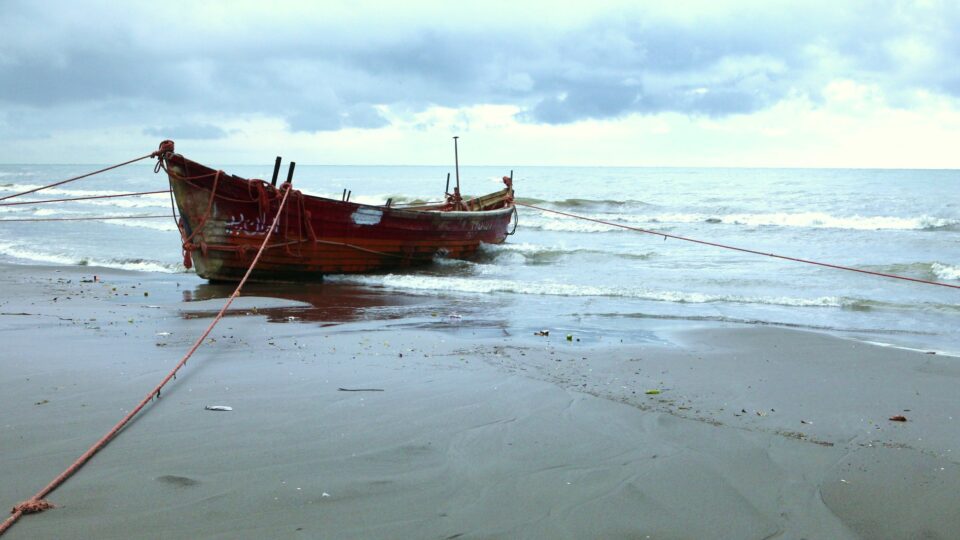
Large Lakes In Decline | Earth Wise

June 27, 2023 By EarthWise Leave a Comment

More than half of the world's largest lakes are shrinking

Globally, freshwater lakes and reservoirs hold 87% of the planet’s liquid freshwater, making them a valuable resource for both people and wildlife.  Despite their value, the long-term trends and changes to water levels of lakes have been largely unknown – until now.

According to a new assessment recently published in the journal Science, more than half of the largest lakes around the world are losing water.  Using satellite observations and climate data, the research team created a technique to measure changes in water levels in nearly 2,000 of the world’s biggest lakes and reservoirs, representing 95% of the total lake water storage on Earth.

The results are staggering.  According to the findings, 53% of Earth’s largest lakes and reservoirs now store significantly less water than they did in 1992.  The total amount of water lost is estimated to be 144.5 cubic miles, which is equivalent to the volume of 17 Lake Meads (the largest reservoir in the U.S.). 

Unsurprisingly, climate warming and human consumption were the main drivers of water loss from lakes, whereas sedimentation — the buildup of debris — was the biggest driver of water loss in reservoirs.  Roughly one-quarter of the world’s population – two billion people – live in the basin of a drying lake, indicating the urgent need for sustainable water resources management.

But the news is not entirely bleak.  According to the research team, the new method of tracking lake water storage trends can give water managers and communities insight into how to better protect this critical resource. 

**********

Web Links

Satellites reveal widespread decline in global lake water storage

Photo, posted February 10, 2010, courtesy of Ninara via Flickr.

Earth Wise is a production of WAMC Northeast Public Radio
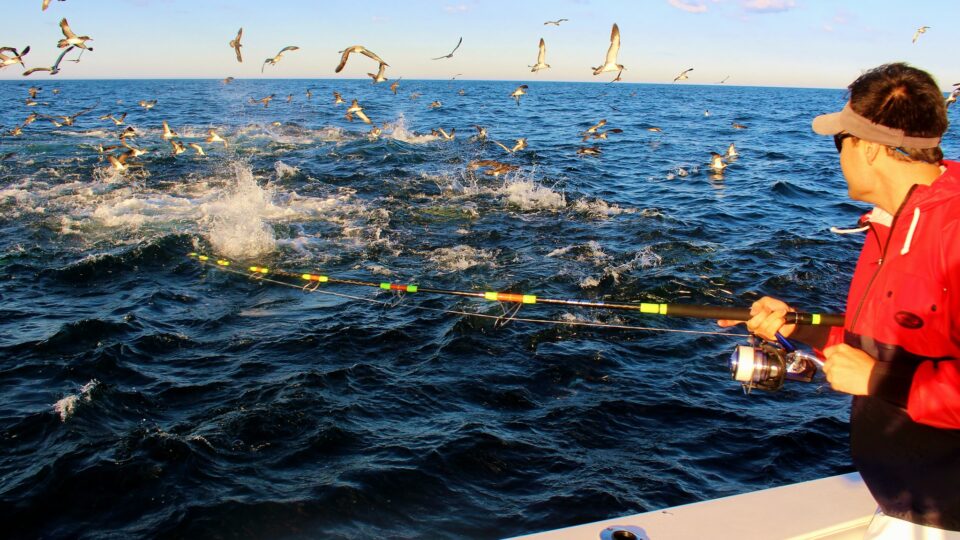
Ocean Oxygen Levels And The Future Of Fish | Earth Wise

June 23, 2023 By EarthWise Leave a Comment

How oxygen levels in the ocean will impact the future of fish

Climate change is creating a cascade of effects in the world’s oceans.  Not only are ocean temperatures on the rise, but oceans are becoming more acidic, and oxygen deprived.  The warming temperatures and acidification have grabbed headlines and prompted academic research. Declining oxygen levels have not garnered as much attention.  But they spell bad news for fish.

Oxygen levels in the world’s oceans have dropped over 2% between 1960 and 2010 and are expected to decline up to 7% over the next century.  There are places in the northeast Pacific that have lost more than 15% of their oxygen.  There are a growing number of “oxygen minimum zones” where big fish cannot survive but jellyfish can.

Oceans are losing oxygen for several reasons.  First, warmer water can hold less dissolved gas than colder water.  (This is why warm soda is flatter than cold soda.)  Deeper in the ocean, oxygen levels are governed by currents that mix oxygen-rich surface water from above.  Melting ice in the warming polar regions add fresh, less-dense water that resists downward mixing in key regions.  Finally, increasing amounts of ocean bacteria in warming waters gobble up oxygen creating dead zones in the ocean.

In many places, fish species that cannot cope with lower oxygen levels are migrating from their usual homes, resulting in a decline in species diversity.  Our future oceans – warmer and oxygen-deprived – will not only hold fewer kinds of fish, but also smaller fish and even more greenhouse-gas producing bacteria.   

Climate change is bad news for fish and for the more than 3 billion people in the world who depend on seafood as a significant source of protein.

**********

Web Links

As Ocean Oxygen Levels Dip, Fish Face an Uncertain Future

Photo, posted January 10, 2022, courtesy of Willy Goldsmith via Flickr.

Earth Wise is a production of WAMC Northeast Public Radio

El Niño Will Likely Return | Earth Wise

June 21, 2023 By EarthWise Leave a Comment

El Niño, a weather phenomenon triggered by warm waters in the eastern Pacific, is likely to return this year, according to the World Meteorological Organization.  The Pacific has been in the cooler La Niña phase for the past 3 years, which is unusual, but that appears to be coming to a close.  According to the WMO, there is an 80% chance that the Pacific will shift to the El Niño phase before fall.

Record hot years typically coincide with El Niño, which adds to the ongoing warming trend in the climate.   There is not yet a clear picture of how strong the forthcoming El Niño event will be or how long it might last, but even a mild El Niño could affect precipitation and temperature patterns around the world.

The hottest year on record, 2016, occurred during a particularly strong El Niño.  Experts expect that 2024 is likely to see soaring temperatures again.  El Niño generally leads to drier conditions in Australia, Indonesia, and southern Asia, but greater amounts of rainfall in South America, the U.S., and parts of Africa.  Despite the presence of a cooling La Niña for the past three years, the last eight years have been the hottest on record.

El Niño and La Niña form an intermittent cycle known as the El Niño Southern Oscillation, or ENSO, that is highly influential in shaping the year-to-year variations in weather conditions around the world.  ENSO is a natural phenomenon and scientists are still trying to understand how human-caused climate change might be impacting the behavior and dynamics of the cycle.

**********

Web Links

‘A New Spike’ in Global Temperatures in the Forecast

Photo, posted October 11, 2015, courtesy of Harshil Shah via Flickr.

Earth Wise is a production of WAMC Northeast Public Radio

Chatbots Are Thirsty | Earth Wise

June 19, 2023 By EarthWise Leave a Comment

We hear a lot about artificial intelligence these days.  ChatGPT has found its way into education, technology, and many other aspects of life.  It and its brethren are a source of fascination, enthusiasm, and even fear.  Many of us have given queries to the bot to see what kind of results we can obtain.  But a recent study has found out something about AI systems that we probably didn’t know – they use up lots of fresh water.

According to researchers at the University of California, Riverside, running a few dozen queries on ChatGPT uses up about half a quart of fresh water from already overtaxed reservoirs.

Running artificial intelligence systems like ChatGPT relies on cloud computations done in racks of servers in warehouse-sized data processing centers.  Google’s data centers in the U.S. alone consumed nearly 3.5 billion gallons of fresh water in 2021 in order to keep their servers cool.

Data processing centers consume water in two ways.  They often draw much of their electricity from power plants that use large cooling towers that convert water into steam emitted into the atmosphere.  In addition, the servers themselves need to be cooled to keep running and are typically connected to cooling towers as well.

It isn’t going to be easy for AI systems to reduce their water use.  The study’s authors noted that people make use of AI at all hours of the day and night.  But a significant amount of AI activity is actually the training of the systems.  That could be scheduled for the cooler hours, when less water is lost to evaporation.

In an era of scarce fresh water and droughts, it is important to make AI less thirsty.

**********

Web Links

AI programs consume large volumes of scarce water

Photo, posted May 22, 2023, courtesy of Jernej Furman via Flickr.

Earth Wise is a production of WAMC Northeast Public Radio
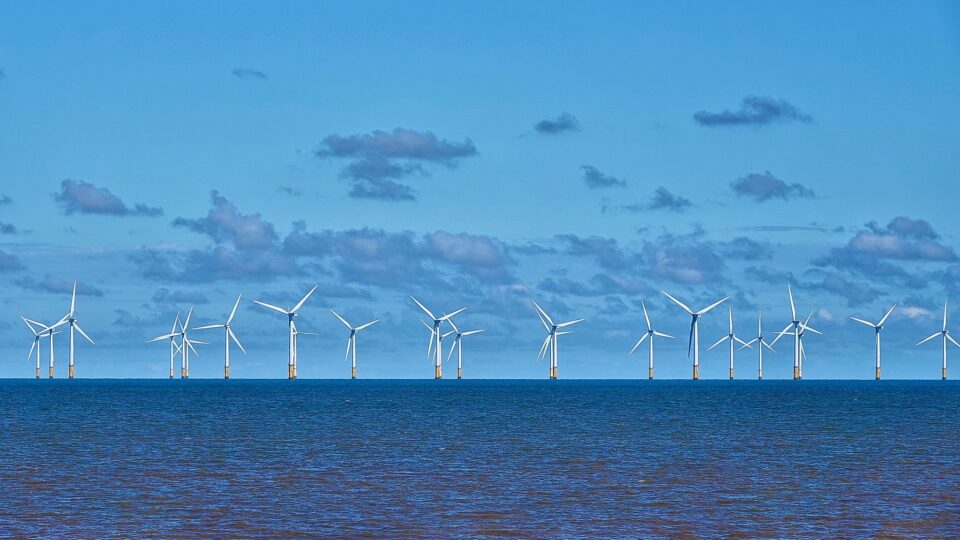
Offshore Wind In Maine | Earth Wise

June 15, 2023 By EarthWise Leave a Comment

Offshore wind is coming to Maine

There are currently only two small offshore wind farms operating in the United States, but there are now several more under construction or in the permitting process.  Substantial wind farms are expected to come online over the next five years off the coasts of Virginia, New Jersey, Massachusetts. North Carolina, Delaware, Rhode Island, and New York.   There has been a recent auction for offshore wind sites off the California coast as well.

In April, the Bureau of Ocean Energy Management issued its Gulf of Maine Call for Information and Nominations, inviting public comment and assessing the interest in areas offshore of Maine, New Hampshire, and Massachusetts.  This is the first official step in the lengthy process that leads to offshore wind development in new areas.  Last year, the Department of the Interior defined an area of about 13.7 million acres in the Gulf of Maine that could end up providing energy leases for windfarm development.

The Biden administration has set a goal of deploying 30 gigawatts of offshore wind electricity generation by 2030, which is enough to power more than 10 million homes. It would also create thousands of jobs across manufacturing, shipbuilding, port operations, construction, and other industrial sectors.  Existing offshore wind projects have been structured to develop American-based supply chains for the offshore wind industry.

The European Union currently has over 15 gigawatts of installed offshore wind, has a target of 60 gigawatts by 2030, and 300 gigawatts by 2050.  The EU has five substantial sea basins which have tremendous potential for wind energy generation.  As a result, offshore wind is the centerpiece of the ambitious European Green Deal.

**********

Web Links

U.S. moves to develop offshore wind in the Gulf of Maine

Photo, posted August 31, 2022, courtesy of Nina Ali via Flickr.

Earth Wise is a production of WAMC Northeast Public Radio
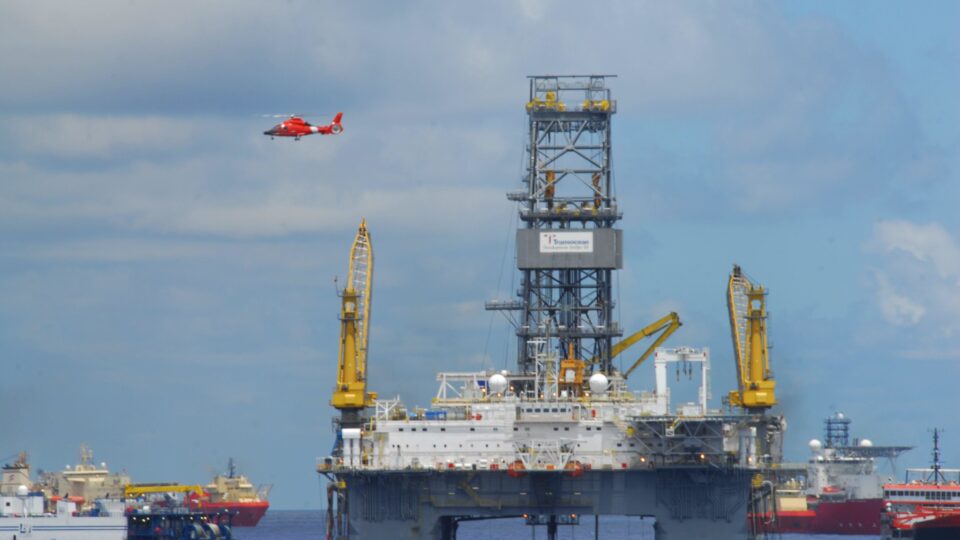
Abandoned Oil Wells In The Gulf Of Mexico | Earth Wise

June 7, 2023 By EarthWise Leave a Comment

Abandoned and unplugged oil wells pose a major risk to the environment

There have been offshore oil platforms in the Gulf of Mexico for 85 years.  After all those decades of drilling, there are now more than 14,000 old, unplugged wells out in the water, and they are at risk of springing dangerous leaks and spills.  There are now more unplugged, non-producing wells than active wells in the gulf.   According to a new study, plugging all those abandoned wells could cost more than $30 billion.

Most of these wells are in federal waters and nearly 90% of them were owned at some point by one of the so-called supermajor oil companies:  BP, Shell, Chevron, and Exxon.  Under federal law, those companies would still be responsible for cleanup costs, even if they might have sold the wells in the past.

Oil and gas companies are legally responsible for plugging wells that are no longer in service, but such companies often go bankrupt, leaving wells orphaned and unplugged and taxpayers end up footing the bill.  The 2021 trillion-dollar infrastructure bill sets aside $4.7 billion to plug orphaned wells, but that is nowhere near enough.  

It may be possible to go after the supermajors to get them to pay for plugging wells in federal waters, but it will undoubtedly be a battle.   In state waters, whose wells are generally in shallower locations, it is even more urgent to act because any pollution from the wells is more likely to reach shore and wreak environmental havoc.

As the world starts to transition away from fossil fuels, decades of mining and drilling in almost every corner of the world, including the oceans, has left behind the need for an immense plugging and cleanup effort.

**********

Web Links

Price to Plug Old Wells in Gulf of Mexico? $30 Billion, Study Says

Photo, posted July 8, 2010, courtesy of John Masson / Coast Guard via Flickr.

Earth Wise is a production of WAMC Northeast Public Radio

A New Deep-Sea Reef In The Galapagos | Earth Wise

June 2, 2023 By EarthWise Leave a Comment

Like in many other places around the world, ocean warming has mostly destroyed the shallow-water reefs in the Galapagos Islands.  The islands are some of the most carefully protected places in the world, but they can’t escape the effects of a warming planet.

Recently, however, scientists have discovered a healthy, sprawling coral reef hidden deep under the sea in the Galapagos.  More than 1,300 feet underwater, the reef extends for several miles along the ridge of a previously unknown volcano in the Galapagos Marine Preserve.

The reef is pristine and is teeming with all sorts of marine life including pink octopus, batfish, squat lobsters, and a variety of deep-sea fish, sharks, and rays.

The expedition that discovered the new reef was led by the University of Essex in the UK.  Prior to this discovery, scientists thought that coral reefs were all but gone from the Galapagos.  A period of ocean warming in 1982 through 1983 wiped out more than 95% of the corals in the archipelago.  Only a few reefs in shallow waters remained.  The newly discovered reefs are sheltered deep under the sea and would have been protected from the deadly heat.

According to the scientists from the expedition, the newly discovered reef potentially has global significance because it represents a site that can be monitored over time to see how such a pristine habitat evolves with the ongoing climate crisis.  Reefs like this are clearly very old because coral reefs take a long time to grow. Finding this one means that it is likely that there are more healthy reefs across different depths that are waiting to be discovered.

**********

Web Links

Pristine Deep-Sea Reef Discovered in the Galápagos

Photo, posted March 28, 2009, courtesy of Derek Keats via Flickr.

Earth Wise is a production of WAMC Northeast Public Radio
Record Polar Ice Melting | Earth Wise

May 30, 2023 By EarthWise Leave a Comment

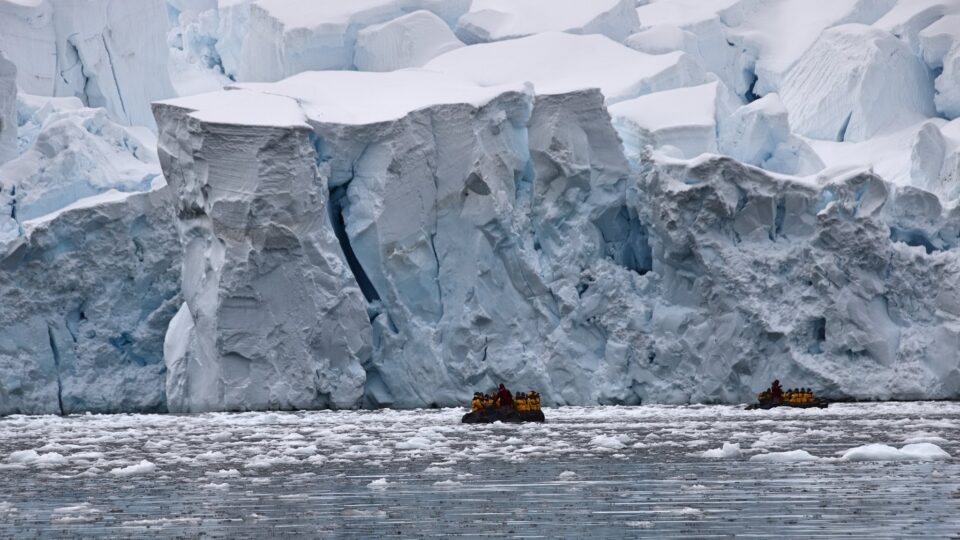
A record amount of polar ice has melted

Sea levels are rising and ocean warming is responsible for the bulk of that rise.  As water heats up, it expands, which drives up sea levels.  But on top of that, global warming is melting the polar ice sheets, and that is leading to about a quarter of the world’s sea level rise. So far, polar melting has fueled about an inch of sea level rise, two-thirds from Greenland and one third from Antarctica.   According to scientists, by the end of this century, melting polar ice caps could raise sea levels between 6 and 10 inches.

The seven worst years for polar ice sheet melting have occurred during the past decade.  The worst year on record was 2019.  The loss in 2019 was driven by an Arctic summer heatwave, which resulted in record melting from Greenland, amounting to nearly 500 billion tons melted that year.  Antarctica lost 180 billion tons of ice that year, mostly due to melting glaciers and record melting from the Antarctic Peninsula.

Ice losses from Greenland and Antarctica can now be reliably measured by satellites in space.  A team of researchers led by Northumbria University in the UK has combined 50 satellite surveys taken between 1992 and 2020.

They have found that the Earth’s polar ice sheets have lost over 8,000 billion tons of ice over that time period.  That much ice corresponds to an ice cube roughly 12 miles high.

The satellite technology is now at the stage where the ice sheet status can be continuously updated.  Such monitoring is critical to predict the future behavior of the ice sheets and provide risk warnings of the dangers that coastal communities around the world will face.

**********

Web Links

Polar ice sheet melting records have toppled during the past decade

Photo, posted December 19, 2017, courtesy of Jasmine Nears via Flickr.

Earth Wise is a production of WAMC Northeast Public Radio
Life In The Garbage Patch | Earth Wise

May 23, 2023 By EarthWise Leave a Comment

The ocean's garbage patches are teaming with marine life

A team of scientists has found thriving communities of coastal creatures living thousands of miles from their original homes and now ensconced on plastic debris in the Great Pacific Garbage Patch. 

A new study published in the journal Nature Ecology & Evolution reports that dozens of species of coastal invertebrate organisms – including tiny crabs and anemones – have been able to survive and reproduce on plastic garbage that has been floating in the ocean for years.

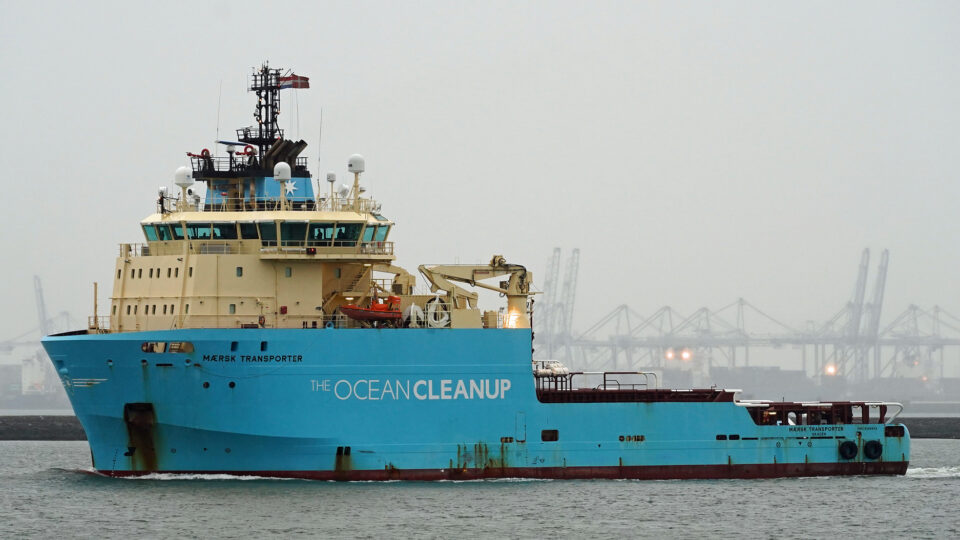
The Great Pacific Garbage Patch is an area in the ocean between California and Hawaii, larger than Texas, where plastic debris has been collected by the North Pacific Subtropical Gyre, one of five huge, spinning circular currents in the world’s oceans.  The patch is estimated to contain about 1.8 trillion pieces of plastic weighing an estimated 90,000 tons.  The Ocean Cleanup Initiative is dedicated to removing this immense accumulation of plastic, but it is an immense job.

Researchers discovered this new ecosystem after analyzing plastic samples collected by The Ocean Cleanup organization during its expeditions in the Pacific.  They were surprised to find 37 different invertebrate species that normally live in coastal water and only a dozen species that live in open waters.  These species have made their way from North America and have thrived.  So, the garbage patch has created a novel community that didn’t previously exist.

Debris from the Great Pacific Garbage patch constitutes the majority of debris arriving on Hawaiian beaches and reefs.  Hawaii’s fragile marine ecosystems have long been protected from invasive species because of the very long distances from North America or Asia.  With the coastal species now inhabiting the garbage patch, there is increased danger of colonization by them in Hawaii’s ecosystems.

**********

Web Links

Coastal species persist on high seas on floating plastic debris

Photo, posted September 30, 2020, courtesy of Kees Torn via Flickr.

Earth Wise is a production of WAMC Northeast Public Radio

Geothermal Energy Storage | Earth Wise

May 22, 2023 By EarthWise Leave a Comment

Aquifer thermal energy storage a solution to heat and cool buildings

About 12% of the energy consumed by humanity is used to heat and cool homes and businesses.  A study by researchers at Lawrence Berkeley National Laboratory and Princeton University looked at a novel approach to making use of underground water to maintain comfortable temperatures and reduce consumption of natural gas and electricity.

The idea is to use aquifer thermal energy storage (known as ATES) to provide both heat in the winter and cooling in the summer.  The concept leverages the heat-absorbing property of water and natural geological features.  The idea is to pump up water from existing underground reservoirs and heat it at the surface using environmental heat or even excess energy from solar or wind generation.  Then the warm water is pumped back down. It stays warm for a long time – even months – because the earth is a good insulator.  When the water is pumped back up in the winter, it is much hotter than the ambient air and can be used to supply heat to buildings.

Alternately, water can be pumped up and cooled in the winter and then put back down underground and stored until cooling is needed in the summer months.

This technology has not been used much in the US, but it is gaining recognition internationally, particularly in the Netherlands.  It can perform very well in areas with large seasonal fluctuations.

The research study used modeling and various simulations to estimate how much energy ATES could save on the US grid.  The results showed that adding ATES to the grid could reduce consumption of petroleum products for heating and  cooling by up to 40%.  The system could also help prevent blackouts by reducing high power demand during extreme weather events.

**********

Web Links

Underground Water Could be the Solution to Green Heating and Cooling

Photo, posted February 19, 2012, courtesy of Sanjay via Flickr.

Earth Wise is a production of WAMC Northeast Public Radio
Arctic Warming And Weather At Mid-Latitudes | Earth Wise

May 18, 2023 By EarthWise Leave a Comment

Arctic warming and how it impacts weather

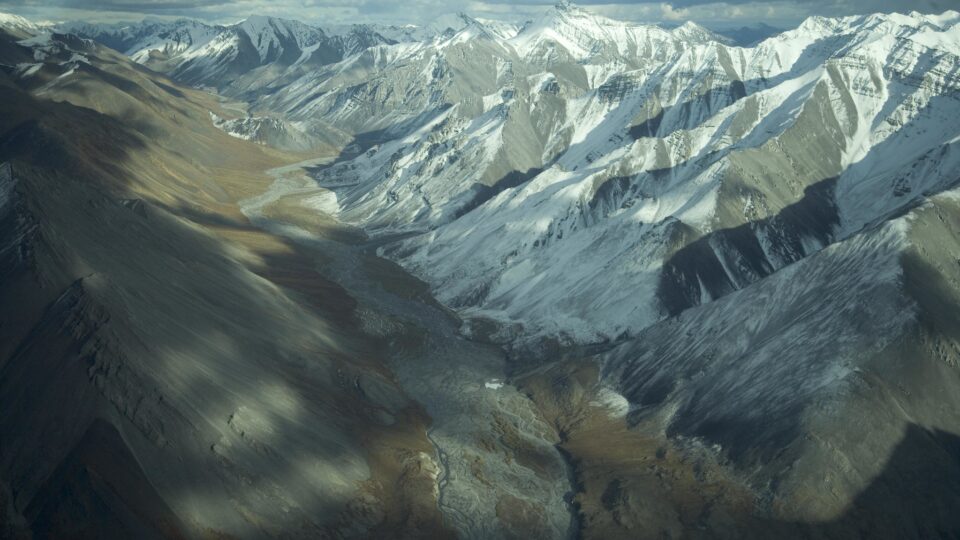
Some of the most striking images of climate change are those of melting glaciers in the Arctic and polar bears stranded on shrinking sea ice. The Arctic has been warming at a rate twice as fast as the global average.  In recent years, there has been growing recognition of the Arctic’s role in driving extreme weather events in other parts of the world.

Winters in the midlatitude regions have seen more extreme weather events.  The past winter saw record-breaking cold temperatures and snowfall in Japan, China, and Korea.   Many parts of Eurasia and North America experienced severe cold snaps, with heavy snowfall and prolonged periods of subzero temperature.  On the other hand, Europe saw its second warmest winter on record with record high temperatures in many places, much drier than normal conditions, and the closure of many ski resorts.

A study published in the journal Climate and Atmospheric Science by scientists from South Korea and the U.S. looked at various climate projection models as well as historic climate data to assess what is likely to happen to weather in the mid-latitudes as the Arctic continues to warm.  Warmer Arctic Sea temperatures usually result in lower winter temperatures in East Asia and North America as ocean currents and the jet streams are altered.

The study shows that Arctic warming-triggered cold waves in the mid-latitudes are likely to persist in a warmer future, but that such events will become more difficult to predict.  The study highlights the importance of continued efforts to better understand the interactions between Arctic warming and the climate of the midlatitudes.   There need to be better ways to predict the extreme weather events that are likely to come.

**********

Web Links

Gwangju Institute of Science and Technology Researchers Correlate Arctic Warming to Extreme Winter Weather in Midlatitude and Its Future

Photo, posted August 31, 2006, courtesy of Hillebrand / USFWS via Flickr.

Earth Wise is a production of WAMC Northeast Public Radio

Storing Carbon Dioxide In The Ocean | Earth Wise

May 11, 2023 By EarthWise 2 Comments

Storing carbon dioxide in the ocean

Reducing the amount of carbon dioxide entering the atmosphere means either shutting down emission sources (primarily curbing the use of fossil fuels) or capturing the CO2 as it is emitted.  Capturing carbon dioxide from smokestacks and other point sources with high concentrations is relatively efficient and can make economic sense.  Removing it from the air, which even at today’s dangerously high levels contains only 400 parts per million, is difficult and energy intensive.  And even when it is removed, it then must be stored somewhere.

Researchers at Lehigh University have developed a novel way to capture carbon dioxide from the air and store it in what is effectively the infinite sink of the ocean.  The approach uses an innovative copper-containing filter that essentially converts CO2 into sodium bicarbonate (better known as baking soda.)  The bicarbonate can be released harmlessly into the ocean.

This technique has produced a 300 percent increase in the amount of carbon dioxide captured compared with existing direct air capture methods.   It does not require any specific level of carbon dioxide to work.  The filter becomes saturated with the gas molecules as air is blown through it.  Once this occurs, seawater is passed through the filter and the CO2 is converted to dissolved bicarbonate.  Dumping it into the ocean has no adverse effect on the ocean.  It doesn’t change the salinity at all, and the stuff is slightly alkaline, which will help reduce ocean acidification.

Reusing the filter requires cleaning it with a sodium hydroxide solution, which can be created from seawater using electricity generated by waves, wind, or sun.

The filter, called DeCarbonHIX, is attracting interest from companies based in countries around the world.

**********

Web Links

Path to net-zero carbon capture and storage may lead to ocean

Photo, posted March 10, 2007, courtesy of Gail via Flickr.

Earth Wise is a production of WAMC Northeast Public Radio
Two Lost Lakes Return To California | Earth Wise

May 10, 2023 By EarthWise Leave a Comment

Two lost lakes return to California following recent rains

The recent siege of powerful storms in California driven by a series of atmospheric rivers has had a significant effect on the severe drought that has plagued most of the state for many years.  Many of the state’s reservoirs are at the highest level they have been for decades.   The snowpack in the Sierras is well over 200% of its historical average.  Many parts of the state are no longer considered to be in drought conditions, and, in fact, flooding has been a serious problem in some areas.  This flooding has had some surprising results.

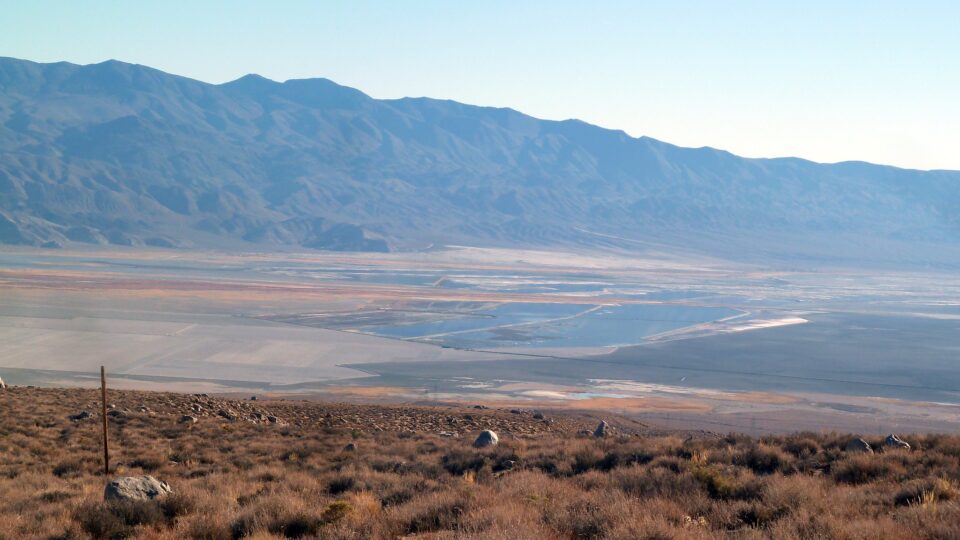
Two California lakes that drained a century ago have reappeared as a result of floodwaters from the recent storms.

Tulare Lake, in California’s Central Valley used to be fed by rain and snowmelt from the Sierras.  A system of dams and canals constructed in the early 20th century to support regional agriculture diverted water away from the lake.  It used to be the largest freshwater lake in the West but farmers ultimate planted crops in the dried lakebed.

The atmospheric river events in March inundated that farmland and once again there is water in Tulare Lake.

Owens Lake, on the eastern side of the Sierra Nevada, was long fed by mountain streams.  The 1913 construction of the Los Angeles Aqueduct redirected water to that city and desiccated the lake.   Floodwaters in March caused a partial collapse of the aqueduct and when the spill gates on the aqueduct were opened to drain the damaged areas, floodwaters poured in and partially refilled the lake.

California has suffered from drought for many years.  With its massive snowpack, as the weather warms, the state may face even more flooding.

**********

Web Links

Two Long-Drained California Lakes Refilled by Floodwaters, Satellite Images Show

Photo, posted November 10, 2014, courtesy of CN via Flickr.

Earth Wise is a production of WAMC Northeast Public Radio

Plants Make Sounds | Earth Wise

May 9, 2023 By EarthWise Leave a Comment

Some people talk to their plants.  It is highly unlikely that the plants are listening, but recent research has found that plants are doing quite a bit of talking of their own.

It turns out that plant emit a variety of click-like sounds, especially when they are stressed in some way, such as being dehydrated or injured.  The sounds are actually fairly loud – comparable to the volume of human speech – but occur at frequencies well above the range of human hearing.

The study at Tel Aviv University in Israel monitored plants in a greenhouse that were subjected to various stresses over time.  Unstressed plants emitted less than one sound per hour, on average, while stressed plants emitted dozens of sounds every hour.

Recordings of the plant sounds were analyzed by specially developed artificial intelligence algorithms.  The algorithms learned how to distinguish between different plants and different types of sounds.  Eventually, they could identify the plant and determine the type and level of stress from the recordings.  They could even do this in a greenhouse with a great deal of background noise.

The study resolved a very old scientific controversy about whether plants emit sounds.  Not only do they, but the sounds contain useful information.  We don’t yet know what the mechanism is for plant sounds.  It is likely that in nature, the sounds are detected by various animals and perhaps even plants that can detect the high frequencies.  And perhaps they react to them as part of seeking food, shelter, or other services that plants provide.  Given the right tools, we humans may also be able to make use of the sounds being made by plants.

**********

Web Links

Plants Emit Sounds – Especially When Stressed

Photo, posted February 20, 2009, courtesy of ProBuild Garden Center via Flickr.

Earth Wise is a production of WAMC Northeast Public Radio

Concrete And Carbon | Earth Wise

May 8, 2023 By EarthWise Leave a Comment

How to reduce the carbon emissions associated with concrete

After water, concrete is the world’s second most consumed material.  It is the cornerstone of modern infrastructure.  Its production accounts for 8% of global carbon dioxide emissions.  The carbon dioxide is a result of chemical reactions in its manufacture and from the energy required to fuel the reactions.

About half of the emissions associated with concrete come from burning fossil fuels to heat up the mixture of limestone and clay that ultimately becomes ordinary Portland cement.  These emissions could eventually be eliminated by using renewable-generated electricity to provide the necessary heat.  However, the other half of the emissions is inherent in the chemical process.

When the minerals are heated to temperatures above 2500 degrees Fahrenheit, a chemical reaction occurs producing a substance called clinker (which is mostly calcium silicates) and carbon dioxide.  The carbon dioxide escapes into the air.

Portland cement is then mixed with water, sand, and gravel to produce concrete.  The concrete is somewhat alkaline and naturally absorbs carbon dioxide albeit slowly.  Over time, these reactions weaken the concrete and corrode reinforcing rebar.

Researchers at MIT have discovered that the simple addition of sodium bicarbonate (aka baking soda) to the concrete mixture accelerates the early-stage mineralization of carbon dioxide, enough to make a real dent in concrete’s carbon footprint.  In addition, the resulting concrete sets much more quickly.  It forms a new composite phase that doubles the mechanical performance of early-stage concrete.

The goal is to provide much greener, and possibly even carbon-negative construction materials, turning concrete from being a problem to part of a solution.

**********

Web Links

New additives could turn concrete into an effective carbon sink

Photo, posted April 4, 2009, courtesy of PSNH via Flickr.

Earth Wise is a production of WAMC Northeast Public Radio

Ocean-based Climate Intervention And Deep-sea Ecosystems | Earth Wise

May 2, 2023 By EarthWise Leave a Comment

Climate interventions could jeopardize deep sea ecosystems

Deep-sea ecosystems cover more than 40% of the Earth.  These regions are some of the least well-known and understood areas of our planet but are home to numerous ecosystems.  The deep seas are already directly exposed to the effects of human-induced climate change but could potentially be greatly threatened by efforts to artificially counteract climate change.

A class of geoengineering solutions called ocean-based climate interventions are increasingly being claimed as promising ways to mitigate climate change.  Such interventions would remove carbon dioxide from the atmosphere and sequester it in the deep sea.  There is very little known about the impact of such efforts on ocean biogeochemistry and the biodiversity of ocean ecosystems.

One approach is direct CO2 injection into the deep ocean, which would sequester large amounts of it and reduce the concentration in the atmosphere.  However, too much carbon dioxide in the water is called hypercapnia, which can have serious consequences on marine life.

Other approaches include ocean fertilization – which is enhancing phytoplankton production at the surface, leading to their eventual deposition on the deep-sea floor – and crop waste deposition – which is deep-sea disposal of terrestrial crop waste. 

A multinational study led by the Scripps Institution of Oceanography warns that there needs to be much more research and governance before any such interventions ever take place.  The deep sea faces unprecedented threats from industrial fisheries, pollution, warming, deoxygenation, acidification, and other climate-related problems.  Ocean-based climate intervention represents yet another serious threat to the functioning of these essential ecosystems.

**********

Web Links

HKU Marine Scientist contributes to research assessing the potential risks of ocean-based climate intervention technologies on deep-sea ecosystems

Photo, posted January 6, 2010, courtesy of Emrys Roberts via Flickr.

Earth Wise is a production of WAMC Northeast Public Radio

Seaweed On The Way | Earth Wise

April 28, 2023 By EarthWise Leave a Comment

Massive blob of sargassum heading towards the Gulf of Mexico

A type of seaweed called sargassum has long formed large blooms in the Atlantic Ocean.  It gets its name from the Sargasso Sea in the western Atlantic.  Since 2011, scientists have been tracking massive accumulations of the stuff each year that starts out off the coast of Africa and works its way across the Atlantic to end up in the Gulf of Mexico. 

The amount of sargassum present each year can shift depending on factors like changes in nutrients, rainfall, and wind conditions.  But since the 1980s, nitrogen content in the Atlantic has gone up by 45%.  This is likely due to human activities such as agriculture and fossil fuel production dumping materials into the rivers that feed into the ocean.

According to recent observations, the mass of seaweed now heading for Florida and other coastlines throughout the Gulf of Mexico may be the largest on record.  The giant blob of sargassum spans more than 5,000 miles in extent.  It is moving west and will pass through the Caribbean and up into the Gulf during the summer.  The seaweed is expected to become prevalent on beaches in Florida around July.

The seaweed provides food and protection for fishes, mammals, marine birds, crabs, sea turtles, and more.  But unfortunately, when sargassum hits the beaches, it piles up in mounds that can be difficult to walk through and eventually emits a gas that smells like rotten eggs.

Tourist destinations in the Caribbean region have their work cut out for them to remove seaweed that can pile up several feet deep.  For example, in Barbados, locals were using 1,600 dump trucks a day to clean their beaches.  Caribbean and Florida resorts spend millions of dollars each year to remove sargassum seaweed.

**********

Web Links

A 5,000-mile-wide blob of seaweed is headed for Florida, threatening tourism across the Caribbean

Photo, posted February 24, 2020, courtesy of Bernard Dupont via Flickr.

Earth Wise is a production of WAMC Northeast Public Radio
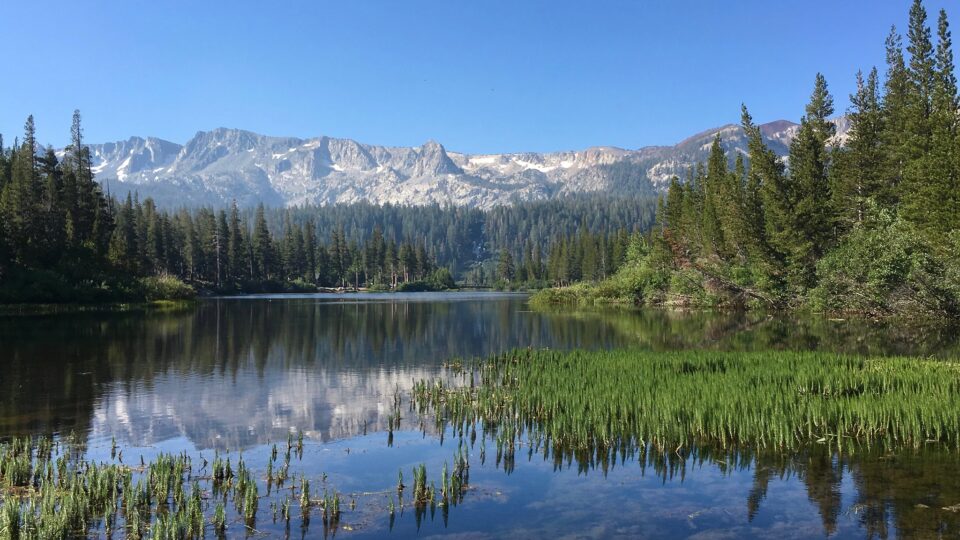
California: Drought Or No Drought? | Earth Wise

April 26, 2023 By EarthWise Leave a Comment

Despite heavy rains, California is still experiencing a drought

Just a few months ago, millions of people in California were living under challenging water conservation rules.  The past three years were the driest on record and reservoirs were depleted, landscapes dried up, and the snowpack in the Sierras at very low levels.

But in recent months, a dozen atmospheric river storms have brought huge amounts of rain and snow to the state.  Twelve out of 17 major reservoirs in the state have been replenished, the snowpack is over 240% of normal, and brown hills are blooming once again.

So, is the California drought over?  According to the experts, the answer is:  sort of.

The record snowpack and heavy rains have erased the most severe aspects of the drought in many parts of the state.  Only 9% of the state is now experiencing “severe” or “exceptional” drought, down from 55% last fall.

But the changes are basically all at the surface.  Groundwater in the state is still extremely low and the state’s cities and farms are still using more of it than is appropriate.  The state has been unwisely overusing its groundwater aquifers because of the drought and this one year of heavy rains cannot replenish levels that have been dropping for years.

California has been rolling back many of the most severe drought restrictions that had been imposed but has not entirely lifted the drought emergency status.  Meanwhile, the massive snowpack in the mountains will begin to melt as the weather warms and, in many areas, Californians will face flooding.  Water is a complicated business in California.

**********

Web Links

Drought or no drought? California left pondering after record winter deluge

Photo, posted August 28, 2019, courtesy of Joyce Cory via Flickr.

Earth Wise is a production of WAMC Northeast Public Radio

  • « Go to Previous Page
  • Page 1
  • Interim pages omitted …
  • Page 11
  • Page 12
  • Page 13
  • Page 14
  • Page 15
  • Interim pages omitted …
  • Page 34
  • Go to Next Page »

Primary Sidebar

Recent Episodes

  • An uninsurable future
  • Clean energy and jobs
  • Insect declines in remote regions
  • Fossil fuel producing nations ignoring climate goals
  • Trouble for clownfishes

WAMC Northeast Public Radio

WAMC/Northeast Public Radio is a regional public radio network serving parts of seven northeastern states (more...)

Copyright © 2026 ·