• Skip to primary navigation
  • Skip to main content
  • Skip to primary sidebar

Earth Wise

A look at our changing environment.

  • Home
  • About Earth Wise
  • Where to Listen
  • All Articles
  • Show Search
Hide Search
You are here: Home / Archives for water

water

Offshore wind in Massachusetts

February 1, 2024 By EarthWise Leave a Comment

Offshore wind power in the United States at last

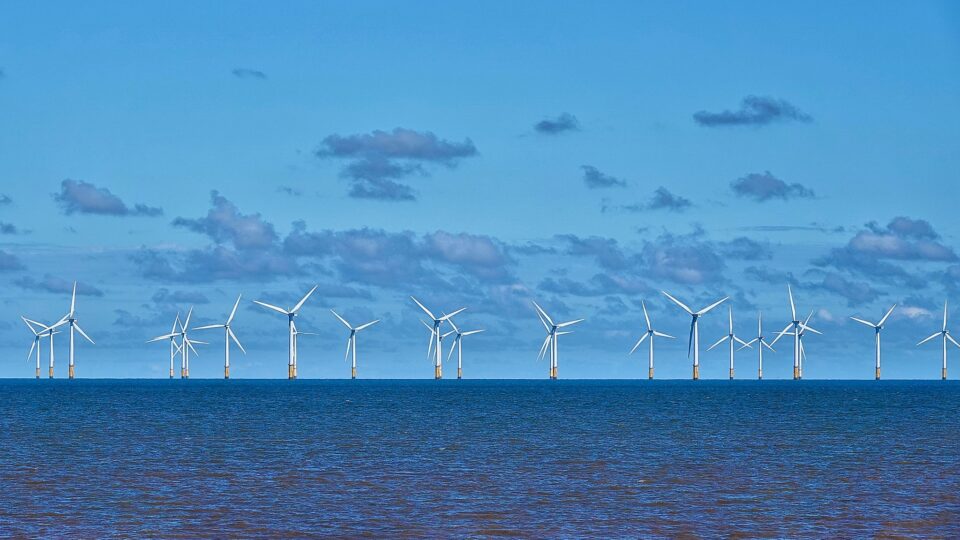
On January 2nd, the first large offshore wind farm in New England started producing electricity when its first turbine came online.  The Vineyard Wind project, located off the coast of Martha’s Vineyard, will by the end of the year have a total of 62 turbines with a capacity of 800 megawatts, enough electricity to power 400,000 homes.

Power finally flowing from Vineyard Wind is an important milestone for an industry that has struggled to get going.  It is the second utility-scale offshore wind farm in the U.S. to begin generating electricity.  The South Fork Wind project off the coast of New York began producing power in December.  That project will eventually produce 132 megawatts of electric power.

The offshore wind industry in the U.S. has faced some difficulties in recent times.  A combination of rising costs, high interest rates, supply chain delays, and incidents of local opposition have created headwinds.  Developers for several large planned windfarms in the northeast have terminated contracts because of inflation and high interest rates.  The second phase of Empire Wind, located southeast of Long Island, has been at least temporarily shelved awaiting more favorable contract terms.

To fight climate change, many Eastern states are hoping to install dozens of large wind farms in the Atlantic that can generate electricity without emitting greenhouse gases.  But as a result of the recent project cancellations, analysts are now projecting that U.S. offshore wind capacity in 2030 will likely be about a third less than previously predicted.

So far, the United States remains far behind Europe, which has already installed more than 32,000 megawatts of wind capacity in its waters.

**********

Web Links

Massachusetts Switches On Its First Large Offshore Wind Farm

Photo, posted August 31, 2022, courtesy of Nina Ali via Flickr.

Earth Wise is a production of WAMC Northeast Public Radio
Airplanes, corn, and groundwater

January 11, 2024 By EarthWise Leave a Comment

Is replacing traditional jet fuel with ethanol a good idea for the climate?

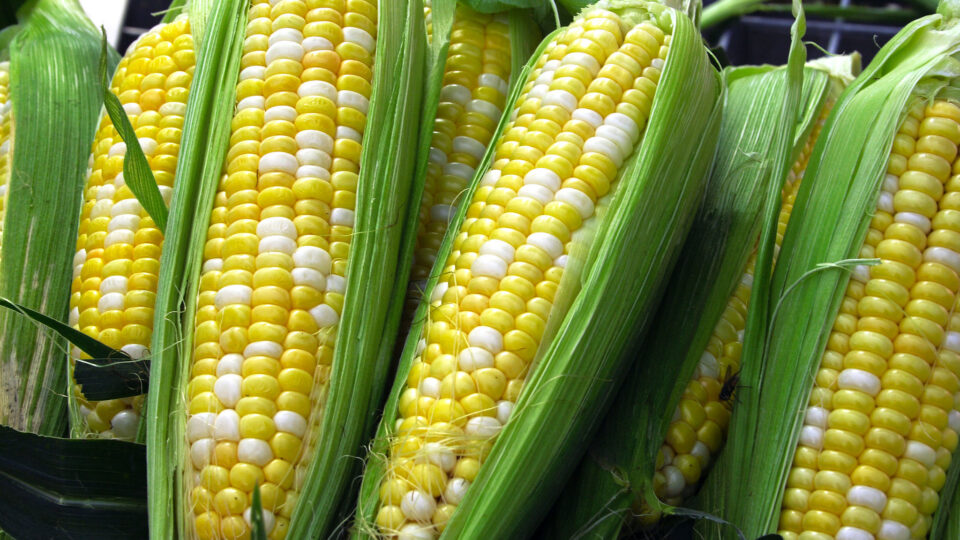
The aviation industry wants to slash its greenhouse gas emissions.  One proposed strategy is to replace ordinary jet fuel with ethanol.  Ethanol in this country mostly comes from corn.  The airlines are enthusiastic about the idea; corn farmers are enthusiastic about the idea.  Ethanol suppliers are obviously enthusiastic about it.  But is it a good idea?

Today, nearly 40% of America’s corn crop is turned into ethanol.  Twenty years ago, the figure was around 10%.  The massive growth was the result of mandates for ethanol augmentation of gasoline for environmental reasons.

But the environmental benefits of corn ethanol have always been controversial at best when all the energy factors are considered. But apart from that, a very serious issue is that corn is a water-intensive crop, and it can take hundreds of gallons of water to produce a single gallon of ethanol.  As the climate warms and corn crops expand, groundwater in many corn-growing areas is being increasingly depleted and groundwater provides half our drinking water and meets far more than just the needs of corn farmers.

Corn farmers and ethanol producers see the rapid growth of electric vehicles as a threat to their lucrative business of supplying the auto fuel industry.  The ambitious goals of the airline industry to reduce its emissions would likely require nearly doubling ethanol production.

The situation is a powerful example of the tradeoffs that can arise as the world tries to make the transition away from fossil fuel.  Even green solutions can have their own environmental cost and sometimes that cost may be too steep.

**********

Web Links

Airlines Race Toward a Future of Powering Their Jets With Corn

Photo, posted September 2, 2007, courtesy of Rosana Prada via Flickr.

Earth Wise is a production of WAMC Northeast Public Radio
Seabirds rescuing coral reefs

January 8, 2024 By EarthWise Leave a Comment

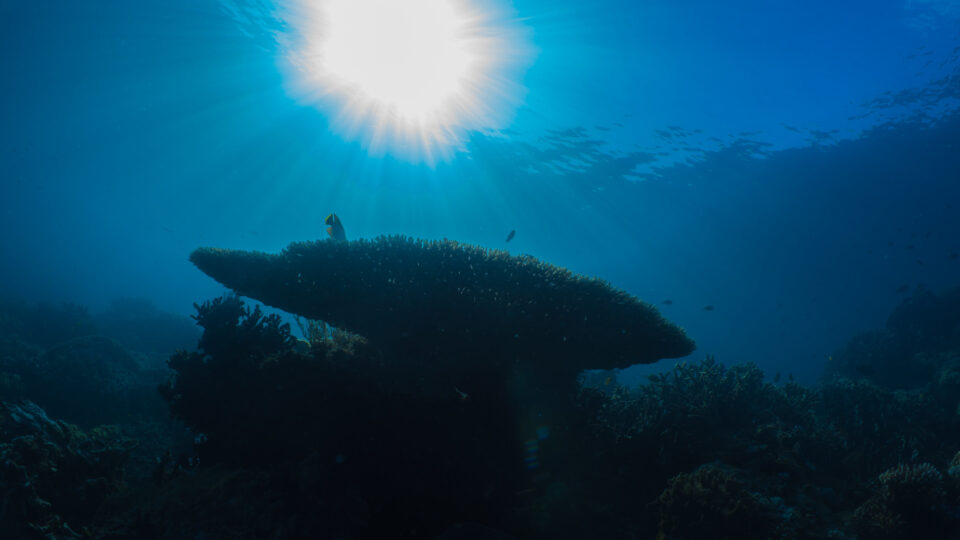
A new study by researchers at Lancaster University in the UK has found that the presence of seabirds on islands adjacent to tropical coral reefs can more than double the coral growth rates on those reefs.

The study found that when coral reefs grow faster, they can bounce back more quickly from bleaching events that occur when the seas become too warm.  The focus of the study was a type of coral called Acropora, which provides complex structures supporting fish populations and reef growth. 

The researchers found that Acropora around islands populated by seabirds recovered from bleaching events about 10 months faster than reefs located away from seabird colonies.  Speeding up coral recovery times could prove the difference between continuing to bounce back from bleaching events and dying off.

The seabirds are helping the coral reefs with their droppings.  The birds feed on fish in the open ocean far from islands and then return to the islands to roost.  They deposit nitrogen- and phosphorus-rich nutrients in the form of guano, some of which is washed off of the islands by rain and into the surrounding seas.  The nutrients fertilize corals and other marine species.

To determine whether the faster growth rates were really due to the bird-supplied nutrients, the researchers studied rat-infested islands that had no bird populations.  The study confirmed that it was the presence of seabirds that provided enhanced nutrients for the coral reefs.  In fact, a primary outcome of the study was to add further weight to the growing body of evidence of the ecological damage across ecosystems on land and sea from invasive rats on tropical islands.

**********

Web Links

Feathered friends can become unlikely helpers for tropical coral reefs facing climate change threat

Photo, posted September 15, 2019, courtesy of Rickard Zerpe via Flickr.

Earth Wise is a production of WAMC Northeast Public Radio
Does vertically-grown food taste different?

January 2, 2024 By EarthWise Leave a Comment

Vertical farming is a method of producing crops in vertically stacked layers or surfaces typically in a skyscraper, used warehouse, or shipping container.  Modern vertical farming uses indoor farming techniques and controlled-environment agriculture technology. 

Vertical farming has the potential to be one of the solutions to food insecurity in parts of the world where crop production is limited by climate change or other environmental factors.  Vertical farming reduces water and land use, reduces nutrient emissions, and could eliminate the need for pesticides.  It also allows more food to be grown locally and with higher yields.

But some critics of vertically-grown veggies say they look pale, artificial, and taste bland.  In the first study of its kind, a research team led by scientists from the University of Copenhagen in Denmark sought to investigate whether these consumer prejudices hold true.

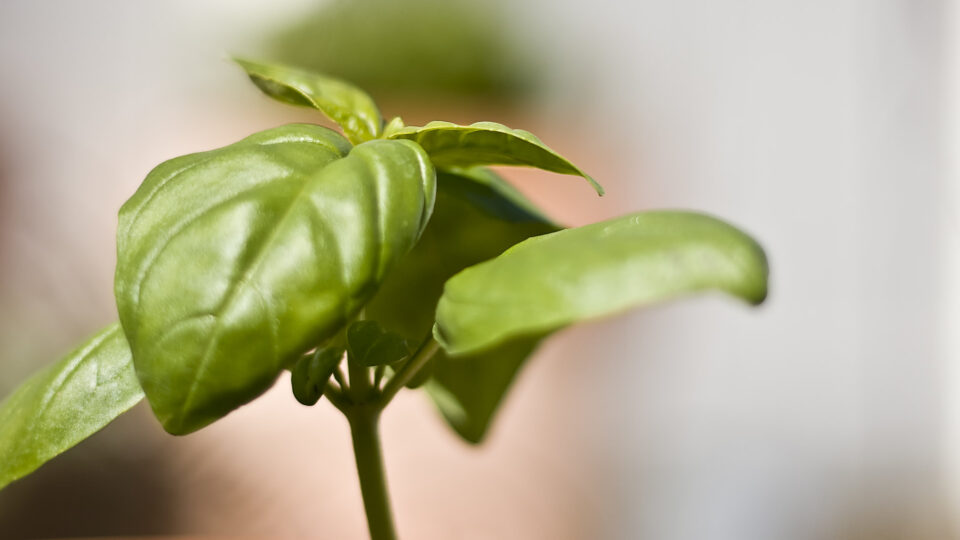
The research team asked 190 participants to blind taste test arugula, baby spinach, pea shoots, basil, and parsley grown in vertical farming and compare the taste and appearance to those same leafy greens grown organically in soil. 

Overall, the organic greens grown traditionally narrowly beat out the vertically-grown ones in the study, but it was very close.  For example, when asked to rate arugula on a scale of 1-9 with 9 being best, the participants gave both types a 6.6.  There was no clear winner between basil, baby spinach, and pea shoots.  The only clear winner was organically-grown parsley. 

The study debunks some myths about vertically-grown food and should help pave the way for more widespread adoption of this efficient method to grow tasty and nutritious food. 

**********

Web Links

A delicious surprise: Vertically farmed greens taste as good as organic ones

Photo, posted May 11, 2009, courtesy of Cliff Johnson via Flickr.

Earth Wise is a production of WAMC Northeast Public Radio
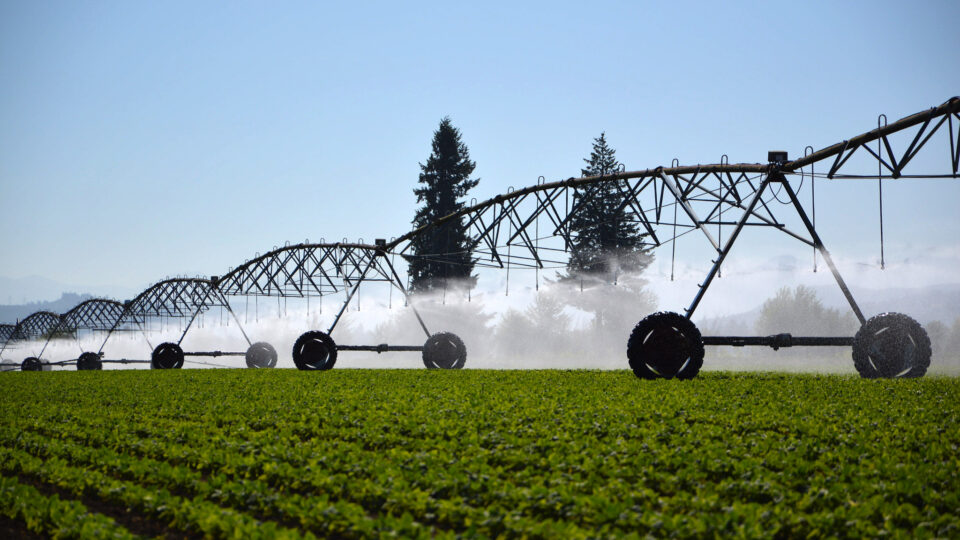
Groundwater loss

December 21, 2023 By EarthWise Leave a Comment

Groundwater is the water found underground in the cracks and spaces in soil, sand, and rock.  It is held in aquifers and bubbles up naturally into springs, streams, and rivers, but also is pumped out for use by people.  Groundwater provides almost half the drinking water in the U.S. and is a main source of water for agriculture.

The world’s supply of groundwater is steadily declining.  The combination of climate change and human population growth is increasingly diminishing groundwater.

A study by the Desert Research Institute published in the journal Nature Communications has mapped the global permanent loss of aquifer storage capacity for the first time.  Computer modeling with advanced machine learning techniques has provided a detailed picture of the world’s groundwater situation.

The study found that global aquifer storage capacity is disappearing at a rate of 10 miles a year, about the size of 7,000 Great Pyramids of Giza.  The loss of groundwater storage is permanent, forever reducing the amount of water that can be captured and stored because the pumping of groundwater can cause the ground surface above to sink, collapsing the space where water can be stored.

About 75% of this subsidence is occurring over cropland and urban regions.  The United States, China, and Iran account for most of the global groundwater storage loss but many other places in the Middle East and Asia are experiencing significant groundwater withdrawal as well.

Most regions of the world do not have monitoring programs for groundwater pumping.  The study underscores the need to better understand this issue on a global scale and take appropriate action before it is too late.

**********

Web Links

Scientists Map Loss of Groundwater Storage Around the World

Photo, posted August 7, 2015, courtesy of NRCS Oregon via Flickr.

Earth Wise is a production of WAMC Northeast Public Radio

cancun airport to tulum private transfer cost

Food and the climate crisis

December 18, 2023 By EarthWise Leave a Comment

Farm-free food could help mitigate climate warming

Agriculture is a major part of the climate problem and remains one of the hardest human activities to decarbonize.  It’s responsible for approximately 25% of global greenhouse gas emissions. 

Many experts contend that alternative food sources – like insect farming and seaweed aquaculture – are part of the solution.  Additionally, expanding production of climate resilient food crops, including quinoa, kernza, amaranth, and millet, likely also have a role to play. 

But according to a new study led by researchers from the University of California – Irvine, another solution to this problem may be to eliminate farms altogether.  In the study, which was recently published in the journal Nature Sustainability, the research team explored the potential for wide scale synthetic production of dietary fats through chemical and biological processes.  The materials needed for this method are the same as those used naturally by plants: hydrogen (in water) and carbon dioxide (in the air).   

The research team highlighted some of the potential benefits of farm-free food, including reduced water use, less pollution, localized food production, and less risk to food production from weather. 

Cookies, crackers, chips, and many other grocery products are made with palm oil, a dietary fat that continues to be a major driver of deforestation around the world.  However, it remains to be seen how consumers would react if the oil used to bake their cookies came from a food refinery up the road instead of a palm plantation in Indonesia.     

According to the researchers, depending on food refineries instead of tropical plantations for dietary fats could mitigate lots of climate-warming emissions while also protecting land and biodiversity.

**********

Web Links

UC Irvine-led science team shows how to eat our way out of the climate crisis

Photo, posted July 15, 2008, courtesy of Quinn Dombrowski via Flickr.

Earth Wise is a production of WAMC Northeast Public Radio
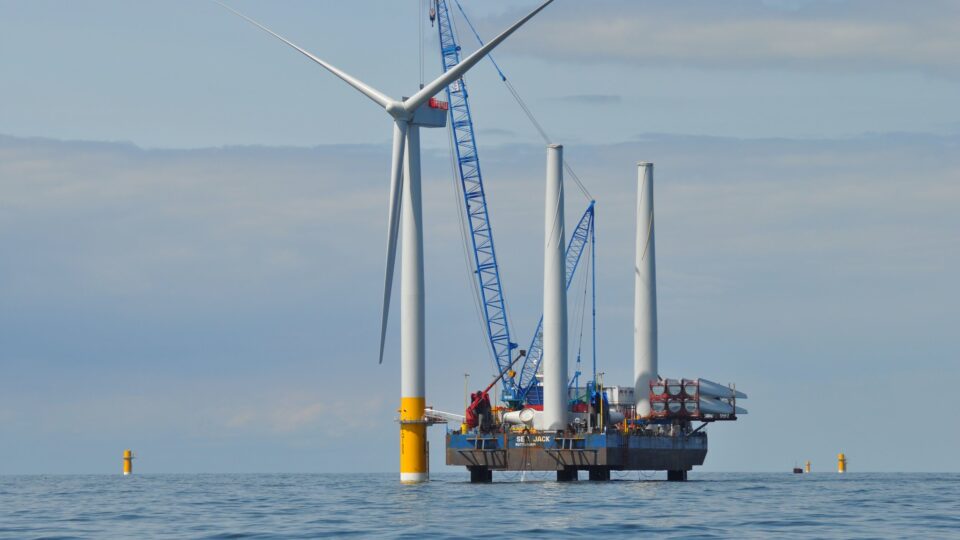
New York’s first offshore wind farm

December 14, 2023 By EarthWise Leave a Comment

New York has set a target of installing 9 GW of offshore wind capacity by 2035.  The first offshore wind farm in the state – South Fork Wind – was approved by the Long Island Power Authority in 2017.  Construction began in 2022.

South Fork Wind Farm is a 132 MW project sited 35 miles offshore from Montauk, New York.  Early this year, the subsea power export cable was installed by Nexans, a cable and optical fiber company.  In June, the project reached its “steel in the water” milestone with the installation of the farm’s first monopile foundation.

In November, the first of South Fork Wind’s 12 Siemens Gamesa wind turbine generators was hoisted into place by the offshore construction team.  The turbines are being installed by a specialized vessel called the Aeolus.  Turbine installation involves using a crane to place the steel turbine tower onto the foundation.  The nacelle and rotor are then installed on top of the tower.  Finally, the blades are bolted one by one to the rotor.

All 12 turbines for the project are expected to be installed by the end of this year or by early 2024.

There have been setbacks for the U.S. offshore wind industry in recent times.  Two projects in New Jersey have been scrapped because of supply chain issues.   Rhode Island Energy pulled out of a project citing higher interest rates, increased expenses, and problems with tax credits.

But despite these setbacks, the industry continues to make headway.  Vineyard Wind in Massachusetts is on the precipice of delivering its first power to the grid and the pipeline of additional projects continues to grow.

**********

Web Links

First turbine installed at South Fork Wind, New York’s first offshore wind farm

Photo, posted August 7, 2013, courtesy of SSE / Department of Energy and Climate Change via Flickr.

Earth Wise is a production of WAMC Northeast Public Radio
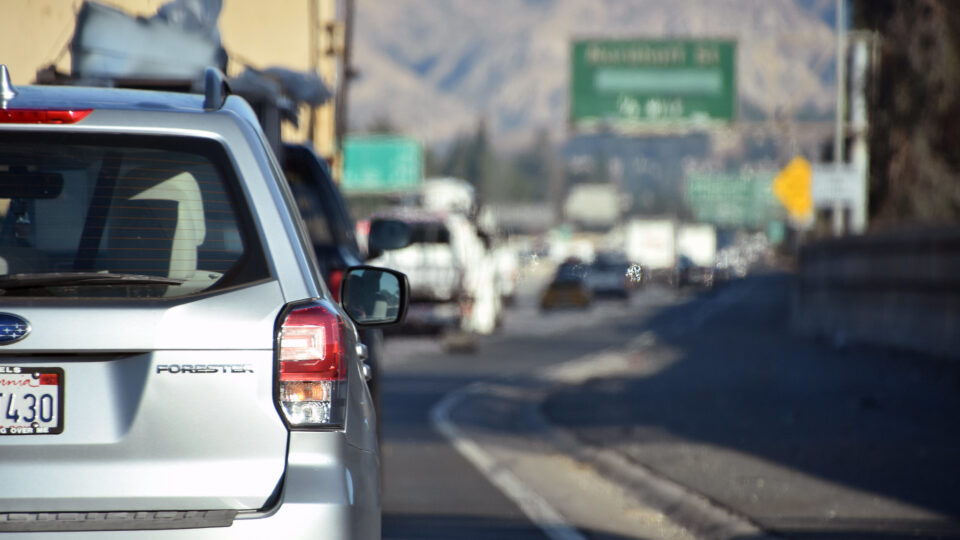
Action on the toxic chemical from tires

December 13, 2023 By EarthWise Leave a Comment

Toxic chemicals from tire debris

Since the 1990s, populations of coho salmon in streams and urban creeks up and down the West Coast have been dying in large numbers.  Scientists at the University of Washington began studying the mysterious deaths and it took years to figure out what was going on.  They analyzed water samples from urban creeks and found that chemicals from vehicle tires were present.  By soaking tires in water, they found that more than 2,000 chemicals were present.  It took three years to narrow down the suspect list to one chemical:  a toxin called 6PPD-quinone, which is produced when the common tire preservative 6PPD mixes with oxygen.  It is that chemical that was responsible for the salmon die-off.

6PPD-quinone is toxic enough to quickly kill some fish.  Studies showed that concentrations of the chemical in stormwater were found to be lethal for coho salmon following exposures lasting only a few hours.

Despite the discovery, the tire industry has continued to use the chemical in its products.  The industry says 6PPD is an antioxidant and antiozonant that helps prevent degradation and cracking of tires in the environment and is essential for the performance and safety of vehicles.

Last year, California regulators directed the tire industry to seek out substitutes for 6PPD.  The U.S. Tire Manufacturers Association pledged to investigate possible safer alternatives to the chemical.

In November, spurred by a petition by West Coast tribes whose lifeways depend on coho salmon, the EPA said it will study the impact of 6PPD with an eye to potentially banning its use. 

**********

Web Links

After Salmon Deaths, EPA Takes Aim at Toxic Chemical Issuing from Car Tires

Photo, posted May 31, 2021, courtesy of Chris Yarzab via Flickr.

Earth Wise is a production of WAMC Northeast Public Radio

The warmest fall

December 12, 2023 By EarthWise Leave a Comment

The warmest fall on record

The National Oceanic and Atmospheric Administration has global climate records dating back 174 years.  As the planet continues to heat up, both September and October set new records as the warmest of those months in history.

September was the fourth month in a row of record-warm global temperatures.  Not only was it the warmest September on record, but it was also the most atypically warm month of any month of the entire 174 years of record keeping.  In fact, September 2023 was warmer than the average July from 2001-2010.

For the sixth consecutive month, September also set a monthly record for global ocean surface temperature.

Not to be outdone, the planet added a fifth straight month of record-warm temperatures in October.  The average global temperature for October was 1.34 degrees Celsius above the 20th century average.  This was .24 degrees higher than the previous October record set in 2015.  And, for the seventh straight month, global ocean surface temperatures were also at a record high. 

October was the 47th consecutive October and the 536th consecutive month with global temperatures above the 20th century average.  In fact, the past 10 Octobers have been the 10 warmest Octobers in the global climate record.

With only a short time remaining in the year, according to the National Centers for Environmental Information, there is a greater than 99% chance that 2023 will rank as the warmest year on record for the world.  It is no cause for celebration.

**********

Web Links

The planet just had its warmest October on record

Topping the charts: September 2023 was Earth’s warmest September in 174-year record

Photo, posted October 18, 2016, courtesy of Dave Roberts via Flickr.

Earth Wise is a production of WAMC Northeast Public Radio
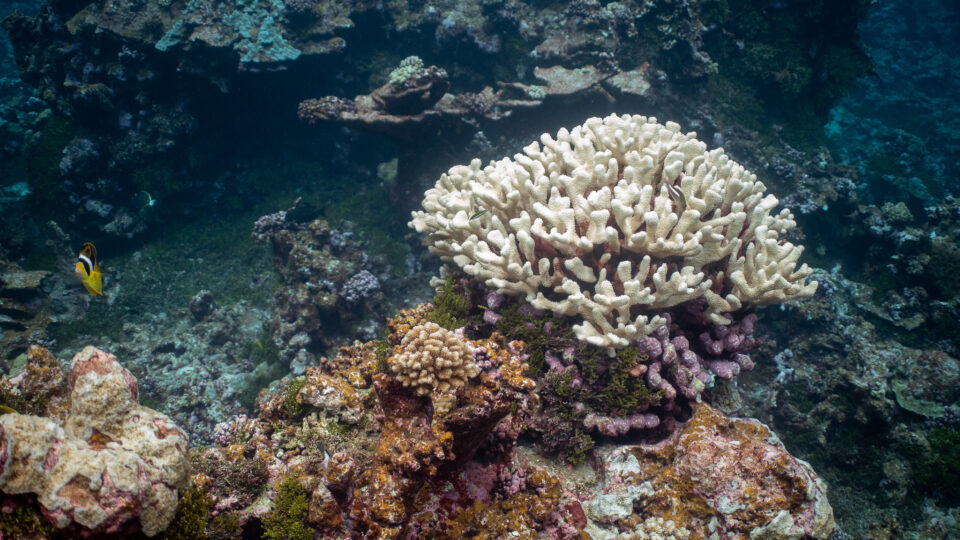
Deeper corals bleaching

December 7, 2023 By EarthWise Leave a Comment

Even deep corals are at risk from warming seas

When ocean waters get too warm, corals – which are actually tiny animals – eject the colorful algae that inhabit their tissues.  The symbiotic relationship between coral polyps and algae is essential to coral survival   When the algae is ejected, previously colorful coral turns white, and the coral can ultimately die.  If waters cool off, the algae can reestablish themselves and the coral can regain its color and health.

The world’s oceans have been warming at an unprecedented rate, making coral bleaching and die-off a global phenomenon.  It is estimated that half of the planet’s reefs have already disappeared.  Some places are worse off than others.  For example, almost 95% of coral reefs in Southeast Asia are threatened.  Florida’s reefs are especially threatened, particularly since there have been unprecedented marine heatwaves off its coast.

It has long been assumed that deeper reefs, where water is cooler, would remain safe from the effects of warming, but a few years ago researchers recorded coral bleaching some 300 feet underwater along the Egmont Atoll in the western Indian Ocean.  At one point, bleaching affected 80% of corals in some areas.  This discovery came as a huge surprise to oceanographers.  It was probably associated with an El Niño-like phenomenon in the waters and those reefs have mostly recovered in the intervening years.

Fairly recently, researchers have found pristine coral reefs deep down in the waters off the Galapagos Islands, where shallow reefs have largely disappeared.  There are likely to be similar reefs in the ocean depths around the world, but scientists are expressing concern that even coral reefs lying deep beneath the ocean surface may not ultimately be protected from the warming seas.

**********

Web Links

As Oceans Warm, Coral Bleaching Seen at Greater Depths

Photo, posted June 5, 2023, courtesy of Ryan Hagerty / USFWS via Flickr.

Earth Wise is a production of WAMC Northeast Public Radio

Tracking down PFAS toxins

December 5, 2023 By EarthWise Leave a Comment

PFAS – per- and polyfluoralkyl substances – are a group of organic compounds that have been extensively used to provide water-, oil-, and dirt-resistance to a wide range of products ranging from non-stick pans, clothing, and packaging to paint, car polish, and fire-suppressant foam.  Exposure to specific PFAS compounds is associated with multiple adverse health effects, including altered immune and thyroid function, liver disease, kidney disease, poor reproductive and developmental outcomes, and cancer.  PFAS compounds do not break down in the environment and therefore, over time, become concentrated in plants, animals, and people.

Government agencies such as the EPA in this country and the EU have set strict limits for allowable levels of PFAS in drinking water.  Testing water for the trace amounts of PFAS that constitute the limits is time-consuming and expensive and requires complex equipment and experienced personnel.

Researchers at MIT have now introduced a technique for making a portable, inexpensive test that can easily and selectively detect PFAS in water samples.  The test makes use of a special polymer containing fluorinated dye molecules that cause the polymer to fluoresce red.  If PFAS are present in the sample, they enter the polymer and displace the dye molecules and switches off the red fluorescence. 

The new technique is suitable for on-site detection in highly contaminated regions.  Detecting smaller concentrations can be achieved with sufficient precision after pre-concentrating the samples using the process of solid-phase extraction.

**********

Web Links

Tracking down Environmental Toxins

Photo, posted October 16, 2021, courtesy of Nenad Stojkovic via Flickr.

Earth Wise is a production of WAMC Northeast Public Radio
Solar thermochemical hydrogen

November 23, 2023 By EarthWise Leave a Comment

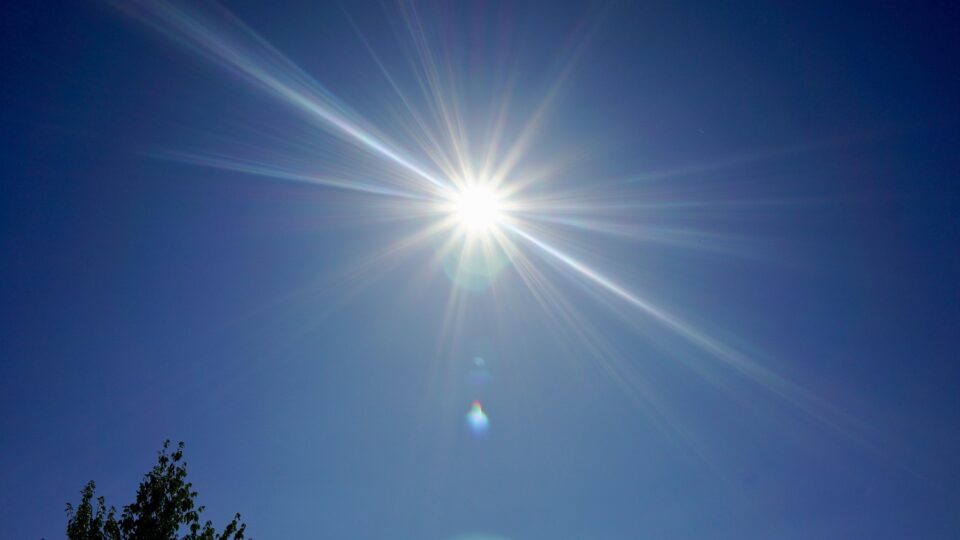
For decades, there has been talk of the hydrogen economy in which hydrogen would take the place of fossil fuels in a wide range of domestic and industrial applications.  Over time, hydrogen’s potential advantages in some applications have diminished but it is still seen as perhaps the most promising way to decarbonize long-distance truck, ship, and plane transportation as well as many heavy-duty industrial processes.

Hydrogen is the most common element in the universe, but here on Earth, it is tightly bound up in chemical compounds, notably water and hydrocarbons.  Extracting hydrogen from these compounds takes lots of energy.  To date, most hydrogen is produced from fossil fuel sources, resulting in carbon dioxide emissions.  So-called green hydrogen is made by splitting up water into its component elements.

Getting hydrogen from water generally uses electrolysis, which requires lots of electrical power.  That is why it isn’t the standard way to produce hydrogen; it costs too much to pay for all that power.

MIT scientists have been developing a process to make solar thermochemical hydrogen, or STCH.  STCH uses the sun’s heat to split apart water and no other energy source.  An existing source of solar heat drives a thermochemical reaction in which a heated metal surface grabs oxygen from steam and leaves hydrogen behind.  MIT did not invent the concept; their efforts are to make it practical.

Previous STCH designs were only capable of using 7% of incoming solar heat to make hydrogen.  The MIT process may be able to harness up to 40% of the sun’s heat and therefore generate far more hydrogen. 

**********

Web Links

MIT design would harness 40 percent of the sun’s heat to produce clean hydrogen fuel

Photo, posted August 23, 2017, courtesy of Evan Lovely via Flickr.

Earth Wise is a production of WAMC Northeast Public Radio
Disappearing snow crabs

November 21, 2023 By EarthWise Leave a Comment

Snow crabs disappeared

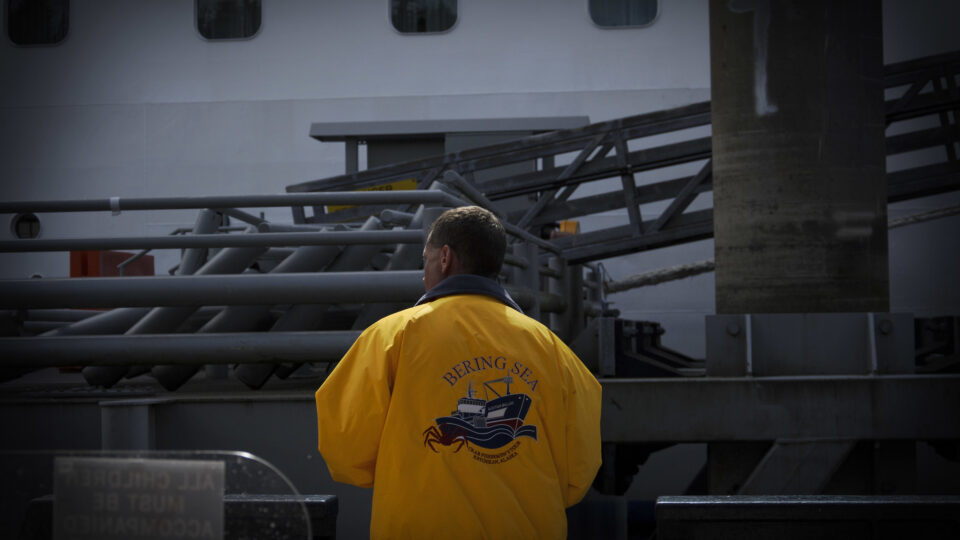
Alaska snow crabs are a cold-water species found off the coast of Alaska in the Bering, Beaufort, and Chukchi Seas. They are one of ten commercially-fished species in Alaskan waters. The perils of crab fishing in this region have been well documented for many years in the reality TV series Deadliest Catch.

Last year, officials in Alaska canceled the winter snow crab season for the first time ever due to a sharp population decline. While the number of juvenile snow crabs was at record highs just a few years earlier, approximately 90% of snow crabs mysteriously disappeared ahead of the 2021 season. 

This year, officials in Alaska have once again canceled the snow crab harvest season for the second year in a row, citing the overwhelming numbers of crabs – in the billions – missing from Alaskan waters. 

Scientists have suspected that the warming ocean temperatures triggered this snow crab population collapse.  But did the crabs move someplace else or die off?  According to a new study recently published by scientists at the National Oceanic and Atmospheric Administration, warmer ocean temperatures likely caused the snow crabs to starve to death.  The research team found a significant link between recent marine heat waves in the eastern Bering Sea and the sudden disappearance of the snow crabs that began showing up in surveys in 2021.

According to the study, warmer ocean water dramatically increases snow crabs’ caloric needs. But with the warmer water also disrupting much of the region’s food web, snow crabs had a hard time foraging for food and weren’t able to keep up.

Researchers expect the population may eventually find refuge in colder waters further north.

**********

Web Links

Climate Change And Crabs

Billions of crabs went missing around Alaska

Photo, posted August 28, 2013, courtesy of Boris Kasimov via Flickr.

XXXXXXXXXXXXXXXXXXXXX

The end of a supergiant iceberg

November 16, 2023 By EarthWise Leave a Comment

In 2017, a supergiant iceberg known as A-68 calved from the Larsen C ice shelf in Antarctica. In 2020, it drifted close to South Georgia, a British island in the South Atlantic Ocean, and then began to break up.  This iceberg was enormous – nearly the size of Delaware.  When it started to break up, it released huge quantities of fresh, cold meltwater in a relatively small region.

Scientists from the British Antarctic Survey and the University of Sheffield have studied how the melting iceberg has affected the temperature and the salinity of the ocean surface in the area.  They found that the water near the surface was 8 degrees Fahrenheit colder than normal and the water only had about two-thirds of its normal saltiness.

The effects from the melted iceberg eventually extended well beyond South Georgia as the colder, less-salty water was carried by ocean currents to form a long plume that stretched more than 600 miles across the South Atlantic.  It also took several months to disappear.

The calving of this massive iceberg provided a unique opportunity for scientists to study the impact of iceberg melting on surface ocean conditions.  A-68 was one of the largest and most studied of all icebergs.  The study has shown that each individual melting giant iceberg can have widespread and long-lasting impacts on ocean conditions, which has consequences for the plant and animal life that lives there.

Climate change is likely to lead to more giant iceberg calving in the future.  It is important to monitor these events to assess their future impacts on ocean circulation, biology, and even seafloor geology.

**********

Web Links

Supergiant iceberg makes surrounding ocean surface colder and less salty

Photo, posted October 24, 2018, courtesy of Jefferson Beck / NASA via Flickr.

Earth Wise is a production of WAMC Northeast Public Radio
Megafires and ecosystems

November 15, 2023 By EarthWise Leave a Comment

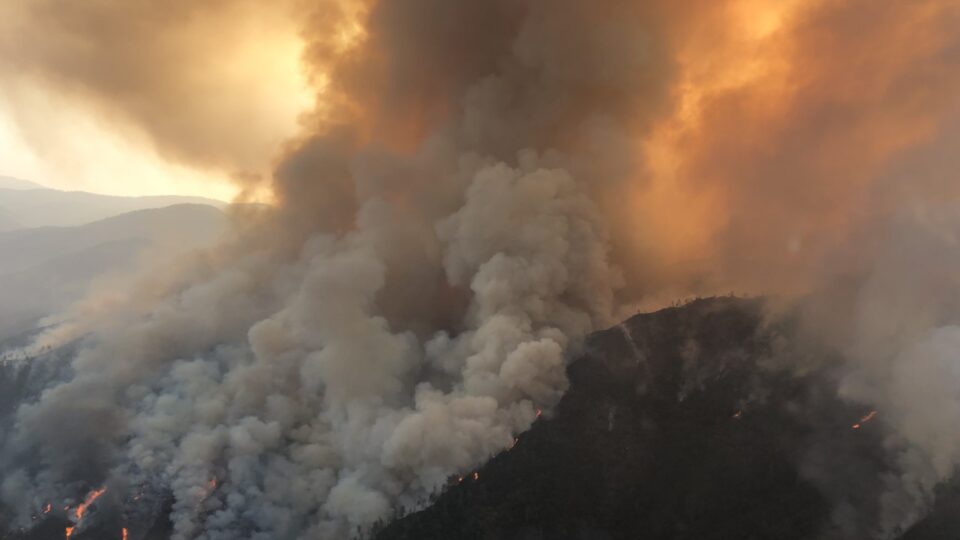
Wildfires are a natural phenomenon.  They have occurred long before there were people around.  Ecosystems adapt to fires and some species can benefit from them or even depend upon them.  But in recent times, fires have been intensifying and increasing in frequency and they are beginning to outstrip nature’s ability to bounce back from them.

So-called megafires – ones that dwarf typical wildfires in size – have an immediate ecological toll.  They kill individual plants and animals that might have survived smaller fires. 

Over millennia, many species of plants and animals have evolved to adapt to periodic fires.  They are especially sensitive to smoke and take protective action in a timely fashion. Others take advantage of food sources that arise when trees burn.

But even species that capitalize on burned-out areas of forests require oases of healthy woodland for at least part of their activities.  When fires are too widespread, such oases are too few and far between.

Animals that survive fires must find food, water, and shelter in the aftermath.  And all air-breathing animals are going to be impacted by smoke exposure because the chemicals in smoke are toxic to them as well as to people.

In places like Canada’s Northwest Territories, repeated fires have transformed some forests, eliminating dominant tree species and replacing them with others whose light seeds were carried on the wind.

Scientists have estimated that increased global fire activity could push more than 1,000 threatened plant and animal species closer to extinction.  Changing fire patterns are transforming landscapes and utterly remaking ecosystems.

**********

Web Links

How Megafires Are Remaking the World

Photo, posted December 19, 2022, courtesy of Brian Pippin/USFWS via Flickr.

Earth Wise is a production of WAMC Northeast Public Radio
Fossil-free fertilizer

November 9, 2023 By EarthWise Leave a Comment

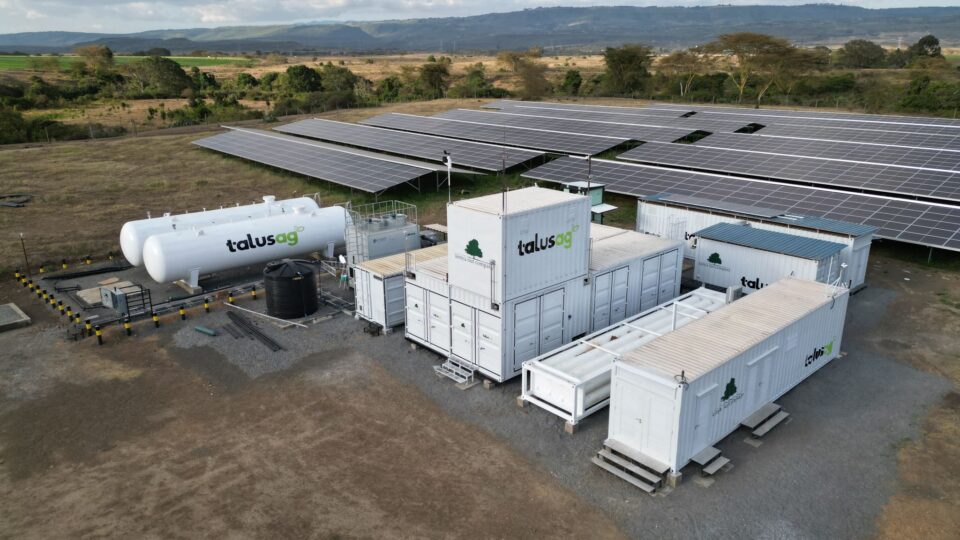
A fossil fuel-free ammonia plant in Kenya

Ammonia is a major industrial commodity.  About 70% of it is used to make fertilizer, with the rest for a wide range of industrial applications.  Ammonia is the starting point for all mineral nitrogen fertilizers. 

Typically, ammonia is a byproduct of isolating hydrogen from natural gas, which releases large amounts of carbon dioxide.  On a global scale, the climate impact of ammonia production is comparable to that of air travel.  The world needs more ammonia but really cannot afford the emissions that come with its production.

There are also political implications of ammonia production.  Because it relies so heavily on natural gas, ammonia supply is vulnerable to disruptions from events like the Russian invasion of Ukraine.  Sanctions imposed after the invasion have hindered fertilizer exports, driving up costs, especially in places like Africa.

A small fertilizer plant near Nairobi, Kenya will be the first farm in the world to produce its own nitrogen fertilizer on site that is free of fossil fuels.  The plant is being built by an American startup company Talus Renewables and will use solar power to strip hydrogen from water.  The hydrogen will then bond with nitrogen from the air to form liquid ammonia.  The plant will produce one ton of ammonia each day.

The typical bag of fertilizer in sub-Saharan Africa travels 6,000 miles to get there, which of course only adds to the environmental burden of using it as well as its cost.  By building a small green ammonia plant like the one coming online in Kenya, it is possible to locally produce a critical raw material in a carbon-free manner.

**********

Web Links

Farm in Kenya First to Produce Fossil-Free Fertilizer On Site

Photo courtesy of Talus Renewables via LinkedIn.

Earth Wise is a production of WAMC Northeast Public Radio
Lots of female turtles

November 3, 2023 By EarthWise Leave a Comment

Climate change threatening the future of green sea turtles

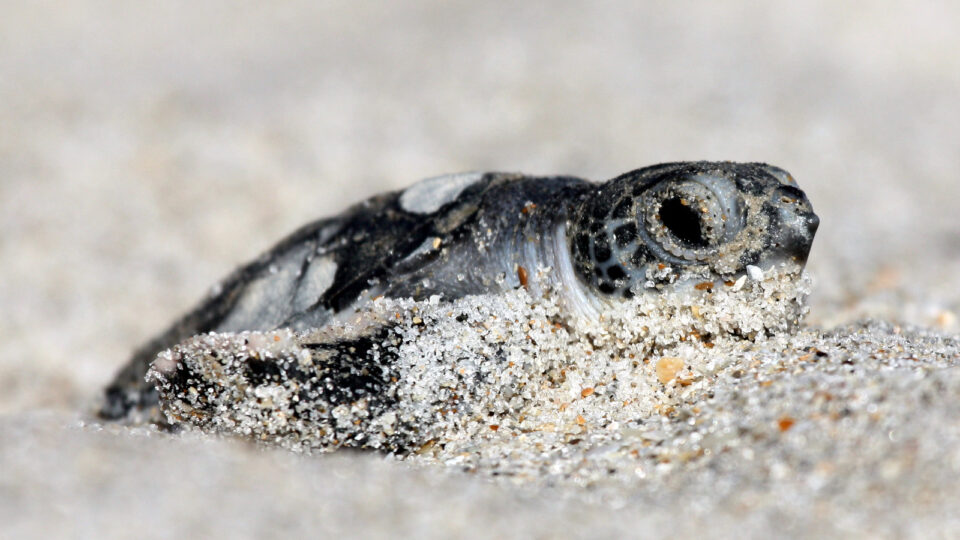
Green sea turtles were listed under the Endangered Species Act in 1978.  Since that time, there have been conservation measures put in place in many locations.  One such place is Florida, where restrictions on beachfront development and careful monitoring of turtle nests has helped to get hatchlings safely into the water.  A gill net ban in 1995 sharply reduced the number of young turtles killed by fishing gear.

All of this has resulted in what is described as an explosion in turtle populations in Florida.  Volunteers monitoring the 2023 nesting season on Florida’s beaches have counted more than 74,000 nests.  That beats the previous record – set in 2017 – by an incredible 40%.

Unfortunately, this does not represent a guaranteed great future for the species.  Sea turtles are particularly sensitive to the warming climate.  The sex of a baby sea turtle is not determined by DNA, but rather by the temperature of the sand in which its egg develops.  Cooler temperatures mean more males; warmer ones mean more females.

In recent years, the proportion of male green sea turtles has dwindled substantially.  In the past few seasons, between 87 percent and 100 percent of the hatchlings tested in Florida have been female.

In the short term, the skewed sex ratio might be a boon for the species.  Lots of females laying lots of eggs means lots of turtles.  Sea turtles don’t reach sexual maturity until their twenties or thirties.  So, for the next few decades, there are likely to be growing numbers of turtle nests.  But down the line, there is going to be a real problem.  Where will for all the female turtles find the mates to populate the species in the future?

**********

Web Links

Florida Turtle Nests Are Recovering. When They Hatch, Expect Mostly Girls.

Photo, posted October 5, 2011, courtesy of Keenan Adams / USFWS via Flickr.

Earth Wise is a production of WAMC Northeast Public Radio
A billion pound problem

November 1, 2023 By EarthWise 1 Comment

Nearly two billion pounds of pumpkins are grown each year in the U.S.  But we actually don’t eat the vast majority of them.  Instead, most pumpkins are carved or otherwise decorated, and placed on porches across the country during Halloween.  But now that the holiday has come and gone, what happens to all those sagging masterpieces?

Simply put, we usually just throw them out.  In the days after Halloween, as much as 1.3 billion pounds of pumpkin winds up in landfills.  When left there to decompose, the pumpkins produce methane, a potent greenhouse gas that affects climate change by contributing to increased warming. 

Here are some ways to keep pumpkins out of the landfills this year and make Halloween festivities more sustainable. 

If the pumpkin is still in good shape, use the outer, meaty part of the pumpkin to make a fresh version of pumpkin puree.  Pumpkin puree is a common ingredient in baked goods like muffins, breads, and pies, especially during this time of the year.  The pumpkin seeds can also be scooped out, rinsed, and salted or spiced, and then baked in the oven, resulting in a delicious snack.

Pumpkins also have the potential to turn into great soil through composting. Pumpkins are just over 90% water, which help naturally add moisture to compost piles that need to be damp to effectively decompose food waste.

If eating or composting the pumpkins isn’t an option, consider donating them to a local farm.  Farmers will often collect pumpkins as treats for their pigs, goats, and other animals. 

The scariest part of Halloween shouldn’t be the waste. 

**********

Web Links

Halloween is over. Here’s the most sustainable way to get rid of your jack-o’-lanterns, pumpkins, and gourds

Say Boo to Landfills – Compost Your Pumpkin After Halloween!

Photo, posted November 4, 2010, courtesy of William Warby via Flickr.

Earth Wise is a production of WAMC Northeast Public Radio

Record low Antarctic sea ice

October 30, 2023 By EarthWise Leave a Comment

Record low sea ice levels in Antarctica

Antarctica’s winter came to a close in September and during that month, the continent reaches its maximum amount of sea ice that grows during the darkest and coldest months.  This year, that maximum occurred on September 10th and turned out to be the lowest on record.

The sea ice around Antarctica reached a maximum extent of 6.5 million square miles according to NASA researchers.  That was nearly 400,000 square miles below the previous record low set in 1986. 

There are several possible causes for the meager growth of Antarctic sea ice this year.  It may be a combination of several factors including El Niño, wind patterns, and warming ocean temperatures.  Recent research indicates that ocean heat is most likely playing an important role in slowing ice growth in the cold season and enhancing ice melting in the warm season.

The record-low ice extent so far this year is a continuation of a downward trend in Antarctic sea ice that has gone on since the ice reached a record high in 2014.  Prior to that year, the ice surrounding the southern continent was actually increasing slightly by about 1% every decade.

Meanwhile, Arctic sea ice reached its minimum extent in September and it was the sixth-lowest level in the satellite record.  Scientists track the seasonal and annual fluctuations of polar sea ice because they shape polar ecosystems and play a significant role in global climate.  Sea ice melting at both poles reinforces global warming because bright sea ice reflects most of the Sun’s energy back to space while open ocean water absorbs 90% of it.

**********

Web Links

Antarctic Sea Ice Sees Record Low Growth  

Photo, posted June 30, 2023, courtesy of Pedro Szekely via Flickr.

Earth Wise is a production of WAMC Northeast Public Radio
Mississippi River Running Dry | Earth Wise

October 27, 2023 By EarthWise Leave a Comment

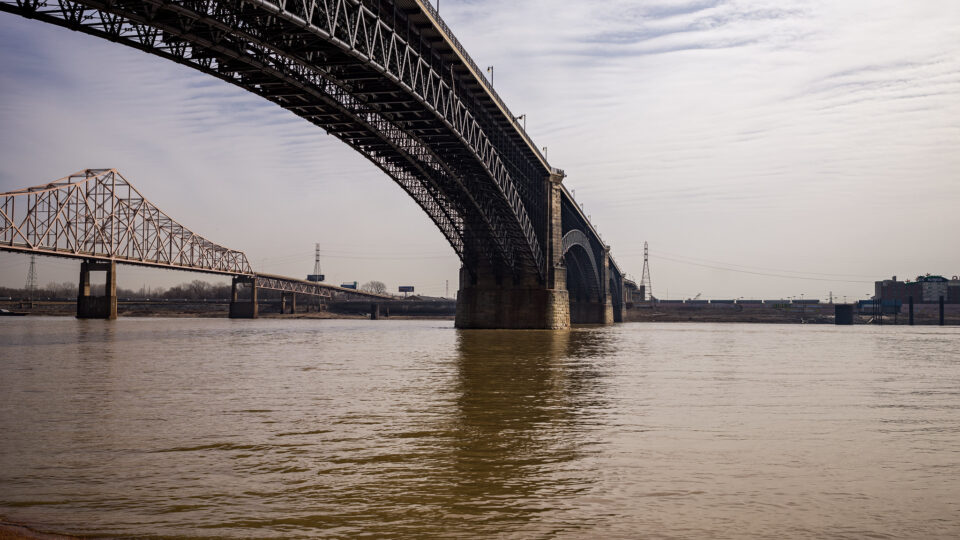
The Mississippi River is losing water

Water levels in the lower Mississippi River are running very low.  During September, the readings in Memphis, Tennessee were within inches of the all-time low.  The situation is causing real problems for the grain export industry.

The water levels of the lower Mississippi are determined by the amount of rainfall in the upper Midwest.  At the point where the Ohio and Mississippi Rivers come together, about 90% of the water headed for the lower Mississippi has been accumulated.

Almost 400 miles of the Mississippi have experienced water levels at or below critical levels for shipping.  During September, parts of the Mississippi have been closed to ship traffic more than 20 times.  At least 36 vessels were reported to have run aground.

The low water levels on the river have caused shippers of soybean and corn exports to lighten their loads to keep the vessels from running aground.  They have also reduced how many barges they pull at once in order to be able to navigate shipping channels that have narrowed because of the reduced water levels.

Fall is the busiest grain export season for the region.  About 60% of grain exports from the Midwest leave the U.S. through terminals on the Gulf Coast.  The low levels of the Mississippi River threaten gridlock for this vital industry.  It has caused freight costs to be the highest since historic river lows last year caused U.S. grain to be less competitive globally.

Unfortunately, October is not normally a strong precipitation month, but the hope is that the El Niño now underway may lead to increased precipitation in the Southern U.S.

**********

Web Links

Mississippi River Nears Historic Lows, Putting Grain Exports at Risk

Photo, posted March 8, 2023, courtesy of Errol Sandler via Flickr.

Earth Wise is a production of WAMC Northeast Public Radio
  • « Go to Previous Page
  • Page 1
  • Interim pages omitted …
  • Page 8
  • Page 9
  • Page 10
  • Page 11
  • Page 12
  • Interim pages omitted …
  • Page 34
  • Go to Next Page »

Primary Sidebar

Recent Episodes

  • An uninsurable future
  • Clean energy and jobs
  • Insect declines in remote regions
  • Fossil fuel producing nations ignoring climate goals
  • Trouble for clownfishes

WAMC Northeast Public Radio

WAMC/Northeast Public Radio is a regional public radio network serving parts of seven northeastern states (more...)

Copyright © 2026 ·