• Skip to primary navigation
  • Skip to main content
  • Skip to primary sidebar

Earth Wise

A look at our changing environment.

  • Home
  • About Earth Wise
  • Where to Listen
  • All Articles
  • Show Search
Hide Search
You are here: Home / Archives for warm

warm

Tearing down small dams to restore rivers

March 11, 2025 By EarthWise Leave a Comment

There are more than 31,000 dams in the northeastern United States.  More than 4,000 of them are in the Hudson River watershed.  Most of these dams are quite small and were built in the 19th century to form ponds and to power grist, textile, paper, saw, and other kinds of mills as the region developed its industrial infrastructure.  The nonprofit organization American Rivers estimates that 85% of U.S. dams are unnecessary at best and pose risks to public safety at worst. 

Dam removals have been occurring for over 100 years, but the vast majority have taken place since the mid-2010s and have increased dramatically since the 2021 Bipartisan Infrastructure Law, which provided funding for such projects.

So far, 806 Northeastern dams have come down and hundreds more are in the pipeline.

Dam removals improve aquatic fish passage, water quality, watershed resilience, and habitat for all the organisms in river ecosystem food chains, ranging from insects to fish to otters to eagles.  Small dams have degraded habitat and altered downstream hydrology and sediment flows.  They have created warm, stagnant, low-oxygen pools that trigger algal blooms and favor invasive species.

But removing even small dams is not an easy matter.  Projects range in cost from $100,000 to $3 million and qualifying for funding – whether federal or state – requires projects to meet a variety of requirements including community support.  Not all dams can be removed, but many more should.

**********

Web Links

How Tearing Down Small Dams Is Helping Restore Northeast Rivers

Photo, posted September 20, 2010, courtesy of Doug Kerr via Flickr.

Earth Wise is a production of WAMC Northeast Public Radio

A record warm January

March 4, 2025 By EarthWise Leave a Comment

January saw record warm temperatures around the world

Americans experienced unusually cold and wintery weather in January.  Places like southern Louisiana and Florida saw appreciable amounts of snow.  For those who experienced January’s Arctic blast, it was a cold January.  But despite that, January was the world’s warmest on record, extending a run of extraordinary heat in which 18 out of the last 19 months saw an average global temperature more than 1.5 degrees Celsius above pre-industrial times.  In fact, the global average temperature in January was 1.75 degrees above the pre-industrial average.

The exceptional warmth was surprising to climate researchers.  It happened despite the emergence of La Niña conditions in the Pacific Ocean, which tend to lower global temperatures, at least for a while.

Researchers are investigating whether there is something beyond the effects of greenhouse gas emissions that is boosting temperatures to an unexpected degree.  It is true that emissions, associated with the burning of coal, gas, and oil, reached record levels in both 2023 and 2024.  But January’s warmth was still something of a surprise.

One prevalent theory is that cutting dangerous pollution is playing a role in causing global warming to accelerate.  As regulators have curbed sulfate pollution to protect people’s lungs, the cooling effect of these particles that help form more and brighter clouds has diminished.

January demonstrates that the global climate system is complex and the weather in any particular region does not necessarily reflect what is happening to the planet as a whole.

**********

Web Links

Global Temperatures Shattered Records in January

Photo, posted December 22, 2013, courtesy of SD Anderson via Flickr.

Earth Wise is a production of WAMC Northeast Public Radio

Hydroclimate whiplash

January 30, 2025 By EarthWise Leave a Comment

Hydroclimate whiplash has increased as much as 66% since the mid-20th century

Hydroclimate whiplash is a term that describes rapid swings between intensely wet and dangerously dry weather.  Global weather records show that the occurrence of hydroclimate whiplash has increased by 31% or as much as 66% since the mid-20th century. 

California’s experience is a prime example of this phenomenon.  After years of severe drought, dozens of atmospheric rivers subjected the state to record-breaking amounts of precipitation in the winter of 2022-23.  A second extremely wet winter in the southern parts of the state the following year resulted in the growth of abundant amounts of grass and brush. 2024 saw a record-hot summer which was then followed by a record-dry start to the 2025 rainy season.  The result was the catastrophic wildfires in the Los Angeles area in January.

Research by UCLA climate scientists explains that the primary driver for the increasing occurrence of hydroclimate whiplash is the expansion of the atmospheric sponge – that is, the growing ability of the atmosphere to evaporate, absorb and release water.  Every degree Celsius that the planet warms increases this ability by 7%. 

The global consequences of hydroclimate whiplash include not only floods and droughts but also the increased danger of whipsawing between the two, leading to the bloom and burn cycle that California recently faced. The risk of wildfire is twofold:  first by increasing the growth of flammable grass and brush in the months before the fire season, and then by drying it out to dangerous levels with extremely warm and dry weather.

**********

Web Links

Floods, droughts, then fires: Hydroclimate whiplash is speeding up globally

Photo, posted January 13, 2025, courtesy of Victor Guillen / USDA Forest Service via Flickr.

Earth Wise is a production of WAMC Northeast Public Radio

Wrong trees in the wrong places

January 20, 2025 By EarthWise Leave a Comment

Temperatures in cities are rising around the world and urban heat stress is already a major problem.  Extensive surfaces of man-made materials absorb the sun’s energy, and lead to temperatures well above those in the surrounding countryside.  This is known as the urban heat island effect, and it can lead to greater energy use, higher air pollution levels, and a greater risk of heat-related illnesses, as well as death. 

Some cities have already started implementing mitigation strategies, with tree planting prominent among them.  Planting trees can cool the climate by absorbing carbon dioxide, providing shade, and releasing water vapor, which lowers air and surface temperatures. 

However, while trees can cool cities significantly during the day, new research from the University of Cambridge in the U.K. shows that tree canopies can also trap heat and raise temperatures at night. 

According to the study, which was recently published in the journal Communications Earth & Environment, planting the wrong species or the wrong combination of trees in suboptimal locations or arrangements can limit their benefits.

The researchers found that in temperate climates, trees can cool cities by up to 6°C during the day but can increase nighttime temperatures by 1.5°C.  Cities with open layouts in temperate and tropical climates benefit from a mix of evergreen and deciduous trees, enhancing cooling by 0.5°C more than in cities with only deciduous or evergreen trees. 

The researchers hope their findings will help urban planners choose the best combinations of trees and planting locations to combat urban heat stress.

**********

Web Links

Wrong trees in the wrong place can make cities hotter at night, study reveals

Photo, posted October 29, 2017, courtesy of Lars Plougmann via Flickr.

Earth Wise is a production of WAMC Northeast Public Radio
October was another hot month

December 3, 2024 By EarthWise Leave a Comment

October was another hot month, a continuation of the warming trend

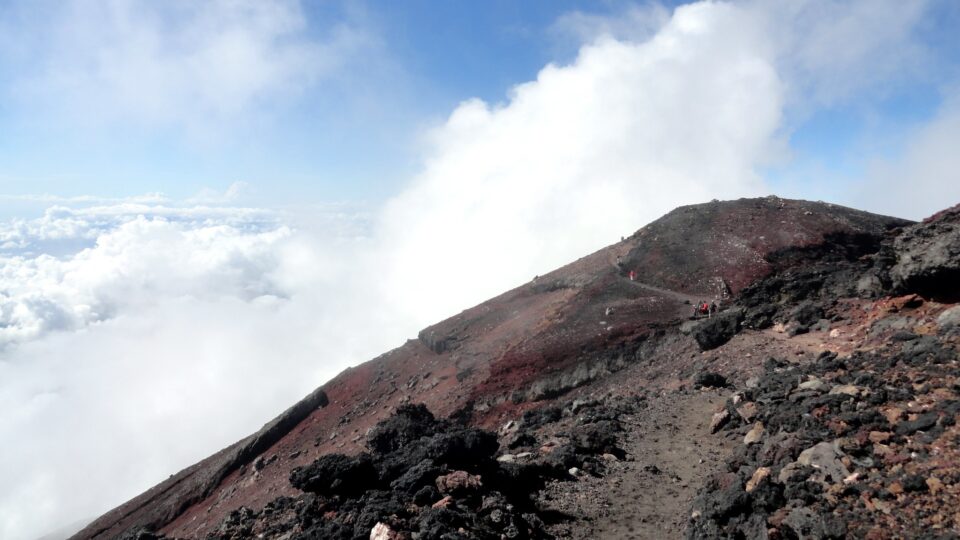
In a year filled with unusually warm months, October 2024 ranked as the second-warmest October in the 175 years of the National Oceanic and Atmospheric Administration’s records.  It was just 0.09 degrees Fahrenheit cooler than the previous global record set just last year.

In our part of the world, North America had its warmest October on record.

Year-to-date, the global surface temperature has been 2.3 degrees Fahrenheit above the 20th century average, which is the warmest such period on record.  This record warmth was observed in Africa, Europe, North America, Oceania, and South America.  With only a little of the year to go, predictions are that there is a greater than 99% chance that 2024 will rank as the world’s warmest year on record.

Other aspects of the warming climate were also in full evidence in October.  Global sea ice coverage was the smallest in the 46 years that it has been tracked, about 1.25 million square miles below the 1991-2020 average.  Ice extent in the Arctic was the fourth lowest on record and ice extent in the Antarctic was the second lowest on record.

Global ocean surface temperature was the second warmest for October and is the warmest ever for the period January to October.

The Atlantic basin saw five tropical cyclones during October, including the deadly and destructive Hurricane Milton that made landfall just south of Tampa Bay. 

The monthly climate postings by NOAA continue to report record-breaking temperatures and significant climate anomalies and events.  This pattern is not likely to do anything but continue in the future.

**********

Web Links

Planet saw its 2nd-warmest October in 175-year record

Photo, posted August 21, 2018, courtesy of Fabio Achilli via Flickr.

Earth Wise is a production of WAMC Northeast Public Radio

How warm is It?

August 8, 2024 By EarthWise Leave a Comment

The record-breaking heat continues

As of June, the world had seen 13 consecutive months of record-breaking heat.  The average global temperature over the last 12 of those months measured 1.5 degrees Celsius warmer than the preindustrial era. This means that the world has at least temporarily exceeded the temperature target set forth in the Paris Climate Agreement.

Does this mean that climate change has gotten to the point where keeping temperatures below that goal is no longer possible? Not necessarily. Temperatures could drop below the 1.5-degree level in the near future.

The world has certainly been warming as a result of climate change, but the spike in temperature for the past year has also been driven by an El Niño condition in the Pacific, which leads to warmer temperatures.  How much of the warming is a result of each factor is not known.

But scientists say that El Niño has ended in June and a La Niña condition is likely to take shape between August and October. This would lead to cooler temperatures in many places.

Despite the extensive and lingering heatwaves in the US in July, on a global scale, temperatures have actually started falling in July.  July may end up being the first month since June 2023 to not set a new monthly global temperature record.  Nevertheless, the long streak of record-high temperatures is no statistical anomaly.  It is indicative of a large and continuing shift in the climate.   Whether conditions in the Pacific produce an El Niño or a La Niña, the steady long-term warming will continue as long as human-generated carbon emissions continue.

**********

Web Links

How Bad Is Warming? La Niña May Reveal

Photo, posted September 19, 2022, courtesy of Paul Sableman via Flickr.

Earth Wise is a production of WAMC Northeast Public Radio
Glaciers in Venezuela

June 24, 2024 By EarthWise Leave a Comment

There are nearly 200,000 glaciers in the world.  About 91% of them are in Antarctica and 8% in Greenland.  The rest are scattered across nearly 50 countries.  The non-polar country with the most glaciers is actually Pakistan, which has over 7,200 of them.  But as the world continues to warm, glaciers are shrinking back, and many are disappearing altogether.

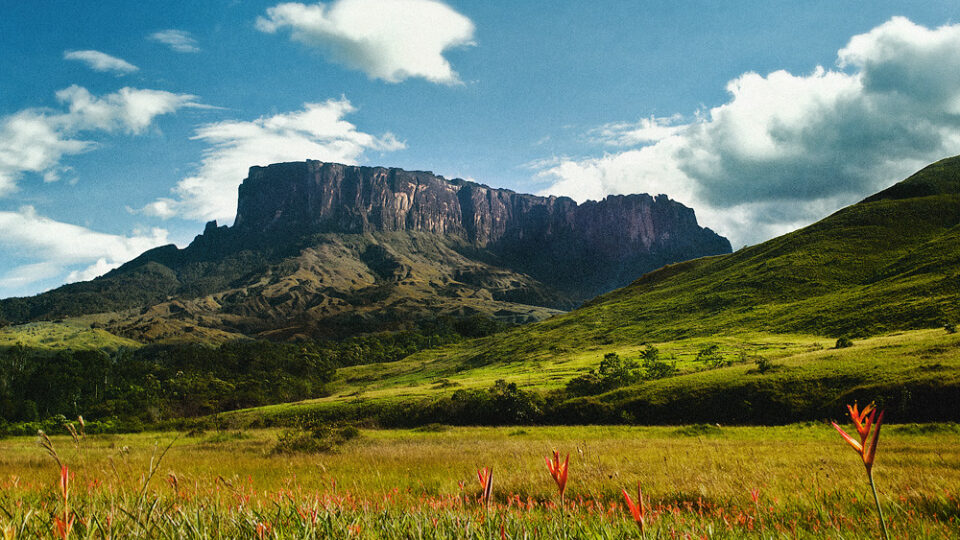
Venezuela, once home to six glaciers, has become the first country in the Americas to lose all of its glaciers.  Slovenia is considered to be the first country to lose its glaciers in modern times, perhaps as long as 30 years ago.  Glacial thawing has been worsening over the past decade throughout the Andes, which cover parts of Colombia, Venezuela, Bolivia, Ecuador, Peru, Chile, and Argentina.

Five of Venezuela’s glaciers had largely melted away by 2011.  The Humboldt glacier, which is on the highest peak in the Cordillera de Mérida mountain range in Venezuela, has now been declared as too small to be classified as a glacier.  It once covered over a thousand acres; it now has less than 5 acres of ice.  The US Geological Survey defines glaciers as ice bodies extending 25 acres or more.

The loss of glaciers in the Andes has serious consequences for communities that live on their slopes and depend upon glacial melt for water and for energy and food production. 

At least 80% of glaciers worldwide are on track to mostly disappear by the year 2100 because of global warming.  Given that previous forecasts estimated that the Humboldt glacier might last another decade, the prospects for the world’s remaining glaciers are not good.

**********

Web Links

Venezuela becomes first nation in the Americas to lose all glaciers

Photo, posted November 11, 2012, courtesy of Tim Snell via Flickr.

Earth Wise is a production of WAMC Northeast Public Radio
Little ice on the Great Lakes

March 8, 2024 By EarthWise Leave a Comment

Great Lakes missing lots of ice

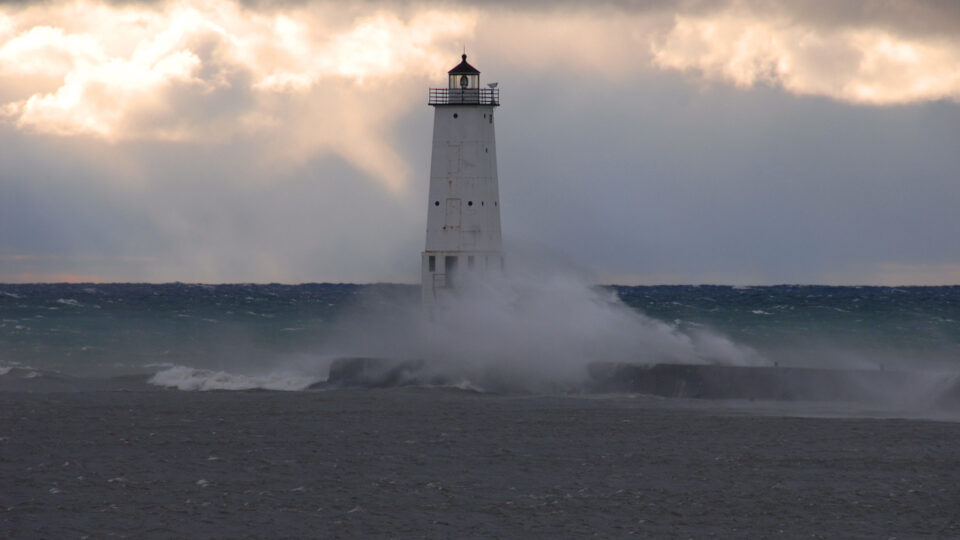
In an average year, the Great Lakes end up about 40% covered in ice.  But this is not an average year.  2023 was the warmest year on record and, in fact, the global temperature was more than 1.5 degrees above the pre-industrial average for the full year.  That hasn’t happened before.  As a result of the record-breaking warmth, as of mid-February, the average ice cover on the Great Lakes was only 5.9%.

Lake Erie and Lake Ontario tied their records for the lowest ice cover, which has been tracked since 1973.  Lake Huron, Lake Michigan, and Lake Superior are at historic lows.  Some parts of the Great Lakes have experienced the winter without any ice cover.

The warming air temperatures have led to rapid ice loss and warming summer temperatures.  According to experts, if the planet continues to warm, more than 200,000 lakes may no longer freeze every winter and 5,700 lakes may permanently lose ice cover by the end of the century.

Studying the Great Lakes is important because their ice melt can be a significant indicator of the progress of global warming.  Decreasing ice cover can affect hydropower generation, commercial shipping and fishing, and have environmental impacts such as the development of plankton blooms.

Since the 1970s, there has been a 5% decline in Great Lakes ice cover per decade.  Unfrozen lakes bring more rain than snow which has environmental, cultural, and societal impacts.  The Great Lakes hold 21% of the world’s freshwater supply and over 30 million people depend on them for drinking water.  They are also linked to over $3 trillion in gross domestic product.

**********

Web Links

Great Lakes Winter Ice Cover Averaging Just 5.9%: NOAA

Photo, posted November 7, 2007, courtesy of Jim Sorbie via Flickr.

Earth Wise is a production of WAMC Northeast Public Radio
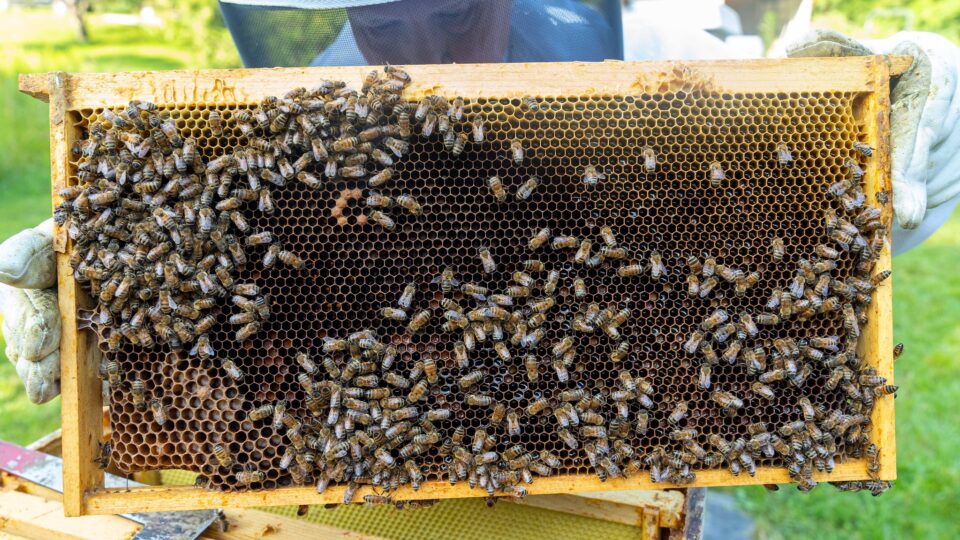
Why are bees making less honey?

February 8, 2024 By EarthWise Leave a Comment

Honey bees are making less honey in the United States

Scientists have been sounding the alarm on the global struggle of pollinators for a long time.  According to the United Nations, nearly 35% of the invertebrate pollinator species, such as bees and butterflies, are facing extinction. And since 75% of the world’s food crops depend on pollination to some extent, the decline of pollinators poses a major threat to global food security.

Honey bees are among the struggling pollinators.  Honey bee colonies in the United States have experienced annual population declines since 2006.  But in addition to there being fewer bees, the bees that remain are also making less honey.  In fact, honey yields in the United States have been declining since the 1990s. 

A new study by researchers from Penn State University has solved some of the mystery.  Using five decades of data across the United States, the research team analyzed the factors that could be affecting the number of flowers growing in different regions, which, in turn, affects the amount of honey produced by bees. 

In the study, which was recently published in the journal Environmental Research, the scientists found that climate conditions and soil productivity were two of the biggest factors in estimating honey yields.  States in both warm and cool regions produced higher honey yields when they had productive soils.  These two factors set a baseline production level of honey, while herbicide use, weather, and land use changes influenced how much honey was produced in a given year. 

The study’s findings  provide valuable insights that should help beekeepers, growers, and land managers better support honey bees.

**********

Web Links

Why are bees making less honey? Study reveals clues in five decades of data

Photo, posted August 30, 2021, courtesy of Brandon O’Connor / NRCS via Flickr.

Earth Wise is a production of WAMC Northeast Public Radio
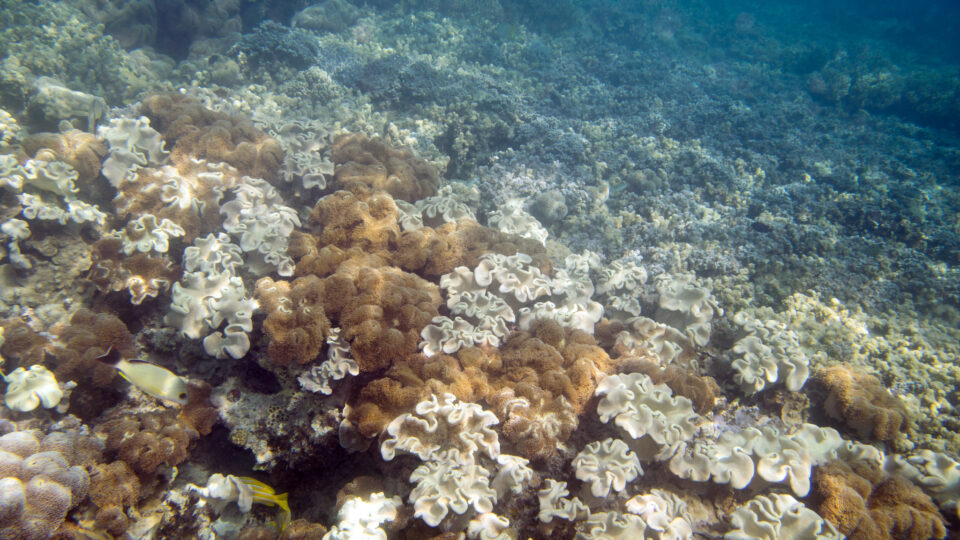
Marine Heat Waves | Earth Wise

August 17, 2023 By EarthWise Leave a Comment

Marine heat waves are devastating

In late July, the ocean temperature measured in Florida Bay, between the southern end of the Florida mainland and the Florida Keys, was 101.1 degrees Fahrenheit, a possible world record for sea surface temperature.  There is no official record keeping for ocean temperatures, but the highest previous reading ever reported was 99.7 degrees in the middle of Kuwait Bay in 2020. 

What is going on is a marine heat wave and marine heat waves can last for weeks, months, or even years.  The current Gulf of Mexico marine heat wave has been present for several months, beginning in February or March.  Experimental forecasts by the National Oceanic and Atmospheric Administration say the extreme ocean temperatures in the area may persist through at least October.

The ocean absorbs 90% of the excess heat associated with global warming.  Therefore, marine heat waves all over the planet are becoming warmer over time.  The current marine heat wave would likely have occurred even without climate change, but because of it, the event is extraordinarily warm.

Marine heat waves cause stress to corals and other marine ecosystems.  Exposure to extreme temperatures for long periods of time causes corals to eject the algae that live inside of them, resulting in white or pale coral.  This coral bleaching leaves the coral without food and will ultimately kill it.

In general, extreme heat can be destructive and deadly for marine ecosystems.  A massive marine heat wave known as “the Blob” took hold in 2013-2016 in the northeastern Pacific Ocean and led to an ecological cascade of fishery collapses, toxic algal blooms, and record numbers of humpback whale entanglements.

**********

Web Links

The ongoing marine heat waves in U.S. waters, explained

Photo, posted December 25, 2016, courtesy of Paul Asman and Jill Lenoble via Flickr.

Earth Wise is a production of WAMC Northeast Public Radio

Here Come The Lanternflies | Earth Wise

May 15, 2023 By EarthWise Leave a Comment

The spotted lanternfly is an invasive pest from Asia that primarily feeds on tree of heaven, which is itself an invasive species that has become widespread.  The real problem is that the lanternfly can also feed on some 70 other plants such as grapevines, maples, fruit trees, and more.

The lanternfly was first discovered in the US in Pennsylvania in 2014 and has since spread to 14 states including New York, Massachusetts, Connecticut, and Rhode Island.  (It was first spotted in New York in Staten Island in 2020 and has continued to spread).

The insect poses a significant threat to New York’s agricultural and forest health. Both the adults and nymphs feed on the sap of plants which stresses them making them vulnerable to diseases and other insect attacks.  They also secrete a sticky substance that attracts molds and interferes with photosynthesis.

Lanternflies are not strong fliers.  They mostly spread through human activity by laying their eggs on vehicles, firewood, outdoor furniture, and other objects that people transport.

The bout of unusually warm weather that the Northeast experienced in early spring is likely to have jumpstarted the spotted lanternfly timeline and hatching could be bumped up to as early as May.

Agriculture officials are asking for people to look for spotted lanternfly egg masses and scrape them off with implements with a sharp edge.  Adult insects should be reported to local authorities and should be killed if at all possible.  There is lots of information online about how to recognize the egg masses and the insects.  Spotted lanternflies are not a direct threat to humans, but they have the potential to cause great harm to vineyards, orchards, and forests.

**********

Web Links

Spotted Lanternfly

Photo, posted September 12, 2018, courtesy of the U.S. Department of Agriculture via Flickr.

Earth Wise is a production of WAMC Northeast Public Radio

Record European Heat | Earth Wise

February 13, 2023 By EarthWise Leave a Comment

The new year began with record-breaking heat across Europe.  In fact, on December 31 and January 1, about 5,000 all-time high temperature records for those dates were broken, in some cases by margins of more than 9 degrees Fahrenheit.

On New Year’s Day, eight European countries recorded their warmest January day ever. These were Liechtenstein, the Czech Republic, Poland, the Netherlands, Belarus, Lithuania, Denmark, and Latvia.

Many of the European cities affected by the heat wave would ordinarily be covered in snow at that time of year.  For example, Vaduz, the capital of Liechtenstein, the Czech town of Javornik, and the Polish village of Jodlownik, all recorded peak temperatures between 66 and 68 degrees Fahrenheit.

By the measure of how far above normal temperatures rose, it was the most extreme heat wave in European history.  Last summer saw record-breaking heat waves across much of Europe, but the actual temperature increases over normal were smaller than what just occurred at the beginning of the year.

The source of the exceptional heat was a warm mass of air from the west coast of Africa moving across Europe.  As is the case for any individual weather event, one cannot definitively attribute this one to climate change.  However, it is abundantly clear that because of climate change, extreme weather events of all types are becoming more frequent and more intense.

The unprecedented European weather does have the effect of helping to ease the energy crisis that has gripped the European continent.   The Russian invasion of Ukraine has led to soaring natural gas prices.  The warm weather has meant a lower demand for gas, causing gas prices to drop to their lowest level since the start of the war.

**********

Web Links

‘Uncharted territory’: January heat records smashed across Europe

Photo, posted August 13, 2019, courtesy of Herbert Frank via Flickr.

Earth Wise is a production of WAMC Northeast Public Radio

Tick-Borne Pathogens In Canada | Earth Wise

December 27, 2022 By EarthWise Leave a Comment

Ticks spreading disease in Central Canada

Measuring only three to five millimeters in size, tiny ticks are a big problem.  They are widely distributed in many parts of the world, especially in warm and humid climates.  Ticks are arachnids – not insects – meaning they’re more closely related to spiders than to flies or mosquitos.  They are external parasites that feast on the blood of birds, reptiles, amphibians, and mammals – including humans.

In the United States, ticks are responsible for spreading potentially life-threatening infectious diseases.  According to estimates from the Centers for Disease Control and Prevention, ticks infect more than 300,000 people with Lyme disease in the U.S. every year, and the numbers continue to rise.  Other common tick-borne diseases include anaplasmosis, babesiosis, Rocky Mountain Spotted Fever, and powassan encephalitis.

Ticks are becoming a problem in Canada as well.  According to a new study by researchers from McGill University and the University of Ottawa, tick-borne pathogens are on the rise in Central Canada – a region where ticks were never previously detected. 

In the study, the researchers collected ticks across Ontario and Quebec.  They found that five emerging pathogens were present across their study sites, including the pathogens that cause Lyme disease and babesiosis.  The researchers also found that pathogens can transmit in different ways.  Typically, pathogens are transmitted to a tick after feeding from the blood of an infected host, like a small mammal.  But the research team found evidence of pathogens that could be directly transmitted from adult female ticks to larval ticks.

According to the researchers, more comprehensive testing and tracking is needed to detect the spread and risks of tick-borne pathogens to humans and wildlife in Canada.

**********

Web Links

Tick-borne pathogens increasingly widespread in Central Canada

Photo, posted May 4, 2009, courtesy of Jerry Kirkhart via Flickr.

Earth Wise is a production of WAMC Northeast Public Radio
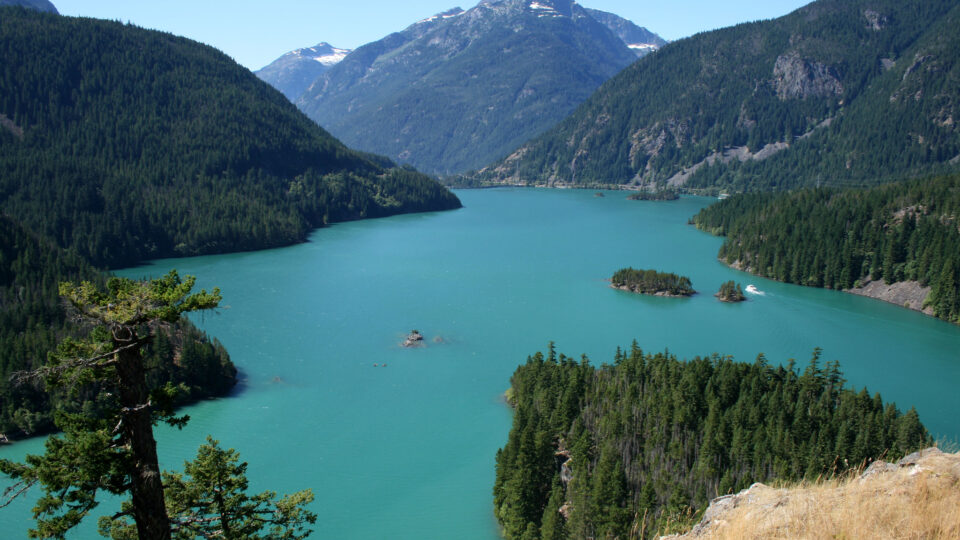
Climate Change And The Color Of Lakes | Earth Wise

October 19, 2022 By EarthWise Leave a Comment

According to a new study recently published in the journal Geophysical Research Letters, blue lakes around the world are at risk of turning green-brown if climate change continues unabated. 

For the study, the research team used over five million satellite images of more than 85,000 lakes and reservoirs around the globe between 2013 and 2020 in order to determine each lake’s most common water color.  Since lake color can change seasonally, the researchers assessed the most frequent lake color during those seven years. 

Algae and sediments affect the color of lakes.  But the study found that precipitation, air temperature, lake depth, and elevation also play major roles in determining a lake’s most common water color. 

The research team found that blue lakes account for less than one-third of lakes worldwide.  Blue lakes tend to be deeper and are often found in cool, high latitude regions with high precipitation and winter ice cover.  Meanwhile, green-brown lakes, which account for 69% of all lakes, are found in drier regions, continental interiors, and along coastlines. 

As global temperatures rise, lakes will warm, and warmer water produces more algal blooms.  As a result, the researchers expect the changing climate to decrease the percentage of blue lakes, many of which are found in the Rocky Mountains, northeastern Canada, northern Europe and New Zealand. 

Water color is a simple but viable way to measure water quality that can be done on a global scale using satellites.  This approach provides researchers with a way to study how lakes – even the remote ones – are changing.  

**********

Web Links

Climate change is making lakes turn green-brown

Photo, posted August 27, 2011, courtesy of Paul Schultz via Flickr.

Earth Wise is a production of WAMC Northeast Public Radio
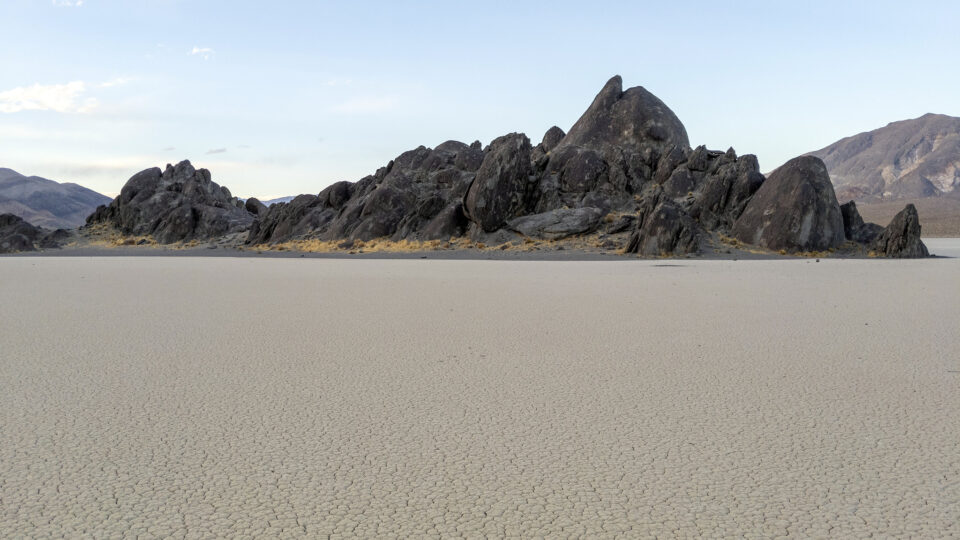
Death Valley Flooding | Earth Wise

September 13, 2022 By EarthWise Leave a Comment

Flooding in Death Valley

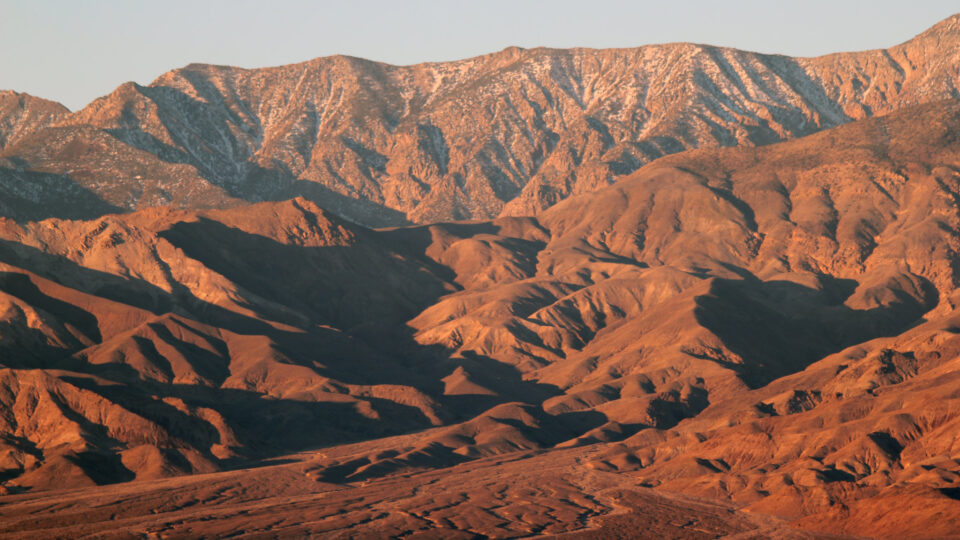
Furnace Creek in Death Valley is the driest place in North America.  Its average annual rainfall is under two inches.  On August 5th, a thousand-year rainfall event dropped 1.46 inches of rain – about three-quarters of a year’s precipitation.  The all-time record for a single day is 1.47 inches, set in April 1988.  The storm did break the record for the most rain ever recorded in August, which averages just over a tenth of an inch of rain for the entire month.

The flash flood washed debris over roads, swept away and buried cars, knocked a water facility offline, damaged buildings, and stranded about a thousand visitors and staff in Death Valley National Park. By the next day, the flood water had mostly receded, and stranded visitors could be escorted out of the park by National Park personnel.

Death Valley sits at 282 feet below sea level.  If it were not for the extremely arid climate there, Death Valley would likely be filled with water.  However, humid air masses traveling east from the Pacific Ocean have to cross four mountain ranges before they reach the desert valley.  Those air masses lose their moisture in the form of rain on the western slopes of the mountain, leaving a dry area, or rain shadow, on the eastern sides.  By the time the air masses reach Death Valley, they are bone dry.  On rare occasions, the lowest spot in the valley fills with water forming a wide, shallow lake, known as Lake Badwater. 

The extreme heat and aridity of Death Valley evaporates the temporary lake quickly, returning the valley to its usual state.  Furnace Creek still holds the record for the highest air temperature ever recorded:  134 degrees Fahrenheit.

**********

Web Links

Death Valley Flash Flooding

Photo, posted April 7, 2021, courtesy of Matthew Dillon via Flickr.

Earth Wise is a production of WAMC Northeast Public Radio.

Sea Urchins And Climate Change | Earth Wise

August 1, 2022 By EarthWise Leave a Comment

Sea urchins thriving amidst a changing climate

There is a thriving population of black sea urchins in bubbling volcanic vents off the coast of Ishia, a small island in the Gulf of Naples.  The oceanic environment there is very acidic, high in carbon dioxide, and very warm.   The environment represents a proxy for what is gradually happening to oceans around the world.

Researchers from the University of Sydney have determined that the ability of sea urchins to prosper in such an environment means that these animals, which are already abundant in the Mediterranean Sea are likely to spread further afield as oceans continue to warm and become more acidic.  The Mediterranean Sea is warming 20% faster than the global average.

Sea urchins are already an environmental problem in many places around the world.  When their numbers increase disproportionately, they decimate kelp forests and algae, leading to the demise of other species that depend on these things for food or shelter.  The result is something called an urchin barren, which is a rocky, sandy, urchin-filled seafloor devoid of other life.

Urchin barrens are increasingly common in many places, including the east coast of Australia and the coastline in the Americas stretching from Nova Scotia to Chile.

In Australia, for example, sea urchin populations have multiplied, and their range has expanded considerably, overgrazing kelp and damaging abalone and lobster farms.

Tests run by the Sydney researchers found that it is difficult to stress sea urchins.  They appear to tolerate conditions that other creatures simply cannot.   The only real positive is that understanding the urchins’ remarkable survival abilities might offer insights into adaptations that other animals might need in order to survive as the oceans become warmer and more acidic.

**********

Web Links

Colonising sea urchins can withstand hot, acidic seas

Photo, posted January 31, 2010, courtesy of Anna Barnett via Flickr.

Earth Wise is a production of WAMC Northeast Public Radio.

Carbon Dioxide Levels Higher Again | Earth Wise

July 5, 2022 By EarthWise Leave a Comment

The National Oceanic and Atmospheric Administration reported that carbon dioxide levels measured in May at the Mauna Loa Observatory reached a value of 421 parts per million.  This is 50% greater than pre-industrial levels and is in a range not seen on earth for millions of years.

Before the Industrial Revolution, CO2 levels fairly steadily measured around 280 parts per million, pretty much for all 6,000 years of human civilization.  Since the Industrial Revolution began in the 18th century, humans have generated an estimated 1.5 trillion tons of CO2 pollution, much of which will continue to warm the atmosphere for thousands of years.

The present levels of carbon dioxide are comparable to those of an era known as the Pliocene Climatic Optimum, which took place over 4 million years ago. 

The bulk of the human-generated carbon dioxide comes from burning fossil fuels for transportation and electrical generation, from cement and steel manufacturing, and from the depletion of natural carbon sinks caused by deforestation, agriculture, and other human impacts on the natural environment.

Humans are altering the climate in ways that are dramatically affecting the economy, infrastructure, and ecosystems across the planet.  By trapping heat that would otherwise escape into space, greenhouse gases are causing the atmosphere to warm steadily, leading to increasingly erratic weather episodes ranging from extreme heat, droughts, and wildfires, to heavier precipitation, flooding, and tropical storm activity.

The relentless increase of carbon dioxide measured at Mauna Loa is a sober reminder that we need to take serious steps to try to mitigate the effects of climate change.

**********

Web Links

Carbon dioxide now more than 50% higher than pre-industrial levels

Photo, posted December 20, 2016, courtesy of Kevin Casey Fleming via Flickr.

Earth Wise is a production of WAMC Northeast Public Radio.

Cloud Seeding And The Western Drought | Earth Wise

April 6, 2022 By EarthWise Leave a Comment

The massive megadrought affecting the American West is now considered to be the driest two-decade period in the past 1,200 years.  The lengthy drought has led to increased wildfires, reduced agricultural productivity, and reduced electricity generation by hydropower plants.  The historically low water levels in the largest two reservoirs in the U.S. – Lake Mead and Lake Powell – has triggered reductions in water allocations to Arizona, Nevada, and Mexico.

Several western states have expanded cloud seeding programs in an attempt to increase precipitation.  During the past two years, Idaho, Utah, Colorado, Wyoming, and California have all stepped up their cloud seeding efforts.  Outside of the US, the United Arab Emirates and China both have implemented massive cloud seeding programs.

A study by researchers at the University of Colorado and the National Center for Atmospheric Research looked at the ability of cloud seeding to increase snowfall.  The study unambiguously demonstrated that cloud seeding can increase snowfall.  Just how effective it is in terms of how much additional snow seeding produces is less clear.

Given the dire need for water and the fact that cloud seeding is not especially expensive, governments and other users are not hesitating to make use of it.

Unfortunately, the study shed no light on the efficacy of warm weather seeding to produce rain.  There is in fact little evidence that seeding clouds to produce rain accomplishes very much.  Once again, the prevailing view is that it is worth trying.  There do not appear to be environmental downsides to seeding.

The hope is that cloud seeding may at least restore clouds to the state they had been in before industrial pollution and other human activities affected them.

**********

Web Links

Can Cloud Seeding Help Quench the Thirst of the U.S. West?

Photo, posted November 21, 2013, courtesy of Sharon Tate Soberon via Flickr.

Earth Wise is a production of WAMC Northeast Public Radio.

A Smart Window | Earth Wise

March 31, 2022 By EarthWise Leave a Comment

New smart window technology to reduce energy consumption

Researchers at Oxford University have developed a new adaptable smart window technology that has the potential of reducing the energy usage of the average home by a third.

The technology uses a spectrally tunable low-emissivity coating that can control the amount of heat that comes into a room without affecting the quality of the light that enters.

The thermal energy from the sun’s infrared rays is absorbed by the glass and then is re-emitted as heat.  That heat can either be used to warm the room using transparent electrical heaters embedded in the glass or can be reflected away to cool the room.  The windows can change according to seasonal needs.

The researchers built a prototype using a material called an active chalcogenide-based phase change material.  When it is cold, the infrared rays from the sunlight are harvested and used to heat the building.  When it is warm, the new glass can switch state to reflect the heat and reduce the need for air conditioning.  The active phase change material is adjustable so that the amount of heat absorbed or reflected can be tuned for precise temperature control.  There is essentially no effect on visible light passing through the window.  Current low-emissivity glass for windows can reduce heat transfer, but its properties cannot be altered according to seasonal needs.

The researchers estimate that using windows fitted with the new prototype glass – including the energy required to control the film – would save 20 to 34% in energy usage annually compared to double-glazed windows found in many modern homes.

A spinout company from Oxford called Bodle Technologies is collaborating with two existing industrial partners to develop the technology further.

**********

Web Links

New adaptable smart window coating could help heat or cool a home and save energy

Photo, posted April 26, 2008, courtesy of Lima Andruska via Flickr.

Earth Wise is a production of WAMC Northeast Public Radio.

The All-Time Hottest Day | Earth Wise

February 14, 2022 By EarthWise Leave a Comment

Climate change helping set heat records around the world

Last year saw record high temperatures in many places around the world and this year started out with more of the same.  In mid-January, Onslow, a small town in Western Australia, measured a high temperature of 123.3 degrees, tying the all-time highest temperature ever recorded anywhere in the Southern Hemisphere.  The previous reading was also made in Australia back in 1960.

The new temperature record was set just as climate institutions around the world were announcing that the past seven years have been the highest in recorded history.

The list of temperature records set in 2020 and 2021 is a long one.   2020 was the hottest year in recorded history.  July 2021 was the hottest month ever recorded.   The hottest official temperature ever recorded anywhere in the world was 129.9 degrees, occurring in Death Valley, California on both August 16, 2020, and July 9, 2021. 

The hottest temperature ever recorded in the Arctic was 100.4 degrees on June 20, 2020 in Verkhoyansk in Russia’s Sakha Republic.  (Amazingly, that small town also holds the record for the coldest temperature ever recorded in Asia at -90 degrees). 2021 saw an all-time high temperature recorded in Europe, in Syracuse, Sicily, on August 11 at 119.8 degrees. 

Overall, 400 documented weather stations in communities or outposts worldwide established all-time high temperatures in 2021 alone.  The climate we have lived through over the past decades is changing and these changes will have consequences to our way of life.

**********

Web Links

Australia hits 123 degrees, tying hottest temperature on record in Southern Hemisphere

Photo, posted January 21, 2013, courtesy of A. Dombrowski via Flickr.

In ogni caso, un proverbio russo comune Informazioni: “Se curi un raffreddore, passa in sette giorni, e se non lo curi, in una settimana”, non è applicabile alla realtà spagnola.

Earth Wise is a production of WAMC Northeast Public Radio.

Lægemiddelbehandling, der kan nedsætte udskillelsen af FDE-hæmmere fra kroppen side. Beskrevne tilfælde af dødsfald i forbindelse med indtagelse af Viagra skyldtes oftest kombineret brug af dette lægemiddel med organiske nitrater.

  • Page 1
  • Page 2
  • Go to Next Page »

Primary Sidebar

Recent Episodes

  • An uninsurable future
  • Clean energy and jobs
  • Insect declines in remote regions
  • Fossil fuel producing nations ignoring climate goals
  • Trouble for clownfishes

WAMC Northeast Public Radio

WAMC/Northeast Public Radio is a regional public radio network serving parts of seven northeastern states (more...)
Copyright © 2026 ·