• Skip to primary navigation
  • Skip to main content
  • Skip to primary sidebar

Earth Wise

A look at our changing environment.

  • Home
  • About Earth Wise
  • Where to Listen
  • All Articles
  • Show Search
Hide Search
You are here: Home / Archives for visitors

visitors

Death Valley Flooding | Earth Wise

September 13, 2022 By EarthWise Leave a Comment

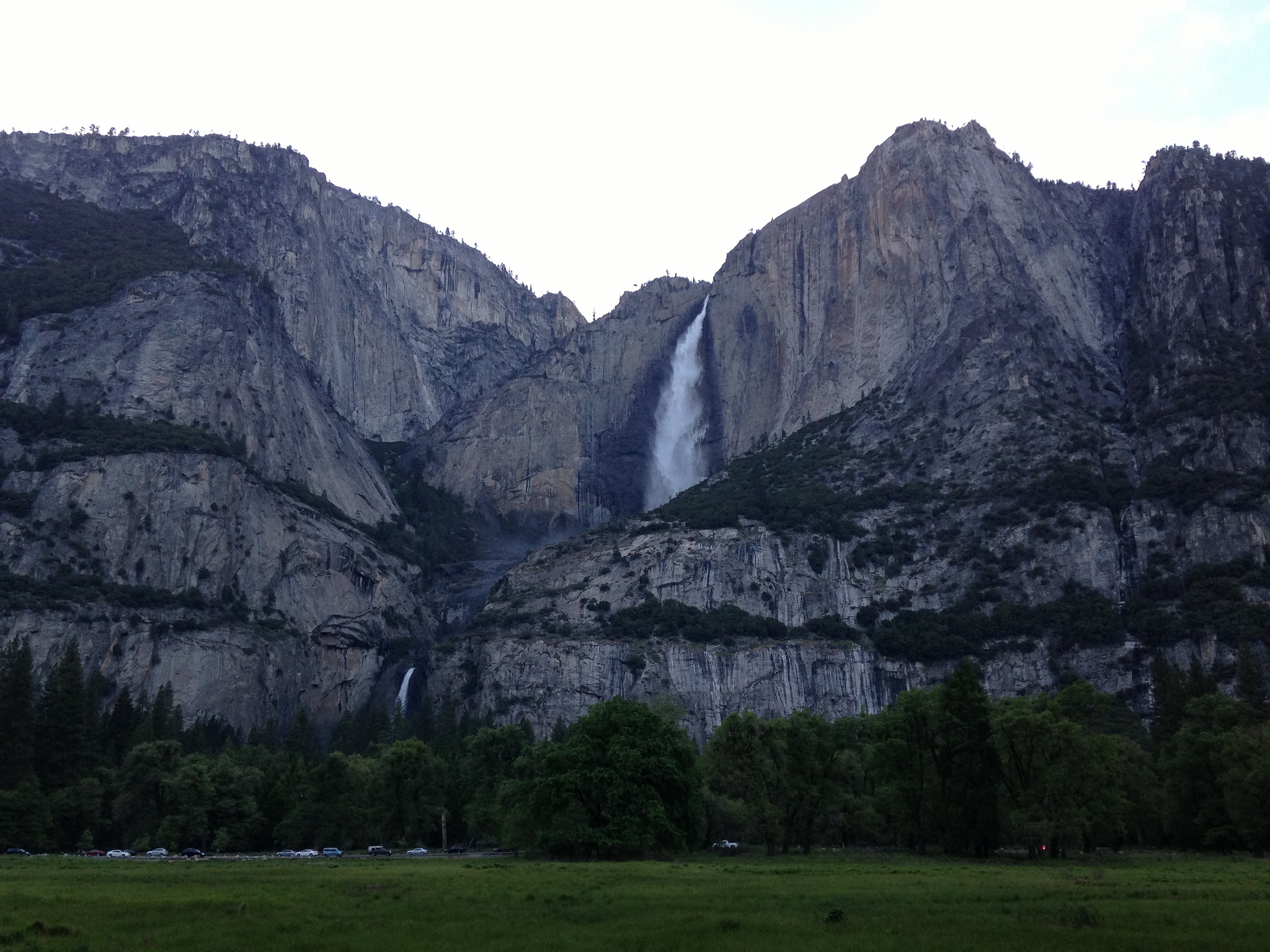
Flooding in Death Valley

Furnace Creek in Death Valley is the driest place in North America.  Its average annual rainfall is under two inches.  On August 5th, a thousand-year rainfall event dropped 1.46 inches of rain – about three-quarters of a year’s precipitation.  The all-time record for a single day is 1.47 inches, set in April 1988.  The storm did break the record for the most rain ever recorded in August, which averages just over a tenth of an inch of rain for the entire month.

The flash flood washed debris over roads, swept away and buried cars, knocked a water facility offline, damaged buildings, and stranded about a thousand visitors and staff in Death Valley National Park. By the next day, the flood water had mostly receded, and stranded visitors could be escorted out of the park by National Park personnel.

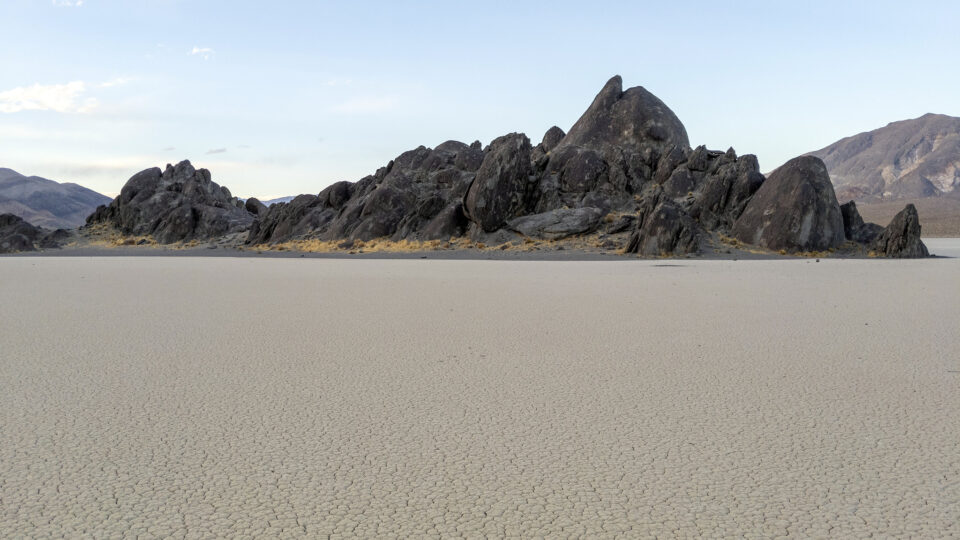
Death Valley sits at 282 feet below sea level.  If it were not for the extremely arid climate there, Death Valley would likely be filled with water.  However, humid air masses traveling east from the Pacific Ocean have to cross four mountain ranges before they reach the desert valley.  Those air masses lose their moisture in the form of rain on the western slopes of the mountain, leaving a dry area, or rain shadow, on the eastern sides.  By the time the air masses reach Death Valley, they are bone dry.  On rare occasions, the lowest spot in the valley fills with water forming a wide, shallow lake, known as Lake Badwater. 

The extreme heat and aridity of Death Valley evaporates the temporary lake quickly, returning the valley to its usual state.  Furnace Creek still holds the record for the highest air temperature ever recorded:  134 degrees Fahrenheit.

**********

Web Links

Death Valley Flash Flooding

Photo, posted April 7, 2021, courtesy of Matthew Dillon via Flickr.

Earth Wise is a production of WAMC Northeast Public Radio.
Bad News For The Aletsch Glacier

November 5, 2019 By EarthWise Leave a Comment

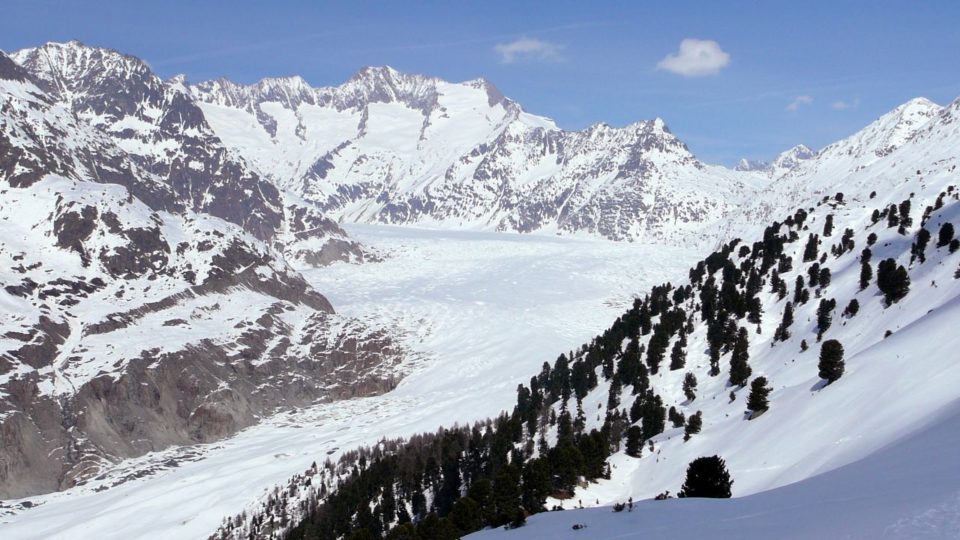
The Aletsch Glacier in Switzerland is the largest glacier in the Alps.  Every year, it attracts thousands of visitors from around the world.  The huge ice flow in the Upper Valais region of Switzerland is an Alpine tourist attraction second only to the Matterhorn.  In the summer, meltwater from the glacier is an important water source in the dry Rhone Valley.

As the climate continues to warm, the massive glacier continues to shrink.  The tongue of the glacier has receded by about a kilometer since the year 2000 and scientists predict that this trend will continue over the coming years.

Detailed simulations by researchers at ETH Zurich assessed the future of the Aletsch Glacier under different scenarios related to the concentration of CO2 in the atmosphere and the resulting warming.

The best-case scenario in which global warming is limited to less than 2 degrees Celsius would result in the glacier being half the size it is today by the end of the century.  If the global community does not pull together quickly to take effective measures against global warming, Switzerland could warm by as much as 4 to 8 degrees and by 2100, what was once the largest glacier in the Alps will be a couple of measly patches of ice.

To understand how much global warming has already impacted the glacier to date, even if somehow the climate remains the same as it has been for the past 10 years going forward, the ice volume of the Aletsch glacier will still decrease by nearly half its volume by the end of the century.  The glacier is no longer in equilibrium with the climate.

**********

Web Links

Gloomy forecast for the Aletsch Glacier

Photo, posted April 7, 2007, courtesy of Jessica Gardner via Flickr.

Earth Wise is a production of WAMC Northeast Public Radio.
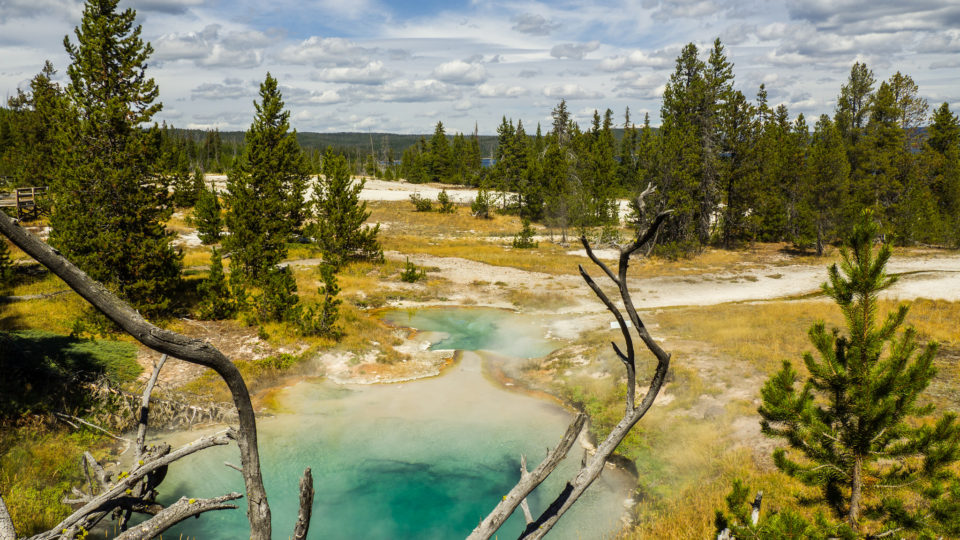
Your Children’s Yellowstone

January 25, 2019 By EarthWise Leave a Comment

Yellowstone National Park was the first national park in the US and according to some sources, the first in the world.  It is the home of charismatic megafauna and stunning geysers that attract over four million visitors a year.  It is the only place in the United States where bison and wolves can be seen in great numbers.  And it is changing.

Over the next few decades of climate change, Yellowstone will quite likely see increased fire, less forest, expanding grasslands, shallower, warmer waterways, and more invasive plants.  All these things will alter how and how many animals move through the landscape.   Ecosystems are always changing, but climate change is transforming habitats so quickly that many plants and animals may not be able to make the transition at all.

Since 1948, the average annual temperature in the Greater Yellowstone ecosystem has gone up by 2 degrees Fahrenheit.  On balance, winter is 10 days shorter and less cold.  The Northern Rockies snowpack has fallen to its lowest level in eight centuries. Summers in the park are warmer, drier, and increasingly prone to fire.

Non-nutritious invasive plants like cheatgrass and desert madwort have replaced nutritious native plants.  When plants like these take over, they suck moisture out of the ground early so that bison and elk cannot be sustained throughout the summer.

The behavior of elk and other animals is already changing, with many staying outside the park to nibble lawns and alfalfa fields.  In turn, wolves go where the elk go.   Forests and waterways are changing as well.

The rapid changes going on at Yellowstone mean that the park that our children and grandchildren will visit in the future is likely to be a very different one from the Yellowstone we remember.

**********

Web Links

In Yellowstone National Park, warming has brought rapid changes.

Photo, posted September 7, 2016, courtesy of Mike Yang via Flickr.  

Earth Wise is a production of WAMC Northeast Public Radio.
Dirty Air In The National Parks

August 27, 2018 By EarthWise Leave a Comment

https://earthwiseradio.org/wp-content/uploads/2018/08/EW-08-27-18-Dirty-Air-in-National-Parks.mp3

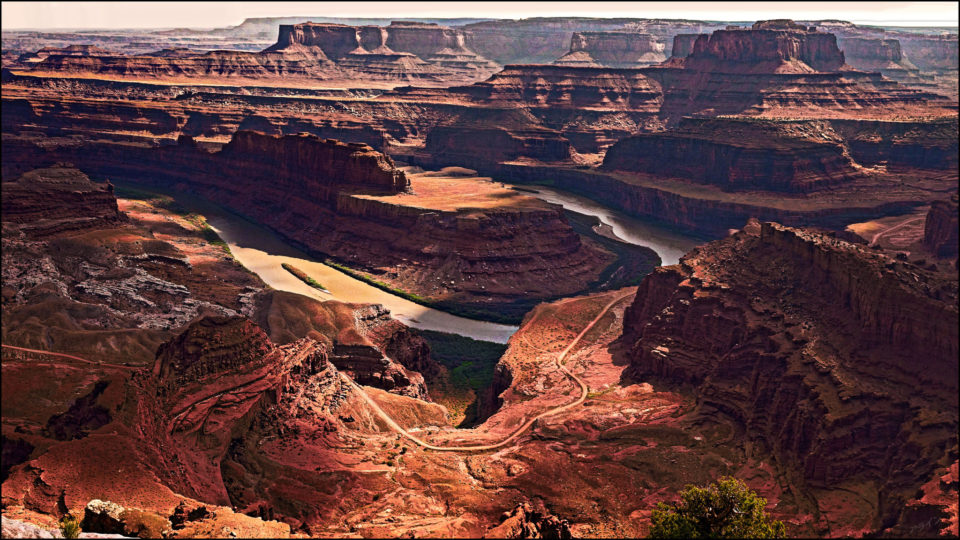
Our national parks are supposed to be places that allow us to commune with nature.  They offer incredible vistas and amazing sights.  As a result, millions of Americans and visitors from around the world are drawn to these places – too many millions, in fact.

[Read more…] about Dirty Air In The National Parks

National Parks Are Too Popular

August 31, 2017 By EarthWise

https://earthwiseradio.org/wp-content/uploads/2017/08/EW-08-31-17-National-Parks-Are-Too-Popular.mp3

National Parks are often thought of as America’s natural cathedrals – serene places we visit to commune with nature and soak up its grandeur.   Millions of Americans and other people from around the world are drawn to these amazing places.  Unfortunately, it is now too many millions.

[Read more…] about National Parks Are Too Popular

Ecotourism And Endangered Species

March 24, 2016 By WAMC WEB

https://earthwiseradio.org/wp-content/uploads/2016/03/EW-03-24-16-Ecotourism-and-Endangered-Species.mp3

Ecotourism is increasing on a global scale.   Ecotourism is generally defined as responsible travel to natural areas that conserves the environment, sustains the well-being of the local people, and involves interpretation and education.  Visitor numbers to many protected areas around the world are expanding every year.  Ecotourism provides rich experiences for the traveler and often has great benefits to local communities fighting poverty and seeking sustainable development.

[Read more…] about Ecotourism And Endangered Species

Primary Sidebar

Recent Episodes

  • An uninsurable future
  • Clean energy and jobs
  • Insect declines in remote regions
  • Fossil fuel producing nations ignoring climate goals
  • Trouble for clownfishes

WAMC Northeast Public Radio

WAMC/Northeast Public Radio is a regional public radio network serving parts of seven northeastern states (more...)

Copyright © 2026 ·